



















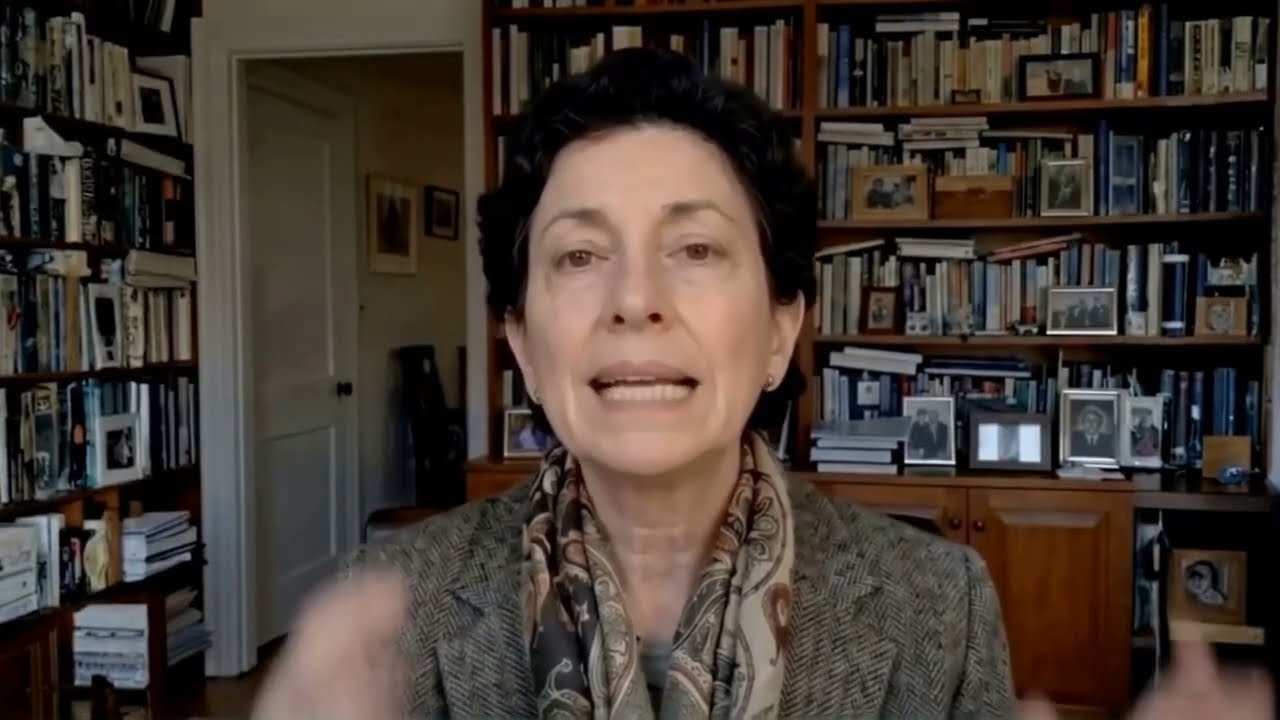
In this parliamentary hearing, Iranian Ambassador Seyed Ali Mousavi defended Iran's nuclear program as peaceful and compliant with international law, stating that Iran has not attacked Israel and that any escalation would be in response to Israeli aggression; he emphasized that Iran's uranium enrichment is for civilian purposes at 3.6-6% purity levels, monitored by IAEA inspectors, and that Iran remains committed to diplomacy while condemning what it calls Israeli violations of international law and humanitarian principles.
UK MPs Question Iranian Ambassador: Nuclear & Proxy Tensions | Analysis
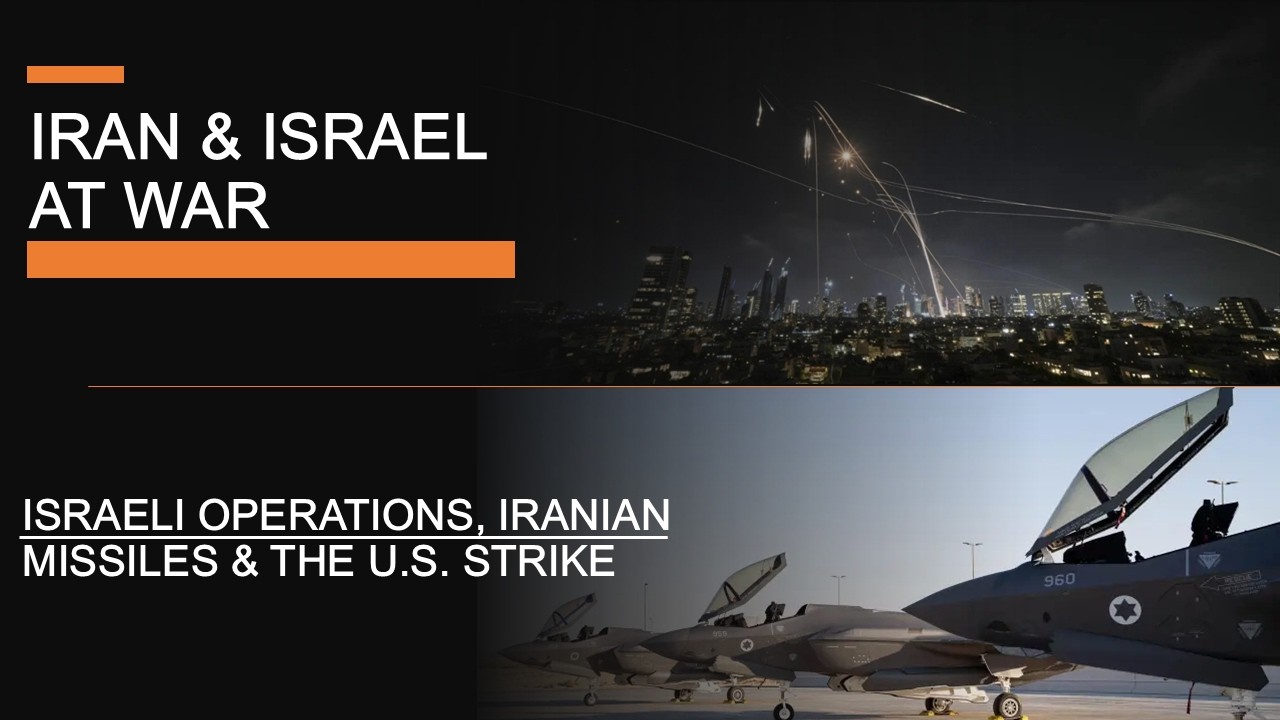
Added:The origins, key terms, and collapse of the Joint Comprehensive Plan of Action (JCPOA), also known as the Iran Nuclear Deal.
The concept of proxy warfare and how Middle Eastern geopolitics are shaped by state-sponsored non-state actors.
The mandate and structure of UK Parliamentary Select Committees, particularly how they conduct oversight of foreign policy.
The role of the International Atomic Energy Agency (IAEA) in monitoring nuclear enrichment and enforcing non-proliferation treaties.
The legal protections and limitations of diplomatic representation under the 1961 Vienna Convention on Diplomatic Relations.
The strategic and tactical impact of low-cost unmanned aerial vehicles (UAVs) in modern hybrid warfare and international export controls.
The efficacy and humanitarian impact of secondary economic sanctions as a tool of coercive diplomacy.
Advanced deterrence theory and escalation management in the Middle East, specifically regarding the 'nuclear breakout' timeline.
105.7K views1.6Klikes43:11Original Release: 2025-06-18
and our sovereignty.
Unlike the Israeli regime, Iran respect international humanitarian law. We did not target civilians. The US forces supported Israeli aggression.
Without US weapons, intelligence, and political backing, this attack could not have be.
The United States will share responsibility for this unlawful act.
This aggression came just as the sixth round of the nuclear negotiation was about to resume in Moscow last Sunday.
Iran came to the table in good faith and with new proposal aimed at bridging differences.
The US however responded in bad face.
This hypocrisy, this hypocrisy undermines trust and diplomacy.
Israel tries to sabotage diplomacy through force.
This is a pattern. This is a pattern of the Israeli behavior.
Derail talks, escalate conflicts, and this distract from the on on itsgoing crimes, especially the genocide in Gaza.
now is committing the genocide in Gaza with the hunger weapons start you know with uh different limitation and different problems for the innocent peoples let me be clear Iran has not attacked Israel Iran has not started any war so that the so-called exist existential threat narrative is false.
It has no legal basis. Also, Israeli invocation of the preemptive self-defense illegally untemptable and dangerously erode the fundament foundational prohibition of use of force in international relations.
It is used only to justify aggression and hide Israel's war crimes.
Iran warns any country assisting Israeli aggression will share legal responsibility for the consequences.
Last Friday, Iran called for urgent security council meeting and our request is simple.
The council must act now according to United Nations charter as a the main important achievement of the human community in 20th century.
Our request is simple.
The council must act now. condemn this aggression, stop the aggressor, defend the charter and international law.
But council has failed to do that.
Its silence and indifference undermine the this credibility and the foundations of the United Nations.
We thank those members of the security council who stood on the right side of the history.
We also thank our regional partners in various mechanism including the OIC and group of friends of the defense of the United Nation Charter for their principal stand and their joint statement in condemning this aggression and supporting Iran's right to self-defense.
Iran will continue to exercise its right to self-defense until Israeli regime aggression stops.
or the international community especially the security council takes the meaningful action.
We um the USD yesterday we have sent another letter to address the security general and security council repeating all urgent requests. We call the security council to condemn this act of aggression. Hold aggressors and their enabler accountable, take the urgent action to prevent further action uh aggression.
In action will only embolden the aggressor and weaken the rule of law. I think that's that's that's very clear.
The challenge is very clear, your excellency. Um, I I'm I'm so sorry to interrupt and I don't mean to be disrespectful, but because we only have until until 4:00 where we're going to have a number of votes and we have about I think we may have about 10 questions for you. Would it be may if it just takes a moment? That's it will damage the credibility of the United Nation and its achievements in maintaining international peace and security and rural flow in international levels. Let us not forget Israel's only regime is in our region with nuclear weapons.
It's refused to join to join the MPT and place its facilities under the IEA safeguards. It has attacked almost all of his neighbors and continues to commit atrocity without consequences. Iran will continue to act within the framework of international law. We will defend ourselves lawfully and proportionately but is primary responsibility of international community including United Kingdom to maintain international peace and security.
The international community must act now to stop the genocidal aggressor from the committing further atrocity against our people. I thank you madame territory for your attention and other distinguished ladies and gentlemen. Thank you.
Can I begin by I think the question that that many members of the British public may be asking and and they've they've heard it from those who who have been thinking about this and and particularly those who are who are friends with Israel and and who believe in Israel's right to exist and and to be able to um to live in peace. And what they say is this. What is Israel to do when they have a belligerent neighbor who says things like like um Ahmad Jad said in 2005 that Israel should be wiped from the map or that uh uh the supreme leader said that uh Israel was a dangerous and fatal cancer or uh or the supreme leader said with Allah's help there will be no such thing as a Zionist regime in 25 years. So there's there's this rhetoric.
There's also, it is thought, that Iran supports and arms, the Houthis, supports Hamas and Hezbollah, and that they're being used as proxies to attack, Israel.
So, there are these two things. And then they see evidence of Iran not just having having uh um not not just having nuclear um material, which is at 3.6% 6% which is the amount that is necessary for civilian use but is continues to enrich it and certainly is at 60%. It may even be at 80 to 90% purity and 90% purity is what's needed for a bomb. So those looking at this situation say well they may not have been Israel may not have been directly attacked but it looks like they may is Iran may have up to 90% purity. They have proxies who are attacking it and there is this belligerent language. What is Israel to do? And I think that question is an important one for me to ask you and it's important for us to be able to help have an an answer. I appreciate it's a quite a profound one.
And I also just want to if it's possible to to give shorter short answers at all possible to answer such a profound question. It's impossible but I try. I'm trying. But we have a number of other questions to pile after that. That's all right.
First of all that let let me let me come to the you know the death of the establishment of the Israeli regime.
Israeli regime established on occupation established in apartheite established for you know without any uh application of the right to self-determination of the Palestinian people. This is the main problem. This is the main problem. The Israeli regime cannot answer you have I'm coming. I'm coming. I'm coming. So this is very important. You come to the root causes. If you want to have a good analysis, you should go to the history and study the more about the details of the this problems that we have in our region. Okay. regarding for the matters related to the from the Iranian side regarding for the uh you see uh some say you mentioned that President Ahmed or some else we always would reiterate to the you know convening of the one very public and fair referendum in the occupied territory with the participation of the Jewish people, Christians and Muslims and in in line with the self-determination of the people who are living there.
There is no intention from the Iranian side to go to the military phase. This is this is the main problem. This is the main fundamental argument that we have regarding for the you mentioned so-called practices. No, they are they have their own nations in Yemeni people or in Palestinian people who you know the Hamas people all of them you know liberation organization they are trying to you know to achieve the self-determination to punish the uh occupiers that's it okay you are providing arms to them you are providing you know regard regarding arms and funding to ideological groups that share your view and they are they are they are they are delivering the outcome that Iran wishes.
You see that we have the very importance you know uh Islamic revolution Islamic revolution as the source of inspiration all of the people in the our region Islamic revolution you know insisted in self-determination that's very important right and the elimination of all of the discrimination and apartheid in our region there is no this is not ideology this is only legal matters according to the international law from the Iranian side that that will inspire No, according to the our international cooperation with the international cooperation with all of the world. So your excellency, you're saying that that all that Iran supplies to the Houthies to Hamas and Hezbollah is inspiration that there is no there is no assistance of any other sort. There's no weapons or or any other support given to those groups by Iran. You see that Iran as a sovereign state has their own international cooperation with the all of the world. It's very important as your government has an international cooperation with the Israeli regime that it is very important and fundamental if you want to intervene our relations with the other people it's prohibited by international law they are inspired by the Iranian Islamic revolution Islamic revolution is a very important source of the self-determination and so for you know you see the combating all of the apartheidiz and discrimination in this region not only this regime but also for all of the world you know at that time that we had the same problem with the South Africa apparatite regime. Before we go before we go into that may I may I may I go back to to Edward because I think you got a a wider question about where next. Yes. Uh I do um I I would take a a slightly different view to what you've just outlined ambassador. I mean members of the IRGC have been assassinated in Lebanon. they've been assassinated in Iraq, providing military training to Iranian proxies. So, the idea that Iran isn't providing material support to countries that are attacking Israel, I'm not sure, is backed up by by the evidence on the ground. Um, in terms of what Iran's escalation options are, um, is it Iran's intention to close the straits of Hamuz?
What is it Iran's intentions to close the straits of Himus?
Uh, yes. First of all, regarding for the you know uh our activities in Lebanon in south of Lebanon it comes to according to the request for the their people and their government because the Israeli regime invaded the Lebanon.
Yes, this is the way the root causes because the Israeli regime invaded the Lebanon and the Lines people you know government requested to help them. It's a very simple and so so if you want to come to over that that the IRGC send some some things for this issues. Yes, IRGC is a very important and very one of the component of the Iranian system is a very ordinary you know you have that the same army in your your country in any other countries. Why are you why are you blaming IRGC?
Why are you why are why are you and simply pointing out that there is evidence to to suggest that counters your argument that Iran is not providing any material military aid to agree but let's but let's but we're getting sidirect I want to understand what Iran's plans are if it's not to come to the negotiating table you know does Iran plan to escalate the conflict by closing the straits of Hamuz or is Iran willing to rule that out completely completely.
As as a as a country that is heavily reliant on the free movement of of goods around the globe, um we obviously have a vested interest in freedom of navigation in the straits of Hamuz. So on behalf of your government, can you make clear what its position and intentions are? You see that regard always we are ready to have to to to to uh you see uh apply for uh diplomatic and negotiated solutions. We always declare that the the first priority of the Islamic government is Iranian government is diplomacy. We we were we very in middle of the diplomacy.
We're very middle of the negotiation with the American side.
But unfortunately Netanyahu disrupted destroyed it but his aggression against us. Now I'm telling to you excellency I'm telling to you that Iran now is several times yesterday that we had a meeting we had a telephone conversation our minister with your minister the minister you know secretary Lami and the French and chairman and uh European Union you know we declared that the first priority is diplomacy provided subject to the ceasefire the Israeli regime should stop their arm attack to the Iranian people and Iranian infrastructures in infrastructures. It's a very important it's very important to hear that and that essentially um you're saying that what Iran wants is a ceasefire and they want to go back to negotiations.
What is the bottom line when it comes to negotiations?
Um because there I mean there clearly have been changes. There has been the I mean the IEA um uh inspectors say that they they're not getting the access that they used to. They're concerned about what Iran is actually doing with its with its uh nuclear material and the nuclear material seems to be being made increasingly pure. Um so if there were to be negotiations would there be a change in the Iranian position visav nuclear enrichment?
Uh yes it regarded that you know as a responsible member state of the IEA we had a very uh extensive and comprehensive cooperation with the IEA you know before the JCPA and after the JCPA you see JCPA has owned their legal requirement upon us and the other hand uh IEA the safeguard agreement in JCPA we accepted besides of the IEA statute and safeguard department. We have the other extra monitoring will be monitored by the IEA and our voluntary activities to attracted international community trust to us you know make a confidence building confidence building because the Iran is totally Iranian nuclear peaceful activities is totally peaceful and according to this I'm sorry according to this uh uh IEA produced 15 reports s that there is no any deviation there is no any diversion from the Iranian nuclear activities from the peacefully to military phase the problem was but but but after the after the JCPA it's very important after the JCPA uh squander by United States the Trump administration in in the first presidency phase you know we refer to the uh you know European countries that please do your obligations do your obl application and there is no doubt we will expect uh fulfill your uh expectation and but unfortunately E3 does did not have any uh good functions in this regard because all of them saying and observing what United States telling them. Yes, this is the problem. I think with with with you know I think that you would find many people who would who would agree that you know it was very unfortunate that the that the original agreement was not stuck to and that the the Americans walked away from it but we are where we are now and the IEA the last report from the IEA didn't say I mean was quite I mean surely you understand the rest of the world found it quite worrying if I if I may but may I I was going to go on to Blair but may I move to Abdisam first because what she says I think next is going to be of relevance because you Thank you. Thank you, chair. Um, ambassador, a question um I have is there have been numerous media reports uh in relation to Iran uh preparing a bill in parliament to leave um the nuclear nonprololiferation treaty. Um why why would Iran do this?
Uh you see that in in our system that the parliament is an independent organ in our system and so they are they are they can they can submit you know draft law uh for everything. One of them is you know denunciation from the NPT but it is not yet adopted by the parliament.
This is not our intention that the the the government according to our defense doctrine, according our religious teachings and according our international uh obligations including the MPT. Uh now there is no choice going to exit to MPT. But this is one of the uh proposal raised by the Iranian parliamentarian uh peoples. Does this give the indication by leaving the MPT that you intend to militarize um your nuclear facilities? No, no, no. There is no there know accord I I told you that no uh different mass destruction weapons. There is no any uh status in our doctrine uh defense doctrine. We are the member of the CWC. We are the member of MPT. We are the member of BWC. So why not remain a member of the MPT? Why leave? It it depends. It depends the situation. According to the article 10 of the MPT, it's very important. Every state party if they feel that the vital interest has been going treaten by the somebody at that time we are going to review. There is no doubt about it because you see you you have please give me the photos of the innocent people.
They are innocent people all of them have been killing. We are responsible for these people.
All of them. This is this one and father and girl daughter. His daughter. We have a mahad. Excuse me.
Let me Sorry, ambassador. We actually have a It's a very important This is the innocent people and civilian that I am representative of these people in this.
It's all right. It's all right. It's all right. It's all right. It's a It's so sorry. We we have we have rules about props and and and not showing photographs and so on. I'm I'm I'm so sorry and and as I said at the outset um you we we we're completely sympathetic to and and and think that the deaths of civilians on both sides is simply appalling and and wanted to stop and that's really what this is this hearing is about. Thank you. Um can I move on to Blair? Ambassador, you spoke with with apparent passion at the beginning of your statement about how dangerous the world would be if we embolden um aggression and don't act within international law. The chair asked you for short question, so I'll give you the the opportunity to to give a short answer. How many Iranian shahed drones have been fired by Putin at Ukraine over the last three years?
Uh, you mean that how many drone how many Shahid drones Iranian Shahed drones have been fired by Putin at Ukraine over the last two years?
Ah, you see, I'm just looking for a number. I'm I'm I I will reply to you.
Yes, there is no doubt. You know, we uh the the Russian and Iranian uh defense corporations originate more than 20 years ago. Do you know the number? No, I don't know. I don't know the number. The number is 8,000. Okay. I put it to you that if we do live in a world now where violence and might are taking precedent over law and right, I would suggest that I the Iranian regime has a deep responsibility for that. Let me ask you another question and again this is a question with a simple number as an answer. The director general of MI5 identified a number of plots backed by Iran in this country to including lethal threats against Iranian dissident and against Jewish communities here. How many plots had he identified in the last three years? He he he claimed 22. But but let me let me answer to you. Let me answer to you. First of all, let me this is very important. Please correct your wording that the Iranian government is a lawful and very important and significant and respectful government.
There is no need to building the regime for them. What's the legal basis for Putin's war? Then if you are such a supporter of international law, let me let me let me I'm I'm telling to you to your correct your you know wording regarding for the Mar government. Mar government is a legal government and there is no doubt about it. But you you should use their not you should regime.
It's it's a very lawful and legally responsible state in the world. What's the legal basis for Putin's war in Ukraine? Let me I I will answer you please. Let me finish. You see regarding for the or our defense cooperation that Iran and the Russian Federation it's a very important and we declare to the Russian side not to use to the our cooperation with the third party against the third party. You can ask 8,000 Shahid drones fired at Ukraine.
We're not allowed to do props, but seeing as you did, there is one of your one of your drones hitting an apartment block in Ke. You can ask this question from the Russian Federation, sir.
They're your weapon. Yeah, you can you can ask this question. I'm asking this question from your side that using or the American side that using that the same military equipment against the Iranian people. You don't you do not have any defense cooperation, military cooperation between Israel and Britain.
I'm I'm suggesting I'm suggesting I'm suggesting yes or no excellency you're here to answer questions. I'll ask I'm suggesting your moral authority is shredded by your support. If you ask me to answer you excellency if you ask me to you to answer your question there there is your duty to answer my question because because this is the dialogue room. I came here to cons to declare our concerns to the one responsible state the United Kingdom. I respect the United Kingdom for his achievement to the human uh you know community in the world I think and United Kingdom is a member member state of United you know you know security council of the United Nations. Why did did why don't you condemn the Israeli uh attacked Israeli arm attacked the Iran? You didn't condemn it. Your excellency we're and regarding regarding for the Your excellency we're we're very exciting for the uh you know MI5 may I ask you may I answer to wait what I would like to do if we could just take a breath.
Okay. It is really we are very grateful to you for coming. Thank you. And and and the evidence that you've given in the in the round is what's important and it's the evidence that you give and we listen to what it is that you say and what we're trying to do by asking questions is to test what you're saying.
Thank you so much. Um but it's we're not really in a position to speak on behalf of the British government. We are here to test your evidence to try to make a contribution which is so that we can hear the Iranian point of view but not just take it at face value but also to test it. And that's that is what we're what we're trying to do in good faith.
Um and I have a few people who still want to have questions. Um perhaps I should go to Sir John first and then I'll go the other side. Um thank you. Uh I'd just like to follow up Blair's question, Ambassador. Um you'll be aware that the British government has said that Iran represents one of the greatest threats to the security of the United Kingdom and for that reason has been placed the first nation to be placed on the enhanced tier of a foreign influence registration scheme. Now you referred in your opening remark to the attack on the Iranian broadcasting organization and you described that as a war crime. I've been to visit Iran International, which is based in London, whose journalists have been subjected to threats from Iran on a daily basis, where a journalist was stabbed in a London street and where Iranian citizens are currently being uh accused of conducting that. I've also talked to BBC Persian journalists whose families are being daily harassed by the Iranian regime in Thran. So, why are those not war crimes? And how do you defend the behavior of the Iranian government?
I I think this is this is uh irrelevant question. I'm sorry sir because I'm telling the regarding for the Israeli aggression but but with your respect I will respond to you. I do believe that regarding for uh these claims has been raised by different people. We need evidences. There is no we need evidences. Several times we declare to the uh foreign office to have some uh consultation meetings with the the military services regarding for the address all of these issues. These issues are some allegations and blame into against my country. Yes. Yes. We have some criticism regarding for the per BBC BBC Persian activities. they are going to making some uh you see uh inter intervening of domestic our Iranian domestic affairs. But according to our British bilateral uh you know diplomatic relations we uh several times we suggested to uh British authority to consider in bilateral consultations.
There is no doubt about it that if you have any evidences please submit we will consider it but you know some sometimes making some allegation and something with you know regarding after the you know excellency mentioned regard for the report of the MI5 several times more than se more than 10 times we declared by verbal note in diplomatic negotiation please send your you are we will send our security services to have the this kind of to result these matters raising in our bilateral relations. We have very uh you know constructive business-like uh diplomatic relations. Your ambassador Mr. Hoger is uh working in Tehran in your embassy and I came to London after the vacancy of the three years. We do not have any ambassador and I am very uh keen to the to provide and prepare different uh cooperation between Iran and United Kingdom. I am I'm I'm assure you sir that Iranian side is ready to cooperate for everything cultural economic security everything according to the your evidences that you have or evidences we can share it. Ambassador, the statement by the director general of the security service that there have been over 20 assassination and abduction plots that has no uh the Iranian government has no responsibility for those. And you referred earlier to your support for freedom of the press in terms of the Iranian broadcasting corporation. So whilst you may have criticisms of BBC Persian service, there has been no harassment or intimidation of their relatives and you have not the government of Iran is not responsible for any uh threats against Iranian journalists based in London working for Iran international. Is that the case? I I told you excellency I told you that this all of the this should these matters should be considered should be considered in in between the expertise groups. This is the some uh you know claims please no there is no doubt that the Iranian side is ready to cooperate with the British side to consider and remove this kind of mis misunder understandings.
Alex um ambassador you talked at the start in your statement about Israel attacking civilian nuclear facilities across Iran.
Um I understand from wide reporting that Iran has been enriching uranium up to 60% in a large quantity and now up to 80 or 90%. Um in which case in both cases in fact there is no civilian purpose for this uranium. It can only be moving towards the development of a nuclear weapon. What justification is Iran giving for enriching this uranium for moving beyond any civilian needs?
You see that uh first of all that all of the disenrichment has been declared to this AEI. Now now in during the our our war with the Israeli regime there are uh some IEA inspectors in Natans in others uh you know uh nuclear facilities in Iran. They are monitoring all of the our uh you see nuclear activities including the enrichment and so according to the expertise according to the you know different people who are professional their profession in in the nuclear matters that the this kind of uh uh ne enrichments only for the peaceful only for peaceful activities that's it we do not any we do not have any you know aim and what are these what are these peaceful activities Because of course yeah you can you can ask this question from the you know different you know experts people ask technical people yeah I'm I'm telling to you I I learned this matters from them and according to their explanation all of these matters has been monitored by the IEA there are some ambiguities that we declared to the IEA that we are ready to remove any ambiguities there is no any intention from our side going to enrich to the level of the nuclear bomb. But unfortunately politically motivated uh activities of the ery preey in the recent uh meeting session of the governor of war board of governors of IEA make a one uh you see another mistake that Israeli regime used this pretext to attack us but but irregarding for the your question I'm telling to you every activities of the Iranian you know Iranian and atomic organization all peacefully there is no you can you can ask the the sophisticated questions with the experts may may I don't want to interrupt but I just want to put context in so that the public understand the in the the international atomic energy ay's board of governors on the 13th of June formally declared Iran in breach of its non-prololiferation obligations for the first time in 20 years and I think that's the reference that you're making to politically motivated um attacks is is that right yeah Yeah. Okay.
Um so, so I think the belief of of many of us in here that there is no civilian justification for the enrichment um of uranium up to the point that you've you've suggested. Uh and it does it does put credence to the fact that Iran is developing a nuclear weapon and is a is a is a threshold state almost and you can you can understand why a country such Israel that has been threatened so many times by Iran would find that as a extremely serious security threat. You see that I think that if if you uh if you have any problems any any you know uh differences between Iran and IEA all of the matters should be addressed uh through the diplomacy and according to the you know uh technical consultations not giving the pretext for the one illegal and legitimate regime like Israel to attack us because we're running out of time. Would you mind if I finally please please do I just want to get I think Edward had another question and I think Dan had one too. I just wanted to follow up on Alex's point ambassador which I think there's a sort of real politique element to this which is that Iran wants there to be a ceasefire before there's a negotiation. the the position of Israel and the United States is that Iran needs to give up its enrichment program and return at the very least to a civilian level. Given that Iran has effectively lost control of its airspace, given that the IDF can can act with impunity across uh Iran, your proxies are refusing to uh respond to Israel's attack. you are rapidly running out of ballistic missiles um to respond to uh Israel attacks. I mean the reality on the ground would dictate that Iran has very little scope but to enter the negotiation table and to make why won't Iran if it has no nuclear weapon ambition just say that the price of a ceasefire that you're willing to pay is to give up your nuclear enrichment program. You see the main problem that regarding in this in this phase removing the the main intention from the our side removing any any concern any worries from the different countries in international community especially the uh you see uh European countries that uh for Iranian the essence of the Iranian nuclear activities. We are ar we we assure you that there is no there is no any limitation from our side to to remove any concerns. We declared this is our priority. We declared this is our priority to remove any misunderstanding.
We do not want to uh achieve nuclear weapon.
We we have you know during the 15 15 reports of the IEA during the implementation of the JCPA we declare we we we show our intention we showed our intention that Iran has not any any desire any desire to produce the nuclear bomb. This is because this are in our are responsible member states of the MPT and as well as ground the reality on the ground dictates that in the reality of the grounds is an inspector of the IEA IIA has a very different interaction with us is going to be giving up your nuclear enrichment that's that's the obvious situation on the ground right now. So my question is why won't Iran simply commit if you have no nuclear ambitions simply commit to stop ceasing enrichment hand over what has been enriched and go back to 3.6% 6% civilian that would be that would be yeah there is there is no doubt that we agree with you but through the diplomacy not arm attacked the other the other thing which I think many people may wonder about is and I think this is it is this point about about Iran maybe very close to being able to build a nuclear bomb why why because because because because of the because the IEA has said that we that you've breached it and because the because of the amount of of uh because because the uh the nuclear uh material is so is becoming so pure and is much more pure than is needed. But I think the counterargument which you know people do need to hear and I and I think is something that you you needs to be expressed here today is that if Iran has been a few months close to being able to build something but and still hasn't over a period of many years. So, so Edward's question is if it's true that you don't intend to go any further, first of all, why do you have things why do you have material of such purity? And secondly, if you don't intend to use it, the price may be for peace to go back to the 3.6% that you'd need just to be able to use it for zillian purposes. And that we hope would mean that civilians would stop being killed on both sides.
All of the ar nuclear activities are purely all of them purely peaceful and all of them are monitored by IEA. There was some ambiguities raised raised by the non-implementation of the JCPA by the you know European and American side.
It makes a problem for us that we do we did all of the obligation through the safeguard part agreement and as well as the statute of the IEA and and please please be please accept our asurances that the Iranian side the the in the Iran in Iranian system there is no desire there is no any intention to produce the nuclear bomb. It is very important.
It's not it's not only for international obligation. This is our religious teachings that the all of the mass destruction weapon is prohibit are prohibited in according to the Shia Sharia and Islamic. There's a fatwa to that. Yes, there's a fatwa fatwa can be can be changed I suppose would be the gantry it but I mean but may I may I just go to the last question and I I'm going to ask an cardinal. I think we might be in the by bells but I'll have a go. I'll try. Welcome ambassador. Um it strikes me that any attempt to get to a diplomatic outcome uh is going to require trust uh on all sides and trust is something that the the Iranian regime simply doesn't have and you talked in your opening remarks about international law. You talked about the loss of civilian life and I wanted to ask you about reports that the Iranian regime itself has widespread Iranian government regime has government please has murdered over over a thousand of its citizens in 2024 and I wanted to ask you do you know how many of your own citizens the Iranian regime has murdered this year in 2025 you see there is a very very uh I'm sorry excellency there is a very dangerous and mystic assumption in your question. Your question is not correct.
The UN Yes. Let me not let me I'm I'm telling to you as an Iranian ambassador to you. Why are you you why are you you know referring to the other you know misunderstanding mis misinformation disinformations.
This is all of them totally wrong. I'm telling to you this we I'm telling to you nobody perfect but we do have some perfect some some uh problems but this kind of question has their own false assumption and based on misunderstanding and misperceptions. I'm sorry. No, I'm so and my apologies. We we now we have to go and vote. Um but I do want to to thank you um for coming in this afternoon. I hope that uh that that that people watching have uh have have had a proper insight into your into your perspective and and I hope that those watching have also seen us challenge some of the things that you've said but hopefully it will amount to greater greater understanding between us and we do hope that there will be peace in the near future and there will be deescalation of this conf. I'm very thankful for you, Madame Tonbury, for your invitation and give me this chance to uh you know uh review my you know to declare my point of views to you. I'm I'm uh all of the this distinguished peoples here. Thank you so much. Thank you. Thank you very much.
Up Next

58:36
Cyber Threats and Nuclear Weapons: Risks, Scenarios, and Policy
@CISACatStanford
757 views•2021-12-13
88:38
Patronage and Political Machines in Southeast Asian Elections
@NewYorkSoutheastAsiaNetwork
511 views•2023-04-05
7:33
Government Surveillance Methods: 10 Ways You May Be Watched
@BeAmazed
1.6M views•2017-04-09
10:19
Explaining the Saudi-Iranian Proxy Conflict in the Middle East
@Vox
18.2M views•2017-07-17
Related Study Plans & Knowledge Roadmaps
Structured learning paths in Political Science
political-science
Analyzing Clientelism: Patronage & Vote-Buying
01Foundational Concepts of Clientelism
02Mechanics of Patronage and Resource Allocation
03Vote-Buying, Turnout Buying, and Ballot Secrecy
+ 2 more learning modules
12h5 modules
Explore Roadmap
political-science
Economic Statecraft: Sanctions & Chokepoints
01Foundations of Geoeconomics and Economic Statecraft
02The Mechanics of Weaponized Interdependence
03International Sanctions: Types, Implementation, and Efficacy
+ 2 more learning modules
12h5 modules
Explore Roadmap
political-science
Central Bank Independence: Politics & Policy
01Foundations of Central Banking and Monetary Policy
02The Time Inconsistency Problem & Inflation Bias
03The Delegation Model and Designing Independence
+ 2 more learning modules
12h5 modules
Explore Roadmap
political-science
Consociationalism: Power-Sharing & Stability
01Democratic Dilemmas in Divided Societies
02Introduction to Consociational Democracy
03The Four Pillars of Consociational Design
+ 2 more learning modules
12h5 modules
Explore Roadmap