![#WUF10 Watch the full Opening Ceremony [9 February 2020]](https://i.ytimg.com/vi_webp/HuJ3EOzIUz4/maxresdefault.webp)







![[풀버전] 집값 반등 속지 마세요. 부동산 시장 무너질 겁니다. [책인싸 - 채상욱 대표]](https://i.ytimg.com/vi/HgN6ijDwXiQ/maxresdefault.jpg)

![한국 부동산 이상징조 시작됐다, 집값 내년부터 무서울 겁니다 [홍춘욱 박사 1부]](https://i.ytimg.com/vi_webp/knoTV76st7Y/maxresdefault.webp)


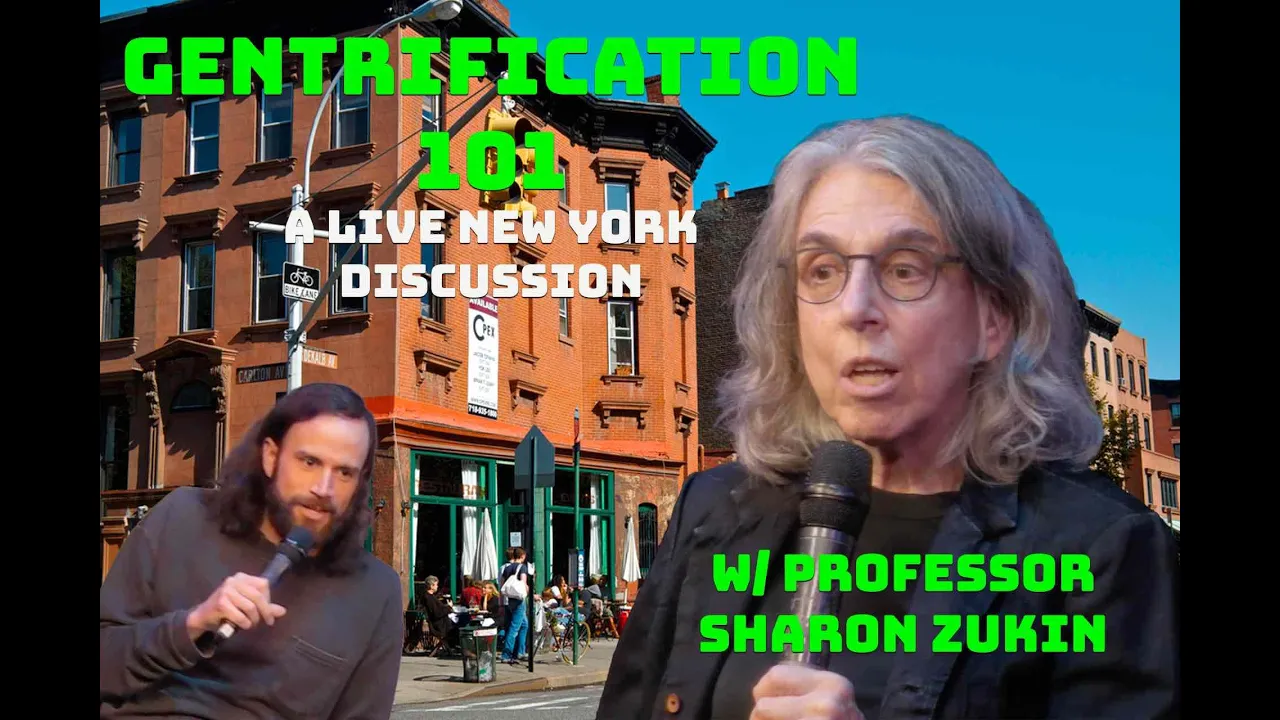






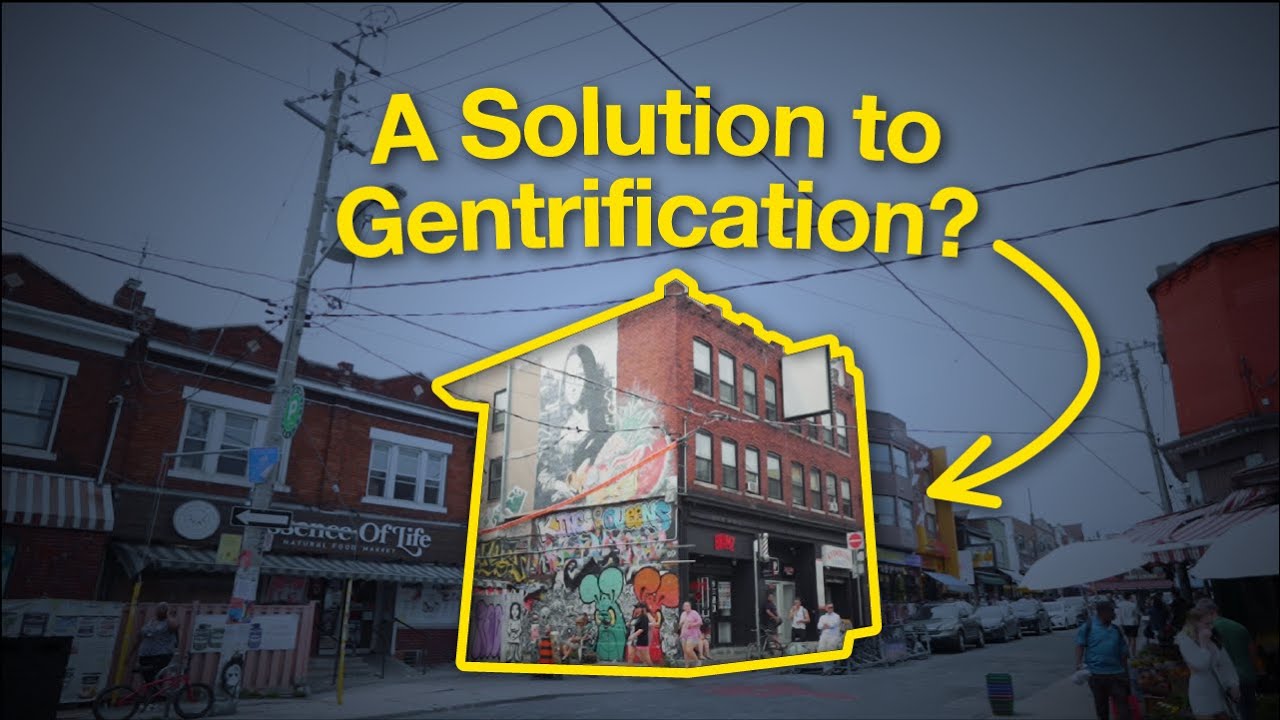
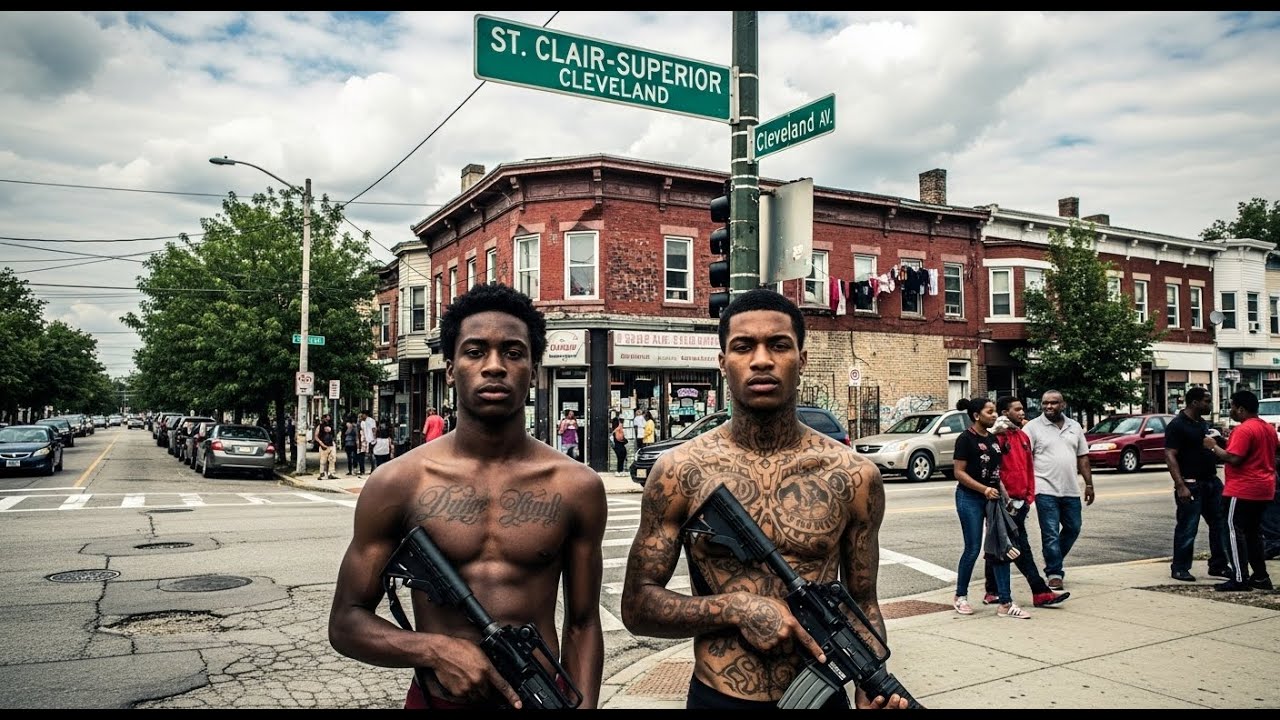

Gentrification is a multi-stage urban transformation process where middle-class individuals initially move into working-class neighborhoods, using their cultural capital to improve property values, which then attracts government involvement through rezoning, policing, and inclusionary housing policies; this process involves complex power dynamics where authenticity becomes a contested concept, private-public partnerships like Business Improvement Districts manage public spaces, and zoning laws enable rapid neighborhood restructuring, ultimately creating tensions between preserving neighborhood character and accommodating market-driven development.
Gentrification and Urban Renewal: An NYC Walking Tour with Sharon Zukin
Added:Basic understanding of urban planning history, particularly the shift of major cities from industrial manufacturing hubs to consumer and culture-led economies.
The fundamental concepts of zoning and land-use regulations, including how municipal governments control neighborhood development.
An introductory grasp of urban sociology, specifically the definitions of class, demographics, and the social stratification of urban spaces.
Familiarity with basic economic principles of housing markets, such as property appreciation, rent gap theory, and real estate investment.
In-depth analysis of the role of Business Improvement Districts (BIDs) and the privatization and commercialization of public spaces.
Examination of Sharon Zukin's concept of 'Pacification by Cappuccino' and how cultural capital and lifestyle consumption drive urban redevelopment.
Study of the social consequences of gentrification, focusing on displacement patterns, community resistance, and tenant advocacy movements.
Evaluation of urban policy solutions and alternatives to gentrification, such as Community Land Trusts (CLTs), inclusionary zoning, and rent stabilization.
18.5K views780likes34:03Original Release: 2024-10-09
oh H so sorry hey guys how are you today I'm going to do a kind of little tour today uh in a little area of Manhattan we're going to be in downtown but we're going to be talking about something specifically we're be talking about gentrification with the the GW but I'm going to be doing it with this woman named Sharon zuken Professor Sharon zukin at cuni who's an expert on the subject She Wrote This Book which it caught me reading before we start guys check out the patreon huge help also like And subscribe you know that's uh what else what else talk about other than that Pat my friend Pat how are you helping me out today I'm good thanks for having me hey thank you for being here huh going to be a nice day so I don't know instead of just rambling on why don't we just get this started huh all right all [Music] right okay so I'm here with current Professor forever Professor forever Professor forever Professor author she wrote an Inc bunch of great books uh one of the one of the best I thought was Naked City I don't want to I don't want to speak for your opinion of your books but uh she's you know tals and knows everything about the about this topic so let's just dive in how are you I'm talented and really feeling great you're talented you know what why wouldn't you feel great if you're so talented so I thought we'd start here in Aster place kind of like the dividing line between Greenwich Village and uh the East Village to kind of kick off this discussion uh you know first of all let's start out with the with the the term gentrification itself the term kind of is almost I hate to say it a little outdated in a way uh in that it kind of refers to this this kind of specific process when in reality this is kind of a bigger issue at this point can you talk a little bit about that it's it's a been a gradual process and a process that has gone through different stages now back in the 1960s there were middle class people people who were highly educated like School teachers professors uh Social Service workers journalists who did not have a lot of money but they wanted to live in the city they had jobs in the city and they had an appreciation of older more diverse neighborhoods and they liked the architecture and they could afford to buy an apartment or buy a house because those areas had become rundown disinvested from a house in park slop say in the 1960s somebody like that could buy for $20,000 $50,000 and now it might be worth $5 million and in many cases they Ed their cultural capital their education their knowledge of History to transform the area into a historic object of admiration a destination a destination it became a destination and over time their cultural capital became Financial capital and this happened to a huge degree in a somewhat different way where the artists settled first in uh in SoHo in lower Manhattan and eventually in Williamsburg so that was the first stage of gentrification and then as City governments and the New York City government for sure became more aware of the the the value of middle class people moving into these working class areas and fixing up houses then the government became involved and in many cases um the policing was beefed up when gentrifiers moved into an area and this benefited uh longtime residents too as long as they were not the ones that the police were going after and uh the city government began in a bigger way than it had been doing uh to subsidize Housing Development Housing Development first of market rate departments which led to more gentrification because they were not built to be rented or sold to uh people with relatively low incomes with the intent of making of doing the same thing that initially happened with the gentrifiers buying they were like let's get more of these people into the so let's just build housing for them even though people still called that gentrification the government became more involved in this and uh it it was happening on a much larger scale so gentrification morphed into this funny kind of global reinvestment Mania and in the Bloomberg Administration uh there was a lot of rezoning to favor highrise residential development highrise high density development on the big streets The Avenues as we call them in New York City big streets uh but to down zone or Main maintain the down Zoning for lowrise houses on the side streets and this of course wound up financially benefiting the house owners and also benefiting real estate developers who were building high-rise buildings so during the Bloomberg Administration which took up the early 200 2000s uh the city government created a voluntary program where real estate developers could op to reserve say 20% to 30% more like 20% in reality of the new apartments for people at set income levels who would be paying so-called affordable rates the DeBlasio Administration by 2015 made this a mandatory program uh called mandatory inclusionary housing where 20 to 30% a negotiable percentage of new apartments had to be rented or in some cases sold uh as condos at affordable levels yeah the affordability levels are set by the federal government the US Department of Housing and Urban Development and those formulas for reasons that I do not know include all of New York City and some suburbs where wages are generally higher so that the affordable levels are pegged to a higher level so that if you're talking about the resoning of uh East New York for example where incomes are generally low you've you've got a problem that has to be resolved of what is Affordable to people living in that neighborhood by the same token developers are not going to build even in East New York they are not going to build for the existing population because the existing population cannot pay the rents that the developers say they need you brought something up that I think is an interesting thing to talk about at this point you talk about the existing populations in a neighborhood and I this brings up an interesting concept and you talk about this in your book and that is authenticity the authenticity of a neighborhood I I think that means a lot to a lot of different people um but I think it does factor into this conversation about people moving into a neighborhood what draws people to a neighborhood how you put your finger on that how do you define that how do you monetize that so I was wondering if you would talk about that if you say something is authentic right it can mean that it is just the essence of itself but who determines the essence and is there one single Essence now gentrifiers are often attracted to the authenticity of ancient history like who who was in this neighborhood in the 1800s right uh who who is in this neighborhood now when gentrifiers move into a neighborhood might be a different picture so here you've got an existing population that could be a lowincome population a community of color of various colors uh different National backgrounds and you've got gentrifiers drawn to some vision of cultural authenticity that might tie in with the architecture but not with the existing population or even the culture so I mean you're talking about the 1800s but even more recent history theast Village being a good example you have the punk scene you have all these things going on in the 70s and 80s and and yet you you detach that reputation from the people who live here now and you you move into this neighborhood where CBGB was where there are a few businesses that are still around but it's detached from the people who live here and detached from the rents that CBGB was pay exactly what you talk about in your book that I thought was interesting is that this idea of authenticity the definition of it speaks to who has power in a city that's exactly right and it could be on the micro scale of a neighborhood it could be the gentrifiers who have cultural capital who have Financial cap Capital who begin to have social capital if they create or take over Community organizations versus the longtime residents who have much less Financial Capital less cultural capital in the sense of a formal college education perhaps and uh Social Capital that isn't measured it it it's felt in terms of relationships on the street but not registered in a formal sense of or organizations and I think that's that's I guess what's interesting is that idea authenticity it it speaks to the power because okay this is authentic because of a history B history whatever but then the new people come in and they tweak that that's right and going forward the new definition of authenticity is something else it is Flop House Coffee it is whatever and then the next people come in and their definition is no we're going to build a huge highrise and we'll have a you know a picture of Flop House Coffee but that thing's going and then it just keeps replacing Yeah you mentioned the businesses um the businesses are the are and have been the victim of higher and higher rents if it's a small business they can't you know balance the losses in that place against the the the the profits in another store the way a chain can do you brought up the chain stores this is an interesting thing I think what well this is a great intersection about chain right behind us you got Wegman you got Starbucks but I think what people forget with these chain stores is that they are the one they the rents go up and they can actually they can actually survive so you you like to think okay it's a free market well open your store and run them out of business then well if a rent goes up so high there is no small business that could exist there because doesn't matter how many empanadas you sell you're never going to be able to afford you know a $20,000 rent at a spot but they can eat it and they just for the purposes of expanding their brand and getting it more out there and all that and running out the competition so I guess speaking of that idea what's the big problem with that I me I well a lot of people who shop at at uh Wegman or you know have Accounts at Chase Bank which is on our other side Starbucks they get their get their battery asset here at Starbucks there there are some advantages there are some advantages in terms of price uh to having a supermarket instead of a a bodega a mom and pop so there are you know some advantages that's assuming it would remain static though because then if if that Supermarket runs the others out of business they have more incentive to raise their prices there is no more competition and they have more I guess resources to do just that exactly they do they do and look at the buildings though the new buildings around here and the new buildings everywhere always create large ground floor spaces for chains and for banks they are so eager to have chains and Banks rent those spaces because they will sign long-term leases they will pay higher rents Banks I think pay the highest rents of any commercial ground floor tenant and they will most probably be around for a long time right here we are at Aster place near the famous Aster Cube which famously is perched on one point MH and it spins if you if you move it it spins if you push it it spins so that one point kind of represents the very delicate balance delicate balance of neighborhoods art right yeah I will say though too it's important to I just remember I guess for that all this is is geared in policy so you talk about like chain store I think this might be an interesting point to bring up that there are certain bills that are that are introduced to protect small businesses that are that are meant for the smaller Mom and Pops and things like that where guess who's going to fight those the people who don't need them you know the bigger the bigger chains all that they're going be like no no just go ahead and get rid of these small absolutely businesses notet the real estate industry there there has been a bill called the uh small business job survival and um been on the shelf for like 14 15 16 years maybe longer than that I mean recently it seemed to have a majority of city council members for it and then it never came up for a vote and what's important is people don't know it exists one and two it's being fought against by very concerted efforts on the real estate side and on the big business side pretty much yeah I guess victim of its own Prosperity I think that's kind of what happened in a way that's what gri the neighborhood is a victim of its own success that's what the city of New York is kind of becoming as well I mean New York's the most expensive city in the world it just got named that so it's kind of uh you know I guess just keep snowballing um well anyways I think what we start here we talked about all the you know the different chains and everything I guess we can move on to the next spot and talk about a tool that you can use to to do this okay what do you think okay it wasn't very that wasn't very eloquent but let's keep moving [Music] okay Sharon so now we're in Union Square we're here to talk about another I guess interesting uh device used by the city to take care of neighborhoods specifically the land owners and everything and that is bids business Improvement districts everybody uh this is one of the first ones correct Union the first one in New York City and so a bid basically this group of the land owners in the area who assess a tax in a way and and they use that money to then provide security clean the area but also they're interested in uh obviously raising property value so you can imagine this has a certain effect on the landscape on what they control what they keep out what they keep in and uh they are not answerable in the end directly to the taxpayer they're not answerable to the voter because they are private so let's talk about that let's get into it huh okay so here we have uh the Union Square partnership which began to manage this park in the mid 1980s when it be it was recogniz ized by many people the police some residents workers in the area as being a problematic place there were drug dealers in the park but the city did not have enough money to clean up the park in any sense that was still the time of the fiscal crisis 7s and 80s 1975 1976 and that was introduced the park is not divorced from the city yeah as you can hear the siren they're coming for us I think we're shooting without a permit so they're on their way here so few big business owners and universities around here uh in the early 1980s took a model from a plan that was in one of the Canadian cities it it was a a model of public private partnership where the private sector Partners anti up a lot of the money to pay for improvements in the uh in the area where they were located one of the problems was though in this space which stands at the borders of several different community board districts the problem was who has control or who could could take control of the space really you know nobody had the money to do it the city didn't have the money to do it the the business owners were not used to taking charge of public space except for sweeping the sidewalk in front of their building the business owners are around here the big business owners around here and the universities got together with the uh companies that managed or owned buildings in the area a lot of buildings uh in the area and they said we're going to form a um nonprofit business organization according to the US tax code that's a 501c 6 not a 501c3 which is a what we used to call a charity a nonprofit to to help some cause and the way they financed themselves was very Innovative the organizations and businesses that pay property taxes to the city taxed themselves they agreed to tax themselves an additional 1% that would then be returned to this public private organization to be called the Union Square partnership and that 1% would be used to keep the public space of the park and the surrounding streets Clean safe and I like how you paused after saying safe and and looked around you're like uh I think it's important too to to point out at that this point that now there's dozens of these types of groups all around more than dozens there must be uh there are at least as many like around 60 as there are community board districts in the city yeah there's 59 this okay so they're about 60 right and the the the this public private partnership has not only become the preferred way of managing and helping to fund right uh park space public park space but it also has become a preferred model for dealing with everything right and this is also an innovation that New York did that now is being copied around the country world around the world I was in a number of years ago was in um Cape Town South Africa and saw signs on the street you know about a business improvement district and it began right here right here Square 1984 right here right under the the H's ass right above our heads yeah have you noticed that that horse that horse statue is anatomically correct and it nothing to the imagination it's hard not notice stand underneath it yeah of course I mean you got to be precise as an artist I guess he really he really had to do research on that [Music] one okay so we relocated another spot here uh and in fact we should point out that the tables and chairs this movable Furniture was another innovation of the 1980s where public space was redesigned to make it seem more civilized that's right and people at the time said you can't put movable Furniture in a public park it'll be Sten but they lock it up they lock it up they lock up at night but you know like I haven't seen anybody walking down the street with these chairs that's true well it's it's interesting because the people who lock it up are the ones that are paid by the by the Union Square uh group and all that so they're walking around locking stuff up so yeah the 80s is when they introduced the chairs the 80s was the time of you know Banking and deregulation and movable Furniture those are the two things Reagan so they're the group here that overseas it it's nice it's clean it's safe secure sound's all pretty great what's the other side of this yeah the butt what's the butt huh well the butt is that it's the private sector that's running the show yes so they're not accountable to the voter they're not accountable to the taxpayer and they can final say if they have if they're in charge of security they can kind of say if a protest isn't exactly jiving with what they want well first of all their whole goal is to increase property value correct I mean one of them that that is very important to say to emphasize that it's the building owners and the business owners who are represented by the bid and they want to stabilize the area uh in a in the sense of public Behavior but they also want to stabilize and even raise property values so and that's very important because that's going to that's going to basically create a certain type of policy create and and and exclude certain types of people who don't positively influence that right where where does surveillance merge into control of other people's behavior I mean they have to call the police if they decide someone should be arrested or with homeless people because there are a lot of homeless people around this area it's uncertain whether and how they can intervene in a situation how do you think this is going to change things going forward I guess if if it all continues to go in this in this direction do you think in the future more things will be delegated to the private sector until they are they are delegated and so what does that mean what does that mean for us as as taxpayers as voters what are the effects of that what what is the true that is true in every sphere now I mean uh museums libraries tax subsidies to the developers all this kind of stuff yeah and then you know then there are always negotiations about trying to get the developers to kick back some some benefits call it capturing value yeah in one decade it was plazas in another decade it was build new entrances to the subway I mean this is this is going on as we speak uh new entrances to the subway there are attempts uh ongoing attempts to capture value from Real Estate development but that's you know that's always a matter of negotiation it's never taken for granted do you think there is any going back do you think we're just this is just the new way of doing things do you think there is going to be a shift back to the public sector I'd like to see a shift back to the public sector at least in a moral sense yeah uh well I think a big part of it is people knowing that this is happening you know they don't even realize it they just think oh we're at Union Square Park the city Etc they don't know that this is actually what's happening well awareness does not necessarily lead to demands for change certainly not change back and in terms of the improvements to public space you cannot argue with the fact that more people are using these public spaces they are more public in terms of use right although not more public in terms of control it is a trade-off I guess it's a balance I think what's important to strike that balance is information I think the more people know how things are being done and what is the process of being used the more they can kind of chime in the more they can make decisions and there should be seats for the public yeah in all of these public private Partnerships good luck with that that's going to be a tough one to sell to the people around here I mean Lord knows the community boards already have you know the have their hands tied that's already an innovation having the community board but their power is so limited uh by the people who have the anyways all right well but that's a good mechanism it is it is a good I agree I agree but all the cops are running around here we're talking about how safe it is and all we hear is Sirens so that's probably not a good sign oh look on the bright side it could be an ambulance bringing sick people to the hospital that's true more sick people less crimes that's that's my slogan [Music] all right so now we're here in SoHo which is a very fancy neighborhood can go to you know Louis Vuitton after this interview but uh I brought I came here because there this was recently the subject to a recent rezoning uh 2021 I believe but rezoning is basically a tool that kind of can shift a neighborhood around the makeup of a neighborhood very quickly and even though it is just a land use urban planning thing it has been kind of been used recently we talked about Bloomberg and and other Mayors as well as a way to kind of revamp a neighborhood I don't know if you could talk to this a little bit since we're standing here on the sidewalk let's jump in huh great the greatest place to talk about zoning because we could be on one side of the street in SoHo and on the other side of the street in a completely different Zone that's right um zoning laws are about two things uh use what kind of use you can make of the buildings and size how big how fat how how dense buildings can be how overweight please it's 2024 okay well you want fat shame buildings these are the two the two things that zoning laws address they do not address directly who can live in a building or who can live in a neighborhood uh or the rents they can't address this they can only say uh this neighborhood like Soho before a rezoning in 1971 uh Soho was only a manufacturing district and nobody could live in SoHo no residential use was legalized in SoHo before 1971 so nobody was investing much in SoHo because you had the Great Depression in the 1930s and then you had World War II uh and then you had after the war a movement by factories to the suburbs where they had more space and then by the 1970s of course you had uh Outsourcing and movements of of uh factory production outside the United States completely and overseas and taking their place you have the artists coming in well that's what I'm getting to so from the 1950s on the artists began to move in and move into bits and pieces of downtown Manhattan from the East River Waterfront to the West River Waterfront by the late 1960s they began to concentrate in Soho and building owners did not invest a penny into very decrepit buildings by that point but for artist these buildings offered large spaces at cheap rents and a lot of them had really big windows so artists began to move in even though it was not legal for them to live here through their great efforts in 1971 residential use was legalized in SoHo but only for artists who at that point had to be certified by the city government as real artists professional artists to live in SoHo over the years that um that part of the law fell away the city did not enforce it any longer but eventually non artists moved in also and uh by the 1980s or so more stores began to open up it was IL Al for stores to be on the ground floor even though there were more of them for each store lease that was signed an exception or a variance to the zoning law had to be applied for and voted for and negotiated and so on up by the 2010s the City Planning Department said this zoning is just too old it has to be modernized uh we should be able to legalize res itial use for anyone and we should be able to have stores opening up without going through all of this convoluted procedure and the city government was well aware that real estate prices had risen over the years and there were a lot of non artists who were living in SoHo Lofts that were now worth a great deal of money you know in 1971 an artist might have bought a 2,000 or 3,000 square foot Loft for $10,000 but now that Loft was worth $1 million funny mention that I'm sure you know Adam Lavine the guy from Maroon 5 I'm sure you're a huge Maroon 5 fan he just sold his Loft was like 21 Square 2100 Square ft for 5.4 million 2100 ft for 5.4 million that's kind of crazy what significance does resoning play in changing the neighborhood or capitalizing on it well the planners a city planners say that zoning does not change a neighborhood it doesn't create the change but it does create the conditions for change they are only responsible for zoning changes which also plays into density so for example you go to like Williamsburg is a good example of this I'll cover in another video I talked about it before they they go to high density residential All Along The Waterfront and you have these massive condos being built in what used to be a industrial neighborhood and it immediately taxes the infrastructure the subway the everything is completely you know pushed to the Limit but that but in our city we don't have any concern with that right push that to the future I mean you can try the city uh one of the city government agencies can try to negotiate with real estate developers Who present projects for new construction to try to improve infrastructure to include a gra a space for a public school for example to build a public park or contribute to a public park uh a a a city government can try to uh capture the value that a real estate devel creat but it's the real estate developer who will capture most of financial value that's that's how it is over the decades because rents are under the jurisdiction of New York State not New York City and the New York State Legislature is more conservative and generally does not want controls or regulation of rents uh the city has lost over time thousand thousand of rent controlled and rent stabilized Apartments this is a constant bone of contention so that the state legislature in some way would have to be persuaded to do the opposite of what they've been doing for years that is to expand rent regulation rather than curtail right yeah which I guess that's kind of probably the the moral of all this story is that it's all the loss and I think what people don't realize is that the state is actually in charge of most of this stuff and it's it obviously is going to be less responsive than the city because they're not here and they're they're also beholden to so many other interests outside of cities like New York so it one you have to appeal to the laws and two we got to get more of that power in the cities as well which is probably harder than it sounds that's true but let let me raise a last point about Soho buildings are restricted uhhuh uh in terms of Change by multiple historic district and historic building designations that means you cannot change the exterior of a building and you cannot demolish a historic building so uh the amount of space that could possibly be habitable in SoHo is is limited by this do we value as a city as as people living in a city do we value the the feeling that you get from walking around a space like this or do we say ah forget it we need housing let's tear all this stuff down we can never rebuild that right we can never recapture the memory even if you have that com rampant commercialism on the ground floor even if you have artists living on the upper floors is it worth it to us as a city to keep the feeling of some spaces as historic as the the brick and mortar memory of what this city has been before yeah I guess that's the balance of strike the important thing once again though is that this is something that's done at the city level it's not just stores moving into neighbor it's not just yies moving into a neighborhood it's something that we are all kind of responsible for whether who we vote for what we do what kind kind of petitions we sign or whatever that's true let's go let's go to City [Music] Hall well look at that guys back to my rock I'll be here for the rest of my life but that was a great little uh chat little walk around the city Pat what' you think did you learn something yeah I learned a lot I believe you for once in my life I believe you guys that was pretty much it um you know if you liked it go ahead and you know like And subscribe do that whole thing and also you know please check out the patreon that's a huge help that's how I fund these things that's how I buy the hard copy books that I like to read on rocks in the park okay that's pretty much it uh I'm going to get out of here go eat a uh eat a croissant we learned a lot about gentrification didn't we pretty cool yeah
Up Next

83:53
Chicago's Last SRO Hotels: Housing the Near-Homeless | Documentary Analysis
@aaronshipp3506
1.1M views•2018-01-01
54:57
Contemporary Sociological Theory: Micro, Macro, Integrative
@NaSESYNC
45.7K views•2016-02-17
19:23
How to Analyze Conversations Scientifically | Elizabeth Stokoe | TEDx
@TEDx
1M views•2014-12-04
9:41
What is Sociology? The Sociological Perspective Explained
@crashcourse
4.6M views•2017-03-13
Related Study Plans & Knowledge Roadmaps
Structured learning paths in Sociology
sociology
Celebrity Culture: From Hollywood to TikTok
01Foundations of Celebrity Sociology
02The Rise of Micro-Celebrity & Digital Platforms
03Parasocial Relationships & Algorithmic Intimacy
+ 2 more learning modules
12h5 modules
Explore Roadmap
sociology
Hostile Architecture: Space, Power & Control
01Introduction to the Sociology of Space
02Social Control and Surveillance in the City
03Hostile Architecture and Defensive Design
+ 2 more learning modules
12h5 modules
Explore Roadmap
sociology
Loneliness Epidemic: Third Places & Isolation
01Foundations of Social Capital and Community Cohesion
02The Death of Third Places and Urban Space Erosion
03The Privatization of Leisure and Atomization
+ 2 more learning modules
12h5 modules
Explore Roadmap
sociology
Sociology of Tourism: Gaze, Power & Heritage
01Foundations of the Sociology of Travel and Leisure
02John Urry and the 'Tourist Gaze'
03Staged Authenticity and Cultural Commodification
+ 2 more learning modules
14h5 modules
Explore Roadmap