























The Caco-2 cell permeability assay uses human colon carcinoma cells cultured on permeable supports to model intestinal epithelium, where differentiated cells form tight junctions and express transporter proteins to predict drug absorption; the method involves cultivating cells for 21 days until polarization is achieved, measuring transepithelial electrical resistance (TEER > 250 Ω·cm²) to confirm monolayer integrity, then performing drug transport experiments with test compounds (10-200 μM) across the monolayer for 1-2 hours, with apparent permeability calculated from collected samples analyzed via LC-MS/MS.
Caco-2 Cell Permeability Assay Protocol for Drug Absorption
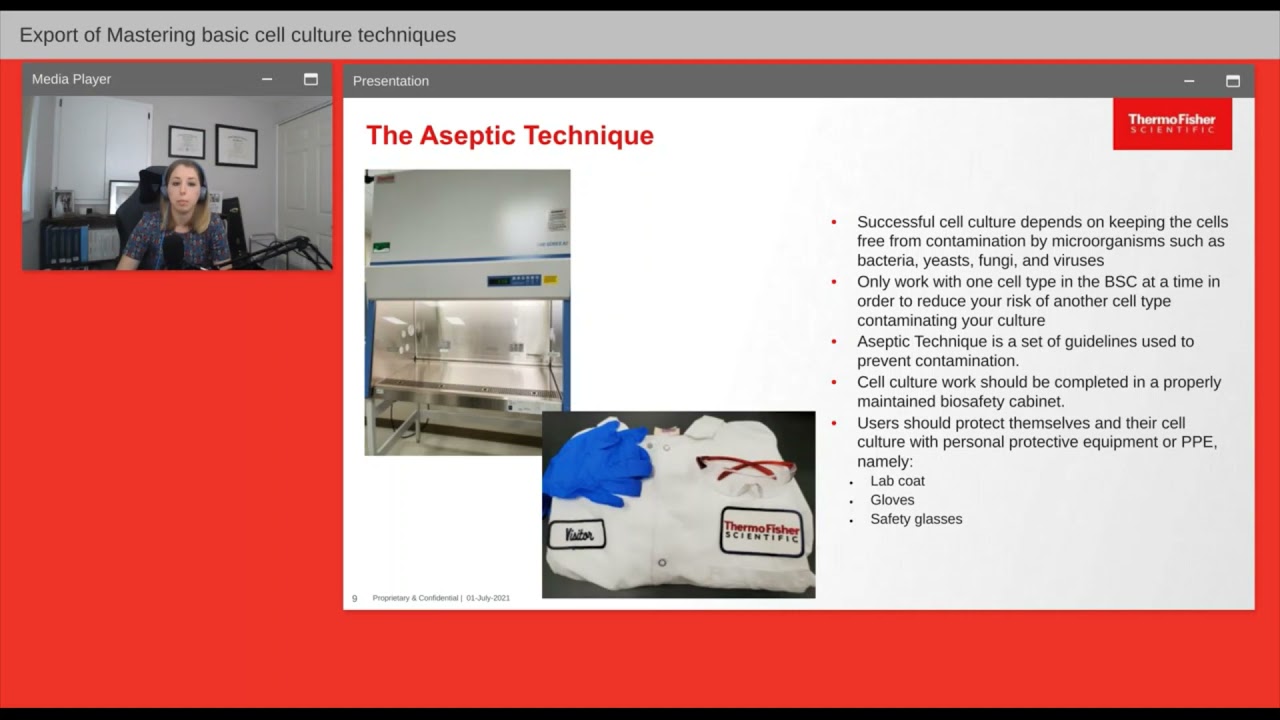
Added:Basic cell culture techniques and aseptic handling of mammalian cell lines.
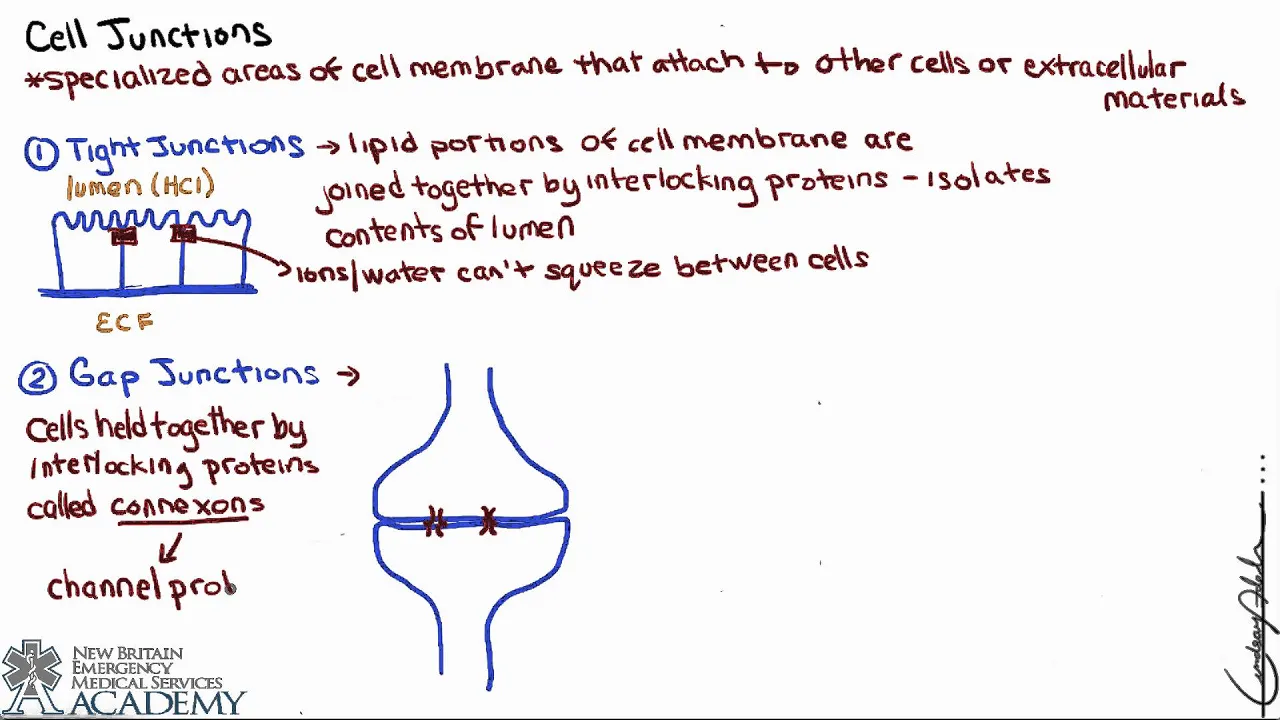
Anatomy and physiology of the human intestinal epithelial barrier, including tight junctions and cellular transport pathways (passive diffusion, active transport, and transcytosis).
Fundamentals of pharmacokinetics, specifically the concept of drug absorption and the ADME (Absorption, Distribution, Metabolism, Excretion) framework.
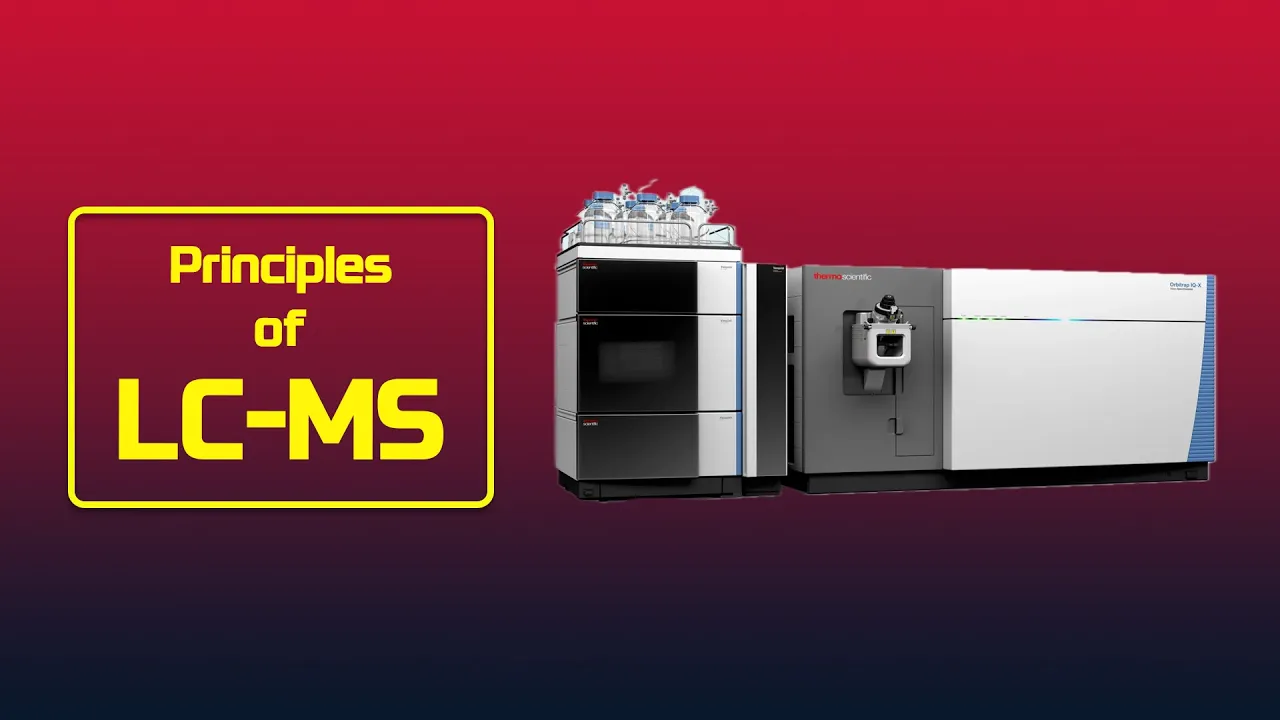
Basic principles of analytical chemistry, particularly how Liquid Chromatography-Mass Spectrometry (LC-MS) is used to identify and quantify compounds in biological samples.
Mathematical calculation of the apparent permeability coefficient (Papp) and efflux ratios to determine active transport vs. passive diffusion.
Application of permeability data in the Biopharmaceutics Classification System (BCS) for predicting drug absorption and seeking regulatory biowaivers.
Advanced intestinal models, such as Caco-2/HT29-MTX co-cultures to simulate the mucus layer, or gut-on-a-chip microfluidic technologies.
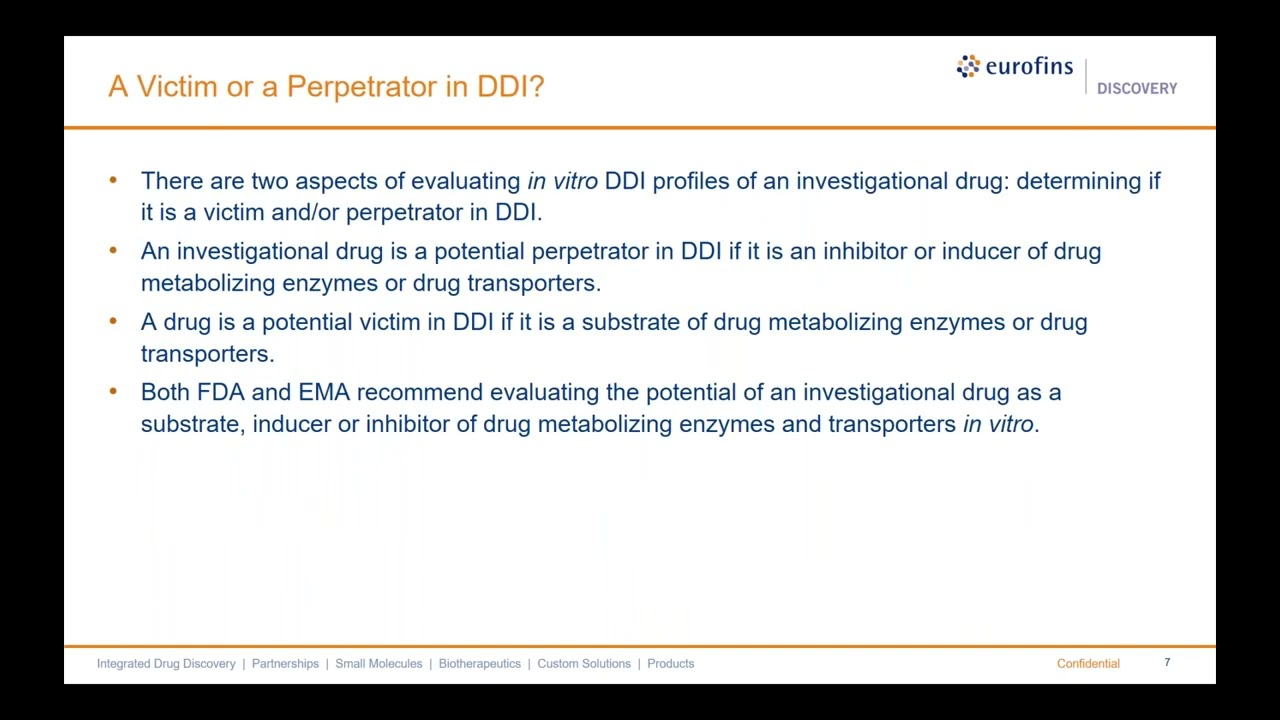
Investigating drug-drug interactions (DDIs) mediated by efflux transporters (like P-gp or BCRP) using bidirectional transport assays.
12.8K views100likes4:40Original Release: 2019-07-31
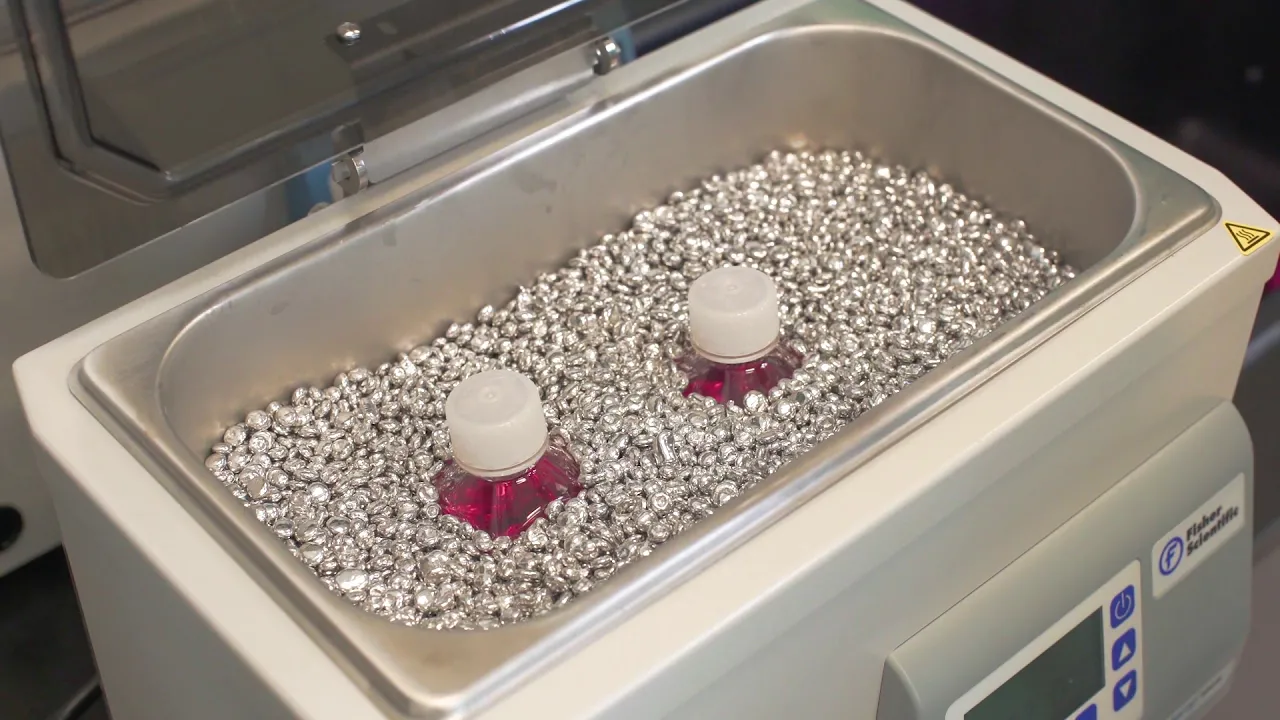
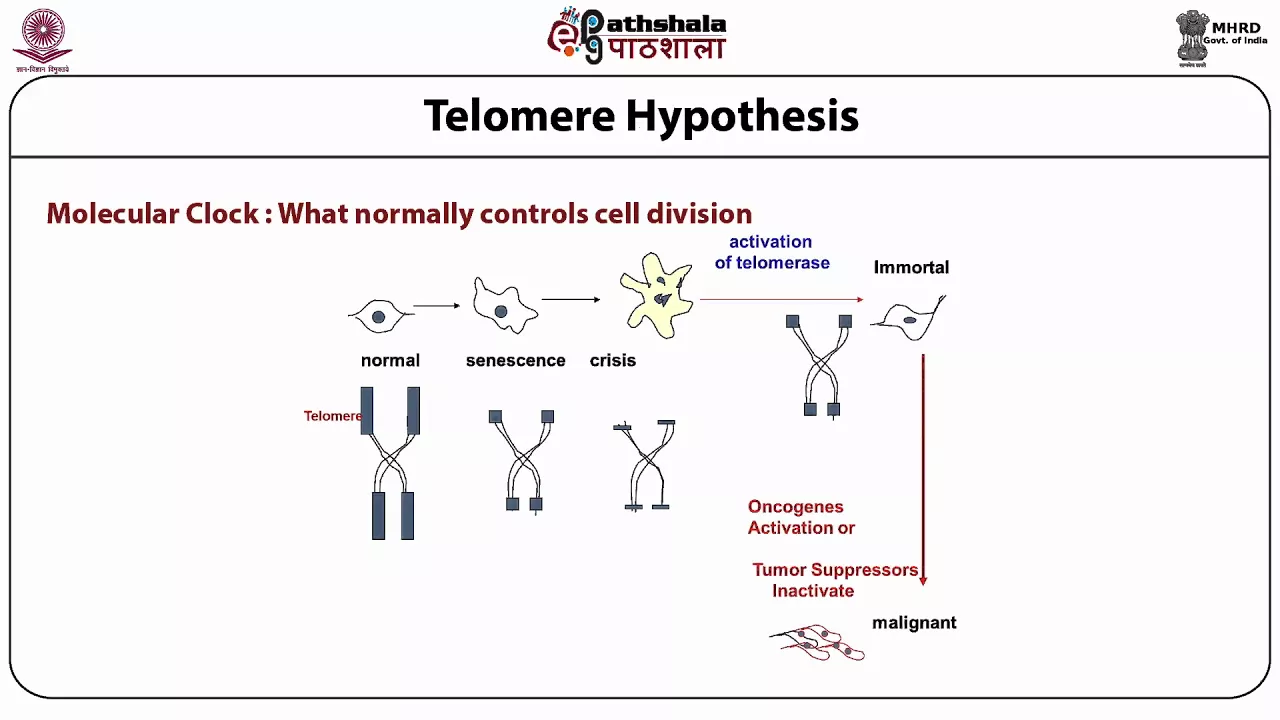
permeability coefficients across monolayers of the human colon carcinoma cell line cockatoo cultured on permeable supports are commonly used to predict the absorption of orally administered drugs and others antibiotics here we describe our method for the cultivation characterization and determination of permeability coefficients of xenobiotics which are typically drug like compounds in the kako to model the experimental procedure is comprised of two parts the cultivation of the cockatoo cells on filter supports and the drug transport experiment the cockatoo cell line is a continuous line of heterogeneous human epithelial colorectal adenocarcinoma cells although derived from a colon carcinoma when cultured under specific conditions the cells become differentiated and polarized such that their phenotype morphologically and functionally resembles the enterocytes lining the small intestine when cultured is a monolayer cockatoo cells differentiate to form tight junctions between cells to serve as a model of the para cellular movement of compounds across the mana layer in addition cockatoo cells Express transporter proteins efflux proteins and Phase two conjugation enzymes to model a variety of trans cellular pathways as well as the metabolic transformation of test substances in many respects the cockatoo cell monolayer mimics the human intestinal epithelium one of the functional differences between normal cells and cockatoo cells is the lack of expression of the cytochrome p450 isozymes and in particular site 3a for which is normally expressed at high levels in the intestine two versions of meme' a complete meant for the maintenance of cells in culture flasks b transport media for maintenance of the cells on filter supports cultivation of cockatoo cell monolayers grown on permeable supports trypsin eyes cockatoo cells from maximally 90% confluent cockatoo cultures spin down the cells and remove the supernatant resuspend the cells in transport media place the desired number of filters in 12 well cell culture plates and seed by dispensing half a milliliter of the resuspended cell solution on each filter fill the basolateral chamber with transport media incubate the plate with the filter supports at 37 c with 5% co2 media should be changed on days 4 8 12 16 and 18 and cells will be fully polarized by day 21 measure the tear values after washing the cell monolayer with 37c tempered d PBS with con 2 + mg 2 plus transport media was added into the apical in the basal chamber allow for equilibrium for 60 minutes in the cell culture incubator tier values ometimes CM 2 were calculated after subtracting the resistance of blank filters only those monolayers having tier values greater than 250 ohms times cm 2 were included in this study the cockatoo permeability assay procedure after determining the electrical resistance for each well as described above wash the monolayer and remove the buffer from the filter plate and feeder tray transfer the filter plate to a 12 well transport analysis plate to determine the rate of drug transport in the apical to basal lateral direction and the test compounds to the filter well drug concentrations typically ranging from 10 M to 200 m may be used fill the wells of the 12 well receiver plate with buffer join the filter and receiver plates once all drugs and buffer have been added begin timing the experiment incubate at 37 C shaking at 60 revolutions per minute on a rotary shaker typical incubation times are one to two hours at the end of the incubation remove a fixed volume typically 50 to 100 L directly from the apical and basolateral wells and transfer the volume to a clean plate the analyses were completed by the use of liquid chromatography mass spectrometry lc/ms and LC tandem mass spectrometry LC ms/ms mass spectrometry not only eliminates the need for radio labeled compounds but permits the simultaneous measurement of multiple compounds the measurement of multiple compounds per se reduces the number of incubations that need to be carried out thereby increasing the throughput of the experiments apparent permeability was calculated from the following equation that's all thank you for listening you
Up Next

3:05
Microfluidic Shear Stress Calculator: Tutorial & Examples
@Fluigent
495 views•2023-02-27

12:54
Triumph of Orthodoxy Icon: Byzantine Art & History Explained
@BenCallan
2.1K views•2024-08-06

9:49
FastAPI vs Flask vs Django: Choosing the Right Python Web Framework
@TechWithTim
302.5K views•2024-05-26

1:42
Game of Thrones Opening Credits: A Cinematic Analysis
@gameofthrones
46.3M views•2011-04-18
Related Study Plans & Knowledge Roadmaps
Structured learning paths in General & Interdisciplinary Studies
general-studies
Elevator Engineering: History, Physics & Cities
01From Hoists to Safety Brakes: The Dawn of Vertical Lift
02Hydraulic vs. Traction: The Engineering Physics of Elevators
03Modern Speed, Safety, and Algorithms
+ 2 more learning modules
12h5 modules
Explore Roadmap
general-studies
Rubber: Material Science, History & Geopolitics
01Origins of Natural Rubber & Mesoamerican History
02The Chemistry of Natural Rubber & Vulcanization
03The Geopolitics of the Rubber Boom & Colonization
+ 2 more learning modules
12h5 modules
Explore Roadmap
general-studies
Containerization: Evolution, Logistics & Trade
01Ancient Trade & Bulk Cargo: Amphorae to Barrels
02The Industrial Revolution & Cardboard Packaging
03The Containerization Revolution: Malcom McLean
+ 2 more learning modules
12h5 modules
Explore Roadmap
general-studies
Textile Tech: Evolution, Labor & Global Impact
01Pre-Industrial Textiles: Handloom & Cottage Industry
02Mechanization: The Spinning Jenny to the Power Loom
03The Factory System & Global Labor Transformation
+ 2 more learning modules
10h5 modules
Explore Roadmap