

!["점주님, 오픈하려면 커피머신.." 1,400만원 들여 '하루 두 잔' [뉴스.zip/MBC뉴스]](https://i.ytimg.com/vi/Old1z2Jsb1U/maxresdefault.jpg)










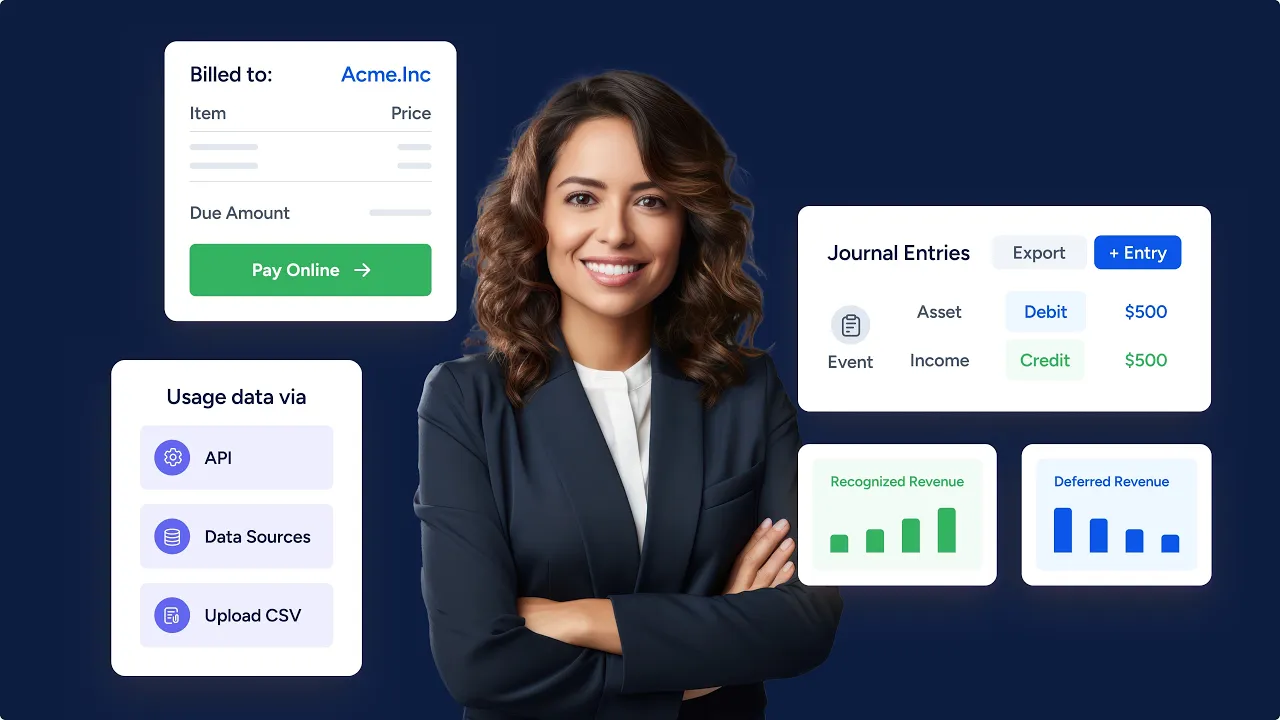
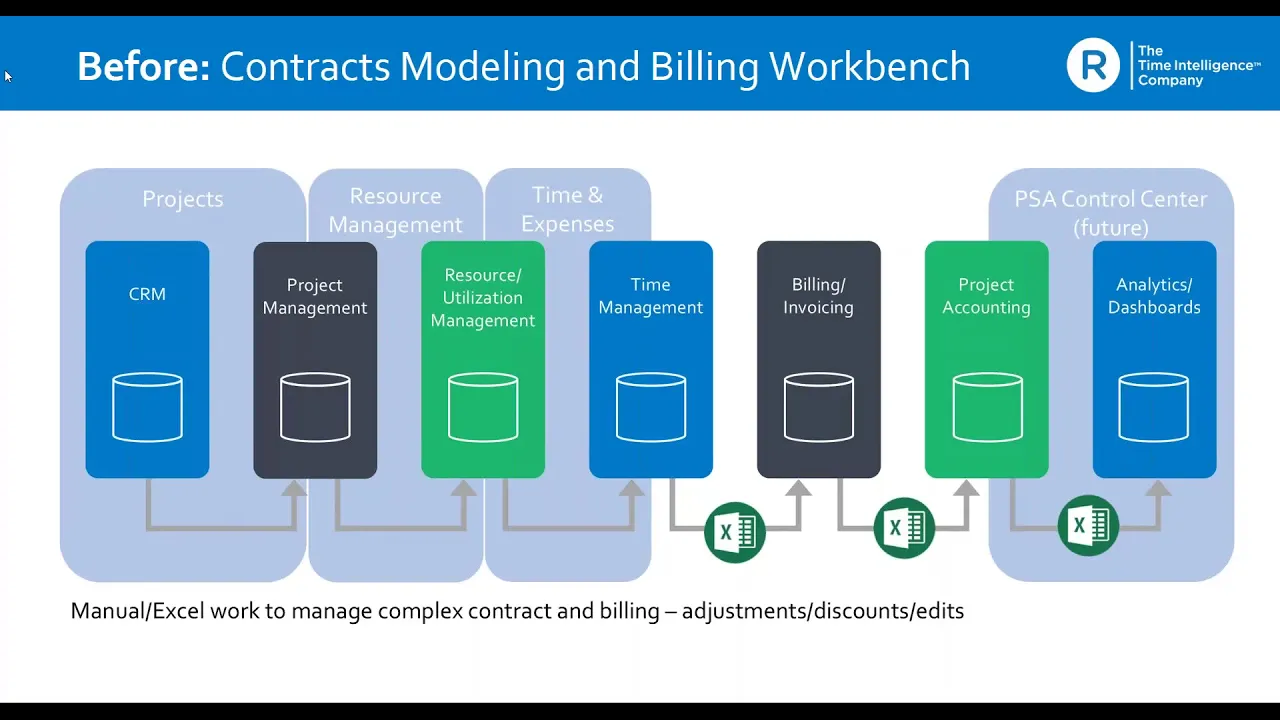






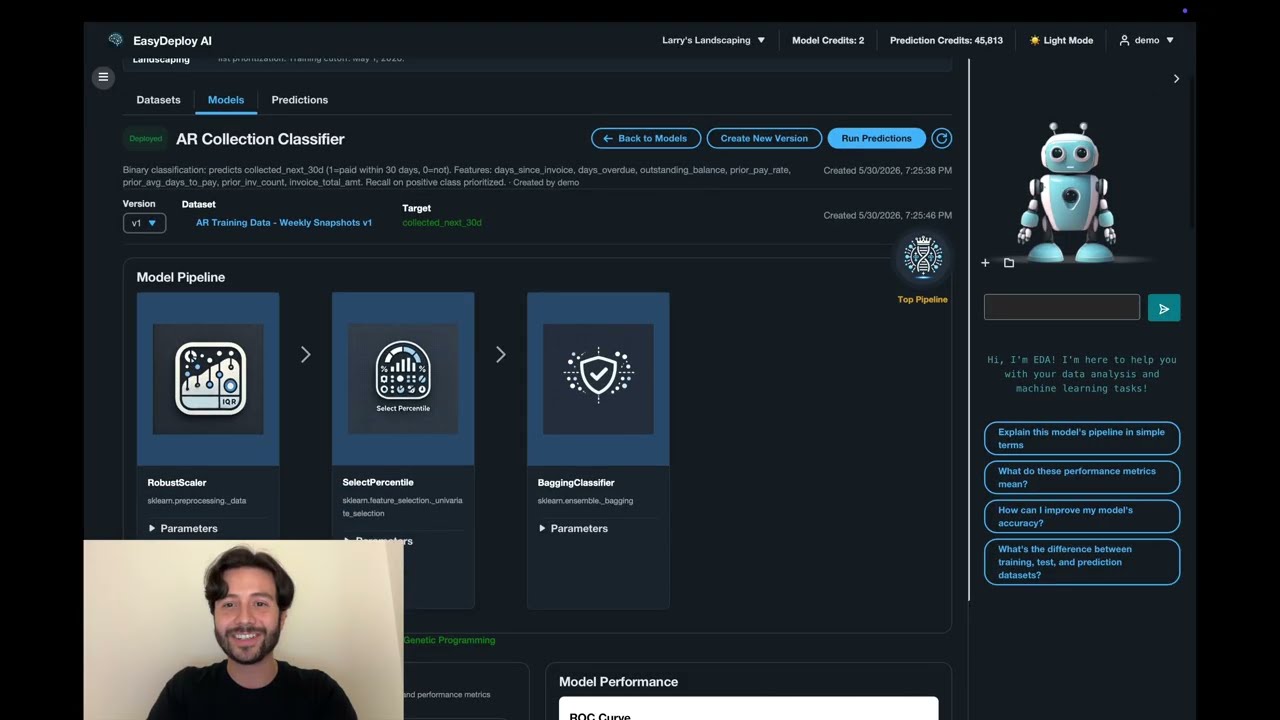


Organizations can significantly improve billing efficiency, accuracy, and speed by transitioning from manual spreadsheet-based processes to automated cloud-based billing platforms. Key success factors include starting with a clean slate rather than building on legacy limitations, involving cross-functional stakeholders early, prioritizing configuration over custom code, and planning for future scalability. This automation enables faster invoice generation, better visibility of charges and taxes at the operational level, reduced manual errors, and the ability to support complex billing models including subscription-based, metered, and tiered pricing structures.
How Panera Bread Automated Billing Processes | Billing Platform
Added:Understanding of franchise business models, including the financial relationships, fee structures, and reporting dynamics between franchisors and franchisees.
Basic principles of corporate accounting, specifically accounts receivable, invoicing cycles, and manual billing bottlenecks.
Concepts of business process automation (BPA) and how manual workflows are converted into programmatic, rule-based systems.
Familiarity with Enterprise Resource Planning (ERP) systems and how centralized databases manage corporate financial data.
Advanced revenue recognition standards (such as ASC 606 / IFRS 15) and how automated billing engines ensure regulatory compliance.
System integration strategies, specifically connecting Point-of-Sale (POS) systems, CRM software, and billing platforms via APIs.
Financial data analytics and forecasting, leveraging automated billing data to predict cash flow and franchise performance.
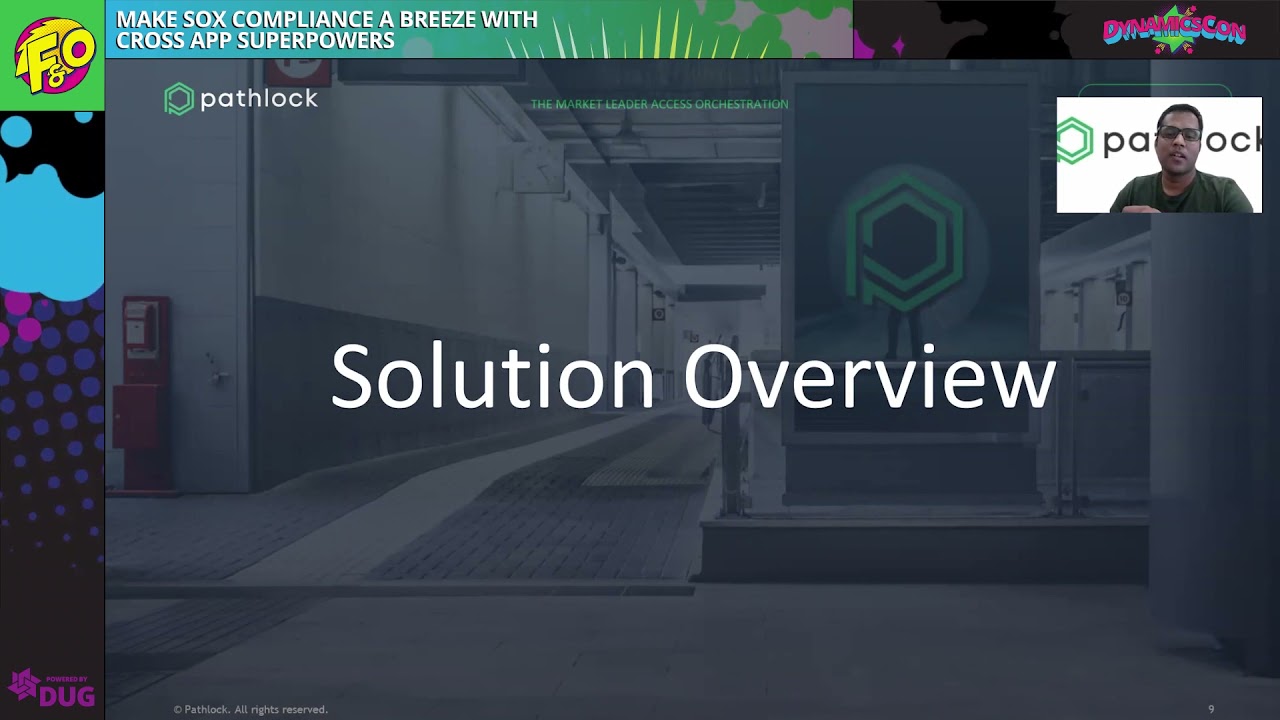
Security, auditing, and internal controls (such as SOX compliance) required for automated, high-volume financial transactions.
228 views3likes47:49Original Release: 2019-01-09
welcome to our webcast how Panera Bread automated manual billing processes brought to you by Argyle the publisher of CFO magazine and CFO comm and sponsored by billing platform I'm Joe Fleischer and I'll be your moderator what I'd like to do is tell you about our very distinguished guests joining us today is John Davis who is senior manager of finance and strategic planning with Panera Bread and by way of background John join Panera Bread in 2016 as a senior manager of Finance and added strategic planning to his responsibilities this year he is responsible for cultivating and managing relationships with outside partners that provide solutions in line with Panera standards before he joined Panera he he spent 12 years in various financial planning and analysis and operational positions with increasing responsibility now I would note that before we hear from John I'd like to pose the first of our three polling questions to attendees so our very first polling question asks attendees to indicate how you would characterize a level of billing automation at your company and what you're welcome to do is select the radio button that corresponds to your answer and then click on the submit button so we can record your response from top to bottom the choices are we have many manual billing processes and/or use spreadsheets we have a mix of automation and manual processes everything is automated and if you don't know you can select the radio button next to I don't know and so what we can see what is readily apparent and this should not be a huge surprise is that a majority of respondents indicate that they have a mix this is not necessarily a surprise clearly this is what we would expect I think is that a majority of respondents have a mix of automation and manual processes I would note though that if you combine those who either have a mix or rely on manual billing processes and or spreadsheets that's a that's a pretty clear majority and in fact slightly under 3/4 of respondents and then I would acknowledge also that a minority slightly more than 30 percent have automated their billing processes completely and an equal percentage interestingly enough don't know so I think that's a really good starting point at this stage what I'd like to do and it is my pleasure to do so turn the floor over to John Davis once again senior manager of Finance and strategic planning with Panera Bread please give a warm welcome thank you very much thank you Joe as well as everybody else that is joining us today and this afternoon on this webcast welcome so first of all I'm going to go through today's agenda what I'm going to be speaking of first we're going to talk about some of the building challenges that we as Panera face and what we decided to do in order to conquer that solution we're also going to discuss some building best practices thirdly we're going to talk about new products and subscription based services billing and then finally we're going to I'm going to touch upon new billing solution implementation so moving forward I'm going to give some background on Panera Bread so Panera Bread we have over 2000 bakery cafes across the United States and Canada we have system-wide sales of over five billion dollars over just over 20% or 1.2 billion dollars of our sales are in the digital space we were the best performing restaurant sack over the last 20 years when we were a publicly held company we have a loyalty program which I'm sure some of you on this call are familiar with which has over 28 million members and we were acquired by JV Holding Company within the last two years so now I'm going to move forward and speak to you about an overview of our billing process and what it looked like so some of the key components of it were first of all we have we build our franchisees across anywhere from 50 200 products and services which is ever-changing and fluctuates and if you think about that prior slide we had just looked that since a fifth of our sales are in the digital landscape that digital landscape usually and will drive more products and services that we need to build for because those are sales that are a lot more technology driven and require more of a technology need when we looked at our situation we also said besides having a platform or a solution that can solve for all these up to 100 different products and services we also needed something that gave us the ability to include subscription-based billing one-time billing usage or metered based billing as well as annual reoccurring charges in addition we needed some solution that allowed our finance team to send invoices to our customers who are franchisees with detail at their respective cafe level so moving forward there was a lot of rapid growth within our organization that has created billing challenges the kind of speak at a high level what that means is our billing process say 10 years ago was probably adequate but with the change in the digital landscape and a lot more sales coming through digital POS and other channels outside of the traditional in-store channel that arose for a lot more complexities new technologies new solutions we had to build internally as well as other third-party vendors we had to work with that we then passed bills along long story short what that means is we needed to modernize our billing in our process at the time it was very manual there were a lot of spreadsheets being used formula-driven a lot of hands in the pot and also we were calculating our taxes at a the same type of situation very manually time consuming or a lot of risk that we would uncover and have to fix on the backend and then also the acceleration of new product services and pricing models which I touched upon earlier as there's more innovation that happens in the industry there are more products that need to be built for and finally we needed to maintain contract subscriptions relationships with our across all those segments so now I'm going to move forward to a new billing solution that's needed to meet those core requirements that we just spoke about well the solution we needed something that would reduce costs find efficiencies and generate franchisee bills faster we also needed something that could automatically calculate our franchise services invoices and remove the manual efforts of our process we needed we wanted the solution to have the flexibility to allow for current new and future products and services we also wanted the flexibility to have a tiered pricing global rate adjustments etc next we needed to find a solution that would calculate our franchise invoices accurately the first time we wanted to automate our tax calculation and find some sort of solution that allowed us to calculate our taxes at a more granular level with some of the products and services we build for and then finally we switched over our general ledger to workday in mid 2017 and we wanted to have this solution having the ability to be integrated within the workday so now I'm going to move forward and talk about some of the best practices that we learned from finding a solution during our implementation and why we chose billing platform to be that solution so one of the first things I'm going to touch upon is focus on configuration in that custom code when we started our process we made sure when we were looking at what vendors or what cloud-based solution we wanted to go with we wanted to make sure that there was the ability to configure it on your own not have to rely on developers while you want to rely on them you want to be able to make changes where it's not a long drawn-out project something that's very configurable from an administrative perspective by the finance end user also we didn't want to focus on just the short term we knew it was a marathon and not a sprint we didn't want obstacles to get in the way or sacrifice certain areas which would not allow certain efficiencies to be to come to fruition an example of that would be there is an extensive tiered pricing module that we had struggled with deciding how to implement however we did not want to let that be a hindrance we wanted to still implement that even though it wasn't going to be a hundred percent implemented by the time we went live but we wanted that ability and we wanted that structure in place so six months down the road or year down the road we would be able to implement that and whatnot so if next we're going to talk about another best practice which is understanding the customer hierarchy and its implications to billing rating and invoicing this is really important from a project manager perspective because you need to understand as I think a lot of people will know on this call depending on the environment you can work on there can be a lot of alternate hierarchies and when you're working with a manual process there can be even more movement alternate hierarchies and a certain customer name or dimension may need to tie in with a certain name and a billing file but it might be different in an accounting file or an IT file but really just being that subject manner X subject matter expert and understanding all the intricacies and which ones trigger billing which ones you can ignore which ones you need to maybe do a hierarchy clean-up on etc the next best practice I'm going to speak on is being strategic and how you define your products to avoid SKU proliferation so you really just want to have the ability to look at your products fine redundancies use the implementation you your chance of going through and finding a new solution as you're looking through your product portfolio and use it as an opportunity to potentially reduce your SKUs or your products and services or is there a way to combine them into certain groups which we did and then finally your billing solution really needs to reflect your business process so now as you to kind of put a bow on all this as we went through we we as a company felt that billing platform was our best option as everything I had discovered on these best practices building platforms cloud-based solution allowed for the opportunity to accomplish everything that we expected out to do and what would building platform offers which I'll just kind of give a few of limits that not limited to this list but a lot of the things that their solution allowed for which we were able to leverage an arson in our integration where the subscription of recurring charges the ability to implement tiered pricing and configure as needed the ability to have billing triggered on events the ability of having one-time charges as well as the ability to easily configure meter and usage based rating charges and last but not least the ability to create product bundles which kind of ties into the SKU proliferation we were speaking about earlier as you go through your your bundles you find areas where there's potential triggers or ways to bundle an event or product that then provisions new products the long story short billing platform was a excellent choice for us and really provided a lot of benefits so now I'm going to move forward to the next slide which is the do's when implementing a billing solution so the first item i'll speak to is starting from ground zero it's really important to start with a clean slate don't let prior processes legacy processes or other issues come into play start from Ground Zero you take you want to start with change in mind secondly you want to proactively look for billing efficiencies it's really important during in my experience to map out the current processes understand all the inputs and outputs and the reasons for those when you do that you can usually surface a lot of the efficiencies just from that exercise alone next reach out the industry analysts as well as find out what industry best practices are however through your own research there is a lot of things that you may lose sight of if you don't dig in and do the research on your own and only rely on opinions from others so you need to understand it involves key stakeholders early that is the next point whether your organization requires an RFP or not you still need to create a steering committee or a stakeholder type group where you're going to want to identify partners within functional areas that suit your business needs so for example with Panera we had a working group with a lead from accounting IT operations franchise operations and some other functional areas here but again you want to have a committee that has a different perspective from a 360-degree view so you can get everybody's feedback and suggestions as you're going through earlier or not later I want to be able to measure twice and cut once the next do is let your current process run parallel so once you implement you you don't want to just go live from day one you want to make sure you do you may determine you need three parallel runs you may determine one but you want to make sure everything is in sync and it's working correctly and finally you want to consider considerations with other systems but I spoke earlier about finding a solution that integrated into workday but there's other systems you want to make sure that there's integrations as well for example if you have a internal data warehouse that you leverage you want to be able to make sure there's a functionality to have an integration there there may be other tax software you want to integrate with there may be other billing systems outside of your GL that you want to work with there could be a planning queue regardless you want to kind of go through and determine for your situation what systems you want integrations to be built in as that really helps with your projects go so now I'm going to move forward to some of the don'ts when implementing a billing solution so the first don't is do not focus on current limitations because you want to take to go run side by side with the prior due which I spoke of and starting from Ground Zero this is your opportunity to kind of eliminate any start from Ground Zero so the limitations should not be limitations instead when they come up deal with them as need be and don't let yourself be handcuffed by limitations in a legacy type environment relating to a certain process if you do not need to do that secondly never forget you to give yourself time for the unknown as much as you want to hit a certain target date or you believe something should only take X amount of weeks based on guidance you receive always had time for miscues always add just the typical remodeling a kitchen at 30% for the unknown same thing always know there's going to be things that come up whether it's internal external could be an outage it could be for example here at Panera to give you a real-life example we had a system outage where we had to free some of our development relating to this product that was something that was not known for we but we had to kind of go on hold we were waiting for that to get cleared up and that pushed our project back so there's always external circumstances that you really can't prevent that you need to bake into your estimate also the suit don't assume that you know everything whether it's a legacy process whether it's a newer process you need to know the material you need to understand how everything how its Ibsen's ticks and ties if you're the project manager or you're the owner of driving and implementation don't ignore future benefits there could be other areas where you want to you may say hey in the current state I don't need to implement this I don't need this feature fix feature of the solution however it may be a feature where you could say two years from now we may be going to X or we may be exploring why and though there is you want to make sure that there's a structure or foundation in place and that's the cloud-based solution you're working with has the ability to easily configure for those types of instances and also don't understand the underestimate the impact of future volumes this can be very taking an approach where you're looking forward today we have a hundred products and services however what if we have 200 products and services next year or what if we have way more metered type charges or we need to have many more global price adjustments than we had in the past taking into account and making sure that your solution that you're looking for and implementing can handle future type volumes and instances as I just spoke on so next I'm going to move forward to the outcomes and what were the outcomes of partnering with billing platform so the first one really is we hope franchisees will get their invoices faster the reason for this is we took a lot of manual processes and steps and automated them and allowed us to spend more time analyzing as opposed to manually cobbling together this should result in franchisees getting their invoice faster secondly our franchisees should get better visibility of charges and taxes at the Kafe level third which kind of goes hand in hand with Panera getting franchisees getting invoices faster we save time by eliminating manual processes and spreadsheets that was part of our prior process this is by leveraging this cloud-based solution through the simplement ation now have a centralized billing database that we can leverage for business intelligence another advantage and outcome is our billing accuracy will improve tremendously because there is less room for manual error since there is about 80 percent of our products and services are now automated based on billing triggers defined by system rules finally there's lower costs and quick onboarding that kind of wraps up my my presentation and I'm going to turn it over to Joe and he'll walk you through this poll and thank you all very much well thank you so much John and indeed this is the second of our three polling questions after we cover this polling question we will have a discussion with John will elaborate further on John's experience so our second of three polling questions asks the following what we want to find out from attendees is the extent to which you agree with the following statement my company has the flexibility to support any type of pricing or monetization model from top to bottom the choices are strongly agree agree disagree strongly disagree or I don't know we'll give you just one or two more seconds to respond we'll then summarize how you have responded and then we will launch into our discussion with John following up on the story then a case study that he shared so what we can see thus far is that among respondents a minority agree so this is quite interesting it's not a majority a minority agree so in other words a plurality indicates that respondents indicates that they agree there's not necessarily a strong agreement so overall if we combine those who agree or strongly agree it's a plurality not a majority I would also acknowledge that fewer than a third explicitly disagree so what's significant here is that more than a fifth of respondents don't even know I think a lot of attendees are starting from this point they don't necessarily know if their company has a flexibility to support any type of pricing or monetization model with that in mind like to elaborate John on your the case study that you shared so now we're going to have a discussion with John and question that I'd like to pose to you John has to do with the beginning the very beginning in other words what were the primary reasons John that led Panera Bread to automate its billing processes to begin with absolutely so some of the primary reasonings were we wanted to find a solution that eliminated some of that manual risk that we had from our prior process like I had mentioned before there was a lot of spreadsheets saved in multiple places multiple cooks in the kitchen and it was just a byproduct of us never going through an automated solution because we never needed that but as our billing continued to become more and more complex we really needed to find something that was automated that we could have a system drive and that allowed us to maintain these ever-growing products and services that kept exponentially coming through as we increase our digital footprint absolutely and the key point here is that when one does rely on multiple sources the truth it's difficult to maintain consistency and efficiency with regard to billing processes now related to that and then not necessarily so much on a technical level but even an organizational level I'd like to give you the opportunity John to elaborate on challenges that your company and in fact many companies are likely to encounter when they begin when they set out to automate manual billing processes yeah so I think there's a multitude of challenges you're going to face some that come top of mine are really being able to bridge the gap from prior prior state with all of the I want to call them hindrances but all the conditioning all the rules that are currently built on a prior process and making the leave to essentially starting from scratch and being able to wipe your hands clean and go have I need a clear canvas I need to look at this with a fresh set of eyes and not letting almost let the prior process continue but don't let that drive your new process I think there's a lot of regardless of what industry you're in we feel like we do it this way because somebody demanded it happened this way or this system we used to use made us do it this way so we do it this way as opposed to a lot of those scope creeks and really what I'm trying to get through a scope creep can really happen if you don't take all the data understand all the pros and cons do a SWOT analysis on your implementation and what you're trying to achieve but don't let scope creep happen make sure you understand what you're trying to set out to do there's nothing wrong with taking time to become an expert and understanding your process from front to end and when you have a steering committee making sure to take everybody's feedback but know there's kind of a hard stop where it's a great idea and I think that's a great consideration we need to move forward and we can't get strapped down in in every little nuance so it's really that would kind of be my my response to that and just to follow up Joe before I get to our next question what it sounds like is the matter of determining priorities in but it's an informed decision about what's a prioritized so in addition to figuring out what to automate it's also what's the most important aspects of the billing processes to automate and of course related to that is determining what billing processes may need to change as a result of automation and to what extent can one improve billing processes with automation but I wanted to ask you John did you find that prioritization just based on what you've shared was something that was important that became a key that in determining what aspects of your billing processes lend themselves best to automation yes as we went through and decided what are the key items that we would like a new system to do we didn't we went through and prioritized our our desired outcomes from highest priority this would be a nice to have but it's really not a need to have and we went through and as we went through we would align any of the suggestions or we should look at doing this or why don't we continue doing it this way with how does that stack up with our prioritization and yes so having a roadmap with your with your outcomes as well as your priorities is highly important absolutely and the impact of deciding what the priorities are affects the impact is not only on a finance team of course from the overall organization so in determining the impact of automation automating manual billing processes I want to pose our next question to you John which is what was what has been the impact of automating manual billing processes not only on mechanics of billing within your finance team but throughout your company yeah I mean we have already seen certain products and services where we've identified potential errors that didn't happen that in the parallel run would have happened but the system caught so I guess what I'm getting at is finding improved accuracy to your other other than finance there's other groups whether it be our tax team our data management team we've identified other metrics and other I guess you would call them not not kpi's but other other attributes to begin housing and tracking with our data warehouse that we needed in order to drive a recommended billing and that was all uncovered through going through the implementation process we really need to know X number of kiosks or certain conditions that we hadn't tracked before and that allowed us to trigger a follow-up to create a workflow to track those types of indicators so we've seen a broad-based and then also as our next phase in this process as we've newly implemented it is getting more detailed invoices to our franchisees and giving them an updated view that will provide them with more detail at the tax level which we look forward and to doing here in the short-term future absolutely and and that's something that's key is there are so many nuances with regards to billing and also you've made reference John to subscription billing before we move on to our next question just wanted to ask has subscription billing or that type of model but emerged as something that affects the overall company in terms of its not just billing but it's the business model the impact of the business model to what extent has that driven the impact of automating billing processes throughout your company know if you hit the nail right on the head so having subscription and event type based billing that is I mean triggered I mean that triggered based on events or subscription dates that you that this platform allows you to set up seamlessly it is allowed for a lot of issues in the past or in a prior process I guess I would say where you had to go through hey we have these 500 subscriptions that reoccur annually I got to go hunt down this spreadsheet I got to hope that in hair doesn't happen when I manually opening it and working magic to it and then I send it off to this party and then I have to make sure that they don't make any changes to this manual spreadsheet having a subscription that is automatically generated within the solution has just allowed for a more fluid process and I'd say minimal if nope not being prone to air as it's all just simply based on here's the date here's when the subscription reoccurs and set it and you're done exactly and that's that's really key because the with subscriptions you want to make sure that you're aware of when the start is at the very least and also there's a lot of potential complexity in the absence of automation with subscription and event based billing so with that in mind John I wanted to ask and this is you talk about preparing for the unknown there is a lot of learning that goes on when implementing automation and what are some lessons learned you know we can either talk about them as mistakes we could talk about them as lessons learned but imposing our next question I want to ask what lessons learned of mistakes should finance leaders keep in mind and should finance teams strive to avoid so in other words there are mistakes finance teams can make but also lessons learned that finance team leaders should keep in mind when determining how to go about automating manual billing processes what would you recommend you do not want to I mean I think that you could you could take this in so many ways however there is never going to be a kind of ties back of the first question you would ask me and when we talk about prioritization don't lose sight of your prioritization when you're going through and deciding how you want to automate your processes there are so many different tools out there and and/or methods or subscriptions or cloud-based models that you can use however align that with what your desired outcomes are align that with what you're trying to achieve and don't lose sight of that so avoid going down rat-holes or making sure everybody is aligned with what we want to achieve and as we are scrubbing through different potential solutions during whether it's an RFP process or not don't lose sight of those prioritized objectives also as you're going through you to not get established which I talked about earlier establish a working group establish from different parts of the organizations that can help you you're guardrails and give you feedback as you're moving forward so when you have an outcome that you weren't expecting happen it's a much easier conversation and really the bigger benefit that is usually that will eliminate some future potential outcomes because if you have the right people in the room to give you feedback as your I'm going I think you made a really great point earlier in your presentation John that you always have to plan for the unknown even if you don't know what the unknown is whether it's an outage to use the example you cited earlier to what extent would you advise that finance leaders those who are involved have a stake in automating manual billing processes create or establish scenarios or do some type of scenario planning you can't plan for every scenario of course but given the centrality of billing you know what would you recommend just in terms of some basic scenario planning especially to anticipate the black swan type events that may become more common over time for example Joe that makes sense I think contingency planning is really important regardless if it's in a budgeting process forecasting process or simply in a implementation of a product or service as in this example so not losing sight of this type of scenario or this type of contingency scenario contingency scenario you want when you when you're going through with your working group and you want to throw everything to the wall and every potential option even if it's that will never happen again this could happen but it'll never happen assume it could happen and at least have you a thought process in place of what do we do if this happens how do we pivot or audible if this happens you know don't don't take no for an answer or something will never happen because anything can happen when you're dealing with technology and customers and different events I mean so you really need to put a bow on it put plan for the unknown absolutely absolutely with that in mind and speaking of priorities wanted to hear your thoughts on priorities that finance leaders ought to keep in mind what they want to take away key takeaways when considering not only whether to automate manual billing processes but how best to do so I think one of the most important pieces of it is finding the right mix of individuals that are going to go and leave that project because whenever you're going to implement any type of project there's always going to be resistance and a lot of it's usually it makes sense I mean the resistance is because well know that that's the way this process works we can't change it or whatnot or resistance and from another perspective but what I would say is finding somebody who's willing to whether it's in your working group that that can be your subject matter expert that understands everything from front to end so they kind of are the expert in every potential thing and when issues arise when we go back to your prior question when the an unknown happens when there's some sort of contingency area that pops up that you plan for or you had no idea that that was even possible the more you understand the legacy process and the more you understand the nuts and bolts of the new implementation you're putting in that right there is the recipe for one a successful implementation as well as advantages that you are going to reap from doing an implementation exactly exactly and before you move on before we move on to our third polling question just wanted to follow up on something that you said John you know we the focus on this discussion has been franchisees is there any feedback or it's not feedback any observations regarding how franchisees have adapted in light of automation of manual billing processes that's kind of our our final phase that we're working through now is getting some some updates so that's still a work in progress most of our efficiencies that we have identified so far been internal however what I will say is we've already we feel improved our accuracy which downstream has allowed us to eliminate potential errors that we would have seeded a proceed in a prior state so therefore they are feeling the effects indirectly but the great thing about this billing platform tool as well as the way we integrated it is it's very customizable and what I mentioned earlier in the presentation we picked billing platform and we implemented in mind with you don't need to have custom code for every change you don't need to have somebody going and be an expert in sequel or an expert unless it's very user friendly the GUI is great you can you can train that user to understand it and that was in that key approach we took sure the easier it is to make change especially when they have an effect on a lot of people such as a subscription based or event based scenario you don't want to have to code everything hard code everything every time you need to make a change well John I really appreciate the opportunity to have this discussion before we address some great questions we've received from attendees I do want to pose our third three polling questions for attendees and so what I will now do is pose that question right now before we address some great questions from attendees our third polling question asks attendees to indicate within what time frame if any your organization intends to begin looking at a new billing solution from top to bottom the choices are we recently implemented one this year next year we have no plans or I don't know and what we can see is that among respondents I think what's interesting is that a significant percentage are still in the process of making a decision but I would acknowledge that what is certainly encouraging is that if not a majority close to a majority very fairly close to a majority but not yet a majority have either implemented one or plenty to do so this year next year I would acknowledge though and this is why many attendees are joining us is a lot need to make a decision so about 20% of respondents have indicated you don't know that's fine that's why you're here and with that in mind we do want to answer your questions so we will do now is address some great questions that we have received from attendees and this is question from an attendee that I think we can pose a little more broadly and that has to do with we've talked about areas other than finance and John what areas other than finance would you recommend would you advise that finance leaders include in the not only in the decision to implement automation or the automation of manual billing processes but going about that effort in other words in addition to finance what other areas the company should be involved yeah and it depends on the organization and what what this roles would be functional roles would be called but essentially the relationship managers or whether it's a sales manager or a advocate or if it's housed in an Operations team but ultimately the users that manage the relationships with the customer that receive is ultimately at the end the end built and invoice that the system you have upstream is delivering so that's somebody that you never want to lose sight of and get their input thinking I want to display this haze this will be a big win but it's not even going to be caught if we don't pipe it up for you or sell it or you need to consider when you're billing this it's not going to work because of a B and C but ultimately the the relationship manager whether it's sales or operations you need to incorporate them absolutely and when you talk about sales and operations so for example you know a scenario where there might be some type of promotion I'm just going to make one up for argument's sake there's a promotion that you know some French izs are involved within some aren't for example so I would imagine that if there is a decision that has to do with whether its promotional efforts or other efforts that have some impact on billing in some way that decisions that an organization makes would involve a lot of different parties I guess my question then related to that before we get some to additional questions from attendees is to what extent does do you have to make the decision about who can participate in the decision in other words to what extent is it appropriate to involve other areas of a company other than financial to what extent is it not appropriate in other words how you decide speaking of prioritization how do you decide who's involved in a decision that has an impact on billing for example yeah so everything you said made signs I guess what I would kind of - your question in the chimed in would be related to the the sales piece so when I was speaking of sales originally in our in our world this set of services our customer is the franchisee but in we have integral roles that manage those relationships they're not really salespeople but they're they're kind of customer their franchise support so what if our if our customer has an issue which is our franchisee they're going to want to understand hey why did this happen or why do I need this or why are you asking me to invest in this etc so I was just trying to align it with other industries out there that might not have that same type of business model but something similar where they manufacture a product and there's sales people in the field that work with the end customer to write their POS or to sell their goods and those individuals are I mean having those those feet on the ground that can give you the info since they're likely the ones who are going to hear about any changes whether it's good or bad if something changes on the on the front end the villain absolutely and it having having that having the people on the ground who know what's going on is vital and also you know helps to inform decisions now speaking of decisions attendee ask did you look at options or you know what options do you consider I'm not going to refer to specific vendors or specific companies that makes billing software but did you look at options for off-the-shelf systems before deciding to build one now an attendee is asking this question I think you know obviously you did so I guess my question is to what extent is it accurate to look at it as as to what it said is that question accurate looking at off-the-shelf systems before deciding to build one how would you respond to that yeah so just to clear up to make sure we're all on the same page I would say the building platform is an off-the-shelf system and that we didn't really decide to build one I mean with any off-the-shelf platform you ever any cloud-based float solution you go to they're still always going to be some development work on your end it's just the extent of how much you need to put into it in terms of the upfront implementation but we went with an off-the-shelf system and found appropriate integrations as needed with our GL and our data warehouse when yes we did look at other options we actually started with 10 options we use the help of a Gardner research who gave us we explain to them our case study what we were trying to accomplish they gave us a preliminary list we did our own research we didn't want it to be we took enough due diligence to go through and we eliminated two three candidates with with billing platform being one of them and ultimately we after weighing the pros and the cons we thought the solution was the best fit for us in our needs absolutely I appreciate your clearing that up by the way I think that's really helpful for attendees and I want to acknowledge we've received great questions from attendees we may not have the opportunity to get to all of them we will plan to follow up on any remaining questions after a webcast and I would point out that when this webcast is available on demand later this week within the webcast section of CFO comm you will be able to view and listen to a streaming archive of our webcast download a PDF document that comprises slides from our webcast click on a link to view information about upcoming events that offer the opportunity to hear from and meet finance leaders in person and you are eligible retrieve your CPE certificate and also note that at the very end of our webcast we will invite attendees to complete an online feedback survey the feedback survey will appear in a separate browser window that you will be able to view if you have turned off your pop-up blocker within your web browser and as always we appreciate your feedback once again I'm Joe flesh your moderator of our webcast and on behalf of our guests and John I would really like to thank you very much for joining us for our webcast for sharing their case study for sharing your insights during our discussion and for answering some questions forum attendees and thank you Joe I appreciate it well it's a pleasure and we really appreciate such an engaging and informative presentation and discussion and so on behalf of John of Panera Bread Weaver End we and our sponsor we very much appreciate your joining us for our webcast how Panera Bread automated manual billing processes brought to you by Argyll the publisher of CFO magazine and CFO comm and sponsored by billing platform we thank you for your time and we hope you enjoy the rest of your day
Up Next
68:26
Attorneys On Retainer Program Expansion and Risk Retention Group Structure
@AttorneysOnRetainer
14.4K views•2025-04-02

12:54
Triumph of Orthodoxy Icon: Byzantine Art & History Explained
@BenCallan
2.1K views•2024-08-06

9:49
FastAPI vs Flask vs Django: Choosing the Right Python Web Framework
@TechWithTim
302.5K views•2024-05-26

1:42
Game of Thrones Opening Credits: A Cinematic Analysis
@gameofthrones
46.3M views•2011-04-18
Related Study Plans & Knowledge Roadmaps
Structured learning paths in General & Interdisciplinary Studies
general-studies
Elevator Engineering: History, Physics & Cities
01From Hoists to Safety Brakes: The Dawn of Vertical Lift
02Hydraulic vs. Traction: The Engineering Physics of Elevators
03Modern Speed, Safety, and Algorithms
+ 2 more learning modules
12h5 modules
Explore Roadmap
general-studies
Rubber: Material Science, History & Geopolitics
01Origins of Natural Rubber & Mesoamerican History
02The Chemistry of Natural Rubber & Vulcanization
03The Geopolitics of the Rubber Boom & Colonization
+ 2 more learning modules
12h5 modules
Explore Roadmap
general-studies
Containerization: Evolution, Logistics & Trade
01Ancient Trade & Bulk Cargo: Amphorae to Barrels
02The Industrial Revolution & Cardboard Packaging
03The Containerization Revolution: Malcom McLean
+ 2 more learning modules
12h5 modules
Explore Roadmap
general-studies
Textile Tech: Evolution, Labor & Global Impact
01Pre-Industrial Textiles: Handloom & Cottage Industry
02Mechanization: The Spinning Jenny to the Power Loom
03The Factory System & Global Labor Transformation
+ 2 more learning modules
10h5 modules
Explore Roadmap