








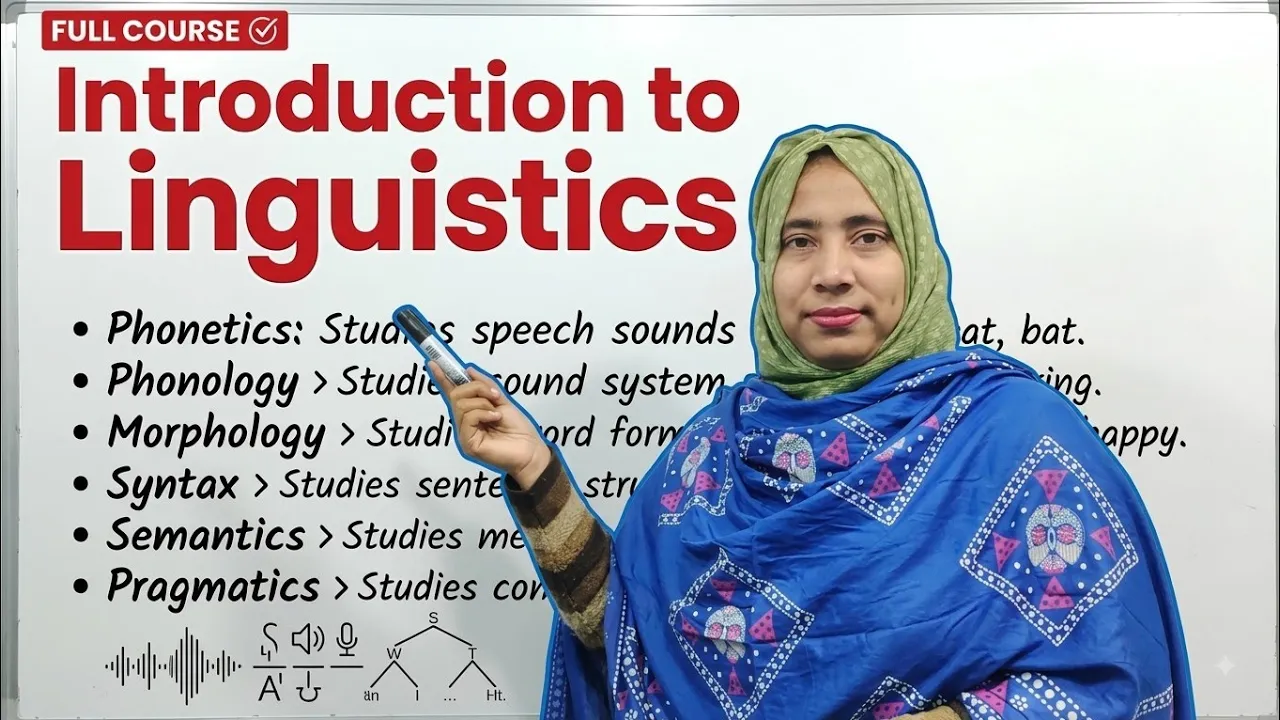



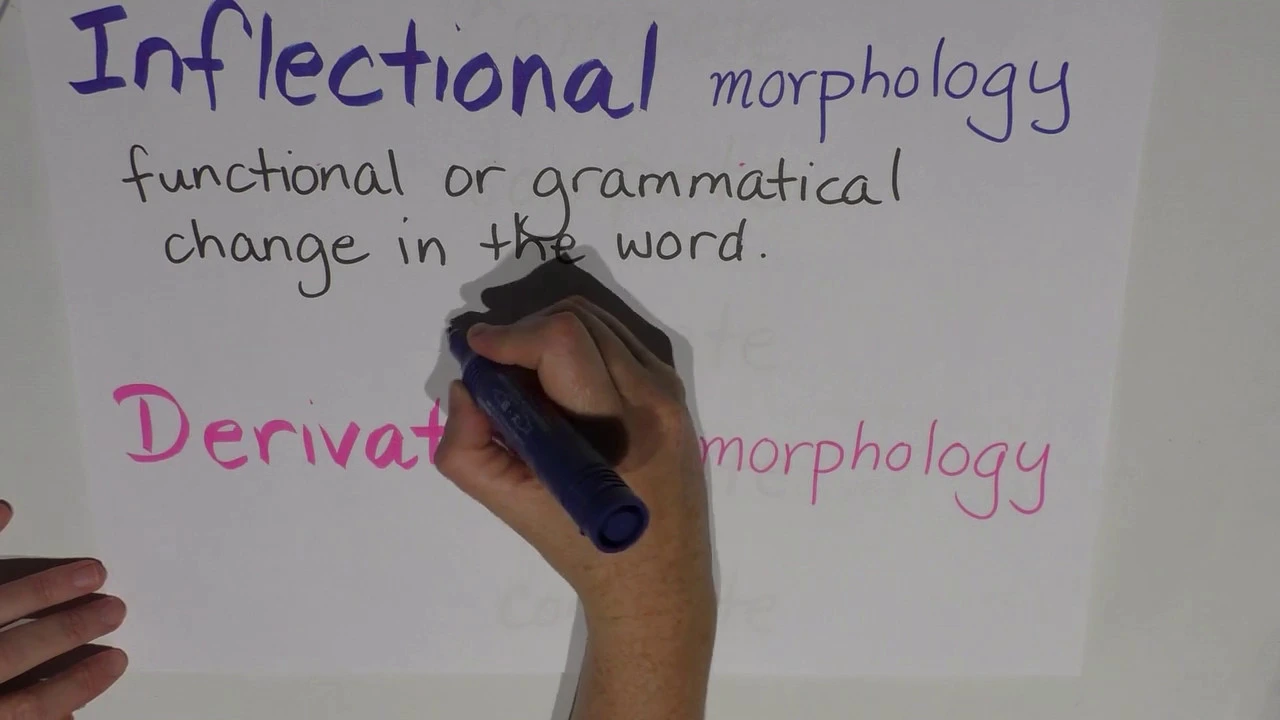
![[Introduction to Linguistics] Derivational and Inflectional Morphemes, Morphological Changes](https://i.ytimg.com/vi/XHp8Xz4TRFA/maxresdefault.jpg)





A root, or root word, is the primary lexical unit of a word that carries the most significant semantic content and cannot be reduced into smaller constituents; it serves as the foundation for word families and is often formed by consonants alone in Semitic languages, where different words are derived from the same root by inserting vowels, as demonstrated by Hebrew examples like the root gdl (meaning largeness) producing words such as gadol, gadal, and migdal.
Root Word (Linguistics): Definitions & Examples
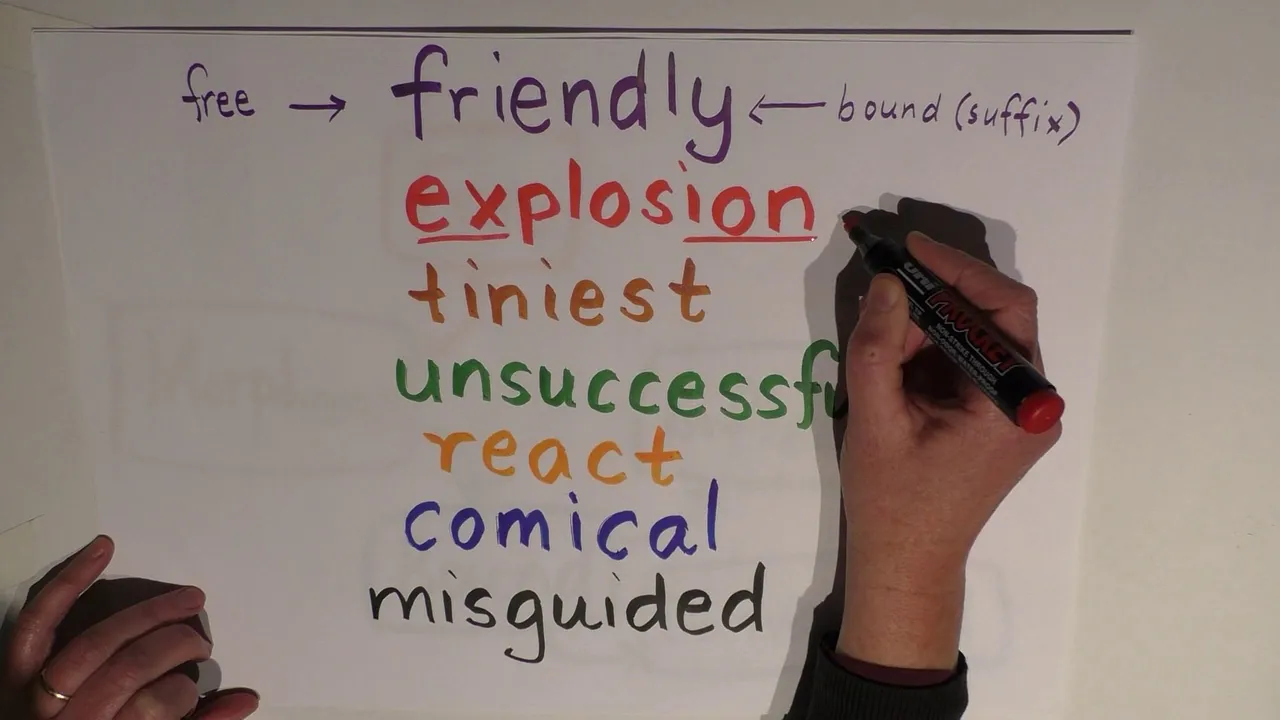
Added:Basic understanding of morphology, specifically the distinction between free and bound morphemes.
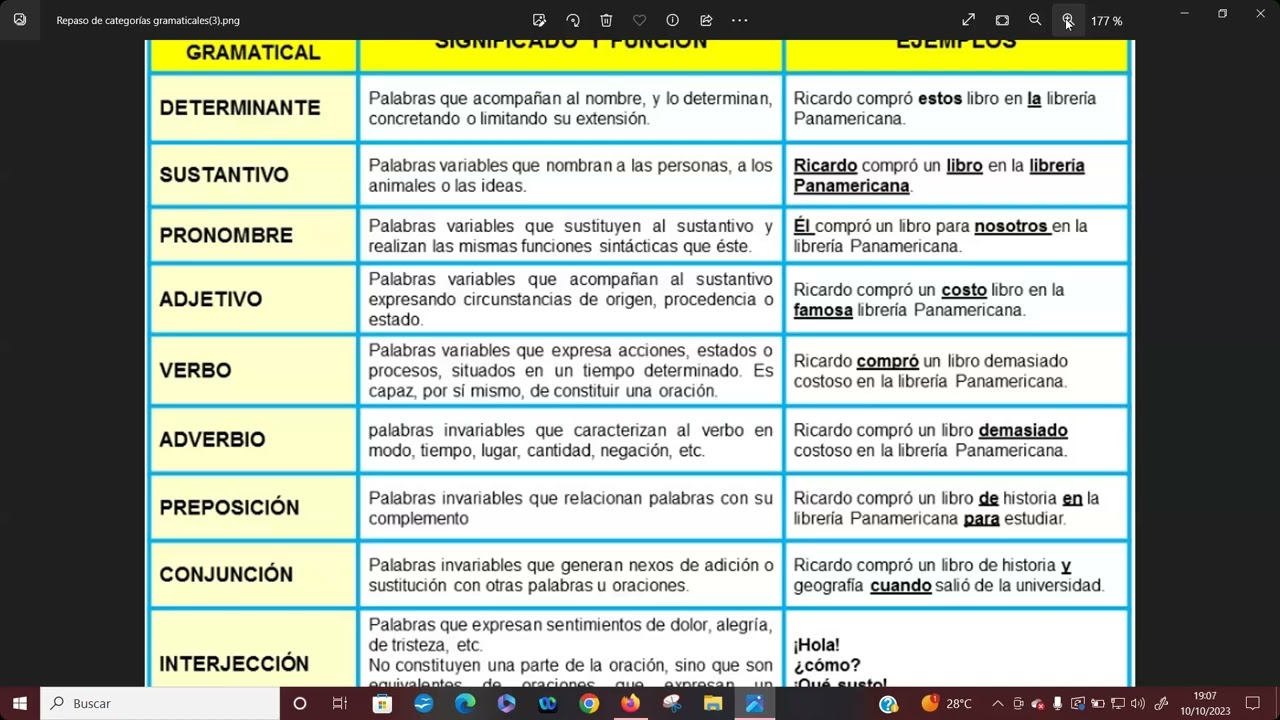
Familiarity with standard grammatical categories such as nouns, verbs, adjectives, and adverbs.
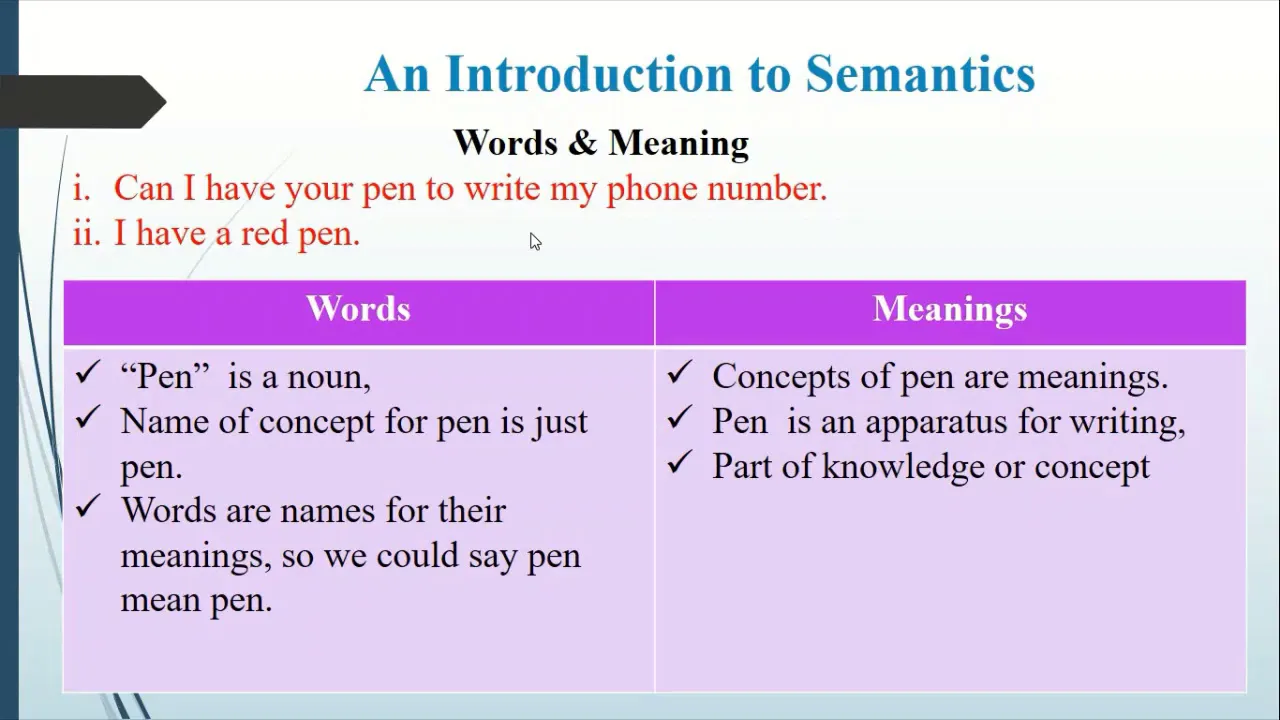
An introductory grasp of linguistic semantics, or how meaning is constructed and conveyed in language.
Awareness of basic word-formation processes, including the roles of prefixes and suffixes (affixes).
In-depth study of derivational vs. inflectional morphology and how they alter a word's syntactic category.
Exploration of etymology and historical linguistics, tracing modern root words back to ancestral languages like Proto-Indo-European.
Analysis of morphological productivity and how compound words and neologisms (new words) are formed using existing roots.
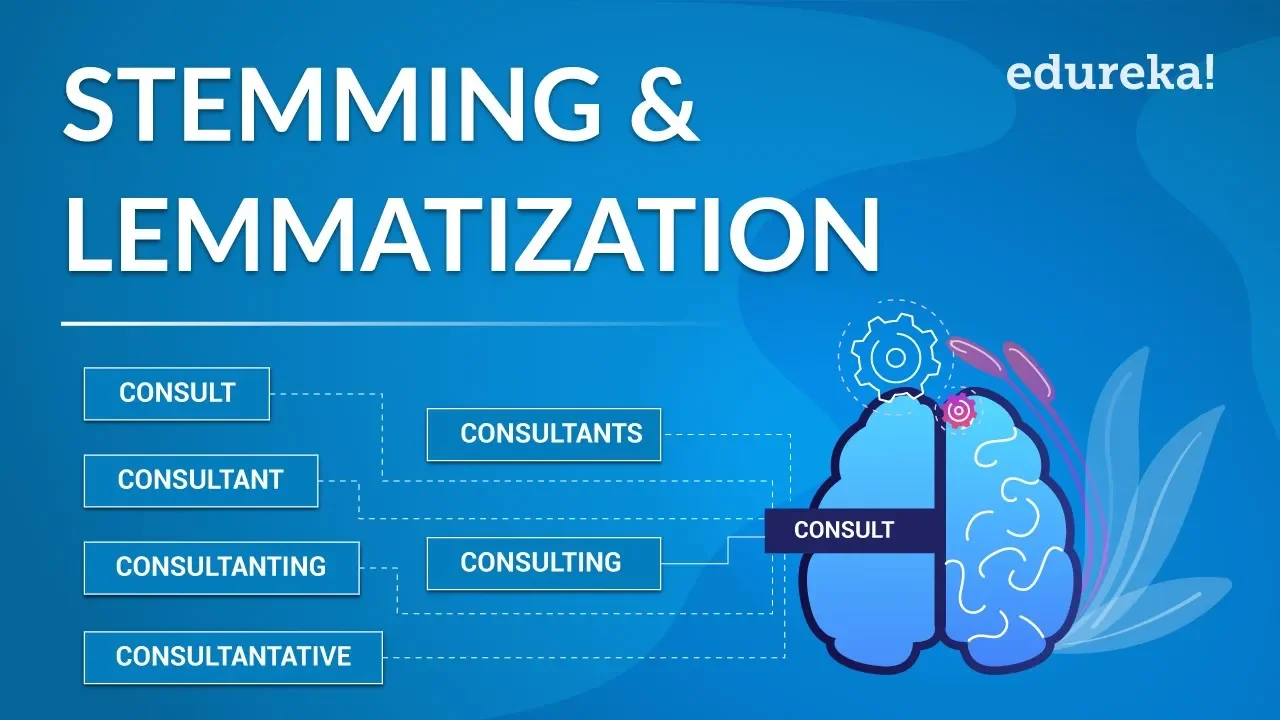
Application of root extraction in computational linguistics, such as understanding stemming and lemmatization algorithms in Natural Language Processing (NLP).
2.7K views15likes7:05Original Release: 2014-11-06
A root, or root word, is a word that does not have a prefix or a suffix.
The root word is the primary lexical unit of a word, and of a word family, which carries the most significant aspects of semantic content and cannot be reduced into smaller constituents.
Content words in nearly all languages contain, and may consist only of root morphemes.
However, sometimes the term "root" is also used to describe the word minus its inflectional endings, but with its lexical endings in place.
For example, chatters has the inflectional root or lemma chatter, but the lexical root chat.
Inflectional roots are often called stems, and a root in the stricter sense may be thought of as a monomorphemic stem.
The traditional definition allows roots to be either free morphemes or bound morphemes.
Root morphemes are essential for affixation and compounds.
However, in polysynthetic languages with very high levels of inflectional morphology, the term "root" is generally synonymous with "free morpheme".
Many such languages have a very restricted number of morphemes that can stand alone as a word: Yup'ik, for instance, has no more than two thousand.
The root of a word is a unit of meaning and, as such, it is an abstraction, though it can usually be represented in writing as a word would be.
For example, it can be said that the root of the English verb form running is run, or the root of the Spanish superlative adjective amplísimo is ampl-, since those words are clearly derived from the root forms by simple suffixes that do not alter the roots in any way.
In particular, English has very little inflection, and hence a tendency to have words that are identical to their roots.
But more complicated inflection, as well as other processes, can obscure the root; for example, the root of mice is mouse, and the root of interrupt is, arguably, rupt, which is not a word in English and only appears in derivational forms.
The root rupt is written as if it were a word, but it's not.
This distinction between the word as a unit of speech and the root as a unit of meaning is even more important in the case of languages where roots have many different forms when used in actual words, as is the case in Semitic languages.
In these, roots are formed by consonants alone, and different words are derived from the same root by inserting vowels.
For example, in Hebrew, the root gdl represents the idea of largeness, and from it we have gadol and gdola, gadal "he grew", higdil "he magnified" and magdelet "magnifier", along with many other words such as godel "size" and migdal "tower".
Secondary roots Consider the Arabic language: مركز [mrkz] or [markaza] meaning ‘centralized’, from [markaz] ‘centre’, from [rakaza] ‘plant into the earth, stick up’. أرجح [rjh] or [ta'arjaħa] meaning ‘oscillated’, from ['urju:ħa] ‘swing’, from [rajaħa] ‘weighed down, preponderated’.
محور [mhwr] or [tamaħwara] meaning ‘centred, focused’, from [mihwar] meaning ‘axis’, from [ħa:ra] ‘turned’. مسخر [msxr], تمسخر [tamasxara] meaning ‘mocked, made fun', from مسخرة [masxara] meaning ‘mockery’, from سخر [saxira] ‘mocked’."
Similar cases may be found in other Semitic languages such as Hebrew, Syriac, Aramaic, Maltese language and to a lesser extent Amharic.
Similar cases occur in Hebrew, e.om Israeli Hebrew מקמ √mqm ‘locate’, which derives from Biblical Hebrew מקום måqom ‘place’, whose root is קומ √qwm ‘stand’.
A recent example introduced by the Academy of the Hebrew Language is מדרוג midrúg ‘rating’, from מדרג midrág, whose root is דרג √drg ‘grade’."
According to Ghil'ad Zuckermann, "this process is morphologically similar to the production of frequentative verbs in Latin, for example: iactito ‘to toss about’ derives from iacto ‘to boast of, keep bringing up, harass, disturb, throw, cast, fling away’, which in turn derives from iacio ‘to throw, cast’. scriptito ‘to write often, compose’ is based on scribo ‘to write’. dicto ‘to say often, repeat’ is from dico ‘to indicate, say, speak, tell’. clamito ‘to cry loudly/often, shout violently’ derives from clammo ‘call, shout’.".
"Consider also Rabbinic Hebrew תרמ √trm ‘donate, contribute’, which derives from Biblical Hebrew תרומה t'rūmå ‘contribution’, whose root is רומ √rwm ‘raise’; cf.
Rabbinic Hebrew תרע √tr` ‘sound the trummpet, blow the horn’, from Biblical Hebrew תרועה t'rū`å ‘shout, cry, loud sound, trumpet-call’, in turn from רוע √rw`." and it describes the suffix.
See also Lemma Lexeme Morphological typology Morphology Phono-semantic matching Principal parts Proto-Indo-European root Radical Semitic root Word family Word stem References External links Virtual Salt Root words and prefixes American Heritage Dictionary list of Indo-European roots Espindle - Greek and Latin Root Words
Up Next
4:36
Semitic Vowel Smuggling: Matres Lectionis & Niqqud Explained
@NativLang
289.5K views•2015-10-09
36:52
Constraint Interaction in Optimality Theory: Epenthesis & Deletion
@Vidyamitra
180 views•2018-08-20

8:59
Forensic Linguistics: How Language Solves Crimes | PBS
@pbsstoried
1M views•2024-01-25

21:32
Accent Expert Explains U.S. Regional Dialects | Part 1
@WIRED
9.3M views•2021-01-21
Related Study Plans & Knowledge Roadmaps
Structured learning paths in Linguistics
linguistics
Optimality Theory: Tableaux & Constraints
01Phonological Basics: Sounds, Syllables & Rules
02Foundations of Optimality Theory: GEN, CON, and EVAL
03The Constraint Inventory: Markedness vs. Faithfulness
+ 2 more learning modules
15h5 modules
Explore Roadmap
linguistics
Morphosyntactic Alignment: S, A & P Systems
01Foundations of Syntax: Transitivity and Arguments
02The Linguistic Variables: Mapping S, A, and P
03Nominative-Accusative Alignment
+ 3 more learning modules
12h6 modules
Explore Roadmap
linguistics
Analyzing Sign Language: Phonology & Syntax
01Foundations of Sign Language Linguistics
02Phonology: The Five Parameters of a Sign
03Morphology: Word Formation and Classifiers
+ 2 more learning modules
14h5 modules
Explore Roadmap
linguistics
Pragmatics: Speech Acts, Grice & Politeness
01Introduction to Pragmatics: Meaning in Context
02Grice’s Cooperative Principle & Implicature
03Speech Act Theory
+ 2 more learning modules
14h5 modules
Explore Roadmap