





















Semitic languages like Hebrew and Arabic evolved a unique solution to writing vowels in their consonant-based alphabets by repurposing certain consonants (matres lectionis) to also function as vowel indicators, such as using 'waw' for /u/, 'yodh' for /i/, and 'aleph' for /a/, while later scribes added vowel-pointing marks (harakat/niqqud) for more precise pronunciation guidance.
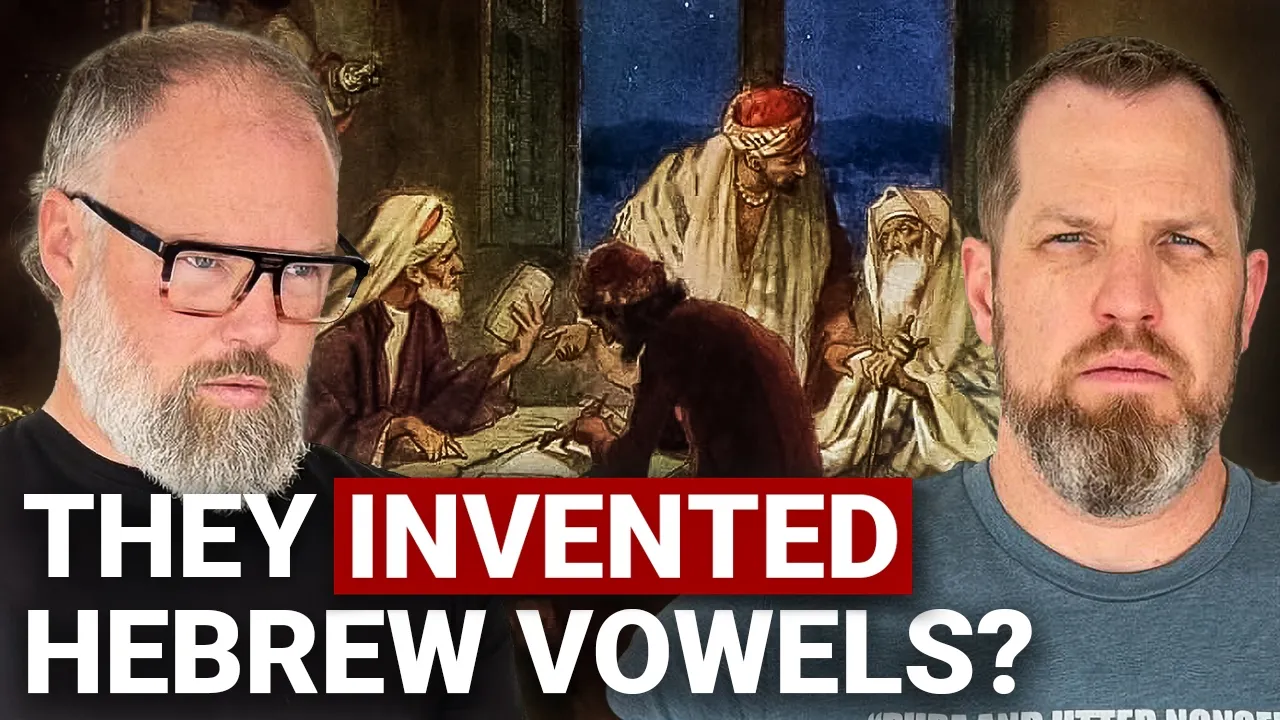
Semitic Vowel Smuggling: Matres Lectionis & Niqqud Explained
Added:The concept of an 'abjad', which is a writing system where primarily consonant sounds are represented, leaving vowels to be inferred by the reader.
The basic morphological structure of Semitic languages, specifically the triconsonantal root system where meaning is derived from a three-consonant core.
The phonetic distinction between consonant sounds (produced by obstructing airflow) and vowel sounds (produced by an open vocal tract).
A general historical timeline of early writing systems in the Ancient Near East, particularly the Phoenician and early Aramaic scripts.
The role of the Masoretes in the medieval period and their development of the Tiberian vocalization system (Niqqud) to preserve biblical pronunciation.
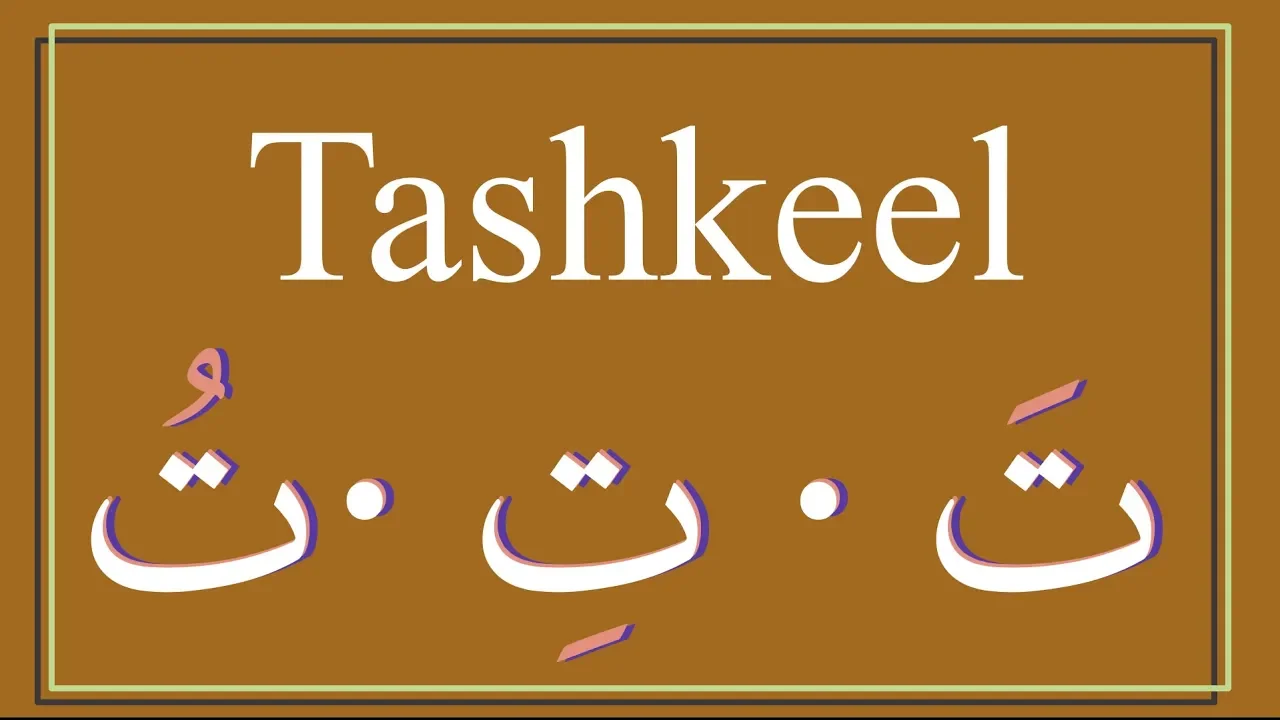
Comparative Semitic orthography, exploring how Arabic developed its own vowel representation system (Tashkil and Harakat) in contrast to Hebrew.
The transmission of writing systems, specifically how the Greeks adapted the Phoenician abjad and transformed consonant signs into the first dedicated vowel letters.
The cognitive and sociolinguistic aspects of reading unvocalized text in modern Hebrew and Arabic, and how context resolves syntactic ambiguity.
289.5K views5.9Klikes4:36Original Release: 2015-10-09
Maybe you’ve heard that Hebrew and Arabic are written entirely in consonants.
Wrong! Here’s why.
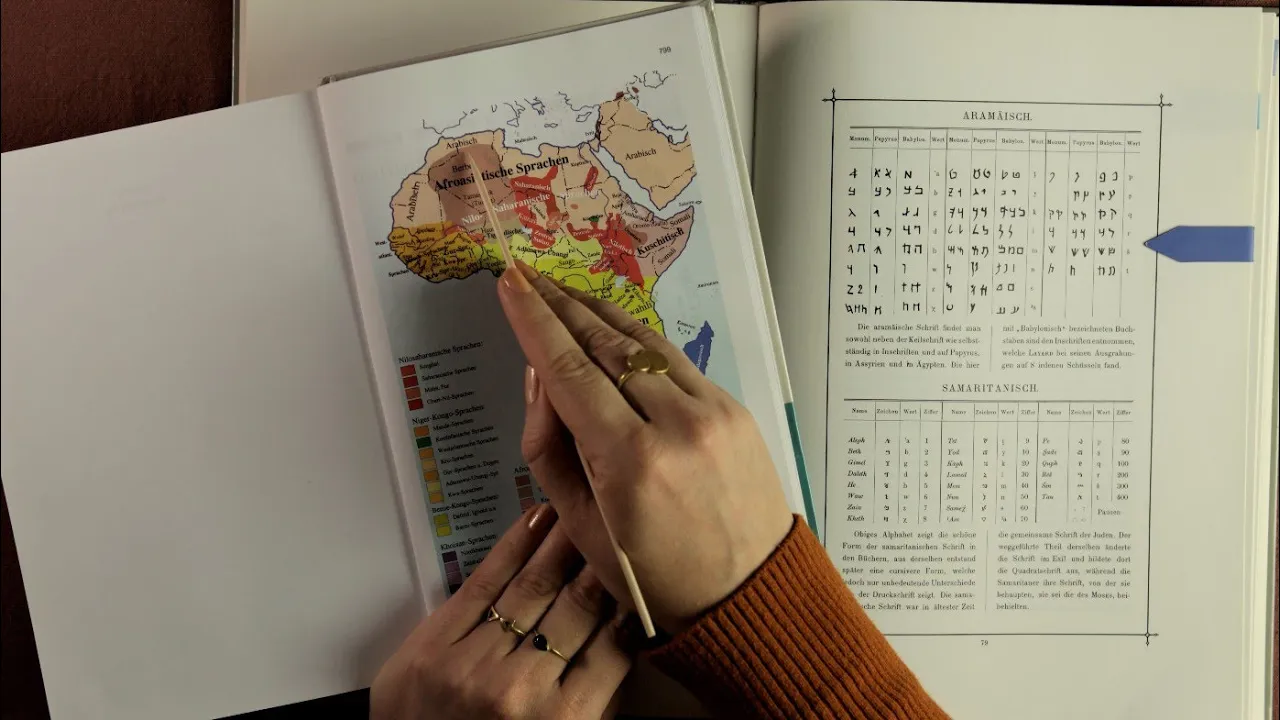
You’re back in old Phoenicia, where it turns out the Greeks aren’t the only ones looking to buy a vowel. Your contact in town is still your merchant frenemy, who reminds you of how she traded your consonant alphabet across the ancient world. That abjad spread to every language with even a passing resemblance to Phoenician. Every town from here to Carthage has some version of her abjad, spot the Egyptians - those stuck-in-their-ways traditionalists.
Initially, these Semitic speakers loved it. They were proud of it. But the days are turning to years, and that love grows cold.
They grumble that they’re stuck with these consonants. Just consonants! Clamoring for vowels, they get desperate and grab a few characters to stand in for a long sound. Take a look. This symbol is originally the stop between a’-a’-a. This one’s a “y”, a /j/ sound. And this is a /w/.
But they’re about to become not these things thanks to “Major Moments in the History of Writing”!
This moment hits you twice, because it brings up both an innovation specific to Semitic scripts and a more general principle that kind of bends the rules of the alphabet game.
First, it’s worth reiterating that abjad writing systems are viable ways to write and read a language. They work. But with one obvious shortcoming: those missing vowels can create ambiguous situations. But what if, instead of writing every vowel, we just had a few helpful hinters that suggested the presence of certain kinds of vowels? Take this letter /w/ - well, actually, they called it “waw”. Wow! Now imagine that we keep using it in words that have the sound “w”, but we also extend its use, placing it between consonants for the similar enough vowel sound /u/. In the old abjad, you’d have to write “soon” and “son” with the same characters: s plus n. Everything else is vowels, and we don’t have those. But suddenly our extended “w” comes in handy: “son” doesn’t have that “oo” sound, so it’s still s+n. But “soon” does, so we add in the “w”. Do the same thing with /j/, which can double as a long “i”, and this quirky catch-in-your-throat pause between uh-oh, ’aleph, which can double as a long /a:/, and you end up with three handy vowel suggesters: the matres lectionis, these helpful “mothers of reading”, that show up in Aramaic, Hebrew, Arabic and Syriac.
But these “mothers” don’t leave their consonant-ness behind. They still double as consonants. The abjad traded the ambiguity of a vowelless existence for a new kind of ambiguity: depending on context, each of these “matres” may be a consonant or it might be a vowel. One character, multiple sounds. This is a huge trend in alphabets - why invent new characters when you can reuse an old one?
Repurposing consonants for vowels here and there won’t satisfy everyone. These bickering scribes aren’t content with matres lectionis. You see, they’re not just trying to tell son apart from soon. The bickering scribes are bickering over how to read of one of their most treasured sayings. One says that it’s such a fine point, you wouldn’t understand unless you were incredibly well versed in his language. But he makes an analogy for you: write the word “news” in a consonant-only alphabet. It’s “n-w-s”. Fine. Now imagine that someone comes along with their fancy consonant/vowel hybrids and spells the word “noose”: “n-w-s”. Hmmm, wait a second.
He shows you a cheat sheet he’s been keeping. “It’s so easy!”, he says, pointing out the little dots and dashes above and below letters to keep his vowels straight. Put them here for an “a”, there for an “e”, you can even add them below one of the long vowel things if you need to distinguish, say, an “i”. Nobody’s confused! That’s it, he won’t tolerate the vagueness any longer! Effective immediately, in all important texts where clear reading matters, everyone’s to use this method. And so for generations, scribes would mark vowels above and below the consonants, writing vowels in what was once a consonant-only alphabet.
But, as much as the pious and students swear by their dotty vowels, modern Arabic and Hebrew speakers stick with the simple consonants plus the extended consonant/vowel mothers.
The optional helper dots get thrown in like a life preserver for struggling learners or careful texts. But grown ups don’t need them anymore.
(Bandits take you!)
Up Next

52:02
The Greek Alphabet: History, Sounds, and Writing System
@universtiyatbuffalodepartm2233
31.2K views•2017-11-15
36:52
Constraint Interaction in Optimality Theory: Epenthesis & Deletion
@Vidyamitra
180 views•2018-08-20
4:00
Optimality Theory: Grammar as Ranked Constraints (Linguistics)
@NativLang
48.3K views•2012-10-04

21:32
Accent Expert Explains U.S. Regional Dialects | Part 1
@WIRED
9.3M views•2021-01-21
Related Study Plans & Knowledge Roadmaps
Structured learning paths in Linguistics
linguistics
Optimality Theory: Tableaux & Constraints
01Phonological Basics: Sounds, Syllables & Rules
02Foundations of Optimality Theory: GEN, CON, and EVAL
03The Constraint Inventory: Markedness vs. Faithfulness
+ 2 more learning modules
15h5 modules
Explore Roadmap
linguistics
Morphosyntactic Alignment: S, A & P Systems
01Foundations of Syntax: Transitivity and Arguments
02The Linguistic Variables: Mapping S, A, and P
03Nominative-Accusative Alignment
+ 3 more learning modules
12h6 modules
Explore Roadmap
linguistics
Analyzing Sign Language: Phonology & Syntax
01Foundations of Sign Language Linguistics
02Phonology: The Five Parameters of a Sign
03Morphology: Word Formation and Classifiers
+ 2 more learning modules
14h5 modules
Explore Roadmap
linguistics
Pragmatics: Speech Acts, Grice & Politeness
01Introduction to Pragmatics: Meaning in Context
02Grice’s Cooperative Principle & Implicature
03Speech Act Theory
+ 2 more learning modules
14h5 modules
Explore Roadmap