















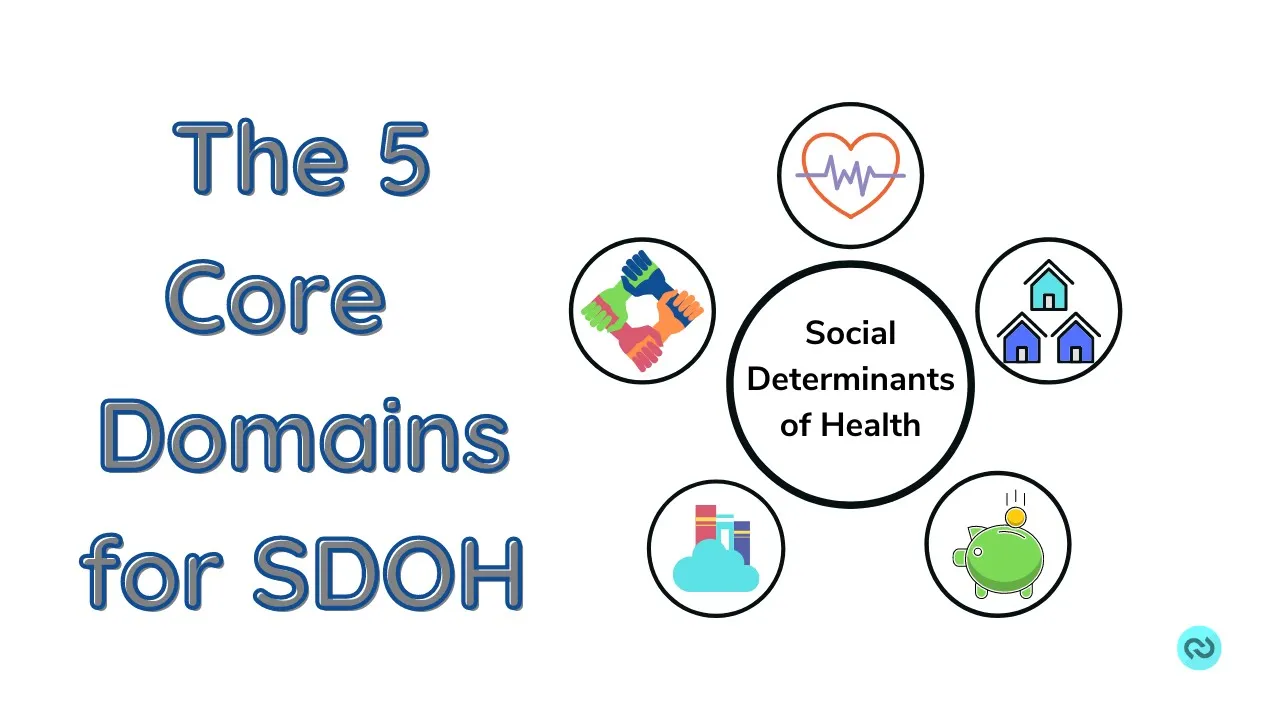













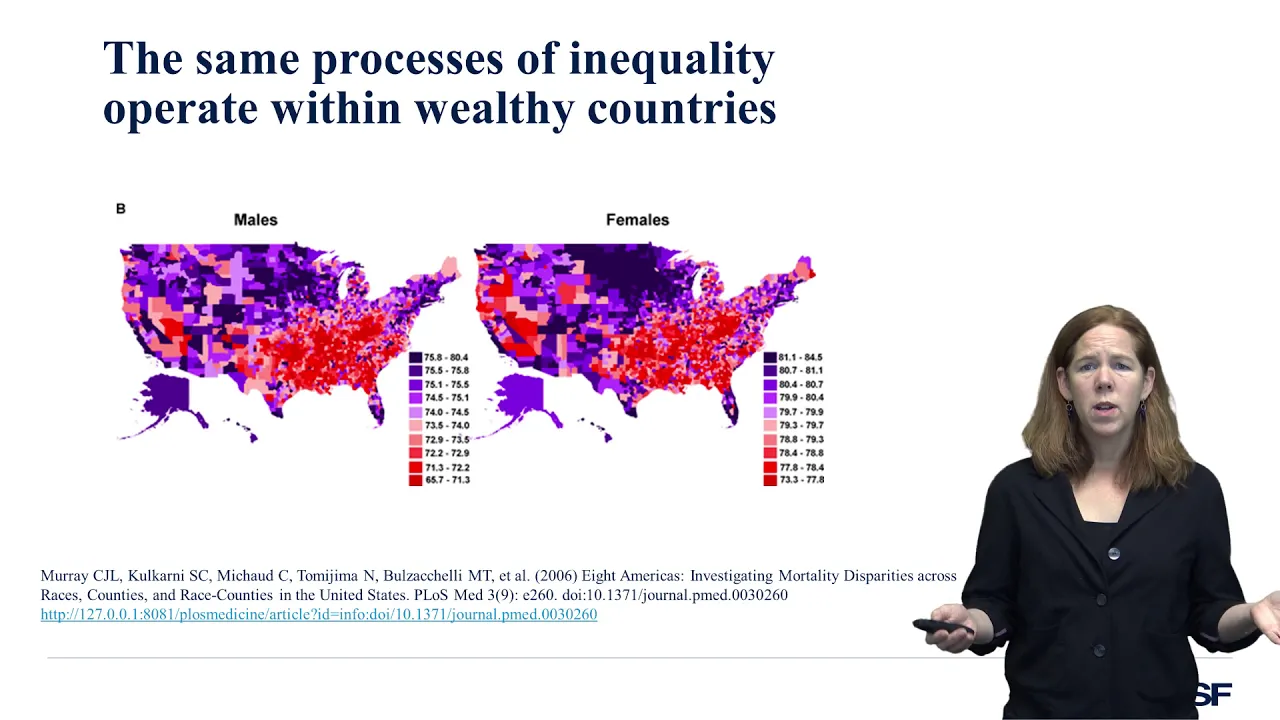

The social medical model of health is a complementary framework to the biomedical model that examines how wider social factors such as housing, education, environment, and living conditions contribute to illness, rather than focusing solely on individual biological causes; this model emerged from research showing direct links between living conditions and health outcomes, exemplified by John Snow's 1850s cholera outbreak investigation which demonstrated that removing contaminated water sources reduced disease rates.
Social Model of Health Explained: Sociology & Public Health
Added:The Biomedical Model of Health: Understanding the traditional, biology-focused approach to medicine and disease treatment to serve as a point of contrast.
Basic Concepts in Sociology: Familiarity with social structure, socialization, and how societal systems influence individual behavior.
Social Stratification and Inequality: Understanding how socioeconomic status, race, and class affect access to resources.
Introduction to Public Health: A foundational understanding of population-level health outcomes versus individual clinical care.
The Social Determinants of Health (SDOH): Deeply examining the specific frameworks (like the WHO guidelines) that categorize non-medical factors influencing health.
Health Disparities and Inequities: Exploring the systemic, avoidable, and unjust differences in health status across different demographic groups.
Health in All Policies (HiAP): Studying public policy approaches that integrate health considerations into policymaking across sectors like housing, education, and transportation.
Social Epidemiology: Investigating the social distribution and social determinants of health states, and how social patterns affect disease distribution.
11.6K views161likes6:49Original Release: 2020-07-24
[Music] hello and welcome to five minute sociology now today i want to talk about the social model of health now in a previous video we looked at the biomedical model the social model can be seen as a direct reaction to the biomedical model so you might want to revisit that video as well now the social model of health um can be seen as a as i say a direct reaction to the biomedical model and in the social model we're thinking about the wider social context of a person's life and why that could lead possibly to ill health or other issues in their life so if you think the biomedical model looked at the individual and was trying to find the root cause of an illness to fix it now the social model would go wider and look at the surrounding factors of an individual's life for example the biomedical model might look at the person's housing situation or they might look at lifestyle factors such as smoking drinking drug use education you know location all these things are they in an inner city area um are they in an area of high pollution so it really looks at the wider social factors that would lead a person to be ill or experience illness and this model is used within sociology and also in you know nursing and medicine as well so i say it's a direct reaction but also we could see it as a complementary model to the biomedical model and certainly practitioners like social workers would employ um the social model of health okay so the reason the social model of health came about was because um we had the biomedical model we had the enlightenment period where we saw a rise in science um and science being used as the basis for medicine but then researchers began to realize that there's a direct link between where someone lives and their living conditions and their um so in the early 20th century when housing and sanitation improved there was a direct correlation with the improvement of health okay so this is um this is why the social model of health is so important in things like uh you know policy making and housing policy and things like that particularly famous case study which is a good example to use uh about by a physician called jon snow now jon snow um was a british physician and he's often hailed as the um kind of father of epidemiology um so this kind of links in with public health and things as well but essentially um jon snow um in the 1850s monitored a cholera outbreak um and kind of pinpointed where this outbreak was happening um so you know very primitive epidemiology and what he was able to work out that there was one particular water pump um appeared to be the source of the cholera spreading so what he did was he removed the handle of the water pump and then mapped again and he saw that the cholera reduced the color the rates of cholera are reduced um so that's just a little case study that's good to use to show the impact of the social model of health the other point that we could mention is that if you look at any statistics um so students out there that want to wanting to research and look at statistics i suggest you look at the office for national statistics if you're in the united kingdom and if you look at any life expectancy um graphs and projections you'll see that life expectancy is on the up for both males and females there is obviously a slight difference in male and female with females living longer than men um but we'll look at that in a in another video the way i always try and teach it and explain it is if we think of the biomedical model um that's kind of looking inward at the person okay so if we imagine um you know they've got an illness um it needs to be treated so it's very kind of individualistic looking at the person the social model would see the wider context on the world is the problem so if you imagine a kind of a stick man the um the biomedical model will be kind of looking in by the social model would look out okay so the social model would think about things like um why you know why can this person not access a service um what's stopping the person from accessing it um you know where are they living what's their education being like do they use drugs or alcohol you know it would look at these wider factors to try and build a picture whereas the biomedical model tends to just look at the individual and treat the root cause of the illness now i mentioned um some professionals using it so the biomedical model you would see that within the nhs and if you went to a gp as you would see them use that the social model of health would probably be employed um once you were referred so for example if you were going to um see a social worker or a counselor maybe um the social model of health would be employed there okay so just to really quickly sum it up the social model of health is a complementary model to the biomedical model um it's a reaction to the biomedical model in the sense that it is a the opposite really of it because it looks at the wider social factors of someone's life it'll look at housing education environment and it will try and work out why someone is ill based on what's going on um in their wider life whereas the biomedical model would purely look at the individual okay i hope that's been helpful and thank you for tuning in if you enjoyed this video please give it a like and think about subscribing to the channel
Up Next
8:21
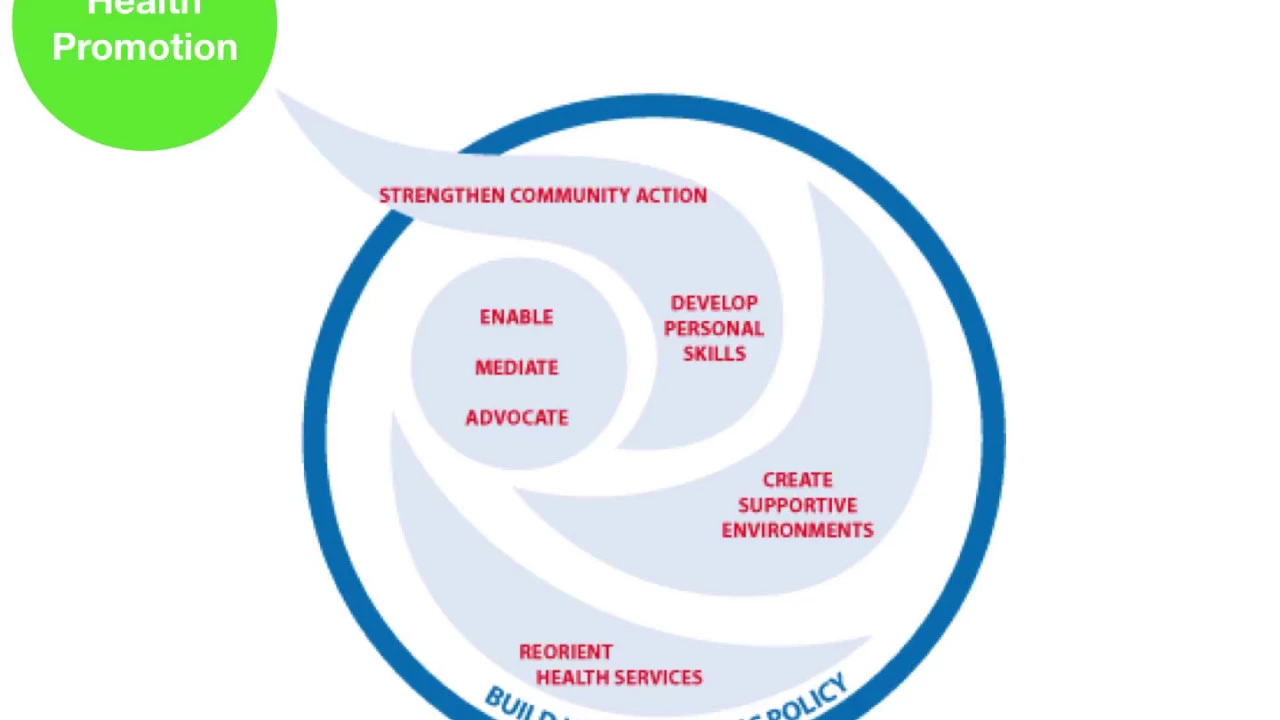
Biomedical & Social Models of Health & Health Promotion
@krich052
30.4K views•2017-09-01

48:47
Graphic Medicine: Comics for Collaborative Healthcare Communication
@nationalpatientadvocate
189 views•2023-12-04

10:28
Neuroanatomy: Central and Peripheral Nervous System Divisions Explained
@AKLECTURES
136.2K views•2014-09-20
3:05
Stages of Labor and Vaginal Birth | Childbirth Animation
@nucleusmedicalmedia
52.1M views•2017-08-18
Related Study Plans & Knowledge Roadmaps
Structured learning paths in Medicine
medicine
Abnormal LFTs: Diagnostic Workup & Pathology
01Liver Anatomy and Basic Physiology
02Introduction to Liver Function Tests (LFTs)
03Hepatocellular vs. Cholestatic Patterns
+ 3 more learning modules
12h6 modules
Explore Roadmap
medicine
Analyzing Blood Smears: RBC, WBC & Platelets
01Introduction to Blood Components & Smear Preparation
02Normal Morphology of Blood Cells
03Erythrocyte Pathologies & Morphological Variants
+ 2 more learning modules
12h5 modules
Explore Roadmap
medicine
Mechanical Ventilation: Waveforms & Alarms
01Anatomy and Physiology of Breathing
02Introduction to Mechanical Ventilation & Core Modes
03Ventilator Settings and Waveform Interpretation
+ 2 more learning modules
12h5 modules
Explore Roadmap
medicine
Neuro Exam: Localization & Stroke Syndromes
01Foundations of Neuroanatomy and Vascular Supply
02The Neurological Examination: Step-by-Step
03Principles of Neurological Localization
+ 3 more learning modules
18h6 modules
Explore Roadmap