








![♥재밌는 자동제어 세상♥ [Fanuc CNC Education] #워크좌표계 #공구경보정](https://i.ytimg.com/vi/xu-G9C0Nc9s/maxresdefault.jpg)

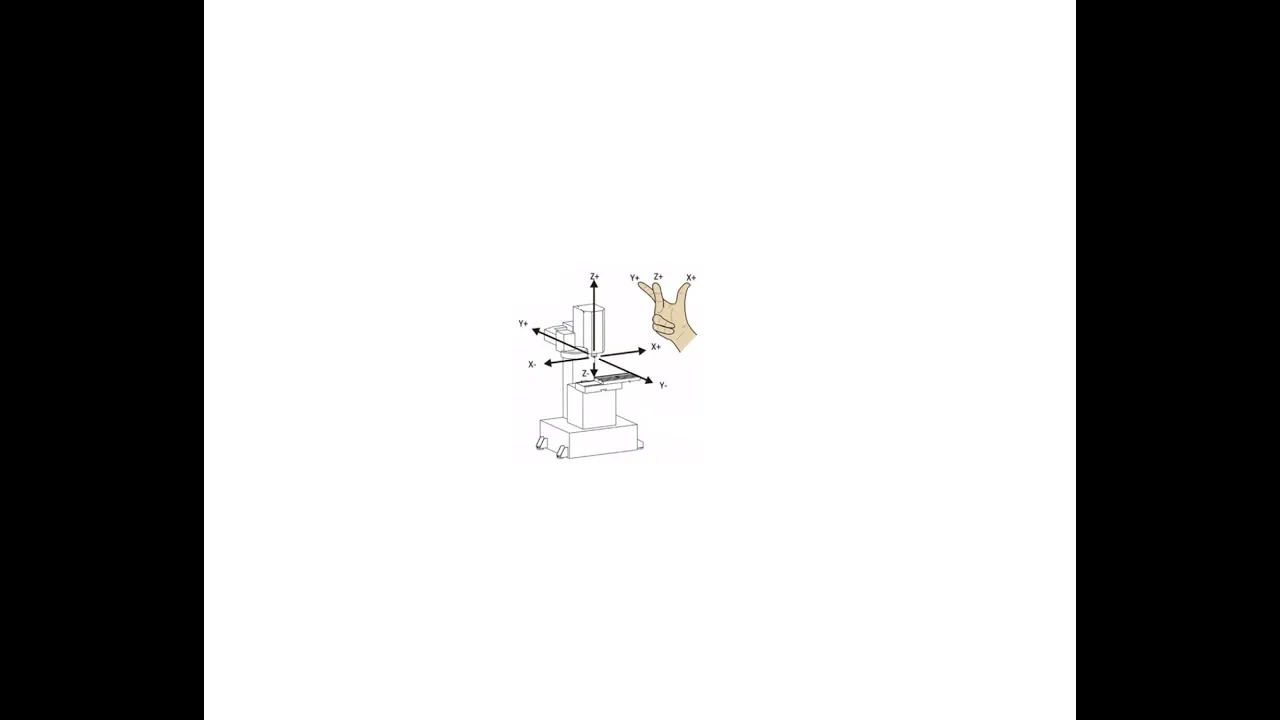

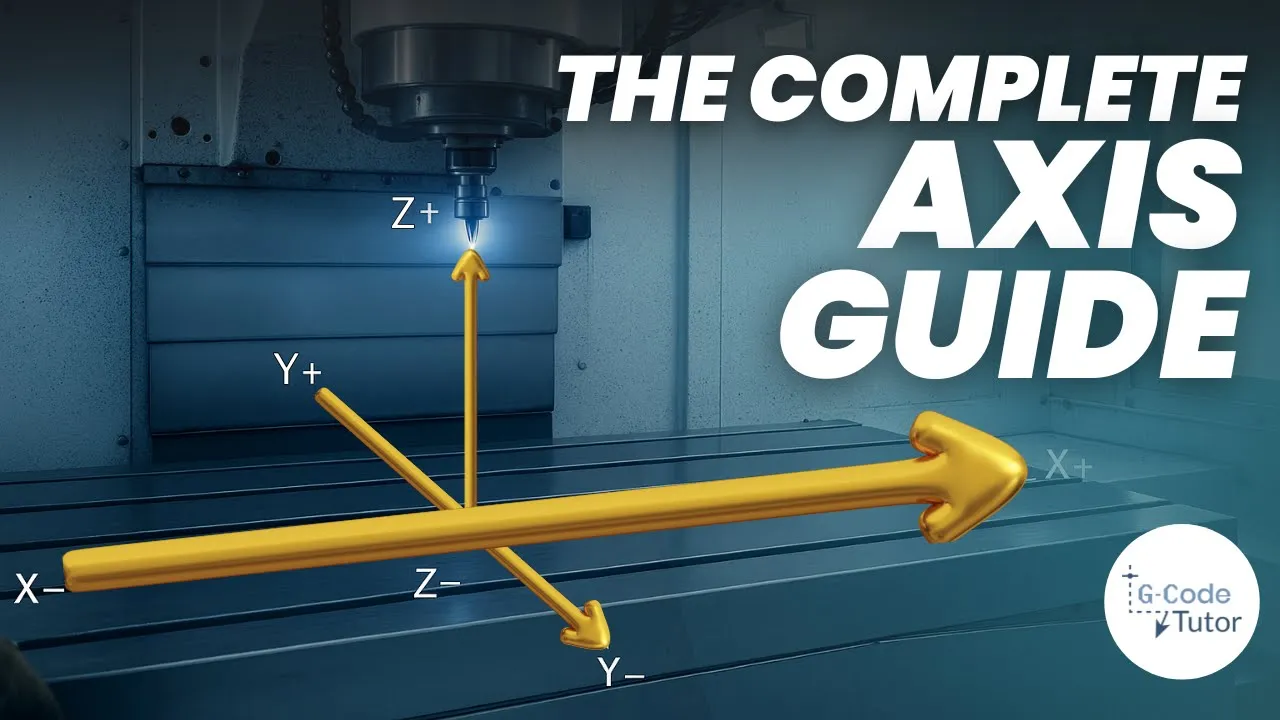

Cartesian coordinates, invented by René Descartes, form the mathematical foundation for CNC programming, consisting of horizontal X-axis, vertical Y-axis, and depth Z-axis; in 2D space, coordinates are ordered pairs (X,Y) where positive X moves right and positive Y moves up, creating four quadrants when the origin is centered; in 3D space, coordinates extend to (X,Y,Z) with Z representing depth, enabling precise positioning for CNC routers and other manufacturing equipment.
Cartesian Coordinates for CNC: XY & XYZ Systems Explained
Added:Basic geometry concepts, specifically the 2D Cartesian coordinate system with X and Y axes.
Understanding of positive and negative integers and how they represent direction and distance from an origin point.
An introductory understanding of what a CNC (Computer Numerical Control) machine is and its general role in manufacturing.
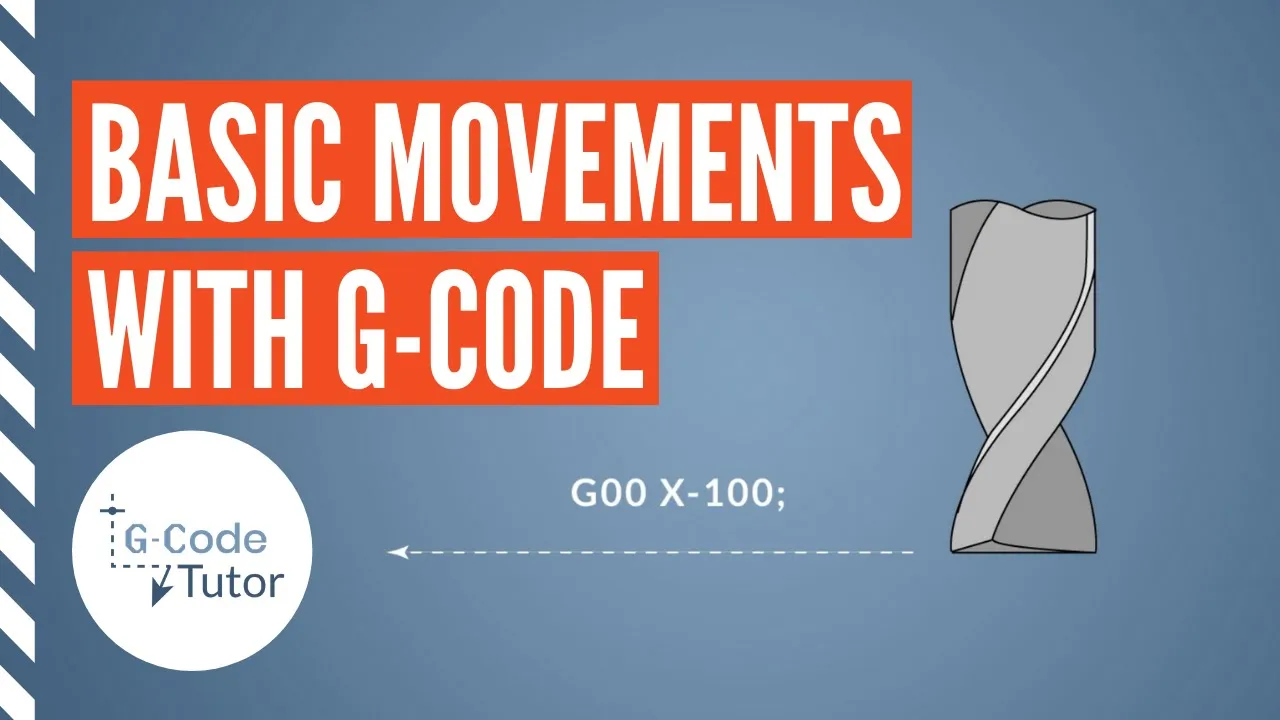
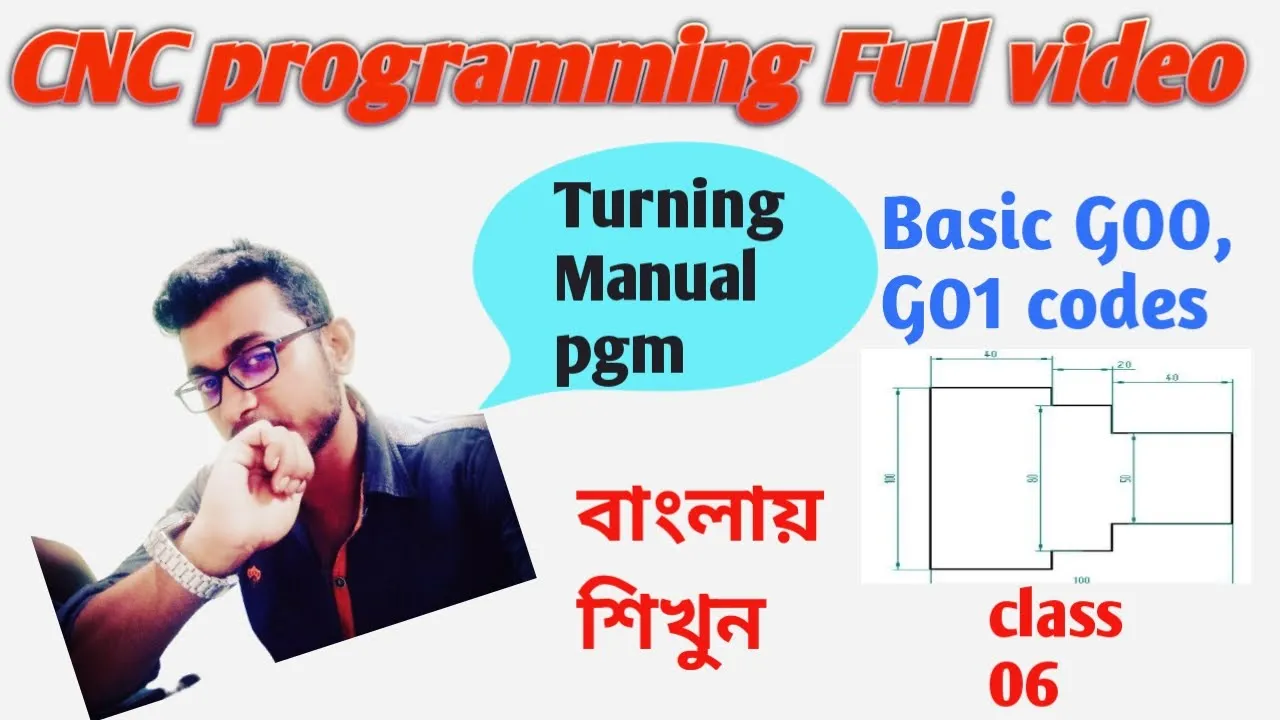
Introduction to basic G-code programming, focusing on directional commands like G00 (rapid positioning) and G01 (linear interpolation) using X, Y, and Z coordinates.
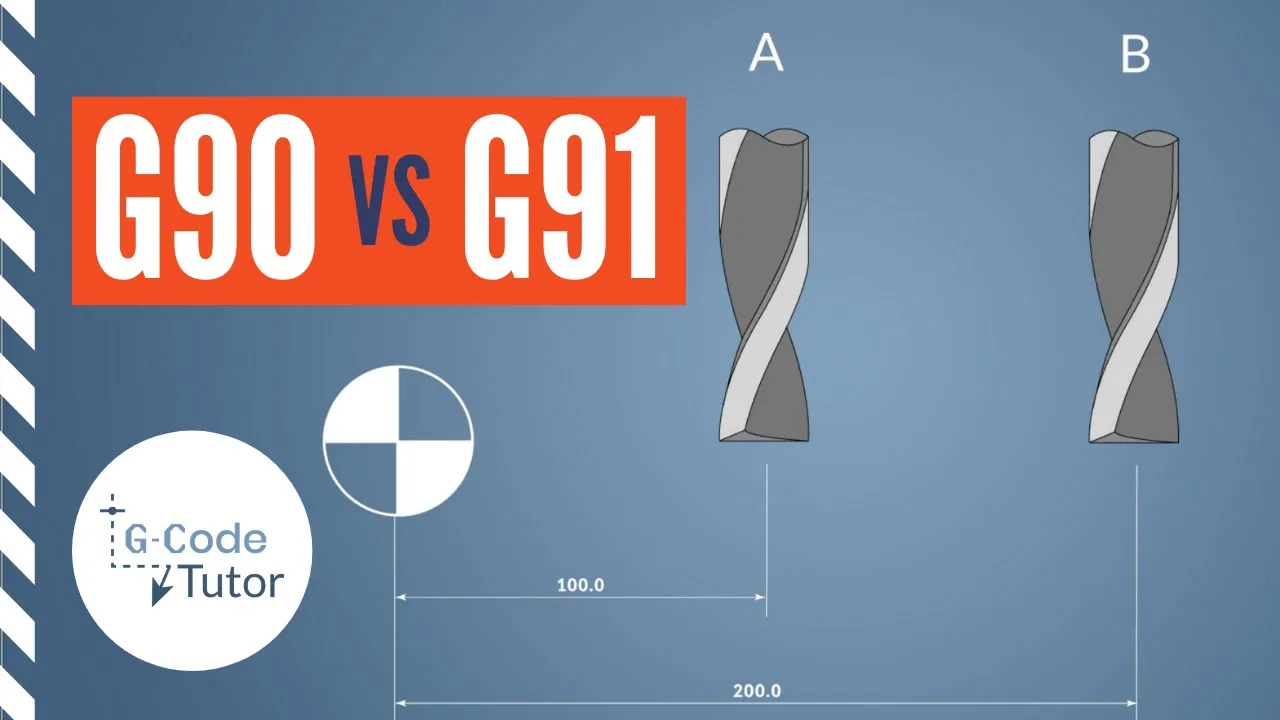
The operational distinction between Absolute (G90) and Incremental (G91) positioning systems.
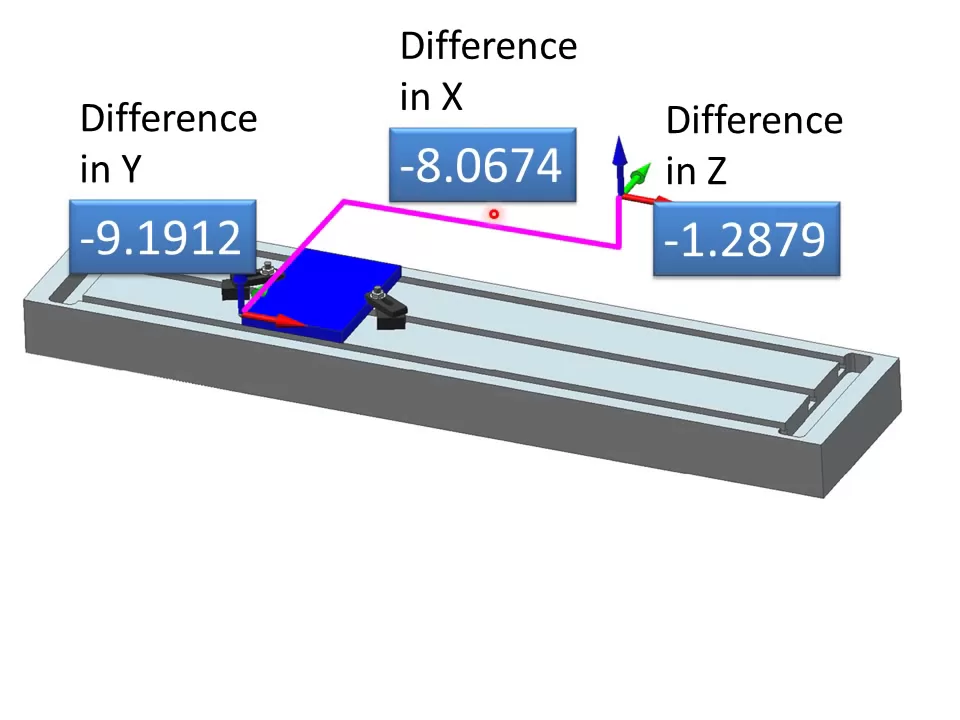
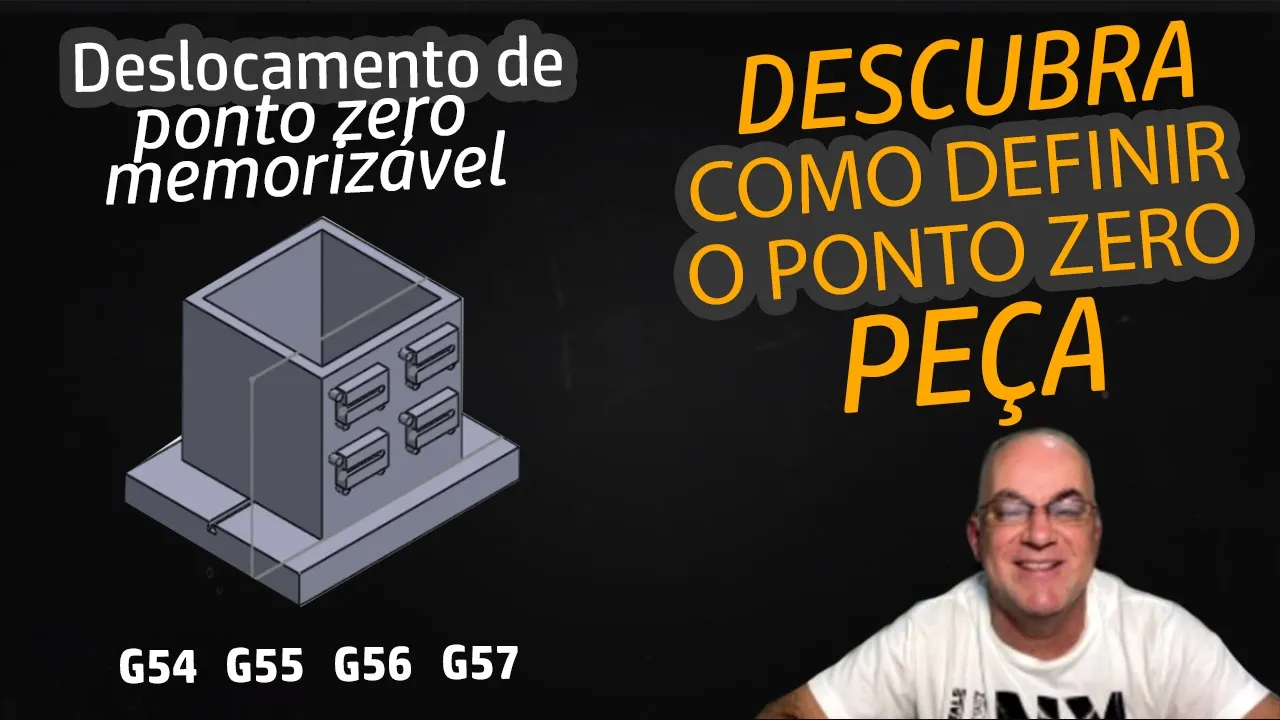
Understanding Work Coordinate Systems (WCS) and how to set a local program zero (e.g., G54) on a physical CNC machine.
Exploring rotational axes (A, B, and C) used in advanced 4-axis and 5-axis CNC machining systems.
3.6K views61likes7:47Original Release: 2020-06-05
hey Jonathan here at Colfax math today's video I'm going to go over Cartesian coordinates XY variables how a Z variable would work kind of the basics you need to know for CNC programming and operating CNC equipment so this is all about Cartesian coordinates it's a math idea with the foundation for CNC alright let me put the camera over my shoulder [Music] okay so let's get started with Cartesian coordinates Cartesian coordinates were invented by a guy named Rene descarte that's why it's called Cartesian so it's Cartesian coordinates named after him I think it must have been about 1600 he did that so the foundation all of it is that it's a graph or a set of axes and you can figure out wherever you are in space by the numbers on the axes so the vertical axis is always Y the horizontal axis is always X and whatever object you want to create would have a Cartesian coordinate otherwise known as the ordered pair the first value is always X the second value is always Y just like in the alphabet so this coordinate right here in the lower right-hand corner of this rectangle is 8 because I go over 8 units and then I go up 1 2 units so it's over 8 up to you this coordinate right here is over the same amount 8 however now it's up 9 this coordinate right here in the lower left corner it will always be X first so this would be 1 over and then 1/2 you up so this would be the coordinate 1 to you and then this coordinate right here would be 1 over 9 up and that's kind of how CNC router reads apart there's a dick bunch of different ways but it could travel as a vector from this coordinate to this coordinate and then from this coordinate to this coordinate so that's the overview let me go in a few other parts of Cartesian coordinates as well this is all positive space a lot of times you set your 0 where your origin at 0 0 and you only work in positive space but a lot of times you set your origin in the middle of the park so that gives you the same XY axis the difference now is you have it split into four quadrants this would be quadrant one quadrant two quadrant three in quadrant four based on the idea that you're in trigonometry rotating counterclockwise this way this right here is always going to be positive positive space a rectangle in here or any shape you want in here so let's figure out these coordinates with positive and negatives and say I went over here one two three four five units and I'm over this way one two negative three units so going left to right is positive right to left negative then in the Y direction let's say I go up one two three four units going up would be positive and then going down one to negative three so this coordinate now is still positive positive I go over five up four so this coordinate is 5 4 this coordinate right here now I go over negative 3 so my X is always first negative 3 and then I go up for this coordinate right here negative 3 in the X direction and then negative 3 coming down in the Y direction and then this coordinate right here X first would be 5 over and then negative 3 down so that's how you work in negative space a lot of times when you're setting parts on the CNC you do do that the other thing too is in when you're making things are very rarely ever flat it's more like a 3d object so it was more like a rectangular block like this and then now you need to put depth into your drawing as well the way you predict into that drawing is you add a new axis now new axis is your Z coordinate so again horizontal is X vertical is y and now I'm coming out I'm really coming straight up here so I draw it flat but it's the z-axis and it's coming straight up and then the way I draw this in two dimensional plane like this is let's say now I have the coordinate two three four before that coordinate was X Y and it's still the same I'm just adding a third AXI three dimensions so this is Z and they're always in that same order X Y Z just like they are in the alphabet so to draw that coordinate on a flat plane even though it's a point of space up here you can't even see with the camera but I'm floating up above my page I go two units and X I go 3 units and Y and then I got a four units in Z so I'm over two up three that puts me here and then I come up trying to come up four and the way I show that is I could draw it and the best way to draw it is to draw a box where you draw that box if this is one side of my box the three units just going to be that same side right here of the same length this is coming out four so that's the same length is four this is the back of the box too this one's going to come out to there so this will be two parallel there like that and then not to up let's see this is going to be three over two up and then back that way so that space right there is over two up three and then out four so that's the XYZ coordinate system my coordinate or ordered pair goes from two dimensions actually you start in two dimension positive space once you got that down in positive space then you go to four quadrants where this would be positive positive second quadrant be negative positive third quadrant negative negative fourth quadrant positive negative then now that you're working in four quadrants in two-dimensional space then you move on to three-dimensional space they're all pretty big ideas when you run a tool on the CNC router that's what you're doing either you'd use in absolute coordinates travel from two three four two two three five or you're using vectors where you give it a magnitude and direction to travel so now hopefully that helped a little bit with the introduction to Cartesian coordinates and how and how they work in a CNC space if you liked the video hit like I'd like to hear your comments below and thank you for watching hit subscribe this channel all applications and math
Up Next
37:11
Stepper Motor Working Principles: Bipolar, Unipolar & More
@HomoFaciens
156.6K views•2015-07-29
30:32
Ultrasonic Transducers: Resonant Frequency Measurement and Horn Design
@imajeenyus42
229.9K views•2017-02-22

54:16
Polymer Environmental Degradation: Mechanisms & Stabilization
@iit
1.8K views•2012-07-10
33:39
How a Student's Question Saved a NYC Skyscraper from Collapse
@veritasium
22.8M views•2025-04-26
Related Study Plans & Knowledge Roadmaps
Structured learning paths in Engineering
engineering
Building Acoustic Levitators: Physics & Arduino
01The Physics of Sound and Standing Waves
02Piezoelectric Transducers and H-Bridge Drivers
03Arduino Programming: Generating 40 kHz Signals
+ 2 more learning modules
14h5 modules
Explore Roadmap
engineering
Building Peltier Cloud Chambers: Particle Tracks
01Cosmic Rays & Cloud Chamber Physics
02Thermoelectric Cooling (TEC) Fundamentals
03Custom Liquid-Cooling Loop Design
+ 2 more learning modules
18h5 modules
Explore Roadmap
engineering
Yagi-Uda Antennas: Modeling, Build & VNA Test
01Introduction to RF and Antenna Fundamentals
02Yagi-Uda Antenna Design Principles
03Antenna Modeling and Simulation in 4NEC2
+ 2 more learning modules
18h5 modules
Explore Roadmap
engineering
ECG Monitor Design: Op-Amps, Filters & Noise
01Electronics & Breadboard Basics
02Op-Amps and Instrumentation Amplifiers
03Bioelectricity and ECG Fundamentals
+ 2 more learning modules
18h5 modules
Explore Roadmap