





![[Szczerze przy dilerze 17] Prof. Marcin Majewski, biblista](https://i.ytimg.com/vi_webp/xMPy6f-KF0Y/maxresdefault.webp)





![Троянская Война: правда или миф? / [История по Чёрному]](https://i.ytimg.com/vi_webp/j9LhUjZz2Yo/maxresdefault.webp)


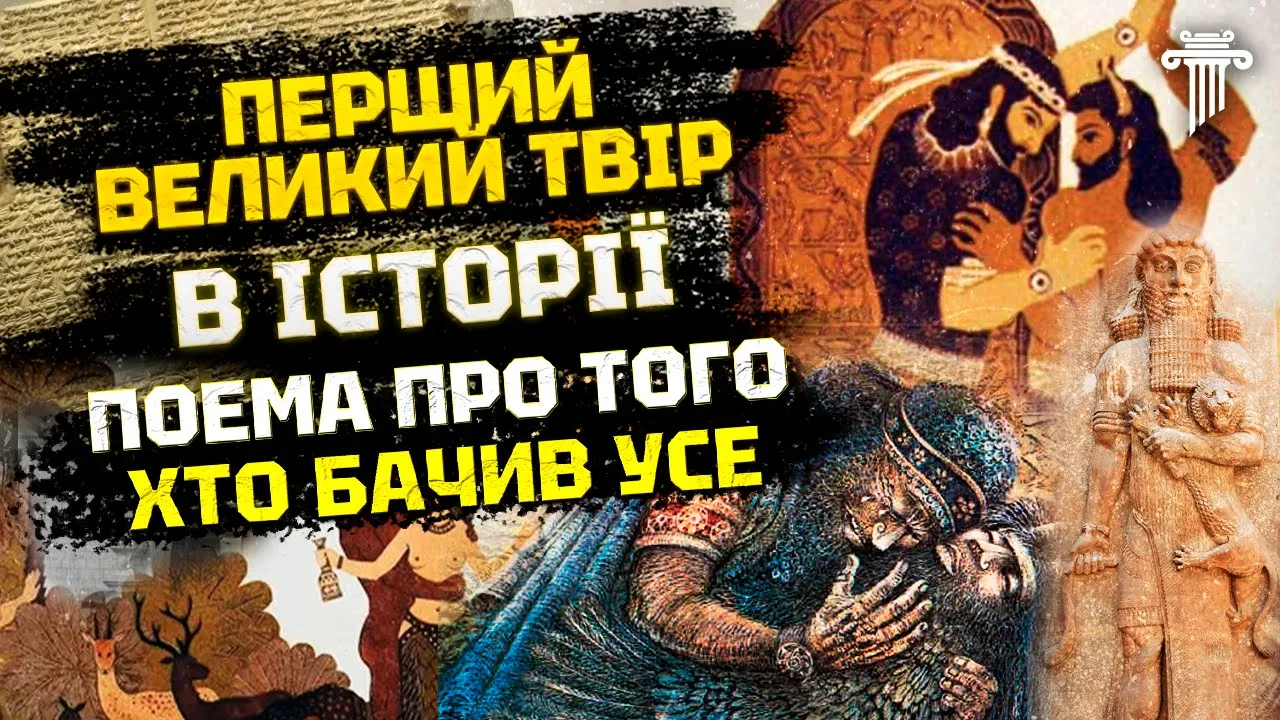




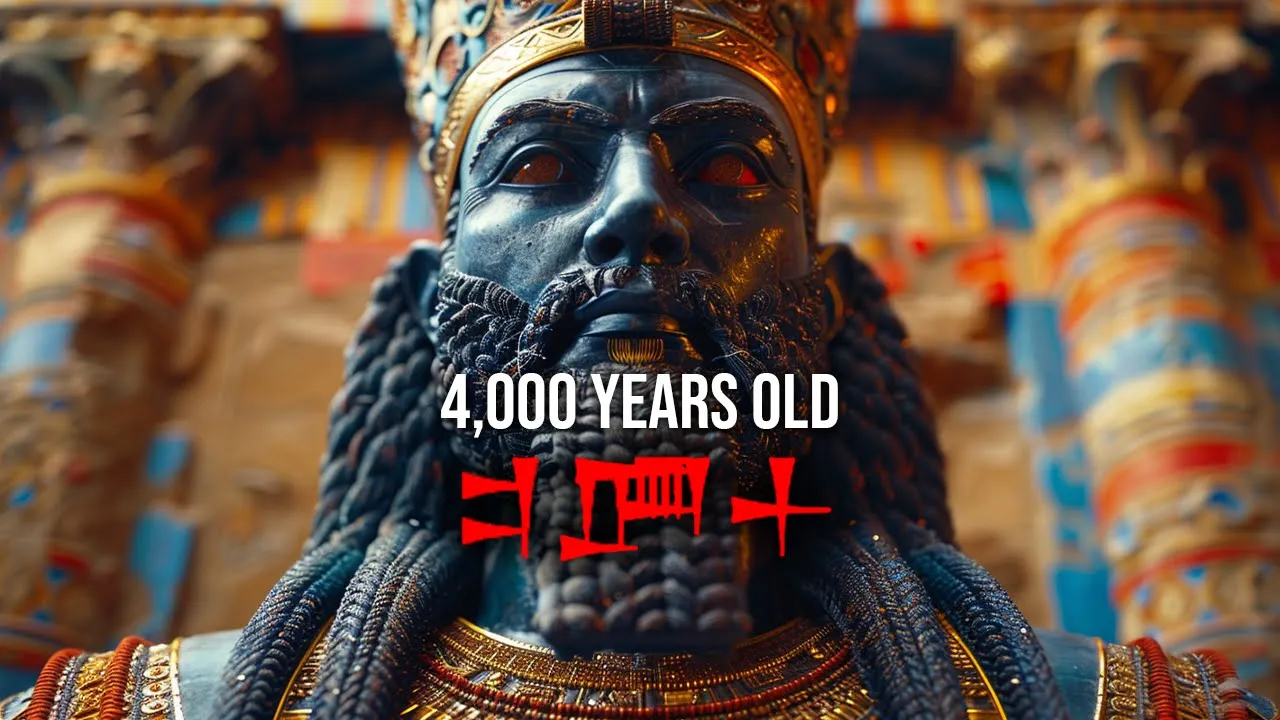
The Epic of Gilgamesh, a 4,000-year-old Mesopotamian poem about King Gilgamesh of Uruk, explores universal themes of love, friendship, courage, and the acceptance of death through the hero's failed quest for immortality after his companion Enkidu dies; this ancient masterpiece, recovered from clay tablets excavated in modern-day Iraq and deciphered by scholars like George Smith and Andrew George, has profoundly influenced Western culture and literature for over a century.
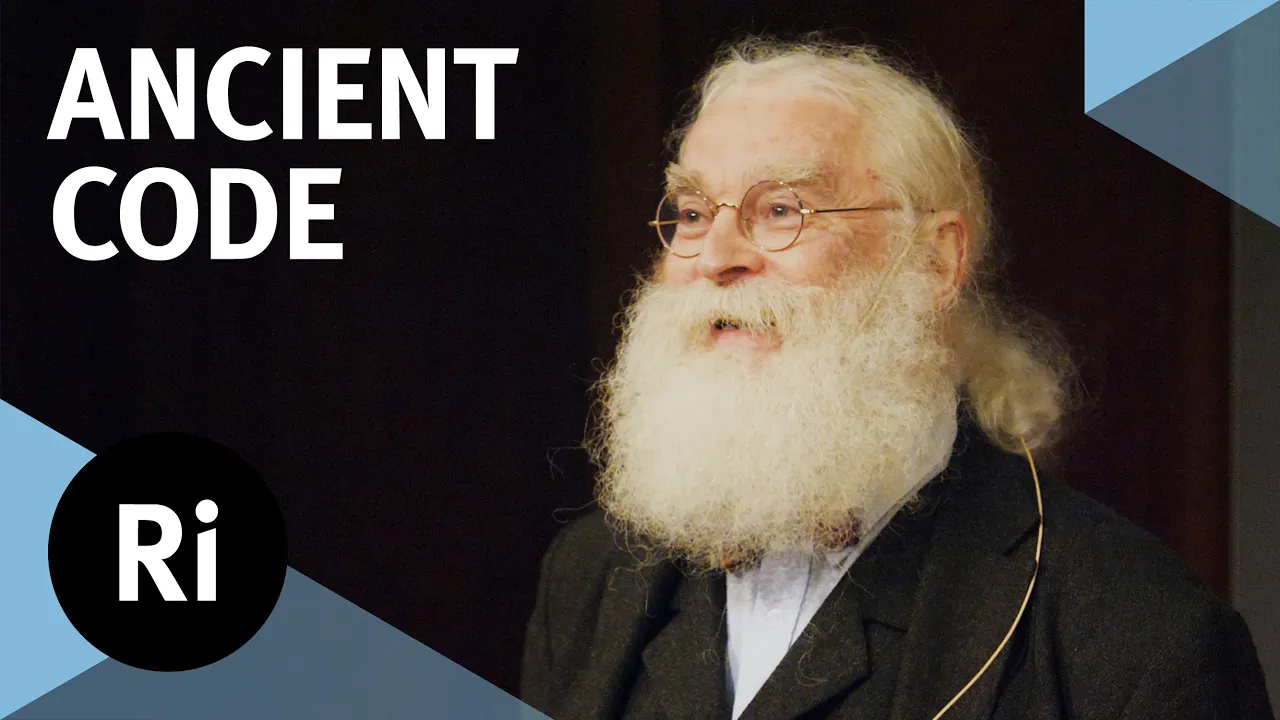
The Epic of Gilgamesh: Andrew George Lecture on Babylonian Literature
Added:Basic historical and geographical understanding of Ancient Mesopotamia, specifically the Sumerian and Babylonian civilizations.
The origin and nature of cuneiform writing, including how clay tablets were inscribed and preserved.
The literary definition of an 'epic' and common characteristics of ancient mythological narratives.
An introduction to the concepts of archaeological discovery and the preservation of fragmentary ancient texts.
Comparative analysis of the Gilgamesh flood myth with other ancient deluge narratives, such as the biblical story of Noah and the Atrahasis Epic.
The influence of Mesopotamian literature on later classical works, specifically Homer's 'Iliad' and 'Odyssey'.
Advanced study of Akkadian and Sumerian philology, focusing on the challenges of translating lacunae and broken cuneiform tablets.
Philosophical exploration of existentialism, mortality, and the human condition as depicted throughout world literature from antiquity to modernity.
2.7M views27Klikes1:28:45Original Release: 2017-01-30
ladies and gentlemen it's a great pleasure to welcome you to this evening's lecture on the Epic of Gilgamesh more than 4,000 years ago in what's today the nation of Iraq people were working on versions of this poem about the greatest hero that the world had ever seen king gilgames of Uruk one third man two-thirds God Tyrant traveler and tragic figure uh he who continues to speak to us to this day reflecting Eternal values of love and friendship courage fear and acceptance of death we'll learn about this work of world literature from the leading scholar on the subject the distinguished Professor Babylonian Dr Andrew George of the Department of languages and cultures of the near and Middle East at the school of Oriental and African studies at the University of London Professor George is author of the critical two volume Omnibus edition of the Gilgamesh epic that now anchors all studies of the text on Rock Solid Ground as well as a prize-winning translation made available to the general public on his own insistence through penguin Classics in the folio Society many of you are probably already familiar with it it constitutes the most upto-date and reliable translation of the text into any language Professor George has his training from the University of Birmingham where he completed his doctoral dissertation on Babylonian topographical texts under the supervision of WG Lambert in 1985 since 83 he has taught Acadian and samirian language and literature at the school of African and Oriental studies the other way around Oriental and African studies in London he is a fellow of the British Academy and an honorary member of the American Oriental society and has so far authored nine books and more than 110 scholarly articles several of them on tonight's topic following the lecture we are fortunate to have with us an illustrious panel of three professors who call Harvard their home and who have all themselves worked on various aspects of the AIC at one point or another each has agreed to offer a five-minute perspective on a topic of their choice as a comment to Professor George's lecture the panel consists of former William D Borman professor of Fine Arts Irene winter hanok professor of Hebrew and or other Oriental languages Dr Peter machinist and erns burn bound professor of comparative literature Dr David damr following their remarks we will open the discussion to the audience for questions and comments this evening's event has been organized in collaboration with the L institutions as you just heard and particularly we are grateful to the provos fund for the Arts and Humanities who has made this possible the background is a course for the Harvard College A&E 103 ancient lives whose 70 students have spent the afternoon with our guest asking questions and leading discussions in preparation for their main course assignment this year a live performance of selected parts of the Epic under the sound guidance of their instructor from the American reparatory Theater Brennan ecle our lecture tonight is thus also part of a learning activity for our students on how to think about and deal with key aspects of human nature and historical development over a long span of time and it will form an element in their interactive engagement with course topics through a personal and sensory experience with the past as you heard for those of you who have the time you will also have a chance to share in this sensory Journey for the following event which will occur immediately after this lecture at the citic Museum you're invited to two other Galleries and have some Mesopotamian culinary nibbles or rather uh at least its closest proxy which is Watertown Massachusetts and if you are 21 to sample the wine that we have imported from the mountains where gilam Miss and kidu slaba as well as beer brewed according to ancient recipes from friia so whether you will be joining us in the citic museum or not I welcome you and hope that you will join me in welcoming our main speaker for the evening Professor Andrew George ladies and gentlemen it's it's wonderful to be here I'm very very happy to have been invited to address you it's wonderful to see an almost full house and let me express my gratitude also to the people who brought me here the institutions who've helped do that and to Dr bovich for uh the invitation that he sent me some months ago um I'm going to talk about one of my favorite subjects uh Gilgamesh uh subtitled the recovering the Masterpiece of Babylonian literature because that's what it is but first of all we do have to to ask ourselves the question what is Gilgamesh because Gilgamesh is well pretty much everywhere there is a book by Theodor zil kovsky of the University of Princeton that explains what I've just said that Gilgamesh has really entered the artistic consciousness of the west of modern Iraq of Europe of North America because since about 1912 when the first uh translation into a modern language was achieved that was reliable artists poets musicians dramatists operti ists liti ists have fed on the ancient story of Gilgamesh and turned it into their own property which is only right that they could do so is a sign of the humanity and importance of the ancient epic and I hope that by the time we get to the end of my talk it will emerge why this particular text the Epic of gilgames 4,000 years old as it is has had this profound influence on Modern Western culture because I think it's fair to say that after the Bible no other ancient near Eastern text has been as influential on the modern world as Gilgamesh has and so far as I know while the Bible is a scripture and has that help of being a scripture there is not yet any sect anywhere in the world that considers the Epic of Gilgamesh to be scripture though I may be wrong of course so gilgames then is a 4,000 year old Babylonian poem and I thought of five ways that we can approach Gilgamesh this old poem we're going to talk then about the story we're going to talk about archaeology and decipherment we're going to talk about how the poem is reconstructed from all those bits that I will show you something about poetry to get a measure of the Aesthetics of the text and then well does it mean anything to us 4,000 years later is there a message in this ancient poem first of all then the story to give you the backbone that you need to listen to the rest we should know what the poem says well we divide it up into several chunks and the first chunk introduces Gilgamesh King in Uruk Uruk an ancient city in the south of Babylonia now Iraq uh he was an imposing giant figure kingly heroic glorious and I'm afraid the best reputation that we've got of him from the ancient world is none of those things here it is we know it's Gilgamesh because he's standing on top of the head of one of his slaughtered enemies Gilgamesh was King but he was a tyrant he was an autocrat who had his own way and abused his rights as a king and it's interesting that the Babylonian poet does not seek to turn this greatest of Kings and most glorious of Heroes into a onedimensional hero he turns him instead into a human being he's a tyrant this man because he's been given power and he uses it absolutely and the gods listen to the complaints of the town of Uruk and they send a wild man down who is in every respect the image of Gilgamesh except that where Gilgamesh is a man of the city enkidu and that is his name is a man of the wild the poet has to find a way of bringing enidu to the city to meet Gilgamesh so that he can divert his superhuman energies and stop him abusing his people and this is done through a sequence of events involving the seduction of enidu by a prostitute his humanization turning from an animal into a man and his socialization first of all in the shepherd's camp where he learns to eat and drink like a human being and is clothed and then his humanization into society his socialization in the city itself so enidu comes to urak the city of Gilgamesh fully intent on teaching Gilgamesh a lesson because he's heard about gilgamesh's tyranny and like all instinctive beings he has a feeling of unfair fairness you know it seems to me that even small children understand the concept of fairness intuitively and Gilgamesh falls into that sorry enidu falls into that car category he meets Gilgamesh determined to stop his abuse they fight they struggle they come to a standstill neither is the winner but they recognize in each other a bosom friend and that is what they become and remain enidu and Gilgamesh team up and they leave town to go on an adventure to the Ceda Forest where the ogre humbaba there he is on the left a representation probably of humbaba with his wrinkly face who guards the cedar Forest over in Lebanon gilgames and enidu resolve to go there to do him to death and to spell his Cedars and bring them back to Uruk and so they do and here is an old Babylonian plaque depicting Gilgamesh and enidu slaughtering humbaba the tree monster in his Forest before they cut down the Cedars and that is their first glorious expert of heroism the second one is when they come back to aruk after defeating humbaba and chopping down his Cedars and ishar the goddess of urak is so impressed with the beauty of Gilgamesh that she falls in love with him if she can fall in love and that is a difficult proposition for a goddess like ishar who is in fact a prostitute she is attracted by his physique his manliness his Beauty and she proposes to him that he marry her and he says no no fool would marry no one but a fool would marry a prostitute like you look at what's happened to your previous lovers they've all come unstuck I will have nothing to do with you and she as the goddess of his town Ur is absolutely insulted by that and runs up to her Father in heaven and says give me Father the bull of heaven with which to teach Gilgamesh and enidu a lesson and if you don't I Shall Scream so loud that the dead will arise from the Netherworld and eat the living the first I think occasion in human literature where zombies have been brought into play well the zombies are something that her father doesn't want to have walking around the earth he'd rather they stay in the Nether world and he gives to his daughter the bull of Heaven the constellation Taurus a fary bull in the sky she brings it down to urak where it causes much damage but in the end of course gilges and enidu defeat it and slay it as you can see on this rather wretched clay plaque now in Berlin and that is the point of the greatest achievement of this pair they have slaughtered an ogre in the Cedar forest and they have slaughtered the bull of heaven but neither is a completely unambiguously glorious thing to have done because the ogre was placed in the Ceda Forest to protect the CEDA by the gods and the bull of Heaven well is the bull of Heaven also belonging to the gods and while they are having a banquet in the palace after these events the gods are in councel and enidu lies down to sleep and he Witnesses the councel in a dream and the gods determine that because these two Heroes have behaved badly overstepped the mark one of them shall die and the one that shall die shall be enidu and so enidu Falls sick and after a long uh illness in which he is partly raving and having dreams of the Nether world he dies and there is then a long epic funeral only recently recovered I think that's a des desideratum in all funerals in at least the ancient Mediterranean and the ancient near East sorry all epics in the ancient Mesopotamian and the ancient near East that you have to have a good funeral uh all the grave goods are recounted and duly uh set up before the Gods in order that enidu when he gets to the Nether world uh finds that the gods are on his side and this is represented uh this episode by a grave at Abu salab showing a dead human being not certainly enidu in fact not at all enidu and on the right some crushed jewelry from Ur of the CIS excavated by Leonard wooly in the 1920s uh in the great grave pit there the Royal Cemetery of UR which uh neatly demonstrates the richness of Royal Graves certainly enkidu's grave was a rich one now enidu was gilgamesh's lover they loved each other other and the death of enidu brings about a huge change in Gilgamesh he has lost the human he loved most in all the world and this drives him crazy not just because he's lost his friend but also because he suddenly understands that death is real and he fears for himself what grows in him is a horror of death because he knows that he too like enidu will die and he's driven to go on a mad quest to the ends of the Earth to seek The Secret of immortality because he knows that far away somewhere beyond the ends of the Earth there still lives an ancestor of his who was once King in Suma a different city not urak but not far away but who still lives thousands of years later and is in fact Immortal and Gilgamesh reasons that if there is one human who became Immortal perhaps he could do that as well and get what he wants an evasion of his own death and so he sets out for the ends of the Earth and in the end he gets there he's taken across the Waters of death into the presence of UTA his ancestor who lives Immortal beyond the end of the world with his wife and UT neishi explains him the fact of his own immortality the fact that this immortality was given to him by the gods because they didn't know what else to do with him when utan aishti survived the great flood long ago in human history when the gods resolved to wipe out Mankind and nearly succeeded except that one among their number told Len pishti to build an ark get all his family aboard all the seeds of living things yes it's the story of Noah it's the Babylonian original UT aishi tells this story to Gilgamesh and says I'm Immortal because the gods didn't know what to do after that with me so they put me on this island far away and gave me immortality like them but that's not going to happen for you you can't become immortal as I have because it was a one-off solution to a one-off event but why don't you try and stay awake for a week just to show just to demonstrate whether you're even ready to conquer death see whether you can conquer sleep Gilgamesh who has been traveling for months and months without having a wink of sleep says of course I can do that and immediately falls asleep and it's demonstrated to him by the the fact that he hasn't eaten for seven days the food that's been put for him that he has slept for a week and he is distraught and he realizes then he begins to realize that he's not going to become immortal any anytime soon in fact not at all so utan aishti sends him on his way home having failed in his quest for immortality but tells him where he can get some kind of compensation not immortality but a PL that with if he eats it will make him young again a plant of Rejuvenation and Gilgamesh Dives to the bottom of the ocean plucks the plant but he doesn't trust what he's been told he's very human as GES as we'll find out and he says I'll put this in my belt and take it home to Uruk and when I get there I'll try it out on a young man and if the young man goes gets young again then I'll know it works and I'll take some myself so he goes home and on the way just before getting to urk there's a nice pool and he's tired and dirty and hot and so he puts his things by the side of the pool and goes in for a dip one of the things he puts beside the pool is the plant of Rejuvenation and a snake sniffing the fine scent of the plant wriggles out from where it had been hiding picks up the plant of Rejuvenation in its mouth and wriggles away again and as it wriggles away it sheds its skin and at that point Gilgamesh knows two things he knows first of all that what utan aishti had told him about the properties of this plant was true but he also knows that he himself having had this plant in his hands has now lost it for good and has failed completely and with that he goes home and that's the end of the story now with that story firmly embedded in your memories we'll go a bit further and look at the archaeology and decipherment of Gilgamesh this 4,000 year old narrative poem in Babylonian and we'll ask two particular questions where do the sources of the poem come from and who deciphered and published them these are actually longer stories than they might be or or than you might expect and it really begins in the 19th centur when Austin Henry leard the gentleman on the left there in bakari dress uh who was a gentleman Adventurer set out for Salon from London and didn't get there he got to Mesopotamia as it was then called and he was interested fascinated in the ruin Mounds that he saw all around him in northern Mesopotamia one of them in particular uh which was opposite the modern city of mosul across the Tigris mosul the town that even now the Iraqi Army is preparing to take back from the Islamic State in the north of Iraq and here's a map of mosul in 1852 uh and you can see opposite a great walled enclosure which is the ancient city of nineve and within that walled enclosure you can see two citadels uh one here and one here this is where Austin Henry leard started to dig because he thought these Mounds the local people say are the ruins of ancient cities I'm not going to go to salon I'm going to investigate these ancient cities he dug at nimrud first and then came back to mosul and started digging here at this Citadel Mound and on this photograph from the 1930s you can still see the pits in the surface of the mound where he dug uh here is the tigis flowing from the north to the South and mosul across the river as it was then later in by 1989 you'd see that the city has encroached upon this flat land here and this Photograph on the right is taken from the city wall here you can see the city wall stretching to this great Mound where lead dug in the distance and what leard found there was a palace of an Assyrian King called sakib the one who besieged Jerusalem in Kings and he dug tunnels in the mound and he found the remains of monumental Palace building uh and he could follow the corridors and the chambers the walls of the corridors and the chambers because they were lined with great bass relief monuments great Limestone slabs with pictorial scenes upon them and some writing as you can see here here in this lithograph uh surrounding the aligning the walls of this particular chamber and maybe some of you have been to the British Museum and seen these slabs they were What attracted Mesopotamian archaeologists first and foremost to digging these Mounds in Assyria these wonderful bass reliefs depicting the might of the Assyrian Empire uh Army and its conquests and other wonderful things like the lion hunts of ashab banipal but in this very building in this very chamber here there was according to leard and here he is sitting in western dress drawing the bat reliefs on these monuments there was a mound of clay tablets kneee he said and these clay tablets he couldn't read but he recognized that they were covered in what was called uniform writing and he sent them back to the British museum in 1850 and another batch in 1853 and they became the foundation of the science of assyriology because they were tablets from Assyria so the discipline which is interested in deciphering uniform in Mesopotamia is called aerology aerology got nowhere fast because there wasn't anyone in the British museum who could cope with 20,000 tablets of uniform uh writing until 1866 when a young man called George Smith was employed uh to uh start making sense of these things but let's have a look at what they look like this is a tablet of gilgames from that pile of tablets in that room in Sak's Palace uh it's actually belongs to Sak's grandson ashab banipal belongs it has a label here saying property of ashab banipal king of the world king of Assyria but it's a manuscript of Gilgamesh Tablet 6 the episode when Gilgamesh and enidu defeat the bull of Heaven I've also Illustrated here uh from a different time a different period a different place aound of tablets to show you that when clay tablets fall from shelves as they're typically stored on they break on the floor and you can see that this one is also broken not only the two parts that you can see there but also the bit that's missing because originally this would have had three columns of text one two 3 but the third column has almost gone and that's a perennial problem besetting a serologist that we work but with broken sources now George Smith employed in 1866 to make sense of all these tablets was an extraordinary as serologist he was the first man to draw salary as an as serologist because he was paid by the British museum only to work on uniform tablets in 150 years ago so I reckon he's the first salaried a serologist and after a few years he discovered all sorts of wonderful things you can still see the marks on the tablets M for mythology in pencil H for histo histor historical and R for religious and among the M mytholog mythological tablets were tablets about a hero that he called ubar We Now call him gilgames and he discovered that there was a narrative of the flood in the ubar Legends in the Epic of Gilgamesh and he gave a paper on it to the uh Society of biblical antiquaries is that right but no the Society of biblical archaeology in London uh and it caused a complete sensation because this was very clearly uh a a narration of the flood story that was closely related to this story in Genesis the story of Noah but it wasn't complete the Babylonian story in the Epic of Gilgamesh is dubar as Smith called it bits were missing so the Daily Telegraph uh provid provided a thousand guine for George Smith to go out to Iraq and to find the missing piece as if it was as easy as that but he did actually go to nineve twice and he did find a missing piece of the flood story believe it or not not actually Gilgamesh though he did he didn't know that at the time but another flood story embedded in another long narrative poem of mythological content uh that was so successful The Daily Telegraph said job achieved come home immediately but he went back and bought bought a lot of tablets in Baghdad and these were not Assyrian tablets from the north from mosul they were from the south and they were a different kind of tablet slightly later in a different script but the same body of material that's to say there were Gilgamesh tablets in there and the British museum set about buying these things they were excavated by The Ordinary People in the Mounds of Iraq for commercial reasons the local people sensed that there was a market for these things George Smith had bought some so they started digging them up wherever they could find them and selling them to the British Museum and the British museum bought 20,000 they later sent HRA Sam an Assyrian Christian who had helped uh Le nineve to conduct his own excavations in the south in these cities around about Baghdad just south of Baghdad including Babylon and Rasam brought back another 50,000 Babylonian tablets so by this time there were 990,000 tablets in the British Museum and two people who could read them and it's still a bit like that a serology is beset by two problems vast quantities of tablets something like a half a million in the museums of the world and a tiny number of people who can decipher them so in this way we ensure that a serology will last forever because we're still trying to even work on the first 10% of that half million but back to Gilgamesh what happened to these tablets the tablets that George Smith had identified as Gilgamesh is that a young German in his 30s came to the British Museum and copied them made line drawings of the cuniform all of them what he didn't do is translate them so that wasn't much good except if you could read uniform and as I've said only two people could but slowly Scholars worked through this material and made it more available and more stuff kept turning up so in the in 1930 Campbell Thompson an Oxford serologist published an addition of the Epic of Gilgamesh that included 112 tablets and fragments mainly from nineve from lead's original find a few late Babylonian tablets from Ram's Acquisitions that had been processed and recognized only a few we're talking two or three and that's 70,000 tablets some old Babylonian tablets which were much much a thousand years older than the kic staff and the Assyrian tablets they had begun to emerge on the market as the people began to dig through the Mounds they got stuff not only from uh the first millennium BC but also tablets from much older time and elsewhere not only in Mesopotamia but also in Turkey tablets were turning up so Campbell Thompson was able to make use of one Gilgamesh from Anatolia but the story is a process of AC AC cruel of of aggregation there's much more so when I came to repeat the work of uh Campbell Thompson in 2003 there were 217 sources extant 184 from the first Millennium the Neo Assyrian manuscripts from Kik and the late Babylonian manuscripts from the south of this place or of of the country but also 33 much older tablets uh between 4 and 3,000 years old and my part in this has been one of uh a succession of a serologists who are pioneers in deciphering uh tablets of reconstructing uh the literature of ancient Mesopotamia we stand on each other's shoulders I am only the most recent person to do gilg M there will be someone coming later who will continue the work and uh do more of it find more of it decipher more of it and present a better addition so as I say pioneering work but uh a constant aggregation of new manuscripts and new knowledge means that we get more and more of this 4,000 year old epic poem and just to illustrate the fact that new material keeps turning up and fills the gaps here's a a news article for the London Times from 2015 we've got 226 sources now still Rising uh last one discovered only last year uh here is a a tablet that was found in suia museum a lot of the work of identifying tablets occurs not in archaeology but in museums where it still have vast quantities of uncataloged collections of clay tablets to sift through and this piece was identified in sanum Museum in the Kurdish Regional government controlled part of Iraq in 2012 and uh a colleague and I published it in shortly afterwards and then it hit the media in 2015 where you can see this piece here even got coverage in a daily newspaper um and then got commented on by bloggers and here's here's a wonderful blog from the history blog uh a gentleman called bort bort says he discovered there were new passages of Gil mes and he's a bit worried about that so he tells everyone For the Love of All that's good in the world don't read the new passages out loud that's how the old ones are summoned or so I've heard well at least don't try to read them in the native tongue okay I don't know if that would Shan be named understands English but that which shant be named certainly understands Babylonian in his mind well I hope B's not here because we're going to read some later in the original Babylonians soit all these bits I've explained that have been discovered in archaeological excavation and in mums what do we do with them as a serologist in order to reconstruct the poem well I'll just give you an idea of what happens tablets come out in small pieces here's a a bunch of tablets uh not not Gilgamesh tablets but never mind you can see the extent of the problem they're made of baked of of sundried clay not baked usually but sundried so they are very fragmentary particularly once you expose them and get them out of the Matrix of Earth in which they rest they very very rapidly deteriorate unless they're conserved and here's a a Workman at Nipper in the 1950s painstakingly getting out a tablet from the bulk here with a paint brush and a little knife to free it with so it's difficult work and very fragile work getting these things out of the ground archaeologically and then there are the problems of conservation but here is a very famous Gilgamesh tablet the floods tablet one of the ones that that George Smith identified in the 1870s what we do with them is we make line drawings of what are essentially three-dimensional objects and here is my line drawing of of this column of that tablet there and then we find that because the literature of ancient Mesopotamia was essentially monical uh belong to a stream of tradition in which people kept on writing out the same stuff you get multiple witnesses to the same text and gilgames is no exception we get passages where there are four or five different sources for a set of lines some passages we don't have any sources for but that's the other side of the coin and these sources are fragmentary but what we can do is use the different surviving bits to put together the text that they both hold on them so it's a kind of jigsaw puzzle but using fragments of different jigsaws but since that's the same picture you eventually get achieve uh a reconstructed text now if you take a look here this is the bottom of the column of the flood tablet down here there and this is another manuscript of the same flood tablet and and if you look very carefully you can see that signs here are replicated here there's and there's and there's I and there's and there's and there's the end ofu there and there's deep and there's Deepa there you can see it's the same sign so we've got two different witnesses to the same part of the text and what we do with them having drawn them is we can transliterate them into Roman script because the script is nicely deciphered and there you can see that and here's the I bit and there's the bit and there's the Deepa bit singly by manuscript and we can put those together so that we get a combined manuscript and it's beginning to look like text that you can use and indeed then we can turn it into language because the great thing about this script is it has vowels as well as consonants and here we get something that we can read out if bort will allow us and if he's here please he could leave and that's the Babylonian I don't know whether a Babylonian would understand that but when a serologists talk to each other they can understand it and then you can translate and we get this translation here it's the point in the story where utap pishti is telling Gilgamesh about the flood that he experienced so long ago a firstperson account of the flood and he tells this he he he paints this lovely picture of the onset of the storm that caused the flood the God erical was uprooting the moing PO n passing by made the wears overflow the anunaki gods carried torches of fire lightning scorching the country with brilliant flashes the Stillness of the storm God passed over the sky and all that was bright then turned into darkness so this process of deciphering fragments of identifying the text on them of putting text together from different fragments and finally getting lines that can be translated goes on and on for every part of Gilgamesh and indeed for every Babylonian narrative poem and all other uh literary compositions that are part of the stream of tradition the Babylonians passed down and the Assyrians passed down and gradually through this process being conducted by a very few people around the world we are recovering the oldest literatures in human history the Babylonian literature the Sumerian literature before it but it's painstaking work it's very rewarding work and we begin because we can understand this poetry not only to hear it this esthetically but we begin also to analyze it and see how it's structured and Babylonian poetry is rather carefully structured each line is usually a statement or two statements we haven't got long sentences that go on forever I was reading Charlotte Bron's vet the other day and there's a sentence in there which goes on for a page and a half but you can't do that in Babylonian poetry a sentence will normally stop at the end of the line or at the most go on to two lines but very often a line is two statements but the first and the second statements kind of support each other so we see here this is about what happens when the store hits the rivers it uproots the morning poles and the wears overflow and then we get the lightning Gods coming carrying lightning and scorching the country and then we get the storm God the Calm before the storm the Stillness passed over the sky and it all goes very dark so the ideas are carefully separated in the poetry and we go move through it through a process of short statements which often bound together in pairs and I want now to to go on to have a look at the poet's art just with a couple more examples uh this one is the seduction of enidu and if you remember the way that enidu was got from the wild into urak to become the chum the friend of Gilgamesh was he was seduced by a prostitute and this is a cadan I won't read it but you can see that I've made bold some nouns in it which are important in the way that the Poetry is constructed and if we look at the translation the same nouns are here also uh separated from the main text but by colors and this again it's poetry which is carefully constructed so that the first two couplets are the coming together of these two people sham sham The Prostitute and enidu it to have sex together the second set of two cupets four-line passage is actually the sexual intercourse and then the third one again two cupets has something else happening so in fact we're saying kind of verses the interesting thing is that here shamhat unfastened the cloth of her loin she Beed her sex and he took in her charms so she takes her clothes off she did not recoil she took in his scent she spread her clothing and he lay upon her so they now come together on the ground on her clothing and then she did for the man the work of the woman his passion caressed and embraced her that's say the Intercourse starts and then it lasts for six days and seven nights enidu was erect as he coupled with shamhat the way that the poet has organized the text is that sham occurs there and there and enidu is sandwiched between because his entire concentration his his mind his senses are all at that point concentrated upon the prostitute so here he is sandwiched between Shaman and he hasn't a thought for anything else a glance for anything else he's absorbed entirely with the prostitute but after the Intercourse has stopped when with her Delights he was fully sated he turned his gaze to his herd these are the animals he grew up with in the wild the gazel saw enidu and started to run the beasts of the field shied away from his presence and if you look here again enidu is sandwiched this time not by The Prostitute whom he's had enough of but by the animals with whom he grew up his herd called here the beasts of the field as well so it's a mark of a very careful poetic organization and uh Babylonian poetry is like this it's very formal it has a particularly way of of of of telling narrative in short statements but also more complex things happen so that here we can see that the poet has thought very carefully about where to put the name venido not here but here an old Babylonian example is is this this uh tablet from the 18th century BC joined from a piece in the Berlin and the piece in in the British museum they were put together in 1994 when they were allowed to kiss just briefly at a conference in Berlin but then this piece went back into the pocket of the curator from London and was taken home again and they are now divorced but this is a passage in which gilgames reaches the end of the world and he meets an ale wife who asks what he's doing and he says explains I I've got to go and see UT naishi because I want to become immortal where is he can you help me get there and she says don't be silly no one's ever done that in any case there are better things to do with your life than go on a mad quest for immortality why don't you make Merry each day dance and play day and night let your clothes be clean let your head be washed may you bathe in water Gaze on the little one who holds your hand let a woman enjoy your repeated Embrace for such Is the destiny the text now runs out but it must be of mortal men and the fourth line of this verse the second line of this coulet is lost but again we can see in play the ideas come in two line cupets here make Merry dance and play Keep nice and clean enjoy the company of your family for that's what you've got to do good advice and this is actually one of the most famous bits I think of of gilges not only because it it it's such a beautiful little picture of of domestic Harmony and simple living wherein lie human happiness but also because it's so like a passage in eclesiastes now another thing I like about this is when it says Gaze on the little one who hand Gaze on the little one who holds your hand the aadan is and I don't know whether I'm the only person in the world who thinks that in the sound sub andit there little kissing noises because you kiss your babies when you bounce them on your knee so that we can because we have the vowels and we have the words we can understand and appreciate aesthetically the Gilgamesh epic it's more than just a story we can appreciate it as well not just for what it tells us in terms of a narrative but also in terms of the way it's structured and the sound of it which is a wonderful thing to be able to do after 3,000 years now the last Avenue of approach to the Epic of Gilgamesh is to ask the question does this old poem mean anything to a modern readership a modern audience 4,000 3,000 years later good question well this passage which we've just seen ends with this statement such Is the destiny of mortal men so you understand here already in the old Babylonian poem and I haven't yet prop I haven't really properly explained that because of the nature of our discoveries of clay tablets we have versions of the text from the old Babylonian period at the 4,000 years ago as well as for much later from the nineve which is three 2 and a half thousand years ago so we've got a history of the text as well as uh the the extent of of the poem to be considered but in this old Babylonian episode already the poet is saying this is human Destiny there's a message going out here to the readership or the audience this poet is telling you something about the human condition that it's the duty of humans to make Merry to be clean and to enjoy family life that's what we're for well this idea that of a poet who wants to tell us about The Human Condition is very much more clear from the first Millennium version of the poem of which we've got much more and it begins like this we already begin to see the nature of the interest of this poet from the very beginning of the poem and it starts like [Music] this he who saw the Deep the country's Foundation who knew the proper ways was why in all matters Gilgamesh who saw the Deep the country's Foundation who knew the proper ways was wise in all matters immediately you're familiar this is Babylonian poetry we're doing things two lines at a time and here the second coulet is the same as the first but with the name gilges chopped in he explored everywhere the seats of power and learned of everything the sum of wisdom he saw what was secret discovered what was hidden he brought back a tale of before the deluge so he went everywhere learned everything including secret stuff from the most ancient period that's the burden of the two couplets there he came a far Road he went a long way he went all over the world was weary found peace all his labors were set on a tablet of stone and there's a change here from a very active hero going everywhere finding out stuff going a long way coming back and suddenly everything goes non-active he was weary he found peace and he didn't even himself write his labors on a tablet of stone they were passively set there it's as if he went on this long journey and then having come home he couldn't do anything more he was exhausted he just stopped which is interesting it tells us a little bit about what we might expect in the poem a story about a man who went on a long journey did everything found out everything but then stopped the end of this prologue has an address to the reader or the audience but in the in the singular so it the poet is talking to each and every one of us individually says climb oro's wall and walk back and forth survey its foundations examine the brick work were its bricks not fed in an oven did the seven sages not L foundations typical Babylonian poetry again two little couplets there telling you what to do you got to climb up and have a look around this great City wall that Gilgamesh built it asks you these questions it's old isn't it very old made of this expensive material baked brick and then you get this very strange statement which is in Pros now Babylonian poets didn't put Pros in their poetry but this one did and if he did he did it for a very good reason so this is not kind of footnote this is really very important and we'll find out why in a moment we go back to poetry while walking around on this wall you've got to find a tablet box of Cedar and release its clasps of bronze lift the lid of its secret pick up the tablet of lapis Laz and read out that's the end of the sequence of four lines arranged in the two line cupets find this thing open up the lid lift out the tablet and read and then there's a fifth line which doesn't belong in the in the structure of the poem it's it's extraneous it's just as odd this Fifth Line as this bit of Pros is here and so I say this is important also extra important because it's disjunctive it breaking up the poem and it's doing that because the poet wants you to pay special attention now the special attention to which you've got to pay which you've got to pay is to this line read out the travs of gilgames all that he went through so now we see this is not a poem anymore about a hero who is glorious a great king who undertakes heroic Deeds this is a poem about a person who went through hardship the travails of gilgames all that he went through and that is the end of the prologue so everything that follows the story of Gilgamesh in this first Millennium version of the poem The Standard Babylonian Gilgamesh is expressed as the travails of Gilgamesh as hardship it was an epic career of pain and when he gets there to the flood Heroes Island beyond the Waters of death at the edge of the Earth UT aish did the flood Hero has things to say to him which might be said to all of us there's a kind of sermon or homy he says to gilges what are you doing going on this mad Quest you look a mess all your clothing's worn out and you've abandoned your city and come out here and you're a king you're not supposed to be doing this stuff and he tells him some home truths man is snapped off like a reed in a cane break he says the comely young man the pretty young woman all too soon in their Prime death abducts them and then there's an empty line it's a kind of shocking void that's you're supposed to sit up now you sit up my God yes we're thinking about death now well Gilgamesh has been fleeing death he doesn't want to think about death he wants to avoid death death horrifies him and so there's an empty space space while it all sinks in and UT aishy goes on he says no one at all sees death no one at all sees the face of death no one at all hears the voice of death death so Savage who hacks men down yes death is there he tells Gilgamesh and you won't see him you won't hear him but there he is he is a fact of human existence and gilges doesn't want to hear this but UT aishti continues and he talks about human life in general in terms of human families the smallest human unit of human society ever he says do we build our households ever do we make our nests ever do Brothers divide their inheritance ever def feuds arise in the [Music] land you so life go goes on we start families we have children then the brothers fall out over the inheritance and they across with each other and they don't talk but the whole thing goes on again it's ever ever ever ever it all happens over and over again but also what happens over and again is this stanza here ever the river has risen and brought us the flood the mayfly floating on the water there's a mayfly there on the face of the sun its countenance gazes then all of a sudden nothing is there so there's a contrast here between the communal life of human beings creating their families in a kind of cycle that goes on and on and on and the individual mayfly that lasts but a moment before it disappears without trace it sees the Sun for a moment and it's gone the May every mayfly everywhere is a symbol of the brevity of human life but first of all in Gilgamesh and then finally UT epti talks about human Destiny he says the abducted and the dead how alike is their lot but never withdrawn the likeness of death earlier he talked about death abducting human beings but there's a difference between people who are kidnapped by the enemy and people who are dead because you're never going to see the dead again never in the land did the dead greet a man and there's another empty line there another shocking void as it sinks into Gilgamesh the death is actually final it's there's no coming back and UT aishti explains the Anoni the great Gods held an assembly and mamum the mother goddess maker of Destiny fixed Fates with them both death and life they have established but the day of death they do not disclose and elsewhere we find find that life is what the gods kept for themselves death is what they gave to mankind so you're going to die says UT aishti and you don't know when and it's final it's final and then we come to the end of the poem a meditation on death this poem turns out to be then but it's not all Gloom at the end of the poem gilgames having returned from utan aishi's Island across the Waters of death with his friend the ferryman and having lost on the way the plant of Rejuvenation which was his last compensation comes back to urak his hometown and he addresses His companion with these words he says oh Ur shabi climb 's wall and walk back and forth and we immediately find we're in a stanza we had before right at the beginning when the poet was asking each individual in his audience to climb uruk's wall and walk back and forth survey its foundations examine the brick work were its bricks not fired in an oven did the seven sages not lay its foundations a square mile is city a square mile date Grove a square mile is Clay Pit half a square mile the Temple of Ishtar 3 square miles and a half is UK's expense and that's that passage of pro again from the introductory prologue coming up again at the end and not just anywhere at the end but at the very very end this is the end of the poem it stops at that point with this passage of Pros which looks as if it's a footnote out of badeer or something like that but again I would say it's pros and it's at the end and the poet put it there deliberately what on Earth does he mean there must be some message here for us for a long time a serologist thought the whole business was about the wall that this was gilgamesh's monument and so it is he built the wall and you can still see it around urak the site in southern Iraq where Gilgamesh once lived but the point at the bottom is neglected it's a city and it's made up of different things City date Grove Clay Pit Temple what do these mean here they are U's expense City dat growth Clay Pit and Temple all taken from Babylon but nevertheless they symbolize something I think they symbolize the sum of human life city is the dwelling houses where families procreate live continue over and over again this cycle of human family building that UT aishy talked about dat Grove is food production the clay pits represent manufacturing industry and the temple spiritual and intellectual life and it's very interesting it's only half as big as the other portions of the city there's a quote from Tolstoy there but uh I won't go into that I don't think we don't need Tolstoy at this time of the evening do we perhaps perhaps we do I don't know but uh I left the slide out that that that refers to so 's expense is the sum of human life and what gogames is telling urabi he's come home he's done his bit he's exhausted he's stopped tired but at peace nothing more in his life is going to happen he tells His companion go up onto the wall of Uruk and observe there the city and what do you see you see human life and the curtain comes down and that that's it the poet is saying yes individuals go on their great quests sometimes they get what they want more often they don't get what they want and all of them have to come to terms with the great fact of human life which is human death all of us but there is another life of humans that is not individual the life of humans that is communal and we must remember that Babylonia is not a modern Western Country instilled with the Notions of the freedom of the individual that so inculcate our culture it our culture is about the individual the rights of the individual the place of the individual I think Babylonia was a more Asian place it was more the idea was we're a community we belong as part of that Community we have to act within that community and what this poet is saying is the individual is a mayfly who dies without Trace but human life as represented by the city where you can see all human life goes on forever so I think we'd have got then a message from the poem I don't think the poem was created to give us that message but I think the interest of the last poet of Gilgamesh was very much in using the story of Gilgamesh as a vehicle for understanding The Human Condition and out of it then we get this idea coming very strongly that what the individual does is not important the important thing is the community the Society of human beings and I think it's this not only this idea but also all the other ideas in the poem about what it is to be human as opposed to being an animal what it is to be human as opposed to being a god what it is to be a king all these ideas demonstrate a a great intellect at work who knows how to embed thoughts about The Human Condition into a great story drawn from f claw and this I think explains why the great Epic of Gilgamesh 4,000 years old when it was rediscovered and became known generally to more than a serologists in the early 20th century it took off and took on a life of its own and has been the inspiration of artists and musicians and liberti ists and dramatists and Poets who have not stayed faithful to the Epic of gilgames but created Gilgamesh Among Us and of course a serologists hate this because we think we are The Gatekeepers of the Epic of gilgames and if you are going to engage with the Epic of gilgames you should do it through our work but of course it's too late the cat got out of the bag a long time ago thank you very much for listening this is a difficult act to follow I'm Peter machinist one of the local residents and with really great thanks and admiration for this Discerning lecture that Andrew George has just given us I make bold to offer a few remarks they have to do with the interplay of kingship and immortality in the standard Acadian version of the Gilgamesh epic for me the epic moves through number of stages in which immortality may be conceived only to reconfigure even to undermine and so to reject them one by one let me be more specific The Story begins as we've heard with a prologue that refers to the wall of uro that Gilgamesh constructed and the City of uro itself and then in a Neo Assyrian version on a tablet found at nimrud with a further reference to the tablet MOX Acadian panu deposited at the base of the wall with a text about gilgamesh's exploits but at that point in the story the significance of the wall and the tablet with respect to immortality remains fully to be disclosed moving on the story focuses on the Great Adventures of Gilgamesh and his buddy enidu in defeating and killing humbaba the monster guarding the cedar forest and then killing the bull of Heaven but if these achievements are or were intended to win Gilgamesh and and he do a kind of deathless Fame they are quickly compromised by the disaster that follows with the goddess Ishtar later comes gilgamesh's heroic journey to find the flood hero utanapishtim in order to gain the personal immortality that the latter had been awarded by the gods but here too as we've heard the end is in failure and the failure is only compounded by a second defeat namely of gilgamesh's ability to hold on to the consolation prize of a plant that would rejuvenate him to be sure at the end of the basic story of the Epic that is at the end of tablet 11 we've seen the scene of the wall of work and of the city itself returns and this reappearance of the wall in the city after their mention at the very beginning of the EP reveals their significance for they look like the answer to the running issue of immortality immortality presented now not as a personal deathlessness but as the survival of the physical structure that in this instance Gilgamesh leaves behind yet even this answer is not a final one indeed it is undermined and in two ways first it's followed by an additional tablet in the first Millennium standard version of the Epic namely tablet 12 this offers a picture of the underworld from the mouth of enidu who's now in it a picture anticipated by enkidu's second dream in tablet 7 rather broken at this point in this picture the dead like en enidu do survive sort of in a kind of afterlife but the place in which they dwell the underworld is horrific to to awful to endure let alone to contemplate and so completely undesirable the underworld in short is hardly a solution to the question of immortality second if the reappearance of the wall in the city of Oro at the end of tablet 11 forces us back to the wall and work at the beginning of tablet 1 that return at least in the nimrud Neo Assyrian version of tablet 1 does not stop with the wall but takes us as we have seen to the tablet box at the base of the wall inside the tablet of gilgamesh's exploits now gains a new significance for its contents show that it is not just any account but as colleagues of ours P movi and Christopher Walker have proposed it's nothing less than the Gilgamesh epic itself in other words according to this Neo Assyrian version it is not simply the wall and city of orc that constitut gilgamesh's immortality that immortality is ultimately to be sought in the survival of the story about the search for immortality which is the Gilgamesh epic the Epic thus here with some genu flection to Shakespeare is about itself and implicitly its survival its immortality and yet even this is not the end for we must now ask what kind of immortality does this epic about an epic represent it is certainly not the personal one that Gilgamesh seeks and if the Epic stands as an impersonal immortality then what it offers what it is consumed by is but the fruitless search for a happy personal survival even more if at the end of the Epic story we are brought back to the beginning it is only to start this fruitless search all over again thus a continuous feedback loop that leads nowhere a veritable Groundhog Day with Gilgamesh none other than Bill Murray two conclusions I think can be drawn from this analysis the first is that the Quest for the meaning of immortality in the Gilgamesh epic is a continuous one across the history of the composition of the Epic moving through the successive versions of the Acadian epic as each of these versions added to qualified even even subverted the views of the versions that had come before the second conclusion is that taken as a whole this quest for meaning throws real doubt on kingship as represented by Gilgamesh and immortality or put otherwise on kingship and Divinity thus on Divine kingship the background here was brilliantly illuminated by the late William Moran of Harvard's near Eastern Department one of the great connoisseurs of the Gilgamesh Epic in a letter to me several decades ago and I haven't found this in his published studies but someone may know of it in this letter he argued that the Epic beginning with its old Babylonian Acadian version was intended to sound the death nail of the tradition of divine kingship as exemplified by the old Acadian Kings from naramin and the or3 Kings from Shuli and that appears to me absolutely right the Gilgamesh epican some is not only an epic about itself but an epic that undermines itself thank you hi I'm David damash from comparative literature as we can see in Andrew George we have not only the world's greatest Authority on Gilgamesh but also someone of great literary insight and poetic sensibility and I think uh really Andrew you don't need to despair on behalf of the archaeologists because as you yourself show us we moderns that need your work in order to understand the text and get the most out of it and I think also understanding its message today it helps a lot to understand as best we can what it meant to ancient audiences so far as we can reconstruct that and to build on Peter machinist discussion of kingship and and gilgames I thought I would talk about enidu uh particularly in the that pivotal episode of the cedar forest and if we go back to what we have from ancient near East in particular the incredible uh funds finds in in Assyria neveh where the best preserved tablets of gilgames are found um we can learn a lot this this expedition to um uh to to to get uh Cedar uh with was a a major economic and political activity of ancient monarchs you needed good Lumber and it was hard to find and mamia has a go someplace uh so as one irritated Builder wrote to Sargon II in a letter that's preserved uh the second rate logs we have here are quite plentiful but truly none of them will do for the job they're fur and they much too thin I've tried them but I've rejected them if they' been of Cedar I would have used them so what is the what does this writer do he covers his ass the next thing he instructs the king Now what are my Lord the king's orders if the king orders that these fur logs should be used let my Lord the king write specifically and I will duly comply and give them over to the counting the palace superintendent so if the if the wall if the ceiling falls down his ass is covered that's the basic point so what you need is cedar logs and and for Thousand Years monarchs praised themselves for going uh first to Western Persia and subsequently to Lebanon to get the SE to get the goods a goodia of lagash 20 4200 years ago makes a path into the cedar mountains which no bid entered before he cut its seedar with great axes so so gilgames is in a Long tradition here of doing what a a monarch has to do that's the Imperial context of the Quest for lumber and this would be a special interest to any monarchs among the among the audience but most of the audience let's say in Nineveh wouldn't be themselves royalty they would be members of the Court they would be scribes administrators bureaucrats advisers to the king and for them a much more direct role model conveyor of a message is enidu he's more like us a professional managerial class uh so and and what we see in the Cedar Forest episode and again in the Ishtar episode uh is that enkidu progressively fails in his role as a king's companion and counselor he should be restraining the headstrong Gilgamesh from going and attacking humbaba who is protected by the gods who's set there by the great God anel that the wise men of his town say don't do this Ang to himself says yeah really we shouldn't really do this but the headstrong King insists ANUK reluctantly agrees and then gilges has a series of warning dreams the god send one dream after another saying you really don't want to do this and and gilgames doesn't know what to make of these dreams in which he's overwhelmed by a volcano he's assaulted by a wild bull a ferocious lion headed eagle uh an axe follows on him his flesh is Frozen with fear and he asks anadu what do all these dreams mean and and this is where anadu sets his own uh path downwards he falls into the classic temptation of an autocrats adviser he tells gilgames what he knows the king wants to hear and in a series of completely ridiculous interpretations of the dream he says oh well uh the uh they're going to bind the the wings of the eagle-headed lion the lion headed eagle gilgames himself must be the powerful bull even though the bull is attacking him in the dream completely contrary uh to fact when they reach the cedar Forest anadu becomes increasingly rash in his actions and he's ruthless when they' when they've captured humbaba the ogre pleads for Mercy saying give them lavish gifts in adding that he's protected by the great God Anil so watch out uh but having and having procured the desired Timber and the glory of the victory Gilgamesh is inclined to spare humbaba this is a real political issue do you do you what do you do with a conquered group do you destroy them or do do you know co-opt them and he's inclined to to to spare him but enidu intervenes instead of releasing their captive enidu says they should murder him on the spot uh as for enil's likely anger that is simply reason act quickly they should achieve a fedac compley ahead of the news cycle before the gods can hear as he says to to to gilgames finish him slay him do way of this power before and all the foremost hears what we did establish forever a Fame that endures Al ggames slew foses humbaba ggames follows anu's advice and Kat humbaba's head but not before the ogre has delivered a fearsome curse humbaba says may the pair of them not grow old together None Shall bury enkidu besid gilgamesh's friend so in developing the old Adventure tale that goes back to samian times of bilges andaba the Epic poet has fashioned a resonant portrayal of the pressures facing a willful King's counselors whether it is gilgames nidu or uh colen Powell and George W bush it goes on and on telling the king what they want to hear uh anido progressively fails to measure up to the desk and his death will be the result from the point of view of many of the poems near Eastern audience as far as we could tell let's say in Nineveh where ashabul commissioned a copy of the Epic Gil the one with his name on it that that you saw if they listen to recital the Epic in the flickering torch light of a banquet in the Palace of Asher bopal in Nineveh the Epic of Gilgamesh is only partly a tale of great King's heroism and his quest immortality for ashab bopal's counselors and advisers the Epic of gilgames was equally a cautionary Tale the tragedy I than you do I follow with some aspects of the visual culture of ancient Mesopotamia but also as with David just now leading forward and as Andrew concluded leading forward to our perception of ancient Mesopotamia you will have noted that in the title to Andrew's first slide and then his thank you last slide that he called the Epic of gilgames the modern um Master the the modern piece of Babylonian poetry and I would remind everybody in the audience as an archaeologist that it may have been the Masterpiece of Babylonian poetry but remember how incomplete the archaeological record is and the limitation of places we've excavated and I'd like to leave open the possibility that other comparable epics may have existed Andor that epics that entered into the vocabulary would have been part of a Babylonian experience or an Assyrian experience of their own literary world in that respect we have nothing quite similar to Homer the homeric ethics or to the the Bible particularly the Old Testament to the extent that the cultures that produced them represented them and Illustrated them over and over and over again and it's quite it's it's challenging but it's not so difficult to make comparable statements about the literary tradition and the visual tradition with the Epic of Gilgamesh however it's more challenging there are a number of images that seem to refer to the Epic visually and I include three of them here um because they appear on different media that is Clay plaques is the upper left one of which in color Andrew showed earlier um in Berlin um and the other two a cylinder seal at the bottom left and a stone relief from the site of Tel halaf um in Northern Syria of the first Millennium so we're going from the second millennium BC at the upper level to the first millennium BCE in the bottom right however one of the things I found in looking for artistic representations so-called identifiable with the Epic is the degree to which the same illustrations are used over and over and over again and that's precisely because there are a limited number of such objects that can be related to the direct iconography scenes in representation in the the text and then connected to representation visually now many of those objects that represent happen to be clay plaques and I show you a view of the Lou um current installation of clay plaques in a vitrine at the left but then some of the kinds of images that we have as Andrew has shown us partly of faces that seem to reflect the text indicating humbaba because we're told it his face is not unlike entrails unless you would um translate it differently these days and one sees those very weird lines that look like no human face but seem to coil around on themselves and possibly therefore represent the figure of humbaba as he appears now the fact is however the one would wonder why the enemy as it's called of gilg the Epic Heroes gilgames enidu shows up individually on single plaques and the only thing I can come up with with that is that it's not unlike the Gorgon head in Greek tradition to the extent that once dominated then it becomes apotropaic in that it has its own power and humbaba can be used against one's enemy like the evil eye not unlike the Gorgan head on Shields in the classical tradition nevertheless the fact is that these epics related images do appear in popular culture in less expensive clay plaques is important for us to think about and then Andrew did show not only um these heads as I just showed you but also this figure um that's bandy-legged and seems to have another entrail like head on him um in a clay pla so that there are aspects of of the humbaba if it is he that have awkward contorted bits of body or bowed legs that don't necessarily appear in the literary tradition now at the same time we do find individual plaques that once again get replicated over and over again as illustrations of the text because it may or may not but seems to represent enidu and the bull of Heaven in the combat so that there are a couple of images this one in particular is one I'm very fond of that may have walked out of the Epic but there is no narrative that gives us that part of the story just the excerpt as you see it here now at the same time if you notice the he the figure that is going up against the upside down bull he seems to have wild curls in his hair and could be therefore a visual reflection of the wild man enidu who is not the king of urak or even the prince of urak before he comes back to become an the king of uro and ultimately represents the Duality between the Civilized man Gilgamesh and the wild man enidu in fact there are many figures that seem to replicate that wild man with three hair curls that are doing things quite different in showing a flowing vase of abundance and not necessarily tied to imagery verbal imagery in the Epic so we do not have guarantees that somebody who has three curls is always already enidu but rather can represent a wild figure as our colleague France vickerman has discussed in terms of a particular kind of heroic figure but not necessarily walking out of the Epic therefore we come to that very first slide I showed you in that it is surprising to me that when you go through the repertoire of images that seem to replicate aspects of scenes in the Epic the old Babylonian period as above here seems to be better represented than the later periods of the Neo Assyrian and the later North Syrian of the first Millennium when the Epic itself has been constructed into this extraordinary literary composition with a beginning and a 12 tablet end that's almost symmetrical with what goes on as activity in the beginning and reminds me of cushen the Marduk him that he talked about a thousand years ago when we both were young um where that literary structure does include a beginning and anend and that reflects in the narrative that goes in between and yet for the era in which Nimrod and the texts of the Assyrian version and Babylon and the later texts um where the text itself is complete or relatively complete we have relatively few images they may reflect the death of humbaba Andor gilgames and enidu opposed to a monster-like creature that they are slaying jointly as here and there in the periphery of Northern Syria but again we have very few images of the era that produce the finished poem and so what Andrew's lectures last night and today have inspired me to do is to go back to that old Babylonian period and look at what's happening in the early redaction of the Epic rather than in the later redaction of the Epic that has its own agenda and there I would argue with some of my aerological colleagues that the agenda of man's place and The Human Condition in the universe may be different in the first Millennium from when the Epic started out and that the agenda of the Epic when it began could have better more to do with the ruler potential ruler being tempered by life and experience to come home and be a good ruler precisely because State and State formation was important and that that quest of the individual with respect to death and to life um could be an adaptation of the attitude toward human existence in the first Millennium not necessarily going all the way back to the role of urk in early years of State formation in the fourth Millennium and the third millennium BCE now all of that is a way of saying that I do have one way in which we could make some progress on the relationship between the Epic and the um um and imagery and that comes out of a course that Peter machinist and I taught jointly on representation in text and image at Harvard before he retired and I retired and I bring you to the great Stila of naram of agade in the Acadian period when there may well have been earlier incarnations of the Epic already existing and that has to do with the vocabulary that's used to describe the hero King in words in the Epic and in particular those terms that show up over and over and over again about the AEL ruler being full of grace well-built and constructed alluring and radiant those attributes that show up verbally but then are applied in visual imagery later on consistent with our Notions of beauty that as Andrew was saying today many of poetic lines show up in two apposite lines of verses show up in two apposite lines that very often attributes that are associated with auspiciousness with Beauty with Allure end up as paired couplets in poetry but also end up as paired aspects of attributes in the visual repertoire and in this respect narams I think has them all in that he's well formed he's full of Allure and he does all those things that a good ruler is supposed to do to radiate those aspects of rule that one wants to take away with one in terms of being a subject to the object who is the king so I would say that the Epic in its later form can resonate backwards in time as well as forwards in time but has a lot to teach us thank you [Applause]
Up Next
113:31
The Aeneid by Virgil: Summary & Analysis | Roman Epic Explained
@jasontondro
17K views•2012-09-12

13:43
Formalism in Literary Criticism: An Academic Lecture Overview
@mattalberhasky9952
39.1K views•2015-08-05

6:08
Point of View in Fiction: First Person vs. Third Person
@magicalthriftyteacher
153.8K views•2014-03-31

15:25
1984: Orwell's Dystopian World and the Mechanisms of Totalitarianism
@AlternateHistoryHub
7M views•2017-03-04
Related Study Plans & Knowledge Roadmaps
Structured learning paths in Literature
literature
Graphic Memoirs: Visual Art, Trauma & History
01Foundations of Sequential Art and Visual Language
02Autographics and Processing Historical Trauma
03Visualizing Personal Trauma, Grief, and Graphic Medicine
+ 2 more learning modules
14h5 modules
Explore Roadmap
literature
Campus Novels: Evolution, Themes & Critique
01Introduction to the Campus Novel Genre
02Mid-Century Satire and the Post-War Academy
03Dark Academia and the Critique of Privilege
+ 2 more learning modules
14h5 modules
Explore Roadmap
literature
Theater of the Absurd: Philosophy & Plays
01Postwar Existentialism & Historical Roots
02Dismantling Narrative: Esslin & Absurdist Conventions
03Samuel Beckett and Tragicomic Existentialism
+ 2 more learning modules
12h5 modules
Explore Roadmap
literature
Revenge Tragedy: Justice, Madness & State
01Foundations of Early Modern English Theatre
02Anatomy of Revenge: Structural Conventions
03Psychological Complexity: Madness and Melancholy
+ 2 more learning modules
15h5 modules
Explore Roadmap