








![[Adm. Pública] Formulación de Políticas Públicas.](https://i.ytimg.com/vi/XD2bZ84CpVY/maxresdefault.jpg)

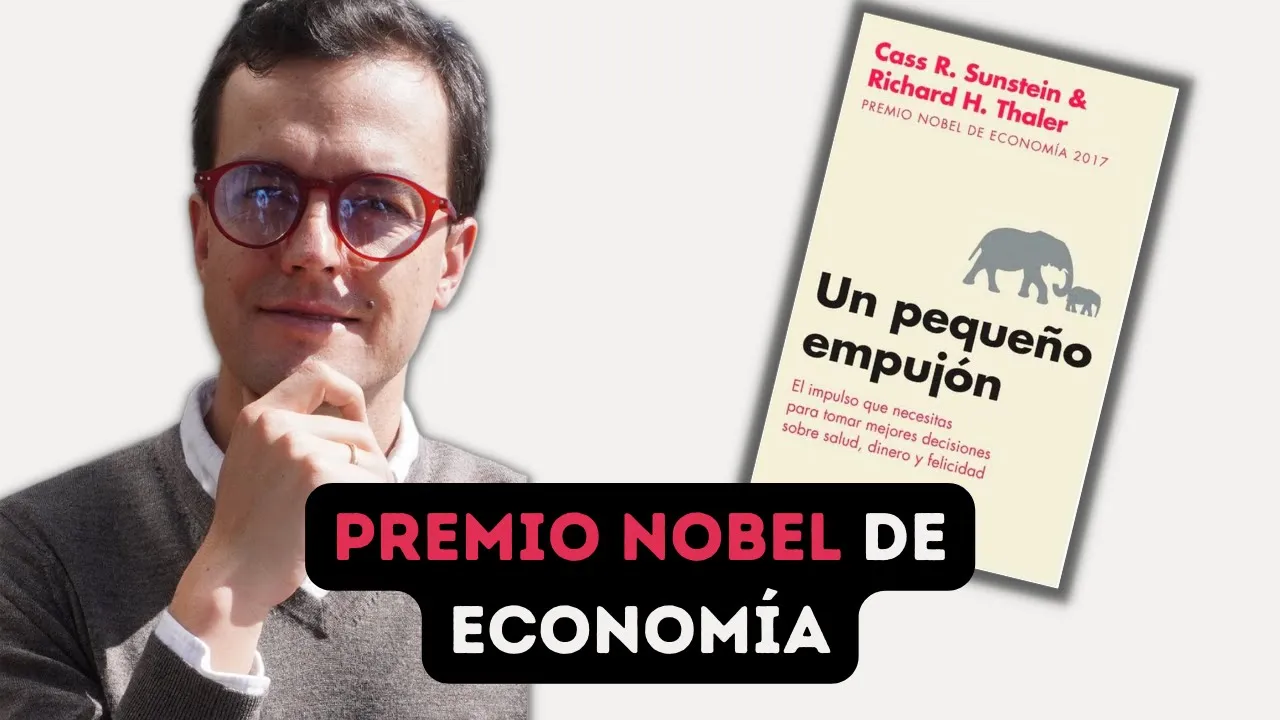







Libertarian paternalism is a policy approach that uses small, non-coercive changes in choice architecture (such as default rules, framing effects, and contextual cues) to help people make better decisions without restricting their freedom to choose, based on the understanding that humans are boundedly rational and prone to cognitive biases like unrealistic optimism, loss aversion, and status quo bias.
Nudge Theory with Cass Sunstein | Behavioral Economics at Harvard
Added:The distinction between Classical Economics (the assumption of 'rational actors') and Behavioral Economics.
An introduction to Cognitive Biases and Heuristics, specifically Daniel Kahneman's concept of System 1 and System 2 thinking.
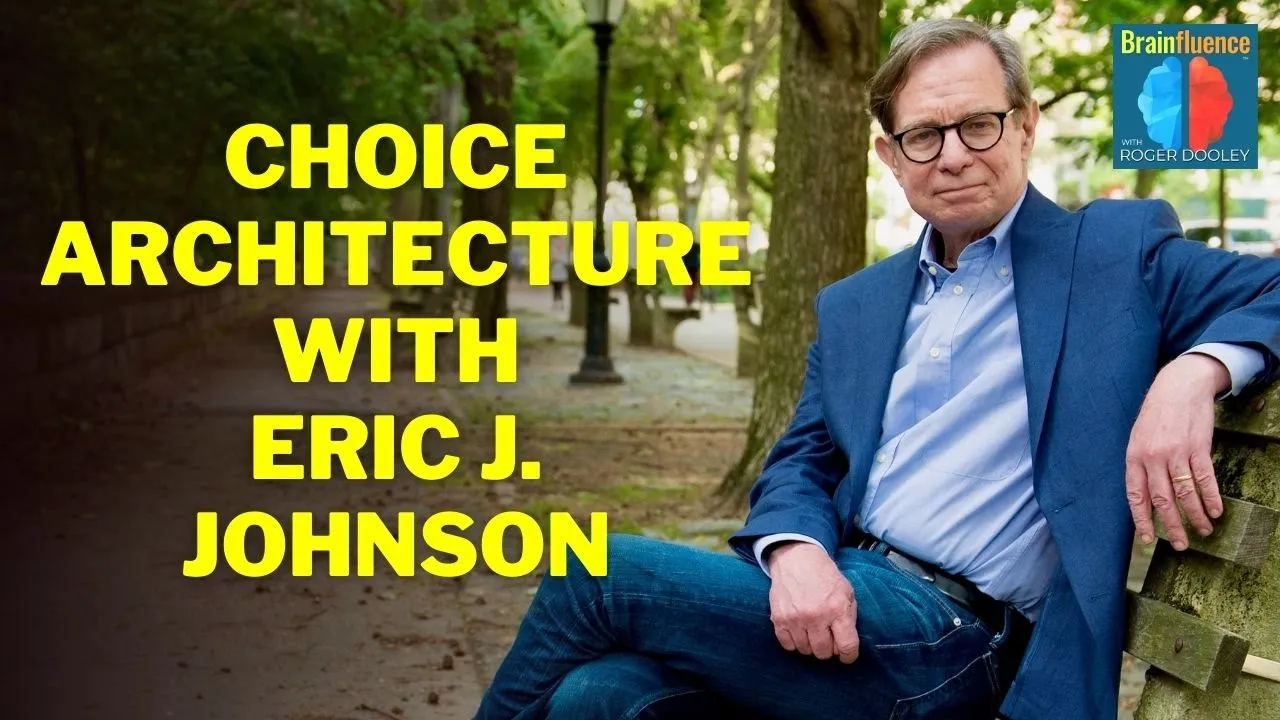
The concept of 'Choice Architecture'—how the presentation of options influences human decisions.
Traditional instruments of public policy, such as mandates, bans, and economic incentives (taxes/subsidies).
The philosophy of 'Libertarian Paternalism' and the ethical debates surrounding state-sponsored nudging.
The concept of 'Sludge'—how behavioral insights can be used maliciously to create barriers or exploit cognitive biases.
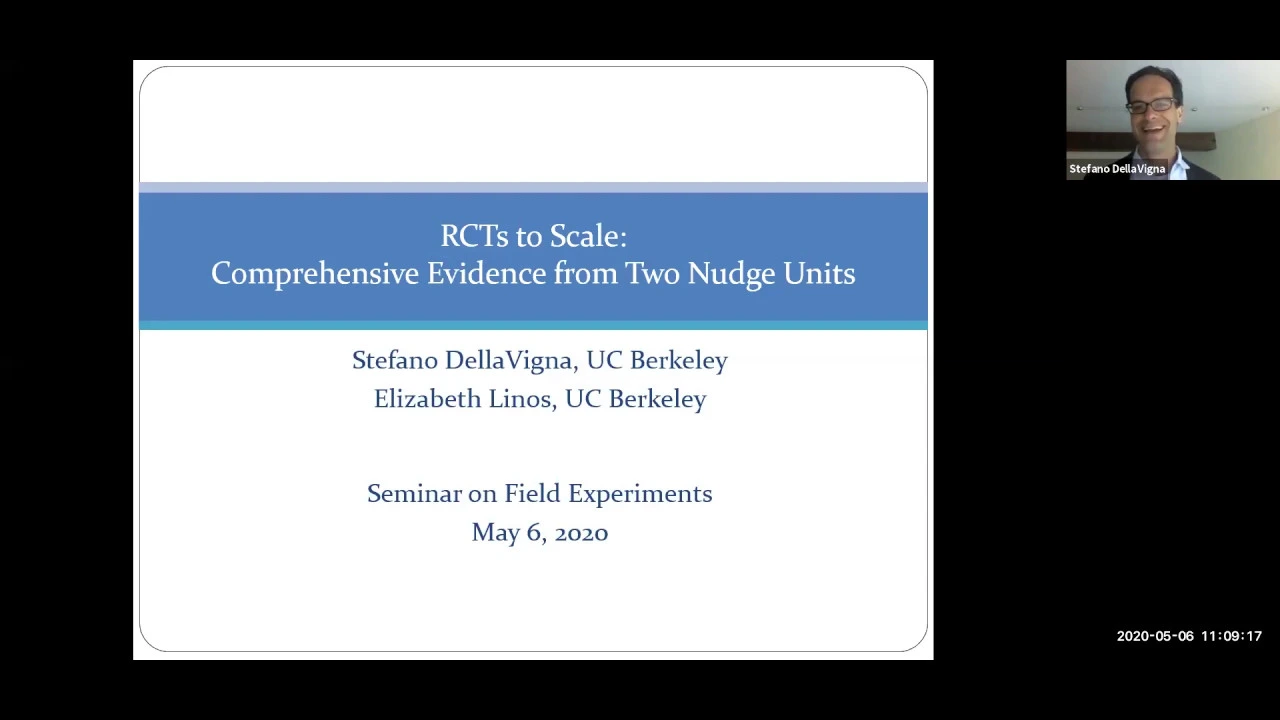
The role and methodology of 'Nudge Units' (Behavioral Insights Teams) in government policy and randomized controlled trials (RCTs).
Case studies on default options in real-world scenarios, such as automatic retirement savings enrollment and organ donor registration systems.
36.1K views280likes1:13:36Original Release: 2012-08-13
welcome to Cambridge Forum uh tonight we'll be discussing nudge improving decisions about health wealth and happiness with Cass sunstein one of its authors and I'm Al Roth a professor of economics and business administration at Harvard so many of you who just turned off your cell phones are still using the default ringtones and the settings that were on your cell phone when you bought it and and that's partly cass's subject tonight uh 40 Years of research and Psych ology and economics has left us with a better understanding of how people make choices like these we aren't always rational we make mistakes and we have a strong tendency to to stick to simple things and and to the status quo and so the question that the book asks is what does this knowledge of human decision-making mean for policy makers should the government recognizing these human limitations try to influence our decisions on issues such as obesity and health and savings what's the moral content of of creating policies that nudge us to make wise decisions what's the role of government in this these are some of the questions that Cass sunstein will address as he discusses his new book co-authored with his fellow nudj University of Chicago professor of Behavioral Science and economics dick Thor uh once again the the book is nudge improving decisions about health wealth and happiness it's cass's latest offering in a storied career as a professor of law first at the University of Chicago and now at the Harvard Law School where he's the Felix Frankfurter professor of law and the first director of the new program on risk regulation his research uh is wide ranging including constitutional law environmental law labor law and behavioral law and economics behavioral law and economics that's a a phrase that you'll come to know uh sunstein presents original applications of legal Theory to real world issues that are sometimes provocative and always Illuminating welcome to Cambridge Forum cast Sun uh thank you so much I'm uh completely thrilled to be here the moderator Al Roth is actually one of my heroes and uh to see so many people come out uh to talk about these questions well we must be in the midst of a financial crisis mustn't we uh the United States is entering a new era in terms of the occupant of the white house uh the theory of governance and one way to think about the presentation today is uh is uh one angle on at least what some aspects of the new era might look like before we get there I'd like to back up a bit and to go in a little time machine and tell you the origins of the ideas here uh in the 1980s I was a young blockheaded Professor at the University of Chicago Law School in a time when the rational actor model was in the ascendency uh in legal Academia as well as in the social sciences and it was having a very large impact on government policy the rational actor model posited that at least for making predictions about behavior and also for thinking about what government ought to do we should suppose that human beings uh make rational decisions about the best way to promote their ends with respect to food investment exercise smoking everything else as a blockheaded young man I reacted to these claims with a kind of Clueless skepticism it seemed to me as to many others that this notion of unbounded rationality was inaccurate it didn't even capture the behavior of the proponents of the theories some of whom were overweight or divorced even um uh at about the time that the clueless skepticism of some of us in the law school was reaching its height uh a young Economist then at Cornell named Richard theor uh was trying to bring to bear some work on human psychology and to introduce it into economics uh serendipitously uh Richard Thor came to the University of Chicago we became good friends and co-authors and for a long time thought how can we use what we now know about human behavior to get our institutions working better we developed an idea which I'm now going to name it is called libertarian paternalism uh this is an unlovely name it combines two multi syllable and despised Concepts paternalism nobody likes and libertarianism Well Ron Paul didn't do incredibly well in the election we think that libertarian paternalism combining the two reviled Concepts uh shows us a path a path toward helpful interventions that that can actually make lives go better when we went around New York with our book called libertarian paternalism uh the Publishers thought we needed some paternalism and maybe less Liberty and so the book is called nudge not I hasten to add nudj an important distinction uh two poster children let me get right out front for libertarian paternalism or the nudge uh many Americans aren't saving for retirement uh lots of Americans have nothing at the time they retire a simple intervention has been used in many workplaces which has dramatically increased retirement savings and it is automatic enrollment in a savings plan the idea is once you get to the workplace you are automatically enrolled in a 401k plan if you don't like it you can opt out but the automatic rule is in rather than out that simple intervention has produced dramatic increases in savings rates that's my first poster child for libertarian paternalism the second is a plan devised by my co-author theor which I think is full of implications it's called the save more tomorrow plan the idea is a lot of American workers don't want some of their current wages to go into their Savings Program they need that money or they think they do but if they're asked what would you think if some percentage of your future wage increase goes to savings they say okay that's a good deal I like that employers who have adopted the save more tomorrow plan have also produced very large increases in savings and workers are delighted with the program the third example of libertarian paternalism is um uh uh slightly off color very slightly uh as men and women know know though in different ways when men go to the bathroom sometimes their aim is imperfect as public health problems go this is not number one on the list but in some public places such as airports it's a little bit worse than irritating in the Netherlands a few years ago a bunch of policy makers put their heads together and thought how do we get men to aim better do we try moral suasion do we remind them of the harms and annoyance they're inflicting on others none of that seemed to work instead what they did was to paint a little black house fly at the relevant place in the urinal that little design reduced spillage by 80% these three interventions the the automatic enrollment plan the save more tomorrow plan and the house fly painting not a real fly turn out to be forms of libertarian paternalism what I mean by that is they maintain freedom of choice they insist that in a free Society people have an inalienable right to make a mess of their lives if that is what on reflection they want to do no one's Liberty is diminished by any of these three interventions at the same time they are paternalistic in the sense that there's an entity or a person or an institution in the background who's attempting self-consciously to steer people in directions that will make their lives go better we thought at one point about calling our book oneclick paternalism in a moment of Madness who would buy such a book yes but the idea of oneclick paternalism does capture what we have in mind we want to make it very easy for people to opt out of the solutions that are sought by the person who's trying to be helpful the nudge program is undergirded by two assumptions and they're quite straightforward the first is that small changes in Social context often have very large effects on our behavior in cases involving restaurants or cafeterias or grocery stores the the the order in which items are organized turns out to have significant and sometimes massive effects on behavior in first thinking about libertarian paternalism we thought of a little kind of thought experiment not anything real not a proposal which involved a cafeteria director who decided to try to help kids eat better by having the fruits and vegetables highly visible at the front of the line and having the desserts and the uh less health healthy stuff higher up and at the end and we suggested in this fanciful thought experiment that by switching the order of the foods there could be significant non-coercive effects on kids diets a few years ago I was at a cocktail party and someone who worked for uh Tony Blair came up to me and said we took your policy proposal very seriously I thought no one aside from my mother maybe had read this article and he said we implemented it redesigned our cafeterias and we got kids eating much healthier that has a kind of analytic resemblance I think to the ca to the housefly case doesn't it it's manipulating human attention the idea behind this claim about small changes in context having massive changes in Behavior we organize under a second concept and it's the only other one aside from libertarian paternalism and the concept is Choice architecture the idea is that buildings have an architecture don't they in a way that will have large effects on what happens in them you can design a building so that it's highly social and people are running into one another all the time and that can have beneficial or undesirable effects you can design a building so that it makes a great deal of space and privacy so that people see each other hardly at all and maybe are working uh like crazy which can be desirable too there's no such thing as a fully neutral architectural design with respect to buildings you can't dispense with an architecture and have a building our claim is that choices are like that too and rental car companies cell phone companies mortgage brokers universities employers parents certainly children often all of these are Choice architects in the sense that they set up the context against which people make their decisions the context have often subtle sometimes damaging sometimes wonderfully beneficial effects on our decisions and I hope you can see a suggestion implicit in these remarks that the environmental problems that the United States and other countries are running into the credit card crisis which is causing so much Havoc all over the world these are important in important part a function of unfortunate Choice architecture which has steered people poorly rather than well so assumption number one behind the nudge program involves the omnipresence of choice architecture often involving subtle influences with a big impact the second assumption is that Decades of work in Psychology and economics has established not just that kind of Clueless skepticism about the rational actor model is accurate but also specified the way that human beings deviate from the axioms of rational Choice Theory the notion is and this has actually neurological evidence about the brain that um human beings have two families of cognitive operations in their heads each of us does one imaginatively referred to in the literature as system one is impulsive quick often emotional when it hears a loud noise it says run when the planes starts to tremble it says threat when a dog is large and starts to open its mouth it says flee system two by contrast is more deliberative it's more calculative it's slower it's less intuitive it often runs the numbers system one often rules our Behavior but system two is often a better guide a way to be a little more particular about this is to say that we now know that human beings use m shortcuts that aren't exactly irrational but that get us into trouble and are systematically bias in our biased in our approaches to social situations here's an example of a bias which has an upside human beings are pervasively unrealistically optimistic if you ask most people whether they're safer than the average driver 90% will say yes if you ask college teachers whether than the they're better than the average college teacher 94% will say yes if you have a couple and ask them what percentage of the household work you do and then add up the two if you get a number o that's not that's that's not over 100% it's a very unusual couple okay unrealistic optimism can get us in a lot of trouble in the sense that it can lead us to take insufficient precautions we also know that human beings are very reactive to whether recent events have caused alarm or not many of the Specialists before the 9/11 attack said there have got to be better security precautions at airports the risks are real but both ordinary citizens and public officials said we can't remember an occasion on which a serious terrorist attack occurred in the United States what's the point expensive inconvenience inducing precautions that sometimes called unavailability bias meaning the unavailability of the event causes underreaction to a genuine risk think Hurricane Katrina and the reaction of many people lost their property and sometimes their lives in advance of the the the the the hurricane okay availability bias by contrast can make us terribly frightened of a risk that really isn't so large and my hope is that everyone listening can think of an example in their own lives where where risk did come to fruition and for at least a time there was a kind of fear leading to precautionary behavior that wasn't justified by reality that's what system one does it reacts greatly to the existence or absence of recent Salient events human beings are unrealistically optimistic other things being equal they're very much buffeted about by recent events or their absence we also know that human beings are loers which is just a way of saying that people hate losses from the status quo in fact they hate losses from the status quo more than they like corresponding gains if you tell people if you use energy conservation strategies you will save $200 next year you got a real but modest reaction if you tell people if you don't use energy conservation strategies you will lose $100 next year you get a much larger reaction to phrase it as a loss from the status quo rather than a gain has a big impact and notice the save more tomorrow plan exploits loss aversion says you're not going to lose anything you now have you're going to have a reduced future gain human beings are pervasively loss ofe we also know that Conformity pressures have a tremendous influence on what each of us does do when people are going into real estate big time it's often because they think other people are doing the same or believe that that's the thing to do when people are exiting the market in a kind of Panic it's often because Conformity pressures are leading them to uh react strongly there's nothing irrational about reacting to the beliefs and actions of other people but it is the case that human beings sometimes can look like herds or Lemmings and that can get each of us into trouble incidentally Lemmings are not a species that goes over a cliff into the water and commit suicide the belief to that effect is a result of an all to human Cascade okay I'm just going to give Now by way of a closing one example of a nudge and to suggest its IM men's power to be used for good or for bad and the simple nudge here is the default rule uh with respect to cell phones or credit card plans or rental car plans the default rule is often very sticky meaning human beings often stay with the default rule even though if it were otherwise they'd stay with that one too I got a lesson to this effect a few years ago when American Express notified me and I was very pleased to hear this that I could get get 3 months of five magazines for free that's good how can you lose so I chose five magazines I didn't like any of them particularly but to get them for free that's net good here we are about 9 years later and I'm still subscribing to the same magazines it's just I have to call them up I'm paying now and I have to call up to cancel uh I recently learned from someone at Time magazine that if they can get people in automatic res subcription the res subscription rate is about 80% and they think that's misleadingly low because the other 20% have either moved or died if you have to get people to resubscribe on their own then it's about 20% the default rule is immensely powerful in multiple domains in which the government or private institution sets them why is it so will have such an impact will it seems that the default rule carries information about what it's sensible to do and it's a signal about proper behavior but there's another reason the default rule works so well and it's that inertia is an immensely powerful human force uh as a university Professor I am in a plan called Tia CRA and I am proud to say um at the median level of changes in Tia craft for a university professor over a period of decades the median number is zero okay so the suggestion is that default rules have tremendous power and if we're interested a new president a new Administration a new Congress in doing something about health care about credit markets about poverty the manipulation and Savvy switch in default rules of can have exceedingly beneficial results one example is a quick and easy way to save at least hundreds and maybe thousands of lives each year in the United States would be to shift from a default rule from organ donations from you have to opt in to make your organs available two you have to opt out we have every reason to think that if the default rule is you want them to be available you'll have a great increase in available organs the opt-in rule people are uh frequently reluctant to upset the status quo okay I've tried to suggest that libertarian paternalism is not an oxymoron that nudging is a feasible project that it takes advantage of the fact that small changes in Social context often have massive effects on our Behavior I've tried to suggest also that people are boundedly rational in ways that we Now understand pretty well the default rule is the simplest nudge for maintaining Liberty while also steering people in preferred directions there's a larger agenda here I'm going to tell you about it right now for too long the United States has been caught between often people on the right who see Ronald Reagan as the giant figure looming over their policy proposals suggesting that markets markets markets and liberty liberty liberty are the organizing principle for private and public institutions on the other side of this pitch battle have been usually liberals people left of center who see Franklin Delona Roosevelt's ghost or Shadow Giant and the notion is that when people's decisions run them into trouble or into the ground the best approach is one that involves regulatory mandates and bans of the sort that Roosevelt did introduce in many domains what tlor and I think is that this battle is a 20th century one that's decreasingly suited to the numerous problems that the 21st century presents that it's possible to agree with those who see Reagan's ghost that ultimately freedom of choice is usually the best guide while also agreeing with those who think fondly of Roosevelt that people's decisions often get them into big trouble especially when they're asked to plan over the long term there was a lot of talk under Blair and Clinton of the possibility of a Third Way something between the way of markets and the way of commands it never went very far we don't think that with the nudge program we've identified anything like a Holy Grail but if there is a way to combine the kind of compassionate interest in protecting people against their own propensity to error while also insisting that planners ought not to override individual choice if there is such a third way the nudge might be the place to start thank you I'll start the discussion with a question of my own and then we'll ask for questions from the audience um I know you've given this a lot of thought um it it's apparent from you know the human factors of uh cell phones and from marketing that that were all very susceptible to nudges but when you start to think of it as a political movement how will we watch the nudgers if nudging is so powerful uh you know how do we trust and regulate government as it as it nudges us it's a great question and uh let me try avoidance first as one should with a great question and then uh direct response uh uh the the avoidance is uh that for those who take the question as a rhetorical one that is the uh incompetence and bias of the nudger often should counsel us against nudging notice if you would that nudging in a certain sense just isn't aoid able that if the government is going to have a Social Security plan or a prescription drug plan or if cell phone companies are going to have plans or if there's going to be property and Tor and contract law there are nudges so the just like buildings can't lack architecture so nudges can't be eliminated from the domain that's the avoidance point the answer point is transparency so the best way to protect against bad nudges is to make sure that the government is required to disclose what it's doing and if it's having a energy plan that has certain features we should nudge it as well as it nudges Us by ensuring that the contents and grounds and interests that turned into the energy plan are available so there's a suggestion that the next Administration will be the first internet Administration and if so that will be a mechanism for transparency another way to put it is that both markets and democracy in their different ways are nice Corrections aren't they against self-interested or incompetent not and before the financial crisis at least the thought was that market pressures will ensure that bad nudgers will just be competed out if your cell phone has ridiculous default rules that ensure you don't if you don't change it your fees are going to go through the roof that cell phone company isn't going to be terribly popular but there are some domains where Market pressures actually reward rather than undermine the self-interested nudger the the suggestion is that markets often work well democracy provides its own checks uh a a new era of transparency and disclosure requirements are the the first crack at at safeguards thanks let's take some questions from the audience if if people who would like to ask questions we line up at the microphone um I'm going to hope that the questioning will be self-organizing but I reserve the right to nudge Ral question I I mean I love your uh approach where you have have relatively simple changes that produce huge positive uh results I mean it's it's just I like the Simplicity of it and also the effectiveness but I'm wondering in something as as complicated as the economic crisis that we're in now are there's some aspects of it that would sort of lend themselves to your particular approach this this kind of default uh system where you're sort of in unless you're out but you get the the idea behind it yeah yes there there in a crisis it might be that the nudge response is just pitifully inadequate so uh because the economic crisis is on so many people's minds let me talk just a little bit about why it occurred the the answers are multiple but three reasons are closely connected with our concerns uh in the in the project uh one involves bound rationality where if you're give I don't know how many people here have signed a mortgage within the last 15 years or so they're really complicated and people presented with complicated uh forms often follow what we call the yah whatever heuristic and so the the fact that the forms are so complicated and and that the the f print that puts you really at serious risk is uh incomprehensible is an ingredient in what led to the problem so bounded rationality in dealing with complex transactions a second is Temptation that uh Homo sapiens as opposed to homoeconomicus is uh suffers from self-control problems and there used to be a norm which is you should have your mortgage paid off by the time of retirement indeed there also used to be a norm which is if you have extra cash you should use it to pay off your mortgage that Norm fell in the last decades with refinancing being part of the reason so people would refinance and use the money not to pay off the loan but to get a vacation in Hawaii uh temptation is a contributor to the problem and a third problem a real part is herd Behavior where the the the boom of about 1997 to 20 3 roughly uh was a speculative bubble identified as such by behavioral Economist who said that the widespread view that home prices always home prices always get bigger is just historically inaccurate this is the only outlier time in the last 50 years is in that roughly seven-year span where they're jumping how could that happen it seems to be it was a result of a kind of social Cascade in which people were talking to one another and steering each other up into to bad Investments okay so in terms of preventing future crises of this sort I think we don't want only and maybe we don't want mostly to rail against greed and Corruption we want to understand what kind of human fallibility LED people to make the deals that created these problems and the way in would be to say how do you protect people against Temptation This form of herd behavior and uh mismanaging complexity let's call it and the first crack answer is requires things to be transparent and simple so we have disclosure requirements that are unhelpful because it's just so complicated in detail it's it's you're going to drown or something in the in the material simplified transparency theor and I think would uh be a nice Safeguard incomplete perhaps but a but a start in a way that would get markets going and if this seems a little bit optimistic think for a moment if you would about nutritional disclosures at the grocery store where it is simple where you see how the caloric content Etc and that has had very beneficial effects now this won't get us out of the current crisis but it might be a safeguard against future crises and gosh we've had this one just for a few months now so we you need a lot of a lot of sustained empirical as well as theoretical work to understand what exactly the mechanisms were and how to prevent them in the past from happening in the future it would be a big surprise if uh human Frailty wasn't a huge contributor and that's what we want to uh ensure our Regulators are attuned to thank you I I have other questions but the line behind me is long so people uh today in today's news there was a um article on heart attacks have dramatically been reduced in this area uh greater Boston Massachusetts because of no smoking in restaurants now I would think that a nudge was when they said no smoking sections but they had to legislate in order to get the smoking out of the restaurants entirely so I think that some times legislation is necessary that's a great question thank you uh uh what would a nudger think about smoking okay at at first glance the nudger wants smokers to be informed of the risk they face so disclosure requirements clear concise simple Vivid would be the first line the second line the nudger thinks is look even if people are told about the risks they might not process the information sensibly so here's a statistic for you smokers have if anything an exaggerated sense actually of the risk that smokers face but individual smokers tend to think that they themselves are are at less risk of hard attack and cancer than nonsmokers you ask your average smoker how their risk Compares with that of the average non-smoker they say I'm I'm I face that risk less so it's one thing to understand the statistical reality it's another thing to have a vivid sense of its personal reality so the nudger would say Okay information isn't enough you want to take steps so that people understand the statistical reality for them not in the abstract and we can imagine ways to do that and some public education campaigns have tried uh what are sometimes called debiasing strategies by giving Vivid a vivid sense to people of what the threats they personally face and there's evidence that this is itself working okay for the people who like the finding that heart attacks in Massachusetts have gone down significantly and the claim that this can be attributed to smoking bans in public places nudging isn't enough and not only is a ban on smoking in public places not Beyond a nudge a no smoking section is beyond a nudge too because that imposes more than one click costs on smokers they have to go to the section it's not a big coercion but it's beyond what we're talking about so let me say a little bit about that um uh nudgers acknowledge that in some cases the acts of one person hurt others and so sometimes we're interfering with people's freedom not to protect their welfare but to protect third parties and in so far as the smoking restrictions can plausibly be defended as a way of protecting non-smokers against the health risks or the irritation that comes from the presence of smoke then something more aggressive might be justified whether that would satisfy the anti- paternalistic person depends on the evidence doesn't it you might say at this point I don't really care about the effects of secondhand hand smoke I want to protect those smokers and nudging won't do what enough at this point the nudger will say well you're going to have to persuade me that there's something special about smoking that justifies paternalism of the non- libertarian sort and we could imagine some candidates we could imagine that uh that people are addicted get addicted in a way that overcomes their standard capacities or we could say that when people first start smoking they have such a uh a weak weak understanding both of the risks and of their own inability to quit that the original decision is uh not worthy of the same level of respect that most original decisions are and the ner might start pricking up his or her ears at that point and say oh you're pointing to ways that system one in the brain the more primitive intuitive kind can lead us very badly astray in such a way as to justify sometimes a more coercive intervention and the nudger I think will have to yield and say there are some such cases for example the nudger would to be fully principled want nudges against suicide and not bans but I I confess I think that a legal ban on suicide is an important part of entrenching a social Norm that protects people in periods of distress from taking their own lives and we might think that there are certain forms of behavior which are close enough to Suicide to justify the override but in most domains at least the the idea is the the the preferred approach is not to mandate but to help I am soing first of all just a one-word answer question is a cigarette taex count as a nudge or is that something else is it is it a nudge yes or no no perfect I was wondering if you could talk about what nudging could do for the environment specifically talk about global warming and pollution what sort of nudges do you envision okay let's take two examples uh of all the examples in our book the housefly one has gotten the most attention which in a way is for the authors that's not great but the unrealistically optimistic view is that the reason it's gotten so much attention is that it's profound not that it's off color and the unrealistically optimistic view would say for the environment a real problem is that we don't see it's not visible the environmental cost of what we're doing even when ultimately we're going to pay the economic price either in dollars or in health so when you spend a week running your uh your air conditioner heating equipment chances are you're not seeing on a moment by moment basis what the costs are even to you let alone the environment there's an organization actually not far from here that invented something called the ambient orb the ambient orb is a little ball which lights up it's attached to your electricity system and it lights up red when you have high levels of use and lights up green when you have low levels of use an energy conservation focused utility company decided to give people the ambient orb and see what effects it had on Behavior it reduced electricity use by 40% in the relevant households and it's because people didn't like to see that red ball it might be that they thought to themselves money my wallet's hurting when they see the red ball or it might be they think I'm not being a good citizen that this is having environmental and other effects okay that's one nudge that has been effective here's another that I'm even more excited about I confess there's a um a company in California that wanted people to conserve energy and tried various strategies nothing worked what they ultimately did was to tell people who were above average users just that fact on their electricity bill you are an above average user of electricity and they told people who were below average users you are a below average user of electricity the good news is the above average users significantly cut their use either because they thought they were being bad citizens or they were foolishly losing money the bad news is the below average users increase their use but there was a little intervention this is this was the first of a series now of projects that uh uh utility companies are using there was a a a little kind of wrinkle on the the the what I've just described where they had a a smiley face for the below average users you're a below average user smiley face then didn't go up to average they stayed below average and all over the all over the country utility companies are telling people excellent you're way below average user and they're even saying not only compared to average they're comparing people to efficient neighbors say you're above your efficient neighbors or you're right with your efficient neighbors or you're better than average but below Your Efficient neighbors and these are having very significant effects and uh it's a it's a little bit of a a movement here so uh the the ambient orb nudge what it manipulates is people's attention that's the uh that's the kind of Behavioral Insight that most of the time we live our lives on automatic pilot and unless something really goes across our view screen and grabs our eye we're not going to attend to it and the environmental problem is partly a product of an absence of attention also people are very susceptible to knowing they doing worse than their peers and in the environmental domain a lot can be done to help by telling people who are above average users that's just what you are my question concerns the uh Persistence of positive effects over time related to your nudge examples some of the examples seem compelling some less so in that sense uh if I'm in a save more program and assuming that uh wages aren't stagnant or inflation isn't High everyone seems to get better over time in the example of the fly if people learn after a while it's a decal and not real does Behavior go back to the old Norm if kids remember to look up and not down when they walk into the cafeteria does Behavior go back to a norm what I'm asking is if your improved Choice architecture erods over time in some of your nudge examples and it's has a surface sort of plausibility but social scientists haven't really measured it against control to see whether there really is positive persistence over time it's a fabulous question uh we know that making things automatic is robust over time so I don't know how many of you have automatic bill payment if you don't maybe in the next day get it you'll save money probably as well as convenience uh for automatic bill payment and that by definition pretty much is Rob robust you'll be paying after you've moved or after your great-grandchildren are living in your house so so that one is is robust the it seems to me both private and public institutions have done uh far too little to exploit the power of uh Auto making things automatic um uh some advisers to the president-elect have referred to iPod government by which they mean in part making things really easy in part by saying if you don't do anything you're going to get stuff that's that that's that's good that works for you okay then you're right that it's possible in principle that some of the stuff could Decay if only because what makes it effective is it's getting your attention and after a while it becomes part of the background again so that's an important point I we haven't come to terms with that and I don't know if d with respect to our examples uh on the the fly tell you Way it might go on the fly it seems to be that with the Flies painted there guys can't help but to aim at it it's almost evolutionary and if that's true it won't Decay um and I don't think the guys think that's a real fly we think it's a game and we can do it um if you if you think about uh car design some of the new hybrids like the Prius and the Camry operate on a same similar principle of attention where you can see your fuel economy on a moment by moment basis even and people compete with one with each internally to make sure sure that this time this tank I'm not going to do worse than last tank and they get somewhat alarmed if they're doing less well than they've typically done so it's driving driving so to speak your attention in that direction it that we would be expected it would Decay some we don't we don't know on the ambient orb it could go the other way couldn't it where the ambient orb becomes a little like Teeth brushing where over time for a large part of the populace at least the automatic nature of it meaning you do it in the morning and at night uh doesn't mean you stop doing it it means that's just what you do and what you look at and the ambient orb could have a similar feature so you're you got an important Point what I'm just not sure of is what are the examples when the attention grabbing nudge ceases to grab attention it becomes like Furniture after a while this is this is not f in your fly um the uh next Administration um one might say it's maybe a bit simplistic but I guess um perhaps largely it could be seen as a system 2 Administration uh I'm I guess thankful for that um I am want to ask about a blog entry that I noticed of yours a couple weeks ago where you said and correct me if I'm not paraphrasing correctly that people who thought Obama was Progressive are mistaken that he's really not Progressive in the way those people might think that and I forget the whether the term was Centrist or or what exactly but something like that and while I would disagree with what I took to be the implication which was that well those people have no reason for thinking that they're just diluted I think there was a kind of studied ambiguity about the Obama campaign aign which is partly responsible for why a lot of people might have mistakenly thought that but I guess the key question that I want to get to for you is since you know him personally and I think are more familiar with him politically than certainly I am could you talk about where you think he really is politically what we can expect from him a little bit in this next Administration and how even though you might not agree with us those of us who would consider ourselves more Progressive who would like a swift withdrawal from Iraq who would like not to have an increase in troops in Afghanistan who would like to entertain the possibility of a single pair healthc care reform how do we nudge or or nudge uh the the next president okay there's a lot there and uh uh I I I hope I didn't say that he's not a progressive uh but instead a Centrist uh because I I I I don't think that's the right way to think about uh Obama um I think what makes him a bit new in American politics is that to say there's a Continuum from the far left to the far right and on what point does he stand on that that's kind of the way of thinking of politics that he is trying to transcend so I guess what I'd say about him is that he's highly empirical and very pragmatic that he does stand with those aspects of the progressive tradition that are really concerned with ensuring that every American have a chance so notice his um intense concern with education his longtime interest in I hope your eyes won't glaze over the Earned Income Tax Credit which is which is a way of ensuring that the the Working Poor have more money um uh he is in that line of democratic both small D and capital D thought that thinks that in America everyone wherever you're born should have a real crack at it uh and and in that sense it's fair to describe him as part of the progressive tradition not as the red redistributor in Chief and not as a socialist um the reason I I I think these old categories just don't work for him is that he's highly pragmatic so for nuclear power for example which many progressives have their system one Rebels strong and their system too is uh has good good concerns about uh Senator as Senator at least and I expect this would be true as President also he's empirical he said What are the fact show so uh on uh issues involving uh the environment he wants to find market friendly ways to do what must be done so he's given Republicans credit for having market trading programs for the environment I I guess I think that uh there is a kind of progressive that thinks because I'm a progressive I believe these sorts of things and I want to evaluate a candidate in terms of whether he has these beliefs and that seems to me uh to listen too poorly to what uh what either a public official or um a skeptic would say and so Obama is an amazing listener I mean that's really one of his great features I taught with him at the University of Chicago Law School and uh any argument he's willing to listen to so I think you'd probably be surprised at uh unpredictability isn't the right quite the right word but unability it's just not categories for him uh uh I can say in connection with some of the ideas uh here that uh he is on the first president we've had who uh is on top of Behavioral economics uh he also knows some old old style economics and automatic enrollment for savings plan is something that he actually talks about in his book The Audacity Of Hope and in speaking of credit markets credit cards school loans mortgages generally transparency has been long before the crisis erupted part of his um a central part of his policy he thinks you know people just aren't being given anything straight about what the the deal is and and the government has a important role to play there so I I guess I'd say Foreign Affairs just that's not not a domain I know very much about uh but i' I'd say uh give him a chance uh uh see what he's doing and if it seems like he's not promoting goals that you hold uh dear then you know we have a democracy and if if there's anything that's Central to him it's self-government he's he's a listener in person and he's a listener in public life there's a beautiful part this maybe will U bother you a bit I hope not where uh of his book The Audacity Of Hope where he talks about um abortion and his website had a very strong stand very strong pro-choice stand and was very hard on row against wagees critics and he got a letter from a doctor at the University of Chicago saying you know I respect you but what are you doing in your website casting contempt like this on me when I have moral convictions that are pro-life and Obama changed his website and he said uh that night I said a prayer that I could give the same kind of presumption of good faith to that doctor that he clearly gave to me and that's a bit exemplified and what I found the most moving part of The Audacity Of Hope where he said speaking again of abortion he said there are uh feminists middle-aged feminists in America who mourn their own abortions and there are religious women in the United States who don't believe in abortion who have paid for the abortions of their best friend's daughter to me one big thing that I'm not hearing here is um well two things one is how perhaps corporations have already nudged or um a lot of our our laws so that there aren't always choices if you take Transportation it's only within the last few years that there are more um fuel efficient vehicles that are more readily available to more people and so that's one aspect and then another is um the whole area of advertising which is just um seems to me to be like super nudging yeah I think there there are three really important points about Choice architecture by corporations first in so far as corporations deal directly with their customers they are Choice Architects So when you buy a product um there's Choice architecture which may or may not serve you well uh if the Market's functioning properly then the people who are exploiting you will be competed out and thank goodness that happens a great deal of the time but because system one is often in charge um people sometimes companies benefit from exploiting people and are if you try to deal with people fairly you'll be competed out so first there's Choice architecture and markets will sometimes ensure bad choice architecture the credit crisis is partly a product of that second the point about advertising that's really important that advertisers are at least in tively and possibly by training highly attuned to optimistic bias to availability bias by saying you know I I know a person who used this and great things happened uh and to loss of verion they say you can't afford not to get this product so they they have all the tricks they know about um how people are tempt can be tempted and they try to tempt them by appealing to that part of our brain that is uh that is temptable so advertising is true and then the third point is also really good one that at at the the public action by our Representatives often embeds a kind of choice architecture for which well organized private groups are responsible so one example which um the whole story is more interesting than I'm going to tell but think of President Bush's prescription drugs plan which has Choice architecture in it in one sense of the good sort that seniors get to choose for more than one option because President Bush is right one size doesn't fit all but it's also the case that seniors go on a website and have to figure out which of 25 or so to to choose and it's a complete mess we tried to do it in writing the book go on the website and if you misspell xanx if you put a z rather than an X in instead of like Google saying did you mean instead it says that's not a drug or we hate you or something and and after all the time we spent on the this trying to get a a drug plan for a hypothetical senior we felt we ourselves needed Xanax uh it so th this was terrible and there's little question that some aspects of the prescription drug plan is a product of uh corporate interests trying to push the plan in directions that are economically beneficial and not not in consumers interests so that's a real challenge my question is actually very related to that which is just um what do you do in a circumstance where um a corporation's product is the status quo so how do you nudge people against doing something that they've in in your example of the the Time Magazine um res subscription I think that's a good one but also just if a geographic area is completely dominated by say Walmart or if someone's accustomed to always eating at McDonald's how what kind of an entity can nudge someone in the other direction I mean how is that possible that's great I I I think I have only have very conventional answers uh if you have a monopoly a literal Monopoly then the government should get rid of the Monopoly uh if you instead have a product that people love like Walmarts or McDonald's then you you you need to introduce a competitor yes that people will like better and there are techniques that can be used um by which could involve moral suasion if it involves if you think Walmart is mistreating people or it could involve just delivery of goods that are better if not cheaper and are cheaper if not better and for McDonald's the there things that do about health that seem to be having some traction aren't they in producing alternatives to M to McDonald's so the the The Pedestrian point I'm making is that in in a market the only thing you can really do is first to to do better and second to um use the techniques we know about human behavior uh to move people in directions that will uh promote their interests thinking that there's more to be said about this great question and I I'll tell you one one thing that I think your question is on to that we haven't talked about uh enough uh it's a little experiment I did at the University of Chicago uh where I said we there's a plagiarism policy at the University of Chicago asked a whole bunch of students which is that if you uh plagiarize the first offense you're suspended for two years of law school a number of members of The Faculty think that's too tough and it should be turned to back to a one semester suspension what do you think of that then I ask another large group of University of Chicago Law students we have a plagurism policy at the law school there's uh one semester suspension a number members of The Faculty think that's too weak and it should be shifted up to a two-year suspension uh the ones who were told the current policy is a two-year suspension said that's good it shouldn't be made more lenient that would be bad and those who were told it was one one semester suspension should it be made tougher they said no that'd be bad we should stay with one semester suspension so and I did this at Chicago about Chicago students they didn't they happen not to know what the policy was I think that's because they're so honest they didn't care they they they stuck with the status quo then I did at Yale about Chicago they stuck with the status quo so so the it may be that Walmart and McDonald's sometimes are more um successful just because that's what people are used to and then so this is a great question and there are some thoughts that are in the book about how to jar people out of a routine and one way to do it is to make it really easy to give them a very clear path or to ask them certain questions like if you ask people do you plan to vote people say yes in a way that outruns the percentage of the population that actually does but those who are ask that question end up voting more so if you say to people would you try an alternative to McDonald's if they say yes then they're more likely to so so there there are a bunch of strategies for jarring people out of uh the the status quo it's it's a great question we briefly ask you would suggest do that jarring do you see that coming from the government do you see that coming from private groups it depends on the organization doesn't it I mean if it's the Democratic Party trying to get people to vote in Missouri then you then the Democratic party if it's a a company trying to get people to go to a new restaurant then it how exactly it asks people is is a nice question but kind of functional equivalence of that either through advertising campaigns or through signs okay the one one kind of clue about the importance of small changes is is if you if you tell doc if if doctors tell patients of 90 of 100 people who have this operation 90 or alive after five years if the medical condition is a certain way people have the operation if you tell them if a 100 have the operation 10 will be dead after five years they say no even though it's the same right so so if it if if it's if it's framed if the the relevant question is framed the right way with respect to Super Market choice you know I'm stumbling a bit over exactly what the comparative advantage of the new new Walmart would be but there are ways of fra saying if you go to Walmart you're losing X rather than if you come here you're gaining why that that that's a way to do it thank you so thanks um you began your talk by talking about the uh problems of the rational actor model and I wanted to ask you how you would count to um uh my argument which is that there are dangers of treating people um as non-rational actors and um effectively exploiting their um more uh instinctive uh non-rational impulses two of the examples you cited um I wanted to draw attention to a couple of problems firstly um the example of the uh children's food uh model where you put the vegetables at the front and the fatty foods at the back um of the school kids I imagine as you say the vast majority will pick the fatty uh we'll pick whatever's at the front but there'll be a few who will beat the model and we'll think well actually I really want some greasy fries for lunch I'm I'm going to go for that and I think there's something troubling about um taking advantage of the mass you don't think about it and leaving a small percentage to to beat your system in the second example again using this default premise um is the one about organ donation um it's not that I'm anti- organ ation it's that there's something troubling about people not even thinking about the issue and then having their organs donated against their against any reasoning of their own and my question is given that governments have a choice to either intervene um nudging or doing something more active um or changing the way people think about a problem and encouraging people to actually engage with the issue and at least trying to act as rational agents as opposed to exploiting the instances in which they don't behave as rational agents why would you nudge and just to contemplate the idea of people bumbling through life being nudged by one thing and another I mean there was a woman who the lady a couple of questions in front of me was talking about the the influence of advertising companies and you know um I mean even if it's for a public benefit uh if you nudge someone on the subway you're expected to apologize um great great okay that's great thank you um maybe we needed a better title for the book libertarian if you libertarian paternalist someone on the subway there's no convention whether okay uh uh you might think this is a great point so you might think there are domains where you don't want to have a default rule one way or the other you want to educate people and let them make their own decision okay so how would that be turned into to a reality you might think for organ donations instead of having the default rule be you're not going to be giving unless you say or the opposite people are going to be provided with information and required to make an active choice or you could say for Savings Plan it's not going to be automatic non-enrollment or automatic enrollment you're going to have to make an active choice so there is a literature actually coming out of the economics Department here on required active choosing which frequently has an element of Education preceding it and that's I guess that's what you prefer okay I I I see circumstances where that where that's better uh where would it be better where it would be better if we thought that the choice architect was self-interested or biased or incompetent and then we really want the people to be making their own judgment that would be there and we might think with you that uh that the nudger should be apologetic so there's a kind of moral reason always to have required active choosing preceded by education okay fine uh uh here's um here's a way into thinking that that is in some domains but not all domains would you like it in a restaurant if the waiter said uh what ingredients particularly do you want in this dish rather than giving you 10 options would you like to have an infinite number of options or do you like having 10 you can imagine if you're going to foreign country where if you're required actively to choose things you're going to be just overwhelmed so I a thought is the extreme version of what you're suggesting uh is n life and there's a reason it isn't life that required active choosing would multiply the burdens of decision in too many domains and also lead us given how busy we are often either just randomly to pick or to blunder or to start yelling at our choice architecture you tell me so think a little bit maybe this is a good example for domains in which what your favoring isn't uh ideal uh believe it or not there's one country in the world that took a very ambitious path toward Social Security privatization in recent memory and that's Sweden Sweden PR privatized Social Security and gave people not 10 not 30 not 100 not 200 but 450 options Sweden did not so every citizen Sweden had a little book with 450 op options not such a little book they didn't say here's the default plan this is what you're going to be in unless you go out they instead did what you want they want had a lot of education for people and they were so insistent on required active choosing as we're calling it that they had Harrison Ford come to Sweden and be in advertisements emphasizing you make your own choice and do you remember Indiana Jones what university he taught at the world of free markets the University of Chicago so Harrison Ford was doing required active choosing now uh people they did the the swedes did create a default plan the experts created one and all over the world people thought the default plan is a good one but they encouraged people to make their own choice rather than to default into the expert plan they lost 40% of their money in the three-year period after on average the sweds did because they went into internet stocks and it was a little bit predictable they'd go into internet stocks it was like investing in real estate about four years ago internet stocks were booming availability suggested that was the way to go um was that the default no no that was not the default the default way outperformed individual choice and and in mandatory individual choice so the only suggestion is that there are there are domains in which education and required choosing is just a really big bother and people hate it think for example I got a uh some sort of plan it was too complicated even to figure out what it was today you're listening to the person who's subscribing to five magazines he hates so I I have a bias against required active choosing and the plan was six pages which seemed too much and I put it down after a minute and thought I wish they just default me into something sensible given my situation and then I started preparing this talk and and so I take your point it's a really good point that that that there are areas where what you're suggesting is the preferred one the I guess the the deepest question is whether the moral concern that this is manipulative is universally strong or whether there are cases where the default by a planner is kind of a respectful way of saying to people you're really busy this is probably what what's going to be best for you if you don't like it try something else and I thank you [Applause]
Up Next
6:36
Fordism vs Post-Fordism: Mass Production to Flexibility
@justbreath836
34.5K views•2015-10-10
5:07
Impact of Yuan in Indo-Russian Trade Amid Sanctions
@WION
261.9K views•2022-07-01
10:33
Behavioral Economics Explained: Rationality, Nudges, and Risk
@crashcourse
1.1M views•2016-03-12

113:18
The Age of Easy Money: Fed & Inflation | Full Documentary
@frontline
21.2M views•2023-03-15
Related Study Plans & Knowledge Roadmaps
Structured learning paths in Economics
economics
Sovereign Debt: Defaults, IMF & Restructuring
01Introduction to Sovereign Debt & Government Bonds
02Debt Sustainability & Credit Ratings
03Anatomy and History of Debt Crises
+ 2 more learning modules
12h5 modules
Explore Roadmap
economics
Market Design: Matching Theory & Gale-Shapley
01Introduction to Market Design and Price-Free Markets
02Two-Sided Matching & The Gale-Shapley Algorithm
03School Choice Systems and Mechanism Design
+ 2 more learning modules
10h5 modules
Explore Roadmap
economics
Impossible Trinity: Forex, Capital & Policy
01Introduction to Monetary Policy and Central Banking
02Exchange Rates and International Capital Flows
03The Mundell-Fleming Model
+ 2 more learning modules
8h5 modules
Explore Roadmap
economics
Healthcare Economics: Market Failures & Systems
01Introduction to Healthcare Markets and Market Failure
02Asymmetric Information and Adverse Selection
03Moral Hazard and Insurance Design
+ 2 more learning modules
12h5 modules
Explore Roadmap