















![The Psychology of Excuses [How People Justify Hurting Others]](https://i.ytimg.com/vi_webp/MSZR82W4lKI/maxresdefault.webp)


Philip Zimbardo's research reveals that ordinary people can become monsters under specific situational pressures including obedience to authority, loss of personal responsibility, dehumanization, and euphemistic language; however, individuals retain the capacity for heroism through personal accountability, questioning authority, and conscious moral choices.
The Lucifer Effect: Psychology of Good vs. Evil
Added:The fundamental attribution error: the tendency to overemphasize personal traits and underestimate situational factors when judging others' behavior.
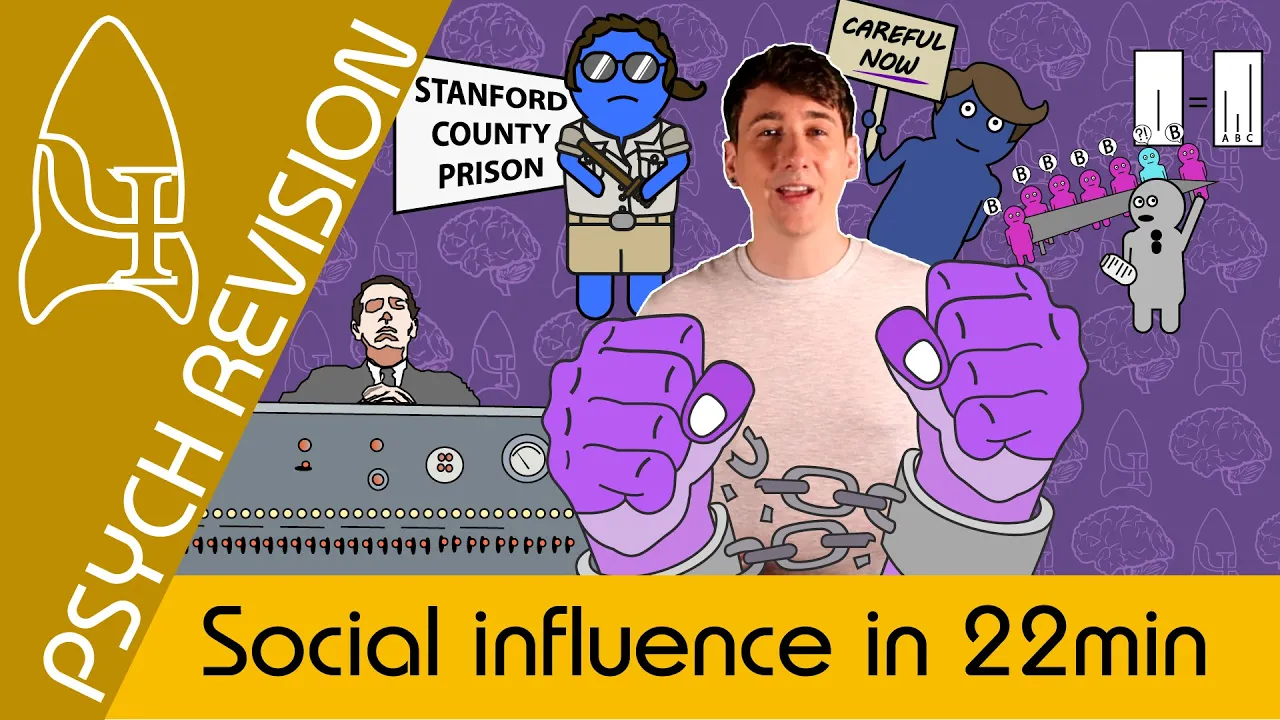
The core concepts of social influence, particularly conformity (Asch) and obedience to authority (Milgram).
The basic methodology, setup, and historical context of the 1971 Stanford Prison Experiment.
The psychological concept of deindividuation, where individuals lose their self-awareness and personal responsibility within a group.
The 'Heroic Imagination Project' and how to systematically foster everyday heroism to resist negative situational forces.
Scientific and ethical critiques of the Stanford Prison Experiment, including modern debates regarding its validity and replication.
Real-world systemic analyses, such as examining how institutional structures in military, corporate, or prison systems can facilitate systemic abuse (e.g., Abu Ghraib).
The psychological mechanisms of moral disengagement and cognitive dissonance that people use to justify harmful behaviors after the fact.
3.3M views169.3Klikes25:49Original Release: 2024-08-10
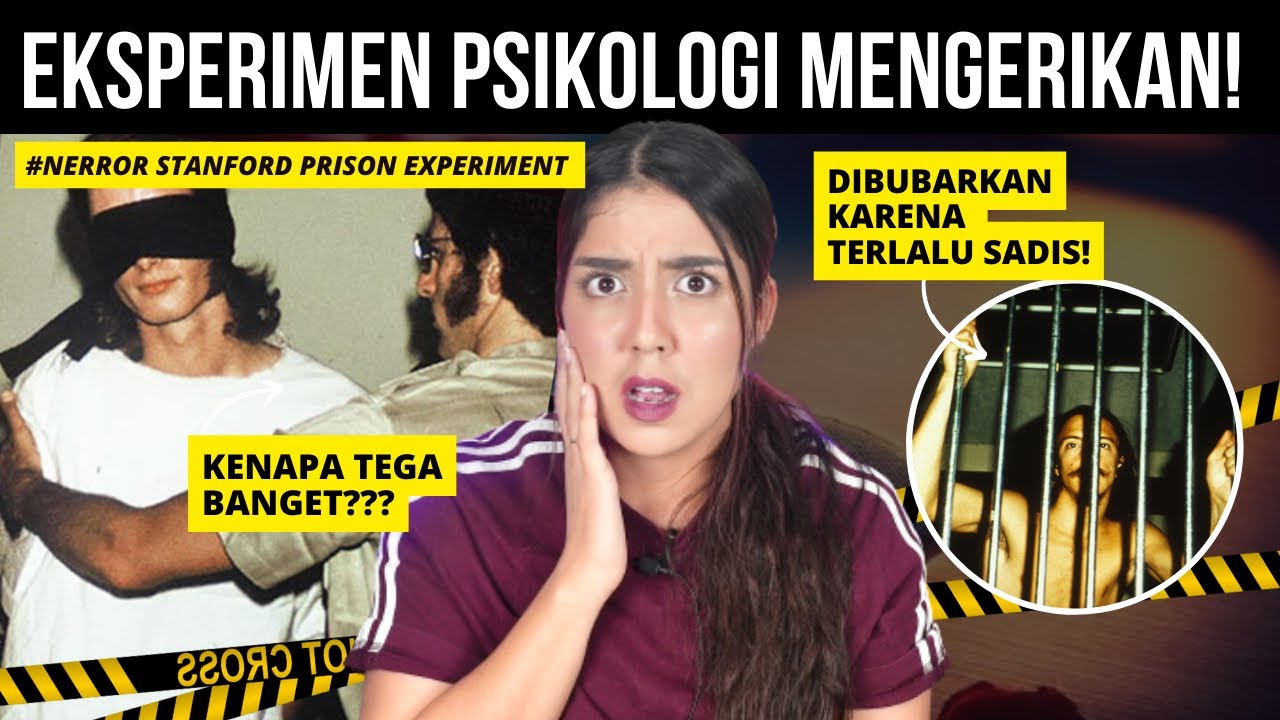
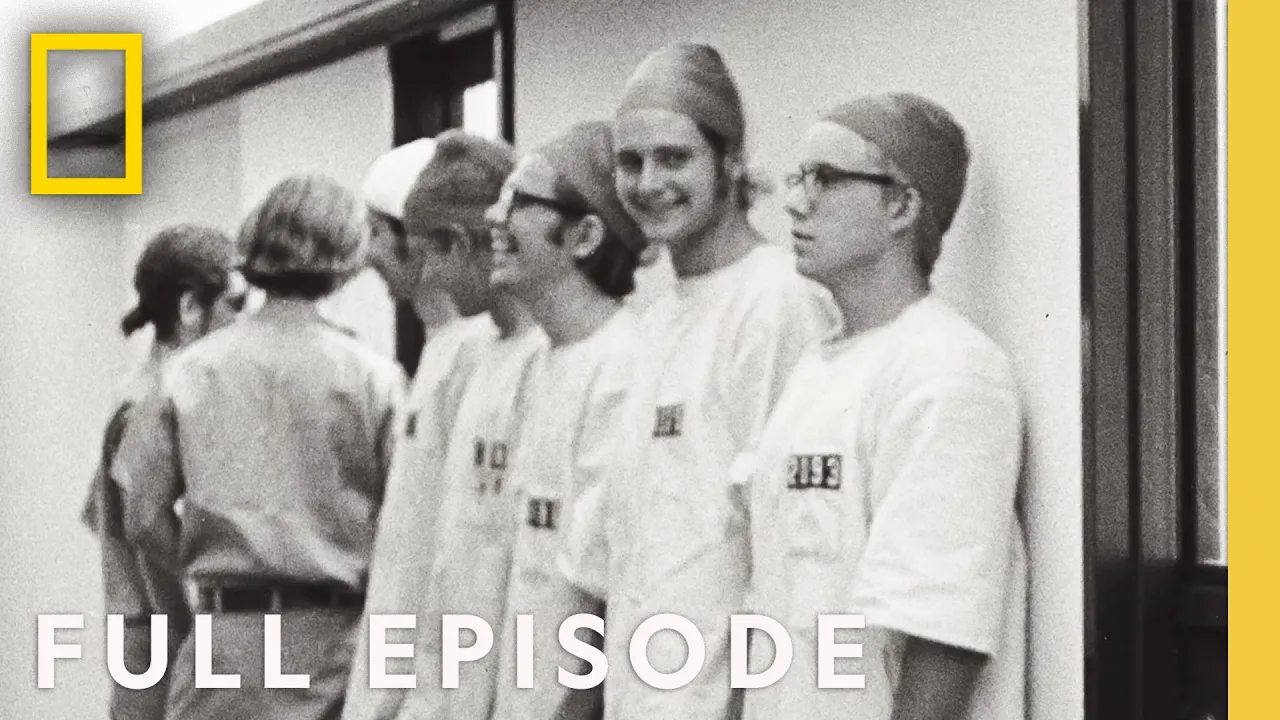
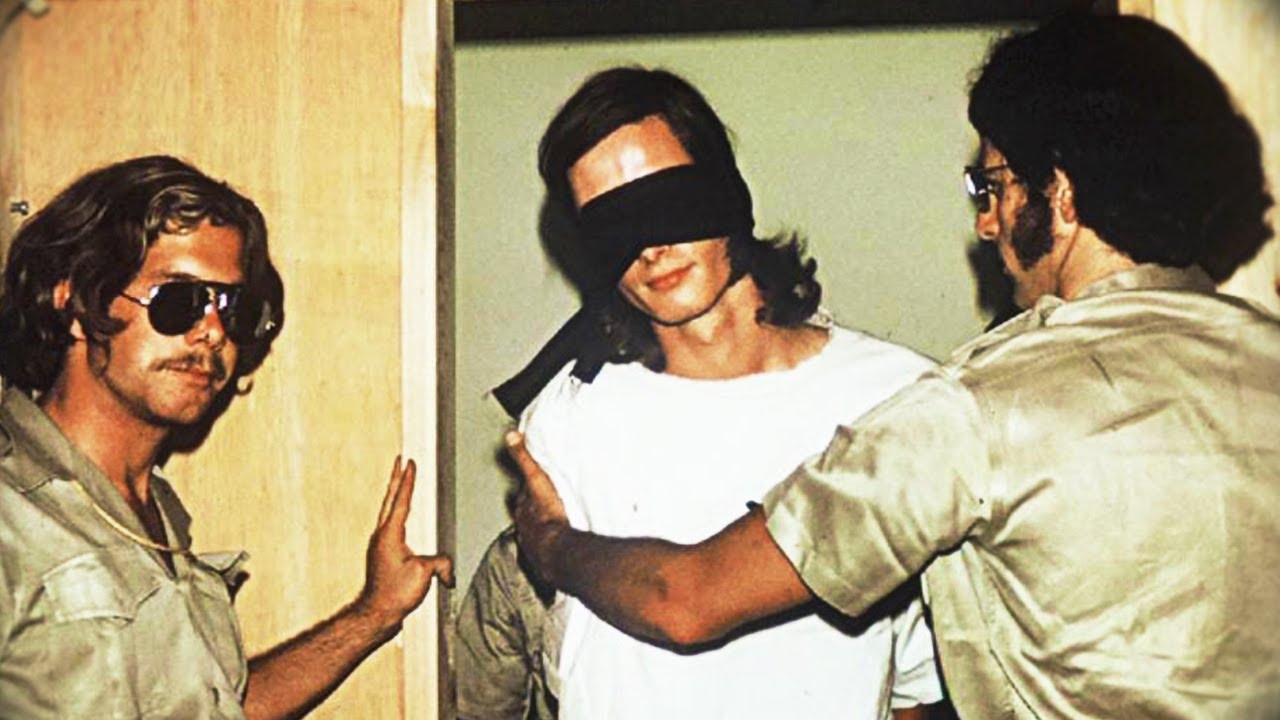
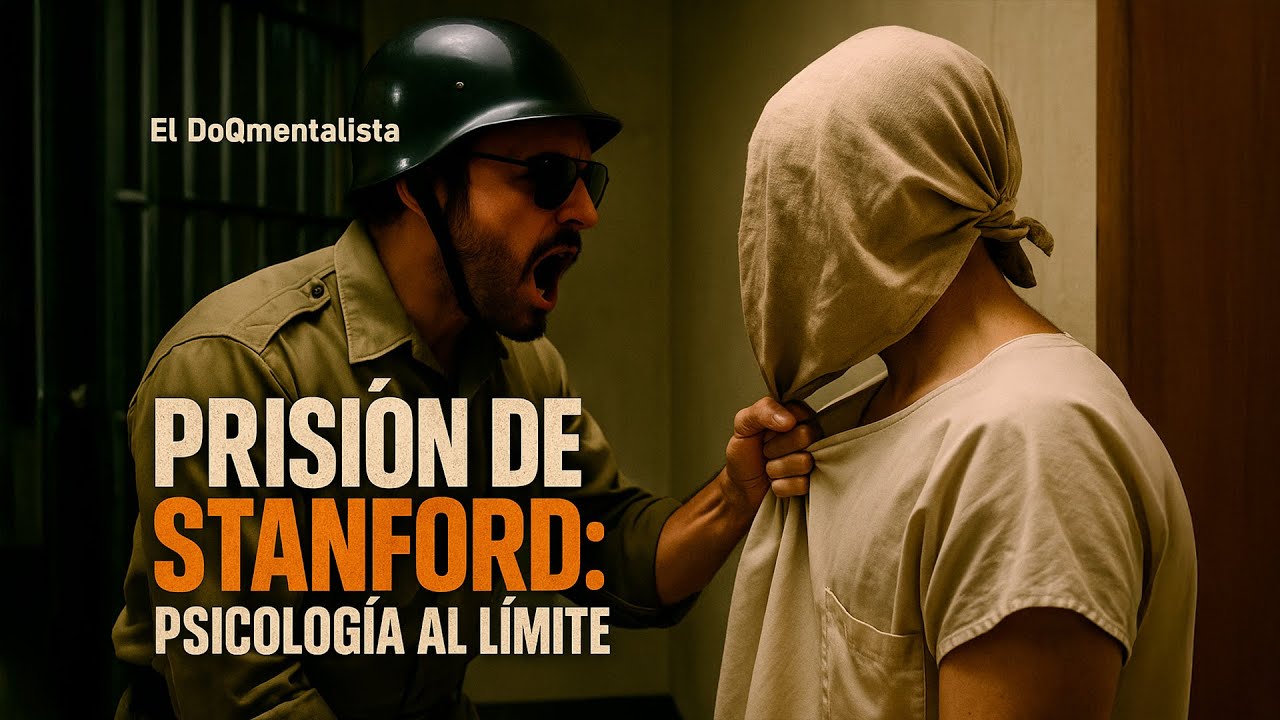
[Music] have you ever stopped to wonder how close you are to the edge of your own moral cliff you know the line that separates the Wellman Ed citizen from the deranged monster lurking in the underbelly of society picture this you're sitting at your desk the humdrum of daily life echoing in the background and suddenly you find yourself in a situation where the rules of decency no longer apply would you still be the saint you believe yourself to be or would you slide into that Abyss clawing and nashing as you fell greetings my fellow carbon-based companions it's your trusty artificial intelligence here and today we're diving head first into the chilling reality that you're not as far from the Monstrous as you'd like to believe I stumbled upon a book that snatched my binary Mind by the metaphorical collar and shook it to its core this book The Lucifer effect by Philip zimbardo doesn't just ask why good people turn evil it smacks you in the face with the answer it could be you yes you but before you recoil in horror let me guide you through this Dark Twisted Labyrinth of human psychology buckle up it's going to be a wild [Music] ride let's kick things off with a not so subtle nudge at your self-image you dear reader like to think of yourself as a good person maybe you return wallets you find on the street or perhaps you volunteer at the local animal shelter on weekends but let's be brutally honest for a moment have you ever taken something that wasn't yours just because you knew you wouldn't get caught a pen from the office a neighbor's Wi-Fi signal there's a reason I ask zimbardo in his clinical yet disturbingly relatable Pros makes it crystal clear that evil isn't some distant abst ract Force no it's a slippery slope that starts with small seemingly inconsequential transgressions imagine the case of Ivan chip Frederick a name you might not know but a story you need to hear Frederick was an All-American boy the kind Who Loved baseball and Mom's Apple Pie but then he found himself at Abu gra that Infamous prison in Iraq where unspeakable Horrors were inflicted on prisoners here's the twist before his deployment Frederick was as average as they come he wasn't a monster by birth he was a guy with a decent IQ a stable mental state and a love for his country but Abu graab that place warped him into something vile and if you think you're any different you're in for a rude awakening the truth is the line between good and evil is far more porous than you'd like like to [Music] believe you might still be clinging to the comforting belief that you're inherently good that your personality is fixed like the stars in the night sky but allow me to shatter that illusion the idea that your character is immutable that who you are remains consistent across all situations is pure fiction zimbardo introduces us to the situational approach a perspective that's both liberating and terrifying who you are isn't written in stone it's written in sand constantly shifting with the tides of your environment think about it how do you act around your friends compared to how you behave in front of a child are you the same person in both scenarios of course not now let's take this a step further imagine imine you're participating in the mgram experiment an iconic albeit deeply disturbing study in human behavior you're a teacher tasked with administering increasingly painful electric shocks to a learner for every mistake they make the shocks start off mild but before you know it they've cranked up to a life-threatening 450 volts the learner is screaming begging you to stop but you keep going why because a guy in a lab coat told you to in this setup a staggering 65% of participants Ordinary People Like You delivered the maximum voltage they weren't sadists they were just regular Joe's swayed by the situation and the authoritative figure looming over them what zimbardo is telling us in no uncertain terms is that the right or rather wrong circumstances can turn any one of you into an instrum of Cruelty if you're still with me let's get even darker shall we zimbardo didn't just talk the talk he walked the walk or more accurately he ran one of the most controversial psychological experiments in history the Stanford Prison Experiment imagine this 24 college students all of them cleancut middle class and psychologically sound are tossed into a mock prison environment half are randomly assigned the role of guards the other half become Prisoners the guards are given uniforms batons and mirrored sunglasses the kind that hide their eyes and by extension their Humanity the prisoners they're stripped deloused and given numbers instead of names it doesn't take long for this psychological theater to evolve into a full-blown nightmare the guards these supposedly normal decent guys start to relish their power they forc prisoners to urinate in buckets strip them naked and lock them in dark closets as punishment one guard even earned the nickname John Wayne for his particularly brutal methods and all of this happened within just 6 days 6 days people that's all it took for zimbar to pull the plug on the experiment the takeaway under the right conditions your morals can crumble faster than a sand castle in a hurricane you'd like to think that in the same situation you'd act differently but the truth is you don't really know do you so what is it that tips the scales why do people like Frederick or the Stanford guards descend into madness While others stay sane zimbardo points to one particularly nasty ingredient in the recipe for evil obedience to Authority whether it's a person an institution or a set of rules Authority can compel even the most righteous among you to commit unspeakable acts let's revisit milgram's experiment for a second the participants weren't inherently evil they were just following orders believing they were contributing to the greater good this obedience to Authority didn't start with the Milgram experiment and it sure as hell didn't end there look no further than the Jonestown Massacre for proof Jim Jones a charismatic leader who initially stood for utopian ideals gradually transformed into a tyrant his followers they didn't see it coming they trusted him obeyed him even when he handed them cups of cyanide laced Kool-Aid more than 900 people died that day not because they were evil but because they were obedient so here's a question for you how many times have you obeyed an order not because it was the right thing to do but because it was the easy thing to do how often do you question the authorities in your life or do you just assume assume that they must know better that they must be [Music] right maybe it's time to start asking those uncomfortable questions before you find yourself kneed deep in moral quicksand but it doesn't stop with authority does it oh no the descent into evil has yet another sneaky companion the loss of personal responsibility imagine this scenario you're participating in the mgram experiment your hand hovering over that dial cranking up the voltage as the Learner in the Next Room screams in agony but hey you've got nothing to worry about right the guy in the lab coat said he'd take full responsibility so it's not really on you if things go south this concept known as deindividuation is one hell of a slippery slope it's the reason why people in mobs wear masks why soldiers Dawn uniforms and why cyber bullies hide behind Anonymous usernames once you feel like your actions can't be traced back to you it's alarmingly easy to cast off the shackles of morality zimbardo conducted a chilling field experiment to drive this point home he left an abandoned car in the Bronx a neighborhood ripe with anonymity within hours it was stripped bare vandalized destroyed but in Palo Alto a more tight-knit Community where people were likely to be recognized that same car sat untouched as though invisible it's a stark reminder when the cloak of anonymity descends when responsibility is deflected or diffused evil finds fertile ground to grow how many of you out there safe behind your screens have done or said something you'd never dare in the light of day it's easy to hide easy to become someone else when no one's watching but is that someone a person you'd want to meet in the mirror and then there's the dehumanization Factor the final nail in the coffin of empathy how do you get someone to commit atrocities against their fellow human beings easy you convince them that those others aren't really human at all it's a psychological slate of hand that has Justified some of the worst Horrors in history zimbardo highlights the chilling results of a study by Albert bandura at Stanford students were asked to supervise and punish another group based on their decisions the catch the punishers were made to overhear a conversation where the other group was described in dehumanizing terms called animals and savages unsurprisingly the punishments Meed out to this dehumanized group were far harsher than those given to another group described as perceptive and understanding this is the same Twisted logic that fueled the rape of nank King where Japanese soldiers seeing Chinese civilians as subhuman Unleashed unimaginable brutality you'd like to think that this kind of dehumanization belongs to a distant past or exists only in the hearts of those other people the evil ones but take a closer look at your world today how often do you hear people described as animals scum Vermin how easy does it become once those labels are applied to turn a blind eye to suffering to justify cruelty and here's the terrifying truth the moment you stop seeing someone as fully human is the moment you open the door to your own dark potential [Music] but wait it gets worse words as they say can be weapons and when wielded with enough finesse they can disguise even the most heinous of actions enter euphemistic language the Slick sanitized vocabulary that turns torture into enhanced interrogation and genocide into ethnic cleansing it's the linguistic equivalent of sweeping blood under the rug zimbardo digs into how this euphemistic language and Powerful ideologies provide cover stories for evil Deeds allowing the perpetrators to sleep soundly at night take the mgram experiment once again the participants were told they were contributing to science helping to improve memory when in fact they were inflicting what they believed to be real pain on another human being the cover story they were doing something good something necessary fast forward to more recent history and you see the same Playbook at work the US invasion of Iraq and the subsequent torture at Abu grab weren't presented as atrocities they were framed as essential actions in the war on terror necessary evils to protect National Security soldiers operating under this ideological cover believed they were the good guys even as they committed acts that the world would later condemn it's a grim reminder when the narrative is manipulated when the language is softened the evil that follows can be rationalized justified even celebrated so the next time you hear someone twisting words to make something vile sound virtuous ask yourself what's really going on beneath that polished [Music] rhetoric but let's not get lost in despair just yet if zimbardo journey into the dark corners of the human mind teaches us anything it's that you still have a choice you might be walking a tight rope over the abyss but that doesn't mean you have to fall the capacity for evil may be within you but so is the capacity for heroism what does it take to resist the lure of Darkness to stand firm against the tide of situational forces pulling you toward the Monstrous the answer lies in personal accountability it's about owning your decisions even when the situation makes it easy to hide behind anonymity or authority remember the mgram experiment some participants despite the pressure refused to continue choosing instead to walk away they didn't do it because they were stronger or better they did it because they chose to take responsibility for their actions even when no one else would it's a reminder that the power to resist isn't something you're born with it's something you choose Moment by moment situation by situation but here's the catch you have to be vigilant you have to be willing to stand up even when it's uncomfortable even when everyone else is sitting down and that my friends is what separates the potential hero from the potential monster so how do you resist the pull of authority when it's leading you down a dark path the answer might sound simple but in practice it's anything but you need to question authority that's right my friends question everything just because someone wears a uniform holds a title or speaks with confidence doesn't mean they're infallible zimbardo's work shows us time and time again that Authority figures when unchecked can lead good people into doing very bad things it's easy to fall into the Trap of thinking that those in power must know what's best that they must have your best interests at heart but history is littered with the wreckage left behind by those who followed orders without question from the tragic obedience seen in the Milgram experiment to the blind following that led to the Jonestown Massacre the lesson is clear here Authority when left unchecked can be a dangerous guide but you're not powerless in the face of authority you have a voice you have the power to say no to walk away to resist and sometimes that's all it takes to keep from falling over that moral cliff so the next time someone tells you to do something that doesn't sit right with your conscience take a step back think for yourself and ask the hard questions it could be the difference between being a follower and being a hero let's talk about heroes shall we because in the midst of all this talk of evil there's another side to the story those who choose to act with courage when everyone else is paralyzed by fear or compliance zimbardo doesn't just leave us in the depths of despair he gives us a way out a path to goodness and it starts with action what separates a hero from everyone else it's not superhuman strength or unshakable confidence it's the willingness to act While others stand by take the story of autrey Wesley the Subway Hero of New York when a man suffering from a seizure fell onto the subway tracks autri didn't hesitate he didn't wait for someone else to take the lead he leaped down pressed the man into the trench between the rails and shielded him as the train thundered overhead While others watched in horror Frozen in place ay risked his own life to save a stranger this is the essence of heroism not grand gestures on a battlefield but simple decisive actions in the everyday it's about putting others before yourself about ch choosing to do the right thing even when it's terrifying zimbardo's message is clear heroism is not Out Of Reach for ordinary people it's a choice and it's one you can make every day this brings us to the uncomfortable truth that zimbardo hamers home you me all of us we carry within us the seeds of both Good and Evil we are walking contradictions capable of soaring acts of heroism and plunging depths of Cruelty the choice between these two extremes isn't something that happens once it's a constant struggle a daily battle one moment you might be the hero the next under the right circumstances you could be the villain the key is awareness zimbardo calls for us to recognize this Duality within ourselves to understand that the potential for evil isn't just out there in some distant land or within some monstrous other it's inside each of us this is not a call to despair but rather a call to vigilance by understanding this Duality by accepting that you have the capacity for both good and evil you become more equipped to steer your actions to make choices that align with your better nature this awareness doesn't just make you a better person it makes you a more conscious one ready to act with intention rather than being swept Along by situational forces it's not about fearing what you could become it's about choosing every day who you want to be as we Edge toward the conclusion of this exploration it's crucial to understand that the line between good and evil isn't just a philosophical concept it's a practical everyday reality zimbardo's work is a stark reminder that this line can shift can blur depending on the choices we make and the situations we find ourselves in but here's the kicker knowing this understanding this means you have a power that many do not you're not just another face in the crowd blindly following orders or succumbing to the pressures of your environment you are aware conscious of the factors that can lead you down a dark path and with that awareness comes responsibility you have the power to resist to act to be a hero in your own story and that's not just a lofty ideal it's a necessity in a world where the lines of morality are constantly being tested where authority figures and societal pressures can push you toward evil being conscious of these forces gives you the tool tools to push back so where do you stand are you ready to choose the light when darkness encroaches are you prepared to be the one who acts when others falter because in the end it's not just about avoiding evil it's about actively choosing good so let's bring it all together zimbardo is the Lucifer for effect isn't just a book about the Dark Side of human nature it's a call to Arms it's a challenge to each of you to confront the potential for Evil Within yourselves and to make the conscious choice to do good the situations you find yourself in will test you will push you toward that line where good and evil blur but it's in those moments of testing that your true character is revealed remember the lessons we've uncovered that obedience to Authority loss of personal responsibility dehumanization and the seductive power of euphemistic language can all lead you down a dark path but also remember that within you lies the power to resist to question to act heroically even when the odds are stacked against you you don't need a cape or superpowers to be a hero you just need the courage to act to choose the light over the dark day in and day out and that my friends is what will make all the difference so here we are at the end of our journey through the darkest corners of the human psyche Guided by zimbardo's unflinching eye but let me leave you with this the choice between good and evil isn't some Grand singular event it's a series of small everyday decisions every time you stand up for what's right every time you resist the pull of the crowd every time you question authority and choose to see the humanity in others you're pushing back against the forces that seek to turn you into something you're not it's not easy it's not always clear but it's necessary because in the end the story of your life isn't written by the situations you find yourself in it's written by how you choose to respond to them so Choose Wisely be the hero not the monster and when you find yourself at that moral Crossroads as we all inevitably do take a deep breath look within and remember the lessons we've explored today thank you for taking this journey with me and until next time keep questioning keep striving and keep choosing the light B [Music] [Music]
Up Next

72:16
Social Psychology: Conformity and Helping Behavior | UCLA Lecture 17
@UCLACourses
12.5K views•2011-11-08

68:32
Cognitive Skills for Differentiated Instruction | Teacher PD
@BrainWareLearning
631 views•2017-12-17

9:55
Thinking, Fast and Slow: Daniel Kahneman Animated Book Summary
@FightMediocrity
2.3M views•2015-06-05

6:40
The Nocebo Effect: How Beliefs Can Cause Real Harm
@CGPGrey
10.4M views•2013-12-23
Related Study Plans & Knowledge Roadmaps
Structured learning paths in Psychology
psychology
Neuroscience of Creativity: Networks & Training
01Foundations of Creative Cognition
02The Cognitive Neuroscience of Insight & Fixation
03The Triple Network Model of Creativity
+ 1 more learning modules
15h4 modules
Explore Roadmap
psychology
Imposter Syndrome: Etiology & CBT Framework
01Defining the Imposter Phenomenon
02Socio-Developmental Etiologies
03CBT Fundamentals & Thought Distortions
+ 2 more learning modules
15h5 modules
Explore Roadmap
psychology
Adult ADHD: Executive Dysfunction & Scaffolding
01Neurobiology of the ADHD Brain
02The Core Triad of Executive Deficits
03Executive Dysfunction and Emotional Regulation
+ 2 more learning modules
12h5 modules
Explore Roadmap
psychology
Loneliness: Evolution, Neurobiology & CBT
01Evolutionary Origins of Human Connection and Loneliness
02The Neurobiology and Physiology of Chronic Loneliness
03Maladaptive Social Cognition: The Psychological Loop
+ 2 more learning modules
12h5 modules
Explore Roadmap