

























![[ENG/ESP][COVID-19] 코로나19 환자 격리해제 기준비교 - 한국 vs WHO vs CDC COVID-19 Response Guidlines 6/25 Analysis](https://i.ytimg.com/vi/s3GNRWPJqUI/maxresdefault.jpg)

Vaccines are recommended at specific ages for two key reasons: when they work best with a child's developing immune system and when children need protection the most; for example, the measles vaccine is given between 1-1.5 years because maternal antibodies wear off around 12 months, leaving children vulnerable, while the hepatitis B vaccine is given at birth because infants have a 90% chance of developing chronic liver disease if infected, and following the recommended schedule ensures vaccines are effective and safe.
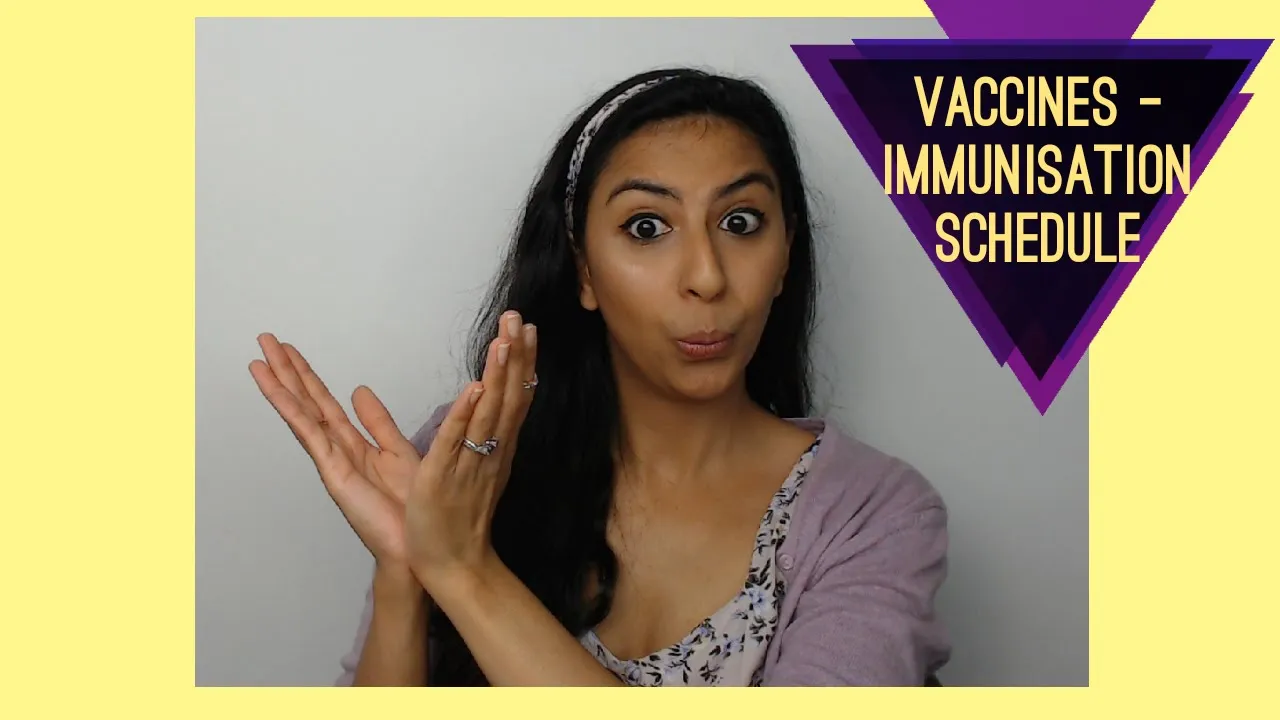
Child Immunization Schedule: Birth to 6 Years (AAP Guide)
Added:Basic immunology concepts, including how the human body identifies antigens and produces antibodies.
The fundamental mechanism of vaccines, specifically how they stimulate active immunity and build immunological memory.
The concept of herd immunity and its epidemiological significance in protecting vulnerable populations.
A basic understanding of neonatal and infant physiology, particularly the vulnerability of an immature immune system.
Adolescent and adult immunization schedules, including booster shots and HPV or meningococcal vaccines.
The science of vaccine safety, clinical trial phases, and post-market surveillance systems like VAERS.
Strategies for addressing vaccine hesitancy and communicating evidence-based medical advice to parents and caregivers.
Contraindications and precautions in vaccinating special pediatric populations, such as immunocompromised children.
Global health perspectives, including how the World Health Organization (WHO) adapts immunization schedules for resource-limited settings.
126.6K views662likes10:47Original Release: 2022-03-15
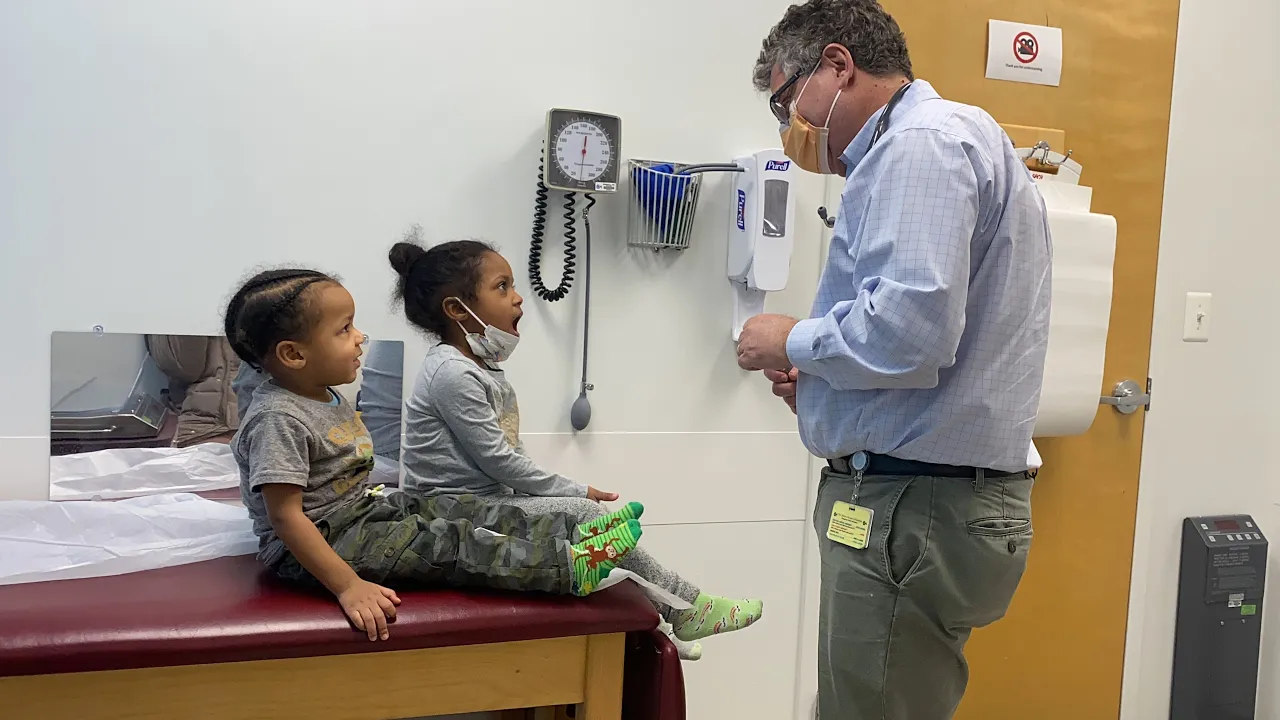
hi I'm Dr Edith Racha Sanchez I am a pediatrician and a new mama and I talk with other parents every day about their kids vaccines parents sometimes have questions about the vaccine schedule why is this shot recommended now does it have to be at that time could we spread the shots out do we really need this vaccine well let's talk about that in this video I'll focus on the vaccines kids get before Age 5 or six when they start kindergarten the thing to keep in mind is all these vaccines are recommended at specific ages for two reasons one when the vaccine will work the best with your child's immune system and two when your child needs the protection the most let me explain how that plays out I'll use misles as an example we know babies get some antibodies for misil from their mothers during pregnancy as long as their mom had been vaccinated against meil but this gift from Mom starts to wear off around 12 months of age that means the perfect window of opportunity for the measles vaccine is soon after they turn one before then mom's antibodies actually mean the vaccine won't work as well but if you wait you're leaving your child vulnerable to misil which is most dangerous to young children so giving the vaccine when kids are 1 to one and a half is really The Sweet Spot your toddler's immune system is ready and they need the protection the vaccine will help them develop and you can be re assured by all the research that shows the vaccine is incredibly effective when given at these ages we have the data to back that up the vaccine we use to protect against misil also protects against mums and rubella this vaccine is called MMR your child will get a second dose starting at age four the second dose acts like a reminder for your child's immune system this is just one vaccine that is recommended for kids the Centers for Disease Control and prevention and the American Academy of Pediatrics and other medical groups have all agreed on a schedule for immunizations for kids it's my job as a pediatrician to keep track of my patients vaccines so they are protected at the right time most of these vaccines are recommended in your baby's first year and a half for those two reasons I shared earlier children's immune systems work really well with vaccines at these ages so we can help our children develop lifelong immunity and because without the protection of vaccines young children would be vulnerable to some really serious diseases so let's go through the rest of the schedule starting with the first vaccine most babies get Hepatitis B this is a vaccine your baby gets right at Birth within 24 hours of being born your baby will get two more doses after that at 1 or 2 months and between 6 and 18 months you may ask why do we give the first dose so quickly well it really comes down to risk hepatitis B is caused by a virus and more than 1 million people in the United States have long-term Hepatitis B infections that includes some moms and dads who may not even know they're infected as well as other people who may come in contact with your child like caregivers or relatives and if you are infected with hepatitis B as a baby there's a 90% chance you will develop serious chronic conditions like liver cancer in your lifetime I certainly don't want any child to face that Destiny so early in life and the vaccine is a safe and effective way to eliminate that risk starting at Age 2 months your baby will also get vaccines for deferia tetanus and acellular prusis houas influenza type B or Hib polio pacal disease and Rota virus let's take those one at a time deot tatas and acellular pressus are given in a vaccine called DTaP or DTaP children get several doses of this vaccine and then as an adult they also need a booster of a different version of this vaccine called teap every 10 years or so the CDC also recommends that pregnant women get a teap vaccine during every pregnancy because they can pass some of these antibodies onto their babies to protect them right after birth by 2 months though that protection from Mom has gone so the vaccine is important for your baby to develop their own immunity here's what your child will be protected against through this vaccine tieria this used to be pretty deadly killing one out of every five kids who got it you definitely want to protect your baby from this serious throat infection that can also cause breathing problems and heart failure tetanus that's a deadly bacterium that lives in the soil it's in the earth everywhere and yes it can get into your body from a rusty nail but really any kind of cut on your skin if the bacteria gets in it produces a deadly toxin that causes muscle paralysis we all want our kids to be able to safely explore the world there's no way to get this protection other than the vaccine prusis prusis is also known as swooping cough this is a big one the first shot at around two months comes not a moment too soon but babies are not fully protected until they get all five doses of this vaccine we ALS Al recommend a booster dose around age 11 babies who get whooping cough suffer really violent coughing fits which makes it hard for them to breathe they can end up in the hospital and even die tragically it's often an adult loved one who gives it to a baby sometimes not realizing their own chronic cough was pertusus I politely asked my relatives to get the te vaccine in order to meet my baby this has kept him safe while he gets big enough to have all five doses next hemophilus influenza type B or Hib Hib infections cause a variety of illnesses from ear infections to pneumonia menitis it can be life-threatening and if your baby shows symptoms of these illnesses without a record of being vaccinated doctors may need to do a spinal tap to test for the bacteria getting the vaccine protects your baby and is also a good way to avoid invasive procedures your child will get four doses to be fully protected polio polio was a plague that many of her grandparents still remember it was a disease that caused death and paralysis and parents were terrified a it at the beginning of the 20th century until the vaccine was developed in the 1950s polio still exists in the world and could easily come back to our communities which is why we strongly recommend vaccination your child will get four doses before starting school Paco vaccine this one was another great victory for Children's Health pneumo disease is caused by a bacteria called strepto cagas pneumonia when these bacteria invade the lungs they cause pneumonia when they invade the bloodstream they can cause sepsis when they invade the brain they cause menitis they can also cause ear infections which most parents know can be painful and frequent since we have had this vaccine the number of kids suffering all of these illnesses has dropped dramatic ically you need four doses of numo vaccine next Rota virus Rota virus was the main cause of diarrhea in children in the US before the vaccine was developed and introduced in 2006 and it remains an important cause of diarrhea in certain parts of the world it causes severe watery diarrhea vomiting fever and abdominal pain and kids can become so dehydrated they need to be hospitalized this virus spreads really really really easily on your hands dirty diapers or toys and also through the air you simply cannot wash your hands enough to keep this virus away from your baby so you need the vaccine your baby will get either two or three doses of this vaccine at ages 2 4 and 6 months when your baby reaches 6 months you can also protect them against influenza the first time your child gets the flu vaccine they will also need a second dose 4 Weeks Later influenza is a tricky VI irus and even healthy kids can develop severe complications that send them to the hospital the vaccine is really good at preventing that severe disease which is why we recommend everyone get it every year starting at age 6 months at 12 months your baby can be protected against two more diseases the first one is vericella or chickenpox before we had this vaccine in the US about 4 million people got chickenpox every year more than than 10,000 were hospitalized and more than 100 died even a mild case can cause a child to miss school for a week or longer after the first dose at age 1 your child will need a second dose between ages 4 and six also at 12 months your child will get their first dose of hepatitis A vaccine hepatitis A is a serious liver disease which can spread through food or by contact with an infected person even someone who doesn't show any symptoms the vaccine is a safe and effective way to give your child lifelong protection they'll get a second dose 6 months later this is a lot to keep track of I know so to wrap up here's what I want you to keep in mind one vaccines work like a partner with your child's immune system they teach the immune system how to recognize a virus or bacteria so that your child can develop their own immunity two of all the age groups babies are hospitalized and die more often from the diseases we can prevent with vaccines we want to vaccinate them as soon as possible three vaccines keep kids from needing invasive medical procedures or hospitalization it's the best strategy to avoid extra Medical Treatments in four we know from Decades of research and following millions of children that the vaccines work best at these ages and with this space in between Doses and we know they are safe when given on this schedule finally if you have questions talk with your pediatrician we are here to partner with you to help your child stay healthy and thrive
Up Next
3:11
Child ER vs Doctor Visit: When to Seek Emergency Care
@eirmcvideos
772 views•2019-10-30

48:47
Graphic Medicine: Comics for Collaborative Healthcare Communication
@nationalpatientadvocate
189 views•2023-12-04

10:28
Neuroanatomy: Central and Peripheral Nervous System Divisions Explained
@AKLECTURES
136.2K views•2014-09-20
3:05
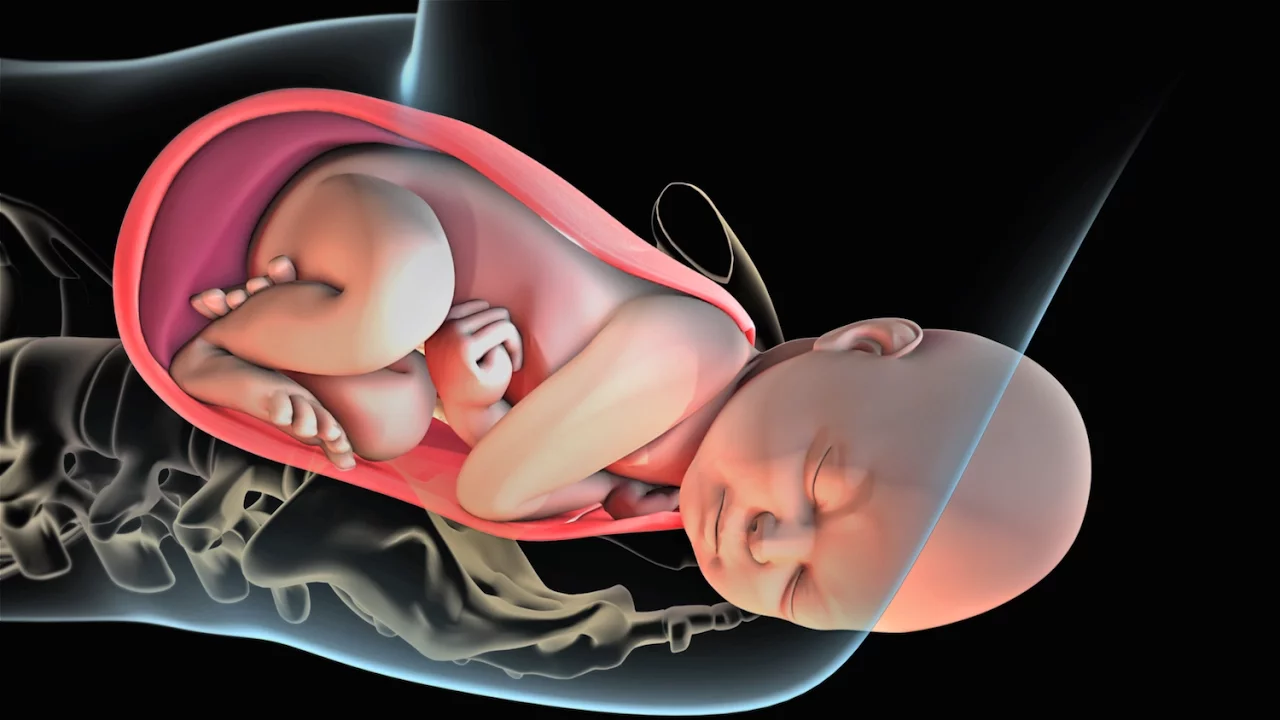
Stages of Labor and Vaginal Birth | Childbirth Animation
@nucleusmedicalmedia
52.1M views•2017-08-18
Related Study Plans & Knowledge Roadmaps
Structured learning paths in Medicine
medicine
Abnormal LFTs: Diagnostic Workup & Pathology
01Liver Anatomy and Basic Physiology
02Introduction to Liver Function Tests (LFTs)
03Hepatocellular vs. Cholestatic Patterns
+ 3 more learning modules
12h6 modules
Explore Roadmap
medicine
Analyzing Blood Smears: RBC, WBC & Platelets
01Introduction to Blood Components & Smear Preparation
02Normal Morphology of Blood Cells
03Erythrocyte Pathologies & Morphological Variants
+ 2 more learning modules
12h5 modules
Explore Roadmap
medicine
Mechanical Ventilation: Waveforms & Alarms
01Anatomy and Physiology of Breathing
02Introduction to Mechanical Ventilation & Core Modes
03Ventilator Settings and Waveform Interpretation
+ 2 more learning modules
12h5 modules
Explore Roadmap
medicine
Neuro Exam: Localization & Stroke Syndromes
01Foundations of Neuroanatomy and Vascular Supply
02The Neurological Examination: Step-by-Step
03Principles of Neurological Localization
+ 3 more learning modules
18h6 modules
Explore Roadmap