







![Antibiotic Classes: Mnemonic, Coverage, Mechanism of Action [Pharmacology Made Easy]](https://i.ytimg.com/vi/_-UHhkIYht4/maxresdefault.jpg)









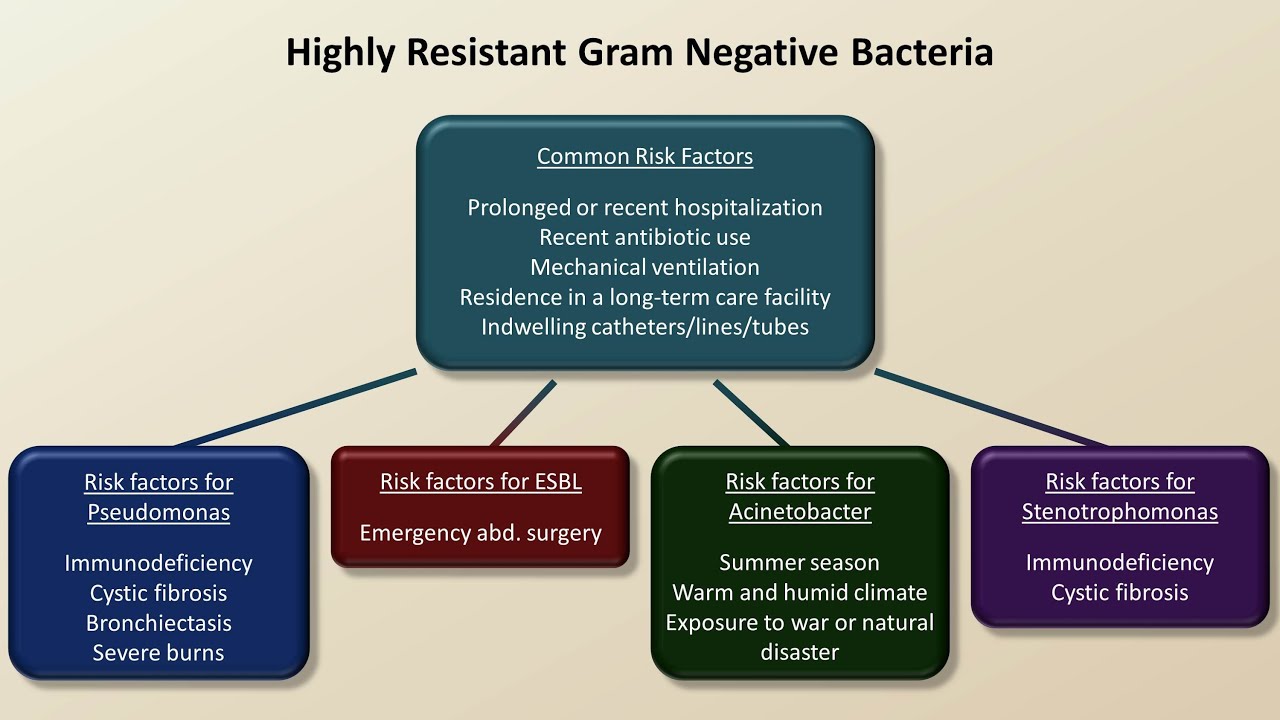





Pneumonia is classified into four types based on acquisition setting and timing: Community-Acquired Pneumonia (CAP), Hospital-Acquired Pneumonia (HAP), Ventilator-Associated Pneumonia (VAP), and Healthcare-Associated Pneumonia (HCAP), with each type having distinct pathogen profiles and empiric antibiotic recommendations; CAP is primarily caused by Streptococcus pneumoniae, Mycoplasma pneumoniae, and other atypical organisms, while HAP/VAP/HCAP involve more multidrug-resistant pathogens like Pseudomonas aeruginosa and Staphylococcus aureus, requiring broader antibiotic coverage including beta-lactams plus macrolides or respiratory fluoroquinolones, with treatment duration guided by severity scoring systems like CURB-65 and local antibiogram data.
Antibiotics From Head to Toe: Pneumonia (HAP, CAP, VAP)
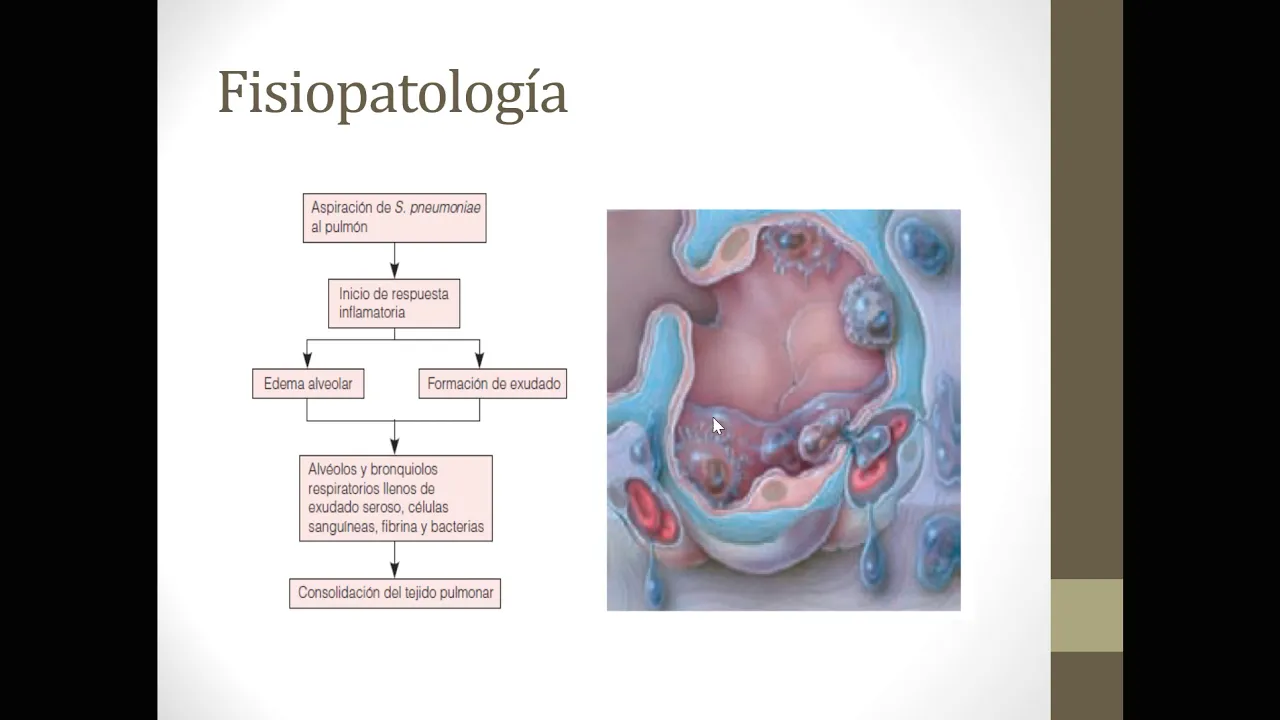
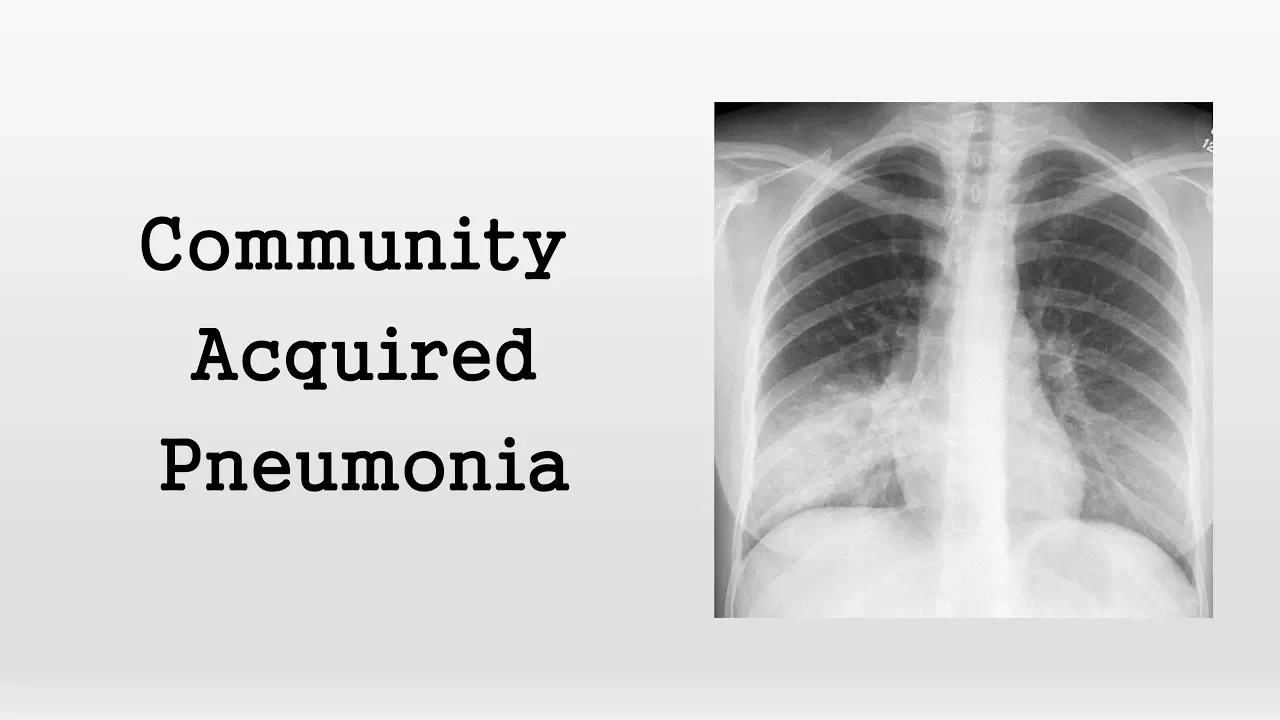
Added:[Music] hello everyone it's my pleasure to be with you today my name is Lauren hinika and I'm an assistant professor of pharmacotherapy at the University of Maryland School of Pharmacy and today we're going to be talking about part three of our antibiotic series from head to toe part three goes over pneumonia we're talking about hap cap and everything in between our objectives by the end of our time together are that first you should be able to Define each of the different types of pneumonia including community acquired pneumonia Hospital acquired pneumonia ventilator Associated pneumonia and Healthcare Associated pneumonia and I have each of the acronyms associated with those pneumonias listed up there as well for you these definitions are really the key in terms of really moving on to our next objectives to be able to identify the most common organisms seen in each of these types of pneumonias and then certainly we know in order to be able to select empiric antibiotic therapy identifying the most uh common organism seen in particular infections is what what leads us to select that empiric antibiotic therapy so I think each of these objectives really ties into each other and hopefully by the end of the presentation you'll feel really very comfortable with how to determine which type of pneumonia your patient has and what the most appropriate course of treatment is going to be for them I think this next slide sort of sums up the the way I and probably many people feel about pneumonia it's cap versus hap versus VAP versus hcap you've got too many acronyms and not enough time in fact we've got plenty of time so we're going to get right to it uh leading into our definition slide and I think our definition slide really sets us up as I mentioned in the objectives for the rest of our talk so community acquired pneumonia you'll notice is the last definition that we're going to talk about because I think if you understand the other definitions cap really encompasses everybody else so Hospital acquired pneumonia is pneumonia that occurs 24 hours or more after admission and that infection was not incubating at the time of admission so you weren't suspecting pneumonia when the person came in but 24 hours or more after they've been admitted they start to develop signs and symptoms of pneumonia which we'll talk about in a couple of slides ventilator pneum Associated pneumonia so the person would be hospitalized but they at this point need to be intubated and it's considered ventilator Associated when it occurs 48 to 72 hours after the patient has been intubated so if it occurs before this we're talking then about Hospital acquired pneumonia so the time frame of when it develops relative to when the patient is admitted relative to when they're intubated is huge in terms of determining what type of pneumonia they have and what bugs are most likely Healthcare Associated pneumonia or hcap is any patient who was hospitalized within 90 days of the the current infection they reside in a nursing home or a long-term care facility they have received recent IV antibiotic therapy chemotherapy or wound care within the past 30 days of the current infection or they've attended a hospital or HD clinic within the last 30 days of the current infection so there's a a lot of um I think important pieces that go into Healthcare Associated pneumonia and I think you'll find that if you really think about it there's a lot of people that are admitted to the hospital that actually are Healthcare Associated pneumonia and not community acquired pneumonia so then if you understand hap VAP and hcap if they've got none of the things listed for each of those definitions then they've got your garden variety community acquired pneumonia so community acquired pneumonia is essentially everyone else before we can move on to talking about numbers and those of you who have been part of my talks in the past know that I like numbers because I think numbers help us to think about how important a disease state is for us to understand we have one more definition to talk about and it's early onset versus late onset hap and VAP so I think that's an an important thing to determine essentially onset is a very important epidemiologic variable variable and risk factors for specific pathogens as well as outcomes in patients with hap and VAP so as you can imagine early onset really carries a better prognosis and actually these patients are more likely to have a bacteria causing their infection that's likely to be antibiotic sensitive and so if the infection occurs within the first 4 days of hospitalization it's considered early onset hap or VAP patients who develop their pneumonia after this 4-day window have a much higher risk of mortality associated with the infection and they're much more likely to have a pneumonia that's caused by a multi-drug resistant pathogen so in addition to the timing definitions we talked about on the previous slide knowing whether it's early onset or late onset also is going to help you in terms of determining how important some specific multi-drug resistant coverage is going to be for your patient now that we have some definitions under our belt I think it's important as I mentioned earlier to talk about the numbers how important is this well pneumonia overall really accounts for quite a bit of Health Care use it is is estimated to account for 1.1 million hospitalizations annually the average length of stay for a patient with pneumonia is 5.2 days which is a relatively lengthy period of time to sort of separate things out a little bit um probably the the majority of the hospitalizations we have reported are actually community acquired pneumonia so it's estimated that every year there are over 900,000 episodes of cap in adults who are over the age of 65 so when we talk about our age groups in terms of who's most susceptible we're talking about people over the age of 65 and what's interesting is is that despite our advances in antimicrobial therapy our mortality for pneumonia really hasn't changed significantly since penicillin became routinely available so the mortality you can see up there it's about 50,000 deaths annually this is 2010 data and about 3.4% of our inpatient hospital deaths actually are due to pneumonia so we've talked about length average length of stay is about 5.2 days it actually is a bit longer for patients that have Hospital acquired pneumonia generally Hospital acquired pneumonia increases the hospital length of stay on average by 7 to 9 days per patient and this accounts for a cost of more than $40,000 per patient so there's a significant amount of cost associated with this um and as as you can imagine a ventilator increases the risk for developing pneumonia it increases the risk for developing pneumonia by between 6 and 20 fold so avoiding mechanical ventilation if possible is is certainly um an important piece for for preventing pneumonia so I think the numbers really speak for themselves there's a lot of people hospitalized it's an important infectious disease for us to be familiar with and to be able to treat we'll talk just very briefly about the pathophysiology um really it's the proliferation of microbial pathogens within the alvioli of the lung after you have an event occur so aspiration is notorious for leading to pneumonia inhalation of contaminated droplets and certainly important sources are healthc care devices or the environment you can have it hematogenous spread which is the infection originates elsewhere in the body and then is spread to the lungs via the blood you can have contiguous spreading contiguous spread is essentially spread from an adjacent organ or infected area in the body ultimately once you have this infection occur within the aviola you have an inflammatory response you have various inter lucans and tnf Alpha which lead to Fever you have chemokines that are released as part of the inflammatory response which leads to your peripheral recognizing that that the majority of our patients who are coming in with community acquired pneumonia are over the age of 65 I think it's important to just briefly talk about risk factors we'll talk about them for cap as well as hap and VAP and that's really sort of how they're separated if you you take a look at the guideline so patients that are at greater risk for community acquired pneumonia are those who have alcoholism have a history of asthma are immunosuppressed are institutionalized and it's sort of interesting that this risk factor is included here because as we've already discussed if the patient is resides in a long-term care facility or a nursing home you'd actually treat them as Healthcare Associated pneumonia not community acquired pneumonia and age over 70 so the older the person the greater their risk for community acquired pneumonia for ha and VAP there are some specific risk factors so intubation is an increased um increases the the risk for pneumonia we talked about by about 6 to 20 fold and that would really potentially to um VAP depending on when the the the pneumonia showed up after they were intubated supine positioning so the position of the of the bed is important Supine position specifically increases the risk for the development of pneumonia hyperglycemia can increase the patient's risk for developing infection it's interesting stress ulcer prophylaxis actually has been associated with increased risk for developing pneumonia and so I think we frequently talk about as pharmacists whether or not the patient actually needs the proton pump inhibitor or the H2 blocker and certainly we know that intubated patients are at higher risk for stress ulcers but you have someone who's not intubated I think really thinking about do they need the PPI do they need the H2 blocker but they've actually SE shown is that sucralfate has the the lowest risk of developing pneumonia associated with it in one particular study now that we have an understanding of our risk factors we understand our definitions and we've got some numbers to really help us with how important this disease state is let's move on to the ideology what are the bugs that are associated with our different types of pneumonia so specifically for community acquired pneumonia on this slide there are some differences in patients who are able to be treated outpatient versus inpatient so the outpatient um treated patients and we'll talk about severity of illness scores and whether or not the patient could be treated as an outpatient or an inpatient in just a couple of slides but the bugs primarily associated with those who have less severe pneumonia are streptococus pneumonia micoplasma pneumonia hemophilus influenza chophia pneumonia and respiratory viruses now the reason that micoplasma pneumonia and chilia pneumonia are highlighted in that gold color is because these are your atypical so I think a lot of times we'll say we need some good coverage for strp pumo and H flu and then we need atypical coverage well the when when we talk about what our atypicals are these are two of our primary atypicals patients who based on their severity of illness score will need to be treated as an inpatient are primarily infected with the following bugs so they have a a generally um a more SE potentially a more severe uh pneumonia so strep pumo can also cause more severe pneumonia uh can a micoplasma pneumonia can also cause a more severe pneumonia chimaphila pneumonia and H flu as well so all of those are bugs that you saw previously on on Outpatient Treatment Legionella species generally cause a more severe pneumonia so those are up there as well stockus arus and gr negative basila can be involved in community acquired pneumonia although I would say these are not your typical bugs and one of the things that that I've highlighted is that the items that are starred with just one Aster so strep pumo and H flu can be seen in inpatient ICU and non IU patients as well as Legionella and then inpatient ICU only is where you could see your stf caucus Arius and your Gram negative basili now one of the things that I think one of the times where I think um stfo caucus arus is more common in terms of being a cause of pneumonia in is in is in a patient who has a postviral pneumonia Steph arus is notorious for causing a postviral pneumonia so you might want to uh think about sta arus if you have someone who's recently had an upper respiratory or lower respiratory uh infection with a with a virus in terms of thinking about H VAP and hcap these actually are going to have relatively similar bugs so even though we have different definitions in terms of um which which specific pneumonia someone has we're going to think about similar bugs and similar coverage so they're rarely caused by viruses or fungus in in a patient who's immunocompetent so in terms of bacterial infection we're going to think more about aerobic gram negative basili now we're not we're getting away from our strap numar and our um H flu and now we're thinking about things like pomonis aragosa um ecoli we're also thinking about kiella pneumonia and aactor species so some bugs that I know specifically at our hospital we we would think about more resistance to we've also seen an increase in the number of gr positive coxy specifically with stockus Arius and I've already mentioned that really one of the times that this is more common is as a postviral pneumonia so one of the things I think that's really important to just talk about very briefly here is that in terms of thinking about empiric therapy we're going to talk about lots of different empiric therapy that you can use but when you think about differentiating between which antibiotic you'd be more likely to use I think it's very important to know what types of multi-drug resistant pathogens you have in your hospital so they really vary by hospital by patient population and and really bu exposure to antibiotic so it's really important for you to locally look at at um your antibiograms in your specific institution if you're in a hospital and if you work in an outpatient setting hopefully you can you can get a sense as to what the local resistant patterns are and to make sure that that the antibiotics or patients are coming out on sort of make sense for what you see generally um and it would probably be helpful if the local hospitals in your area are willing to divulge their antibiograms just to to kind of take a look at those um although although you would hope that it's it's been tailored based on cultures if they've gotten them so so really the most important uh item when you think about the bacterial pathogens that are causing haap and hcap and when we talk about empiric therapy the most important thing to think about is the surveillance and to be aware of the surveillance that's done in your area around antibiotic susceptibility and to know the antibiograms in terms of making a diagnosis there are subjective as well as objective data that really go into our diagnosis subjectively patients will complain of a cough as well as fever sputum production and ptic chest pain and certainly if you've got a a patient that's intubated you would maybe not have as much of the subjective data available but you definitely have objective data available so if they have a decline in their oxygenation they're requiring additional um oxygen if they're on a nasal canula if they're requiring additional higher levels of or higher percentage of F2 if they're intubated they've developed a lucco atosis you would go on to consider doing a chest x-ray and you when you do the chest x-ray specifically you're looking for in the report to talk about infiltrates on physical exam you may hear the physician talk about rails you can look at their pulse oximetry and so see if their um percentage saturation is going down they may be Tech hipnic so breathing faster they may be teoc cardic their heart may be beating faster to account for the infection they can have diminished breath sounds on oscilation they may also have crackles present so but really the the thing that you're looking for to get the the diagnosis is the chest x-ray showing the infiltrates so I thought it would be helpful if on this slide I specifically showed you a chest x-ray and you've got the the classic Radiology Arrow sign that is showing you the the infiltrate on this particular Slide the last part about talking about our diagnosis is additional testing so I think it's important to differentiate that if you have a someone with community acquired pneumonia additional testing is not necessary unless they require ICU admission or or have one of those other specific indications specific additional testing can include blood cultures sputum cultures Legionella urine antigen testing pacal urine antigen testing you can do an endot tracheal aspirate or Bronco Broncho alviola lavage or B as it's abbreviated in someone who's intubated and in someone who has VAP or hap everyone with VAP should get blood cultures and everyone who has some version of hap so hap uh Hospital Associated pneumonia or VAP really we'd want to get a lower respiratory tract secretion and so if you don't you don't have the ability to um get an ET aspirate or a BAL you'd want to try to get a lower respiratory butum culture which is more difficult to do than you would think but for those patients because of the risk of multi-drug resistant pathogens and the recommendations for empiric therapy these are patients that you really want to know what's growing to be able to tailor their their therapy and determine their length of of therapy so as I mentioned there are some specific indications really these indications are more thinking about your your community acquired pneumonia patients because you're going to get additional testing with your patients who have VAP AP or Healthcare Associated pneumonia so if your cap patient has to be admitted to the ICU because their pneumonia is that severe you would want to do blood cultures as well as get some lower respiratory tract secretions if they've had outpatient antibiotic failure if they have cavitary infiltrates or lucenia patients with active alcohol abuse who are at increased risk for multi-drug resistant bacteria chronic liver disease severe obstructive lung disease as well as a splen and recent travel so things that predispose people for other pathogens maybe that aren't on our are on our ideology slides and and things that would predispose patients to more multi-drug resistant pathogens where we'd want to really broaden our coverage or know that our antibiotics that we're using are are really treating the the infection adequately so we've got a lot of really great important Baseline knowledge under our belt I think the next important thing for us to talk about before we get into talking about treatment is thinking about sight of care decisions for patients with community acquired pneumonia so the decision to admit a patient for the treatment of cap is the most costly decision that you can make because the treatment of inpatient community acquired pneumonia is 25 times greater than that of outpatient care and it really is the driver for the majority of of the money that we spend on treatment for community acquired pneumonia it really is about 8.4 to1 billion dollar that we spend on Pneumonia so we have three potential places that we could treat someone with community acquired pneumonia we could treat them as an outpatient which is definitely going to be our least costly option we could treat them in a hospital on a General Internal Medicine Ward um which is where I practice or we could treat them in the hospital in an intensive care unit which is going to be our most expensive option so how do we determine the severity of illness and what level of care patient is most likely to need there's a couple of different scoring systems there's probably even more that have been cropped up but the two that are are probably most common in the literature are the curb 65 score and the PSI or no pneumonia severity index so the curb 65 is the one that's really preferred because it's the most simple to use the PSI scoring system will go over in just a couple of slides and it's significantly more difficult to do I I don't think I could remember that curb 65 I can remember so curve is an acronym of course C stands for confusion U stands for uran specifically it's um a blood Ura nitrogen greater than 19 R is respiratory rate greater than 30 B is blood pressure it's a systolic blood pressure less than 90 or a diastolic less than 60 so we're looking for um relative hypotension and then 65 if you're 65 years of age or older um that gets you a0 two so each of these things that are present get the patient one point and so what they found is that patients who have a curb 65 score of two or greater are at increased risk for death and these are the patients that should be considered for hospitalization certainly as you get a curb 65 score that's three or above then you're going to start considering whether or not the patient needs to go into the ICU so it still I think is a is a clinical decision but in general what they found is that two are greater increased risk for death and really needs to be hospitalized but if you have a curb 65 score of zero or one it's likely that these are patients that could be treated in and outpatient setting so just to to be all-encompassing I've included the PSI severity scoring system as I've mentioned this is significantly more complicated and I'm sure these slides are a bit difficult to read because the words are are relatively small so you've got a patient with Community quired pneumonia and then you go through this algorithm is the patient more than 50 or less than 50 and then you would go through various scoring systems which is is is that on the next slide so you also take into account coexisting conditions and then you also take into account lab as well as physical examination abnormalities that helps to determine where the patient should be treated I think the next slide is really significantly more helpful but you're going to use this algorithm in combination with this scoring system so you get various points assigned based on demographic factors coexisting illnesses physical examination findings as well as laboratory and radiographic findings so once you've determined your score you then put people in different risk classes from 2 to 5 so if their score is less than 70 they're risk Class 2 if they're 71 to 90 they're risk class 3 91 to 130 risk class 4 and 130 and above their risk class 5 so then you take your risk class and that determines how to treat patients so risk class one we wouldn't even get to using our PSI scoring system if um ially if somebody is under the age of 50 and doesn't have any of the comorbidities really you would have assign them as and it doesn't have any of the abnormalities you would assign them to risk class too so if you do get to the risk class scoring system the way you and and the risk class one can be sent with uh home with oral antibiotics risk Class 2 and three they can either be sent home with antibiotics or treated and monitored for 24 hours in the hospital so these are probably patients that are going to have the similar curb 65 score of two and above and then patients with the higher risk classes four and five they really need to be hospitalized for treatment so two and three you could potentially think about sending them home but you would you would likely um admit them and at least monitor them for 24 hours and again there is some clinical decision-making that that comes into play as well so you can see that the PSI scoring system is significantly more difficult to use although I will tell tell you the ahrq if you just Google um PSI scoring system they have an automated one that you can do online I think curb 65 just works just as well there are uh a few different criteria to determine if someone has severe cap and if someone has severe cap then this is somebody who really needs to be treated in an an ICU setting so there are minor criteria and major criteria if someone has one of the major criteria that automatically buys them ICU stay I think they'll make sense if they're intubated or they have septic shock with the need for VAs oppressors they need to be treated in an ICU it makes sense we don't do mechanical ventilation or VAs oppressors on the floor now if they had three of the minor criteria this would also be a reason for them to go to the ICU so that includes a respiratory rate greater than or equal to 30 a pao2 to F2 ratio less than or equal to 250 they have multi- lobber inel traits confusion or disorientation ureia defined as a bu greater than 20 lucenia as well as thrombocytopenia hypothermia or hypotension requiring aggressive fluid resuscitation so three minor criteria also buy you admission to the ICU so we've got a lot of really great knowledge under our belt and I think it's probably about time that we get to use a little bit of it with a poll question so I'm going to give you a case it's the case of PF who's a 72-year-old African-American female she presents to the emergency department with a chief complaint of cough productive of yellowish sputum over the last 72 hours she lives at home with her husband and reports no significant past medical history no recent antibiotic use no recent hospitalizations either her vital signs are as listed blood pressure is 110 over 72 heart rate of 86 and a respiratory rate of 20 her temperature is 37° C her basic metabolic panel um I'll just highlight that her bu is 11 um since that's probably the most important that you want to know from a laboratory standpoint so you've used your knowledge you've put it to good use and you've determined that she's fine for outpatient treatment I think the next important part is what what are we going to use to treat her what antibiotics do we have in our arenol to appropriately treat these patients so I'll start out with just some non-pharmacologic and supportive care types of things so certain patients may need humidified oxygen for their hypoxia they may also require Bronco dilators just to help help um with their breathing chest physiotherapy can be very helpful many times these patients come in and they're dehydrated that is what contributes to their their hypotension as well as their teoc cardia so hydration may be an important part of this and if they have a fever control of their pyrexia is also an important part of our well it's going to be pharmacologic actually but more supportive care not actually treating the pneumonia itself so we're coming down the home stretch and we're getting into the meat and potatoes the antibiotic management um so specifically talking about the medications we care about so the way I've broken these down is by type of pneumonia and community acquired pneumonia specifically is broken down by where you decide to treat the patient so if the patient has a severity of illness score that allows you to treat them as the out as an outpatient these are the antibiotics you're going to consider using so uh it's basically broken down by whether or not the patient is previously healthy on the left hand side of the slide or if they have cor comorbidity or recent antibiotic use on the right hand side so if you've got a previously healthy patient you could consider using a macerly or doxycyclin U by themselves your Macy that you have available to you are aiyin Clarithromycin and aryin now when I think about using a macroy aiyin is the one that generally is my default chloromycin is twice a day whereas isi throw is once a day so I'm likely to to get better compliance with a once a day drug then with a ryin you have some significant GI side effects so a ziyin is really my Macro Light of choice toxy cyclin is a an okay Choice as well but it's again twice a day and the big toxicity that I think of with doxycyclin is the sun sensitivity or photosensitivity um when when you take this medication now the next important thing to consider is your surveillance data and your susceptibility rates in your particular area if you have a high rate of macroy resistant strep num numo in your area you would not want to use the above options the macly or the doxycyclin you would then automatically go with a respiratory fluoroquinolone we'll talk about what that means uh in in this next column so when we talk about patients who have comorbidities or recent antibiotic use we have two options we can use either a respiratory fluocinolone by itself or we can use a betal lacum medication in combination with a macrolide or doxycycl so when we talk about respiratory fluorquinolones what does this mean it doesn't mean that they get better penetration into the lungs it simply means that these are the fuic Quinones that cover streptococus pneumoni so the cicin gets into the lungs it just doesn't cover strep pneumo which is why we would not use it for community acquired pneumonia so your options for Respiratory Floric cinon are Moxy flusin Jif flusin and Leva flusin I don't have a preference one over the other I think for the most part you're going with whatever's on the formulary inpatient or whatever's on the lowest tier medication on an outpatient basis for your patient when we talk about betal lactams Plus macroides or doxycycl I have different um betal lactam medications that you could consider using your macrolides are are really going to be the same as in your previously healthy category and you have the macrolide coverage because this is what gets the atypical so your betal Latium does not cover the atypicals um whereas your respiratory fluorquinolones will so your bacum options are high dose amoxicillin amoxicilin clavulanate so Augmentin troone is listed in the guidelines this is an intravenous third generation sephos sporin this would not be my go-to on an outpatient basis I would really reach for one of the oral third generation sefalosporin or second generation sefalosporin so seod doxine listed up there is your oral Third Generation sefalosporin Um many of you are probably thinking why don't I have omnis up there which is at the generic name is seaner and the reason is that seaner is indicated for community acquired pneumonia has that indication but it it actually does not get great strep numo coverage this would not be my first choice I would go with with seph podoy over septin ear and then seox is an oral second generation sephos borin so those are your options for outpatient treatment of community acquired pneumonia now if you have a patient who needs to be admitted to the hospital so they've got a potentially a curb 65 score of two or greater we're not going to be able to use the macroy as monotherapy essentially we're going to stick with our Outpatient Therapy um for our comorbidities or recent antibiotic use although generally we'll start with an IV medication for at least the first 24 to 48 hours at least until the person is improving so again you have options of respiratory fluoroquinolones we've discussed those on the previous slide or you can use a betal lactam plus a macroy so really our same choices for our our outpatients with comorbidities or previous antibiotic use now you'll notice that I have uh intravenous sephos sporin listed have ampicillin up there you could use something like Unison ampicillin cell back tamam plus the macrolide I have Erp penum listed up there and arenum wouldn't be my first choice I I really like arenum for intraabdominal infections and it's it's fine for community acquired pneumonia just seems a bit more broad to me than than our other options but it certainly is is included in the guidelines and something you could consider using depending on your resistance patterns now if we have somebody who has community acquired pneumonia and they're they're so sick that they need to need to be treated in an intensive care unit um remember we talked about the major and minor criteria for SE severe community acquired pneumonia really requiring ICU level care um at this point we're going to use a betal acam plus a ziyin or a respiratory fluoroquinolone and so it really again looks exactly the same as our non-icu patients but they are broken down um a bit differently than our Community required impatient non-icu patient someone who's got a penicillin allergy we would go ahead and use um as triam plus a respiratory Floric quinolone again because we do not want to make sure we miss that that atypical coverage which we're not going to get with our betal lactam so ICU non-icu are are really essentially the same unless they have additional risk factors for multi- drug resistant bacteria and at that point we're really probably thinking about them as an H capap hap or VAP person which brings us to our next slide so hcap hap and VAP what are our empiric antibiotics going to be for these patients so there are two slides dedicated to the antibiotics we use to treat each cap hap and VAP and so this first slide is the treatment recommendations and the guidelines for somebody that has no risk factors for multi-drug resistant pathogens so this is potentially early onset disease so um something that that has occurred within the first 4 days of hospital admission and to be honest with you I I feel like at least in my practice setting it would be very rare that we would have an hcap a hap or a VAP that we would be able to just use one of these medications for I feel like the majority of our patients our resistant patterns are are such that we would really need to go a bit more broad than this but if your susceptibility patterns for your anic gr negative basill so eoli clab num Mo enactor species Proteus sta those types of things are are really pretty good to these agents these are certainly fine agents to use empirically so you can use any of these agents so SE trione or lusin or Moxy flusin or illin baam so Unison or typenm now if you do have concerns for multi-drug resistant pathogens in your patient that has a diagnosis of hcap hap or VAP these are the recommendations so you can use an anti-al sefalosporin which includes sephine or seasid or an anti-al carbapenam such as imenom meenum or dorum or a betalactam betalactamase inhibitor which includes pyin tazobactam plus an anti- sudono fluoroquinolone such as lolicin or coflin or an amog glycos amocin gamy tobery and so depending on which of those first three you you choose so those first three options are really for your anic gr negative basili in addition you want to make sure you have Mera coverage the recommendation for Mera coverage is with either lenalid or Venoy now I want to specifically point out the medication that's not up here for the treatment of meren pneumonia is daptomycin and the reason that daptomycin is not included as part of of these recommendations is the dept toyin is actually inactivated by lung surfactant and so it is ineffective in treating MC and pneumonia so it's an important tidbit I think to to take away from this so um and again I think a lot of the decisions about which antibiotic to go with is based on formularies and it's based on your resistance pattern so if there's nothing else you take away from this I think looking at your surveillance data and looking at your antibiogram if you have that that information available is going to be really the key in terms of determining which is the best agent for these multi-drug resistant pathogens so before we move on to finish up the presentation I really would be remiss if I didn't mention the most recent antibiotic that was approved I think just in the last couple of years that medication is seph terene or tefo and so I didn't include a specific slide on seph talene I'm sure many of you are familiar with this agent but I and these guidelines haven't been updated since 2005 and then the community acquired pneumonia guidelines I I think were last updated in I want to say 200 2007 but so SE terene was not on the market then um so seene was approved for the treatment of community acquired pneumonia as well as for skin and soft tissue infections um and so seene the the um really I think claim to fame with seene is it gets Mera coverage so it's considered a fifth generation sephos sporin it does not cover pseudomonas it's not great for multi-drug resistant gram negative basil but it does cover um Mera so it's not an unreasonable choice for community acquired pneumonia however it is relatively expensive I think the the nice option for it is if you've got somebody who has a post viral pneumonia and you're really concerned about covering for community acquired pneumonia typical pathogens like strep pumo like like H flu but you also are are really wanting to get some Mera coverage so I think there's a niche for SEF telene but I wouldn't go with using seene I think the other important thing to know about seene is that it is only an an intravenous product so it is not an oral product it would not be useful on an outpatient basis so take that for what you will I wanted to at least mention it because I think it probably is going to be included in the updates of both of these guidelines one of the the updates should be out in 2014 the other one in 2015 I'm forgetting which one is going to be released when but keep an eye out for those and I think of tering will probably make its way into those guidelines um although probably doesn't have as great of a role in your hcap hap VAP patients again because it doesn't get those multi-drug resistant gram negative basili so in terms of your antibiotic duration I've broken it down into community acquired pneumonia and then your hcap hap and VAP so community acquired pneumonia is a minimum of 5 days the patient really should be a febal for 48 to 72 hours with no more uh than one sign of clinical instability before the antibiotics are stopped generally you're going to be treating for about 7 to 10 days but certainly we want to to minimize antibiotic exposure um because of risk of super infection such as C diff and um certainly the adverse drug events with them are are not something to to minimize so in terms of hcap ha and VAP again you can do seven days if you have a good clinical response now if you've got pomonis arog Osa or you've got a slow initial response you're probably going to extend that for somewhere between 14 and 21 days so I think antibiotics are one of those things where we don't have perfect studies that tell us exactly what the duration is in general we're looking for clinical Improvement um before we stop our antibiotic therapy so I've got some general minimums minimum of I'd say 5 days for cap seven for hcap hap and VAP certainly think about extending that if your patient is slow to respond initially or if they have something that's that's more difficult to treat like pseudomonas so now we've we've got all of our treatment information under our belts and so we'll um move on to the second of our pole questions so we're going to bring back the case of PF who if you remember is our 72-year-old African-American female that we determined had uh a curve 65 score of one and we were going to treat her as an outpatient so this is the data but I just refreshed your memory with respect to her curb 65 score and our decision in terms of where we were going to treat her d a ziyin 500 mg P * 1 dose um and then 250 on days 2 through 5 so the key here is thinking about whether you've got a lot of resistant strep pneumo to macrolides and in that case you'd want to go with uh a Floric quinolone the seod doxine by itself is not a great option because without your your macroy or your doxy cycl you miss that atypical coverage which is something you want to make sure you're covering so C really is not a great option um and Le Ausin either one of those is not a bad choice either one of those would certainly be a fine Choice um I think the key is just we're we're we're looking to minimize the broadness of the antibiotic we exposing pf2 so lolicin is not a bad choice but the best choice is aiy based on what I told you about the the strep pumo resistance in the area that PF is being treated in as well as the fact that she does not have any comorbidities so to finish us up I'll just briefly mention prevention because you all know I uh I do a lot of immunization talks and so certainly vaccination can help in terms of preventing pneumonia in patients the two biggest that have been shown to help decrease the rates of pneumonia in our our over 65 group are both the influenza vaccine as well as the numo polysaccharide vaccine and so there is is going to be a new immunization talk I believe coming up soon so so that's something to look forward to and then just to finish up a quick summary of the information that we've covered today so really the definitions are the key to identifying the most likely ideology so determining the bugs that are most likely to cause your pneumonia and then the most appropriate an empiric antibiotic therapy again I think the key is again to keep in mind you want to look at your local resistance patterns your local surveillance and then also your local antibiogram because that again is going to help you determine the most appropriate empiric antibiotic therapy based on your most likely pathogens the severity of illness scores can help determine the most appropriate treatment setting for patients with cap and by treating patients in the outpatient setting we can certainly decrease the amount that we're spending on the treatment of this infectious disease our antibiotic duration should really be guided by our response to therapy with thinking about a minimum of 5 days for cap and a minimum of seven for H cap and VAP and then finally immunizations are an important preventive strategy [Music]
Up Next

Mental Status Exam: A Comprehensive Guide for Psychiatrists
@AlexHishMD
3.5K views•2024-11-18

Graphic Medicine: Comics for Collaborative Healthcare Communication
@nationalpatientadvocate
189 views•2023-12-04

Neuroanatomy: Central and Peripheral Nervous System Divisions Explained
@AKLECTURES
136.2K views•2014-09-20
Stages of Labor and Vaginal Birth | Childbirth Animation
@nucleusmedicalmedia
52.1M views•2017-08-18
Related Study Plans & Knowledge Roadmaps
Structured learning paths in Medicine