













![É DAS GRANDES! A TERRA ESTÁ NESTE MOMENTO SENDO BOMBARDEADA POR UMA TEMPESTADE SOLAR G4 [EU AVISEI]](https://i.ytimg.com/vi/sAHcijqcgrk/hqdefault.jpg)
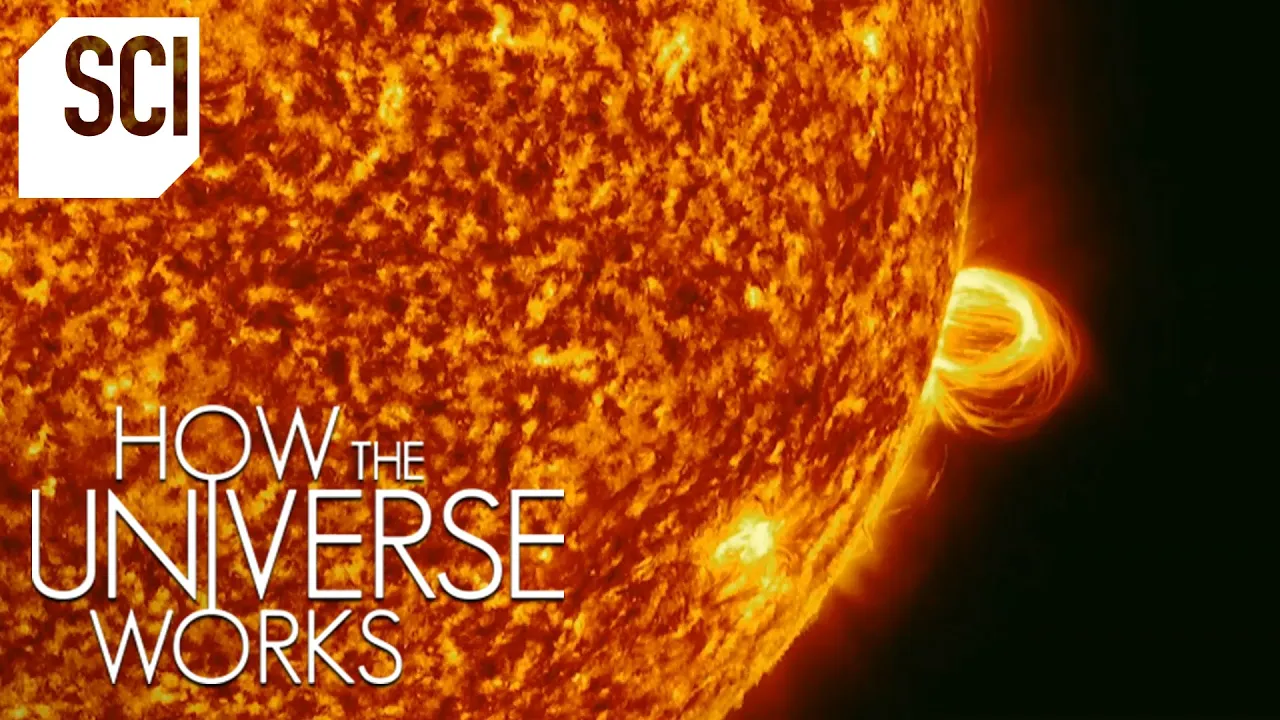








Solar storms are powerful eruptions on the Sun that release massive amounts of energy and charged particles, which can travel to Earth and disrupt modern technology including power grids, satellites, and communications systems; scientists study these phenomena using advanced technologies like NASA's Solar Dynamics Observatory to better predict and prepare for potential impacts on Earth's infrastructure.
Solar Storms and Space Weather: Science of the Sun's Fury
Added:Basic solar anatomy, specifically the nature of the solar corona and the 11-year sunspot cycle.
The structure and function of Earth's magnetosphere and how it shields the planet from solar wind.
Fundamentals of electromagnetism and plasma physics, particularly how charged particles interact with magnetic fields.
An understanding of the electromagnetic spectrum, including high-energy emissions like X-rays and ultraviolet radiation.
Technological mitigation strategies, such as safeguarding power grids and satellites from Geomagnetically Induced Currents (GICs).
Space weather forecasting and the telemetry used by heliospheric observatories like the Parker Solar Probe and SOHO.
The biological impacts of cosmic radiation on astronauts and the engineering challenges of radiation shielding for deep-space exploration.
Exoplanetary space weather and how stellar winds from different star types affect the habitability of orbiting planets.
589.3K views4.3Klikes44:24Original Release: 2024-08-11
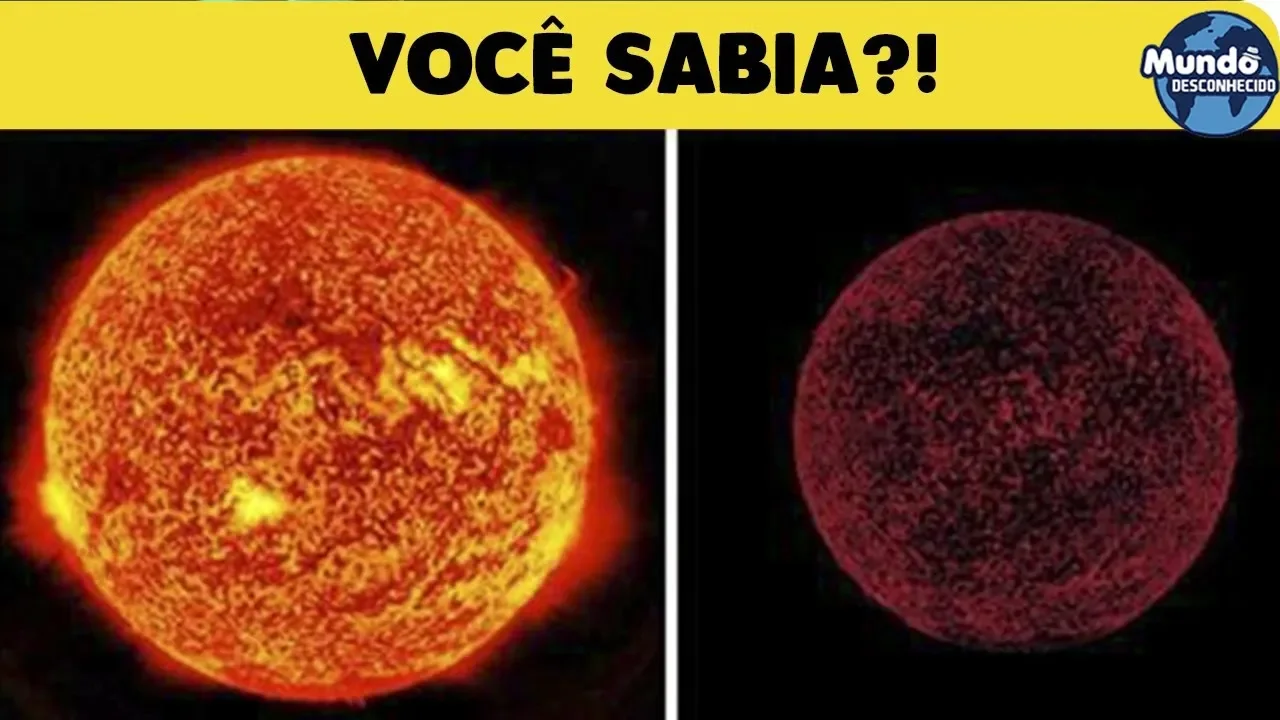
[Music] it's an alien landscape where magnetic tornadoes twist upward tens of thousands of miles mysterious dark spots large enough to engulf the Earth EB and flow and violent eruptions shoot tons of charged particles into space at speeds of over 2 million mph this is not some strange World on the other side of the Galaxy this is our sun and now new technologies are allowing us to see it like never before [Music] the team at the National Space weather prediction center begin their day as they usually do carefully watching the surface of the Sun okay 10 cm came in today although 93 Million Miles Away horses here can impact Earth in surprising and destructive ways for the smaller the m6 for the m6 you see this the very first one is the m six today after years of relative calm a satellite detects something a dramatic explosion on the sun's surface a violent solar storm that would dwarf Earth is erupting releasing a massive shock wve hurtling towards us at over a million miles an hour right now no one is sure what to expect but I I think that the m6 is going to get the team models the approaching storm oh 15z for the arrival of the CME this right there their simulation shows it racing out from the Sun on the left towards the small dot on the right Earth the solar storm carries a one two punch first is a solar flare releasing an outburst of x-rays that can reach Earth within minutes the second more ominous threat arrives a few days later a phenomenon called a a coronal mass ejection or CME it's a wave of billions of tons of electrically charged particles seen here in this repeating image as it ripples away from the eye of the storm together they could hit like a cosmic [Music] tsunami delivering a surge of radiation and an electrical spikee of trillions of Watts potentially crashing the power grid sound far-fetched in March 1989 in Quebec Canada that's exactly what happens one by one power stations crash disabled by the overwhelming power surge caused by a CME wave [Music] in less than 2 minutes 6 million people are left without power recently NASA's jimm green finds evidence that an even bigger solar storm hit Earth in 1859 and what we found was the granddaddy of geomagnetic Storms and that was just 150 years ago if we had a geomagnetic storm of that intensity today the National Academy suggested that the impact on critical infrastructure could be catastrophic and the big big concern is the electric power grid the massive electrical Surge from a CME wave could overload power lines and melt Transformers blocking out entire cities repair could take weeks months and even in the worst cas scenario the National Academy suggests it up to 10 years for a full recovery if that occurred if you can imagine a world without electricity you're really going back in time it's not just the power grid that's at risk more and more we rely on technology that could be affected by the sun global positioning satellites longdistance Communications airplane tracking astronauts in space Roger how does it look so there's an urgency in understanding what it is that the sun is doing what's it going to do next and how can we prepare for that and respond to it worried worried or not worried well I would be just a little bit worried give yeah concern right now we'll be watching it monitoring it very closely here in in the coming days [Music] we've gazed at the sun since Antiquity we've woried it and built entire cultures around its [Music] power we Marvel when it's eclipsed during the [Music] day and when its power lights up the night sky with dancing curtains of light the [Music] Aurora its power and size are awesome it is so huge a million Earths could fit inside it temperatures at its core soar to 27 million de F it's been shining for over 4 billion years and will do so for at least 4 billion [Music] more yet for something that has such an overwhelming influence on our lives the sun is mysterious How does the energy generated in its core reach us as sunlight what processes are at work inside the Sun out of these powerful inner working ings generate explosive solar storms the key to that explosive behavior lies deep beneath the sun's blinding [Music] surface until recently seeing inside the Sun was impossible understanding its internal processes a pipe dream but an accidental Discovery changes everything until the 1960s much of solar physics relied on things that were like solar Dermatology it was it was things that were right at the surface or or just skin deep but as physicists study the sun in more detail they make a surprising discovery the surface seems to be vibrating like ripples on a Pond initially they think the vibrations are the result of defective instruments they couldn't get rid of them they built better instruments the ripples were still there they looked at it for 10 years and they conferences they all talked about it and they harped but what it turned out to be was just sound waves it is an astonishing Revelation no one one expects that the sun can generate sound waves it leads scientists to see the sun in a completely new way our sun vibrates like a giant pipe organ but instead of air producing the notes churning gases deep inside send sound waves Rippling through its interior because a s sound wve changes as it moves through different material we can look at the different frequencies and determine what's happening inside the [Music] Sun it is a powerful tool to see beneath the sun's surface studying the Sun sound waves reveals a complex multi-layered machine directly beneath its blazing surface is a zone of Perpetual churning next is a layer where light takes thousands of years to cross at the center is the sun's core it's the smallest region but it's over 25 times the diameter of Earth this is the PowerHouse of our star everything we experience on Earth sunlight Heat and the effects of solar storms starts here so what's it like here what's the core made of the sun's a crazy place right it's far too hot to be a solid we know that heat it up it's far too hot to be a liquid and so you think well it's a gas right well not really it is this gaseous soup of charged particles that we call plasma you're more familiar with this soup than you might think there are plenty of examples fluorescent light bulbs Flames neon lights but plasma is radically hotter at the Sun's core the closest thing on earth is [Music] [Applause] [Music] lightning during thunderstorms electric charges build up creating lightning bolts that reach tens of thousands of degrees that's pretty hot but it's nowhere near as hot as in the core of the Sun so if you to travel into the core of the Sun the plasma would be 15 million de as the sun formed hydrogen gas at its heart was crushed under the weight of the material above eventually temperature and pressure Rose so high the hydrogen atoms broke apart into electrons and protons creating plasma and it's under these extreme conditions that something really really cool happens nuclear fusion it's the same atomic process inside the hydrogen bomb under tremendous pressure protons in the plasma fuse together releasing photons minuscule packets of heat and light an unimaginable number of photons are made every second generating the sun's incredible power some of which reaches us as sunlight this Atomic Alchemy converts over 4 million tons of mass into energy every second in an endless loop that much mass into energy is the equivalent of 10 billion hydrogen bombs being created every second the sun does this day in day out it's been doing it for 4 billion years and it's going to continue to do so long after I'm gone [Music] the force of billions of bombs is detonating in the core every second this begs a simple question so you could ask well why doesn't the sun blow itself apart it's because there's this beautiful balancing act that occurs in the core of the Sun you've got this pressure from all of this Fusion pushing outwards and the Sun is huge so you have all this gravitational pressure pushing downwards and so you got gravity pushing down and the sun trying to blow itself apart from the inside and it is this beautiful Balancing Act between the two that keeps the sun in one piece this light born at the core reaches us after a remarkable Journey away from the core pressure and temperatures drop and nuclear fusion stops now each Photon begins a tedious Journey Through the sun's thickest layer of plasma a region called The radiative Zone although squeezed less than at the sun's Center the plasma is still very dense and photons struggle to move move through it each packet of energy is continuously absorbed then spat out by the plasma particles though moving at the speed of light 186,000 m a second it takes photons over a 100,000 years to cross the Zone eventually the photons reach a boundary where pressures drop again the plasma Thins and moving through it gets easier the photons still pack a lot of energy now they leak out into the convection Zone heating it from below these incredible images reveal convection at the sun's surface Rising and sinking plasma that creates a mesmerizing structure called [Music] granulation photons produced at the core finally reach the surface they emerge as a weakened form of solar energy this weakened energy reaches Earth in 8 minutes we know it as sunlight so 100,000 years about a month and then 8 minutes once you get to the surface of the Sun it just takes 8 minutes to get to where you can see it unimpeded the trip from the core to the surface would take the photons a matter of seconds in reality the sunlight that shines on us today may have been created during the last ice age energy reaching the sun's surface doesn't just result in sunlight it can also trigger solar storms understanding the sun's destructive power requires 24hour Precision surveillance something that until recently was impossible to achieve five four go for m engine start 3 2 1 zero and ignition and liftoff of the atlas 5 with the Solar Dynamics Observatory February 2010 NASA launches its most sophisticated solar satellite yet the Solar Dynamics Observatory or sdo for [Music] short up on [Music] one sdo is the first satellite to deliver almost continuous super high resolution coverage of our nearest star giving researchers unprecedented access to the Sun and its Secrets the first day was very exciting we knew we were we going to open our doors that actually let the sunlight into the instrument for the first time we started looking at the first pictures and it was almost in focus and as soon as we focused it it was just beautiful the new images reveal the sun like never [Music] before an alien landscape where Str strange structures EB and flow giant tornadoes hundreds of thousands of miles high that could easily engulf the Earth and superheated Bubbles of plasma the size of Alaska when I look at the pictures I think they're really beautiful I'm struck by the Dynamics of it things are changing all the time no matter where you look and I'm also pretty daunted by the complexity of it all that's not surprising previous satellites only revealed a portion of the Sun in high resolution now they see it in mindboggling detail now in order to look at the Solar Dynamics Observatory images that we're bringing in every day we've built this very special wall which is nine highdefinition television screens together that can display these images so that the instrument and the display system together are are an entirely new way of looking at the sun one of the most important aspects of sdo is its ability to see sunlight across a range of wavelengths the equivalent of looking at things glowing at different temperatures was what we looking at our eyes are most sensitive to sunlight glowing at around 10,000 de F at this temperature the sun's surface looks almost featureless but at hotter wavelengths normally invisible a far more Dynamic picture emerges the February 15th 2011 storm is a perfect example in this repeating image at around 990,000 de F sdo captures just a ghostly trace of the CME wave but at just over a million deg the super hot plasma Rippling away from the eye of the storm is much clearer this allows researchers to see coronal mass ejection waves evolving across the entire Sun this is an absolutely amazing time for solar physics because of these beautiful high resolution images that allow us to to understand better the physics behind what's going on when solar storms are erupt was that one last back at the National Space weather prediction center that's the M1 Bill MTO tracks the storm's CME wave it carries a billion tons of plasma and is now only about 20 hours from Earth we're bringing it in uh um mid to late on the 17th into the what they see is alarming well there's actually three CMU that we're looking at so we bumped up some numbers for late tomorrow yeah it's not a single CME wave but one two three of them we won't call it the perfect storm yet or anything but conditions are are lining up for some significant space weather their models show trajectory and speed but the big unknown for mytto is how powerful the waves will be when they hit the answer lies in a force that governs the sun magnetism Earth has a magnetic field that protects us against threats from the Sun but we are less familiar with the sun's magnetic power which researchers believe plays a major role in driving solar storms astronomers know that the surface of the Sun spins in a strange way travel from the poles of the sun towards its equator and you'd notice it turns faster analyzing sound waves inside the Sun reveal that the plasma layers beneath the surface also spin at different speeds that's because they act like fluid which gets denser towards the core the interior of the sun is a place of spectacular turmoil turmoil that's the key to the sun's magnetism the Motions there the convection the differential rotation the motion from equator tole are driving a new Force they're driving a magnetic field there's a Dynamo at work here a Dynamo that's generating a force that we actually experience here on the earth it works like a giant wind turbine churning Plasma in the convection Zone stirs up powerful electrical currents which generate a huge mag magnetic field have UPF flows here and down flows coming down this way right there's are down gra for scientists is understanding exactly how this Dynamo generates solar storms the clue lies deep within the convection Zone magnetic field lines normally run from pole to pole but with all the turmoil in the convection Zone that pattern can't last rotating layers stretch them horizontally convection twists and braids them under immense strain they begin to Kink upwards towards the surface even though the magnetic field lines themselves are invisible the plasma which is heated and hot can light up along these paths in maybe the same way you could think of a highway and at night you wouldn't see the highway at all but with the cars with their headlights on you'd see the path of the highway watching field lines is critical to understanding solar storms as field lines emerge they form loops one end has a positive pole and the other a negative pole churning plasma beneath the surface twists these Loops pumping them with energy if Twisted enough positive and negative parts of the loops cross when they do they short circuit with a tremendous explosion the energy released heats the plasma to millions of degre de resulting in a spectacular solar flare It's the final dramatic stage of a very long journey photons formed in the core make their way to the surface some pass directly into space as sunlight but in the process that surging enery energy disturbs the convection Zone generating a magnetic field the field lines wind up to the point that it explodes in a solar flare now sdo provides a complete and unprecedented picture as these events evolve this is beautiful because the hot gas outlines the the magnetic field lines that we would otherwise not be able to see and here you can see even a twisting structure as some of the mass drains back down to the surface and a lot of it Escapes in the eruption this is the essence of space weather or solar storms this explains how flares form but it's not the end of the story Crossing magnetic field lines can cause Nets of plasma to be flung into space this is a coronal mass ejection a CME wave the portrait of how solar flares and CME waves form is coming into Focus but a key question [Music] remains CME waves can travel 93 million miles to Earth in a matter of hours so what gives them such explosive [Music] energy part of the answer is hidden here in the sun's atmosphere the corona it's made of super hot plasma that blisters at over 3 million de F 300 times hotter than the sun's [Music] surface some scientists suspect that this heat Powers massive gusts of energy that blast CME waves toward Earth at incredible speeds but why the corona is so hot is an enduring mystery understanding it's essential if we want to get to the bottom of how the Sun drives space weather and the impact of the sun on the earth the fact that the corona is so much hotter than the surface flies in the face of physics the sun's Corona is a very odd place take this fire for example as I put my hands close sure it's warm but as I pull them away it gets cold that's not the case on the Sun at all as you go in close it's definitely warm but as I pull away it actually is warmer still recently Japanese investigators observe High Velocity Jets of plasma shooting up from the near surface Macintosh suspects these Jets deliver heat to the corona but he doesn't have a way to confirm it visually until he turns to sdo for help lo and behold we actually managed to join the dots and see yeah these objects that we could see moving out of the lower atmosphere at high speeds kind of like these licks of flame really were reaching a couple of million degrees it was really a tulous moment we kind of looked at each other and said wow what have we just done they've shown that the plasma Jets accelerating upwards from near the sun's surface generate tremendous heat as a result temperatures in the corona soar to 3 and2 million de if confirmed it represents a huge leap forward in understanding C [Music] Behavior the immense heat of the corona acts like a wind in a raging Gale it's constantly pushing on the plasma draped on the field lines billowing them out like sails pulling on a mast like solar flares when magnetic lines cross there can be an immense explosion in this case the lines are cut and the sail whips off into space loaded with a billion tons of Highly charged plasma the CME wave can havoc on electricity dependent Earth at the national Center for atmospheric research this violent event is captured by satellites no to see the CME we need to create a little artificial Eclipse to do that we block out the light from the disc of the Sun and that's this little circle here but what that allows us to do is to see this extremely faint high speed thing shooting away from the Sun this one moves about 1,000 km/ second by enhancing the picture and slowing it down it's possible to see the shock wave moving at over 2 million [Music] mph though we have a better understanding of what causes solar storms and how they reach us there is still a final pressing problem trying to predict when solar storms are going to occur on the sun really requires a lot of detective work basically we're looking for Clues and observations to uh tell us when potential storms might occur the best clue comes from these sunspots dark patches which can Linger on the sun's surface for weeks at a time a sunspot is a massive region several times the size of the Earth which appears on the Sun as a dark spot it's dark because it's relatively cool compared to its surroundings and it's cool because the magnetic fields are so strong that they're supressing the flow of heat from below the strong magnetic fields which create sunspots are the breeding ground for solar storms the challenge isy trying to decipher a pattern for when and how many will appear as we watch sunspots over a period of many years we see something very interesting the number of sunspots at any given time will wax and wne over a period of about 11 years and since we now know that sunspots are associated with strong magnetic fields this tells us that the sun's magnetic fields are likewise going through a cycle the constant churning and twisting inside the Sun creates a powerful Dynamo the biggest electrical generator in the solar system the magnetic field lines it produces get so wound up that roughly every 11 years the magnetic poles of the sun reverse after that calmer magnetic activity prevails and fewer sun spots form a period called solar minimum but because of the sun's turbulent nature the field gradually winds up again as it does magnetic outbursts are far more common a period called solar maximum the solar cycle actually determines the personality of the Sun during solar maximum it can get very angry and it can throw off solar storms that are sometimes directed at the Earth and during solar minimum it becomes much more subdued there aren't as many Sun sun spots are as many solar storms occurring the activity cycle basically determines how the Sun is going to act prior to the solar storm of February 15th 2011 things were pretty quiet on the Sun but that Outburst marks an ominous Turning Point the sun's magnetic activity is winding up again as it heads toward solar Max just a few days ago bill myto and the team at the space weather prediction center witnessed the ter the arrival of the X2 okay and the m6 if it comes in with any Geo effectivess uh between 12 and 1800 so that's what we're seeing here it's now time to let the world know what it might expect nothing higher in the next couple of minutes here we're going to have to make a decision and make the prediction that this chronal mass ejection is going to arrive at whatever time tomorrow and the CH the geomagnetic storm will sue of course once it arrives with the event we had uh Merton knows that the severity of the storm depends mainly on two things how strong the cme's magnetic field is and at what angle it hits Earth's Own magnetic field CME waves approach earth like a slowly rotating Shield one end is positively charged the other negative with magnetism Opposites Attract and light poles repel if the wave's positive pole lines up with the Earth's positive pole most of the power of the storm will be repulsed but if opposite poles line up the plasma the waves are carrying will hit with full force did you say it came in at 115 114 mytto makes his final assessment only hours before impact it could be larger more complicated typically than just your single nailed the forecast okay it I I'd like to think so so according to the observations the CME wave will be repelled we don't expect it to be too strong we'll see modern storming levels which is good enough to produce some je some Aurora Borealis down in the United States down along the Canadian border Northern Tier States and it will cause some minor problems to the power grid and whatnot space weather for the next 24 hours is expected to be minor radio blackouts reaching the R1 level are expected this time we dodged a bullet but disturbing evidence suggests the Earth will not not always be so lucky it's a cautionary tale NASA's Jim green discovered it while researching a book on the American Civil War at the Library of Congress green found news accounts from 1859 which caught his eye I would run across articles about Aurora fabulous Aurora and this really piqu my interest because it's in my field it seemed as though the armies of Heaven were engaged in terrific though noisess conflict this terrific aspect soon subsided into a more beautiful and Brilliant appearance a few of which I can only refer to the reports tell of aoras so bright miners in Colorado wake up and go to work thinking it is Dawn other accounts tell of a more harmful impact on the lone electrical system of the day the telegraph one for instance uh because of the induced current on their system overheated the battery and started a fire nearly burnt down the telegraph office another uh operator was burnt so badly he ended up into the uh Hospital green uncovers numerous reports of Aurora seen not only across the United States but around the world the evidence is clear Earth was struck by a super storm in 1859 the result of two massive CME waves those two storms were not only enormous but they happened one right after the other No One Alive has seen anything like it on the day before the waves hit a British astronomer observes a giant Sunspot group light up with two massive flares the second CME wave hit 18 hours later allowing green to calculate its speed 5 million mes an hour plowing into Earth at almost four times the speed of the February 15th 2011 CME waves using the various reports green is able to reconstruct the 1859 storm the accounts suggest that the polles of the CME waves were aligned and instead of being repulsed the waves hit with full power the charged particles funnel down into the atmosphere electrifying it like a giant neon sign producing dazzling Aurora displays the storm is so intense Earth's magnetic field all but collapses millions of tons of plasma spill towards the equator and a powerful electric surge pulses over the globe for the largely pre- electrified world the moment passes with minimal damage [Music] that might not be the case today it has the um potential of knocking out power grids and if it burns out Transformers that are hard to replace we may be without electricity in many areas for a very long period of time there's only a few places that make these 125 KT Transformers take several months to make them and if you burn out half of them we're going to be shooting squirrels and chopping wood out the backyard for a long period of time just to survive it grew Everything grows but the 3DS really brings everything today's solar scientists believe it's not if but when the next big one will strike can we predict when the next solar storm will hit maybe and the reason why is we've learned so much about the sun we're getting better at it but we have a long way to go and the more we look at some of these historic events the more we get a deeper appreciation for what we need to [Music] know today we see the sun better than ever before we're beginning to understand it from the inside out but its unpredictable personality means there will always be uncertainty when living with a star [Music]
Up Next
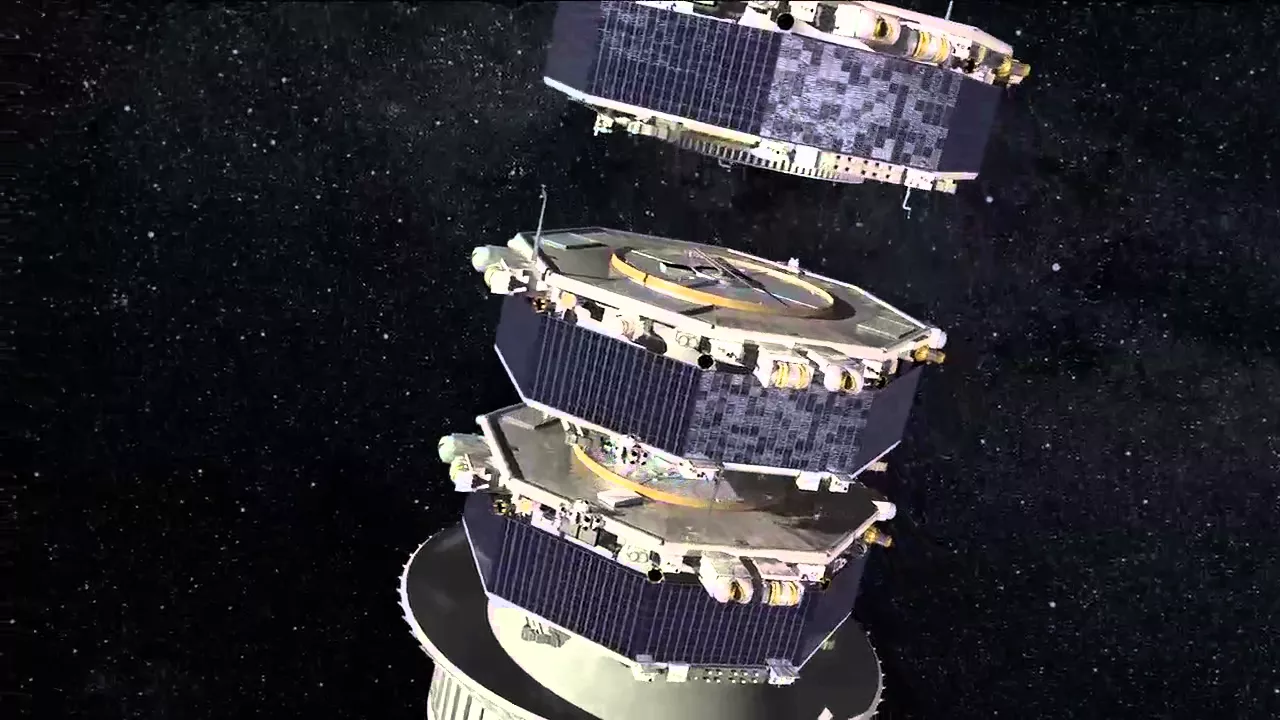
36:11
NASA's MMS Mission: Understanding Magnetic Reconnection | Scientific Exploration
@NASA
13.8K views•2015-02-25

12:53
21cm Hyperfine Transition in Neutral Hydrogen: Radio Astronomy Basics
@AaronRobertParsons
12.4K views•2011-10-13

32:32
NMR Spin Physics I: Zeeman Effect, Resonance Condition & Larmor Frequency
@nptel-indianinstituteofsci8064
2.3K views•2024-01-17

27:14
Entropy and the Second Law of Thermodynamics Explained
@veritasium
27.5M views•2023-07-01
Related Study Plans & Knowledge Roadmaps
Structured learning paths in Physics
physics
Nuclear Physics (Decay, Fission & Reactors)
01Atomic Structure and the Binding Force
02Radioactive Decay and Half-Life
03Nuclear Fission Mechanics and Chain Reactions
+ 2 more learning modules
12h5 modules
Explore Roadmap
physics
Soft Matter (Polymers, Colloids & Rheology)
01Foundations of Soft Matter & Thermal Forces
02Polymer Physics and Macromolecules
03Colloids, Surfactants, and Self-Assembly
+ 2 more learning modules
38h5 modules
Explore Roadmap
physics
Analytical Mechanics: Lagrangian & Hamiltonian
01Mathematical Foundations: Calculus of Variations
02From Newtonian Mechanics to Constraint Dynamics
03The Principle of Least Action & Lagrangian Mechanics
+ 3 more learning modules
28h6 modules
Explore Roadmap
physics
General Relativity (Spacetime & Cosmology)
01Foundations of Relativity: Special Relativity
02The Geometry of Spacetime: Equivalence Principle & Curvature
03Einstein's Field Equations: The Mathematics of Gravity
+ 2 more learning modules
55h5 modules
Explore Roadmap