














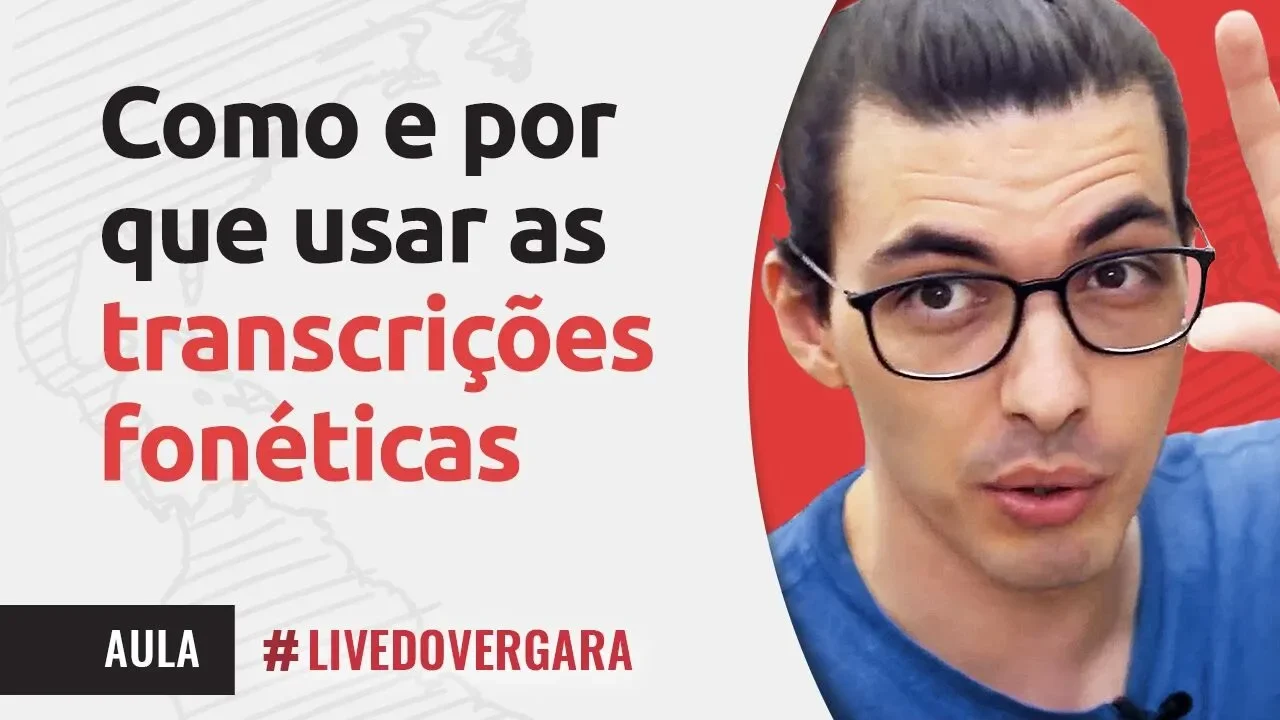


This video introduces the International Phonetic Alphabet (IPA) for transcribing English speech, using the British English phonemic chart containing 44 sounds (12 monophthongs, 8 diphthongs, and 24 consonants). The presenter demonstrates how to transcribe individual words like 'my,' 'friend,' 'has,' 'an,' and 'elephant' by identifying their constituent sounds, then explains syllable boundaries using periods and word stress using an apostrophe-like mark. The video further explores weak forms—where unstressed words reduce their vowel sounds, particularly to the schwa (/ə/), as demonstrated in the sentence 'my friend has an elephant' versus its natural speech version.
IPA Transcription Tutorial: Weak Forms & Word Stress
Added:Familiarity with the International Phonetic Alphabet (IPA) symbols for English consonants and vowels, particularly the schwa (/ə/).
Understanding the distinction between broad (phonemic) and narrow (phonetic) transcription.
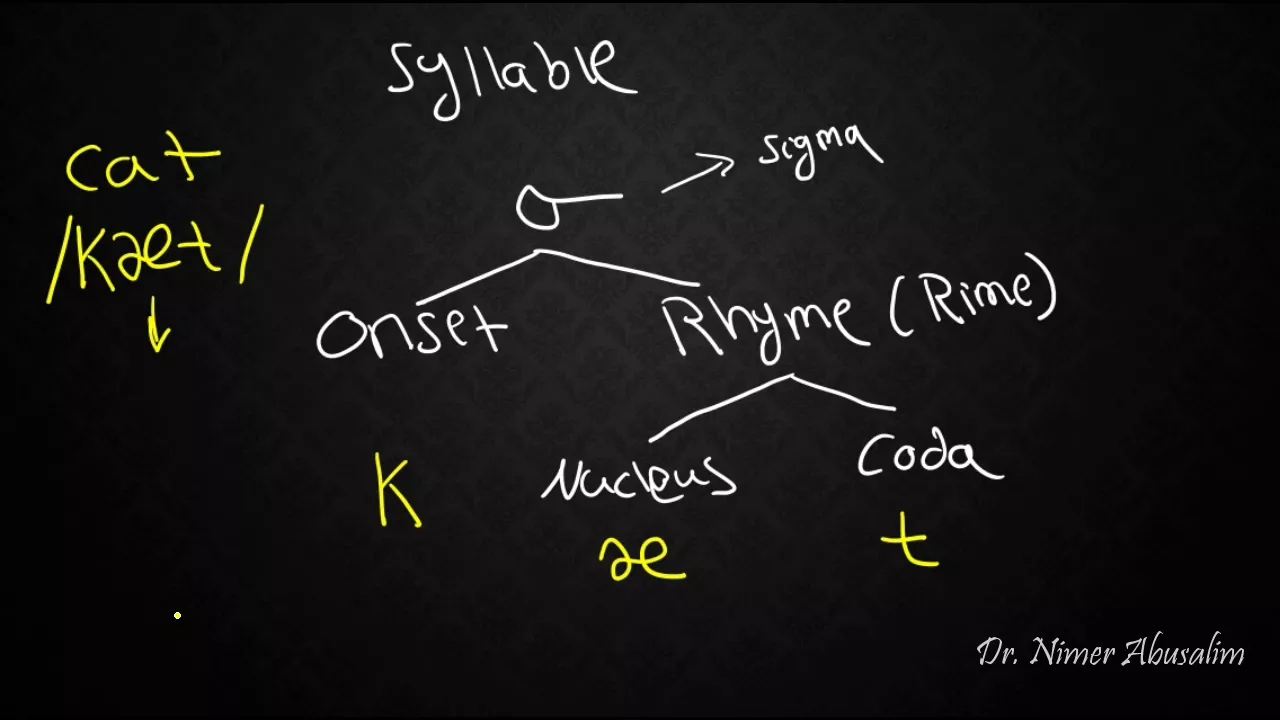
Basic knowledge of English syllable structure, including the concepts of onset, nucleus, and coda.
An understanding of the grammatical distinction between content words (nouns, verbs, adjectives) and function words (pronouns, prepositions, articles).
Mastery of advanced connected speech processes, such as assimilation, elision, liaison, and intrusion.
Exploration of suprasegmental features, including sentence-level stress, rhythm, and intonation contours (prosody).
Comparative phonetic transcription across major English dialects (e.g., Received Pronunciation versus General American), focusing on variation in weak forms.
Application of phonetic transcription in fields like clinical speech-language pathology or English as a Second Language (ESL) pedagogy.
202.9K views4.8Klikes15:14Original Release: 2022-03-10
hi everybody it's billy here and in this video we're going to have a look at transcribing in ipa using the british english ipas sound chart this video is part one so we will start off easy when we use sound symbols from the ipa to write down what somebody said we call this a phonetic transcription and like i said we will use the chart for british english the chart looks like this can see all the sounds for british english if this chart is new to you and you want to learn more have a look at my separate video on the phonemic chart i will link to it in this video and in this video i explained it in a lot of detail but to quickly summarize the chart is organized into monophthongs those are the single vowel sounds diphthongs in orange the double vowel sounds and also consonants now in total we have 12 monophthongs eight diphthongs 24 consonants and together that makes 44 sounds and this chart is the most common one in europe i would say for british english most course books and most publishers and websites will use a chart that looks like this with the same symbols maybe sometimes slightly differently arranged there's just one little difference quite a lot of the newer charts do not include the diphthong or and that's the one that i'm pointing to here so you might just see seven diphthongs and in total 43 sounds we won't need to use the stiff thumb in this video so let's make a start we're going to transcribe the following sentence my friend as an elephant so i've written it down here and there's a little image to illustrate the meaning of the sentence my friend has an elephant and we're obviously going to transcribe the sound what i'm saying my friend has an elephant let's make a start we're going to start with the word my my so we've got two sounds here um first a nasal it's a consonant you can see it at the bottom of the chart my i i is the next sound and i is one sound but it is it is a diphthong it's a double vowel sound it looks like two separate sing symbols but really it is classified as one sound there's movement here my all right okay so first word done now there's sometimes a little difference in the way the the a the sound symbol for a is transcribed and i show you both variations here it really doesn't matter which one you use it's the same sound i let's have a look at our next word and just listen to the pronunciation friend friend and spelling is not that logical because we've got an eye here that we don't really hear it's just a friend so let's transcribe it first of all we have a consonant it's a fricative and then we have for so the next one is another consonant it's for next we have friend fri eh a vowel sound it's a short vowel sound friend friend and then next we have another consonant a nasal friend and the last one is also consonant de friend friend when you have a look now at the phonemic transcript for friend you probably think well wouldn't that make much more sense for the spelling yes i think it would i agree unfortunately the spelling has an eye in it next we have the word has our verb has so first of all there we go here's our her consonant sound has so we've got a vowel sound here it's quite wide open it's not the same as an uh as in friend it's has you have to open your mouth a little bit more has it's an e has and then the next one z has it's a consonant it's a voiced fricative z has has right okay some of you might now think wait wait wait wait wait is this really what we say we will get to that in a moment at the moment we're just going to transcribe the words individually and then we'll see what happens when we say them fast in a sentence and maybe that word will change next we have our article n [Music] an indefinite article and the first sound e is a vowel sound it's actually the same that we just had for has and then obviously so it looks fairly similar to the spelling n and then we've got the next word elephant elephant so we'll start with a vowel sound e and next we have a consonant a lateral l and then the next one i know for the spelling there's an e but listen carefully elephant elephant it's not quite the same sound as at the start of the word this is actually an e elephant and you just relax everything make a short sound elephant elephant and then the ph is f sound that's our fricative elephant and now listen carefully to the last syllable here elephant fund fund the next sound is very short the very special sound it's the schwa sound uh the central vowel sound it's a very important sound in english if you don't know anything about the schwa watch my other video on the schwa it's a really important sound and it pops up here so elephant and next we have and then we have our plosive unvoiced plosive elephant now this is the first word and also the only word in our little sentence that consists of more than one syllable so let's just have a look at the syllables in total we have a le fund elephant so if you are unsure about the syllables or how to find them remember you can clap them out you can also use what i like robot voice there you go three syllables really easy if you want to learn more about word stress watch my other two videos on how to find word stress now we have three syllables and in phonemic transcript you can show the syllable boundary by putting a period mark in between the syllables very often you will see this in dictionaries and then obviously when we have more than one syllable we also need to decide where to place the main stress so i'm going to say the word naturally i want you to listen and tell me where the stress is elephant elephant where you're able to hear it if you're watching this live you can put it in the chat box elephant which syllable has the main stress it is the first syllable yes and if you want to show the stress in a phonemic transcription what you use is this little mark looks a bit like an apostrophe i've put an error to it so you can see it because it's quite small and you put that at the start of the stressed syllable so that indicates the next syllable is stressed and so for us that is the first syllable elephant it's not elephant or elephant no it's elephant all right so here is our entire little sentence my friend has an elephant now obviously we do not really say the sentence word for word this is a complete sentence and a natural speech it would probably sound more like this my friend is an elephant my friend is an elephant something happens here now we need to have a look here at weak forms weak forms are words that are reduced in their vowel sound that could be a long vowel sound being reduced to a short one and very very often those vowel sounds are reduced to a schwa sound our central vowel sound now why does this happen again that happens because of the rhythm and sentence stress of english some words carry stress those are words carrying content and meaning and other words do not carry stress they are unstressed so if we have a look at the sentence stress using sentence using stress bubbles you can see that two words carry stress in the sentence and that's friend and elephant because those words are important they send the main message now the pronoun my might be a little bit more stressed than has an n but it doesn't carry the primary stress but the diphthong i is hardly ever reduced to schwa so even though this word isn't stressed it is not reduced to weak form so we have my friend has an elephant i'm exaggerating a little bit but you can see each of the bubbles represents one syllable the small bubbles are unstressed syllables and the big bubbles are stressed syllables listen again my friend has an elephant so friend and l in elephant have the main stress the other words and in particular has and the word n will be reduced to weak forms so what's going to happen now is that the vowel sound in both of those words the e will be reduced to a schwa and the words appear in their weak forms and that looks like this my friend has has an my friend hasn't my friend has an elephant my friend has an elephant an elephant hopefully you were able to hear the difference the vowel sound is just shorter it's not as wide open and the words obviously aren't stressed now there might even be something else happening here in the word has we might also drop the h in has that is possible and then we have an even more reduced form as is my friend is an elephant my friend is an elephant and you might think does that not sound like my friend is an elephant it does almost obviously the verb is is usually just reduced to z my friends and elephant however that wouldn't make a lot of sense and the context usually explains that this friend is not an elephant but has an elephant as a pet so there you go um so let's listen to it one more time my friend's an elephant sorry i said it wrong now once more my friend as an elephant my friend is an elephant hopefully this was clearer and hopefully this was helpful now i have a little test for you and here is a sentence that i think you should try to transcribe have a look i have two cats and a dog now there are some weak forms in the sentence i won't say which words um you can transcribe it word for word or i would say um say it naturally and listen carefully what happens and then see if you can transcribe it showing the weak forms you can use a phonemic transcript website to transcribe using the symbols because they're not on the keyboard i will link to one in my description box below and then put your transcription into the comment section below and i promise to read over them and give you feedback well hopefully this has been helpful if you have any questions about transcriptions or transcribing using the ipa put them in the comments below and i'll be happy to answer you
Up Next
2:11
5 Stages of Language Acquisition | Child Language Development
@Dr.Andy.Reading
144.2K views•2015-08-06
36:52
Constraint Interaction in Optimality Theory: Epenthesis & Deletion
@Vidyamitra
180 views•2018-08-20

14:20
Syllable Structure Explained: Onset, Nucleus & Coda in Phonology
@BillieEnglish
103.2K views•2023-05-26

21:32
Accent Expert Explains U.S. Regional Dialects | Part 1
@WIRED
9.3M views•2021-01-21
Related Study Plans & Knowledge Roadmaps
Structured learning paths in Linguistics
linguistics
Optimality Theory: Tableaux & Constraints
01Phonological Basics: Sounds, Syllables & Rules
02Foundations of Optimality Theory: GEN, CON, and EVAL
03The Constraint Inventory: Markedness vs. Faithfulness
+ 2 more learning modules
15h5 modules
Explore Roadmap
linguistics
Morphosyntactic Alignment: S, A & P Systems
01Foundations of Syntax: Transitivity and Arguments
02The Linguistic Variables: Mapping S, A, and P
03Nominative-Accusative Alignment
+ 3 more learning modules
12h6 modules
Explore Roadmap
linguistics
Analyzing Sign Language: Phonology & Syntax
01Foundations of Sign Language Linguistics
02Phonology: The Five Parameters of a Sign
03Morphology: Word Formation and Classifiers
+ 2 more learning modules
14h5 modules
Explore Roadmap
linguistics
Pragmatics: Speech Acts, Grice & Politeness
01Introduction to Pragmatics: Meaning in Context
02Grice’s Cooperative Principle & Implicature
03Speech Act Theory
+ 2 more learning modules
14h5 modules
Explore Roadmap