













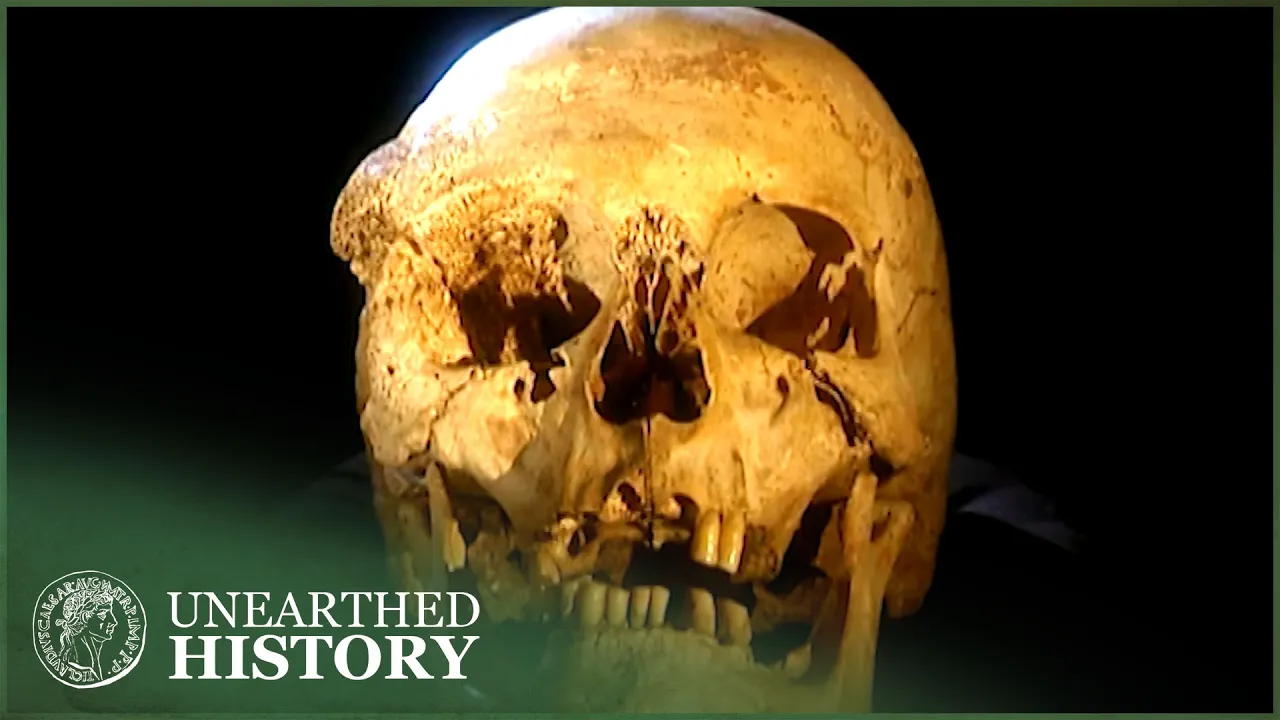









Archaeological investigation of a cave in Alveston, Gloucestershire revealed evidence of Stone Age cannibalism dating to the late Iron Age (approximately 2000 years ago), including human bones with distinctive fractures consistent with marrow extraction, alongside animal remains and pottery, challenging previous assumptions about Bronze Age Britain lacking cannibalistic practices.
Time Team: The Bone Cave | Iron Age Ritual Cannibalism Uncovered | Full Episode
Added:Chronology and culture of the British Iron Age, including social structures and the transition from the Bronze Age.
Basic principles of bioarchaeology and taphonomy, specifically how archaeologists distinguish between natural bone decay, animal gnawing, and human modification.
The unique preservation environment of cave archaeology and why caves served as significant ritual or domestic spaces in prehistory.
An introduction to pre-Christian Celtic religious practices, beliefs regarding the afterlife, and the concept of ritual deposition.
Advanced forensic archaeology techniques used to differentiate ritual defleshing and secondary burial practices from active cannibalism.
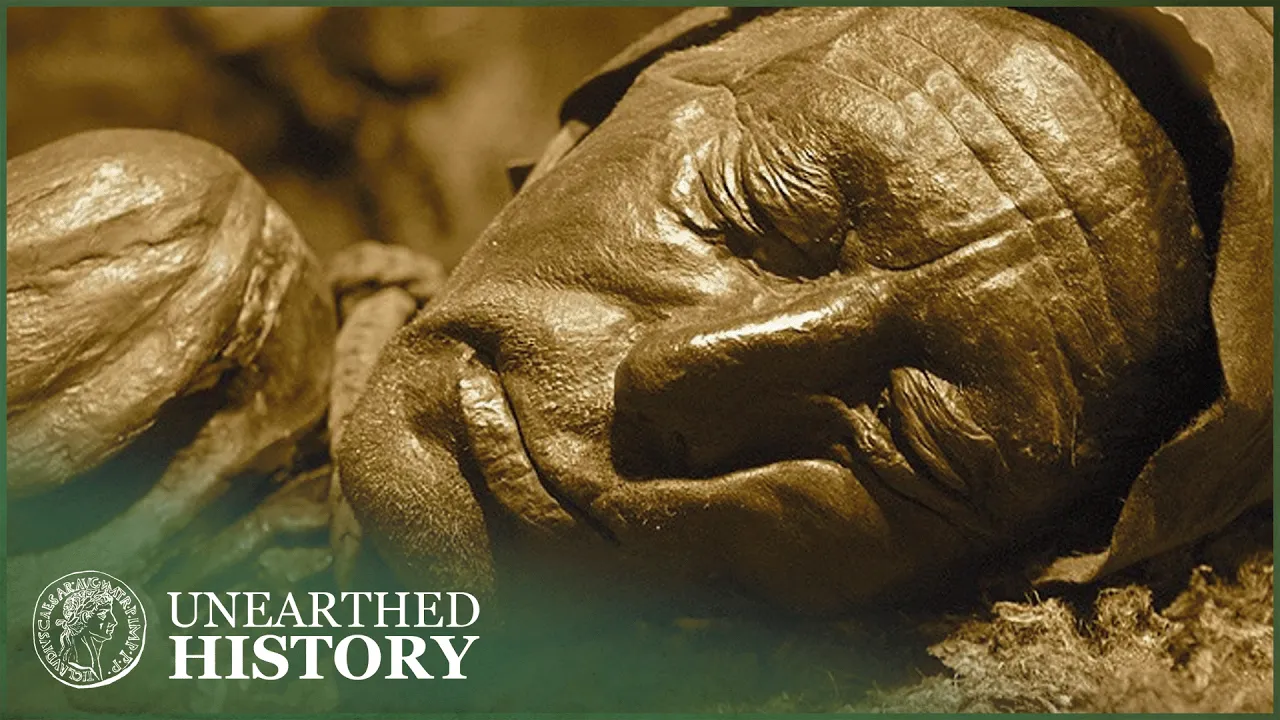
Comparative study of Iron Age ritual violence and sacrifice across Europe, such as the phenomenon of northern European 'bog bodies'.
The application of biomolecular archaeology, including stable isotope analysis and ancient DNA (aDNA), to determine the geographic origin and diet of the deceased.
Ethical and legal considerations in the excavation, curation, and public display of human skeletal remains.
347.7K views6.2Klikes48:52Original Release: 2020-08-12
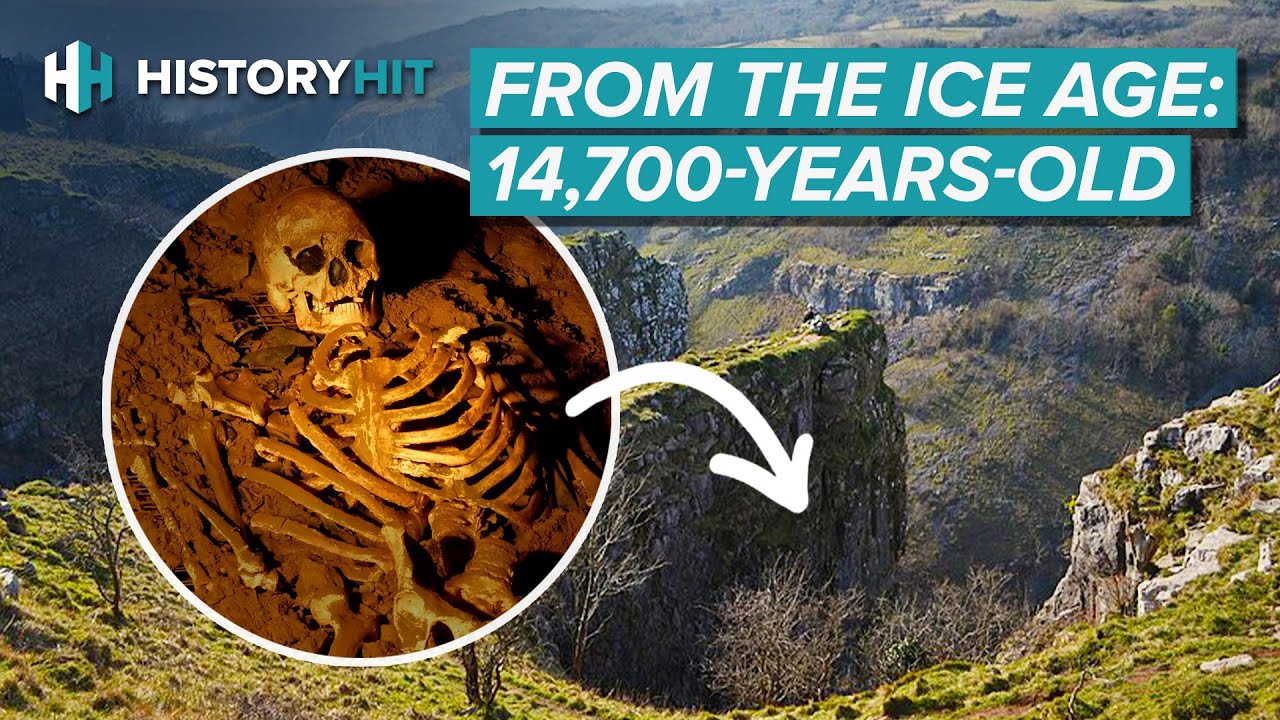
this tiny cave entrance in the village of alveston just north of bristol is the doorway to a great archaeological mystery about 40 feet below me down a narrow twisting shaft there's a natural underground chamber and recently two local cavers made a fascinating find there they found that the floor of the cave was littered with bones these are mainly cow and dog but they also discovered this human skull in fact they found the remnants of three different people along with these pieces of pottery which they think may be roman so what was going on here how did the bones get here were they washed down if so from where or were they deliberately placed here if so why time team have got just three days to find out [Music] the bones were discovered here three years ago and the local police were called in to investigate they quickly decided this was an archaeological not a criminal matter and the bones were passed on to a local archaeologist and he's been aching to dig here ever since well it's a very peculiar group of bones we've got humans in there we've got animals we've got a lot of dog bones they're all very fresh they've been looks as if they've been put down there deliberately deliberately what was going on well i think it's ritual oh yeah you're an archaeologist you always say that one you don't know you're saying they've actually been placed down there i mean you know these caves they do they act like glory for drains now any amount of stuff can get sucked down there but the bones are in good condition they're not they don't look as though they've been messing about in the fields do they are very fresh complete skulls are down there do we actually know anything well not very much but one thing we do know is the rough date we've had radiocarbon dates done on three bones one dog one cow and one human and they range between 170 bc and 120 a.d so it's about 300 years iron age into early roman the cavers do reckon there should be more bones down there how do we get them out well we'll have to go down and dig them out down that tiny little hole and actually record where they're lying photograph them and then bring them up and have a look at them see if they've been butchered or cut about or all that sort of thing when you say will have to dig them out who's going down [Laughter] first the entrance to the cave is at the bottom of an overgrown dell [Music] even today it's got a mystical feel to it and it's easy to see why mark is convinced that 2 000 years ago this was a sacred place you've got to cast your mind back into the ancient mind these were incredibly significant places it was the sort of the entry to the center of the earth this is where the gods lived all right let's let's assume you're right this is a ritual site how do we prove it well the first bit is actually the deposit itself to see whether there's for example how the bone's been cut up whether they've been put as whole carcasses whole humans or they've been chopped up in one way or another whether there's other artifacts with them ceramics ritual objects is one way or the other things that go with the deposit to find out what the deposit actually comprises that's the first way the other way is look at the landscape this is the key i think the understanding of this site people haven't done this before everyone have been down caves found objects and said gosh wow no one has looked out at the landscape as a whole what could be here well it's a sacred place would you fit a ditch around it to say this is holy this is profane you might also expect shrines if we're very lucky we might even find a temple the geophysics team are already on the case they're going to survey the land all around the cave but their first targets are the wooded area right by the dell and the field next to it [Music] you got to keep smiling all the way down you know because we've got clive here hi clive who's going to have the camera on you all the way i know we're ready jack yeah carrenza's guide for her first descent into the underworld will be jack randall one of the cavers who actually discovered the bones whether they were thrown or washed in the bones probably got into the cave down a wide shaft called a swallow that has since become blocked by a rockfall so to get to them karenza's got to squeeze down through a much narrower twisting shaft alongside it's a challenging descent okay that's it that's it carrenza what can you see on earth it's the spiders where there's kind of muddy sides of the cave it's a tiny space anyone who goes down here absolutely bonkers it it really looks impossible yeah the first 30 feet of the shaft is very tough indeed and after 20 minutes karen's still not reached the bottom carrenza is just actually squeezing herself through this empty part of the swallow and now she should have natural bedrock on one side and scaffolding holding up this main rubble on the other side of her and there it is which means it's only a short drop to the chamber itself tony it's really good i've just got down here can you see this it actually suddenly opens up into a sort of small cave and there really are static tights down here yeah be careful with those where are we going to dig it's just coming down and it's going to show me what we're going to be doing this deposit here is the bit that's got most of the bones in so that's undisturbed you haven't disturbed that we haven't gone down from this we've only disturbed it down to this layer this is sticking spoil here and the thing i've just slithered down is it this is spoiled heat and so this is sort of the general area that we'll be working right so what we need to do really start cleaning back onto this layer and working down through it easy though before we can start pulling bones out we'll need to get some more diggers down the shaft and that could take a while which is not a problem because there are enough bones above ground already to keep our bone experts andy current and margaret cox busy for the rest of the day andy these are the bones that the original cave has discovered aren't they yeah that's right what can you tell us about the animals well we've got a lot of dogs tony how many oh we've got about six dogs but that means quite a lot of bones um some of the bones go together we've got remains of single individuals we've got a little bit of cow a little bit of horse but there are rather more dogs than i'd expect considering the overall size of the bone assemblies what do you think might have caused all these bits to be in that cave my gut feeling is that it's a hole in the ground and people are chucking bits of animals in maybe some of the dogs are going in after the bits that's not as exciting as ritual is it no no sadly but it could be real life you know margaret you've been looking at the human bones haven't you what have you come up with here well we've got six individuals represented four of whom would appear to be female and one of the really characteristic thing about a lot of these bones is that they appear to have been gnawed so we've got nice sets of teeth marks that you can see on the bone there and these are actually probably caused by a rat and a lot of the bones are exhibiting those sorts of marks so you get the impression that these people when they died were left lying around and not treated with a great deal of respect leaving carcasses lying around to be gnawed by rats doesn't sound very ritualistic [Music] but it's early days and our cave excavation is finally underway though it won't be easy before they can even get to the bone bed the cave team have got to [Music] and because it may contain archaeology missed by the cavers every gloopy ounce must be carefully excavated then lift it to the surface for more thorough scrutiny [Music] each bucket weighs about 10 kilos and has to be manhandled up the shaft by a relay of cavers [Music] we've also had to build a ramp up the wall of the dell to get the buckets up the final 15 feet to ground level where the search for the small stuff takes place but it's not long before the first batches of spoil are speeding through the system well i must admit when we were doing the survey we thought oh this is almost a waste of time and and then we started seeing these coming out the swallowed hole is here and unfortunately there's a couple of pipelines really close into it um the rest of the orchard that doesn't appear to be any archaeology but once we come into this field i mean it looks to be chock-a-block full of ditches pits and then look at these responses really big anomalies what do we think this might be well it looks like ditches pits and maybe sort of occupation yeah probably settlement i would guess around here and the responses are strong enough when would you like to put a trench well it's more or less straight through this main big blob and pick up that ditch there where it's particularly strong we've actually marked it out already so where is it the ditch is over here about this direction that sort of line through here yeah and the blob down here so we're about in the center of it here okay so trench one goes in here about 50 meters from the dell the search for a perimeter ditch and maybe a shrine is underway but if this was a ritual site who were the people who might have worshipped here well looking at the radio carbon dates it does look as though we're talking about the people from the mid to late iron age and is that the celts what we would call the celts yeah so that's a fairly imprecise term and would they definitely have had rituals around caves well there's a certain amount of evidence that they would have done and not just around caves what's interesting about this wallet hole is that it does look to be very much a parallel with um iron age ritual shafts most of which are found in the southeast of england where you've got structured deposits thrown down very deep holes in the ground did the celts themselves depict any of these kind of activities well yeah if i can find it there's actually a very famous representation in a cauldron called the gunderstrop cauldron that was um found in a bargain jutland and it shows um in the relief round the cauldron the scenes of example of celtic religion on it in particular here we've got some form of deity um throwing in similar person into what's thought to be a hole in the ground like for instance our hole at the bottom of which the cave team have been struggling valiantly to get through the spoil to the real archaeology they've not found much yet but every now and then they uncover a tantalizing promise of what may lie underneath now that looks potentially human doesn't it katie what do you think it's a human shin bone our best find yet wow but it alone won't unlock the mystery we need bones with distinctive characteristics like cut marks fractures or evidence of disease and we need to establish whether the bones were thrown down as whole bodies or in bits [Music] luckily the caver's original hall seems to contain the sort of clues we need and a hazy pictures already beginning to emerge these bones aren't worn at all so it's probable that they were thrown not washed in and one of them has a particularly sinister story to tell this is the skull of a female and what we've got here is a very clear-cut case where this person received a fatal blow to the head i've actually sort of reconstructed her skull very with some masking tape here and what you've actually got is a massive injury to the skull here with these radiating fractures running off of it one there and one there but not only that and that was a very very hard blow this sort of cricket bat over the head with a lot of venom behind her and a lot of force she also had a blow somewhere on the front of her head how can you tell that well because you've got another radiating fracture coming along here and another one going off there which which actually don't come from here at all they come from something else and the really interesting thing is that the fracture going along here stopped when it hit the fracture going off from there now that tells us that this was the first blow and that this was the second blow horrendous i know but finding out whether this violent death was part of ritual or something more random is becoming increasingly challenging [Music] in spite of the crispness of the geophys results there's not a trace of archaeology in trench one now i agree but i i can't believe this isn't natural you know it's just so firm that i can't you can't believe it's not being moved about i don't believe this is archaeological there's not a sniff of archaeology in it there's not a find in it what about the ditch at that end no showing that at all yeah either it's not looking good but the obvious thing to do is still to dig out some more of it which they do but fine nothing the trench is soon abandoned yeah and in the cave where we know there's archaeology the team can't seem to reach it i can't do that from here but just when they tour about to give up for the day oh wow good good jesus this is human it's fantastic we're just getting through the digger's spoil and it should be down to virgin stuff tomorrow we just had something looks like a really exciting find come up literally just this second are you gonna show us what it is i think it's a human jawbone excellent excellent and how near are you to the bottom of the cave i think we're on it now so tomorrow we should be in virgin rockfall with hopefully lots more bones in it excellent end of day one maybe things aren't quite so frustrating as i thought join us after the break it's the beginning of day two and we're going to have to get into the undisturbed layers in this cave if we're going to be able to get a good assembly of bones to show to our forensics people corinthia how on earth do you know what's disturbed and what's undisturbed in this great sea of mud well it is a bit difficult but uh basically the disturbed stuff is much clearer you can see all this stuff here is just absolutely horrible it's just quite disgusting just gloopy clay but when you get below that you can see you take away the stones here we suddenly start hitting that it's quite sort of wet and shiny and really quite clean oh yes it's just like rubble yeah yeah just like rocks watery rocks really so that's our undisturbed layer there is this where we're going to limit the digging to well this is all this is the only area we dug in sofa but later on we're gonna extend and open up another area of digging just below the spoil hitch beyond katie there cool the cave's much bigger ash can you just shine yeah you can really see it's lovely well how big it is can't you to start with the team are going to concentrate on the area where carrenza is digging now they're through the spoil bones are sticking out all over the place and it shouldn't be long before we get them to the surface where after yesterday's empty trench gfis are in trouble all this response here it's just simply not a natural response this has to be archaeology from our point of view if this was all just natural then how on earth would we ever find any archaeology with these techniques what we want is another opportunity to investigate another linear and another area of noise if you still don't find anything then we'll go away and find another job well let's put a trench no i believe in geophysics we must put a trench across if you mark one out we'll take it let's do two two two come on just to be sure trenches two and three could hold the key to the site not to mention gia fizz's professional reputation i still got a job mick i'm not sure what do you mean you're not sure well i've got something totally different i've got a very thin layer of black burning charcoal and things like that it's everything worth a point you think so definitely and then when you get to here i've got really quite a sharp edge and the archaeology totally changes well that's certainly not natural is it no no not i mean it just looks even though it's only a thin layering that's going to give a strong anomaly so we want some cut features to go with it it's too early to tell what the burning might be but it's a start john's off the hook for the moment [Music] oh yeah it's it's a digit isn't it a finger or two more burn here as it sees a little bit here with a hole in the middle i don't know what that is it might even be eye socket or something the cave team have hit a rich scene they found rat bones evidence the bodies weren't left lying around but were gnawed down the cave and all around them are bits of human bits of cow but most of all bits of dog so it's a dog tooth i think what's all this business about dogs we found evidence of at least six already yes this just seemed to be some possible evidence of a regional dog cult in this part of the world um not only have we got alvistain but we've also got quite a lot of dog burials coming from kerwent just across the bristol channel but the best example is that lydney isn't that which is just sort of over the hill about four 10 miles away the other side of the river seven and from lydney a most stunning statuette of a dog was found this statue out of the dog was actually found right in the middle of the main temple building at lidney in what appears to be a representation of a ritual shaft ah there you are you've got it really quite holy in here okay victory you've already started there's a possibility if our site was part of the local dog cult that we might find something like this bronze figure at the bottom of our shaft but we're taking no chances victor and bronze caster andrew lacy are going to make a replica of the lidney dog with the same technique used to make the original it's called the lost wax process and stage one is to model the dog in wax and then once that's hardened off what says handle when all the modeling has been done and all the fine detailing has been done right i have to apply um a clay clay loam mixture that's going to be the the mold the casting model right then we heat that up yep burn the wax out so you've got your cavity and replace it with a bronze but first victor's got some delicate work to do [Music] andy you've seen this yeah it's quite a remarkable bonus back in the forensics greenhouse our investigation has just taken a very macabre turn well it's a human femur thigh bone look at the fracture down the middle that's a very very unusual fracture i've examined thousands of human skeletons and i've never seen a femur fractured in that way i've seen material like this in late glacial sites down at cheddar not far from here but only in association with assemblages where we know people have been eating each other this is the kind of fracture you would get if you wanted to split that bone open to extract the marrow from the middle if this is cannibalism it's a stunning discovery until now there's been no evidence of cannibalism since the bronze age but we've been able to date our bone to the late iron age no more than 2 000 years old it's a chilling thought and needs further investigation give it a good hit there give it a good smack oh my god [Laughter] margaret bring it bring it back breaking a bone along its length isn't easy it's not likely to have happened accidentally but to prove it was done intentionally with the specific aim of extracting the marrow phil's going to try and emulate the fracture on a fresh deer bone that's the stuff that we're after that's the stuff that's incredibly nutritious fatty material down the middle of bone and people like to eat it well there's a devil a lot look we have exposed look at that lovely smells horrible that's what we want big success look at that oh gorgeous oh you could almost couldn't you no all right no now look that fracture there where it's split out it's exactly the same as that one there see this bit that's missing is a modern break yeah so really when they've split it they've just split it down to there and it's sheered out just like ours has done sheared out at that end that's exactly it it's fantastic it couldn't have been better that's brilliant and it makes it almost certain the fema from the cave was indeed cannibalized [Music] quite what this means for our investigation isn't yet clear we need more clues from the cave but we're unlikely to get any very soon because the cavers have hit a problem when the bones were originally thrown into the cave they formed what archaeologists call a cone of deposition only part of which is accessible from the chamber this is what the team have spent the morning digging but to go any further they're going to have to dig under the scaffolding here which is retaining several tons of rubble the archaeology has got to stop while more scaffolding's installed what we'll need to do is we need to put some scaffold bars on here carrying on down in yeah there will probably be archaeology in behind which will we'll just have to leave that well because it's not safe to get to it but if we carry that scaffolding on down rather using me this is going to delay us but at least the cavers have got all the right tools and raw materials to handle metrics and the morning's archaeology has produced more than enough material to keep the sprayers and sorters busy but if this is a ritual site we'd expect to find more than bones we'd expect the cave to contain votive offerings like coins figurines or high-class pottery what have we got neal well we've got two main periods tony we've got the modern we've got a bit of milk bottle we've got a bit of beer bottle even got a bit of whiskey bottle but we've also got some roman potty which is good news it's typical roman cooking pot wear made in dorset and this particular piece got some very faint decorations and sized lines on it you can hardly see it but this shows its late roaming date third or fourth century id what's the quality of this stuff it's pretty poor i mean it's very basic cooking pot we don't have any fine wears and interestingly nearly all of these shirts have been very badly abraded they're very worn you can see the burnishing has worn off this piece of black burnished wear this makes me think that it's probably residual it's been in plow soil it's been subjected to weathering and cultivation damage and has been deposited in the cave by water action later on is there anything here that you can see that would lead us to believe that this is a ritual site no no not at the moment [Laughter] but mark's not the only one under pressure the burning in trench two turned out to be a recent bonfire both it and trench three appear to be empty of archaeology and have been for the time being abandoned [Music] so gfiz have moved on to their next targets these two fields on the other side of the dell and down the cave the civil engineers are still at work these aren't exactly the most ideal conditions for putting scaffolding in it's a cramped cold and fiddly business and it'll take the rest of the day the archaeologists can do no more than record and wait do we know but at least their morning's hall has yielded another valuable clue one of our victims was suffering from a very unusual disease yeah it's something called paget's disease and this is a normal femur and that's the thickness of the the bone and this is the diseased femur and you can see that there's a massive difference there in density what would that do to your body well you might think this makes your bones really hard and tough but it doesn't because it actually makes them very very soft so you get a sort of curve of the spine and your legs start to bow and they call it a simian gate people sort of slump forward and walk very unnaturally can you tell anything about the age of this person this disease usually only presents people over the age of about 60. so yeah this is an older person so to our collection of dogs and victims of cannibalism and murder we must now add an old and physically disabled person the mystery is deepening you've had 36 hours to look at this assemblage yeah why do you think the bones were in the hole i still think that we're looking at random disposal down a convenient hole in the ground how do you feel about that yeah i'd go along with that even the murdered one yeah if it was somebody you didn't like if it's somebody an enemy in battle you want to get rid of the body you didn't want to bother with a proper funeral and all that that entailed then what could be easier that you know hole in the ground get rid of it what would we need to convince you that it was ritual well we'd be looking at some nice high status goods some grave goods maybe some nice bronze figurines or some nice pottery of which there's still no sign [Music] but evidence of ritual archaeology on the surface would be just as convincing and geophase might just have found it they've got very faint traces of something in the field on the other side of the dell trench fours underway and appears to contain archaeology there was a back a back edge here and i've got the other edge here yeah yeah yeah i mean it's a really weak anomaly to be honest nine times out of ten we wouldn't go with it yeah but the fact you've actually got something that does correspond with the anomaly what's the only thing we've got so far true true could this be the lifeline geophys and the ritual theory so badly need treat it with respect ah you've got it straight out of the fridge oh my god isn't it ain't that gorgeous that is beautiful isn't it so what are we going to do with it you're going to pack clay on it not yet the first thing i've got to do is put the runner system on all right the runner system is the means by which the molten bronze gets into the mold and the air out andrew makes the parts out of wax and attaches them to victor's dog that's it so what is going to happen then you will now encase this entire thing in clay yep we will then heat it up the whole all of the whole of this will just melt that's it so we will have a void in the clay which is the where the dog is plus this that's it you then pour the bronze in there it flows down through there through there through there and the air rises up vents back up out there that's it the molds made of a mixture of clay dung and goat hair lovely [Music] so that's completely covered and there really is nothing much we can do more to it today then no that's it all it's got to do is let it sun dry it's 6 30 day two just when we were screaming with frustration because there was no archaeology in trenches one two and three and we had to stop digging down the hole because they had to shore it up to prevent collapse suddenly archaeology starts popping up at a trench four why did you start to dig here john i'm not really sure to be honest we were getting desperate i mean we've got so much flack for getting things wrong on the other side which you know you're still not convinced that you're disguised no no but here look there was a hint of a ring so we thought well why not we've gone through it and look for yourself what is it in we got two post holes one two so have you excavated half of each one then yep and what's that that you've done inside them well have a look what's pottery i think it's iron age pottery and did you actually find that inside the hole yep in the bottom of that hole there was that piece and in the bottom of this one that piece so are you happy that that categorically dates whatever this structure is to the iron age yes sir brilliant phil what do you think this is well i mean the natural inclination is to say it's got to be an iron age roundhouse but two post holes don't make a roundhouse so what we've got to do is to strip off an area across there and go right out to the digger and see if we can find any more of these post holes and actually see if we can get an arc of post holes then we'll have our round house so it's the end of day two we already know a great deal about how our iron age people died tomorrow let's hope we can find out a lot about how they lived and why they had a hole of death at the bottom of their garden join us after the break beginning of day three and already our site's a frenzy of activity over there mick the diggs looking for our iron age round house mick how you getting on hello tony we've just started to extend the trench and we should have excellent cheers mate over here this by the way is our communication center over here we've got the chute bringing up all the muck from the cave keep going lads and round here somewhere mark horton wants to open another trench predictably under our radio marks what are you doing well it's the obvious place this is where they would have dropped the stuff down into the cave so we're pretty trench here mark excavating for straws to clutch at and down here about 40 feet below us in the cave there's carrenza carrenza what are you doing down here tony yeah it's fantastic we've got the scaffolding sorted out now and so we've got a whole new area we can dig into and it's absolutely brilliant we've got uh two dog skulls and a human jawbone and long bearings just sort of lying about on the surface we've exposed it's fantastic while the archaeology is chugging along nicely mark and andy have decided to take some time out to try to settle their differences mark's still convinced the bones were thrown down the cave ritually andy is resolute in his belief it's simply a dumping ground for unwanted carcasses yes i think we're missing the big picture that this deposit is not a normal deposit it's been deliberately placed down there and the the human they we've got a murder or maybe a sacrifice depend how you call it we've got cannibalism we've never ever found it in britain in the late presidential period it's completely unique i mean you know millions of bones hundreds of bones have been done but not one single example there's something extraordinary going on here andy you're looking skeptical i don't see anything that unusual yet we've got a small number of people a relatively small number of dogs dogs are the most common things and maybe we've got six dogs i mean it's it's a lot of bones but there are a lot of bones in the dog we might be seeing the only pocket of bones there are in that particular you've never been down there no you're too large i've been down there there are bones everywhere they're coming in we're just doing a tiny sample of it but there are bones absolutely everywhere in that deposit and we know that we're just cutting the edge of the deposit cone and we go into that deposit more more bones but what about this cannibalism i don't understand why you're not more excited about that i am excited about it intellectually yeah but i i think we're some way away from a plausible explanation at the moment i really do you do not eat people because you're hungry we've this is a productive late iron age it's incredibly productive landscape there's lots of food around the only time you eat people is for highly structured ritual reasons you want to imbue the spirits of your ancestors all those sorts we've got just six hours to try and settle this dispute [Music] and we're going flat out in trench four john and chris have found a new job and they've joined in the frantic search for an iron age roundhouse [Music] at the edge of the dell the hunt for a ritual throwing off point is well underway and down the cave the team are pulling bones out like their lives depended [Music] which means plenty of trade for the forensics team delivery for you yes quite a lot that time oh wow look at that oh yeah some humor but in spite of all the bones there's a growing problem for the ritual theory there are no ritual finds no posh pottery no figurines not even a coin in fact the only remotely ritual artifact on site is victor's wax dog and now the mold has dried it's going to be sacrificed starting to go oh corner yeah and what's good is it goes yeah so is that my dog going up in a smoke that is your little one yeah another half hour or so and the mold will be empty of wax and ready for the bronze but all eyes are suddenly diverted to trench four where mark and neal are getting very excited have we found the round house not exactly what is not exactly made but what we have found is a row of iron age post holes now you can see mark if you carry your tape measure am i allowed to come in at the far end these are the two we had last night yeah enough one up with the helmet is with mark here another one here another one here notice yeah i see just around there yeah so we've done some spacing out there they're about eight foot apart yes so eight foot down from there brings us just about to here and maybe you can just see i think we have the start of another post hole here so we've got a line of post holes but they're not circular they're more like in a line of how can we get excited about a line of post well because it could be defining a track way leading down to the gillette a ritual trackway or it could be a square rectangular building and only temples in the iron age are square rectangular well a temple would certainly settle the matter so the hunt for post holes continues but there are ever fewer clues from the bones although the morning's collection contains some juicy specimens like a skull some ribs and this human jaw bone none of the items are diagnostic of ritual high levels of attrition yeah nothing more striking or significant than that really and there's no sign of anything ritual in trench five in fact there's no sign of anything at all basically there's nothing here we haven't really found anything at all anything in the plow zone no one bit of flower pot yes just just modern rubbish basically no room pottery well we are natural this is subsoil it's completely undisturbed i mean it is natural the bedrock is you know 30 centimeters further down i do think we need to see bedrock uh there's geological reasons for seeing it and also archaeological well i don't think there's an archaeological reason because this is undisturbed there's no way there can be any features well we're not absolutely certain we've got a small exposure there should if there are features underneath it still may be sealed underneath underneath this this loam look how deep is it 30 centimeters that will take 10 minutes what would you use okay give me a pick give me a pick and i'll do it way hard isn't it yes worse still has been a small rock fall in the cave and to prevent the remaining tons of rubble burying everyone alive the civil engineers have had to move back in i'm getting catchy on the circuit but we're not finding enough just come down themselves hello karenza it's tony can you hear me yeah tony just about i have to say we're getting a bit frustrated that we're not getting more stuff out uh do you think you'll be able to increase the delivery if you knew how hard it was you had to give us a bit of a break on it um we have got down onto the bone layer now though and you can see here we've got this fantastic i think it's a human femur a human leg bone and there's some ribs up here and there's quite a lot of bone turning up now i'm sorry you're getting frustrated but we are going as hard as we can but it's cramped and increasingly dangerous down there so the archaeologists can't rush anything as soon as i've got this rock up here ready all right okay okay let's quit so this is it it's crunch time too for our ritual dog the wax has melted and it's time to make the casting this is the danger moment the bronze is 1100 degrees centigrade and if andy gets it wrong it's not just the dog that'll suffer and i just want to go for it now good god whoop watch out is that the air coming out no that's a little bit of vapor right what does that mean for the casting but it's um bit 50 50 at this point oh my god oh gosh we've got more edge we've got the edge coming those are better odds than anyone will give mark who's now a desperate man he found only bedrock in trench five and has decided to reopen trench too he's convinced it does after all contain the proof he needs that's right that's me ditch well yes maybe that's me ditch that's me ditch it's a huge feature isn't it if it is a ditch it's very very wide yeah that's exactly what it ought to be yes okay mark might be right but the trace is too faint and we'll probably never know for sure if this is a ditch or not is this going to involve science no no just hit it with a hammer hold on let me see if i can glance that oh there's the other side of the body we got the dog oh no look at the detail in it oh look there's a head look there's his nose that's fantastic all our dog needs now is some minor surgery and a bit of a polish and it'll be as good as the original elsewhere though time's running out the cave is now too dangerous for the archaeologists to continue working and only the scaffolders remain [Music] is the last of all bone but our cave team's done an amazing job in three days they've recovered more than 200 different bits of bone upped the minimum body count for both dogs and humans and found enough different body parts to suggest whole carcasses were being thrown in we've we've got you know at least seven individuals represented nearly every bone in the body is represented in one or the other of these trays or bags so you know we're very i think very sure that whole people were going into that um pothole but as far as forensics are concerned that's still not enough what sort of state they were going in and who put them there we're absolutely no closer to answering not surprisingly that view isn't shared by the ritual camp they argue the unusual quantity of dogs and the evidence of murder and cannibalism can only be explained as evidence of some bizarre right and they're supported in this by one of the country's leading celtic experts i think it's unlikely that these are natural killings these are the normative right if we can talk about a normative right in the in the iron age is cremation formal burial is quite rare anyway so to find this group of individuals in this situation i think smacks was something rather suspicious and slightly sinister what about this cannibalism the slicing of the bone presumably to eat the marrow well that is very suggestive now i think where you've got that it's almost certainly happening within the context of human sacrifice we have a number of classical writers like clini who actually talk about human sacrifice among the gauls and the britons and oh shock horror they eat them as well and you can imagine that this sort of thing wouldn't be happening because people were hungry and the human body was just lying around it would be as a kind of perhaps contempt insult i think the idea of social deviance or people who are other who are alien either because they belong to different communities or because they transgress some kind of social taboo they were treated with contempt visibly so so they were buried without grave goods they were buried without the normal pots and the niceties that that most people were buried with and perhaps the ultimate insult would be to nor piece of your leg just before you deposited the body so any ritual activity here might have centered on humiliation murder and cannibalism of a particular group of people social outcasts and it might explain why the old person with paget's disease wound up down the hole perhaps they were cast out and killed because of their terrible ape-like disfigurement to those elements we can now add the final intriguing twist the post holes in trench four aren't a temple they're part of a trackway and it's heading straight for the dow it might be a coincidence but it's tempting to believe the trackway was a processional route and an essential part of the ritual after all what could be more humiliating than being publicly dragged down it on the way to one's own sacrificial murder [Music] what happens to this cave now well we've just been finishing putting in the conservation tapes to preserve the cave formations and also the archaeology so if anybody wants to go back and carry on the digging they're welcome to well if more archaeologists come back let's hope they find a votive offering next time this is the dog that was made for us this weekend here you can have it our archaeologists are going to be arguing all through the night about actually what happened here 2000 years ago but one thing we can say for certain our ancestors who lived here a very short time ago in historical terms live lives which in some aspects were so brutal that it still makes me shudder to think about it [Music] you
Up Next

116:19
Forensic Examination of Residential School Missing Children
@nationalcentrefortruthandr92
122 views•2025-06-04

12:54
Triumph of Orthodoxy Icon: Byzantine Art & History Explained
@BenCallan
2.1K views•2024-08-06

53:53
Time Team: Top 3 Burial Grounds | Anglo-Saxon & Roman Discoveries
@TimeTeamClassics
197.4K views•2023-02-10

1:42
Game of Thrones Opening Credits: A Cinematic Analysis
@gameofthrones
46.3M views•2011-04-18
Related Study Plans & Knowledge Roadmaps
Structured learning paths in General & Interdisciplinary Studies
general-studies
Elevator Engineering: History, Physics & Cities
01From Hoists to Safety Brakes: The Dawn of Vertical Lift
02Hydraulic vs. Traction: The Engineering Physics of Elevators
03Modern Speed, Safety, and Algorithms
+ 2 more learning modules
12h5 modules
Explore Roadmap
general-studies
Rubber: Material Science, History & Geopolitics
01Origins of Natural Rubber & Mesoamerican History
02The Chemistry of Natural Rubber & Vulcanization
03The Geopolitics of the Rubber Boom & Colonization
+ 2 more learning modules
12h5 modules
Explore Roadmap
general-studies
Containerization: Evolution, Logistics & Trade
01Ancient Trade & Bulk Cargo: Amphorae to Barrels
02The Industrial Revolution & Cardboard Packaging
03The Containerization Revolution: Malcom McLean
+ 2 more learning modules
12h5 modules
Explore Roadmap
general-studies
Textile Tech: Evolution, Labor & Global Impact
01Pre-Industrial Textiles: Handloom & Cottage Industry
02Mechanization: The Spinning Jenny to the Power Loom
03The Factory System & Global Labor Transformation
+ 2 more learning modules
10h5 modules
Explore Roadmap