

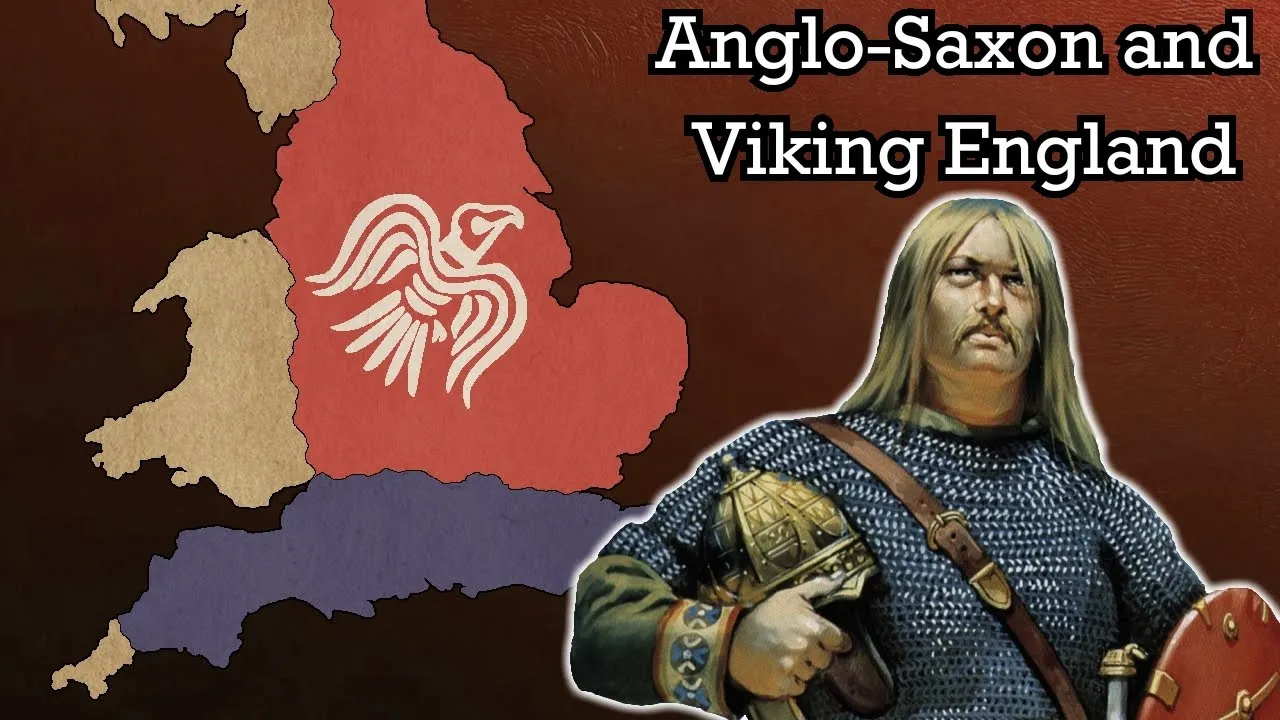

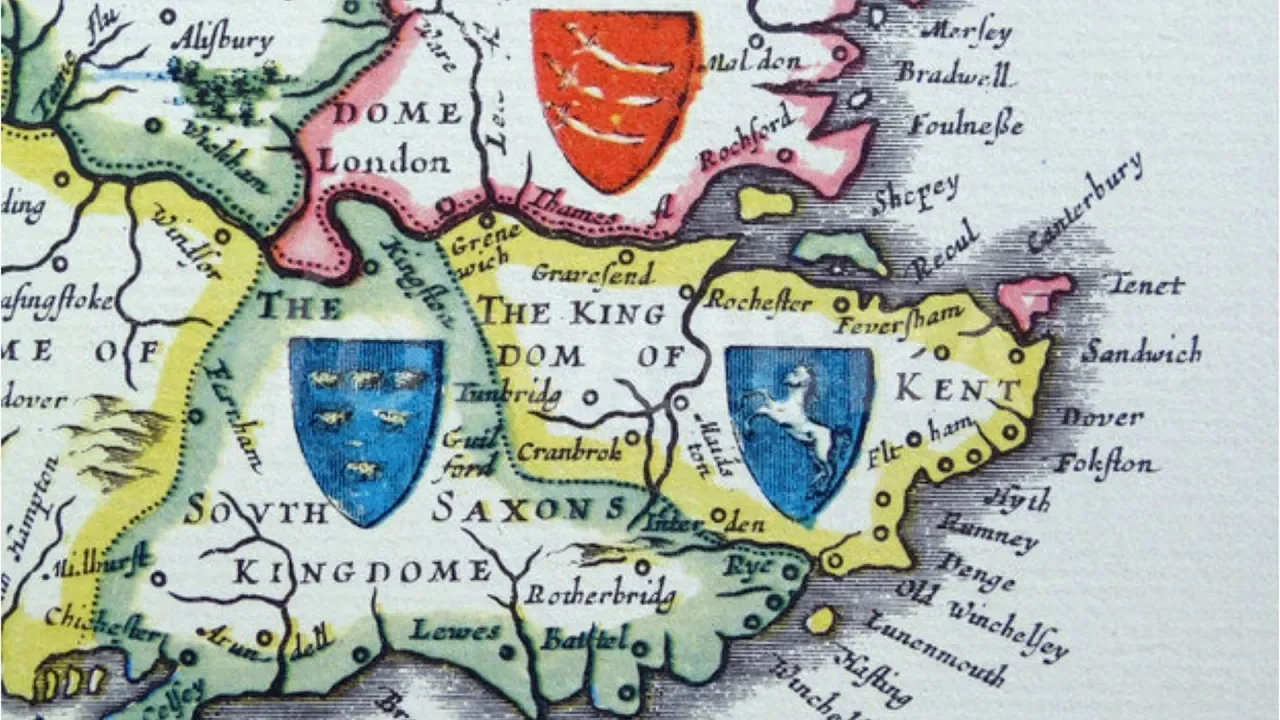


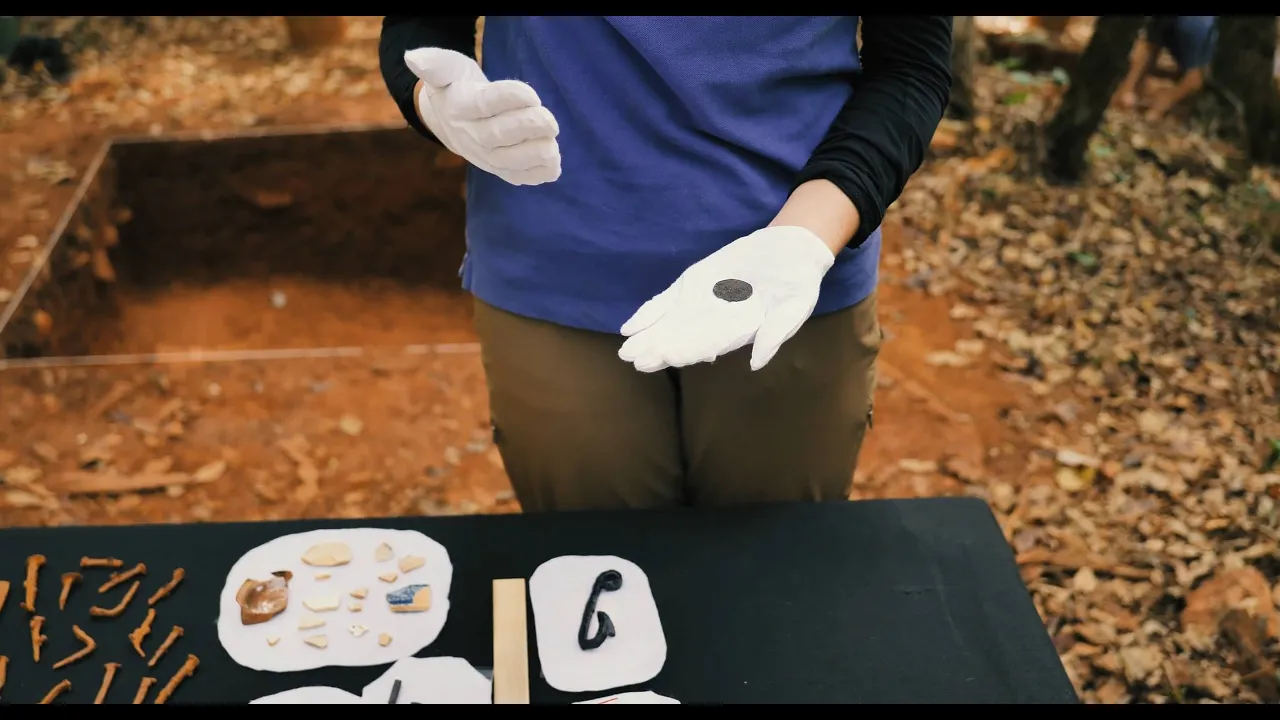















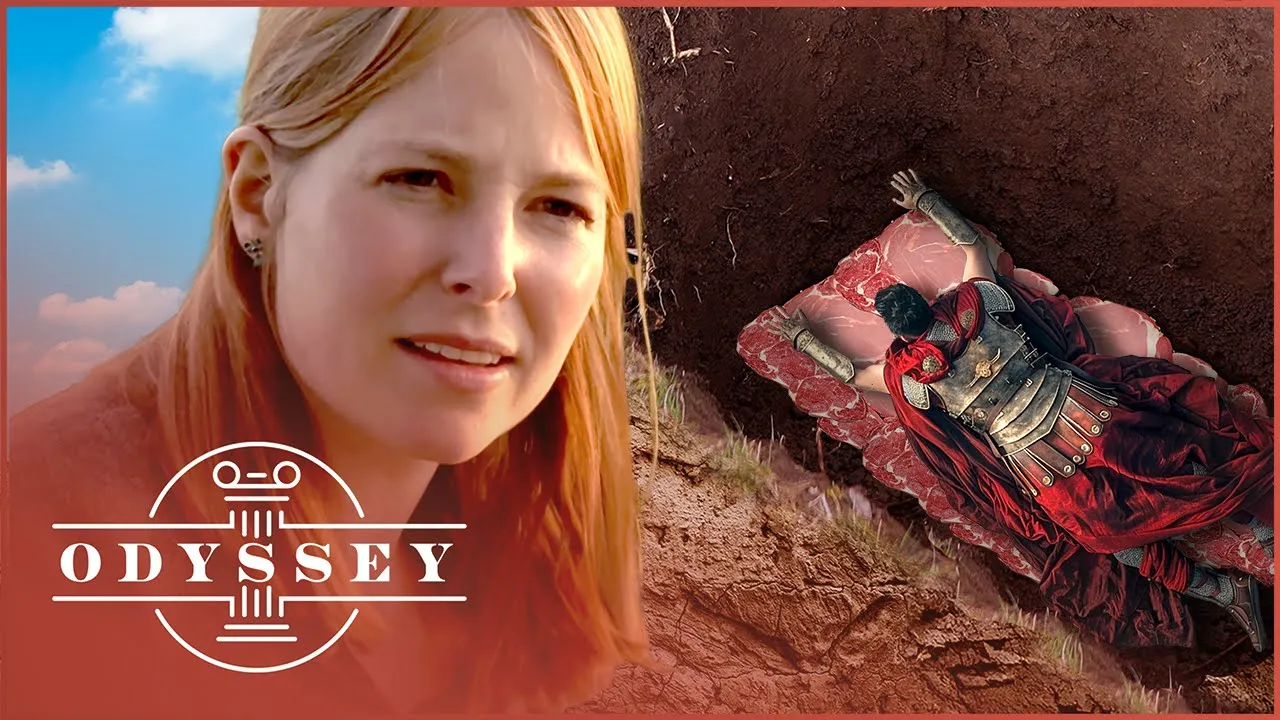


Archaeological investigation of burial grounds can reveal hidden historical sites, as demonstrated by Time Team's excavations at Caster (Cambridgeshire) where Roman structures including a praetorium approximately 110 meters long were discovered beneath a medieval church, and at Glendon Hall (Northamptonshire) where over 30 medieval burials were found beneath a country house, along with evidence of Anglo-Saxon settlement and cemetery co-location within an Iron Age ditch.
Time Team: Top 3 Burial Grounds | Anglo-Saxon & Roman Discoveries
Added:Understanding of British historical chronology, specifically the transitions between Roman Britain, the Anglo-Saxon heptarchy, and the early medieval period.
Basic principles of archaeological stratigraphy and excavation techniques used to uncover delicate organic and skeletal remains.
The distinction between different historical funerary practices, such as Roman cremation and inhumation vs. pagan Saxon grave goods and Christian burial rites.
An introduction to bioarchaeology, specifically how human bones can reveal age, sex, diet, and disease in ancient populations.
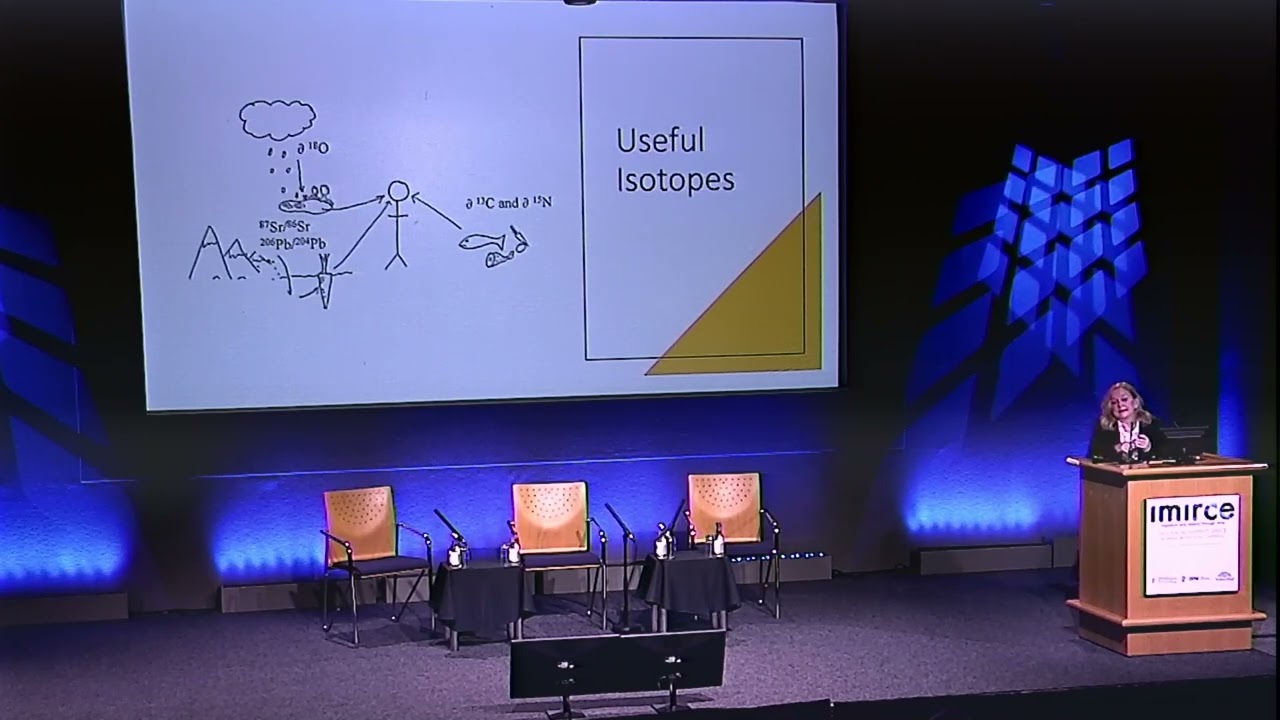
Advanced scientific methods in osteoarchaeology, including stable isotope analysis for tracing migration and ancient DNA (aDNA) mapping.
The ethical, legal, and conservation challenges surrounding the excavation, curation, and display of human remains in museums.
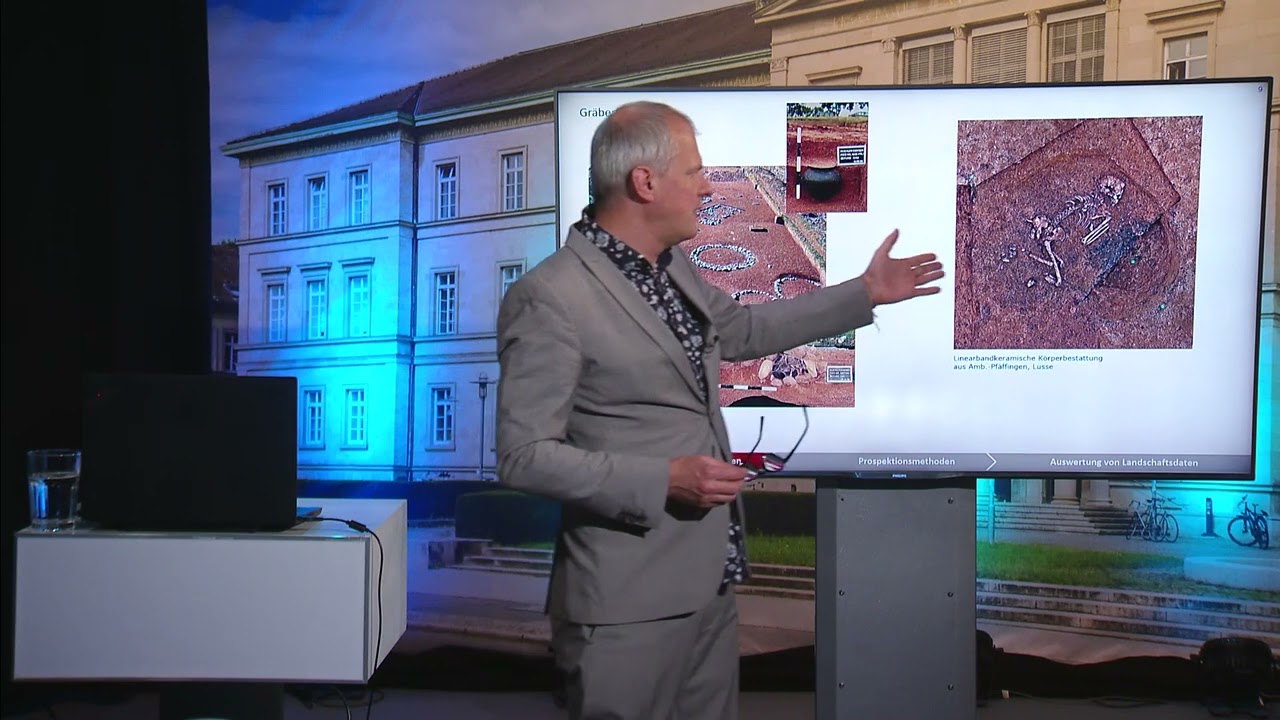
Landscape archaeology and GIS mapping to analyze how burial sites correlate with territorial boundaries, settlements, and sacred geographies.
Critical analysis of how archaeological evidence from burial grounds supports or challenges written historical records from the Roman and medieval periods.
197.4K views2.5Klikes53:53Original Release: 2023-02-10
this is the kissing gate of some kind of burgers church here in the village of Caster in Cambridgeshire and it's one of the most beautiful medieval churches in England and yet it's what under this Church's graveyard that's got our archaeologists very excited because beneath my feet could be the remains of a mysterious Roman building but it's not just one Roman building by itself over there in the school playing field across there in the rectory in fact everywhere I look archaeologists have found impressive Roman structures this could add up to be something very special looks like it's going to be a hectic three days that is if I can never get down again and over the last 400 years antiquarians archaeologists and even gravediggers have been discovering nuggets of Caster's intriguing past Ben you've been here before haven't you you're an old friend of William and his gravediggers yes I used to look after the archeology in this area so yes I know William well why why did you keep coming here well every time a grave was dug a massive Roman material would come out so you know it was obviously of interest and something that I ought to be concerned about this kind of stuff absolutely I'm just an enthusiastic amateur but even I can recognize distinctive room and material like this tegula he's a Roman Towers Bridge it's a pilai rims hip across bricks are you happy about sticking in your graveyard absolutely it doesn't seem quite right no this area has not been Duggan before the new bodies made here well this this strip along absolutely yeah but even without any graves geophys will still need to scan this narrow strip of churchyard before we open any trenches we're also surveying the playing field of the next door school as this is where an intriguing 19th century antiquarian said he found some Roman baths now Digger gets trench number one underway see what we're getting is lots of Reflections close to the surface John's a bit confused his radar was showing very little here but we've barely scratched the surface and we've got archeology which could be that but we just just forget that yeah this is reality this will tell us whether there's anything there is that Roman already pieces of Roman Mosaic flooring called tessera are turning up back outside it's now raining cats and dogs on our archaeologists in trench one thank you so much but despite the weather and the geophys results this trench is turning into something of a gold mine we got some fires we're getting loads of fines out already this is just a selection there's this stuff which is kind of saxo Norman dates the 11th early 12th century round by the time the church was built so it would quite possibly rubbing out the Roman buildings for stone to build a church and we've got our first bit of early middle Saxon handmade Pottery five six seven centuries something like that what about this chunky stuff here well we've got Roman as well there's some bits of Roman color-coded Pottery which is late third fourth a bit of a mosaic tester as well possibly cracking selection fines already it looks like there's something coming out of the trenchfield yeah but this is the crucial thing Tony as Paul says we are beginning to get Saxon Pottery these are the first levels that we're actually coming down onto they could include Saxon buildings here this is really rather extraordinary for us we always have a problem finding Saxon on time team to find it great but then to find it on the site where we're looking for Roman is a little bit more difficult what do we find next so we're going to open our second trench here in the old rectory Garden and after some promising geophys we've decided to put a third trench in this corner of the school field this is another spot that our antiquarian artists and later archaeologists have explored and it seems to have been an artist's favorite because he drew the remains of this impressive Roman bath house he reckoned he'd found here if so our trench in the old rectory Garden could be right on top of one but if artist's plan is accurate it's the north graveyard where we really need to focus our efforts so Jim is now geophysing here and by mid-afternoon he's latched onto something um you've turned up just at the right time look at this we've got a really strong reflector here and it's at least five meters across well that's nothing like anything else in the churchyard is it no no up until now I mean there's been the odd reflection but they've looked like um they could just be Stone casket or a slabline grave but I mean this is much much bigger and it's about halfway up the slope just beyond where this mess is well this is where the one building was meant to be from antiquarian records where they got this early mosaic it's possible Jim is detected this striking Roman Mosaic floor that artists Drew in his book of illustrations and if our antiquarian site plan is to be trusted it makes sense that geoffers are getting a strong signal here there must have been something here for them to Rob and Ray to use yeah what are you guys doing here all the excitements on the far side of the church you're stuck around the back yeah but we've been looking at all the Roman stuff built into the church the tile and the stonework and so on and the idea that comes from a huge Roman building that's somewhere around here the back of the church artists had a theory that all the Roman buildings to the north of the church were one giant structure and Stephen thinks this is how it might have looked well it's a pretty enormous building Tony I mean from where we're standing to The Far Side is 110 meters well if it's that big it would absolutely dwarf the church wouldn't it yeah it would it would be three or two or three times bigger than the church so what could something that size actually be let's go back to our artists he called it a praetorium what's a praetorium well in artists terms he were used to digging Villas of fairly modest size and this was the biggest thing that he ever saw and ever dug and he gave the term praetorium implying its size we've only got one day Ben what do you think our overall strategy should be well I think artists very good archaeologists for his time but I'm not so confident about this sort of floating building here is it attached to the other buildings around it what alignment is it on we need a trench across there to try and tie it to the other buildings and sort out the alignment yeah then I think we need to do something similar in the west part of the churchyard just here now a few years where you can see that wall in the path yeah well a few years ago I cleaned up a bit of wool there and there's definitely something there but I didn't get much of a look at it is that a big building range as artists depicts it and I'm off up there you know so Phil's on the move to this spot just north of the church to help Jackie dig a new trench in the graveyard and raksha's opening a trench as well in the area that Ben's interested in with over 20 000 burials in this churchyard it's not going to be easy finding any evidence for our praetorium but in the rectory Garden trench which phase now taken over from Matt we may be onto something what I've actually got going on over there Tim well I seem to have this surface it's got a few tesseri in it but it's very pebbly and not very good now that's what's interesting because where I am I've got nothing I've I've great big rectangular hole with no archeology in it and my only explanation for that can be that this is where artists shoved his trench and he basically took everything away with him and therefore that's why we've got this line along here which I think some rubbed out wall [Music] we're on this side we seem to be following in the footsteps of this chap artists some of us quite literally I need some measurements from this line now so I can put them on the drawing oh excuse me excuse me beg your pardon you're on time I think the pegs come out who put the peg in Matthew sorry sir what happened again that's your wages dot yes Miss rainsworth Right Next the rectory Garden next Matthew anything you say Mr rainsworth back in the graveyard Phil and Jackie are up against the clock digging carefully around lots of human bones they've now only a few hours left to get down to the floor of a potentially massive Roman structure these individual burials or are they lots of Bones on top of each other well we've had a lot of loose bone spread about turning up all the way across here but the difference here is you can see we've got about five skulls all dumped in together in one place so you do you think that that could be a Gravedigger who's cleared earlier Graves dug a pit Chuck these in so that more people can be buried yeah I mean basically it looks like a Charnel pit but we do have a problem don't we that we've got lots of Bones and lots of smashed Mosaic but no structures whatsoever what we can be certain of is that in places the gravediggers have been through the Roman floor otherwise we wouldn't have this sort of material what we've got to Hope is that they didn't destroy it all and that they've left some of it for us and that means digging deeper that means you're digging deeper thankfully rakshar's trench at the Western end of the graveyard looks to have got something more substantial how's it going let's go let's go very well actually um put this trench in here to find what we thought was a wall coming through there and lo and behold we have a huge wall that was actually poking out the ground before you started but I didn't realize how massive it actually is so we've got one wall here which is in running in that direction and then where John is we have the return and that's running in this direction so they should actually come out and converge around about here it's amazing isn't it this is the first time that we have seen anything like the kind of monumental walls the Edmund artists saw yeah this is that this is the only trench where we actually have huge walls in the old rectory Garden where we're looking for what could be the East wing of our praetorium we now have two trenches [Music] but our main hopes lie with these trenches in the graveyard rakshas at the Western Edge and Phil's just north of the church Phil you know I said I was getting a lot more building material and Big Blocks of tessera oh wow now I'm getting lots of pea grip which has come to this fine grit and look what it's coming down onto it looks very like a floor and this is an in-situ burial that's lying directly on top of it by the look of it oh that is good stuff I'll tell you what blimey we could be just inches away from finally getting evidence of a big Roman structure and crucially it slap bang in the middle of our praetorian plan back in the old rectory Garden phase getting really stuck in cool this looks a bit different to yesterday you're well down I am but fantastically we've got a huge great big section of the big Roman wall isn't it yeah without a shadow of that and we were a bit worried yesterday about the sort of relative Heights of all this I mean there's a there's a surface very much higher than the Roman wall you can see where artists put his trench which is basically this lying down in this section here and I actually think that level there is where he was standing really which is why it's so comfortable we thought Prince what size boots did he have come on outstanding I haven't put any Footprints in there and he's also a very significant chunk of Walling on the Eastern side of what we think is one single enormous building phase discovery of this massive Roman wall previously dug by artists is a really good sign maybe we can rely on our antiquarian after all meanwhile there's breaking news from the graveyard we've spent the last 36 hours poking around in this graveyard trying to get permissions to dig it getting permissions to dig it then finding nothing but Roam and rubble and a tumble of old bones but I love Phil we've got something exciting haven't we we have got artist's floor look if you look down between that pair of legs you can see a mosaic floor actually in situ you're smiling with him I'm really excited about this if artists are right about this he might be right about the praetorium here we are they took cheese from the house of karthus S2 praetorian to the praetorium in Austin's day he would have heard the word praetorum when he went to church because that was the word used to describe them where Jesus was arraigned in front of Pontius Pilate so he was tried in the priority go on I was going to say this is so important to what we're trying to do we've now got the floor you can actually begin to see some sort of an alignment on the tertiary we might be able to actually say exactly what the alignment of that building was finally our efforts in the graveyard are being rewarded raksha this is awesome I love this this is fantastic it looks a lot different than it did yesterday it is it's a lot different rakshas revealed a huge section of wall and a step Foundation the classic herringbone style shows that this is definitely Roman people were a bit skeptical yesterday I talked about finding this big herringbone wall and I I suspect that people didn't quite believe me this looks remarkably similar to what was found on the other side of the church in the 50s yes I remember that I've seen photographs yeah it's on a similar line and he found step foundations like this is a photo of those step foundations excavated at Caster in the 1950s they're more than 100 meters away from our trench but they're virtually identical to those found by raksha and as the last few hours of our digit Caster tick by the news just gets better and better so what's the story of this transcendfei basically we have a Roman building and actually down there we've got a room with what looks like a hypercore system we've actually got a two level building so what did they do fill it in or cover it up and then build something on top or they had stairs that took you up to another room all right right right are building on two levels makes sense because the Romans had to factor in the slope of a hill here in the old rectory garden and on the western side of the church the massive Roman wall that raksha found at the Western end of the graveyard nearly two meters wide was built to support a building possibly three stories high and at an extraordinary 110 meters in length this is the largest Roman building time team has ever excavated [Music] time team is a hundred percent independent and funded by our incredible fans joining patreon gives you access to exclusive interviews 3D models master classes and more please join us on this exciting Journey we need more support to make more episodes this is Glendon Hall in northamptonshire a building with over 400 years of history and this bit Round Here belongs to Martin hipwell who decided to build his mother a new house but when he dug the foundations he uncovered every Builder's worst nightmare a dead body and not just one but another one and another and another and another and another and another so what are they all doing in the outbuildings of an English country house and just as importantly how come no one knew they were there Martin's family live in the stable block overlooking the Victorian Workshop where he discovered the bodies how's your mum facing up to the fact that there are all these dead bodies under where they're going to live I'm more concerned about the skeletons and how they feel about mother coming to live here how did you find them the Builder who's on the Digger just came across a piece of burn which initially we thought was obviously animal um but um realized later that it was quite obviously human and it was this part of a forehead how long was it after that that you realized that there wasn't just one body but a whole load straight away within within 10 minutes maybe this is the very first time you've seen these haven't it yeah what do you write what's your instinct well if if this is the density of them yeah where all these yellow marks are then it suggests it's a cemetery and if the alignment of these is right I guess this is one East West yeah that's almost exactly yes then we'd assume they were Christian so it looks to me like some sort of medieval Cemetery I would you know that'd be the period I'd think of medieval Cemetery sound right to you well we know there was a church at Glendon many many years ago we don't know where it was it would be very interesting to know where the church was yeah first of all we'll get to work on two of Martin's friends in the South to see what they can tell us about the place where they were buried Phil will need to dig through a lot of building Rubble before he reaches his skeleton but Jackie McKinley our burials expert can already see some bone I've got some skull here but it's pretty smashed Martin's found bodies all over his building site just a few feet away from Jackie inside the incident room he's discovered the skeleton of a child and there was a line of five adults under the table where Stuart and Henry are scouring the maps for evidence of the church so what you got then Jackie well I have got some skull here you can see it's ever so close to the surface and at the same level I've got bits of blue plastic turning up so whether it's in situ or it's been redeposited I don't know because I can see there's there's a bit of bone there you can actually trace it around yeah and there's another bit there yeah but at least with a skull there at least you've got something to to work to and you've got a level to work to yeah and got a level to work to at the minute there's a lot of tumbled Windows here and stuff but that's interesting because that looks like it's part of a very large window originally with sort of round rather than pointed right heads to it does that look passive do they like church Windows to you it could be church I mean they could even be domestic with that but even if they are Church they'll suggest that something radical going on with this church in the early 16th century this looks like marble decorated in there yeah and that looks it is marble so so all these bits of church that you see here are you would think are from the church where we're looking for I would think so yeah not necessarily in the right order but from the church you're looking for yeah certainly so the Folly doesn't look like it's the church itself but at least we now know we're looking for a posh late medieval Church perhaps that could have been connected to some grand house that was here before the current Glendon Hall and maybe the people buried in its graveyard lived in that very house so we might have a row of graves here and then perhaps a gap and then another grow of graves here another Gap so on and so forth we're plotting the graves as we find them to work out the shape of the cemetery and there seems to be a gap under part of the incident room Jeff is ascendant to investigate but even with ground penetrating radar they are finding it difficult to see through the concrete floor the graves we've got in this area just around there there's an infant the two graves that Phil had over there have got what looked like an infant and a juvenile in them and the only adult bone we've had is out of the redeposited burnout of the pit that he's got there the grave cuts are narrow and the arms seem to be positioned tight to the body as if shrouded this suggests that these are poor burials and not residents of any previous Hall but it turns out that Glendon used to be much more than just a big house it's described in the Doomsday Book as a settlement consisting of nine households the remains of which could be in the fields surrounding the hall see this this bank's running along here yeah this is interesting because it's exactly parallel to the line of that Holloway what's up by the trees yeah the old roadway and it's quite possible this is like a back boundary to properties which were fronting that roadway all right okay day two here at Glendon Hall in northamptonshire where we've discovered over 30 medieval burials and this morning we're gonna peel back all this Earth here to see if we can find the church that goes with them and we're extending a trench over here to find the extent of the cemetery also one on the far side of this building another one in there and a fourth one deep in here which could prove a little bit difficult Matt's starting to take off layers of building Rubble to look for the church meanwhile Kerry has begun to expose an adult's skeleton which looks in much better Nick than the multiple burials emerging from Phil's pit well this is getting really complicated in here I mean back at this end we've got a burial we've got the the hand and part of the the thigh bone down in here and that represents a burial which is in here and it's obviously extending underneath here and then on the top of that we've got this Stone line burial with this uh deposit of of just jumbled bones which must have been put in either when this burial went in or when they actually put the building up so if this is a comparatively late grave we're probably looking at something that's really of relatively High status I mean somebody's taking a lot of care and Trouble Over getting these Stones bringing them in lining the grave it it it's quite amazing this is the only grave on the site that has got Stones like this we'll only lift the burials that Martin's building work would disturb the others will be allowed to remain where they are in the grounds of Glendon Hall yesterday we were looking for the reason why the old Hollow Way was diverted from its original course straight through Glendon but frustratingly geoffers aren't able to come up with an explanation if it's not beside the kink in the road it's even more likely that our church is inside the cemetery so Ian is about to put in our third test pit deep in the undergrowth on the east side once he gets the Digger into the cops he'll be on the lookout for more burials at the other end of the cemetery raksha has found a piece of a child's Jawbone do we know do we know how old it is at all well it's obviously an infant he's still got his milk teeth and you've got one of the permanent teeth coming through developed in there so it's about sort of three to four something like that so we now know that the cemetery extends further to the west but in the East there are no signs of any more burials Jackie is taking a look at the skeleton in Kerry's Trench some of the other adult skeletons we've seen what is grass only quite slightly built petite one might say yeah this angle here looks fairly broad which would suggest you've got a female but it'd be easy to tell when we can see more of it what about these bones here well that looks like we've got at least two there unless somebody's got three big toes which isn't very likely so there's at least parts of two more going off in that direction and again adult ones they look like Phil's burials are still multiplying he's now revealed a stone-lined grave a jumble of Bones a child and the skeleton of a baby so we've got four interconnecting burials all in a very small space which really is probably what I'd expect from a medieval Cemetery yeah but it seems to be very different from what we've got over here with what looks like Graves that are neat and tidy in respect to each other ah seems to be I mean you've got to remember with these burials we haven't yet lifted one intact skeleton we don't actually know that they're actually sitting on the Bedrock natural it's perfectly possible that there might be more bodies underneath we're beginning to work on the village where these people lived Stewart's looking for a spot to put in a trench to confirm that the platforms on the south side of the Holloway really are the remains of the village of Glendon while Jeff is hoping to add some detail to the Earthworks survey in the North Field by using magnetometry which shows up signs of occupation such as ditches and pits what's all this this is the Glendon dog graveyard Tony dog graveyard yeah the pets and the pack animals that lived here many years ago we've even got a ledger here dating back to 1793 with some of the dogs names we've got Lively lady Lily lovely have you seen this one yes I thought you'd like that Tony it's ironic isn't it that on the far side of this building we've got the victorians hacking the earlier dead bodies to Pieces totally failing to record their names while at the same time on this side of the building they're creating their own little idyllic graveyard to the memory of their pets we're beginning to find some pottery where our village might have stood looking at this it's all the sort of the standard medieval course words we get around here it starts in the sort of 12th century goes through the 13th 14th this bit's particularly interesting because it's um it's a medieval Shelley World Jug Handle The Jug handles like this only tend to be 12th century they go out when the glazed industry comes in right in the 13th so that gives us a reasonably early day it's quite nice though well there's quite a lot of other stuff down here look yeah I mean oh yeah look at that it's lovely um well that's your 13th 14th century glaze wear that sort of stunning lived and it's only made like about 10 miles up the road I mean with that and these I mean we're looking 12th to 14th century probably well it's just the life of the settlement isn't it it is it's all coming out of this earthwork here which we think is the house and yeah go in concentration but you've got more Pottery out of this trench than you've got from the whole of the cemetery area up there so I'm sure this is where they're living the Earthworks you give the game away you know so yeah true true things are progressing in the cemetery by the end of the second day another skeleton is emerging in raksha's first test pit but nothing more more from either of two further test pits so by the end of day two we have the extent of the cemetery on the North the west and the East the church should be somewhere within this area this grave cut marks the furthest west point of our Cemetery behind me over there we've got around 40 bodies not only that but we know the names of some of the people and even how much land they had but if we want to find out more about their lives we're going to have to look further afield than here we're going to have to get really stuck into the Earthworks the site of the original medieval village foreign two of the villagers who lived and worked in these fields are being revealed for the first time since they died six to seven centuries ago Jack is preparing to lift the tiny pelvis of a baby who was probably born a few weeks premature and didn't survive the birth see all this Pottery yeah it's all late Saxon this piece in particular has got me really excited can you see the traces of red paint on it yeah yeah we know where this is from is from Stamford they've dug the Kiln that's no later than about 9 10 A.D so Martin's friends in the South weren't the first people in Glendon but the hard life that they LED is evident in their bones even now if we start off here he's got a really bad Dental abscesses that's just one of them there and that would have been both very painful and his breath would have been quite smelly you wouldn't want it needed to stand this close to him me how old is he beige I think yeah so sort of older primer life yes if you say so far and then we've got some sinusitis if you look just inside this area here you can see there's this very fine woven new bone inside the sinus cavity now this is this part of the sinus and you know how painful it is when you get sinusitis it goes right up into your head so you'd have had a bad head as well but his spine's the real giveaway because this tells us what kind of a hard life he had and how much physical labor he did you can see he's got this new bone growth around the edge of the vertebra and these are called osteophytes and that that's basically reflection of age-related wear and tear so he's been doing a lot of hard physical manual labor lots of bending and lifting probably a bit like you've been doing over the past three days lots of shoveling and that kind of stuff yeah well I've been doing it for more than three days I've been doing it my whole lifetime he probably has you might actually look like this underneath foreign [Applause] s would have been slow and backbreaking today we have modern mechanical diggers but they don't seem to be helping us locate the village where our peasant Farmers lived it's too clean it's just way too clean what we really need is like you know big piles of bone and pot and black stuff it's just not there if our medieval peasants weren't living in the south field surely they must have been in the north field but we've only got half a day left to find out straight away it looks like we're starting to get some results that's 13th century yeah yeah money we're getting the party on the other side we don't have any features to go with it now we've got features here look yeah it looks like it doesn't it just in this area here it's a mound just just there oh yeah and the position of it when you compare it with Victor's drawing it gives you the exact perspective and line that matches the drawing and what I think that mound is is a garden feature on which they put something like a an oblisk so that's a nice bike we can see yeah I think it's a garden feature it fits in with a design layout we see for this Parkland and it's exactly the sort of thing you get in this kind of grand landscape such Grand Gardens seem worlds away from the lives of the medieval peasants in our Cemetery who somehow managed to keep the village going for 150 years after the Black Death Phil's finally ready to find out what's inside the stone-lined grave he found yesterday through Summit buried underneath Stone and it it is go on have a look oh anything underneath wonderful thing don't give me that I can't see anything I'm afraid to hold the matter can you have a look yes well no I'm not gonna have you got it yep oh that one bit of bone that's what I thought come on back you can do it under the stone is yet more bone so we have another conundrum on our hands perhaps we're not looking at a grave after all so this could be sitting on top of this great massive redepositive bone and could actually the base of a grave do you think the base of a stone line grave no because it it would put the grave up there yeah and that's too high do you think I'm sure it is I just wonder whether I mean I wonder if it's not a war Foundation is it well what were you precisely thinking all of church what are you thinking well it makes you wonder at last this is the clue we've been waiting for the stone lies at the end of the robbed out wall which Phil discovered earlier our archaeologists agree that it seems most likely that the original 13th century Church must have been where the rear of the incident room stands an extension was added later over the first burials that Martin found so we've all learned a lot from this we've been on a steep learning curve and it sort of changed our ideas it's a lesson for all of us I mean there's no stone buildings there and they should be in those enclosures so where is the village well we know where it isn't because we know where all the medieval fields are around here we know it's not down the other end so there's only one place it can be really which is under these buildings behind us I mean northamptonshire Villages almost always find the church in the heart of the village and the church is just over there the medieval village of Glendon must have been near the church where the rambling buildings of Glendon hall now stand in 1514 a new landowner decided that sheep pasture would be a more profitable use of land and so he pulled down most of the houses evicting 62 people shortly after that the first Glendon Hall was built and the church became a private Chapel complete with expensive Flemish glass the next four centuries saw generations of landowners demolish build and add to the hall just as Martin was doing when he found his first friend in the south time team is 100 independent and funded by our incredible fans want us to make more episodes joining patreon gives you access to exclusive interviews 3D models master classes and more and you get to have your say in the process as we develop new sites we're spending the next three days in the rich agricultural landscape of southeast leicestershire over the years these fields have been investigated by archaeologists as part of the Langton Brook survey and they found all sorts of evidence that Anglo-Saxon activity and we've now used their results to focus in on two of the most intriguing areas hidden amongst these massive fields this is the result of the group's field walking as you can see it's a simple grid and on it is written the various concentrations of fines that were discovered this is a classic way to discover Anglo-Saxon science which quite honestly very difficult to find using other techniques but we're not using this just for archaeological information as you can see we've chopped down about two hectares of oil seed rate that's about five acres and we've done that based on the information on this grid which is a great idea Mick but some fines in a field and we're looking for cemeteries and goodness knows what it does seem a bit of an Act of Faith yeah well they're not easy things to find from field walk in all in fact geophysics but luckily I have two partners in crime with me on this we've got Jack who knows about the the bones of cemeteries and Helen knows about the fines that come from cemeteries so I'm going to defer to them a lot of the time all right Jackie what do you think when you see that what this is showing is concentration of pottery and the kind of pottery that's been turning up up here is the sort of decorated pottery that is normally associated with cremation urns so we may well have a cremation Cemetery that's one of the suggestions and the other thing this doesn't show you is that we've also got metal work finds from here we've got broaches and strap ends exactly the kind of things that you're getting in the emotion burials so we could have a mixed right Cemetery Helen Anglo-Saxon England is your passion what are you thinking about well I'm thinking about how exciting it is that we don't just have what what I think must be a cemetery up here we've also got this other very interesting site down here now we've got concentrations of pottery that's not decorated that looks more domestic and there's no metal work down here so possibly what we may have is a settlement and a cemetery from the same period we've also got probably a Roman villa there but surely we don't want to excavate a Roman site when we've got all this Anglo-Saxon to do but it can help us to understand the transition between Roman Britain and Anglo-Saxon England it's a lot for three days though isn't it yeah it usually is so we're going to put trench one in to investigate the greatest concentration of results so we want 40 from that corner do you make the tape yeah yeah plan to dig a whopping 40 meter by 40 meter Trench big but it could take us all three days to dig it that's audible stuff that is I call that the Midlands for you is it okay so while the machine starts in the southwest corner of trench one to look for grave cuts it don't matter how big an area you strip oh you've got about a sea stuff we'll send in the metal detectorists at the top corner to see if they can pick up any more evidence of the metal grave Goods brooches Spears belt buckles and the like that characterize Anglo-Saxon burials definitely got something there but and as if On Cue this has just come out the ground it's really a rather nice late for 36th Century fragment of a small long bed exactly what we would want from a burial site of this period right suggests a woman they wear these on their shoulders these are indicating probably burials I would think so you don't find hardly any of these on settlements actually find them with dead Anglo-Saxon women unfortunately this particular dead Anglo-Saxon woman's brooch is a good 30 meters away from Phil's Trench Phil you got anything yet not a sausage Tony now this is really weird because we've been Excavating like mad as you can see they've got an enormous amount of dirt out already and nothing at all but over here where the metal detectorists have been working they've got loads of lovely little metal fines including this one which they think is some kind of fastening maybe off a belt it is Saxon and it's got these lovely little pieces of gold decoration on so nothing there where we thought we'd find a load and lots of stuff here what's going on there's nothing that's unequivocal grave size or shape there is there is absolutely nothing in it okay there's a Fairgrounds on the plus side it means we can now throw all our Diggers at the two trenches that have the Iron Age ditch in them and more importantly the possible Anglo-Saxon symmetry that lies inside it that's the first bit as I'm aware of that's actually come out at a trench yeah wear as a pottery expert when you most need them we've got some prehistoric Flint a whole mass of Roman late Iron Age Pottery well I know exactly where he is up the hill at rakshas trench where he's now confirmed the ditch is Iron Age but what's more it was visible right throughout Roman times and on into the Anglo-Saxon period we have got four shades of early Middlesex now made Pottery so we finally found what we're looking for we've got a bit of everything the interesting thing is the Saxon Pottery all seems to be coming off the top of the ditch right now you do sometimes get Saxon uh simple featured Huts actually dug into the top on ditches yeah well there we are it's your task for tomorrow oh crack on then come and have a look at this it's the same confusing story and feels strange in here look we've got this you see look there you can see the edge of it going along there and back around here it's it's a big Square feature now is it a pit is it a grave I really don't know but the stranger thing is look here we've actually got what looks like a beam slot it's a beam slot on a beam slot would be a foundation for a building so is it actually a settlement I don't really know one thing I do know is we've actually got Pottery which somehow another I I'm sure it's got to be Saxon this is really intriguing it looks like we might have evidence of where the Anglo-Saxons lived in the cemetery what were they doing living in a cemetery I really don't understand this site the animal art here is is really good really crisp really well well made the metal work we've discovered like this belt fitting we found yesterday says Anglo-Saxon Cemetery these things attached to the Gordy kind of heavy Man's belt that could have carried something heavy like a sword but the archeology Phil and his team are now carefully unpicking suggests Anglo-Saxon settlement an Anglo-Saxon settlements and cemeteries don't normally go together there's clearly been a lot of activity up here and all of it seems to have occurred inside the massive Iron Age ditch geoffers discovered yesterday it almost looks like there's one ditch there and there's another one here isn't there so two ditches possibly even three in fact if you cut the end gray bit thank you look what has just come off the spoil tip back up in the top field we're now convinced we've got an Anglo-Saxon Cemetery we've actually got four separate pieces but it's the same brochure they're one of the earlier forms of brochure it seems like they don't Outlast the first half of the sixth century and everything else fits in with that same date range it's all late fifth early 6th Century which is quite tight and quite early but it is a cemetery well that can't have come from anything else but then you see there's a problem because this map will work here and all the other metal work come from this end of the trench that is exactly the same area as all the pottery from the field walking and also from the pottery that we're getting Paula's had a look at it and it kind of hints that the actual Pottery is not Cemetery related but domestic related in other words it looks like we've actually got a settlement and a cemetery in the same area what's what's going on all this metal work that we're getting is early yeah the pottery extends into the 8th Century potentially so I mean we could have and I think that's very likely we've got a cemetery to start with and later on we've got a settlement over the top of it so we're now looking at an Anglo-Saxon site that spans centuries and was at different times a home to the living and the dead whoa brilliant oh Bring It On and even as we're discussing the finery left in Anglo-Saxon Graves up on site Phil is uncovering a spectacular example of a grave good color of that oh look at that he's got gold on it looks like tiny oh look at the way it shines in the Sun it's now just after lunch on day two and in the space of a few hours Phil has miraculously uncovered not one not two but at least four potential burials you can actually see it in here and in fact the easiest way to see it is actually to focus in on this area of stones you can see that it is actually an an oval type area right so that's one of them the next one is a little bit easier to see actually it's a very clear line with charcoal down one Edge and you can see underneath this bucket you don't feed there another one there there's one over there there's one over there so we we know that there's there's likely to have been a an amber necklace you said four barriers and I've only shown you three of them look at this last one underneath here what's going on there well here we've got an enormous brooch I'm in between this enormous bow so it's a really big one then I know absolutely stunning that is good isn't it tastic yeah the higher we can get the better really it looks like we've now got ourselves a mini time team in this one trench there's the Iron Age enclosure ditch fills for burials plus a number of other intriguing targets identified by the metal detectorists it's absolutely brilliant on this yeah and there's no shortage of archeology or targets down in the Villa field where we're hoping to find an Anglo-Saxon settlement Tracy this is the test ride then yes look what I've just found alongside well that's nice that's got to be hyper course tile oh that's a good start without digging we're now putting in the second trench to look for evidence of day-to-day Saxon life no Pottery yet no not upset anyway now I'm not a sniffing Saxon again right now I think I have got a tiny weenie little bit of burnt bone out of here as well I mean it looks like a piece of one of the forearm bones so you can tell from a piece of bone that small that is a piece of a human forearm it's now almost the end of day two the motorized Lone Ranger of the pottery world burials we have at least one Anglo-Saxon cremation on site oh yeah that's Saxon oh jolly good oh yeah definitely that's quite nice quality as well as early middle as you'd expect the sort of thing we're looking for the handmade stuff the problem is the shape of this feature doesn't match the normal practice of cremated remains buried in a jar or a pot what we've got here may not be the remains of a burial it may be the remains of some other cremation related type of cremation related deposits what do you mean it might be a pyre it might be a debris it might be the remnants of papaya site that's really rare though isn't it it is it is quite rare yeah but that's why you know I'm not too worried about that not being part of an urn but I am interested in what part this accent's in it looks like it's going to be a busy day because we've established that inside the massive Iron Age ditch is an Anglo-Saxon Cemetery with evidence of all sorts of burial rituals from Jackie's cremation I think it is the most gorgeous thing yeah to the Grave with our star find this fantastic gilded brooch is it an equal arm brooch it is an equal arm approach these things blow me away I've only ever seen one of these once before and that was in 1975 and it was a dig in my own village I've never ever seen one since I've never ever dreamed or I would be here and actually have one in front of me we've so far identified four burials in just one small portion of our Trench Phil Phil if you've got something and the fines have suggested they all belong to women it certainly looks like another Broach doesn't it and we've got a little smear of iron there which presumably gonna be the pen that is until now Helen you know we had four burials it looks like we've actually got a fifth one really yeah I mean you see it was it's actually in here oh look wow that's a small Long Bridge definitely can you see that there's a kind of Nick yeah so it's only what's called a chef oil-headed one with one two three rounded Loaves and that is likely to be up on the shoulders here is it of a woman they've set up on these shoulders I'm worried about the position of the of the phone but look what we've got this morning got this iron thing coming up there at that end there it's kind of tubular there isn't it because the obvious thing that that looks like is the the feral office of a spear yes that's what I was working if this is a lady she should not have a spear Pottery Pottery as well even at this late stage of the dig this Cemetery trench is still producing new discoveries so one end of the ditch is there but our other field is also crammed full of archeology and it's the big chunky variety thought it ended here yeah no the gray feel is going on there's the other end there a good what seven meters we had hoped to find evidence of anglo-saxon's settlement or even more burials near or on top of an earlier Roman villa here but instead we seem to have stumbled upon a site that could keep a team of diggers going for a month but at least we've now solved one mystery in the cemetery The Mystery of the Grave with the potential cross-dressing wild women with the broaches and spear I can't really see where their heads were other than just from the grave hang on you said where their heads were yes there's not one person in here there's two [Music] we now have only a few hours left of day three but with storm clouds looming the whole dig looks under threat of grinding to a halt cool Matt have you been upsetting the gods this is getting pretty bad isn't it yeah come on baby got it and all that effort's worth it because back in the conservation lab The Broach now heavily taped to hold it together is revealed as a fragile but gobsmacking work of art it's pretty impressive I feel it's it looks if it's pretty much all survived oh this one here is only the fourth one of this toy get out the fourth to be found in Britain but it's probably the best of the lot hello it almost seems like a Victorian Cemetery that you've got all these different kinds of burials going on at the same time that's a really good analogy actually because all of these burials I think would have been marked in some way or a little Mound may be flowers planted on them something like that that we can't recover archaeologically and then you've got to imagine the whole thing contained within this big Iron Age earthwork foreign [Music] sites the evidence of settlement has almost completely eluded us and yet we've still learned so much from The Departed [Music] team is fan funded by patreon this vital support helps us to make new episodes joining patreon gives you access to exclusive interviews 3D models and master classes plus lots more
Up Next

127:30
New Avenues for Pharma Industry Growth: Dr. HP Tipnis Memorial Lecture
@bcp_edu
142 views•2021-07-08

12:54
Triumph of Orthodoxy Icon: Byzantine Art & History Explained
@BenCallan
2.1K views•2024-08-06
48:52
Time Team: The Bone Cave | Iron Age Ritual Cannibalism Uncovered | Full Episode
@TimeTeamClassics
347.7K views•2020-08-12

1:42
Game of Thrones Opening Credits: A Cinematic Analysis
@gameofthrones
46.3M views•2011-04-18
Related Study Plans & Knowledge Roadmaps
Structured learning paths in General & Interdisciplinary Studies
general-studies
Elevator Engineering: History, Physics & Cities
01From Hoists to Safety Brakes: The Dawn of Vertical Lift
02Hydraulic vs. Traction: The Engineering Physics of Elevators
03Modern Speed, Safety, and Algorithms
+ 2 more learning modules
12h5 modules
Explore Roadmap
general-studies
Rubber: Material Science, History & Geopolitics
01Origins of Natural Rubber & Mesoamerican History
02The Chemistry of Natural Rubber & Vulcanization
03The Geopolitics of the Rubber Boom & Colonization
+ 2 more learning modules
12h5 modules
Explore Roadmap
general-studies
Containerization: Evolution, Logistics & Trade
01Ancient Trade & Bulk Cargo: Amphorae to Barrels
02The Industrial Revolution & Cardboard Packaging
03The Containerization Revolution: Malcom McLean
+ 2 more learning modules
12h5 modules
Explore Roadmap
general-studies
Textile Tech: Evolution, Labor & Global Impact
01Pre-Industrial Textiles: Handloom & Cottage Industry
02Mechanization: The Spinning Jenny to the Power Loom
03The Factory System & Global Labor Transformation
+ 2 more learning modules
10h5 modules
Explore Roadmap