








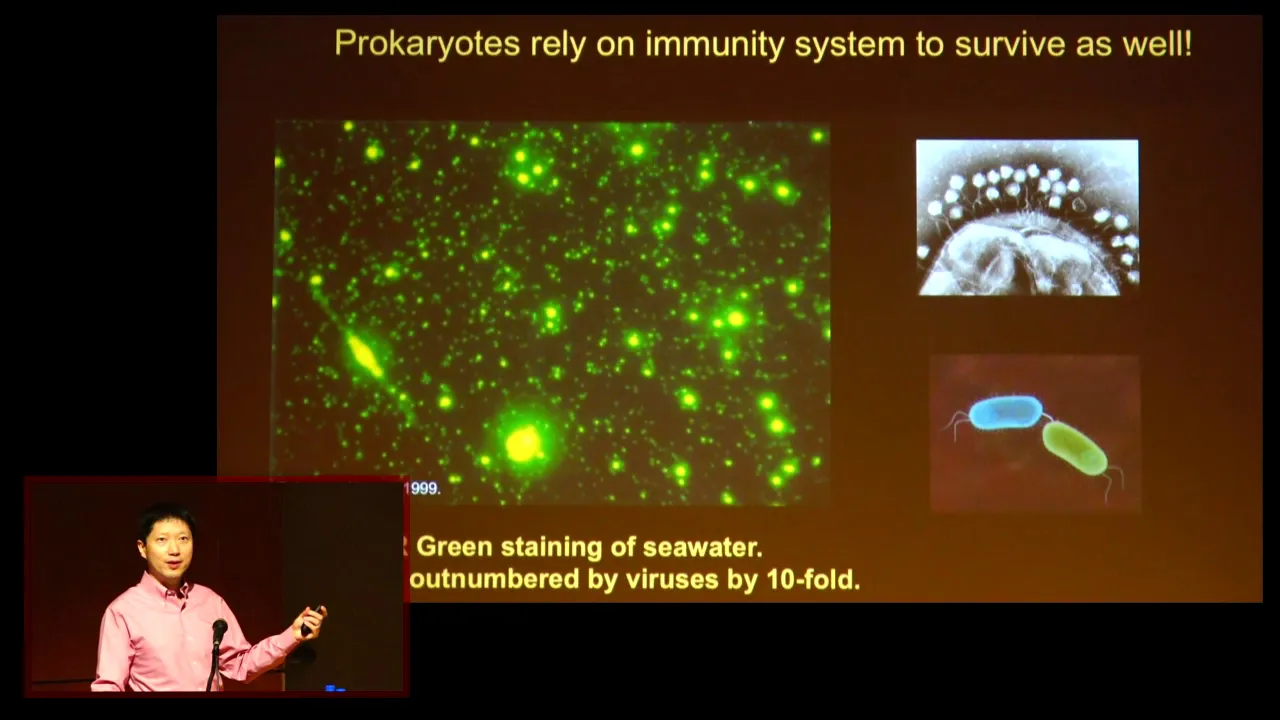






The pharmaceutical industry is undergoing a transformative shift toward innovative therapeutic approaches including drug repurposing (reducing development time from 10-17 years to 3-8 years), microbiome-based therapies targeting gut health, oral biologics overcoming gastric instability challenges, mRNA vaccines demonstrating unprecedented rapid development capabilities, cell and gene therapies offering personalized treatment solutions, and precision medicine leveraging individual genetic variability for tailored interventions. These emerging technologies represent significant growth opportunities and require substantial investment in research infrastructure, specialized manufacturing capabilities, and interdisciplinary scientific expertise to translate these innovations into clinical applications that improve patient outcomes.
New Avenues for Pharma Industry Growth: Dr. HP Tipnis Memorial Lecture
Added:on youtube foreign hello good evening everyone good evening sir good evening good evening good evening sir uh good evening everyone just checking to make sure i am audible krishna here yes you are yes yes thank you you also had some problem with the audibility how many participants are there do we wait for some more time another five minutes or so what do you think everyone six zero five we can start another three more minutes earlier uh this way galvanize there i said sagar patel is also here so so uh should we start now yeah doctor yeah i think we can begin now i think we can begin uh maybe bmk sir if he'd ask us to wait so if he sees me i am online we begin sir yeah i think so [Music] um memorial lecture series i'm saying what would have been the fifth one because uh due to the pandemic situation last year we could not hold a memorial lecture uh this memorial lecture series was initiated in the year 2017.
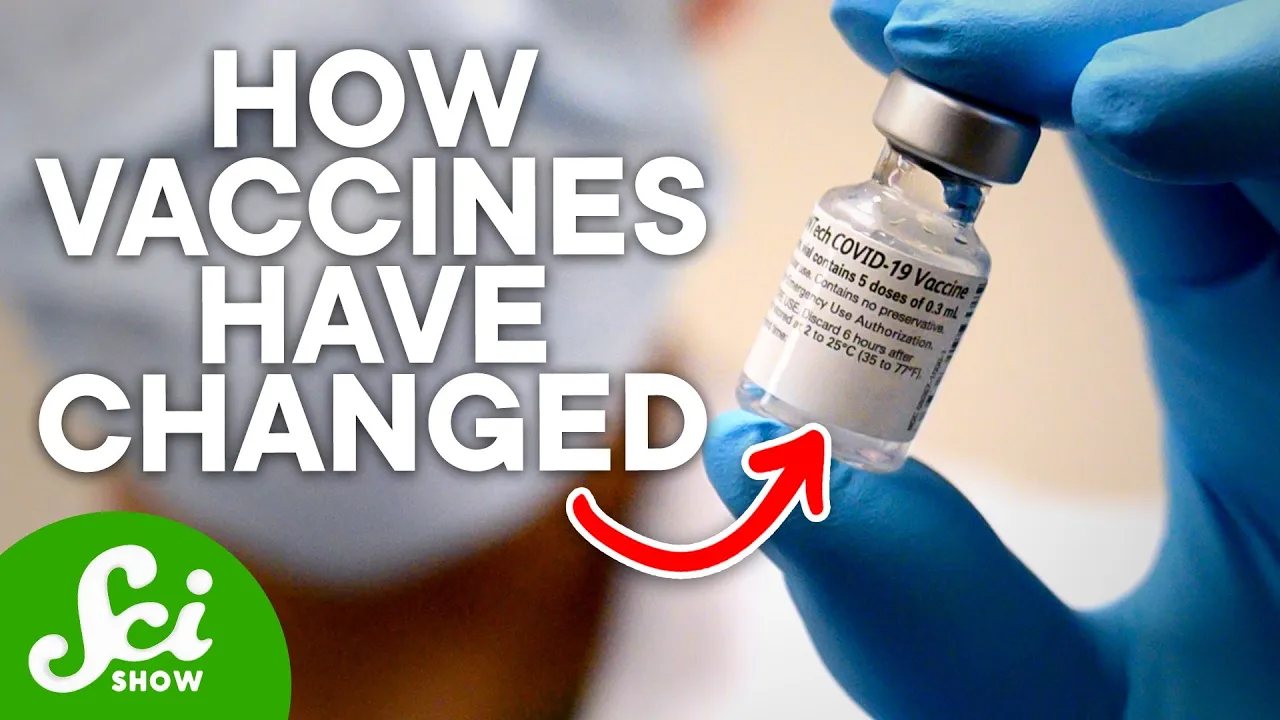
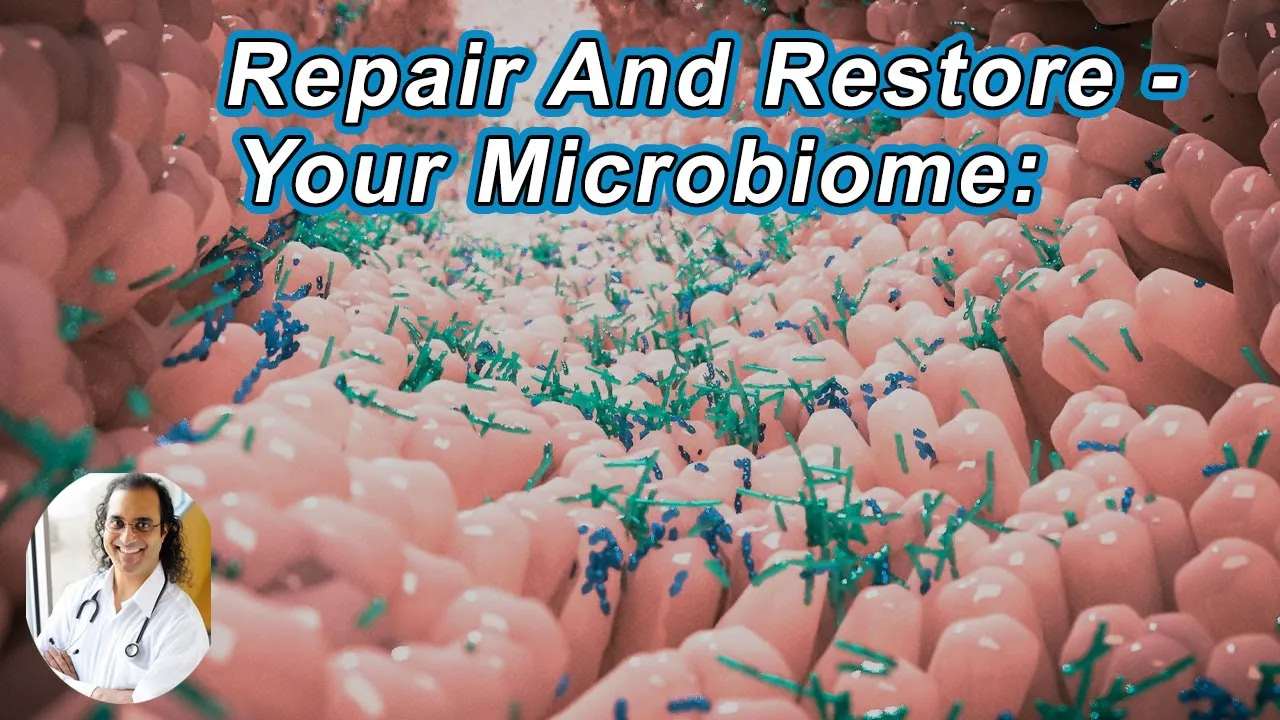
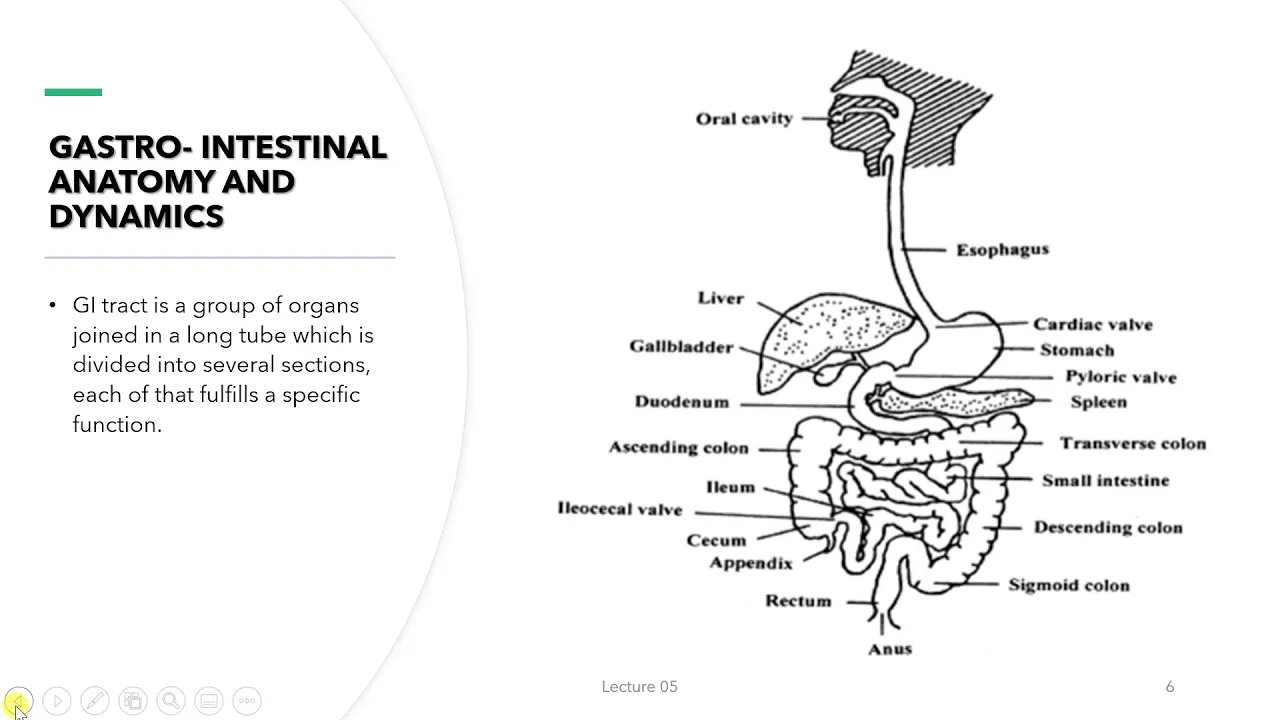
uh a year after this have got to difference by the doctor hp technical endowment this doctorate be formed by doctors students and wishes from academia and industry the aim of this uh body is to promote thoughts world the voice is breaking up and i request all the others to keep it mute except for doctor otherwise we have disturbance in the background thank you so i've just murdered everybody because there were a few mics on it just muted so am i audible yeah you are now you are now clear now you're better audible yeah now you are edible but uh in the beginning we couldn't hear uh what you were saying to repeat what i said yes because your voice was cracking a lot couldn't understand anything fine thank you fine fine i i'll i'll do that i'll do that thank you so uh yeah thank you dr ishmael so good evening everybody we have assembled here today for what would have been the fifth uh memorial lecture of the doctor h.p tipless memorial lecture series i'm saying what would have been was last year due to the pandemic situation we could not hold a lecture this is like 2007 a year after the sad demise of dr hp fitness um and this was done by the dr h peter's endowment trust a charitable body formed by doctor technical students and well-wishers from academia and industry the aim of this charitable trust is to promulgate and propagate dr pippis's thoughts and further his rich legacy for the uh future generations ahead really needs no introduction but uh to say something about him especially for the younger members from the staff faculty and students dr tipnis has been principal of bombay college of firms from 1971 to 95 when he then retired from service during the from the fledgling institute that it was into the world-class pharmacy institute that we know of it as today in fact it would not be an exaggeration to say that whatever rewards and accolades college is drawing today be it the fabulous nirf rankings or the aictci industry best linked awards all of these are have been possible due to the extremely strong foundation that tiffany's laid out for this college depressor has also been very active in the professional sphere through indian pharmaceutical association he's received numerous awards and honours for his distinctive work notable amongst these include the indian pharmaceutical association raman viper tale foundation lifetime achievement award and many more and a student administrator a visionary and a statesman dr tipless legion of students today are literally the who's who of the pharma industry all across the globe in fact these four five memorial lecture series uh lectures that we've had have been addressed by dr technical students they have uh participate keynote speakers and uh really uh given conveyed their tribute to the buoyant now today seventh july also happens to be dr titlis's birth anniversary and on the occasion of this fifth uh memorial uh i would a fourth memorial lecture not fifth of the dr hp tipless memorial series we are fortunate to have with us dr anil kani as the keynote speaker for the function today we also have a host of distinguished invitees and guest doctor diplomatic students associates and so many more who's joined us here for this function so a warm welcome to all of you and with this very brief uh prologue to the entire event and now invite dr vm pulkar normally [Music] also the very first uh phd student of dr hp technics first of all i consider this as an auspicious auspicious day for the blessing of my guru dr h.b tiffany's i said keeping very fit at 78 real pleasure you welcome a distinguished people good evening first to all those who are who have joined from india and good morning to all those who have joined from usa and canada particularly dr khan good morning i have a great pleasure in welcoming firstly dr anil khan khani who graciously and immediately on just a whatsapp message from dr ashish accepted our invitation to deliver a memorial lecture in honor of our sir later dr hb techniques he will be he is going to be introduced by the next speaker this is the fifth event the first one as she told was her was held in 2017 and very distinguished speakers accepted our invitation namely dr gopa kumar nayar ajit singh and then dr anil saksena later dr g d yadav then director vice chancellor of ict later dr professor m charma then director of ict who delivered their very interesting and fruitful lecture related to academic and pharmaceutical research and teaching with this just a brief introduction about myself which i remember a lot about his teaching and research one word i like to put it here that he molded me otherwise i would not have been but i headed the icta still working as a professor emeritus in puna college of pharmacy his blessings have kept me healthy with this i welcome dr anita khani once again to this function and next uh dr mr nipin maniya chairman rowling body bombay college of pharmacy who is always with us and they have never missed any function of the operation [Music] we are all grateful to dr nitin [Music] welcome sir malaysia dr krishna a security and in charge of principal present in charge principal upon the college of pharmacy who is well known to all of you welcome dr then dr prasad presently president ipa msb who is also always present for this function had this function being physically instead of virtual the interest and the glory of the function would have been very different but because of this ugly corona pandemic last year and continuing this year and new variants are coming which has crippled the education research activities let me tell you a little bit i am held up in bangalore last year nine months this year four months no learning no teaching really i feel very very sad that at this moment we are not able to conduct such auspicious events but online physically it would have been great interesting i welcome once again all the students of dr tiffany's well wishers of dr tiffany's invitees and guests and office pairs of bombay college of pharmacy and other members and also the people from over there attendees from america and canada with these few words without taking much time let me tell you there is no power in bangalore from morning because of heavy rain transformer is burst whatever it is it is a great pleasure that we are conducting this interesting memorial lecture in honor of our late doctor hp techniques thank you so much thank you dr vm kulkarni for this warm welcome i now invite ashish bhaktivale one of the trustees of the dr h.p tipless memorial endowment trust to give a brief about the trust team the gathering company ashish thank you doctor all the respected dignitaries over attending ray today to this session dr karna sir welcome and all my teachers i will not take much time because we are waiting for sars lecture also but let me tell you uh uh we uh still feel that dr tripnis is still around and i'm not exaggerating because one thing is that wherever i go if i tell i'm a doctor statement talk to me as a student i do get that respect and i'm proud of that so it is a borrowed respect which we also get because of him and i have been going to bombacury of pharmacy quite often last two years and during this lockdown also and let me honestly share with you whenever i talk there's hardly any day which goes if i if somebody has not talked about doctor tiffany's in the college so that much the college is linked with him and that's why our whole focus was with bcp when we started this endowment trust in the honor of our respected and beloved search of the https we are having this first time a virtual memorial lecture series otherwise we used to have a physical lecture series so i will just share with you what we have done till date and then uh dr hp timmy's endowment trust has been basically the purpose was to give study grants to the students to give academic support to those libraries or inputs or academic finances to the students conduct the memorial lecture series we were also planning full day workshop which we have not yet done then skill development program yes we are encouraging students for that career development we are just into uh through some other platforms we are trying to help the students uh we have a board of trustees here uh uh madame you know there is there who is a chairman uh dr reshma typness is a board of trustees myself is there and mr prashant is we formed this first in november 2017 as dr alka had shared with us in her session we have advisory committee uh chairman dr vm kulkarni and vice chairman dr radniker is also there in the endowment committee under under the trust we have a couple of committees i'm just going to mention about two committees so an endowment committee where when we decide what programs we have to take uh chairman instructor we know that uh the administrative committee is uh mr spinoza deepness dr ratnakar then the treasurer was laid down yet we have to nominate the vacancy again and members are dr rishma tiffany's and mr ashish bhaktivali so this is the administrative committee so these two committees are basically involved into planning and disabling decision about the trust as i shared with you these are the purpose and therefore the first session which we started and the first lecture series which we started was in the seventh july 2017 you know exactly four years ago and that is the time when dr gopal kumar nayar was there and we were also having a session from dr navin saxena so he was all specially invited during that session the second lecture series was in 7th july 2018 which was physically again held up at bombardier farms if you can see and there were faculty and there was excellent speech from atmospheric professor sri jiri yadav and our special guest of honor was uh mr ajit singh who also brought a dynamic addition to the session we had august audience like dr super prior also there and you can see the whole auditorium which was full uh we had one more session i don't have the visuals of that that's why i'm just stopping here is that we had another also coming there and speaking for us then apart from that we are initiating the enrichment of libraries through gifting variable academic books to the libraries to bamba college of pharmacy uh we also had a recognition to the teachers who contribute for the image of bcp and also take bcp's name to various sites so award and recognition to dr mrs malaman for her service over the year in field of pharmacy and especially being awarded as best professor in pharmaceutics by the national education awards similarly award on recognition to dr mrs alkamukhani for her service over the year in the field of pharmacy and her paper being awarded a third rank nationally titled assessment of chemical stability of constituency in thiosulfinate derived rich extract of garlic validated by hpds method we wanted to conduct last year also in 2019 when a couple of our teachers had contributed and they were nominated as a scientist or based awards we have got but unfortunately we could not do that so that is still pending from our side and in 2019 uh we have also assisted needy and deserving students with partial financial support for college fees so we sponsored almost on b form three students and inform one student partially and in 2020 uh since 2020 was a great pandemic here and it was a very big issue and we had also along with our bcp alumni association and others had helped the students so that was the time when uh we also wanted to support to a greater extent so we supported one informed student which was beyond fifty thousand rupees so that is what the support which is given by dr hp typically endowment trusted these are the few activities which i wanted to share with you till now which the trust has done we seek your support in consultation for improvement in the activities also which scientific and information programs we have to do and some raising financial supports for this so this is what i just wanted to share before we start the session so that's all from my side i will hand over the session to dr alka thank you very much for coming and uh let us uh see and enjoy the session of dr my teacher who taught me also thank you very much thank you ashish for that uh brief and but very comprehensive overview of the trust activities that we've done till now i now invite um mr nitin manya chairman of bombay colonial pharmacy uh to address the gathering here mr manya yeah thank you uh good evening to one and all respected dignitaries madam and dear friends at the i would say it i would like to express my gratitude towards dr hp tiffany's for his continuous support mentoring and guidance since my associate with him of the last two decades i am not the only lucky one but a number of the professionals who had worked under him and got nurtured and now serving as a renowned professionals friends we debate sometimes sansta mahanki bhakti mahan of course but the sansa is made by the victims only likewise bcp was earlier recognized by the protipness college yes it was dr tiffany's college let me tell you he was very much possessive about the bcp and the ipmsb he never allowed anyone dissociating the bcp and the ipmsb and remained on the forefront whenever an issue had arise he had been witness for both the glorious period of the bishop that is the silver and the golden he was a bridge in between and during the silver period exclusive development of the academic excellence followed by the golden period of the research and thus making it the academia plus research that comes to industry instituted partnership culture and that he nurtured well in the college today whatever the fruits that we are enjoying at the bcp that is name fame infrastructure compliance exemptions expansions etc majority has taken place during the era of the driftness only friends uh there are not only words or lip songs but a super one it might be the income tax exemption and the 3512 establishing the society for the pharmaceutical industry research amrak modi research fund research social bombardier pharmacy doctor mkhirangan memorial testing laboratory auditorium stock quarters vast weak wing csir approval and many more that has been occurred during the his tenure only he was the main pillar as well as a mentor for the ipmsb and not only conducted the free and fair elections of the ipmsb since 2004 to till 2016-18 and almost seven elections and uh not only conducted the ipmsb but also the local branches that include the pune and the nagpur also i would like to share the small incidence like you know how meticulous he was when he shifted from kawai to uh during the redevelopment of his old building building and after that he returned back to the original residence which is at villa parla but for this period also he had informed to ips center into the ipmsb also in the writing for the change of the address on the temporary basis and again after the shifting to willy parlor and that shows how meticulous he was about the documentation transparency and in small small things friends we sincerely appreciate the concern of the hp tiffany's enrollment fund android trust to support the bcp and the students of the bcp we thank you madam and the students of the hp techniques for the same madam we assure you our whole life support for any such move which will be further enhancing and strengthening the image of the bcp being the primary student in the country which is also recognized by the ict cii nirf and nba in the recent past thanks for inviting us for the today's lecture and giving me an opportunity to cherish some of the memories of the sir thank you thank you very much thank you chairman sir for giving us that overview of bcp plan and fast activities and future plans and sharing your valuable experience that you had now i now take this opportunity to invite our in-charge principal dr krishna to speak to the gathering here today doctor good evening everyone and i presume i'm hurt my microphone is working hello we are able to hear you yeah uh good evening everyone and it's a great honor for me to be part of this evening and being part of the memorial lecture for dr hp techniques i have been a doctor technical student when i was in the farm from 82 to 85 and i've seen up close and personal how amazing dr tiffany's was both on the academic front and on the administrative side and therefore it is with a little bit of nervousness that i am now doing this job of incharge principle a task which is not very easy and such a amazing institute put up by such an amazing person it's been given to you to kind of maintain it for a while as in charge principle it comes with a little bit of nervousness okay but i would like to take this opportunity to pay my respects to dr tiffness to all my teachers who are there in the audience today and my regards to all the peers and colleagues who have been part of bcp when i was a student unlike for example dr fani who also has taught me dr raknakar uh dr baptist and so on it is great to be part of this and i'm very happy that i have this opportunity to be part of this in a different light rather than simply an attendee and i wish the endowment all the very best and if any assistance is needed from my side please do call upon me and it will be with absolutely no issues for myself good evening everyone and i look forward to the talk of dr and welcome again to all the people who are attending and thank you dr aishma and my respects to dr dickney's wife who i have not had the opportunity to meet personally i would love to do at some point thank you very very much and dr alka please thank you thank you dr ayer for your address today i now invite dr ship in sripassa resident ipa maharashtra state branch to uh share his thoughts with us today dr shiv thank you dr very good evening to all of you of course good morning to some of you are from u.s and canada as it was told by dr kulkarni and thank you also for inviting me to this evening lecture through in honor of dr tiffany who was a great teacher and educationalist and i also take this opportunity to welcome you all on behalf of ipmsb indian pharmaceutical association maharashtra state branch though dr tibinis is not physically present here he lives in our memory and mind and he has tremendously contributed to the pharmacy education particularly when it was in the infancy state and my association with him was very long i must say it was in long and deep because in the year 1985 or so 84 83 time i first met him it was he and dr bella because of that because of them i have the long association with the bombay college of pharmacy i must say long in-depth relationship with the bombay ecology firm see that is still continuing in fact my first lecture on statistics was arranged by dr tiffany's at that time it was not a subject but he wanted to have a this subject for their research student i still remember at that time dr malavenan also attended a and i told that he is a great teacher he's not because that he was having an um very of course he had a great skill in teaching and he had an in-depth knowledge in his subject that he taught but he has a fashion for pharmacy education pharmacy teaching he had a great passion and he has also had a passion for the student to acquire adequate clear knowledge and skill and also he had a great great passion for the bombay college of pharmacy he wanted to make them take it to a fine academic institute that you are you know that it is one of the fine academic institute as dr mr maria explained it is all his effort and he has put effort in many areas particularly the network of industry and industrial collaboration and in fact i must say a research culture he has developed he used to say that the research should go hand in hand with the academic activities that will strengthen the academic activity that in turn strengthen the research now it is a our faculties are all having that mindset and they're all involved in the continuous good quality research and there are many awards and recognition which are testimony to this research culture and then you i also understand that the recess society of bombay college of pharmacy which is created by dr tiffany's is his brain child that is a very unique concept because this research will be managed by the professor society of bombay college of pharmacy but it will be executed by its faculty so there is a link so this will enhance the effectiveness in the research area as mr maniac explained here uh he was very much associated with the indian farm civilization maharashtra state but i must say that he was a friend philosopher and guide why i used the philosopher particularly he had a clear thinking he is a very great thinker and he takes decisions or suggests solutions which are very practical and it is a whole wholesale it is a holistic view it will have so in later period we will find that its benefits and results in a better way and another thing with the important quality i have seen in him is wherever he involved he take it very seriously and there will be an active participation and he will see that the results of that involvement or the participation results in a good return i will narrate once experience i had several experiences with him but one of them this i would like to suggest myself and dr japanese were invited by a pharmacy college to give two lectures one workshop with the two lectures he wants to talk on how to write research papers for the students i was to give a talk on how we can use statistics to make this research paper more attractive though his subject was separately he was invited i was separately invited but he came to know who is the other speaker and he telephoned to me and told me that see i know the pulses of students so i would like you to uh talk certain members at certain points and he made a list of points and gave send it to me and thereafter we went both for the lectures and he gave his lecture first and then i gave a second he was to go somewhere else from there it was i remember it is an egattori from there he is he wants to go somewhere but he stayed back and attended my lecture at the end of the lecture instead of others he asked us several questions but which i know that he knows that answer but he has asked so later on i have after came and came to bombay i asked him uh you have asked several questions for which answer are known to you so he told that the students are very shy to ask questions they will not ask to make your lecture more effective and more clear to the student i myself asked a few questions so he was uh that means he participated not just participated for the namesake he has actively participated the involvement is very great and he aimed at the good result out of this that is doctor that was dr penis so i enjoyed his association and uh making the bombay college of pharmacy still a better institute for academic and research will be the greatest attribute according to me to dr t perez and thank you once again and i wish this program all success thank you thank you dr suprasad for uh giving those wonderful attitudes about after dr tipless is passing away dr vaishmar thickness and mrs vinodanis have sort of been the falcon and the central pivot around which sir students from all across the globe have come together and formed this trust uh now i invite dr reshma tipless to speak to us about the plans for this trust dr marshmatters thank you dr alka good evening everyone and good morning dr kane good morning usa and canada respected dignitaries all students and well wishers of dr tiffness i'm very glad to see all of you uh attending this session thank you so much last year due to poverty 19 pandemic we couldn't conduct this memorial lecture and we were hoping that one day we will be able to do it physically at bombay college of pharmacy as we have always done it before but we just couldn't do that so this year we decided to do it virtually basically we didn't want to miss this date 7th july as all of you are aware that it used to be the birthday of my father and hence this dr h.p tipless memorial lecture is held every year on this seventh day on this particular day today uh i would like to share the recent development of dr hp chipney's internment trust due to lack of manpower logistic reasons and some other issues which we didn't foresee we have decided to hand over the trust so that the mission and the vision of dr hp tipnis will continue ahead we are already discussing bombay college of pharmacy ipa msb for the same so that they will be able to do many more activities uh much more than we could do in last few years and the objective of the trust which is for which the uh the trust is made that will continue forever so hoping for a truthful closure of this trust soon and i know all of you and myself as well very keen to listen to dr kanye now so thank you so much and i'll end over to dr alka thank you thank you dr vishwa deputies and now i invite dr ratna one of sirs very loved favorite students and a very active member in the trust to introduce our key note speaker today dr anil khan speaking at any given time according to the convenience of the speaker and when i'm looking at the participants i can see dr darshan from shanghai i hope she is in chiang mai and uh i can see dr ashwag so at this moment i can have any person from any part of the world attending the session and racing the session because it's a session in the memory of our beloved doctor hq business and we are so indebted to him all of them so it's an honor and a great pleasure to introduce my senior and my teacher dr angie cannon uh dr anil khan is the global head of technical and scientific scientific affairs patreon incorporation which is part of thermo visual scientist he has more than 25 years of experience in the science and business of taking molecules to the entire drug development process his extensive knowledge spans early stage development to scale up and commercial manufacturing and includes technical transfers between global sites and drug lifecycle management dr carney received his bachelor's master's and phd degrees from the prestigious formation of pharmacy university of bombay india and served as a postdoctoral fellow at the school of pharmacy university of cincinnati ohio he has also earned an executive mba from richard ivy school of business university of western ontario canada dr karna is a member of various international pharmaceutical professional organizations and is often asked to speak about scientific topics on formulation technology and other technical aspects etc at major industry events and i remember meeting dr carney in u.s and in many cphi's in europe as well and whenever i meet i think i we have also taken photographs with him and it's a great pleasure and honor to meet him and many of our seniors in most of the conferences seminars and cphi's international he has also published many articles in international journals and delivered many talks at meetings and conferences across the globe i profile i profoundly thank you for accepting this invitation and uh and now i request doctor andy kane to kind of kindly take out us to the to this presentation on new avenues for growth of pharmaceutical industry in next decade which is going to be a big challenge in the pandemic and i hope the finding name pandemic doesn't stay for long uh you thank you very much uh everyone uh thanks for the kind introduction uh dr uh andre uh good evening everyone in india and good good morning to those in u.s canada and i believe it's good afternoon in shanghai so thank you everyone for participating here today uh first of all uh dr alka mukhney respected dr v m kulkarni dr bhap diwali dr maniyar dr krishna iyer dr siva prasad dr reshma tipnis mrs stepnus and the entire committee thank you very very much for inviting me to speak today it is a privilege and honor to participate in in today's program and speak uh as you heard from the introduction i've had the honor and privilege to be a part of bombay college of pharmacy for almost 10 years and as a student of course from completing my bachelor's master's and phd from bombay college of pharmacy hence my association is for a long time and i'm indebted to dr tipnis uh what can i say more as that has not been said already dr tipnis was a great academician researcher advisor mentor a great teacher an excellent administrator and of course beyond all that a great human being i was proud and continue and we all uh on this session many of us are students of dr tipnis and we continue to be fortunate to be his student and to work closely under his guidance at the bombay college of pharmacy dr tipnis was a great visionary and always used to look ahead i remember him as one example being a pioneer to bringing biopharmaceutics bioavailability to india and being a leader in bringing new concepts new ideas into the pharmaceutical world in india on that note and that theme of dr tipnis always wanting to look ahead i have prepared my talk today and i will now switch to my presentation as to how we can look ahead in the pharmaceutical industry just to check uh if you can see my slides and if i'm audible yes we can see or we can see your slides all right thanks everyone again for participating uh it is again an honor to present today's memorial lecture i will be speaking about uh new research new avenues for the growth of pharma industry in the next decade many of the concepts uh will be new uh to everyone they are new to everyone on the globe and i'm sure and i hope that there are some key takeaways from the information from this talk if we look at the development of medicinal drugs traditionally they have been of synthetic origin as small molecule active pharmaceutical ingredients they could be as single ingredients or a combination or in the last decade or two we have seen the emergence of large molecules biologics or biosimilars such as recombinant proteins fusion proteins monoclonal antibodies and others that are being developed for treatment of a variety of indications a variety of disease states and at the bottom of the slide you will see the traditional drug discovery process for molecules that are coming out of drug discovery screening them testing them through various clinical phases from phase 1 to 3 and being approved to be used in the market for the treatment of several indications in the last decade or so we have seen the emergence of drugs as repurposed drugs which means for the same drugs are being repurposed for newer indications that cuts the time of bringing these drugs to the patients and to the market by almost half traditionally it used to take about 10 to 17 years and with repurposed drugs it takes about three to eight years some of the technological advances that has helped drug repurposing are the the fast computerized uh computational tools that are essential for bringing information from the big data qsar modeling computational tools like machine learning neural networks artificial intelligence etc these are the approaches that has helped speed up the drug design process and help bring repurposed drugs to fruition to clinical studies and to approvals if we look at what the drug repurposing trend has been apologies for a very busy slide but what i wanted to show here that several computational tools and experimental approaches from molecular docking novel data sources and signature matching have been used to check and evaluate existing drugs for newer indications there is a huge market for repurposed drugs in the last decade or so we have seen many drugs being repurposed for newer indications a great example is in the pandemic we have all seen that drugs that have been used for many other indications have been tried to treat pandemic and other indications as well on the right hand side you'll see some interesting data that it is estimated that 30 of the fda approved new drug products and repurposed drugs account for uh almost a quarter of the pharmaceutical industry revenues and this is a big number that validates the use of existing drugs for newer indications these drugs and the new indications that are being sought after are everything from diabetes to oncology autoimmune conditions cns disorders and cardiovascular disorders as well so drugs are being repurposed uh for many other indications looking ahead and beyond and i will be focusing today uh on the next uh 10 years or so what are the trends in research what are the trends in the pharmaceutical industry in the developed part of the world along with many other companies in the global field and this would bring newer medications newer avenues to the patients and a business opportunity as well so in the rest of my talk i will be talking on these topics uh probiotics and human microbiome market oral biologics and biosimilars what does mrna vaccines have to offer for not only treating infectious diseases but other therapies as well what does cell and gene therapy have to offer and what does precision medicines have to offer as you can imagine these are newer areas of research however there are many companies already that have been successful and here is an opportunity to bring better medications to the patients and business opportunity for the pharmaceutical and healthcare industry as well firstly let's look at probiotics and microbiome let's understand some definitions here what does microbiomes mean human microbiomes are microbial communities that live inside our body microbiomes contribute to a broader genetic portrait or metagenome of a human we all as human beings depend on a vast army of microbes to stay alive for the proper balance of these microbial flora in the gut and this protects us from a variety of infections germs but also helps to break down the food and to release energy these microbiomes provide valuable information regarding human health and disease predisposition on the right hand side you'll see the human gut and several microbial flora that and the balance of this is extremely important and as one can imagine no one microbial flora in one human being is similar to the other it all depends on a variety of factors the food intake the lifestyle the environmental conditions and a number of other factors as well and why is this important this is important to prevent other infections and disease states let's look at what probiotics means and why many times these need to be substituted to the human body to preserve the microbial flora probiotics are termed as friendly bacteria because these are consumed to balance the gut flora often there are some confusions between what is prebiotics and probiotics prebiotics are compounds in food that induce the growth and the activity of the beneficial microorganisms as bacteria and fungi these prebiotics are a part of the food that we intake and this preserves the microbial flora as well why are all these important here substitution or providing these probiotics have many many beneficial effects they are important uh as immunological activity they aid in digestion they protect us from other pathogenic bacteria uh they improve lactose intolerance which is on the rise globally they decrease cholesterol levels and more and more research is being done to understand the impacts of probiotics and hence i say that this is a newer area many clinical trials are being conducted uh to test these probiotics in the treatment of crohn's disease ulcerative colitis intestinal bowel syndrome and many other immunological disorders including cancers if we see these probiotic bacteria and what are these bacteria that needs to be substituted this is a big list of bacteria that have various functions and benefits as we saw on the earlier slide and have activity when we talk about probiotics the first thought that comes to our mind is that oh yes we have heard commercials we've heard you know several promotional material by the media to provide these probiotics and these pro probiotics have been you know formulated and provided to us in the form of food supplements cheese yogurt creams chocolates milk meat etc however these non-conventional methods of delivery are uh sometimes questionable uh the viability of these and the survival of these probiotics are not essentially controlled today we have better techniques in the pharmaceutical world to formulate these probiotics in better formulations in better dosage delivery formats such as beads pellets and since these are live bacteria as lactobacillus and others these need to be preserved from the time they are formulated their activity needs to be preserved until they are delivered to the right part of the gi tract for them to act and the microbial flora hence there are opportunities to formulate these better better many times we see these bacteria as lyophilized bacteria frozen our cryo protection and better delivery systems like protecting from the gut in terry coatings and colonic delivery etc so today with better techniques in drug delivery pharmacists and formulators can better deliver these probiotics for as better mechanisms for them to have a much better impact and these could be tested into clinical trials as well before jumping into seeing what why these are important there are some terms i'd like to make sure we have an understanding and these are areas of different studies so proteomics is the study of proteins and this is important to understand the molecular biology and understanding the proteins and genomes of an organism genomics is nothing but a study of genomes or understanding the set of genes in a cell or organism and metabolic metabolomics is the study of metabolites present in the cell or tissues these are important field of science that are now being researched to have a better understanding of the impact of a number of items that we'll be talking about in today's talk so back to the human microbiome market why is the microbiome in is important in research and clinical efficacy if you see the trend and the forecast you will see that these probiotics and delivery mechanisms that we talked about seem to be gaining importance and these are in the form of drugs are going to be growing the industry is growing in double digits so more than 20 percent are being tested in drugs and others as diagnostic ingredients uh if you see this slide you will see that the human microbiome market is huge and uh for therapeutic applications you will see that uh it's it's a big trend and a lot of research is being done to treat infectious diseases gi diseases endocrine metabolic disorders as well as cancers see this microbiome market being looked at uh in different parts of the world uh we are seeing a big trend not only in north america europe but also in asia pacific and rest of the world you'll see a big market share growth and this is going to be an important aspect in the coming years and the decades this is the delivery system that will play a big role in the healthcare industry and that's where the understanding of genomics comes into play understanding of genes metabolites protein chemistry and cell biology is going to play a big role there are many prominent uh players already in in this uh industry uh researching and you'll see many companies uh in this area not only in north america europe but in other parts of the world and so there is a trend that a lot of investment uh being done with some companies in india as well the next topic i'd like to touch upon is oral biologics and biosimilar market traditionally the biologics have been delivered via the injectable route simply because these biologics are not stable in the acidic ph in the stomach because of the acidity these biologics get inactivated and hence they are not functioning as they should a big example is the large molecules proteins peptides and insulin for example are provided in injectable route only but a lot of research is being conducted conducted in delivering these into by oral delivery which of course has benefits the global oral biologics and biosimilar drug market is expected to grow also in double digits and you'll see the numbers here on the slide that there is a billion uh billions of dollars of market in the coming years this is going to grow more than 20 not only in north america europe but in the entire world delivering biologics and bio assemblers by by an oral route is explored one point about delivery mechanisms by the oral route or manufacturing these oral biologics as well as the probiotics is that these being live bacteria they cannot be manufactured or processed in the same plant from a safety perspective from a regulatory perspective and hence they require a dedicated segregated facility from uh from the regulations point of view that also could be investment intensive and could be restricting many other players entering the market uh order delivery as mentioned earlier uh have been given by the injectable route as mentioned earlier but newer delivery mechanisms cryo protection enteric protection as well as delivery targeted delivery mechanisms that the pharmaceutical industry have researched have made possible providing these oral biologics uh into different parts of the gi tract dual targeting as immediate release control release uh has made uh this possible and we see a big trend already there are many players in the oral biologics and biosimilar market you will recognize many pharmaceutical giants as well as companies all over the globe including those from india entering into these markets to develop and bring better therapies from oral biologics and biosimilars to patients and also a great business opportunity the next topic i'd like to touch upon is mrna i think in this endemic uh beyond the healthcare industry beyond medical pharmaceutical professionals even the common man has heard about mrna because of covert and there is a huge market not only in the vaccines area but beyond as well and let's see what mrna has to offer in the health care industry how and why is rna or messenger rna an important mechanism of delivery and the activity in our human body if we go back to the basics of cell biology or molecular biology or biochemistry we understand that the dna is a storage function in the nucleus for proteins these dnas can be transcribed into mrna and these mrnas or messenger rnas act as a software and these can be delivered or translated uh into the proteins uh as delivery mechanisms and these uh can be coded a proper sequencing or a code can be sent via these mrnas into these proteins to develop and act the way we want them to act and that's an example of how this genetic coding has helped to develop protein against the covered virus if we look at the mrna demand even prior to the covered vaccine there it was estimated that the mrna market would grow by a very big folds if you see the steep growth curve of the mrna you'll see that it was expected to grow and now with the importance that mrna has played in the two most uh widely used vaccines from poiser as well as moderna uh they will uh be very important player in vaccines and beyond as well at the bottom of the slide you will see that these mrna are being used in many many indications beyond the vaccines there are hundreds of mrna drugs in development uh most of them are in the preclinical stage many of them are being studied for the corona virus but not only for the covid but there are many other non-coveted indications for which they are being evaluated in the phase one phase two as well as phase three clinical trials as well another source shows that there are over 100 or about 120 clinical trials using mrna drugs many of them of course as one can imagine in phase one and there are very advanced or late stage clinical trials using these mrna compounds an important area of application of mrna we see is not only for infectious diseases as seen from the top of this chart but uh that to treat various uh virus infections or viral infections but also many oncology indications as well and both these are coming from uh sending the genetic code into the blood cells to create immunity and this immunity will fight not only the virus but it can fight other cancerous indications as well and you'll see these mrna medications are being tried in a variety of different cancer indications there are so many sir excuse me i am sorry to interrupt in between i don't know about others but couple of us are only at the probiotics delivery mechanism slide oh apologies for that no it's not moving not it's a bit much some system errors i thought for the benefit of all i can interrupt thank you very much sir ashish i think if you leave and join again the problem could be sorted out i could say till now can you yeah we can see you know all right okay thank you sir apologies if this was anything from my end all right so let me continue in the spirit of time uh so many companies are already into uh you know testing mrnas and researching and bringing these medications to uh the patients uh after uh clinical trials and approvals of course uh many companies may be familiar to many of us in the pharmaceutical and healthcare industry and many of these programs are seen from this slide are in various different phases of the clinical studies if we move to the next slide first application of these mrnas are of course in the current pandemic very important application that is being done is vaccines we know that several vaccines are already approved using mrna an interesting number to note at the top of the slide you will see that around 90 plus vaccines are already in clinical development for kobed we know that only a couple or a handful of these are being approved but as you can imagine those ahead of the game have had the benefit of bringing treatment to the patients as well as business opportunity as well the point i'd like to point out that these mrnas have a great application for treating infections uh if you see this slide there are a number of uh infectious diseases on the left-hand side from malaria to tuberculosis polio etc where vaccines have been developed of course these have been developed by the traditional route and we'll come to the mrna in a bit uh the covet vaccine from pfizer bio and tech as well as the moderna have been the first mrna applications in the form of vaccines the chart shown on this slide shows the number of years it has taken to develop a vaccine and use hmm [Music] eh four four two good evening now all i think there is some technical error and just for a couple of uh seconds uh dr carney will join back sorry for this inconvenience paused thank you [Music] foreign i am trying to reach him but could not reach him anybody in the usa can try that apologies i'm i'm back thank you you are back welcome sir welcome dr kanye welcome back the apologies i'm not sure where i lost you uh but maybe i can continue if i can be heard okay now can you hear me okay we can hear you we can see the slide okay i will switch to the presentation mode and continue all right so uh again i'm not sure where i had left off can you see my slide yeah maybe you can go back a few slides that's where your last yes let me go back a few slides bear with me for a second is that good is that visible now yeah it's visible but you need to go back a couple more slides yes okay apologies uh for that connectivity issue all right so uh as uh you know we can see on the top of the slide there are more than 90 vaccines being tried for the covet there are some front runners of course but many are behind being studied in various phases of the clinical studies if we see that this slide there are vaccines developed traditionally in the last 100 years for a variety of infections from malaria tuberculosis polio typhoid fever etc and and the bars show the number of years it has taken to develop these vaccines and many of them have taken tens of years to come up with a vaccine the exception being the last one the mrna-based covid19 vaccine which was brought to the patients in the same year as being tried in the clinical studies so the speed at which the new delivery mechanisms the new understanding of the mrna shows promise is to bring vaccines as required very quickly after a limited clinical testing uh to uh the human patients to treat certain infections uh some basic requirements and challenges of the vaccines uh an ideal vaccine uh should show the following properties they have to be safe and efficacious of course uh in clinical trials they need to have a lasting immune response they need to be easy to administer and they have to be available in large quantities they should be you know manufacturable uh at a very large uh scale to be able to provide to millions and billions of patients worldwide as required for example in the current pandemic of course they have to be economically accessible thanks to all the pharmaceutical industry the governments as well for the making these available but this is an important aspect of vaccines and an important requirement as well from a formulation perspective these vaccines need to be simple and should not necessarily need a lot of adjuvants diluents and would need minimal manipulation by the nurses if we look at the traditional platforms that have been used for vaccines there are live attenuated viruses inactivated viruses and virus-like particles that have been used in traditional technology to trigger uh the immune response from the cells in the human body the next generation of platforms now uses viral vectors which could be replicating or not replicating there could be dna based vaccines such as adenovirus lentivirus and other dna based or the mrna based viruses uh vaccines example being the mrna vaccine made by pfizer bioentech moderna as well or one could present antigen presenting cells for developing these vaccines some pros and cons of a traditional technologies for vaccines um the pros are that these are already present in the market there is a strong and robust historical data and a very good understanding of what needs to be done from evaluating the safety and efficacy of these traditional platforms the downside being that they really need to be tested for a long time in a huge population for their safety and side effects as well uh demonstrating uh that virus will not regain the virulence is extremely important especially when the live virus or attenuated viruses are being used to develop these vaccines as against newer platforms for example the rna-based or dna vaccines these can be developed using the new understanding of genetic sequencing codes and the good part is that safety is not an issue here because these are synthetically prepared in the lab in a test tube to begin with and then scaled up they do not involve any culture or fermentation and they are relatively easier because they do not have a live or attenuated virus in them the downside or some disadvantages of the new generation platforms is that they do not have a history and these are new as we all know that as we all know that these are areas where they have not been proven the mrna first mrna vaccines to be in in the industry was the pfizer bioentec and moderna i think we have lost the connectivity again okay can you see my slides you can see a slide now okay all right so there is a huge market is what i wanted to communicate here not only for infectious diseases but for many other indications beyond uh epidemics pandemics and infectious diseases as well so vaccines are here to stay hopefully not for any more pandemics but for other indications such as cancers where they have shown promise and will be able to treat different types of cancers hopefully relatively easier uh mechanisms of delivery and a better treatment platform one of the quote uh on the vaccines was you know how can we be better prepared to face pandemics if they come our way in the future while it is not possible to prepare a vaccine for every virus ahead of time we certainly can leverage our detailed understanding of how to uh develop a vaccine how to treat it and better take care of the human population on the globe by rapidly testing and delivering these vaccines in the future i wanted to quickly touch upon a few other aspects of research and growth is the cell and gene therapy and just quickly going through what this has to offer cell therapy and gene therapy the definitions on the left and right for for our sake cell therapy is the treatment of a disease by using our own living cells to replace damaged or diseased cells or tissues to stimulate immune response or regeneration and these cells uh can be modified by and treated by uh receiving these cells from a donor cells and these could trigger the immune response required to treat a variety of different indications gene therapy is a treatment of a disease by replacing altering or supplementing a gene understanding which gene is absent or abnormal and how these genes can be replenished and how these genes can be modified in the cell and delivered as a therapeutic agent to trigger the immune response in vitro or in vivo and this has been researched in the last several years more so in the last five years uh than in the uh decade and hence this is going to stay for the next uh little while in the next decade for sure we'll see some examples moving forward at the bottom of the slide you'll see some pros and cons or the comparison between cell therapy and gene therapy as well if we see some examples of fda approved gene therapies you know examples come to our mind are kimbria escarta luxterna by various companies and a lot of research is being done and this is the proof that cell and gene therapy have uh shown promise and not only in research but also have brought effective therapies to treat a variety of different indications i think i've lost the slide again i will reconnect in a second here can someone confirm you can see the slide we can we can see the slide all right so the cell therapy again is has a huge market how about now can you still see the slide yes definitely yes we can okay for some strange reason uh the view on my end has disappeared so i apologize it has gone off now we could see it when you asked but now we are not able to see okay give me a second and i'll be back all right i hope you can see now we can see it now okay uh please jump in as soon as you see this is frozen or disappeared sometimes it's very difficult for me to see if it is disconnected sure all right so i'll speed up for the sake of time uh we'll see uh a huge growth in celangene uh therapy market as you can see that this cell and gene treatment can be helpful in a variety of different indications mostly in treatment of different types of cancers because this is related to immunotherapy and immuno oncology we will see a huge market and big growth in double digits for the cell and gene therapy market a variety of different vectors have been used in gene therapy these are from lentivirus retrovirus modified simplex viruses etc and this is another science and a field that is growing in understanding demand and there is a huge interest in the global pharmaceutical industry let me touch upon uh slightly very quickly of course and precision medicine which is gaining importance what is precision medicine and why is it emerging the precision medicine is an emerging approach for disease treatment and prevention that takes into account individual variability in genes environmental lifestyle for each person now this is important because in the newer techniques in the newer methodologies of understanding individuals and variability of genes and environment one can cater to titrating the needs to treat indications so in precision medicine we can understand the patient's history the vital signs uh electronic health records and the faster triggers of of a patient testing and results look at all the understanding of the genes the transcriptions the protein chemistry and fast tests that can send signals to understand the titrating the medications as well and a good understanding of the patient's lifestyle helps to titrate these medications to an independent individualized treatment why is this being looked at so on the right hand side we see that today's drugs that are being developed and being used for the treatment there is data to show that most available medicines don't work for everyone why do we say this is that a certain dosage of medicines is being used to treat millions and billions of patients and this is not entirely accurate because different individuals require different doses of drugs to treat different ailments and we see that about only 57 percent of the patient population respond to diabetic drugs arthritic drugs alzheimer drugs and far less cancerous drugs what this means is that the the side effects of these drugs while are predominant and let's take an example of cancers there are healthy cells that are being impacted by these medications because these are not necessarily targeted deliveries so by precision medicine what is being looked at and what is being developed is how can we target these drugs better to have a better treatment a much higher uh response to these types of treatments and this precision medicine is going to be another field of science that will be holding promise for the future and you know again uh a new area uh only coming up in the last five years or so there is a big history but uh a lot of investment and research being done in the precision uh medicine market as you can see this will be growing in the next 10 years or so and this has a billions of market uh not only in uh you know the north american western world but also in asia pacific and the growing emerging markets as well and this will bring better treatment to the patients and better business opportunities to the pharmaceutical industry the key drivers for this precision medicine are the increasing awareness better technology better understanding of the genes the proteins the metabolism and better scientific pool better skill sets and better scientists across the globe that can bring better medications to the patients in the coming decades so why are we talking about all these newer things and what are the opportunities i like some of these things here if you want different results then what you're getting we have to try different approaches we have to jump into newer areas of research we have to invest time money efforts and skills to do something different to get different approaches if we want to be ahead of the game we have to look beyond and take the plunge and looking into new sciences new areas of research there's always a high risk but embracing high risk is also going to be rewarded and these are some of the examples and areas of research that will give us better medications to the patients and better opportunities for the pharmaceutical industry i will conclude the the talk today by concluding in a few key areas we have seen new areas of research and growth in the pharmaceutical industry in probiotics oral biologics mrnas for cancers and vaccines are being developed we have seen some selling gene therapies that are going to show promise precision medicine digital science and personalized medicines are being explored and we'll see better treatments for the patients i would summarize that investment in your technologies and building the infrastructure and investing in key areas of growth will hold a better future for all of us as pharmaceutical scientists and health care professionals again thank you very much for your patience your time your understanding and it has been an honor and privilege to deliver this memorial talk thank you again to everyone today so thank you dr carney it was such a wonderful session actually because i remember last three and a half decades we have been only working on small molecules trying to synthesize and trying to make different doses forms and all that but uh i i had attended a conference on microbiome at austin and the world trade center two years back and really was very keen to know uh what are the different things in terms of blood grain axes and so many different things they are trying using gut microbiome and even microbiome on the skins you know i think looking at all these technologies and when i look at companies who are working on this i don't see paiser or gsk but not to that extent but yes but there are many small companies which are actually uh having intellectual capabilities and newer scientists and brains who are actually doing some disruptions in these technologies and then selling their whole company or the product to the big companies uh i think there's a lot of scope in this and thank you for bringing up to i i see that there are a lot of pharmacy students on our uh this session and even to the academicians who are there i think it's very important that the microbiology part of pharmacy should be strengthened further so that these technologies you know right from uh trying to practically implement them in the lab and so that when they come to the industry it becomes very easy for them to develop understand the development part and as well as how to take it to the technology transfer into the big manufacturing facility because the facilities also are very different than the formulation facilities so thank you so much dr carney for such a wonderful talk now i like uh dr alcala to please uh and thank you dr ratnakar and as dr has already done dr kanye thank you so much for the uh wonderful talk and tremendous and very valuable takeaways for young researchers and as you yourself mentioned a very futuristic talk completely in sync with what has always been dr tipless's vision and so the right thing to speak on this occasion which is uh and this forum which is his memorial lecture series so again on behalf of the entire endowment trust and all the participants bombay college of pharmacy a big big thank you to you for taking time out and delivering this memorial lecture thank you my pleasure uh thank you and now um for the last part of the evening but the most important leg that is the vote of thanks and for this i invite dr deshmar tipless to present the vote of thanks dr aishwarya please good evening everyone i feel honored to propose a vote of thanks today on this special day on behalf of my mother mrs stiffness and myself i would like to thank profoundly dr anil kani for accepting our invitation and spending his valuable time for us thank you so much dr kane for delivering such a informative very interesting and really wonderful uh talk and it's a great inspiration for all of us and i know your association with bombay college of pharmacy and with my father was for many many years and hence when you accepted our invitation it really gave me immense pleasure thank you so much sir i'm extremely thankful to mr nitin manyar chairman and governing body bombay college of pharmacy dr krishna iyer principal in charge bombay college of pharmacy doctor ensure prasad the president ipa msb for their support for their support they have always supported us given a lot of cooperation and they have made all necessary arrangements uh required for today's session and for previous all lectures and always they have given encouraging words and given guidance thank you so much i am very grateful to all of you my heartfelt thanks to dr vm kulkarni sir he has taken a lot of efforts and he has initiated for the initiative for the formation of the trust and he worked really hard for the trust thank you so much dr kulkarni sir a special thanks to uh galvina parera mam and mr sagar patel for all this technical support i will take this opportunity to thank all teaching and non-teaching staff of bombay college of pharmacy current and especially those who were in service when my father was principal for their youth support and cooperation due to which it was much easier for the smooth functioning and my father could do that thank you so much for all your support and big thanks to all students of my father for their huge support uh cooperation lot of love and care given to my father to my mother and even to me and especially even after the death of my father all of them have continued to do the same so i consider all of them as pillars of our lives and a big asset my father has left for me and for my mother forever my i really thank all of them from bottom of my heart and thank you everyone for attending this session thanks all overseas people usa canada shanghai thank you so much for attending and making this event a great success thank you so much thank you dr reshma tipnis for the vote of thanks and once again thank you to all the participants for uh joining here now we have lot of sir students present from all over uh if any of you would want to share your thoughts or want to speak on this occasion we'll be very happy this is a message for dr kane directly mr nitin sent his regards and nichin is my neighbor now talk about you and in addition to that i also complain respect for you and thank you thank you krishna so i think we have also have dr dhaki here who would like to say something dr dhaki good evening to all uh i'm very happy with all of you i think it comes once a year that around 7th july we have the lecture and generally i have to come to bombay for that i hope that we can start the lectures again where we all meet together uh i was associated with professor tiffany's for my pid for three years but i have been associated with tiffany's family for the last nearly 20 years i have a lot of respect for tiffany's madame and the love she has showered on all of us i am very very grateful the entire family and thank you for this arrangement thank you very much my mom has some connectivity issue and so later half she is unable to join difficult for her to manage technical things sorry so any of other students uh sir students deepak we can see dr deepak so if the admin can unmute him and and get his video also on dr deepak heged paul the participants okay okay good good okay thank you can you hear me now yes we can yes deepak okay thanks dr carney for an excellent talk at least this year i had an opportunity again to listen to you if not meet you in person uh we've been in touch except for these past two years due to covert they've not been able to meet but it's an excellent talk from your side and it's good that all of us had had the pleasure of attending the talk uh thanks again thank you tiffany for giving us this opportunity and i look forward dr khan to meeting you again in person when you are able to travel thank you absolutely thank you thank you deeper thank you dr deeper thanks thank you deepak so any of other students who are here who would [Music] like to share their thoughts or would want to say something this is uh this is dr ashok can you hear me uh yeah here you are yeah we can yeah we can yeah okay okay i am not dressed up properly therefore i'm not putting my video on but okay yes i show doctor can you see me okay yeah okay yeah we can see you um i think i think um i understand everybody needs uh in-person meeting this kind of event but uh i'm little bit happy today that uh because of this virtual event i could attend it you know so it's advantageous to me and uh happy to see this kind of events are happening and we should be organizing more and more such events in future and thank you so much and thank you dr karnick for your excellent talk thank you thank you thank you ashok thank you dr ashwa thank you so any of the other attendees would want to share uh sir students or faculty or anyone else who would want to speak on this occasion yeah yeah sure yeah it's very interesting that almost everyone has talked about all the beautiful things that are associated with and this style of function but the one thing that people missed out and which have put a lot of weightage to uh is that dr pepper is also the stricter for discipline and i think part of that discipline also has gone a long way uh in molding uh not only me as a student at bombay college of pharmacy and whatever i get into english to be very disciplined and very organized he was very disciplined himself first so the discipline part started with his own self first and then was extended to others so uh yes what you said is very right thank you doctor here i think someone had raised the hand just not able to see any of the other guests would like to share something about sir or um hello this is dr munalini from pune hello everyone i'm really delighted to be attending this uh memorial lecture today as ashok rightly said we would definitely want to attend such a lectures in person but due to this virtual event he could attend all of us and uh practically need thank you dr kanye for a wonderful lecture and everyone here it feels as if we are meeting and we are still a family a family that's circled i would like to specifically mention sirs uh plus point i would say that though he was a principal with so many duties to perform apart from teaching in class his speciality was that he would remember everyone by their first name and today as i have been teaching for last 21 years now i know how difficult it is i know that i can recognize my student after many years but uh getting his name first name right is really very tough and sir could do that and that adds a personal touch to his contacts he was in contact with us uh for so long and that's what i think has built our family all of us are adopted mr students uh we are as we say guru bandhu and bhagini and uh with reshma and diplois madame putting all of us together i'm sure we will stay as a family in future also thank you for this evening definitely mironal thank you so much can i [Music] sir were invited so sir came to my house and then we went together so it was in nasik on the road and i was like now i have to be with sir so what to discuss but you know what from the day the moment we left after some time till i came to the uh i think sir took me to panipat and he described the whole panipat scenario i think he had read the whole panicked book and he described the whole scenario how and why we lost or actually how we won you know and then so i was really very impressed by it's not only chemistry what he teaches he knows so many things about uh you know history and then when digging certain things i i found that in some uh i think new york times or something in 1964 and i had also said this uh he had written in the in the times that somebody says that hyderabad is part of pakistan and against that author he had really taken him left and right in the news saying that if you don't know anything you just shut your mouth either belongs to india not pakistan and one one thing was that he had also decided in one of the article about how to make a marathi dish called shira and he had written it so nicely you know and how do you make seerah and this was somewhere somewhere in 1964 or 63 or at that time when maybe he was in the u.s that left a great impression on my mind and it's not only academics and administration you know out of that which is more of a family-oriented thing and that's how i realized that yes he is a big family man and that's and thank you very much and it was a big interesting for a person like me to understand the research area of this i was also expecting since you talked about technology you might also share how the technology has been under things or hastened up things i would have loved to learn that also from you in the vaccine in probiotics in rna gene therapy and all but it was a wonderful session for me to get enlightened thank you very much and i chipped in between i was thinking where why not but let me tell you honestly the respect which started with sir okay we were in first year and that was a time when uh when sir will be there in the corridor at one end at his office the other end if somebody is there they will do an about term come down the stairs and take another way we never used to until my third fourth year i am telling you we never used to walk the path when he is coming from the other front many many students but one day i saw that i was just about to take a turn and he bent down he's always in a white shirt in a tie with a tie pin and with that clean reading he's bending down and looking at something which is uh fallen down he picked up those papers and there were dirty papers he picked it up and he kept it went wrong put it in a dustbin that is the day i started uh having a different person about affectiveness and since i was a student then i could get lot of personal things also because that time used to stay in the quarters behind and we used to work at late night and early mornings also we used to work 24 hours i don't know whether today's students do that but we used to work for 24 hours so at night 10 o'clock uh in his pajamas he will just come nah so he will be very much concerned whether you have had your food or not and i remember twice that he has brought or sent that through our watchman i don't remember his name uh tea in the morning at six o'clock when he knows that we are still there so he is disciplined yes no doubt about it but he was at least same time uh trying to get uh personalized with every person and having a care and concern for every person in guidance with a genuine thinking in fact when he was in the pharmacy and my office was next door in san farmer he used to call me and in the at that age also in front of that uh we used to have a tea and have a good discussion also so down to earth no heirs and that's why he's respected he contributed to many people's life and that's what i see his biggest strength uh thank you for allowing me to speak that thank you so much ashish which is not audible sorry sir i think i don't know that uh did anybody else had a ruler i could hear it okay thanks thanks thank you i'll share with you sir first i hope you are able to hear it well because you are recording it yes so it was clearly audible yeah so um if there are there aren't any uh more people who are interested or any more guests who are interested in talking then uh with everybody's permission maybe we can close the session yes thank you so much dr alka thank you my pleasure is all mine always so thank you so much everybody special thanks dr kane thanks to everybody who's made time out and joined us here this is the fifth this was to be the fifth in the series of the memorial lecture series uh dr tiffany's memory lecture series and we will continue the good work ahead with that promise we uh disperse today and uh stay safe all of you please take care and uh thank you so much again thank you thank you bye you
Up Next
Understanding Adenovirus Vaccines: The Johnson & Johnson COVID-19 Vaccine
@MayoClinic
138.2K views•2021-03-25

Triumph of Orthodoxy Icon: Byzantine Art & History Explained
@BenCallan
2.1K views•2024-08-06

FastAPI vs Flask vs Django: Choosing the Right Python Web Framework
@TechWithTim
302.5K views•2024-05-26

Game of Thrones Opening Credits: A Cinematic Analysis
@gameofthrones
46.3M views•2011-04-18
Related Study Plans & Knowledge Roadmaps
Structured learning paths in General & Interdisciplinary Studies