The Johnson & Johnson COVID-19 vaccine uses a modified adenovirus (a common virus causing minor infections like colds) as a delivery system; scientists remove the virus's ability to cause disease and replace part of its genetic code with the genetic sequence coding for the SARS-CoV-2 spike protein. When injected, the adenovirus enters cells and instructs them to produce the spike protein, which the immune system then recognizes and develops antibodies against, creating immunity without causing illness. This adenovirus vector approach offers advantages including stability at refrigerator temperatures (unlike mRNA vaccines requiring freezing) and easier global distribution, with clinical trials showing 85% effectiveness at preventing severe COVID-19.
Understanding Adenovirus Vaccines: The Johnson & Johnson COVID-19 Vaccine
Added:Basic structure of viruses, specifically the difference between DNA and RNA viruses.
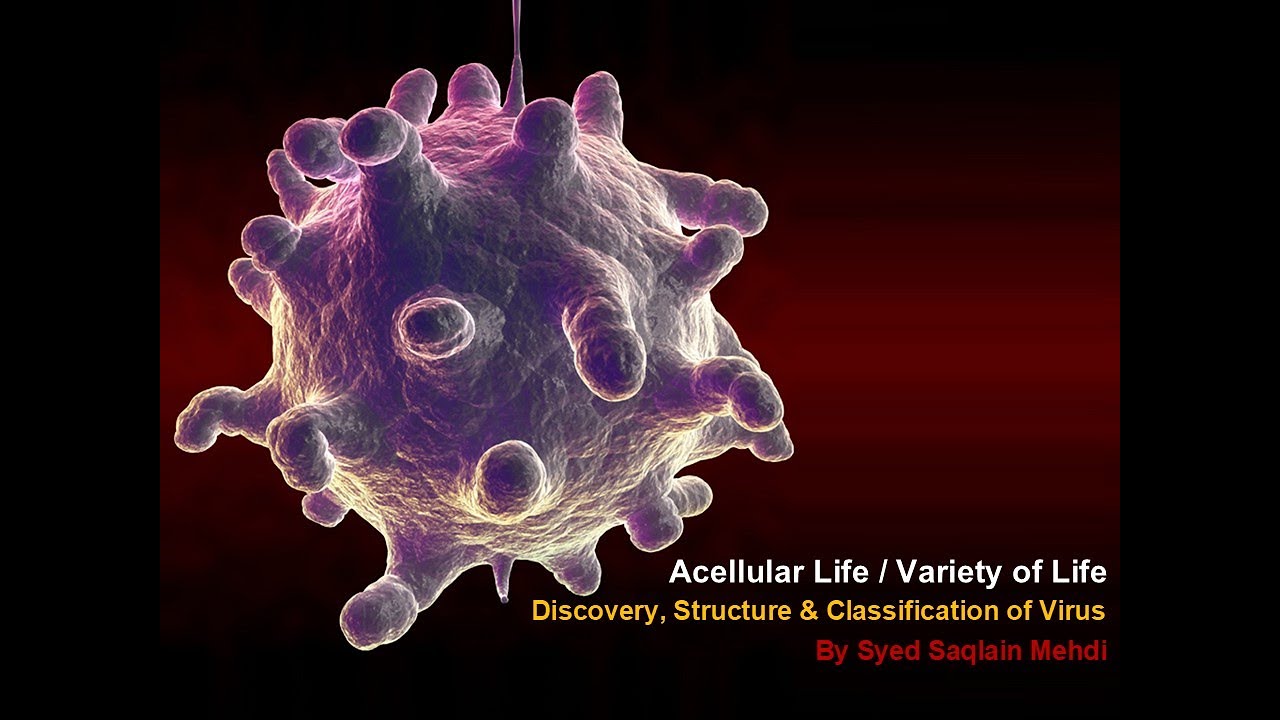
Viruses have a basic structure consisting of two main components: (1) Genetic material (DNA or RNA) located in the inner core, and (2) A protein coat called the capsid that surrounds and protects the genetic material. The capsid is made up of smaller protein units called capsomeres. DNA is made of deoxyribonucleotides and can be single or double-stranded, while RNA is made of ribonucleotides and can also be single or double-stranded.

DNA and RNA differ fundamentally in structure and function. DNA contains deoxyribose sugar lacking a hydroxyl group at the 2' carbon, while RNA contains ribose with this hydroxyl group. DNA typically forms double helices held by hydrogen bonds between complementary bases (A-T, G-C), whereas RNA is usually single-stranded. Viral genomes vary in strand configuration (single/double stranded), polarity (positive/negative), and segmentation. RNA viruses generally have smaller genomes due to lack of proofreading repair mechanisms, resulting in higher mutation rates. DNA viruses possess larger genomes because repair systems correct replication errors. Positive-sense RNA can directly serve as mRNA for protein synthesis, while negative-sense RNA requires complementary strand synthesis first.

DNA viruses typically have double-stranded genomes that can be circular or linear, while RNA viruses are predominantly single-stranded. Positive-sense RNA genomes are immediately ready for translation into proteins, whereas negative-sense RNA must first be converted into positive-sense RNA before protein synthesis can occur. This distinction affects viral replication strategies and evolutionary trajectories, with positive-sense RNA viruses generally having faster replication cycles.

The key differences between DNA viruses and RNA viruses include: (1) Genetic material - DNA viruses contain DNA as their genetic material, while RNA viruses contain RNA, (2) Host range - DNA viruses typically infect animals and plants, while RNA viruses commonly infect animals and plants, (3) Examples - DNA viruses include T4 phage and herpes viruses, while RNA viruses include HIV and TMV, (4) Shape - DNA viruses are typically spherical or polyhedral, while RNA viruses are typically rod-shaped or helical, (5) Envelope - DNA viruses often have envelopes, while RNA viruses typically lack envelopes (with exceptions like reovirus and parvovirus).

RNA viruses lack DNA and contain only RNA, belonging to the rhinovirus family including influenza, measles, Ebola, and SARS-CoV-2. DNA viruses are larger and more complex, with herpes virus containing approximately 200,000 base pairs. DNA is naturally more stable with repair mechanisms, while RNA is less stable and mutates more frequently. DNA viruses integrate into host cell DNA in the nucleus before replication, whereas RNA viruses directly order cells to create copies without reaching the nucleus. Neither type is inherently more virulent; both ultimately destroy host cells to replicate.
The Central Dogma of Molecular Biology, specifically how DNA is transcribed into mRNA and translated into proteins within a host cell.

The central dogma describes genetic information flow from DNA to mRNA to protein. Proteins are made of amino acids, the building blocks of cellular function. RNA and DNA differ in nitrogenous bases: DNA uses adenine-thymine pairing while RNA uses adenine-uracil pairing. Three RNA types serve distinct functions: mRNA carries genetic codes from nucleus to ribosomes, rRNA (80% of total RNA) forms ribosome structure, and tRNA transfers amino acids. DNA replication produces two identical molecules through a semi-conservative process using four key enzymes: helicase (unzips DNA), primase (provides starting point), DNA polymerase (builds new strands), and ligase (joins fragments). Base pairing follows strict rules: cytosine pairs with guanine, thymine pairs with adenine.

Transcription converts DNA to mRNA using base pairing rules: A→U, C→G, G→C, T→A. If DNA is transcribed, copy directly; if not, reverse first. Codons (groups of 3 nucleotides) code for specific amino acids. This process produces mRNA that will be translated into protein.
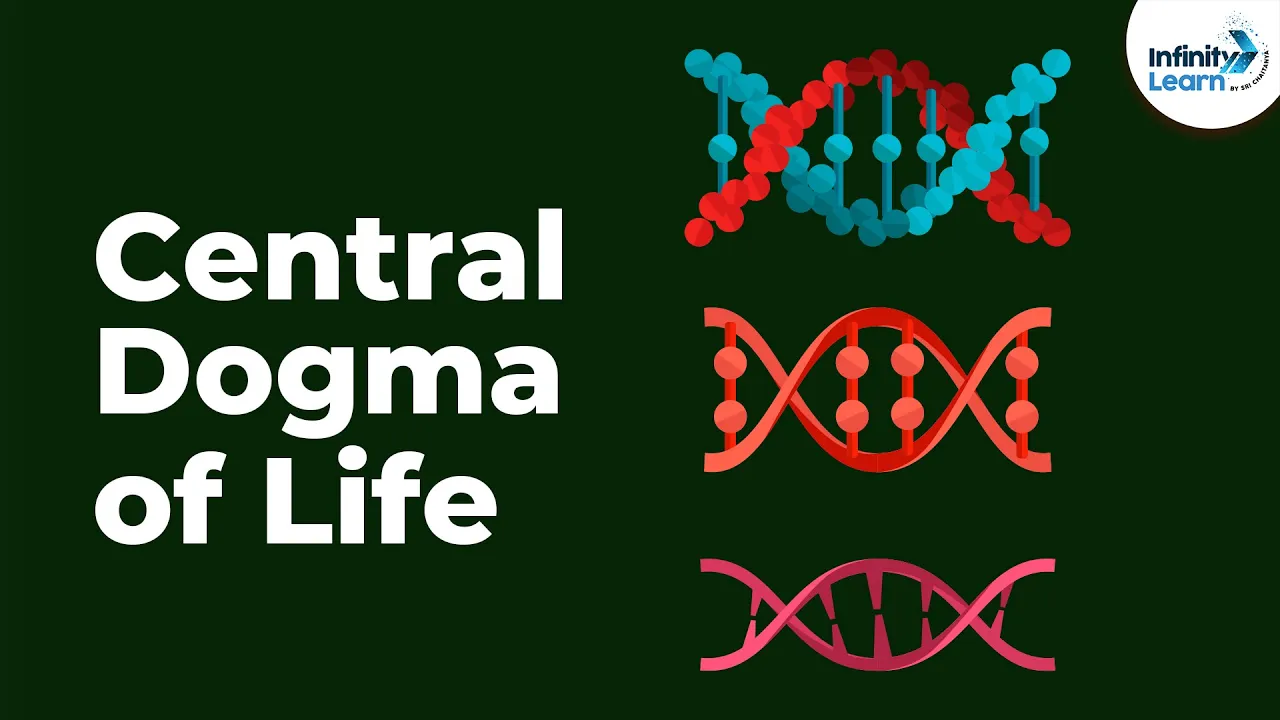
Transcription is the process by which genetic information flows from DNA to mRNA. A gene is a DNA segment encoding a specific protein. During transcription, the DNA double helix opens at specific points, enzymes assemble, and nucleotides gather to form mRNA. The resulting mRNA is single-stranded and differs from DNA by containing uracil instead of thymine. This process is essential because without transcription, mRNA cannot be synthesized, and proteins cannot be made. The mRNA serves as an exact copy of the DNA sequence coding for the protein, ready to be transported to the cytoplasm for translation.

DNA to mRNA transcription: To transcribe DNA to mRNA: (1) Replace thymine (T) with uracil (U) in the DNA template, (2) Replace adenine (A) with uracil (U) in the mRNA, (3) Replace guanine (G) with cytosine (C) in the mRNA, (4) Replace cytosine (C) with guanine (G) in the mRNA. The DNA template strand is read in the 3' to 5' direction, and the mRNA is synthesized in the 5' to 3' direction. DNA template to tRNA translation: When translating DNA template to tRNA: (1) First transcribe DNA to mRNA, (2) Then translate mRNA to tRNA, (3) The DNA template is read in the 3' to 5' direction, (4) The tRNA anticodon is read in the 3' to 5' direction. Each codon in mRNA is read in the 5' to 3' direction, and each codon pairs with its complementary anticodon in tRNA.

Transcription converts genetic information from DNA into messenger RNA. RNA polymerase, guided by transcription factors, binds to the promoter region of a gene and unwinds the DNA double helix. One strand serves as the template (antisense strand), read 3' to 5', while the other is the sense strand. RNA polymerase synthesizes complementary mRNA 5' to 3', incorporating ribose sugar and uracil instead of deoxyribose and thymine. Unlike DNA replication, no primer is needed. The enzyme exposes only 10-20 bases at a time during elongation, then detaches upon reaching the gene's end. After processing modifications, the mRNA exits the nucleus to be translated into protein.
Fundamental concepts of immunology, including how the human immune system recognizes foreign antigens and generates an immune response.

The immune system defends the body against microorganisms and foreign substances through two fundamental concepts: antigens (foreign substances that trigger immune response) and immune response (the body's reaction). The immune response has two main types: humoral immunity (through antibodies) and cell-mediated immunity (through immune cells). For a substance to be an antigen, it must be foreign to the body and contain protein or be combined with protein. The antigenicity increases with molecular complexity. Haptens are small molecules that require combination with larger proteins to become immunogenic. Antigens are classified as internal (abnormal body cells like cancer or virus-infected cells) or external (foreign substances like bacteria). The epitope is the specific part of an antigen that the immune system recognizes and reacts against. The immune system responds to external antigens through antigen presentation by antigen-presenting cells (APCs) like macrophages and dendritic cells. The Major Histocompatibility Complex (MHC) on chromosome 6 encodes proteins that help the immune system distinguish between self and non-self. MHC proteins function like ID cards for cells, indicating whether a cell belongs to the body. The MHC gene is divided into three regions: Class I, Class II, and Class III. Class I produces proteins (HLA-A, HLA-B, HLA-C) found on all nucleated cells, while Class II produces proteins (HLA-DP, HLA-DQ, HLA-DR) found on antigen-presenting cells. Helper T cells (CD4+) originate from bone marrow and develop in the thymus. They recognize antigens presented by APCs through their T cell receptors and release cytokines like interleukin-1 and interleukin-2 that activate and coordinate other immune cells.

Immunology is the study of the immune system, which consists of cells and molecules providing immunity. Immunity is the ability to fight against foreign substances (antigens) that the body does not recognize. Foreign substances are called non-self molecules. An antigen is any foreign substance entering the body, but not all antigens activate the immune system. An immunogen specifically activates the immune system and generates an immune response. All immunogens are antigens, but not all antigens are immunogens. An epitope is the specific molecular region on an antigen that the immune system recognizes to initiate a response. While antigens may have many molecules, only specific epitopes trigger immune responses.
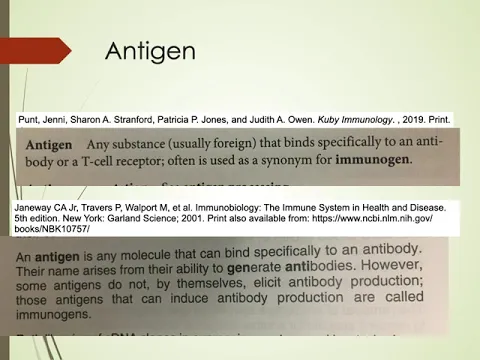
Immunity is protection against foreign pathogens, documented since 430 BC. An antigen is any molecule that binds specifically to an antibody or T cell receptor, derived from 'generate antibodies.' Antigens are usually foreign but can include autoantigens in autoimmune disorders. The immune system recognizes molecules through two mechanisms: germline-encoded pattern recognition receptors (PRRs) that bind pathogen-associated molecular patterns (PAMPs/MAMPs), and randomly generated receptors on B and T cells. This recognition allows the immune system to distinguish self from non-self.

The immune system is the body's defense mechanism against foreign infectious agents. Antigens are foreign markers on cell surfaces that allow the immune system to distinguish self from non-self. Antibodies are protective proteins that bind to antigens and signal immune response. Immunoglobulins are another name for antibodies. The immune system recognizes threats and helps the body fight infections and recover.
The immune system recognizes foreign antigens, which are proteins found on the surface of pathogens and foreign substances. Antigens act like flags that help the immune system distinguish between the body's own cells and foreign invaders. This recognition is the first step in the immune response.
Traditional vaccine technologies, such as inactivated or live-attenuated vaccines, to provide a comparative baseline.
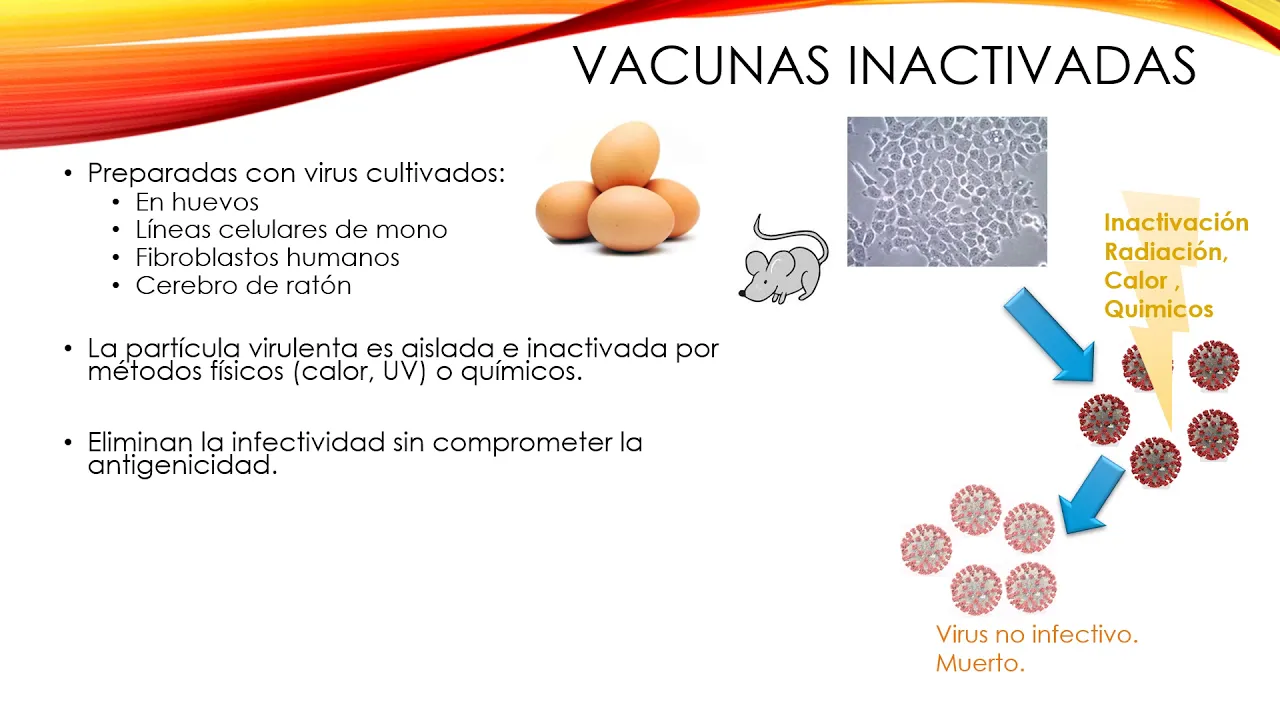
Traditional vaccines are classified into two main types: inactivated vaccines (dead viruses that cannot replicate but retain antigenic properties, requiring chemical or physical inactivation methods like formalin or detergents) and attenuated vaccines (weakened live viruses that can replicate but cause only mild disease, generated through serial passage in cell cultures, temperature adaptation, or directed mutagenesis). Inactivated vaccines are safer but require multiple doses, while attenuated vaccines generate stronger immune responses with a single dose but carry a small risk of reversion to pathogenic forms. Examples include polio, measles, and rubella vaccines (attenuated) and hepatitis A and influenza vaccines (inactivated).
Attenuated vaccines contain live, weakened microorganisms that can replicate but cannot cause disease, while inactivated vaccines contain killed microorganisms that cannot replicate. Attenuated vaccines induce both humoral and cellular immune responses, provide longer-lasting protection, and begin protecting more rapidly. Inactivated vaccines primarily induce humoral responses, require booster doses, and provide shorter-term protection. Historical examples include Jenner's smallpox vaccine (attenuated cowpox) and BCG (attenuated tuberculosis bacteria). Modern attenuation methods include cell culture adaptation, embryonated egg growth, and genetic engineering to block pathogenicity while maintaining replication capability.

Traditional vaccines include live attenuated whole virus vaccines and inactivated whole virus vaccines. Live attenuated vaccines are well-tested, provide strong immune responses, and are easy to manufacture, but require strict temperature control during storage and can potentially revert to virulent forms. Inactivated vaccines are reliable with known side effects but require multiple doses and boosters for adequate immunity. Examples include the Hepatitis A vaccine and Oral Polio Vaccine.

This section compares live attenuated and inactivated vaccines. Live attenuated vaccines are produced by modifying wild viruses/bacteria through repeated passage in cell cultures (using chick embryos) over 5-10 years to weaken them. They contain weakened pathogens that replicate in the host, inducing strong immune response with single-dose protection. Inactivated vaccines consist of killed pathogens grown in culture media, cannot replicate, require multiple doses, and have longer shelf life. The section provides examples: live vaccines include oral polio, yellow fever, smallpox, measles, BCG, and oral typhoid; inactivated vaccines include polio, Hepatitis A, rabies, influenza, pertussis, and cholera.
Traditional vaccine development strategies include two main approaches: (1) Inactivated viruses - dead viral particles injected into humans; since the virus cannot replicate, it provides a safe way for the immune system to learn about the virus and develop a protective response without actual infection. (2) Live attenuated viruses - viruses that can replicate in humans but at very low levels, not associated with causing illness; this allows the immune system to observe the replicating virus in a safe manner and develop protective immunity.
Prerequisite Knowledge
- Concept 01Basic structure of viruses, specifically the difference between DNA and RNA viruses.
- Concept 02The Central Dogma of Molecular Biology, specifically how DNA is transcribed into mRNA and translated into proteins within a host cell.
- Concept 03Fundamental concepts of immunology, including how the human immune system recognizes foreign antigens and generates an immune response.
- Concept 04Traditional vaccine technologies, such as inactivated or live-attenuated vaccines, to provide a comparative baseline.
Subsequent Learning
- Step 01Comparative analysis of viral vector platforms versus mRNA technology (e.g., Pfizer/Moderna) regarding cellular uptake, immune response, and manufacturing.
- Step 02The physiological mechanism behind rare side effects associated with adenovirus vectors, such as Vaccine-Induced Immune Thrombotic Thrombocytopenia (VITT).
- Step 03Broader applications of adenovirus vectors in genetic engineering, gene therapy, and cancer immunotherapy.
- Step 04Global health logistics, focusing on how storage requirements (standard refrigeration vs. ultra-cold chain) impact vaccine distribution and equity in developing nations.
Vaccine Mechanics
0:00- 1
Explains how adenovirus vectors deliver spike protein code.
- 2
Describes immune response and antibody production process.
- 3
Compares mechanism to Pfizer and Moderna vaccines.
Safety Concerns and Technological Limitations of Adenovirus Vector Platforms
While adenovirus vector vaccines like the Johnson & Johnson COVID-19 vaccine offer advantages in storage and single-dose administration, they face significant criticisms and technological limitations. A primary concern is the risk of Vaccine-Induced Immune Thrombotic Thrombocytopenia (VITT), a rare but serious blood-clotting disorder that led regulatory bodies like the FDA and CDC to limit its authorization and recommend mRNA alternatives instead. Additionally, adenovirus platforms face the hurdle of 'vector immunity,' where the recipient's immune system recognizes and neutralizes the adenovirus shell from prior exposure or previous doses, potentially diminishing the vaccine's effectiveness as a booster compared to highly adaptable mRNA technologies.
Comparative analysis of viral vector platforms versus mRNA technology (e.g., Pfizer/Moderna) regarding cellular uptake, immune response, and manufacturing.

Pfizer-BioNTech and Moderna vaccines use messenger RNA (mRNA) technology, which delivers genetic instructions to cells to produce the spike protein, triggering an immune response. The mRNA enters the cytoplasm and uses cellular machinery (ribosomes) to translate into protein. In contrast, the AstraZeneca/Oxford vaccine uses a viral vector approach with a chimpanzee adenovirus containing DNA. The adenovirus DNA is modified so it cannot replicate, and its replication portion is replaced with genetic code for the spike protein. The adenovirus DNA enters the cell's cytoplasm, goes to the nucleus, gets transcribed into mRNA, and then translated into protein through the same process as mRNA vaccines.
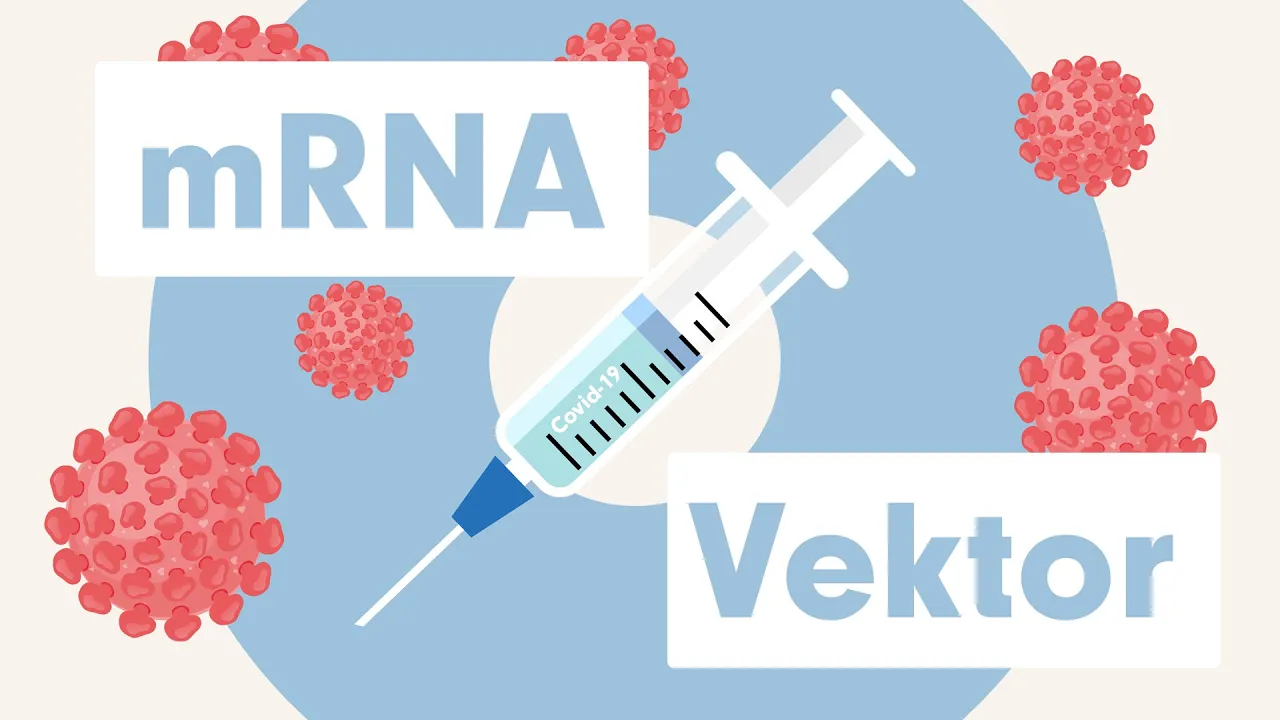
After vaccination, lipid nanoparticles with mRNA or vector viruses with DNA enter human cells. In mRNA vaccines, cellular ribosomes directly read the mRNA and produce the spike protein. In vector vaccines, the viral DNA must first be transcribed into mRNA in the cell nucleus before it can be translated by ribosomes. Both pathways result in the production of the spike protein within the cell.
Lipid nanoparticles in mRNA vaccines are taken up by cells haphazardly, meaning they are absorbed by whatever cells they encounter with high affinity. This random uptake means cells in various tissues may transcribe and translate foreign antigens. The immune system recognizes cells producing these antigens as virally infected and mounts a response to kill them. This can cause tissue damage, accelerated aging, and other costs, particularly in sensitive tissues like heart cells.
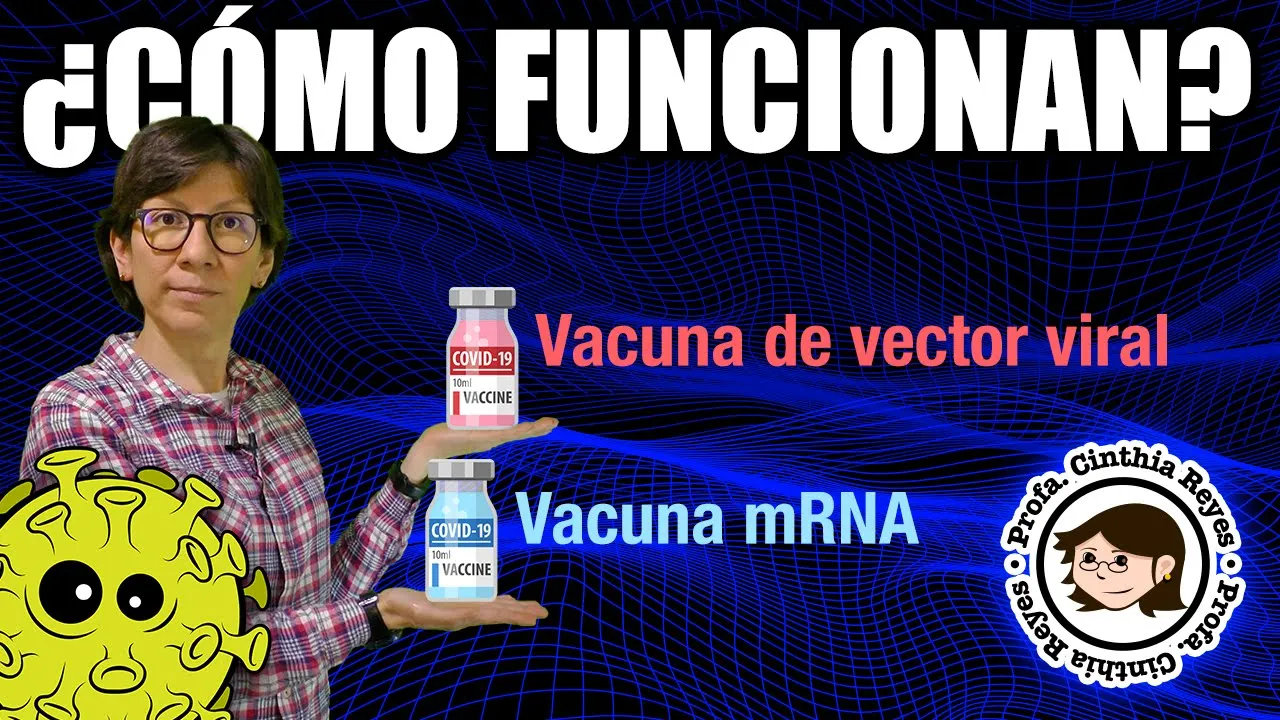
Viral vector vaccines use modified adenoviruses (with replication genes removed) as delivery vehicles to introduce genetic material into host cells, causing them to produce viral proteins that trigger an immune response; mRNA vaccines directly deliver genetic instructions in lipid nanoparticles that enter cells and instruct ribosomes to synthesize viral proteins, which then trigger immune recognition without entering the cell nucleus or modifying DNA.

mRNA vaccines (Pfizer, Moderna) use the virus's entry mechanism by delivering mRNA that instructs cells to produce a harmless viral protein, triggering immune response. The mRNA is temporary and does not integrate into DNA. Viral vector vaccines (AstraZeneca, Sputnik) use a modified adenovirus as a delivery vehicle carrying genetic material from the target virus. While viral vector vaccines may be ethically preferable as they don't require cell lines for production, there is no guarantee they haven't used cell lines in research. The speaker suggests that from an ethical standpoint, these vaccines are preferable given available information, though both types have risks and side effects.
The physiological mechanism behind rare side effects associated with adenovirus vectors, such as Vaccine-Induced Immune Thrombotic Thrombocytopenia (VITT).

VITT is a syndrome characterized by thrombosis (clotting) and thrombocytopenia (low platelets). Viral vector vaccines like AstraZeneca work by using adenovirus to deliver spike protein genetic material. In VITT, the adenovirus binds to platelet Factor 4, causing the body to form antibodies that activate platelets indiscriminately, leading to dangerous clotting. This condition occurs in approximately 1 in 50,000 people and was not detected in clinical trials due to its rarity. In the UK alone, 80 deaths were associated with VITT. The condition was identified through post-marketing surveillance when millions of doses were administered.

Scientists have identified that rare blood clotting side effects (VITT) from adenovirus-based COVID-19 vaccines occur when the immune system mistakenly recognizes adenovirus proteins as human platelet factor 4 (PF4), triggering dangerous autoantibodies; this discovery enables researchers to engineer safer next-generation adenovirus vaccines by modifying or removing these specific viral proteins.
VITT is a rare but serious complication of adenovirus-based vaccines (like AstraZeneca) where the vaccine vector DNA interacts with platelet factor 4, triggering an immune response that produces antibodies activating platelets, endothelium, and monocytes, leading to thrombosis and thrombocytopenia, primarily affecting women aged 20-50, with an incidence of approximately 1-4 per million doses; treatment requires avoiding heparin and using alternative anticoagulants like DOACs or immunoglobulin.

Vaccines containing spike protein can induce thrombosis through two mechanisms: direct thrombogenic effect of spike protein and induction of thrombophilia with thrombocytopenia. The immune system produces antibodies not only against spike protein but also against platelets. This was first described in heparin-induced thrombocytopenia (HIT), where antibodies against platelet factor 4 (PF4) cause platelet destruction and clot formation. In March 2021, reports emerged linking the AstraZeneca vaccine (adenovirus-based) to thrombotic events, leading to the identification of Vaccine-Associated Thrombotic Thrombocytopenia (VITT).
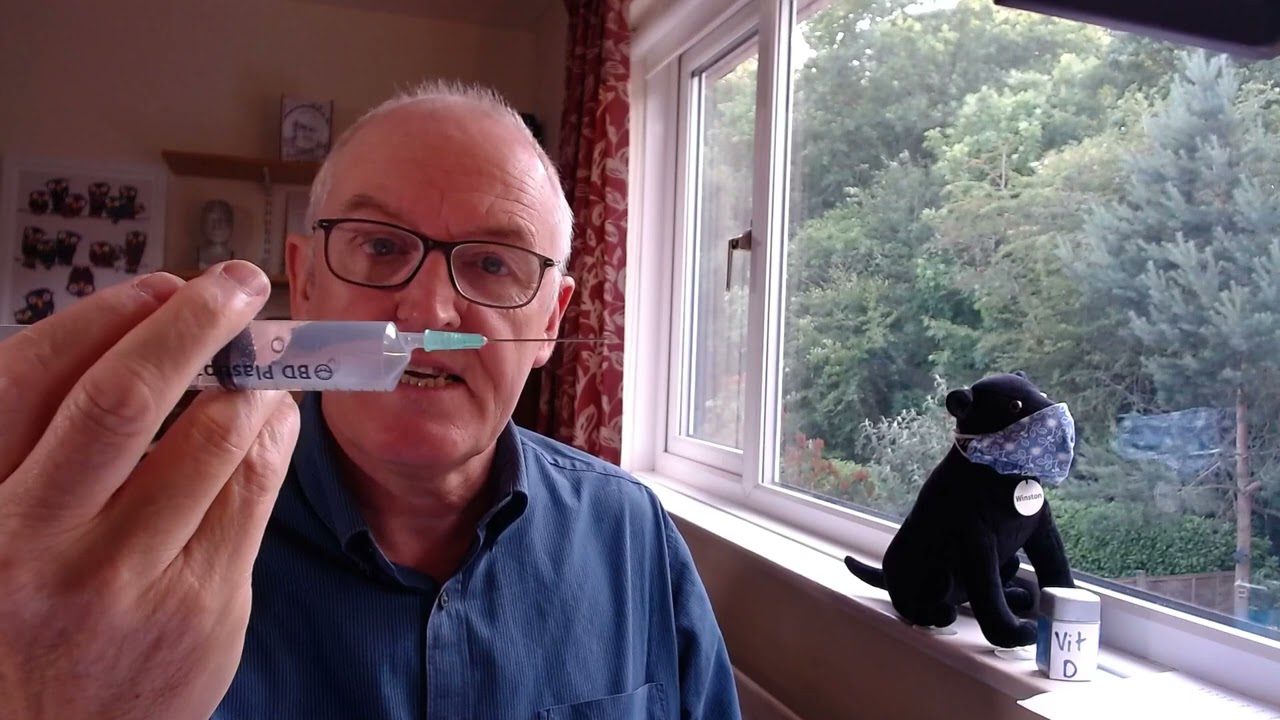
Inadvertent intravenous administration of adenovirus-based vaccines (such as ChAdOx1 nCov-19) can trigger platelet-adenovirus aggregate formation and platelet activation, leading to thrombosis with thrombocytopenia syndrome (TTS) through an autoimmune mechanism involving splenic macrophage processing and B-cell antibody production; safe intramuscular injection with aspiration prior to injection could prevent this complication.
Broader applications of adenovirus vectors in genetic engineering, gene therapy, and cancer immunotherapy.

Adenovirus vectors are constructed by removing essential replication genes (1a and 1b) and inserting therapeutic genes into the resulting space. They can transduce nearly all cell types except hematopoietic lines. Advantages include high safety (non-replicating in vivo), applicability to both preclinical and clinical studies, and well-characterized toxicity profiles. Production involves transfecting plasmids into 293 cells, harvesting cells after plaque formation, and purifying vectors through freeze-thaw cycles and cesium chloride centrifugation. Gene therapy for cancer employs multiple strategies: suicide therapy (using vectors to deliver genes that convert prodrugs into toxic compounds), immunotherapy (enhancing immune response), genotypic reversal (restoring normal gene function), and tumor-selective virus engineering. Suicide gene therapy uses vectors containing herpes thymidine kinase to convert ganciclovir into toxic compounds, killing tumor cells and inducing immune responses.

Helper adenovirus provides structural proteins but risks producing unwanted wild-type virus. LoxP sequences inserted into the helper genome solve this problem: when complementing cells express Cre recombinase, loxP-flanked sequences are excised, disabling the helper virus's packaging capability while preserving the gutless vector's packaging signal. This ensures >99% of produced particles contain the therapeutic gene. Adenovirus vectors offer significant advantages: they infect both dividing and non-dividing cells, deliver genes rapidly, are easy to manipulate, and can target multiple tissue types. Clinical trials explore adenovirus-mediated delivery of p53 tumor suppressor gene for treating breast cancer, melanoma, lung cancer, CNS tumors, and hepatocellular carcinoma. Despite immunogenicity challenges, adenovirus vectors remain valuable tools for cancer gene therapy due to their robust transduction capabilities and established production methods.

Adenovirus is a double-stranded DNA, non-enveloped virus causing respiratory infections, with 57 human serotypes divided into seven species. Its structure includes fiber proteins binding to cellular receptors (CAR, CD46, RGD), enabling tissue-specific infection. The infection mechanism involves receptor binding, endocytosis, endosomal escape, microtubule trafficking to nuclear pores, and nuclear entry, achieving ~40% efficiency with ~10,000-50,000 progeny per infected cell. Gene organization features early (E1-E4) and late gene expression phases. Vector engineering spans wild-type to gutless vectors carrying up to 35 kb transgene, with generations progressively removing viral genes to increase capacity and safety. Adenovirus-based therapeutics span gene supplementation (p53 delivery), vaccines (replication-incompetent vectors, surface display, prime-boost strategies), and oncolytic virology (selective replication in cancer cells exploiting cancer hallmarks). Advanced strategies include library selection for optimal cancer-killing viruses and combination therapies integrating bispecific T-cell engagers, interferon, and cytokines for enhanced anti-tumor immunity.

Adenovirus vectors cannot integrate into the human genome because they lack reverse transcriptase and integrase enzymes. The viral DNA remains episomal in the nucleus. While rare integration events (0.1% of cells) have been observed, these involve muscle or liver cells, not reproductive cells, so changes would not be inherited. The vectors are well-characterized from gene therapy applications, including approved treatments for hemophilia and certain cancers. This established safety profile enabled rapid vaccine development.
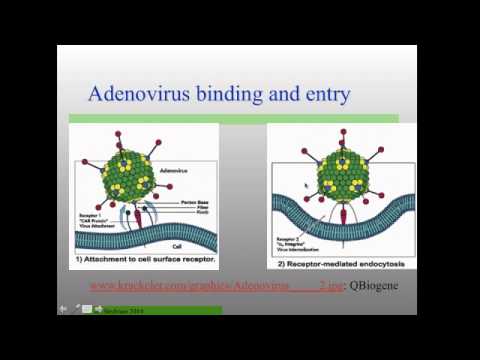
Adenoviruses serve as powerful tools in biotechnology and medicine. Gene therapy vectors lack E1a/E2a to prevent replication and transformation. Innovative approaches use E1b-deficient vectors that exploit p53 status: in normal cells with functional p53, the virus triggers cell cycle arrest and apoptosis; in cancer cells lacking p53, it replicates and kills tumor cells. Adenoviruses 4 and 7 cause severe respiratory disease in military recruits, leading to oral vaccine development. Remarkably effective as pills, these vaccines induce strong immune responses despite oral administration. Adenoviruses are now being explored for vaccines against Ebola, influenza, and other pathogens, leveraging their stability and ability to accommodate foreign antigens. This demonstrates how understanding viral biology enables transformative medical applications.
Global health logistics, focusing on how storage requirements (standard refrigeration vs. ultra-cold chain) impact vaccine distribution and equity in developing nations.

Vaccine storage requirements dramatically impact global distribution equity: Pfizer requires -90°F storage, Moderna needs -5°F, while Johnson & Johnson's single-dose vaccine can be stored in standard refrigerators for three months. Many developing countries lack cold chain infrastructure for ultra-cold storage. Less effective vaccines that can reach more people through standard refrigeration may prove more effective overall by enabling wider distribution and helping control the pandemic globally, preventing mutations that could threaten everyone.

The Pfizer BNT162b2 vaccine requires storage at approximately -90°F (-68°C), far colder than most vaccines and limiting distribution to specialized infrastructure. This extreme requirement means most hospitals lack appropriate storage facilities. Pfizer developed specialized shipping boxes using dry ice that maintain temperatures for ten days but impose strict operational constraints: boxes can only be opened twice daily for no more than one minute at a time, and only in multiples of one thousand doses. The CDC mapped distribution strategies directing ultra-cold vaccines to large urban sites while traditional-freezer vaccines go to rural areas.

Vaccine distribution requires different storage temperatures: normal vaccines need 2-8°C while high-efficacy vaccines require ultra-cold chain at -20°C to -80°C. Many countries lack this infrastructure. Successful distribution depends on existing immunization programs that already have warehouse facilities and reliable power supply. Countries with established EPI programs have the necessary cold chain equipment and electricity infrastructure to handle new vaccine introductions.
![[WEBINAR] COVID-19: cenário atual e prognósticos](https://i.ytimg.com/vi/nBEpNZ-s37Y/maxresdefault.jpg)
As of November 2020, major vaccine candidates showed promising preliminary efficacy rates: Moderna (94.5%), Pfizer-BioNTech (90%), Gamaleya (91.4%), and Oxford-AstraZeneca (90% in a subgroup receiving half-dose then full-dose). Storage requirements vary dramatically: Pfizer needs -70°C ultra-cold chain with 6-hour thaw window, while Oxford-AstraZeneca can be stored at standard refrigeration (2-8°C). These differences significantly impact global distribution logistics and cost structures.

The government addressed vaccine distribution logistics: (1) Some vaccines require ultra-cold chain (below -60°C) while others need only around 0°C; (2) Ultra-cold chain vaccines can be compromised within 4-5 hours if electricity is interrupted; (3) Peru has 7 ultra-freezers already operational and is installing 6 more; (4) The national system uses -20°C for large storage and 2-8°C for local refrigerators; (5) For remote areas, transport refrigerators can maintain vaccines for 10-15 days; (6) Vaccines undergo four stages of clinical testing and are being developed faster than ever in history.
Vaccine Mechanics
0:00- 1
Explains how adenovirus vectors deliver spike protein code.
- 2
Describes immune response and antibody production process.
- 3
Compares mechanism to Pfizer and Moderna vaccines.
Safety Concerns and Technological Limitations of Adenovirus Vector Platforms
While adenovirus vector vaccines like the Johnson & Johnson COVID-19 vaccine offer advantages in storage and single-dose administration, they face significant criticisms and technological limitations. A primary concern is the risk of Vaccine-Induced Immune Thrombotic Thrombocytopenia (VITT), a rare but serious blood-clotting disorder that led regulatory bodies like the FDA and CDC to limit its authorization and recommend mRNA alternatives instead. Additionally, adenovirus platforms face the hurdle of 'vector immunity,' where the recipient's immune system recognizes and neutralizes the adenovirus shell from prior exposure or previous doses, potentially diminishing the vaccine's effectiveness as a booster compared to highly adaptable mRNA technologies.
[Music] adenovirus vaccines are not really new adenoviruses are really really common they're really ubiquitous viruses and they tend to cause things like the common cold pink eye so really common but more minor infections an adenovirus vaccine is a virus that has been altered so that it can't make you sick it can't replicate it cannot integrate into your DNA so they take out some really important parts of that virus genome what's done to the virus is that actually a little genetic snippet is exchanged and placed into the adenovirus that is actually from the covid virus it's the section of genetic code that codes for the spike protein the adenovirus is like a trojan horse except that what it's delivering is a good thing instead of delivering something that you don't want in your body you get the vaccine the adenovirus goes into your cell it's got this Trojan Horse code on it that makes the spike protein that Spike protein then goes to the surface of your cell then your immune system recognizes it and starts to make antibodies to it in the end what you get is your body makes the spike protein and you develop the immune response to that Spike protein exactly like you do with the Pfizer vaccine and the moderna vaccine great news about this J J vaccine is that it adds such a large supply of vaccine this vaccine is stable at refrigerator temperatures for a longer period of time it does not have to go into cold Frozen storage the way that the messenger RNA vaccines are that makes it much easier to deploy to a wider variety of places so it's going to be more widely available to vaccinate so many more people the other good news is that one of J and J's competitors Merck has now entered into an agreement to produce the J J vaccine so that will ramp up production capacity for the country much faster than we anticipated what people should know about this is that it is a very effective vaccine and the J J vaccine was studied in places where there were a lot of the new variant strains coming out it still showed very high Effectiveness 85 percent at preventing severe covid and there were no deaths in the vaccine group who received the real vaccine we are in a situation where we need everyone vaccinated and we won't always have a choice of what vaccine we get the vaccines are being allocated by the states and they're being allocated where they can be put to the best use they are all really good vaccines I would feel comfortable with my family members getting any one of the three that's available
Up Next
Novavax Explained: Mechanism of Action and Immune Response
@friendlyneighborhoodimmuno7192
299.8K views•2021-07-13

Triumph of Orthodoxy Icon: Byzantine Art & History Explained
@BenCallan
2.1K views•2024-08-06

FastAPI vs Flask vs Django: Choosing the Right Python Web Framework
@TechWithTim
302.5K views•2024-05-26

Game of Thrones Opening Credits: A Cinematic Analysis
@gameofthrones
46.3M views•2011-04-18
Related Study Plans & Knowledge Roadmaps
Structured learning paths in General & Interdisciplinary Studies