




















Novavax is a protein-based COVID-19 vaccine that uses the coronavirus spike protein attached to nanoparticles, combined with saponin (a natural immune activator derived from soap tree bark) to trigger the immune response; unlike mRNA vaccines, it works by having moth cells produce the spike proteins, which are then assembled onto nanoparticles and delivered to the body, where macrophages process them and activate T cells and B cells to produce protective antibodies against the virus.
Novavax Explained: Mechanism of Action and Immune Response
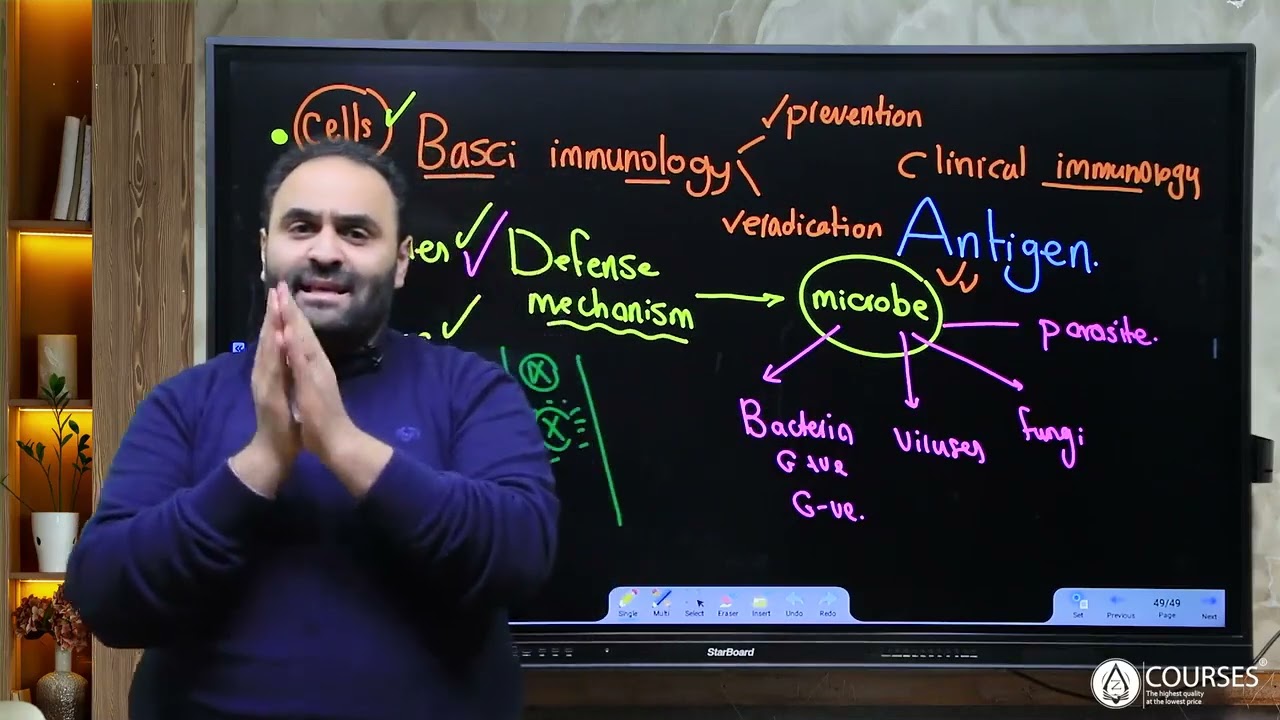
Added:Basic immunology concepts: How the adaptive immune system identifies foreign antigens via antigen-presenting cells (APCs), B-cells, and T-cells.
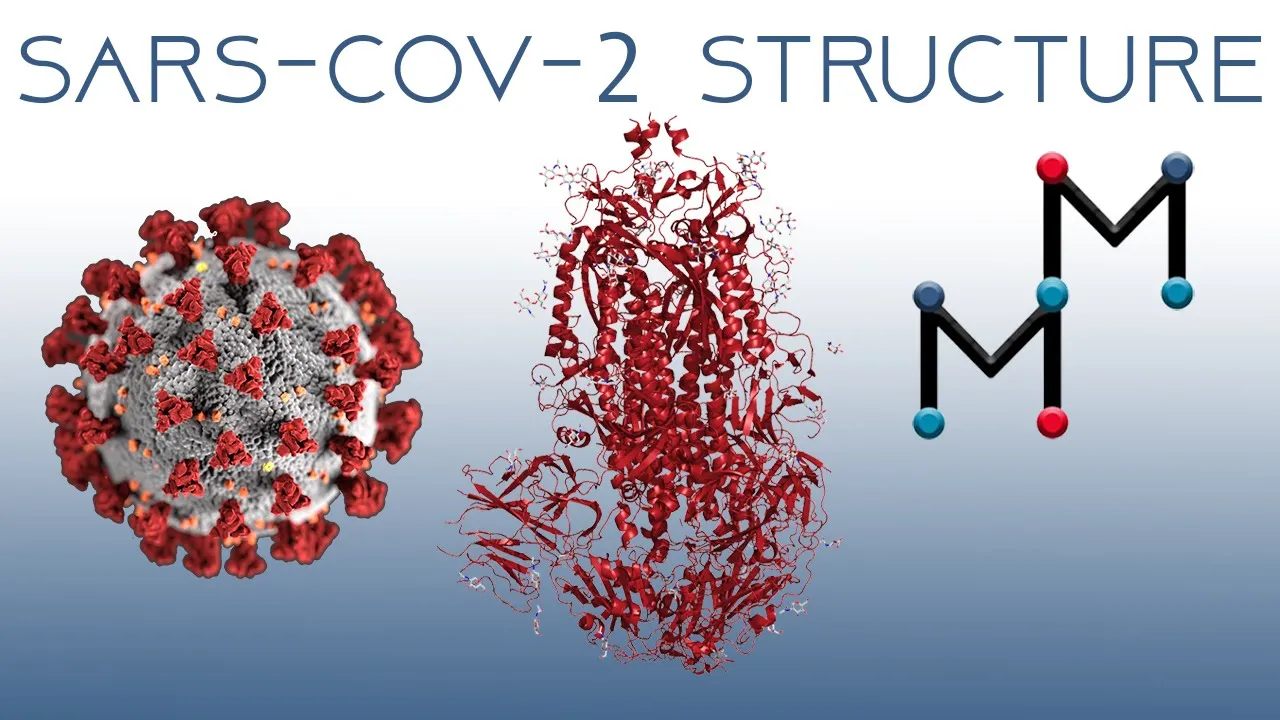
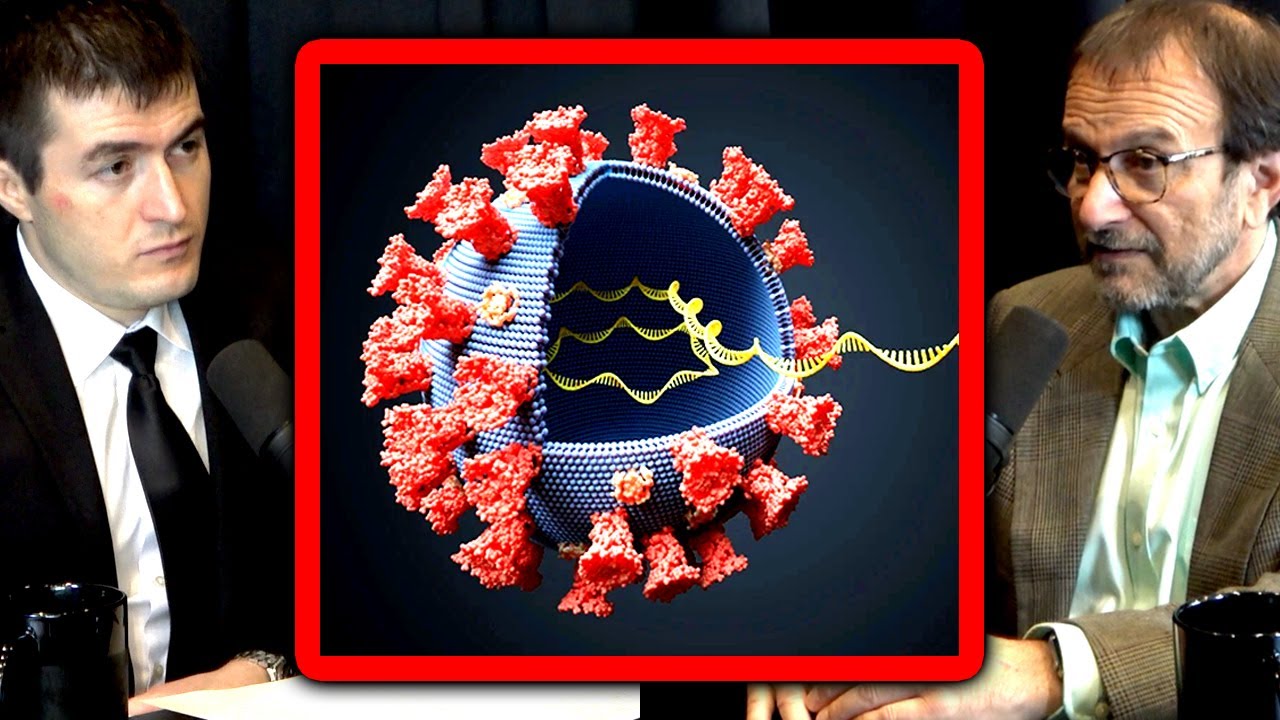
Structure of SARS-CoV-2: The specific role of the viral Spike (S) protein in binding to host cell receptors (ACE2) to facilitate entry.
Fundamental principles of vaccination: The concept of exposing the immune system to a harmless antigen to generate immunological memory.
Traditional vs. novel vaccine platforms: A basic understanding of traditional protein-based or subunit vaccines compared to gene-based platforms like mRNA.
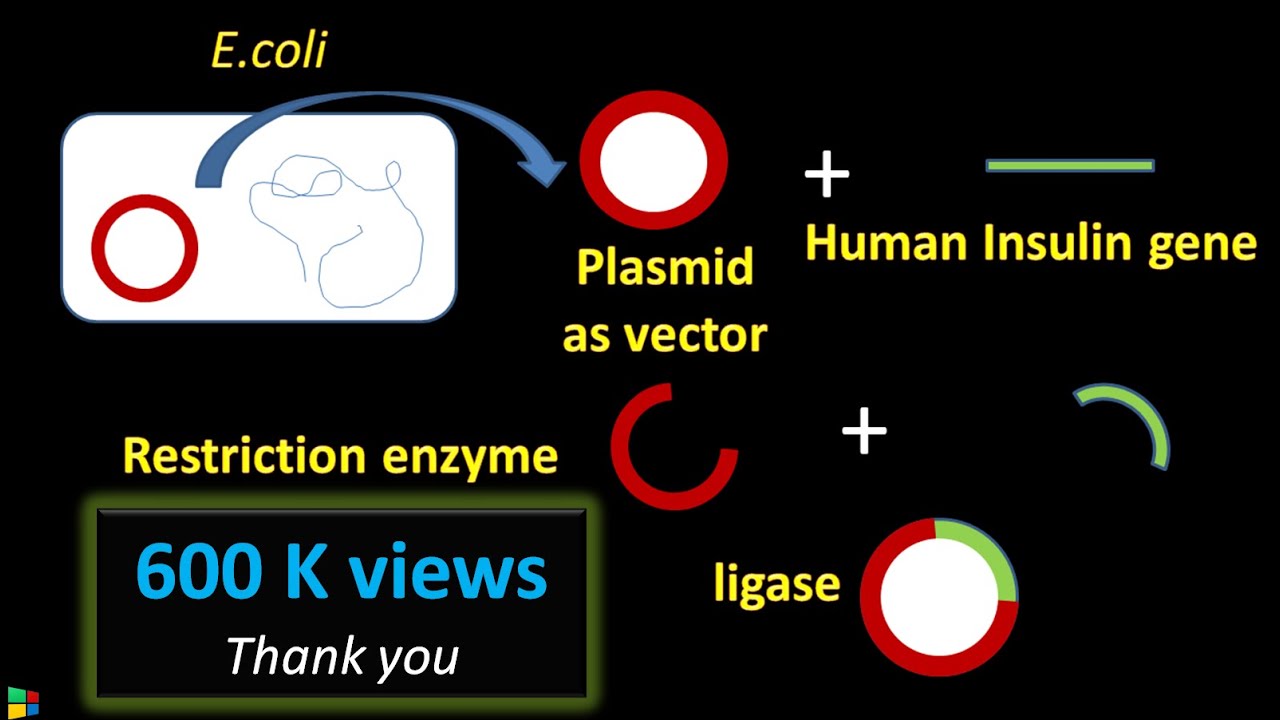
Recombinant DNA technology: How insect cell cultures (Sf9) and baculovirus vectors are utilized in biotechnology to manufacture recombinant spike proteins.
Adjuvant pharmacology: The mechanism of saponin-based adjuvants (such as Matrix-M) in boosting immunogenicity and recruitment of immune cells.
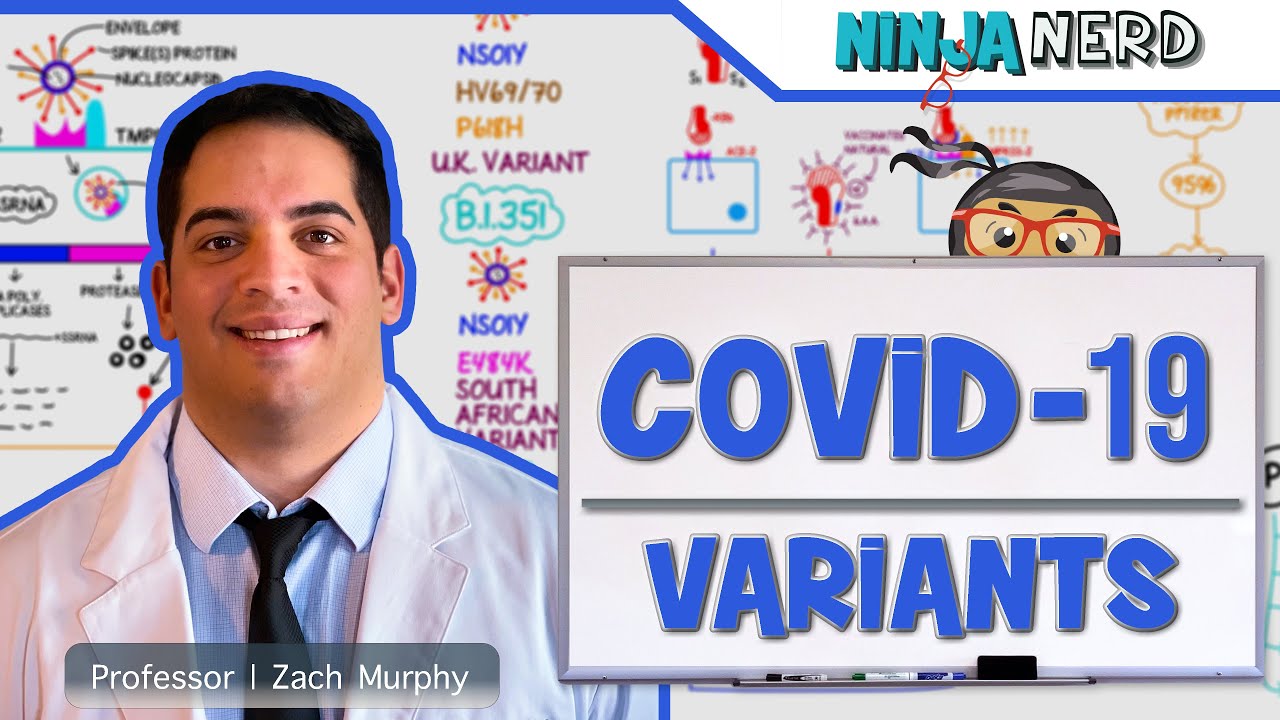
Comparative vaccinology: Analyzing the immunological differences in antibody titers and T-cell activation profiles between protein subunit vaccines and mRNA vaccines.
Global health logistics: Examining how the thermal stability of protein subunit vaccines impacts cold-chain requirements and global vaccine equity.
299.8K views8.1Klikes12:23Original Release: 2021-07-13
hey friendly neighborhood immunologist here and today we're going to talk novovax what is it and how does it work I can tell you what it isn't it is not an mrna-based vaccine it is not a viral vector-based vaccine so it is unlike any of the vaccines in the U.S on the market right now so if you were a little uncomfortable with mRNA vaccines if you were a little uncomfortable hearing about the blood clots in the news novavax could potentially be a very good option for a certain population of people it really is more traditional protein-based vaccines have been used for decades at this point it's how the HPV vaccine works and that's been very effective it's also how some influenza vaccines work so it's a bit more of a tried and true mechanism and I can't wait to show you how it works and tell you what it has to do with moths so let's get started novavax is a company in the United States and they are based out of Maryland and they've primarily been working on vaccines and they have come up with a new option for people in North America to try this is a protein based vaccine and what I mean by that is it's only the covet Spike protein so there's no mRNA and there's no viral vectors it's really just the covid spike protein so this is actually more traditional I think I mentioned earlier that this is how the HPV vaccine works but if you've had any hesitancy again because of things in the news really it's just a protein and then if it's a protein by itself there needs to be an immune activator and I'll explain what that is this particular immune activator is naturally derived all right so I'm drawing you some covid spike proteins here and what they did you can't just sort of have them floating around your body it doesn't attract the attention of the immune system so I'm going to draw them in Orange here we'll keep them orange for the video they attach them to a nanoparticle it's typically in the shape of like a small sphere or small tube so that multiple coveted Spike proteins can be attached at once it's a rather clever idea and it has about a 96 efficacy meaning that it is about as effective as the two mRNA vaccines available currently okay so how how did they assemble these coveted Spike proteins onto a nanoparticle and I'm going to tell you about that right now first thing they needed was DNA for the covid spike protein alright so they didn't make these in a lab they actually took the coveted Spike protein DNA and what they did is they introduced it to another virus but your body is never seeing this virus it's a baculovirus you've probably never heard of these I hadn't until I looked into novavax because it's a virus that only affects insects yeah so that's why we haven't heard of them because they pretty much never get people sick so here we go I'm going to color code the DNA orange because it's going to help make copies of the spike protein so if you're not familiar it always goes DNA into RNA and RNA into protein so this is the final step they took the baculovirus which I told you in fact insects and they chose a moth so you can just take moth cells you can grow them up in a lab and they're basically like like a Machinery they're like a Ford or GM plant where you give them the program on how to make the car and they just go ahead and make them all for you so the moth cell Machinery which is pretty much in the nucleus they have their own DNA and DNA machinery they're gonna start cranking out those coveted Spike proteins for the researchers all right so again the baculovirus gets into the moth cell takes the DNA into the nucleus The Moth cells make thousands upon thousands of copies of the coveted Spike proteins they are then collected by the researchers and then they assemble them onto those nanoparticles that I drew for you earlier so the only thing that you're receiving in your body are the covid spike proteins attached to a nanoparticle in a shape that would more or less mimic a virus shape so I mentioned the protein by itself is actually not going to activate your immune system you need to add an immune activator there's many different types the researchers here actually chose a very sort of natural and organic choice so saponin saponin is actually derived from oh ran off the page there derived from soap tree bark so it is just a detergent but if you would imagine injecting Dawn detergent under your skin that's pretty irritating and the fact that it's irritating uh will activate the immune system more about sapona and as I mentioned we bark and you know that cells they're actually just put you inside of your little cells is and so because saponin is a detergent and soap breaks down fat what you're actually going to do is something that's called hemolytic and dust means blood life that's what it means it means some of your blood cells are going to basically get open you are using your Dawn detergent to clean a greasy plate so here we have a red blood cell and I'm just showing you that if you inject its opponin underneath the skin it would basically start hemolizing and like exploding your red blood cells so anytime you break down red blood cells your immune system is pretty interested and they get activated but remember it's naturally derived so here my second point is that you're going to be receiving if you take Nova backs you'll be receiving a nanoparticle with attached coveted Spike proteins so that's it you're basically getting soap and covered Spike protein nothing else now I want to show you how this actually works I study the immune system for a living particularly during Alzheimer's disease and I really think we don't know enough about how our own bodies work and I'd like to just tell you quickly how the immune system works in response to a vaccine so here's the first step I scoot the paper down it's a little close the first step is a cell called a macrophage you can find macrophages in your bloodstream in your tissue they're actually particularly helpful and they live in your lungs one of the things they do best is actually run around your body and eat things that they think are dangerous that's really its job so macrophage means large eater try to often draw them in pink all right so macrophages are going to respond to this opponent to the pieces of the red blood cells and they're going to basically move on the technical term is like chemotaxis so if you think about a taxi moving they taxi too they taxi to anything they think is dangerous so what they're going to do is they're going to show up because of the saponin and the laced blood cells and they're going to start cleaning up the mess and when they do that they're going to eat the nanoparticle with the covid spike protein they're going to break it down in the stomach portion of the cell yes your cells have stomachs and they're very acidic just like yours and they break down the pieces of the coveted Spike protein and they put them on the outside of the cell so the outside of your cells are where cells communicate if you'd like to know a bit more detail they're actually called major histocompatibility type 2 receptors and why does that matter because macrophages need to show long-lived immune cells what they have found what they do is when they find something interesting they break it down put it on the outside and then they traffic to a nearby lymph node because lymph nodes are where most of your long-lived memory cells are so these are called t helper cells and they really just sort of tell all the other immune cells what to do they're very important they can live from anywhere from one year to your entire life depending on the type of survival signals they get and they're going to do something really cool they're going to basically match up perfectly with the MHC class II receptor and if you ever activate your immune system it really is the equivalent of like going nuclear because you're going to remember this protein for potentially the rest of your life and so there's a couple of checks and balances all right so I'm drawing the T Cell receptor here in green coveted Spike protein in Orange and then the macrophages MHC Class 2 in pink and they're not always a perfect match but when they are the T Cell gets activated to the covet Spike protein for potentially the rest of your life so it doesn't just work that way this is the first signal if the T Cell receptor matches the MHC Class 2 you're halfway there but like I said going Nuclear So to get signal number two I'm drawing it in red because that's what the danger signals are from so all of those lysed red blood cells allow for second signals called basically like danger signals to become activated so if step one and step two have been completed the T cell is going to move on and activate potentially the most important cell for fighting the covid virus the B cell ah now I'm going to scoot us up I'm drawing y shaped things outside the B cell these y-shaped proteins are called antibodies and they're going to basically grab neutralize and stop covid from ever entering your cells because once a virus gets inside of your cell the battle becomes much harder but if you actively have these little y-shaped antibody Nets in your bloodstream they're going to grab the virus before the virus ever enters your cell which is why vaccines are so effective when they're designed well all right so here we go I'm going to show you what an antibody does to a covid virus so let's say you received two shots of the novavax vaccine and you have these blue antibodies just floating around they're in your mouth they're in your lungs they're in your bloodstream and if somebody coughed on you gave you the covet virus it would immediately be neutralized with the antibodies in your bloodstream one con I do want to mention is that the novax vaccine is effective towards the original coronavirus not as effective against the variants it varies between 86 and 50 effective so that it's a detriment I want to mention if you have any other comments or questions please go ahead and drop them in the comments otherwise if you enjoyed this video I have many others about the immune system and vaccines cancer Alzheimer's so please hit like And subscribe stay healthy
Up Next

13:16
Business Process Mapping Guide: Step-by-Step Methodology
@tonidebelic
72.1K views•2024-09-02

12:54
Triumph of Orthodoxy Icon: Byzantine Art & History Explained
@BenCallan
2.1K views•2024-08-06

9:49
FastAPI vs Flask vs Django: Choosing the Right Python Web Framework
@TechWithTim
302.5K views•2024-05-26

1:42
Game of Thrones Opening Credits: A Cinematic Analysis
@gameofthrones
46.3M views•2011-04-18
Related Study Plans & Knowledge Roadmaps
Structured learning paths in General & Interdisciplinary Studies
general-studies
Elevator Engineering: History, Physics & Cities
01From Hoists to Safety Brakes: The Dawn of Vertical Lift
02Hydraulic vs. Traction: The Engineering Physics of Elevators
03Modern Speed, Safety, and Algorithms
+ 2 more learning modules
12h5 modules
Explore Roadmap
general-studies
Rubber: Material Science, History & Geopolitics
01Origins of Natural Rubber & Mesoamerican History
02The Chemistry of Natural Rubber & Vulcanization
03The Geopolitics of the Rubber Boom & Colonization
+ 2 more learning modules
12h5 modules
Explore Roadmap
general-studies
Containerization: Evolution, Logistics & Trade
01Ancient Trade & Bulk Cargo: Amphorae to Barrels
02The Industrial Revolution & Cardboard Packaging
03The Containerization Revolution: Malcom McLean
+ 2 more learning modules
12h5 modules
Explore Roadmap
general-studies
Textile Tech: Evolution, Labor & Global Impact
01Pre-Industrial Textiles: Handloom & Cottage Industry
02Mechanization: The Spinning Jenny to the Power Loom
03The Factory System & Global Labor Transformation
+ 2 more learning modules
10h5 modules
Explore Roadmap