



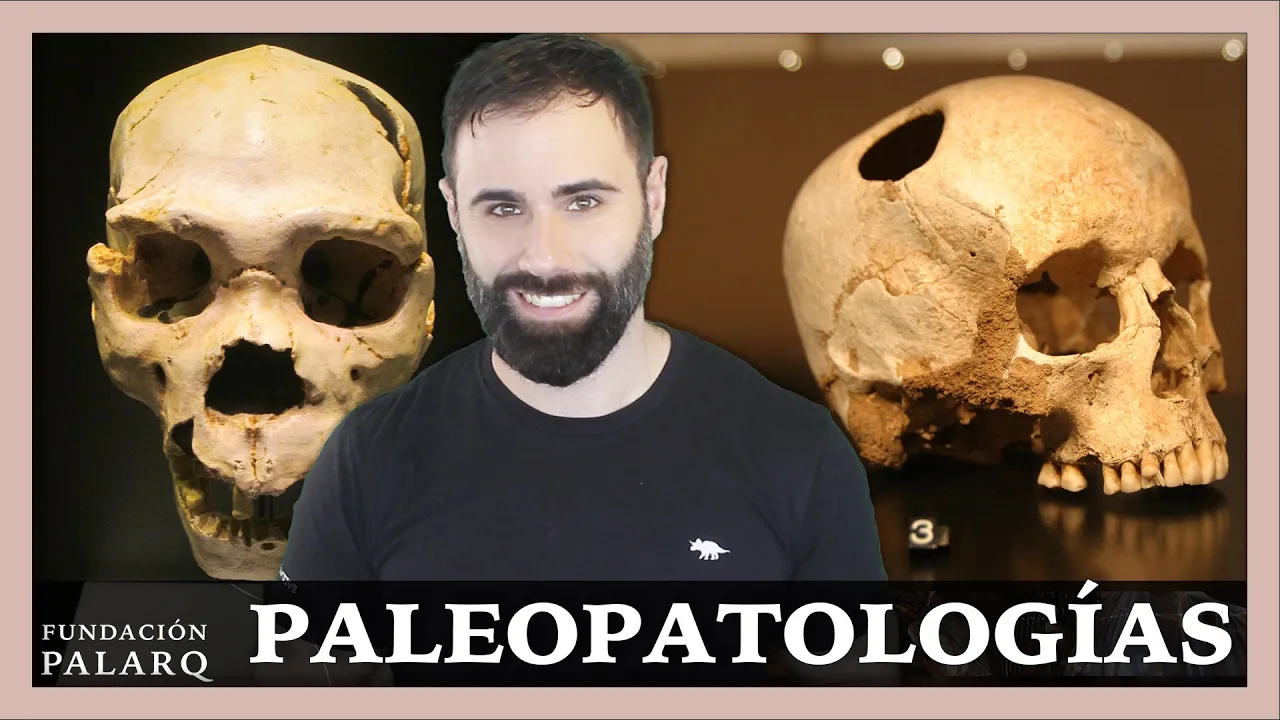











Bioarchaeology is the contextual study of human populations using skeletal remains to understand how people lived, died, and experienced health and disease throughout history; the skeleton serves as a living tissue that records life events such as injuries, infections, and nutritional deficiencies, allowing researchers to analyze population-level trends in health, migration, social organization, and violence, as demonstrated by the identification of King Richard III through his distinctive scoliosis and battle wounds.
Bioarchaeology Explained: Skeletal Analysis & Richard III
Added:Basic Human Osteology: An understanding of the human skeletal system, including major bone groups, joint structures, and the biological process of bone remodeling.
Introduction to Archaeology and Anthropology: Familiarity with how researchers study past human societies through material culture and biological remains.
Fundamentals of Paleopathology: A foundational grasp of how systemic health issues, infectious diseases, and nutritional deficiencies (like scurvy) manifest as lesions or modifications on bone.
Biogeochemical Analysis (Isotope and aDNA Analysis): Exploring how stable isotopes and ancient DNA are extracted from skeletal remains to reconstruct ancient diets, mobility patterns, and genetic lineages.
Taphonomy and Mortuary Archaeology: Studying the chemical and physical processes that affect bones after death, as well as the cultural practices surrounding burials and body treatment.
Forensic Anthropology: Applying bioarchaeological methods to modern forensic investigations, humanitarian efforts, and the identification of unknown human remains.
Osteobiography and Population Demography: Synthesizing individual skeletal analyses to construct broader profiles of historical populations, including life expectancy, occupational stress, and social inequality.
1.5K views32likes16:00Original Release: 2020-09-25
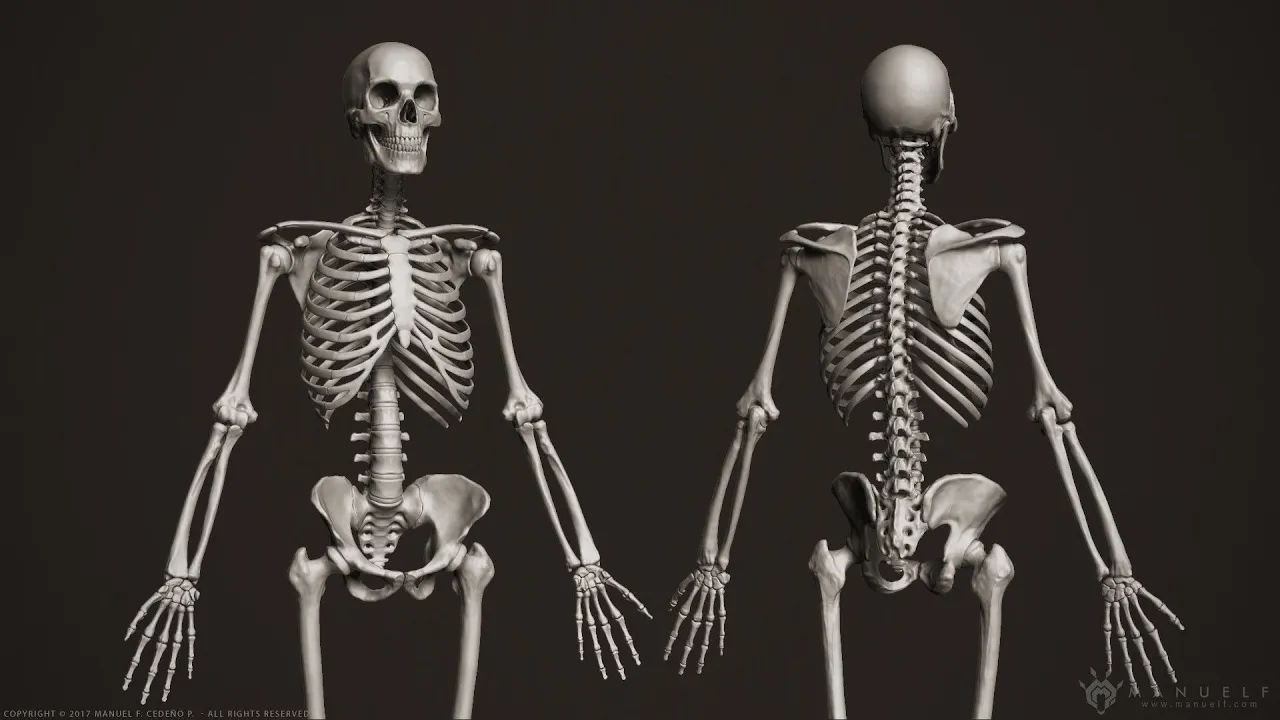
hi i'm alexi o'donnell i am a bio archaeologist and i work at the university of mississippi in oxford mississippi and i'm going to give you a brief introduction to bio archaeology today so first i want to talk about why we study skeletons so probably the first i guess reason you might study them is because our culture is uh fascinated and repulsed i think by death not every culture is fascinated or repulsed by death and for some people it's more incorporated into kind of everyday life but in american culture i would say that that is less so so the study of the skeleton in general has this really long sometimes sordid tradition in anatomical studies for medical purposes so the skeleton is obviously really important medicine and the skeleton for anthropologists like me provides a really informative and helpful piece of information about how people lived how people died what they ate and i'll talk about that more in a second so a thing i should have to hit on before i get too deep into bio archaeology is that our skeleton is alive we might not think of it as being this living thing but it is um it makes our red blood cells it stores our fat it stores calcium it protects all of our squishy bits so without this hard framework without our skeleton uh we wouldn't be alive probably or we'd be big bobs of jell-o which would make us pretty useless so the skeleton because it's alive it records things that we go through as we travel throughout life so if you break your arm your skeleton breaks clearly but then it makes a new chalice of bone and it'll heal that fracture eventually it'll fully heal but evidence of that fracture doesn't necessarily go away and it's the same with some infections or issues instances of like malnutrition so our skeletons and our teeth create this almost indelible record of things we do things we did things we ate and things we experienced which is what makes them really exciting for anthropologists so two examples of disease processes i just picked a couple that are interesting that leave marks on our skeleton um i'm gonna talk about two but the first one is scurvy humans and guinea pigs cannot create vitamin c themselves so uh it's really interesting because guinea pigs are one of the only other creatures aside from humans where this is an issue most other creatures actually make and basically synthesize their own vitamin c so they don't need a supplement of vitamin c to survive but guinea pigs and humans do so we have to eat things that have vitamin c or else we get something called scurvy you probably associate scurvy with pirates and seafaring peoples and you wouldn't be incorrect and there's actually this military surgeon who figured out in the case of scurvy to fix it you just need some citrus for those of you who live in new mexico what's even more exciting than citrus is if you eat green chili which has more vitamin c than lemons and oranges so i suggest you just eat your green chili and you'll never get scurvy so scurvy basically makes it if you have lack of vitamin c your collagen which is stored in your skeleton it can't be replaced um it leads to this breakdown of your tissues and what this deficiency can do and how it leaves a mark on your skeleton is that actually makes your bones porous and that goes along with uh things like and other things that happen i guess to your body not going along with but your gums can bleed uh your teeth can get loose you can get big sores on your skin and this picture at the bottom right hand side of your screen kind of shows you an example of some pictures of scurvy from a medical textbook another disease in this case that can impact your skeleton although it does it very very rarely uh is tuberculosis so tuberculosis is kind of characterized as this romantic disease especially in the 18th and 19th centuries it's caused by a bacterium called mycobacterium tuberculosis so this is an infectious disease it primarily impacts your lungs but it can impact other parts of your body and today there are roughly two million fatalities directly related to tuberculosis a year worldwide so keep that in mind today tuberculosis is still a disease that really impacts people and there are drug resistant strains and strains that are emerging it's drug resistant so they're not like antibiotics aren't working on them so tuberculosis is pretty bad but what's kind of interesting it very rarely like i said impacts bones but when it does which is maybe two to three percent of cases it leaves really specific marks so what you see here are your vertebrae or your backbone and you see these holes in the bone the holes don't belong there and that is a sign that you've had tuberculosis so tuberculosis in my opinion is not so romantic symptoms of active tuberculosis are a chronic cough with blood in your sputum fevers night sweat weight loss so the historical term for this disease is consumption and it's because it's basically because of that weight loss you look like you're being consumed so like i said this disease impacts people today and then if you've ever watched gone with the wind you probably recognize this woman this is vivian lee she's famous for her role as scarlett o'hara but what she's not as famous for is that she died from tuberculosis in 1967 so these are two diseases of many that can impact your skeleton or skeletons don't have that many ways that they actually react to insults or illnesses just a couple and these are two diseases that really impact your skeleton or can so back to why we might study a skeleton so studying skeletons it's really important for a lot of fields as i mentioned before i think medicine would be the most obvious place where skeletal studies are really important we want our doctors to know about our skeletons so they can treat our diseases and our ailments and if we break a bone we want them to be able to fix it but you can maybe imagine knowing about bones being really important in forensic settings because in the case of a forensic investigation probably sometimes all you have left is a person's skeleton and i would say last but not least here is bio archaeology so uh forensic anthropology and bio-archaeology have quite a bit of overlap and i'll kind of pit on that in a minute but if we hear about bio archaeology bioergology is the contextual study of the biology culture and evolution of human populations from skeletal remains interpreted within archaeological and historical contexts so the main goal of bioarchaeology is to understand how people lived in the past so we study the dead to get it their lived experience bioarchaeology of the term is coined by dr jane beixtra in the 1970s in the united states and it emerges at the same time that we see some big changes happening in american archaeology so the goal of american bio archaeology is much the same as the gold of the new archaeology or perceptual archaeology movement of the 1970s the goal probably today even today the goal is anthropological problem solving rather than kind of descriptive data collection so american bio archaeology focuses on this recreation of life histories and population structure and bioarchaeology exists in the uk as well they develop independently of each other and they do have some overlap but i think i would say they do things a little bit differently so what can you learn from looking at a skeleton and teeth which i'll talk about really briefly you can learn a whole bunch so you can learn about health you can learn about diseases that people had their disease load um levels of illness in a population whether they're disabilities you can learn about things like migration so population histories marriage patterns you can learn about how society was organized so if there's inequality marginalization how do those impact people how does colonization impact our skeletons violence all of those things you can see evidence for in your skeleton we can also learn about people's ritual and spiritual beliefs because how we treat the dead where we put them when we bury them or dispose of them after they're dead tells us a lot about kind of people's relationships with the dead and how they interfaced with them uh you can learn about people's ancestry uh identity uh not ancestry he'll get there in a sec what was it like to be a little kid in the past what's it like to um be like what's your ancestry um what's your ethnicity what are your experiences based on those things what are your experiences based on gender even though we don't estimate gender from a skeleton uh paleo demography how long do people live was child mortality high with fertility high we can also learn more like this is about today secular change which are things that are changing in our current society our current culture uh stature obesity the time you start your period any of those things maybe you can't learn about the period from the skeleton but that's an example of secular change and you can identify unknown people unknown skeletal remains through forensic identification through the construction of something called the biological profile so bio-archaeologists and forensic anthropologists will use a biological profile and this is a thing you have to do before you can really learn about a culture or a people so the biological profile when we estimate it we do an inventory of a person's skeleton we estimate their respect um so sex you just remember is biologically driven and your gender is a social construct a bio archaeologist we can't determine your gender we can only determine your sex your age uh your ancestry so that's your heritage kind of where are you from now your stature how tall were you and pathology do you have evidence of disease or trauma or malnutrition like scurvy we construct this profile and that's when we are able to actually learn about a people or a group so before we go over this case study i just want to say that most of the time bioarchaeologists are not trying to identify specific people often we're working to understand population or group level trends so what are the bigger picture questions although some people write osteobiographies about a single person and talk about their lived experience and that's what i'm going to give you an example of here but when you're thinking of forensic anthropology they're going to use that biological profile to try to identify a specific person so you can consider the case study i'm about to show you a mixed bag of bio-archaeology forensic anthropology and some good historical detective work in 2012 by archaeologists from the university of leicester they set out to find king richard the third grade so king richard is really interesting he's the last english king who has died in battle and he was long thought to have been buried in grey friar's churchyard the researchers kind of felt that finding him would be actually next to impossible but they thought that excavating this church yard where he was buried or thought to be buried would be really great for learning about other people who were maybe weren't as famous who lived during the same time period so it was worth a try and what's really interesting is that they're digging and they run across this skeleton and immediately they think it's king richard iii so there are several things that hinted it and one major thing is that he has this skeletal anomaly which almost certainly gives it away so he has a spinal curvature what's called scoliosis so you can see that curvature in this picture at the right this is the skeleton in situ or in the grave so what you can see here is that it's sitting up he's in this kind of propped up position his head is not laying flat it's propped up against the edge of that grave um which maybe indicates a hasty burial you can still see his spinal curvature really clearly in both of these pictures so after they excavate cane richard what they do is a full skeletal analysis and they construct that biological profile so what we know from the full skeleton is that this individual was an adult male in his 20s to 30s so the king was about 32 years old when he died he was about five foot eight he definitely has that pathology that scoliosis which you can see really clearly in this picture and he has multiple wounds that he suffered perimortem so perimortem means wounds incurred around time of death in his case so he has multiple wounds that he incurred right around the time that he died researchers identified 11 of them this is his skull and this is the back of his skull so it's this part of your head right here and the injuries to the skull including this really massive one you see here indicate that he was hit with a bladed weapon sword maybe multiple times so this wound is likely to blow that ends his life uh it's equally likely though that he endured other wounds uh that they couldn't see on the skeleton which happens a lot which may have also been fatal so in the end what they do with this biological profile is they're like okay this is a male the skeletal remains are kind of ambiguous in a lot of respects but it's male and richard in life was reported to be very slim and slight and kind of a small guy that's what they see with his skeleton he's about five foot eight so he's a bad height his scoliosis was really severe so it would have given him a hunchback appearance and richard is reported to have been a hunchback in the literature he suffered multiple injuries from a sharp object at his time of death well we know he died in battle on august 22nd 1485 during this battle of bosworth so we know that if you die in battle you're probably more likely to exhibit those kinds of wounds he buried in this grave that's too short for him that indicates a hasty burial which kind of mimics all accounts of his burial and the historical written record of his burial and finally the researchers got someone who was thought to be a defendant of kin richards they know she's a defendant because of genealogy let me track it down she supplies her dna which they use to identify his remains squarely as king richard iii now these pictures over here that you see are images of richard being buried at the top that's right before burial and then the bottom image is actually this guy named lauren's stanley finding richard spiriclit or his crown after the battle in which he died and he hands it to this man named henry henry later gets crowned king so that is bioarchaeology and the bio-archaeological profile which we use for everything in a little tiny nutshell and the one last thing because i didn't talk about them as much but you can never forget peace so peace can tell us almost everything that the skeletons can there's some obvious exceptions you probably can't figure out how somewhat tall someone was from their teeth but almost everything else you can an enamel is one of the hardest substances in the body so it basically records a bunch of different stuff and it's really durable so i just wanted to not leave keith out of the equation here thank you for your time
Up Next
18:02
Bioarchaeology Explained: Methods & Key Concepts
@dr.torvinen
288 views•2021-09-06

12:54
Triumph of Orthodoxy Icon: Byzantine Art & History Explained
@BenCallan
2.1K views•2024-08-06

9:49
FastAPI vs Flask vs Django: Choosing the Right Python Web Framework
@TechWithTim
302.5K views•2024-05-26

1:42
Game of Thrones Opening Credits: A Cinematic Analysis
@gameofthrones
46.3M views•2011-04-18
Related Study Plans & Knowledge Roadmaps
Structured learning paths in General & Interdisciplinary Studies
general-studies
Elevator Engineering: History, Physics & Cities
01From Hoists to Safety Brakes: The Dawn of Vertical Lift
02Hydraulic vs. Traction: The Engineering Physics of Elevators
03Modern Speed, Safety, and Algorithms
+ 2 more learning modules
12h5 modules
Explore Roadmap
general-studies
Rubber: Material Science, History & Geopolitics
01Origins of Natural Rubber & Mesoamerican History
02The Chemistry of Natural Rubber & Vulcanization
03The Geopolitics of the Rubber Boom & Colonization
+ 2 more learning modules
12h5 modules
Explore Roadmap
general-studies
Containerization: Evolution, Logistics & Trade
01Ancient Trade & Bulk Cargo: Amphorae to Barrels
02The Industrial Revolution & Cardboard Packaging
03The Containerization Revolution: Malcom McLean
+ 2 more learning modules
12h5 modules
Explore Roadmap
general-studies
Textile Tech: Evolution, Labor & Global Impact
01Pre-Industrial Textiles: Handloom & Cottage Industry
02Mechanization: The Spinning Jenny to the Power Loom
03The Factory System & Global Labor Transformation
+ 2 more learning modules
10h5 modules
Explore Roadmap