





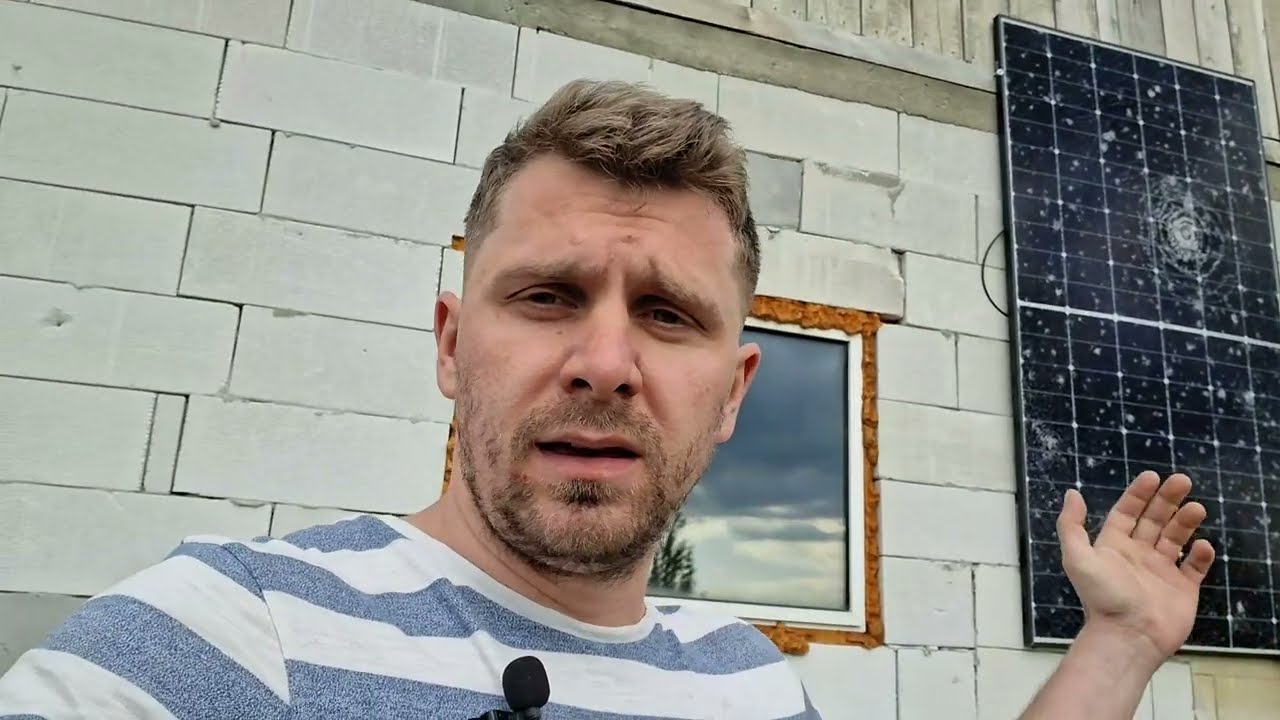











This video tutorial demonstrates the complete mechanical assembly and controller configuration of a dual-axis solar tracker, covering frame construction with steel supports, linear actuator installation for panel adjustment, wind speed sensor integration, and controller calibration to track sun position using directional testing with a grow light; the presenter explains how to connect the 24V power supply, identify north-south and east-west orientations through voltage response testing, and program limit switches for safe nighttime repositioning.
Dual-Axis Solar Tracker DIY Part 2: Assembly & Sensor Wiring
Added:Basic electrical circuit theory, including DC voltage, current, polarity, and safe wiring practices.
Fundamental concepts of photovoltaic (PV) solar energy, specifically how solar panel orientation affects power generation efficiency.
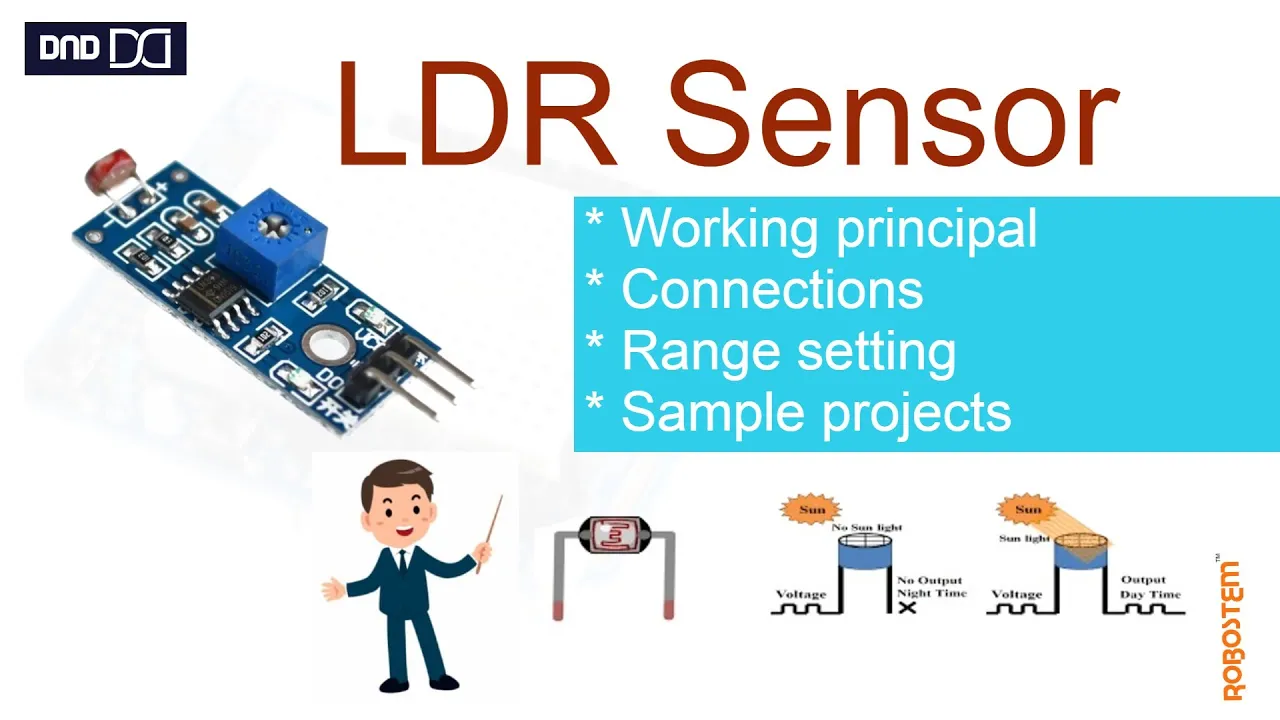
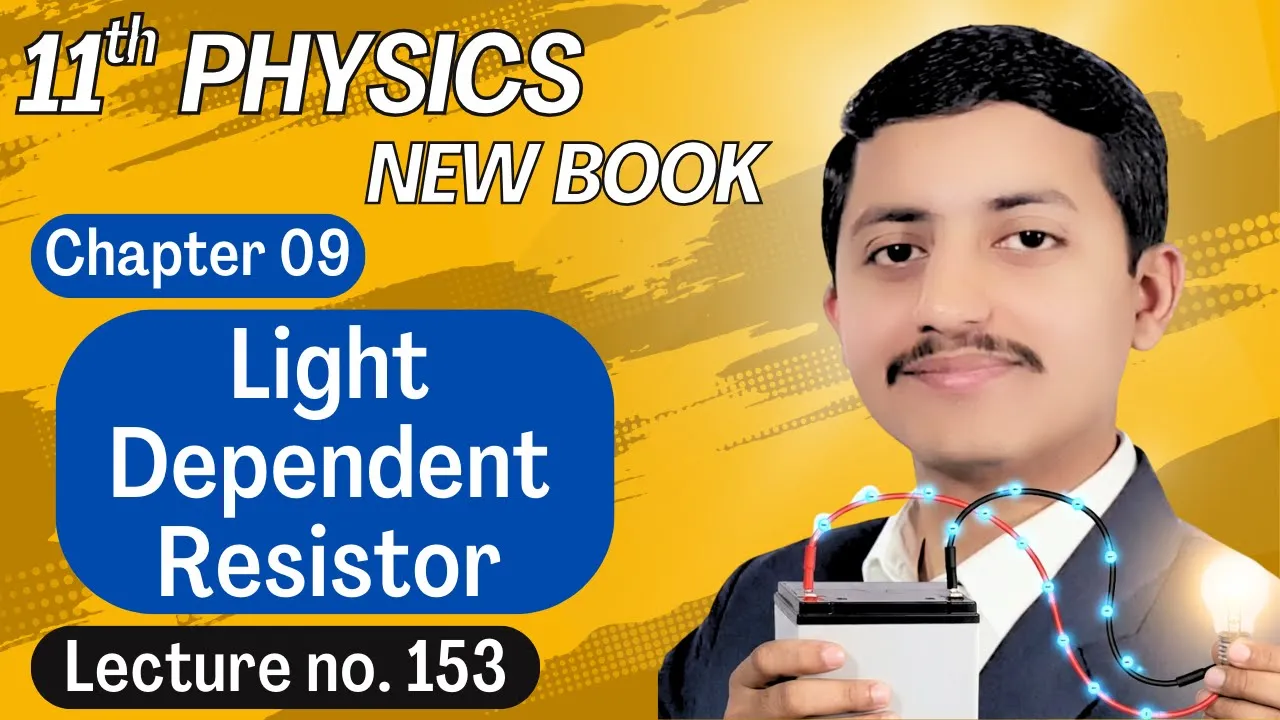
Working principles of sensors (such as Light Dependent Resistors or anemometers) and how they transmit data to a controller.
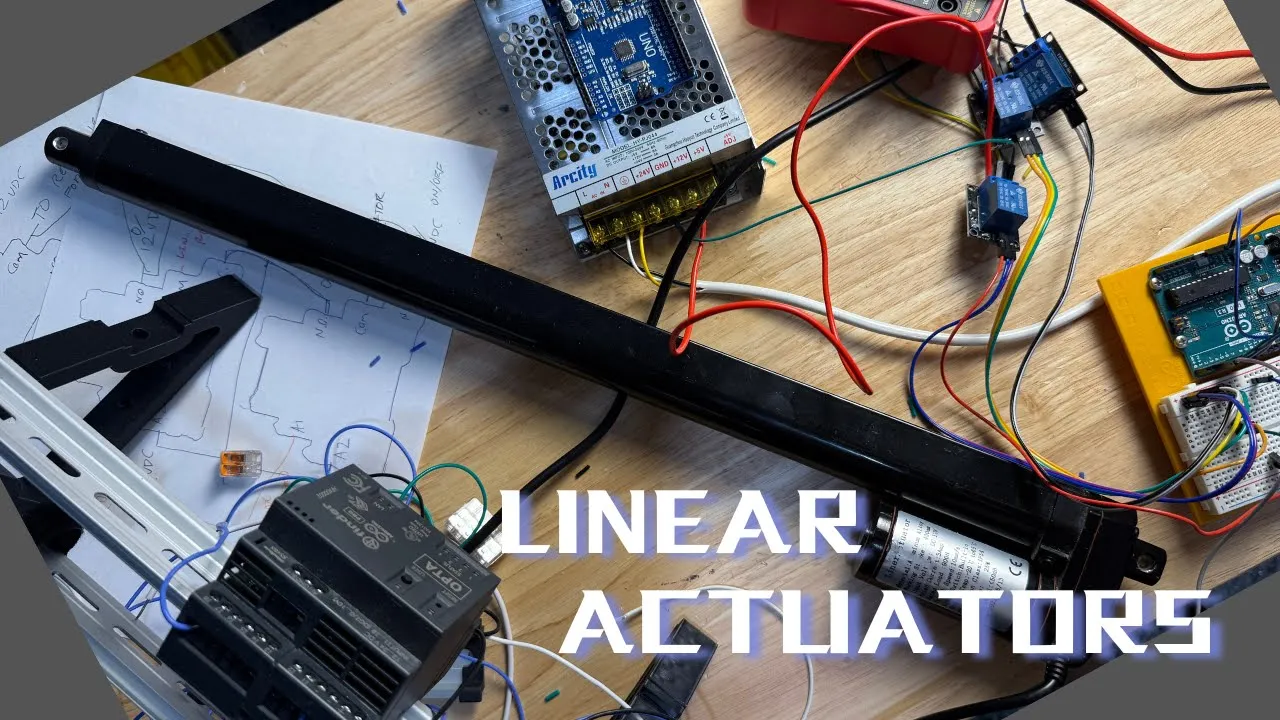
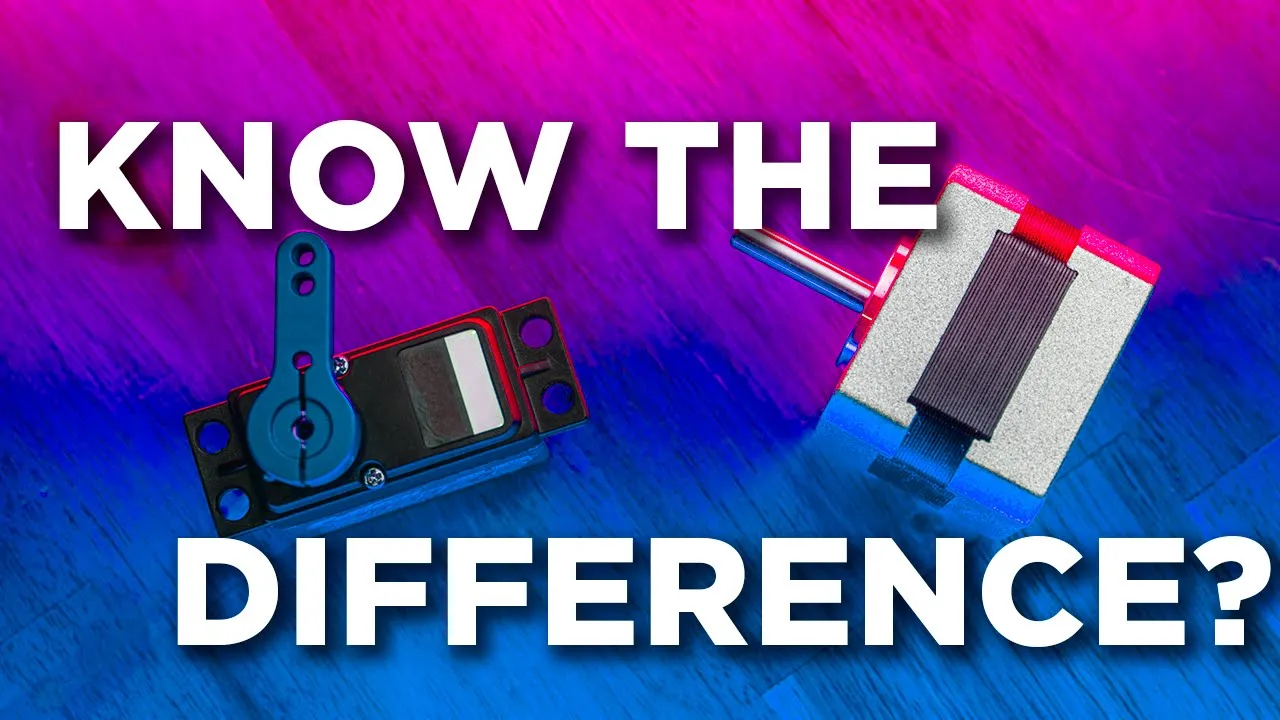
Basic understanding of motor control, specifically how linear actuators or servo motors are physically driven.
Programming tracking algorithms (such as astronomical calculations or closed-loop LDR feedback loops) on microcontrollers like Arduino or ESP32.
Implementing safety and system protection features, such as programming an automatic 'stow' mode to protect panels during high-wind events.
Integrating the solar tracker with an off-grid or grid-tied power system, including MPPT charge controllers and battery storage.
Conducting efficiency and cost-benefit analyses comparing dual-axis tracking systems against fixed-tilt solar installations.
17.5K views118likes11:48Original Release: 2023-07-30
foreign today I had some spare time so I'll just give you guys an idea what I'm gonna do uh also uh you'll notice there's three Cuts in my steel somehow I mismeasured it I'm not sure how it happened but probably because I'm getting old I'm not sure but I did well supports as well I'm a little bit afraid of the Wind so let's get a close-up as you can see I had to cut cut and add a piece inside just to make it Center so yeah I also make mistakes all right so then I added this piece this is for the linear actuator so it will bolt in here and this will do the support so um let me try to assemble it so we can have an idea what it's going to look like and um yeah I'll keep you guys posted foreign this is just depending on Mercy itself so well I'll just adjust this topper to be exactly level when it's completely full back let me try to add the top piece and then we'll do another video just to give you guys a look so let me just step back a little bit all right so let me try this in the assemble the top piece not sure how I'm gonna do it but let me try all right guys after a lot of stuff I managed to assemble it so I tagged that so that's what I'm looking for your arms lines connected so yeah that's how it looks at the moment all right guys it's just an update what I've done is uh I made a spot and I drilled it all through some old bearings that of old sprockers that I had so this will go here and they will fasten it and then the chain will go straight to that and what else I've done is I've just added this piece for the wind speed sensor so I'm gonna paint it quickly and then we'll try to assemble it we'll put up the rails for the saddle solar panels and um maybe I'll do a time lapse on that okay cool all right guys so let me get to it okay guys so I've set it up but uh and I just have to add some support because it's a little bit um dancing if I work with it so I'm gonna quickly show you guys the design how it's gonna work I'm gonna put it back there's no exactly level okay not exactly but close the level and then let's pull this down like that so yeah so let me pick up the panels and see how it's going um I really need to put up the pedals because it's been staying yeah outside for a couple of days and I'm trying to install it it's not big panels it's small pedals so South Africa and solar panels is like gold these days worth more than gold actually as of the current energy crisis all right so I'll try to disable it today and then we're gonna do some quickly paint touch-up work I'm gonna box this down for added three so yeah let me put up the panels I'll do that on a time lapse so just for you guys okay so let's get to that [Music] thank you all right guys so I fitted the panels the last Top Line so this is how it looks it's quite a hate Maybe I just need to attach the wind sensor but I'm gonna connect all the panels and just pick it up quickly not too heavy okay okay guys so I managed to install all the panels and uh tighten the linear actuator and installing the motor so notice this uh White needed to be added for the wind speed sensor it's not balancing enough I also I would love to make it a little bit further uh the cable is too short wired on this um gear motor I think as you guys can get all of this I think a wiper motor will do just fine so yeah for now that's uh next up um is testing the controller box for which side is north and south and putting that on here all right so let me get to it let's give you a further View hi guys so I've managed to switch on the controller I had this 24 volt um power supply then look at the yellow wire I use it for DC side the AC is connected with the Earth all right so let's see what we've got here we've got the that's the for the signal for this eye on the top the wind scene set go south in an uh output in the western East output and then a GG east west south and north limit switch uh we're probably gonna use east and west damage switch um but now I need to figure out which side is what so I've got a old grow light here connected here so what I do is I'm going to put this light here and see which side needs to go away so it says turning sunny in five six seven I think it's 10 seconds North so if it's north from right too fast I just need to figure out which side is where so what I'm going to do I'm going to tilt it a little bit to the left to me let's see what happens so it says East voltage or the waste voltage is more so the sun is more on the west side now so it should be turning waste yeah okay so when I turn it back now the solar panels is turning that side then it shoots off okay so now we need to figure out which side is more foreign [Music] to the linear actuator needs to pull down so you need to go like this okay so I've got it right nose linear action editor needs to push and server needs to pull in the waist and self it speaks for themselves all right so just need to figure it out I'm gonna put this limit switches for the weight myself but I'll do some more testing and then I know you can program it to return to a position in night so but I'll show you guys how I do it so okay cool let me do that [Music] foreign [Music]
Up Next

6:33
Solar Tracker Performance Evaluation: A Comparative Field Study
@dadawoodslife
27K views•2019-12-14

26:22
Walking in the City: Urban Rituals and the Flâneur in Contemporary India
@PSBTIndia
1.9K views•2016-08-02

9:49
FastAPI vs Flask vs Django: Choosing the Right Python Web Framework
@TechWithTim
302.5K views•2024-05-26

1:42
Game of Thrones Opening Credits: A Cinematic Analysis
@gameofthrones
46.3M views•2011-04-18
Related Study Plans & Knowledge Roadmaps
Structured learning paths in General & Interdisciplinary Studies
general-studies
Artificial Light: History, Tech & Human Impact
01The Pre-Electric Era: Fire, Oil, and Gas Lighting
02The Incandescent Revolution and Grid Electrification
03Gas Discharge and Fluorescent Illumination
+ 3 more learning modules
14h6 modules
Explore Roadmap
general-studies
Elevator Engineering: History, Physics & Cities
01From Hoists to Safety Brakes: The Dawn of Vertical Lift
02Hydraulic vs. Traction: The Engineering Physics of Elevators
03Modern Speed, Safety, and Algorithms
+ 2 more learning modules
12h5 modules
Explore Roadmap
general-studies
Rubber: Material Science, History & Geopolitics
01Origins of Natural Rubber & Mesoamerican History
02The Chemistry of Natural Rubber & Vulcanization
03The Geopolitics of the Rubber Boom & Colonization
+ 2 more learning modules
12h5 modules
Explore Roadmap
general-studies
Containerization: Evolution, Logistics & Trade
01Ancient Trade & Bulk Cargo: Amphorae to Barrels
02The Industrial Revolution & Cardboard Packaging
03The Containerization Revolution: Malcom McLean
+ 2 more learning modules
12h5 modules
Explore Roadmap