




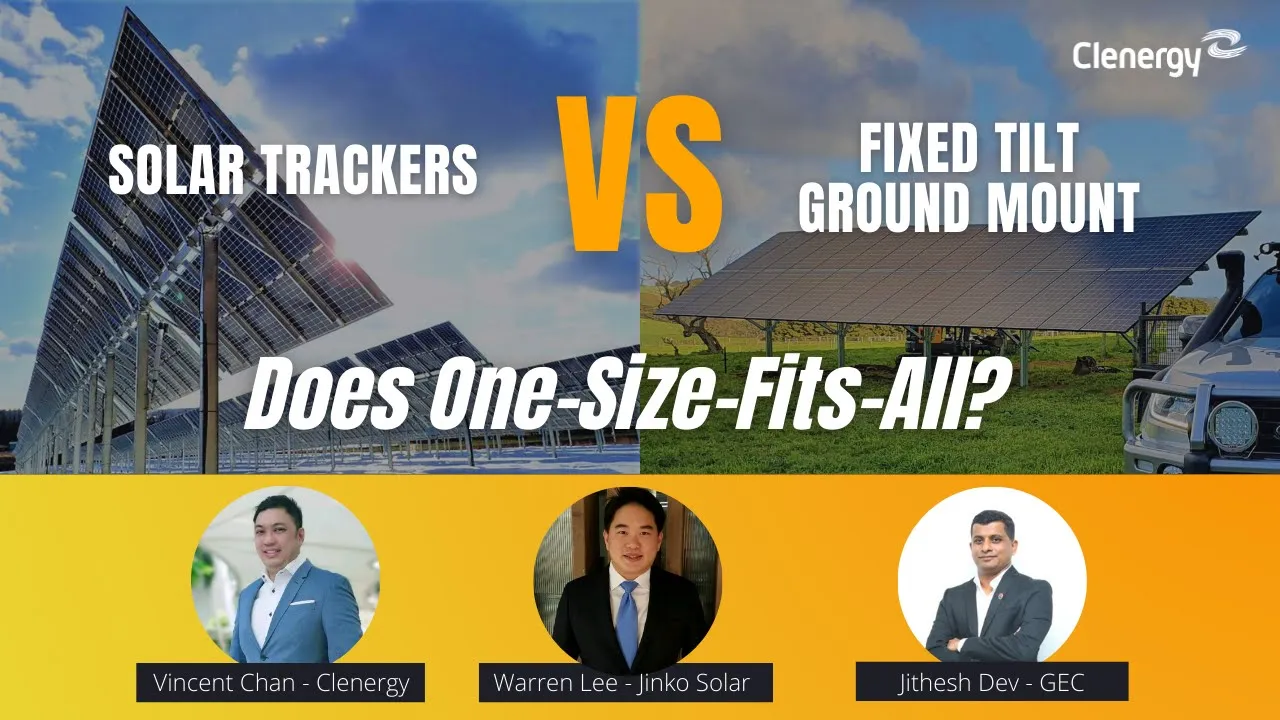
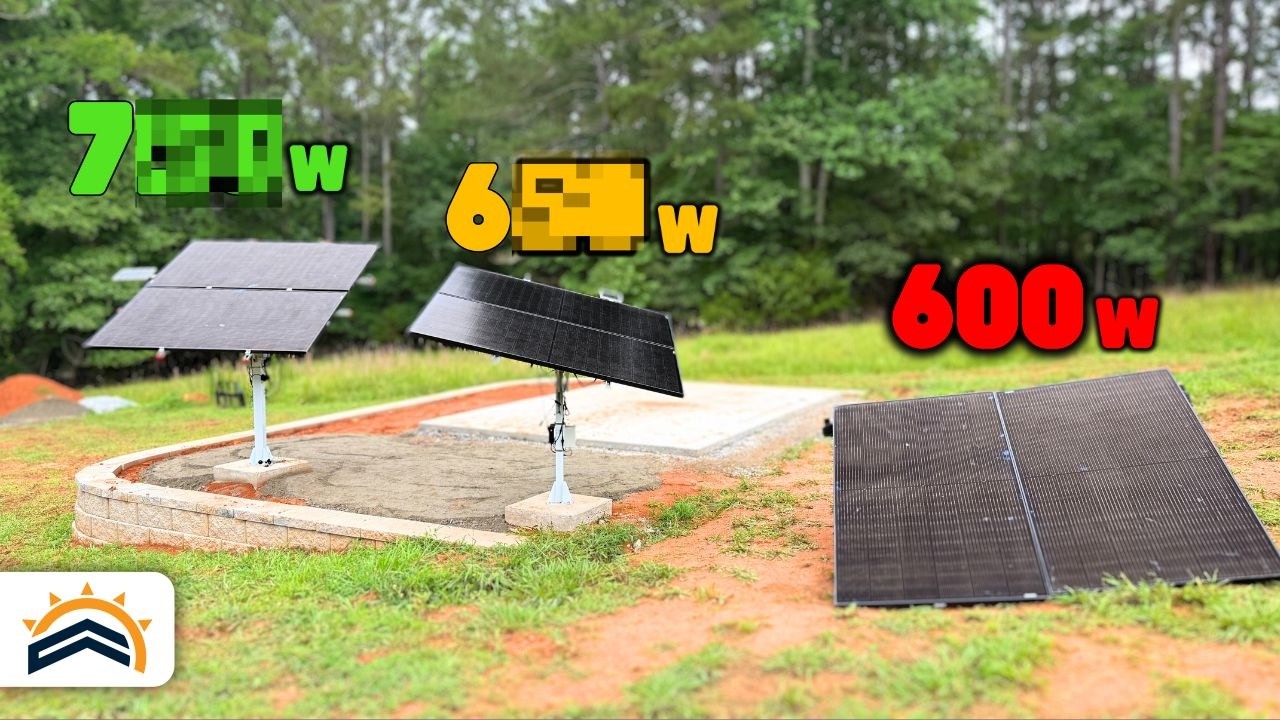

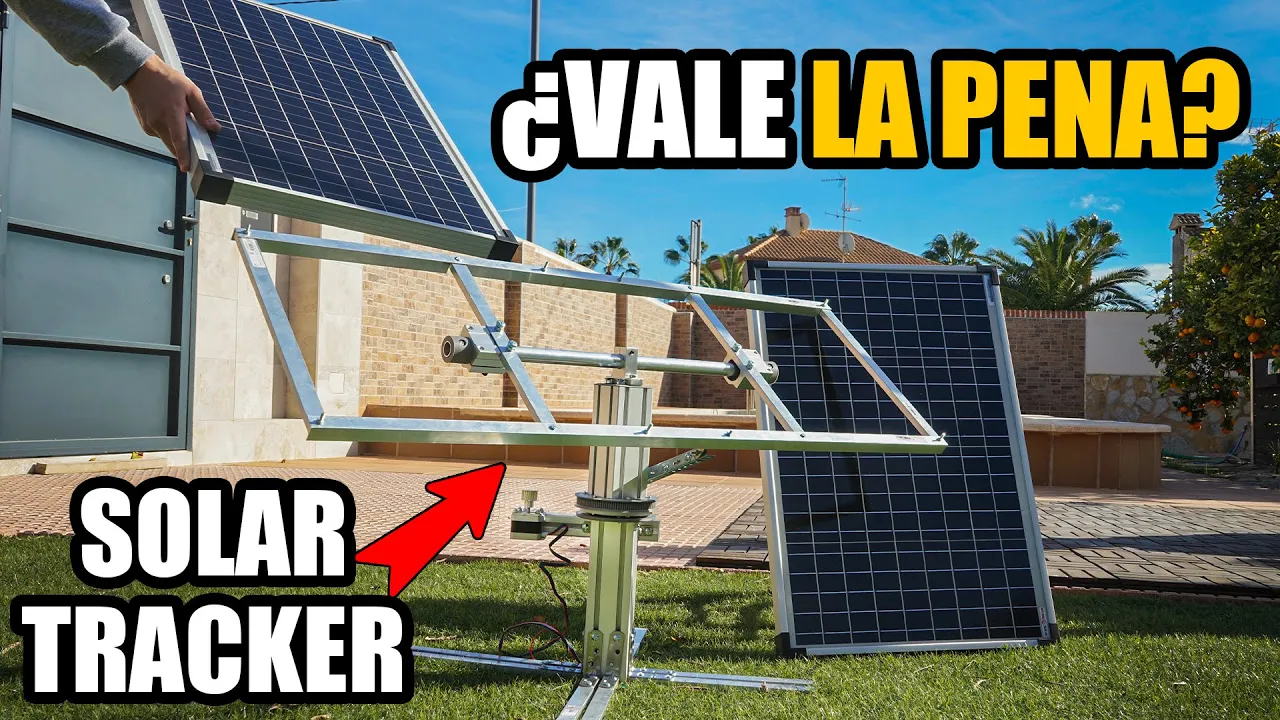








Solar trackers can produce approximately twice the power of static panels by following the sun's path, but their viability depends on usage patterns: they are most beneficial for off-grid applications with extended stops and significant energy needs, while daily travelers with moderate power requirements may find battery upgrades more cost-effective than investing in tracking systems.
Solar Tracker Performance Evaluation: A Comparative Field Study
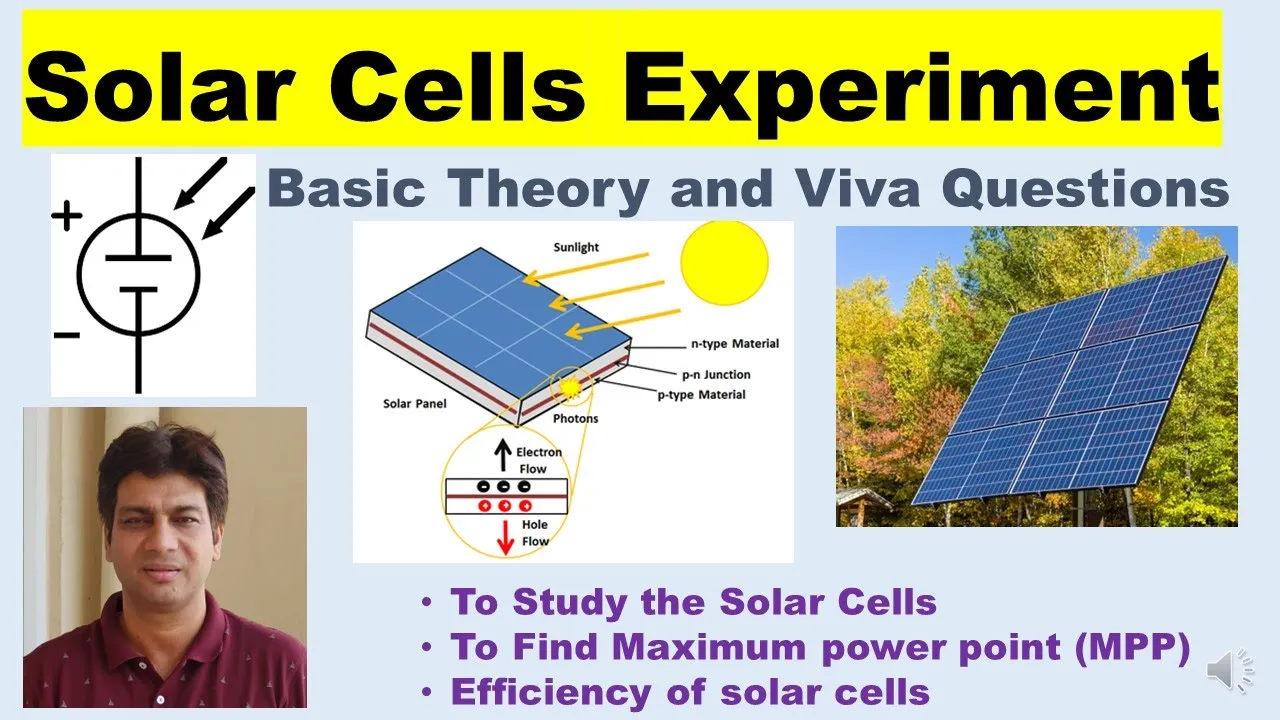
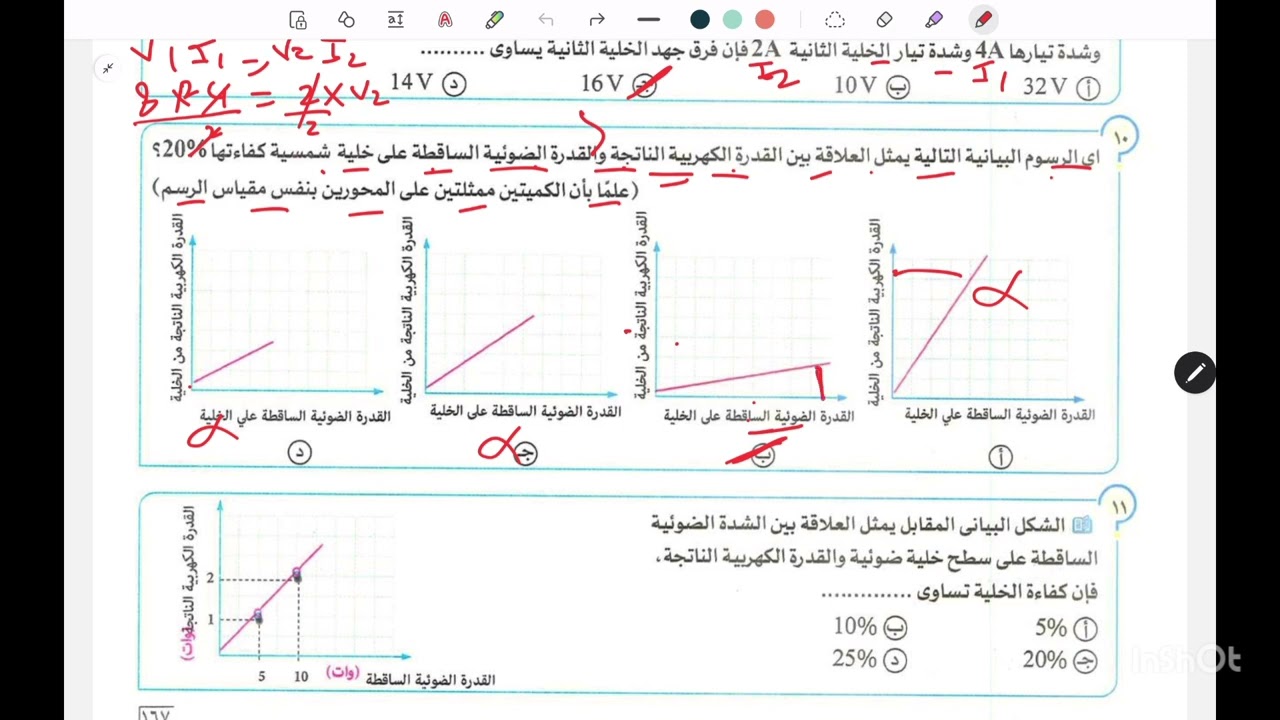
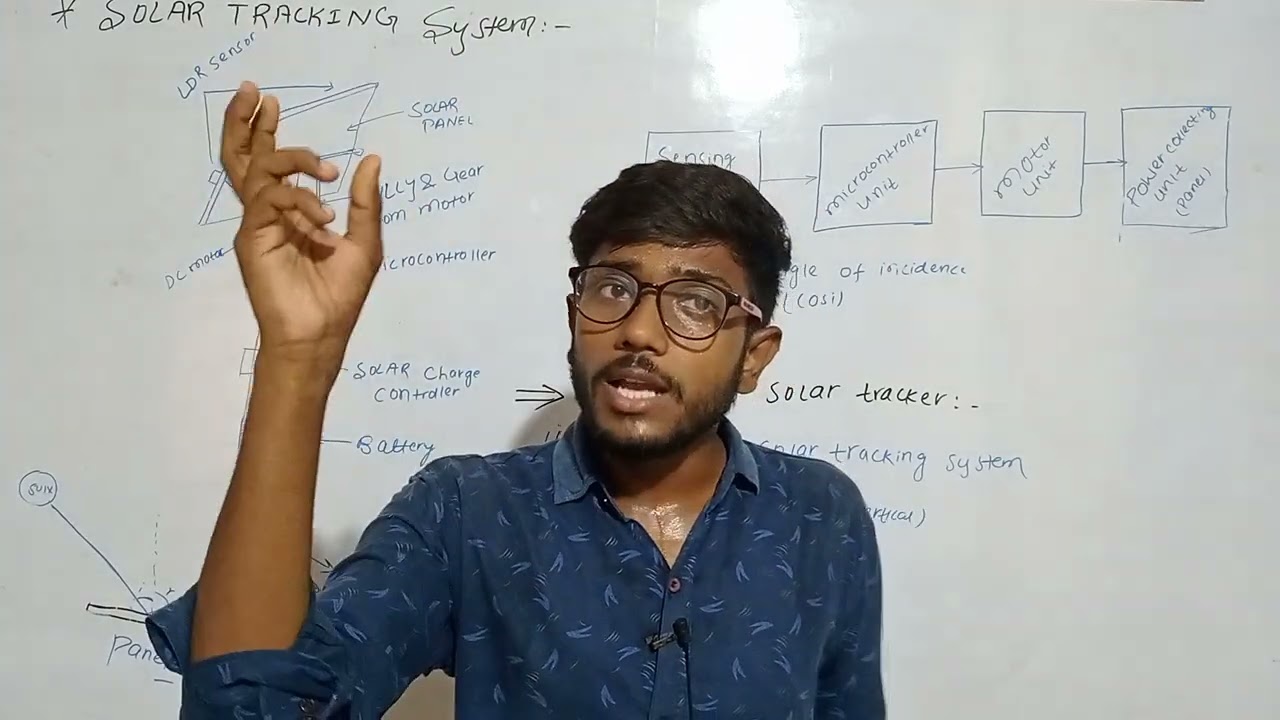
Added:Fundamental photovoltaic principles, including how solar irradiance and the angle of incidence affect solar cell efficiency.
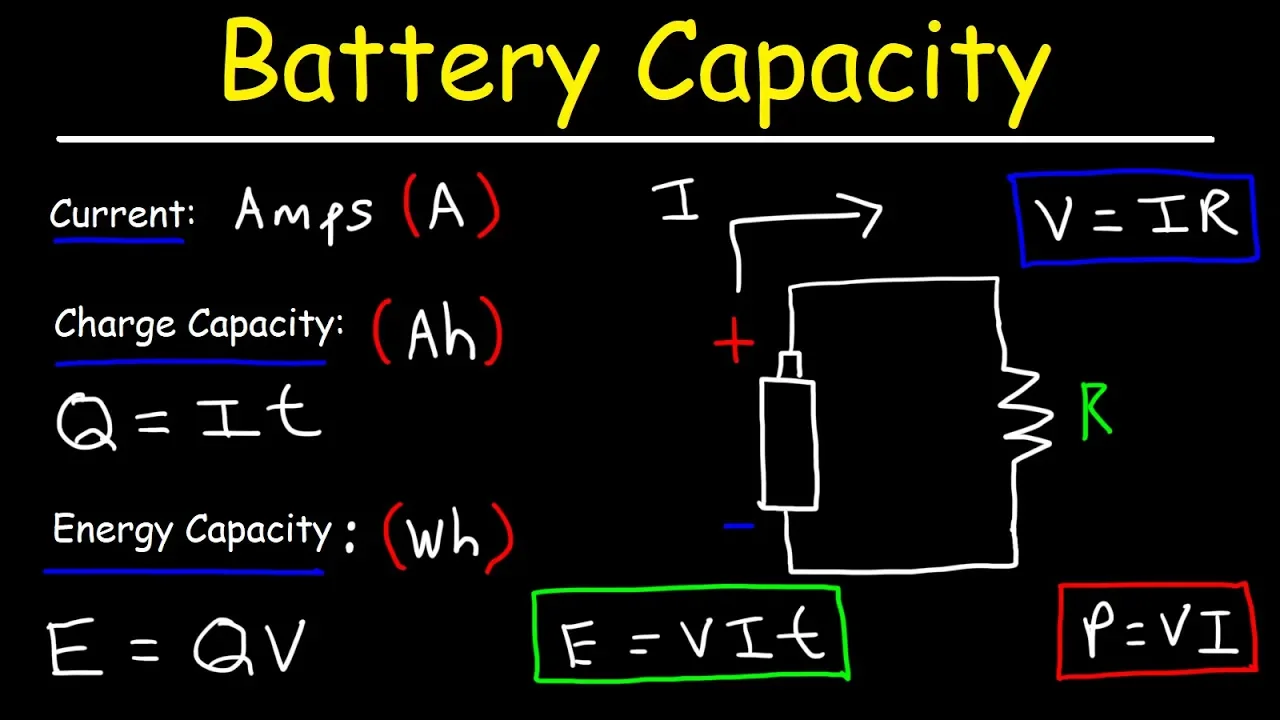
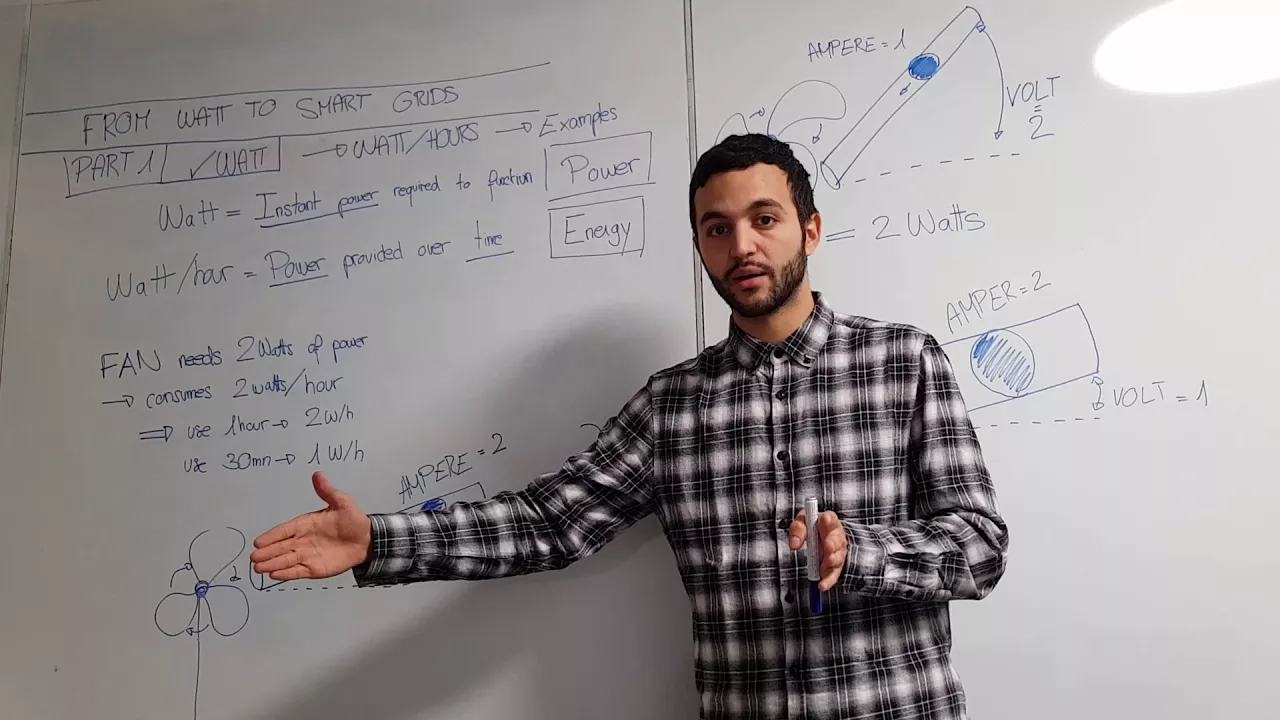
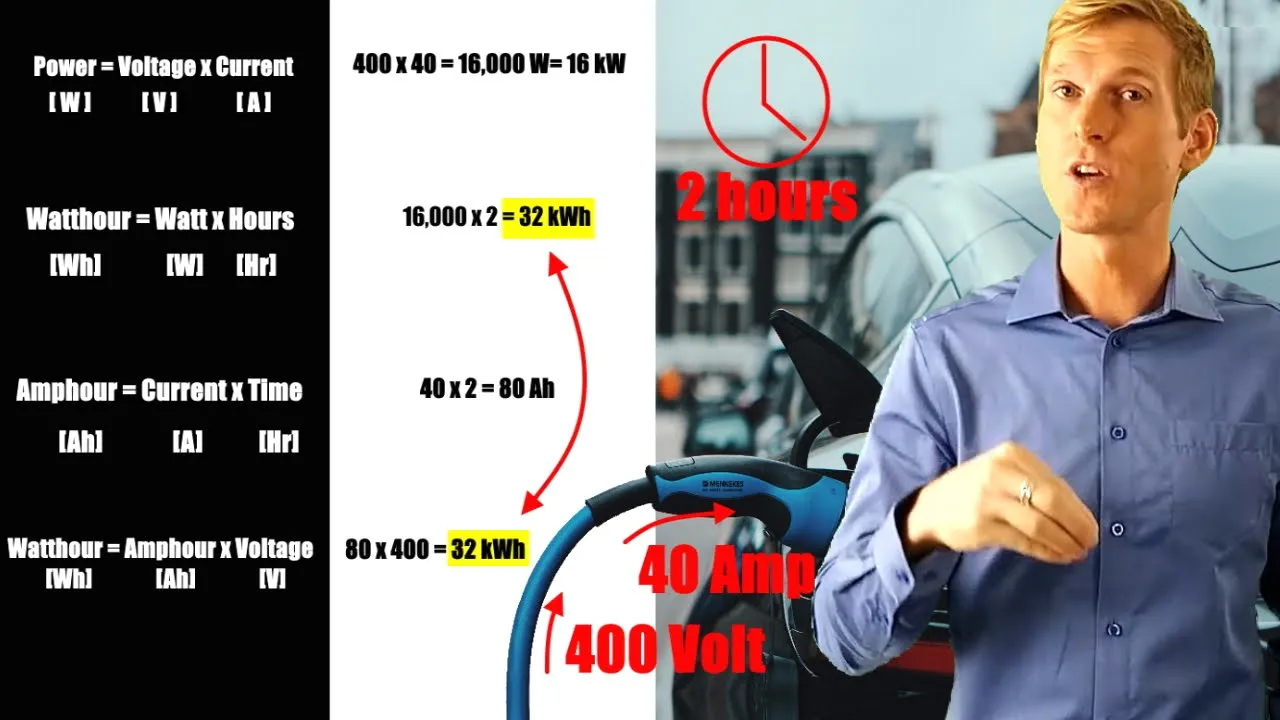
Basic electrical concepts and metrics, specifically the relationship between Volts, Amperes, Watts, and cumulative energy and capacity metrics like Amp-hours.
Solar geometry, including how the Sun's azimuth and elevation angles change daily and seasonally relative to the Earth's surface.
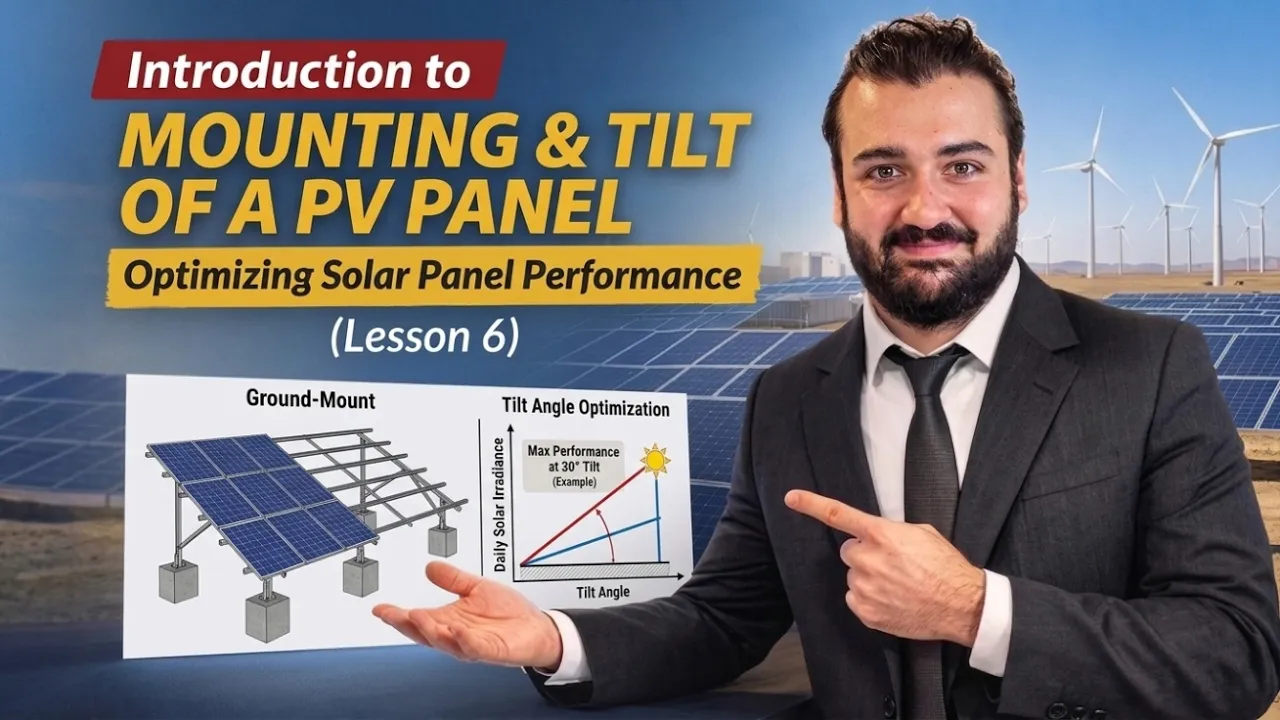
The design and optimization principles of fixed-tilt solar PV systems, including optimal tilt angles and orientation.
Economic viability and Levelized Cost of Energy (LCOE) analysis, comparing the increased energy yield of trackers against higher capital (CapEx) and operational (OpEx) expenditures.
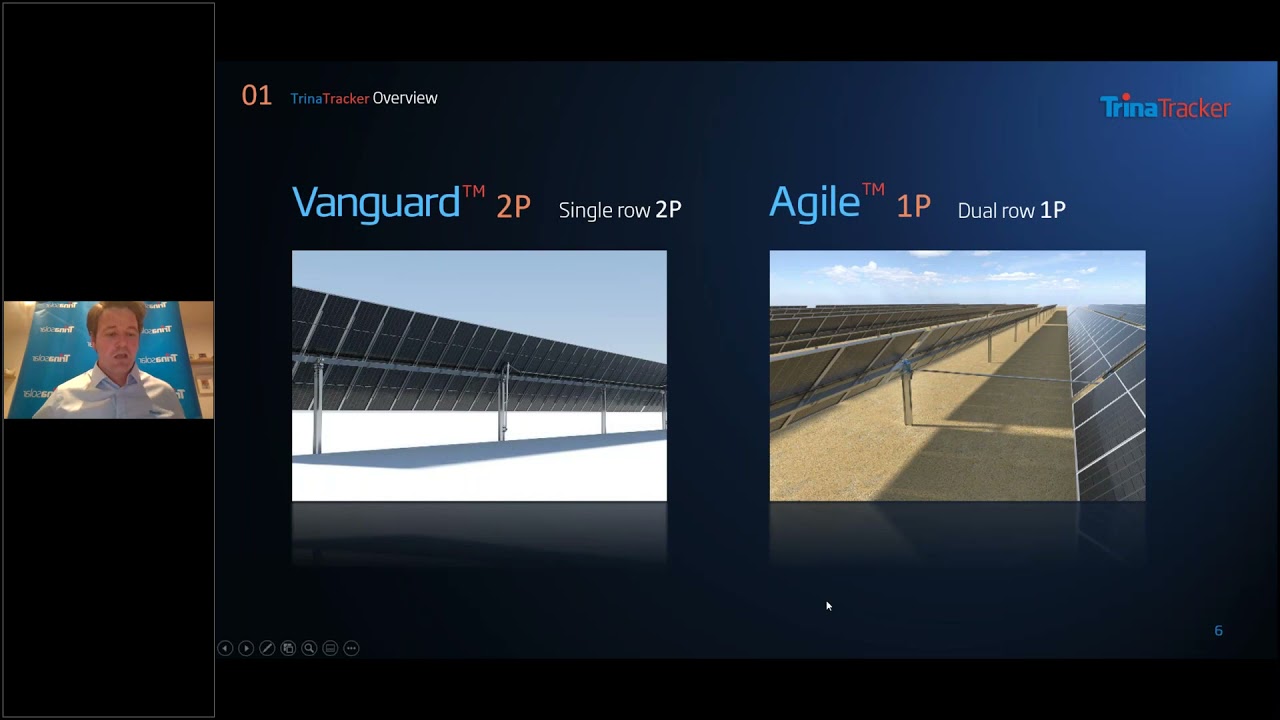
Advanced tracking technologies, specifically analyzing the design and efficiency differences between Single-Axis (horizontal/vertical) and Dual-Axis tracking systems.
Mechanical engineering challenges of trackers, including wind-loading, motor wear, structural reliability, and active tracking control algorithms (astronomical vs. sensor-based).
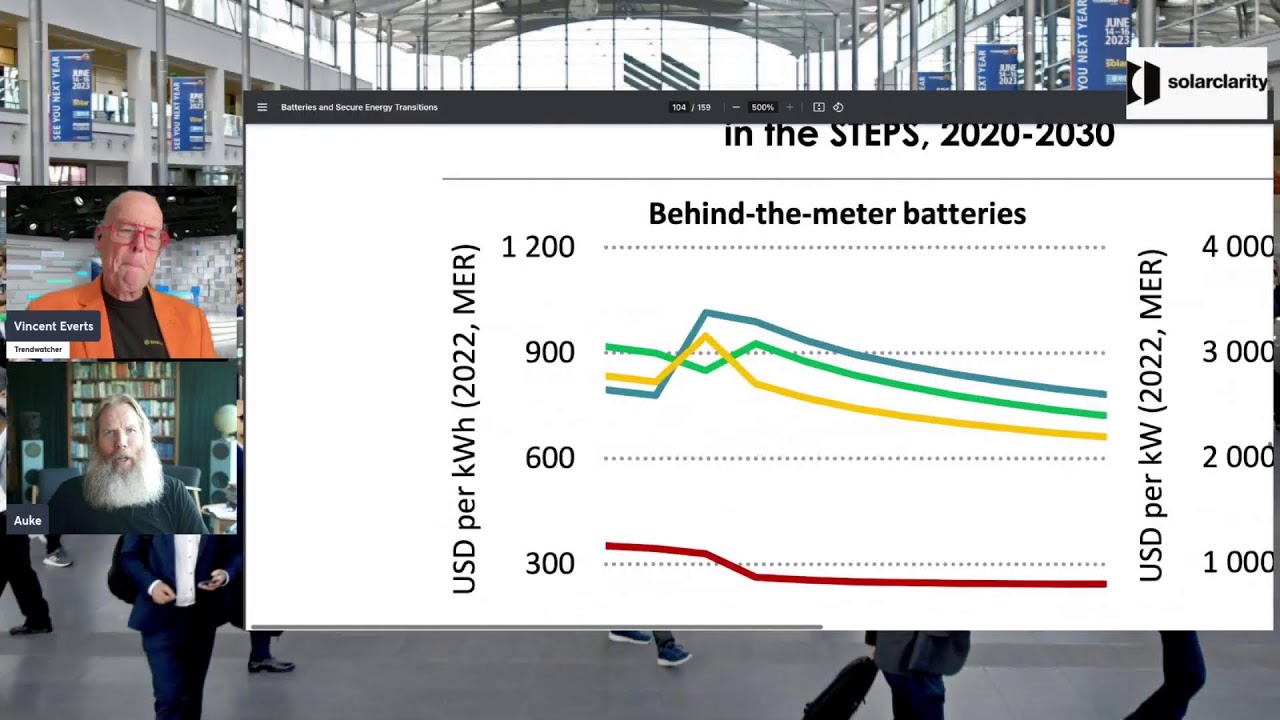
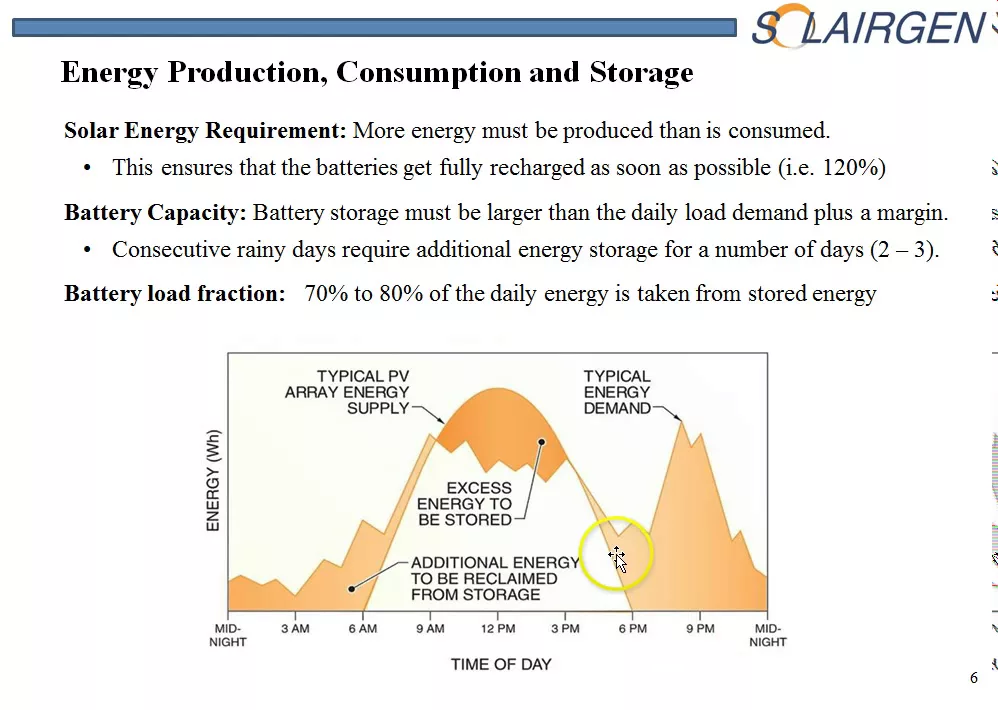
Grid integration and energy storage optimization, exploring how the flatter, wider daily generation curve of trackers impacts battery sizing and peak load matching.
27K views408likes6:33Original Release: 2019-12-14
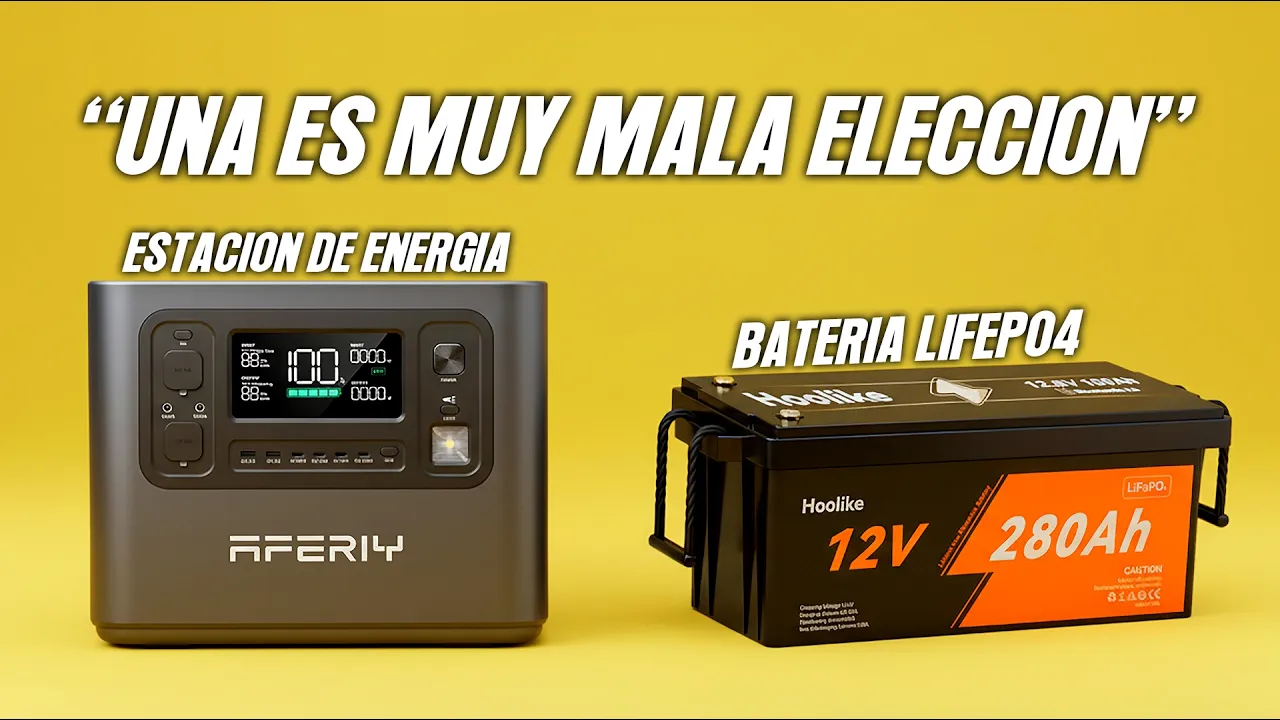
[Music] goodnight having been to make a follow-up video reviewing the performance of the solar tracker I built during the WS t 0 3-2 control one things to the video so I refer to her in the description below then I was watching one of Andrews some PM White's videos on his excellent Forex Overland YouTube channel where he discussed using solar panels when traveling and camping I liked Andrews videos he sorts of traveling is not what I aspire to and the modifications he makes to vehicles off while interesting and highly specific to what he wants to do and how he wants to do it not generally suitable for my sort of traveling however his points about solar panels when camping were correct the need with fixed panels to port the vehicle facing the Sun or with a portable panel to keep him moving to get the best output but I couldn't talk thinking if you're only stopping overnight or for a day why bother the panel's he was using we're only producing a few amps and only for short periods start the vehicle and you'd have at least a hundred amps available on any modern vehicle way more than a small battery bank could absorb if you really need more power a short engine one would produce for more than hours of fiddling with small panels under these circumstances and directed solar panel starts to make sense if he tracks the Sun and generate significantly more power in doing so then the tracker starts to become viable we've had my tracker for about six months and I've learned a couple of things firstly mount Li linear actuators so the motors were at the top then rain doesn't run down the ramp and corrode the motor of gearbox secondly the plugs on the panels on reliable I had one completely milked and I'm now replaced up with 50 amp anderson plugs one time the tracker worked really well was when we were camped in a deep forest there were only a couple of times in the day when the Sun came through gaps in the trees at those times the tracker point of the panel directly the Sun and helped maximize charging time I decided that it's time to try and prove that the track is worthwhile so with nin wide digital ammeter see a description for a review I've taken readings at regular intervals on two cloudless days at the same time of year I recorded where the panel was at 12 noon and locked it in that position for the static non-tracking test this has allowed me to produce two output curves and also record a total and per hour reading for the day output is going through a red arc BCDC 1250 d50 and controller into 600 ampere hours of AGM batteries the batteries were significantly discharged that they could take the full available output from the red arc all day so here is a graph of the panel output over those two similar days one with the tracker tracking and the other with the tracker locked in the position it reaches at noon a couple of things are of note these tests were done in marriage in Western Australia at 33 degrees south in early December where the Sun rises in the south east and sets in the southwest not just east to west as might happen near the equator secondly trees across the paddock could block the Rising Sun early in the morning which is normally cloudy then in the afternoon it is cut off sharply by the neighbors trees my tracker reaches better to one side than the other I feel a modification coming on to allow a triangle more to the west with less tree interference than there would be even more to be gained even so the differences are stock the inline meter recorded 126 unpair hours tracking against just 66 on pair hours when static cloudy days are interesting the tracker points to the brightest part of the sky so if the Sun is blocked by a very dark cloud there can be more to be gained by not pointing directly at the Sun power consumed by the tracker over 24 hour period is around 0.7 of an hour per hour completely insignificant against the game of tracking over static panels so in conclusion should you use a solar tracker as always it's horses for courses if you travel daily or every other day or so and just need more capacity then don't bother with solar panels I just swapped lead-acid batteries for lithium ion phosphate at 80% discharge capacity against 50% and a longer service life the extra battery cost would be less than the solar panel and tracker certainly isn't needed make sure you charge to a proper charge controller like the red arc not just a relay off the alternator output if you are off-grid and a huge energy needs and a large solar array then the cost of a tracking system is probably going to be excessive however if you fall somewhere in the middle if you stop for long periods of time and have energy needs that can be met by solar then the case of a tracker starts to stand up you can produce twice as much power per panel in midsummer over a year I'd expect that figure to be higher as you compensate for the changing angle of the Sun certainly our single 300 watt panel is coping with a hundred litre fridge/freezer lights laptops phone charges water pumps the tracker was built with a mind to be extendable to take three panels I'm just not needed to use three yet to me it has proved it's worth the original standard shown in the videos cost me nothing but time and welding rods as it was built from scrap a sleeker lighter twin panel more portable version is on the design board 30 amps for most of the day would more than meet our needs especially three degrees near the equator at our off wind base here we are losing only a little morning and evening the near of the Arctic Antarctic Circle you're the more the case for three axis tracking becomes I'll be interested to hear if anyone has tried in Scandinavia the Shetlands Canada for example so that's it for today if you like this video please like and subscribe see you later you
Up Next

5:03
DNA Replication and Genome Overview Animated Educational Guide
@0523Hannah
1.5K views•2019-02-04

12:54
Triumph of Orthodoxy Icon: Byzantine Art & History Explained
@BenCallan
2.1K views•2024-08-06

9:49
FastAPI vs Flask vs Django: Choosing the Right Python Web Framework
@TechWithTim
302.5K views•2024-05-26

1:42
Game of Thrones Opening Credits: A Cinematic Analysis
@gameofthrones
46.3M views•2011-04-18
Related Study Plans & Knowledge Roadmaps
Structured learning paths in General & Interdisciplinary Studies
general-studies
Elevator Engineering: History, Physics & Cities
01From Hoists to Safety Brakes: The Dawn of Vertical Lift
02Hydraulic vs. Traction: The Engineering Physics of Elevators
03Modern Speed, Safety, and Algorithms
+ 2 more learning modules
12h5 modules
Explore Roadmap
general-studies
Rubber: Material Science, History & Geopolitics
01Origins of Natural Rubber & Mesoamerican History
02The Chemistry of Natural Rubber & Vulcanization
03The Geopolitics of the Rubber Boom & Colonization
+ 2 more learning modules
12h5 modules
Explore Roadmap
general-studies
Containerization: Evolution, Logistics & Trade
01Ancient Trade & Bulk Cargo: Amphorae to Barrels
02The Industrial Revolution & Cardboard Packaging
03The Containerization Revolution: Malcom McLean
+ 2 more learning modules
12h5 modules
Explore Roadmap
general-studies
Textile Tech: Evolution, Labor & Global Impact
01Pre-Industrial Textiles: Handloom & Cottage Industry
02Mechanization: The Spinning Jenny to the Power Loom
03The Factory System & Global Labor Transformation
+ 2 more learning modules
10h5 modules
Explore Roadmap