







![[영상법칙/카메라 렌즈] 광각, 표준, 망원렌즈를 각각 이해해도 당신의 영상이 어색한 이유 - 렌즈 조합 이해하기](https://i.ytimg.com/vi/CTUcs1Eyy0I/sddefault.jpg)




![The Dolly Zoom Effect: Cinematic Camera Movements in Film [Vertigo Effect] #dollyzoom](https://i.ytimg.com/vi_webp/ttZAdY3n4nc/maxresdefault.webp)


![Câmera Full Frame ou Cropada - Faz diferença? [Duvido!]](https://i.ytimg.com/vi/UUGqjoVWou4/maxresdefault.jpg)



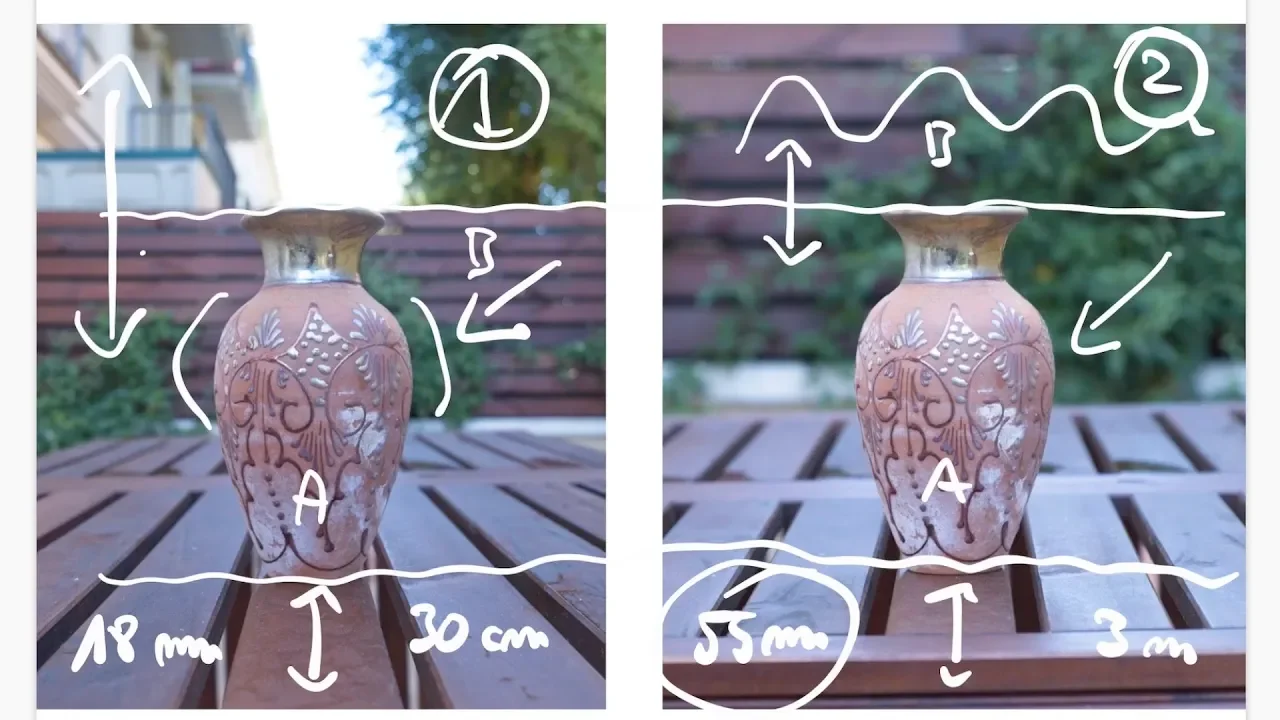
The claim that longer focal length lenses compress scenes and shorter focal lengths exaggerate them is false; focal length changes only the field of view and magnification, not the actual spatial relationships between foreground and background objects. When photos are taken from the same position with different focal lengths and cropped to similar composition, the background objects remain in the same relative positions, demonstrating that lens compression is a myth.
Debunking Lens Compression Claims: A Blind Focal Length Test
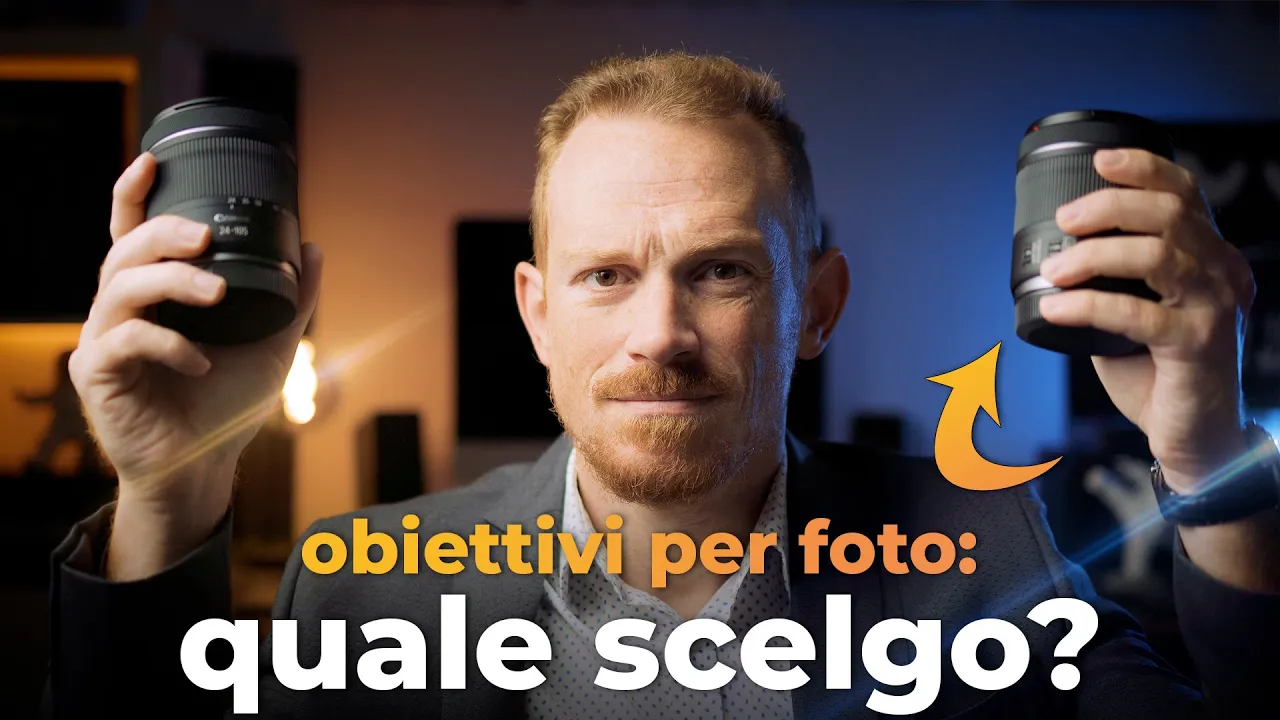
Added:Understanding the definition of focal length, how it is measured (in millimeters), and how it dictates a camera lens's field of view.
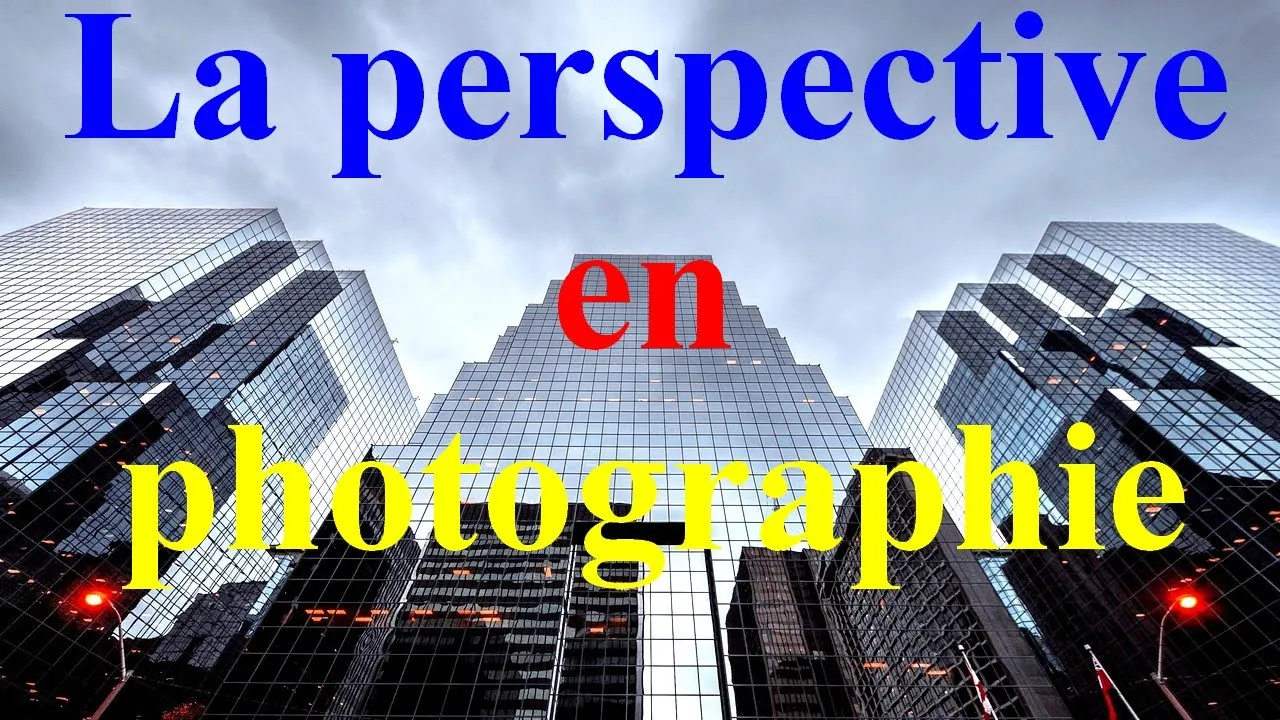
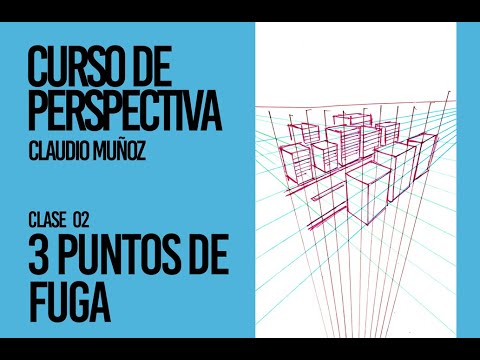
The physical concept of perspective in photography, specifically how the distance between the camera, subject, and background determines relative sizes.
The distinction between changing magnification (zooming or swapping lenses) and physically moving the camera relative to the subject.
The colloquial industry term 'lens compression' and the common assumption that telephoto lenses physically warp space.
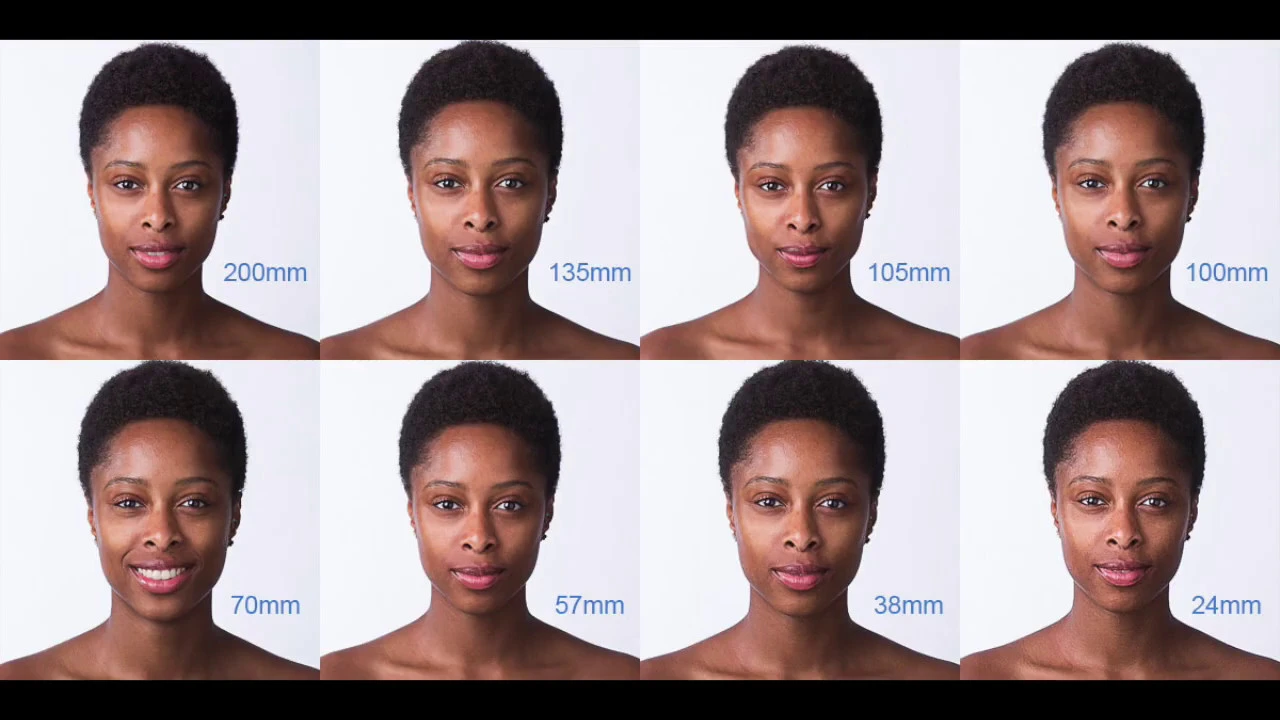
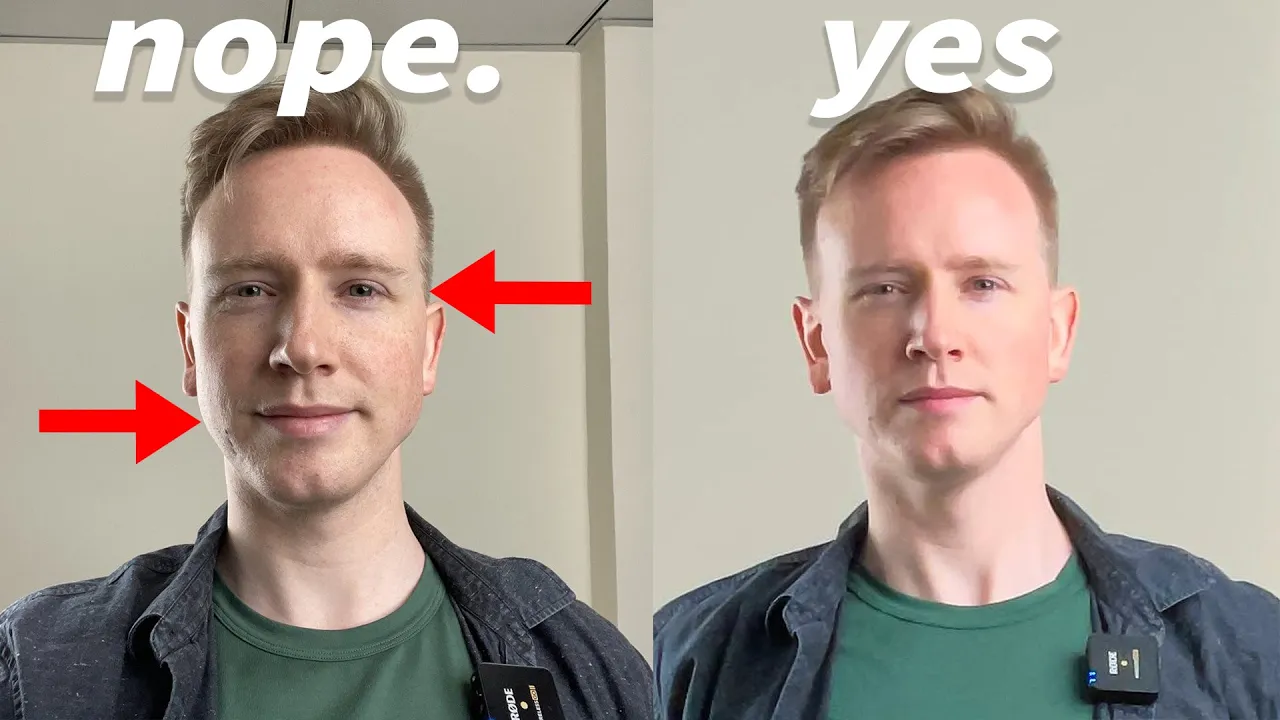
Applying the perspective principles to portraiture, specifically how camera-to-subject distance affects the flattering or flattering-less rendering of facial features.
Studying the 'Dolly Zoom' (or Vertigo effect) in cinematography, which deliberately exploits the interplay between focal length adjustments and camera movement.
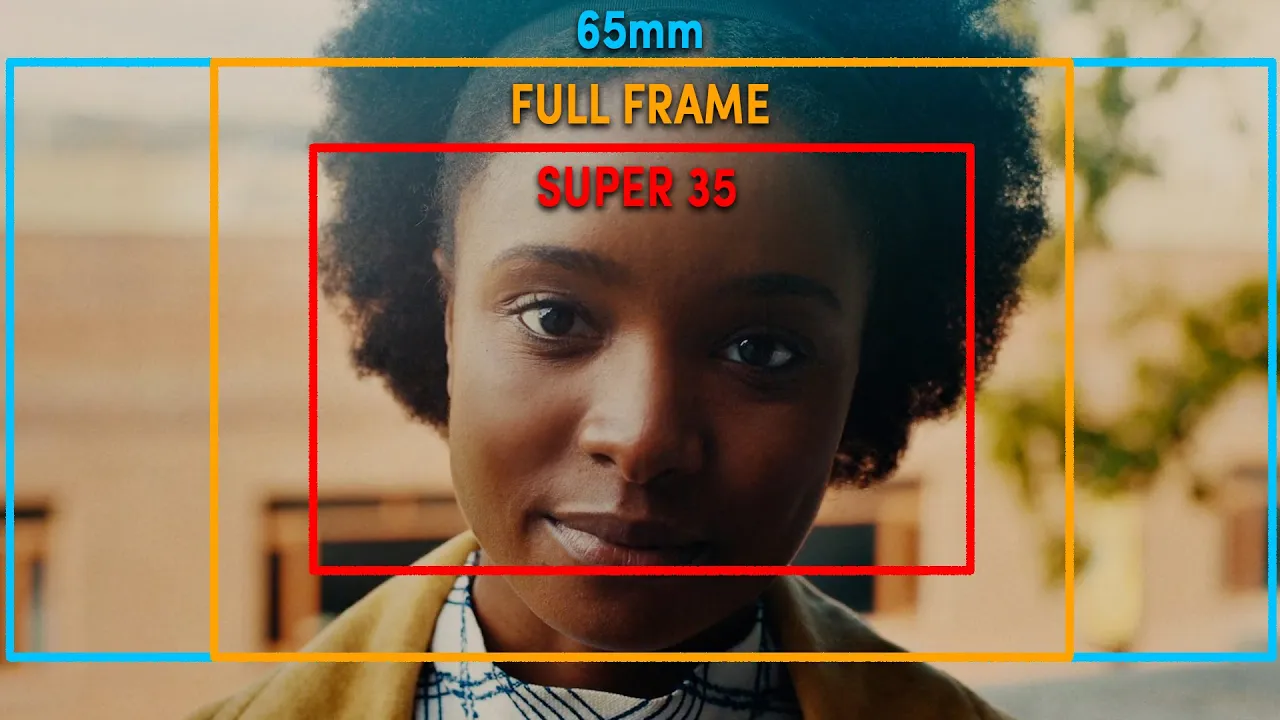
Analyzing the impact of sensor sizes (such as full-frame versus crop sensors) on framing and how it influences camera placement to achieve specific perspectives.
The trade-offs of digital cropping, demonstrating how cropping a wide-angle shot yields the exact same perspective as a telephoto lens shot from the same spot, albeit with a loss of resolution.
79.2K views5.8Klikes19:34Original Release: 2023-12-08
if you're looking for a website or domain then check out today's sponsor Squarespace hello again everybody hope you're doing well and thanks for joining us for another video recently I published this video addressing claims made by flatso about how he thinks focal length works he'd previously claimed that using a longer focal length lens will cause the background of images to be pushed down in an attempt to explain away the photograph of Blackpool that demonstrates Earth curvature and he tried to back that claim up by citing a video from the YouTube channel photography online which at one point in their video shows two images side by side one shot at a 12 mm focal length and the other shot at 200 mm and the 200 100 mm photo has no mountain visible in the background which flat Zoid attributes to lens compression apparently causing an entire Mountain to completely disappear from view even though photography online themselves confirmed in the comment section that the photos were taken from different heights they also in the video included a 100 mm shot within the comparison in which the mountain is still clearly visible and later on in the video they talk about how lens compression doesn't actually exist so the myth that longer focal lengths compress a scene and shorter focal lengths exaggerate a scene is totally false and flat zooid himself has publicly stated in that stream that these are experts in photography and people's shouldn't disagree with them and by the way photography online is a whole bunch of experts not just one guy they're a team of experts they are really good at what they do so if you're saying they're wrong then there's something wrong with you even though he's now disagreeing with them so I decided to tackle his claims by setting up a blind test for him I took a drive out to Pennington flash nature reserve and with my camera put on a tripod I took four photos of an information board next to a lake and in the background is a Sailing Club located over a kilometer away I then presented these photos in my video but I intentionally gave no details about which images were shot at which focal length the only information I gave was that the focal lengths used were 20 40 70 and 180 mm that I selected apertures which would give each image a similar amount of background blur and that I'd compressed each image down to give similar CL it because cropping into a wide angle shot would inherently degrade the image quality and thus make it easier to spot now I did realize afterwards there were two small issues with the test that I presented but I'll cover them later on in reality I wasn't actually expecting flat soy to even attempt the test I mean despite the issues that we'll cover later let's be honest Ray Charles wearing a welding mask in a room with no lights on could see that the same background is visible in all four Images which immediately destroys flat zooid original claim that such a long focal length lens would cause an entire Mountain to disappear from view but credit to Flat zooid he's thrown CAU into the wind and publicly has presented an attempt at doing the test although judging by his responses in the comments to his video he's already moving the goal post it seems away from it makes an entire Mountain disappear to these few pixels look slightly different but it's clear to all that these four photos are pretty much identical I mean at first glance you'd be forgiven for thinking it's the same image just copied and pasted and trying to find valid differences to tell them apart based purely on focal length would present quite a headache granted not as much of a headache as I've been having trying to come up with a good segue for the sponsor of this video thankfully though you won't have to deal with any headaches if you're in need of a website because you can just visit Squarespace it's easy to use website builder makes getting a professional looking website and absolute Breeze select from one of the hundreds of amazing looking templates available then set to work customizing it to suit your style and add some or all of the great features available such as photos and video galleries send out emails to all of your subscribers at the touch of a button sell your goods or services and manage orders and payments through an online store or set up an online schedule so people can view your availability day by day to book appointments with you don't take my word for it though see how Squarespace can help you today by getting a completely free trial using my link in the description and get 10% off your first website purchase by using the my code Dave McKagan at checkout now there were actually quite a few people who posted guesses in the comment section of my video about which images they thought were which and the responses varied a lot in fact I think pretty much every possible combination of answers made an appearance at some point but one common thing I noticed about those that explain their reasoning was that they seem to be basing it on how blurred the background was as opposed to the position of the objects in the background and it seems even flat zooid was doing that to some extent as well and that's going to be important to remember shortly his method for this was to layer each photo over the top left image and then shift the opacity back and forth to see if he could see any differences between them and his final answers were 180 mm for the top left 70 mm for the top right 20 mm for the bottom left and 40 mmers for the bottom right which isn't bad he's half right the bottom images are indeed 20 mm left and 40 mm right but he's got the top images back to front especially considering if we look at what flat Zoid has done to compare up all the images he's drawn a bunch of grid lines across all of the photos and then he's put two boxes in each one next to some trees but the boxes for the lower images are a different size and in a different position compared to the boxes at the top so here he seems to be comparing the bottom two images to each other and the top two images to each other but not directly comparing the top two images to the bottom two images now despite his method failing to correctly identify all four focal lengths I'm fairly sure he will still try and choke it up as a win because he basically already has before I've even published this video with him seemingly shifting his claims away from saying what he was with the photography online video that at 200 mm an entire Mountain would disappear PL as's day to now there are minute differences at a pixel level between the images which you can only see by drawing reference markers however floid has basically managed to debunk himself and proved just how similar the photos are by making rather an unfortunate oversight because like I said his method for this was to Overlay each image onto the top left photo and then shift the opacity back and forth the top left photo which we now know is the 70 mm photo except when he's placed the 180 mm shot over it at some point he's managed to inadvertently leave the opacity at full which means the 70 mm photo that I took is not actually visible in his final comparison he's instead trying to show the differences between two identical copies of the 180 mm photo seemingly without even realizing they're the same picture and I will leave it to you as individuals to decide how poetic it is that it is the top left that he's done that too now speaking of screw-ups as I mentioned earlier there were two small issues with the images I presented in that test which arguably could have made things a bit easier to determine which was which focal length I only realized about these afterwards but the first minor issue was that I'd aimed to shoot every image with the lens aperture having a diameter of about 10 mm in order to try and create similar amounts of background blur because telephoto lenses inherently make it easier to create shallower depths of field which would then make them easier to recognize so a 10 mm aperture for a 180 mm focal length would mean shooting at F18 however after I published the video I realized that when I was taking the pictures I must have accidentally caught the aperture dial because that photo actually ended up being shot at F16 which is marginally wider and would create slightly more background blur the bigger issue though I hit was for each image I was aiming to have the focus on the edge of the information board however the 20 mm shot was taken with a 20 mm teina lens and doesn't have great autofocus and I only noticed afterwards when I got the compu the images back on my computer that either the lens is slightly misfocus it looks like it's possibly focused a bit too far either that or it could be the bokeh which is the quality of the outof focus renderings does vary a lot from lens to lens it's one thing a lot of photographers tend to look at how well does a lens render out of focus areas however many people did seem to correctly identify the 20 mm shot based on the background looking clearer which ultimately would have been an unfortunate coincidence if it's a Mis focusing issue because had that error occurred with the 70 mm lens then that could have caused people to wrongly presume that that was shot with the 20 mm or had the 20 mm lens been focused Too Close rather than too far that would actually increase the background blur and then potentially trick people into thinking it was shot with a longer focal length and flat Zoid himself picked up on the fact that the background looked clearer and concluded that that was the 20 mm shot and then looked very carefully at all the uh F The View differences based on the backgrounds and obviously you can see the bottom here has uh a much um clearer uh less distorted background compared to the others and as you can go along you can see that one's a bit less distorted than there and a bit less distorted and that's the most distorted one they're the same picture also in setting myself the aim of keeping the same physical aperture I heavily restricted my choice of focal lengths especially given that I was trying to include a very wide angle lens for example I have lenses that cover focal lengths from 11 mm all the way up to 500 however if I use the 11 mm lens that only has a maximum aperture of f4 which is a Less Than 3 mm diameter and most lenses don't let you go lower than F18 or F22 in the aperture ratio meaning if I'd used the 11 mm lens in my comparison at F4 the longest focal length I could have then used to keep the same depth of field would have been only 60 mm which I thought flat soid probably would have challenged because the photography online video was using a 200 mm because they weren't bothered about keeping the same depth of field and that he might have then tried to argue that a 60 mm focal length isn't long enough to see a difference just like how he tried to argue that 4 met across a room wasn't a long enough distance to see any difference when I presented my toy car comparison from one of my old videos but I was reluctant to go with a too long of focal length due to an issue I talked about in my previous video that for me to go with a focal length longer than 180 mm would have required me to use my Tamron 150 to 500 mm lens which is a very heavy lens and having this hanging off my camera with my camera attached to the tripod firstly it could risk damaging the camera but also it would cause the lens to dip down slight L and if I'd mounted the lens itself onto the tripod using the tripod color then that would have moved the camera slightly further away and higher up compared to the other images which would then have potentially caused a shift in perspective between all the photos and for a blind test four Images probably wasn't ideal because that still leaves reasonable odds of guessing at least one of them correct just by blind look flat soid was half right or half wrong depending on how you want to look at it his original hypothesis was that he could tell photos apart by focal length based just on the movement of the background he correctly identified the 20 mm and 40 mm perhaps that was actually due to longer focal length moving objects around or perhaps it was because the 20 mm shot was slightly Mis focused in the right direction to fortunately make it stand out correctly for people who were looking for a more INF focused background perhaps he then got the 40mm corre correct by fluke because it just happened to be next to the 20 mm shot and that it was the next focal length in the sequence I mean maybe he would have correctly identified the 70 and 180 mm photos were he not trying to compare two copies of the same photo instead unfortunately now it's too late to know for sure because we know which focal lengths are which it's like shring is cat but it's okay because this is science we can learn from mistakes and we can seek to do things better and as it's nearly Christmas I have a present for flat Zoid and for everyone else as well because I've been back down to Pennington Flash and I've redone the test but this time I've done it better for starters I've made sure that each photo is correctly focused this time and I also found a way around the focal length limitations as well by using two tripods I've been able to include the 150 to 500 mm lens without needing to worry about moving the camera so rather than having images ranging from 20 mm F2 up to 180 mm this time I've gone from 35 mm f1.8 all the way up to 425 mm F22 now if 200 mm can make an entire Mountain disappear from view I can only imagine what 400 MM will do so surely it should not be that difficult to tell them apart and I thought I'm not going to skimp out and just do four different focal lengths since it's Christmas I've gone with 12 I will bring them all up one by one now full screen so you can see them clearly they're in no particular order and I will clarify that like last time these are all shot at a different focal length each shot is at a respective F number to give as close to a similar depths of field as I can and like last time not only have I cropped in each image to the same depth of field but I've also compress the images down to try and give similar levels of clarity because obviously the text on the information board is going to look much more legible when viewed with a 400 mm lens versus with a 35 mm lens I'm not going to bore you with the specific focal lengths and aperture combinations for all 12 images I'm just going to present the images numbered 1 to 12 again in no particular order and see if anybody wants to have a go putting them in the correct order based on their focal length from shortest to longest I'm sure flat zooid will probably still try and claim that he is correct because these photos aren't an exact pixel match which they're not but that has nothing to do with lens compression for starters every single photo here is taken with a lens that uses round Optics which naturally want to try and project circular images but lens manufacturers want them projecting straight lines to look like straight lines so they use many pieces of glass within the lens to try and control the light that the way they want to get straighter images however more accurate control of this require requires more complicated lens designs which then makes things more expensive it's generally why fisheye lenses are smaller than similar focal length rectal linear lenses because they're playing into the natural circular Distortion of the Optics rather than trying to correct for them anyway all of that means most lenses don't project a perfectly Distortion free image and often the Distortion characteristics vary from lens to lens in fact Distortion characteristics of zoom lenses often changed throughout the zoom range as the Optics move around but even if every lens had the exact same Distortion profile the Distortion emanates from the center lines of the image out towards the corners the longest focal length here you're seeing the entire image for every other photo though it's being cropped in more and more which means we're seeing less and less of the distorted areas but an odd pixel here and there for an object almost a mile away in the background does not come close close to explaining the apparent disappearance of an entire mountain or even the DraStic drop of an entire row of mountains compared to Blackpool Tower which was what his claim was supposed to be in reality if his claim were true and longer focal lengths did cause distant objects to drop down the further away they were I would not be able to use my telescope because that thing's a 1500 mm focal length I cannot just point that thing at a particular start by just eyeballing it instead I need to use the spot scope that's fitted on the top but I need to ensure that the spot scope is correctly aligned with the main scope now to do that I aim the telescope at something during the day usually a TV areial or a chimney of a house down the street and I will then tweak my spotto scope to get the crosshairs of that aiming at whatever is in the center of my telescope if flat zoids claim were true the moment I then take that scope out at night and point it into the sky at objects much further away the longer focal length of the telescope would push objects down more than the spotto scope which would then mean if I aimed my spot scope to get a particular star visible in the center when I look through the main scope I shouldn't be able to see a damn thing which obviously is not what happens although ironically flat Zoid has since cited a video by the slanted lens who did the exact same experiment of taking photos from a fixed position at different focal lengths and then cropped each image in to get the same fields of view and they openly concluded the backgrounds are identical and the focal length makes no difference but the relationship of my brother to the background stays exactly the same that's simply because I've cropped in I'm not yeah cuz it's cropped in exactly but look what's going to happen change the relationship of my background to my foreground so when you zoom you can't change the relationship with the background to the foreground it always stays the same yeah cuz of zooming and the whole time flat Zoid is nodding along in agreement and not challenging what they're saying so it seems to me like he's simultaneously trying to claim that longer focal lengths causes an entire Mountain to disappear and yet makes no difference to the backgrounds whatsoever but anyway that's going to draw this video to a close feel free to leave your guesses for the 12 images in the comments below if you want to if you enjoyed this video and you haven't already done so then please consider hitting the like And subscribe buttons and hopefully we'll see you in the next video y
Up Next
8:05
Focal Length in Cinematography: Lens Choice & Audience Perception
@InDepthCine
276.1K views•2020-05-31
20:08
Hollywood Fantasy Orchestrator RPG Expansion Pack Tutorial Walkthrough
@HighResolutionJapan
1.1K views•2024-03-08

9:49
FastAPI vs Flask vs Django: Choosing the Right Python Web Framework
@TechWithTim
302.5K views•2024-05-26

1:42
Game of Thrones Opening Credits: A Cinematic Analysis
@gameofthrones
46.3M views•2011-04-18
Related Study Plans & Knowledge Roadmaps
Structured learning paths in General & Interdisciplinary Studies
general-studies
Containerization: Evolution, Logistics & Trade
01Ancient Trade & Bulk Cargo: Amphorae to Barrels
02The Industrial Revolution & Cardboard Packaging
03The Containerization Revolution: Malcom McLean
+ 2 more learning modules
12h5 modules
Explore Roadmap
general-studies
Textile Tech: Evolution, Labor & Global Impact
01Pre-Industrial Textiles: Handloom & Cottage Industry
02Mechanization: The Spinning Jenny to the Power Loom
03The Factory System & Global Labor Transformation
+ 2 more learning modules
10h5 modules
Explore Roadmap
general-studies
Pharmacology: Botany, Patents & Biopiracy
01Foundations of Ethnobotany & Traditional Medicine
02The Birth of Synthetic Chemistry: Aspirin & Penicillin
03The Battle Against Malaria: Quinine to Artemisinin
+ 3 more learning modules
12h6 modules
Explore Roadmap
general-studies
Writing Surfaces: Papyrus, Parchment & Paper
01Ancient Foundations: Clay, Stone, and Egyptian Papyrus
02Parchment, Vellum, and the Rise of the Codex
03The Chinese Rag Paper Revolution and the Silk Road
+ 3 more learning modules
9h6 modules
Explore Roadmap