








![Độ sâu trường ảnh [Góc nhỏ kiến thức]](https://i.ytimg.com/vi/T_atjrQ3TzM/maxresdefault.jpg)




![The Dolly Zoom Effect: Cinematic Camera Movements in Film [Vertigo Effect] #dollyzoom](https://i.ytimg.com/vi_webp/ttZAdY3n4nc/maxresdefault.webp)



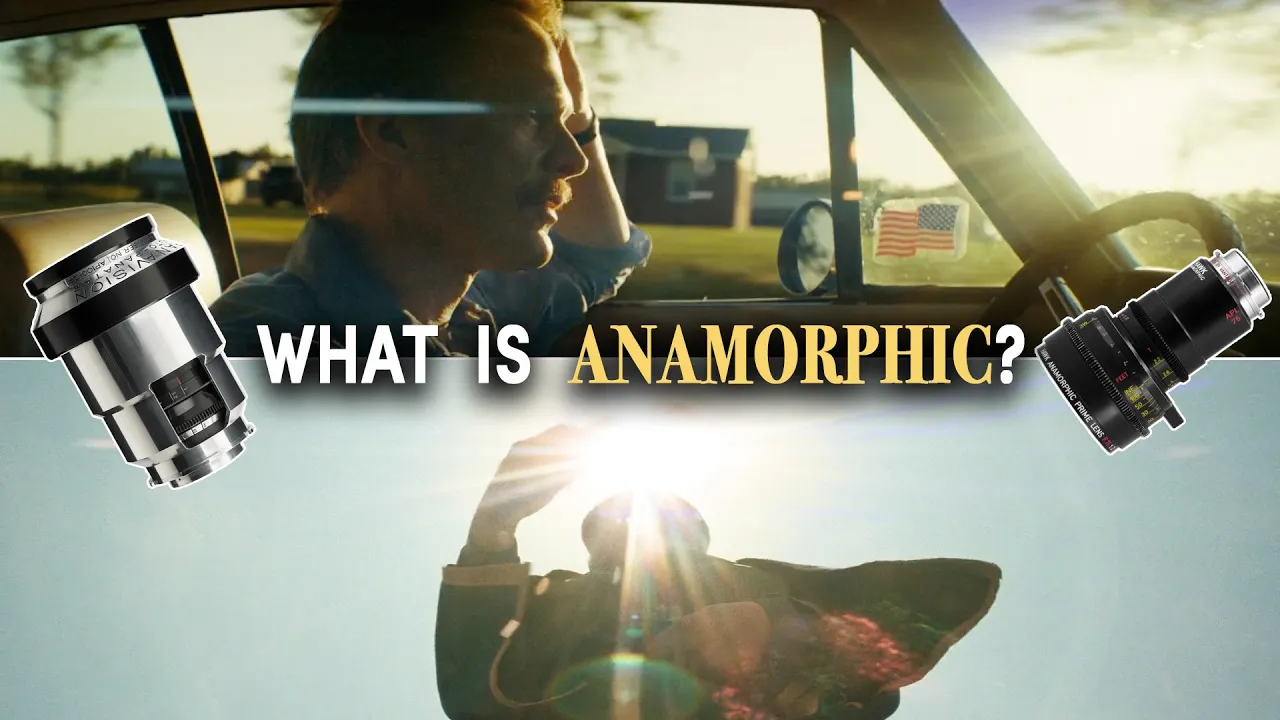
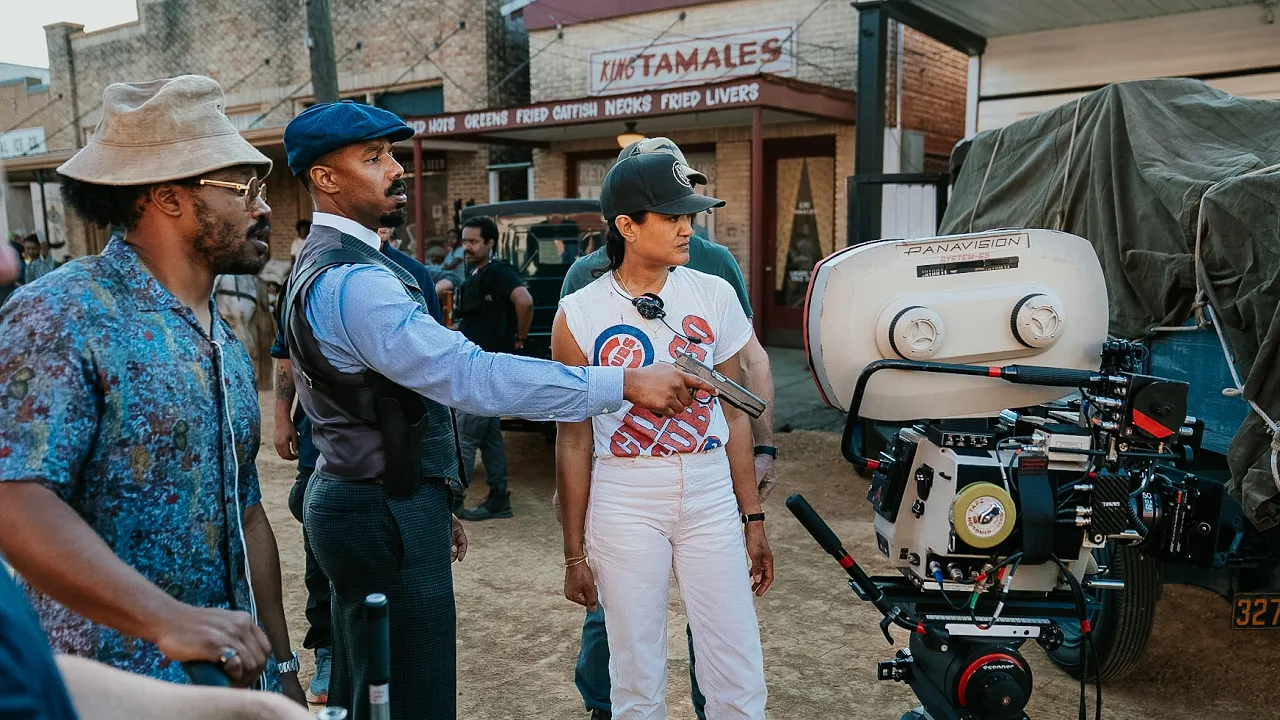


In cinematography, lens choice—particularly focal length—profoundly affects how audiences perceive and emotionally respond to a story; wider focal lengths (like 12mm or 6.5mm fisheye lenses) create immersive, expansive views that make characters feel isolated or connected to their environment, while longer focal lengths (like 85mm or 135mm) compress backgrounds and isolate subjects, creating voyeuristic or obsessive effects that mirror narrative themes of loneliness and detachment.
Focal Length in Cinematography: Lens Choice & Audience Perception
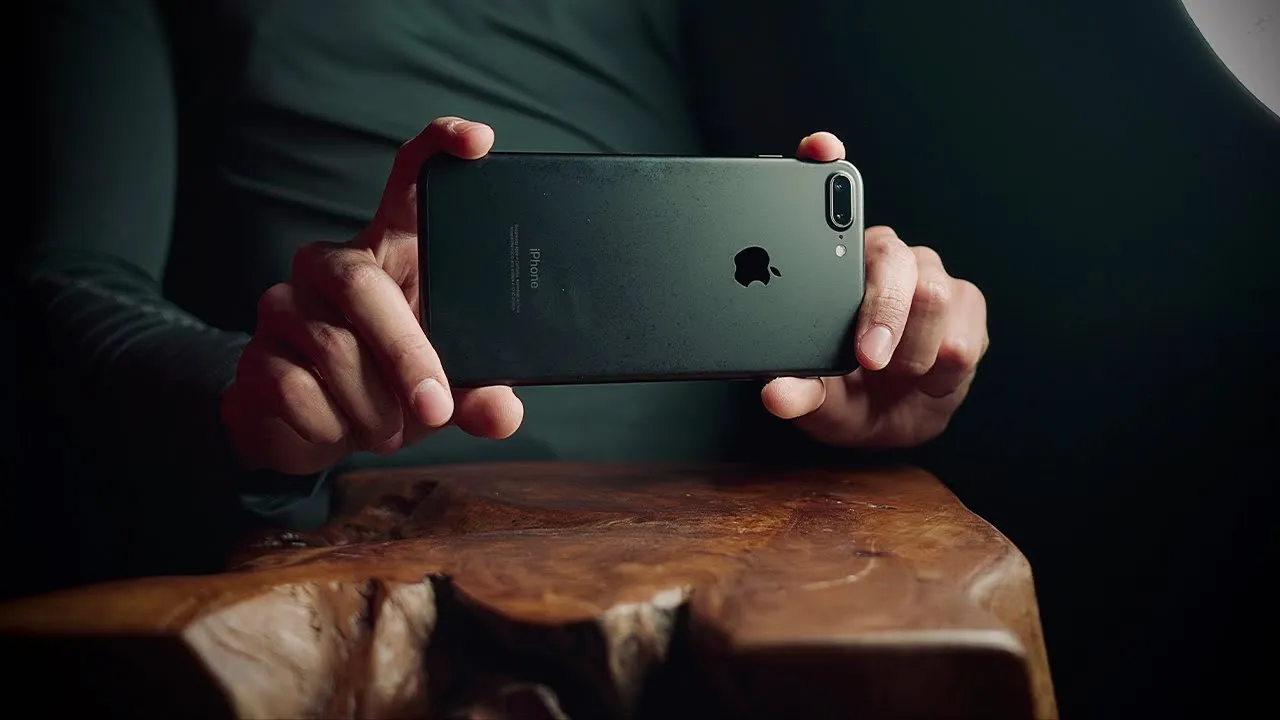
Added:Basic camera anatomy and optics, including how light passes through a lens to form an image on a sensor or film plane.
The technical definition of focal length (measured in millimeters) and the general categorization of lenses into wide, normal, and telephoto.
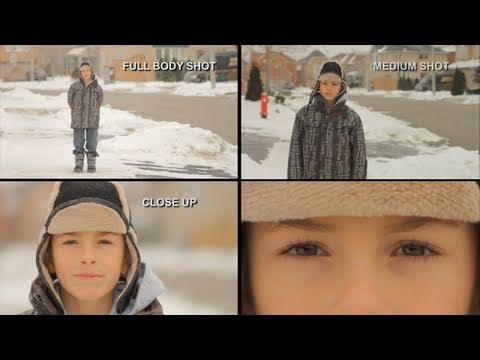
Fundamental camera framing and composition terms, such as close-ups, medium shots, and wide shots.
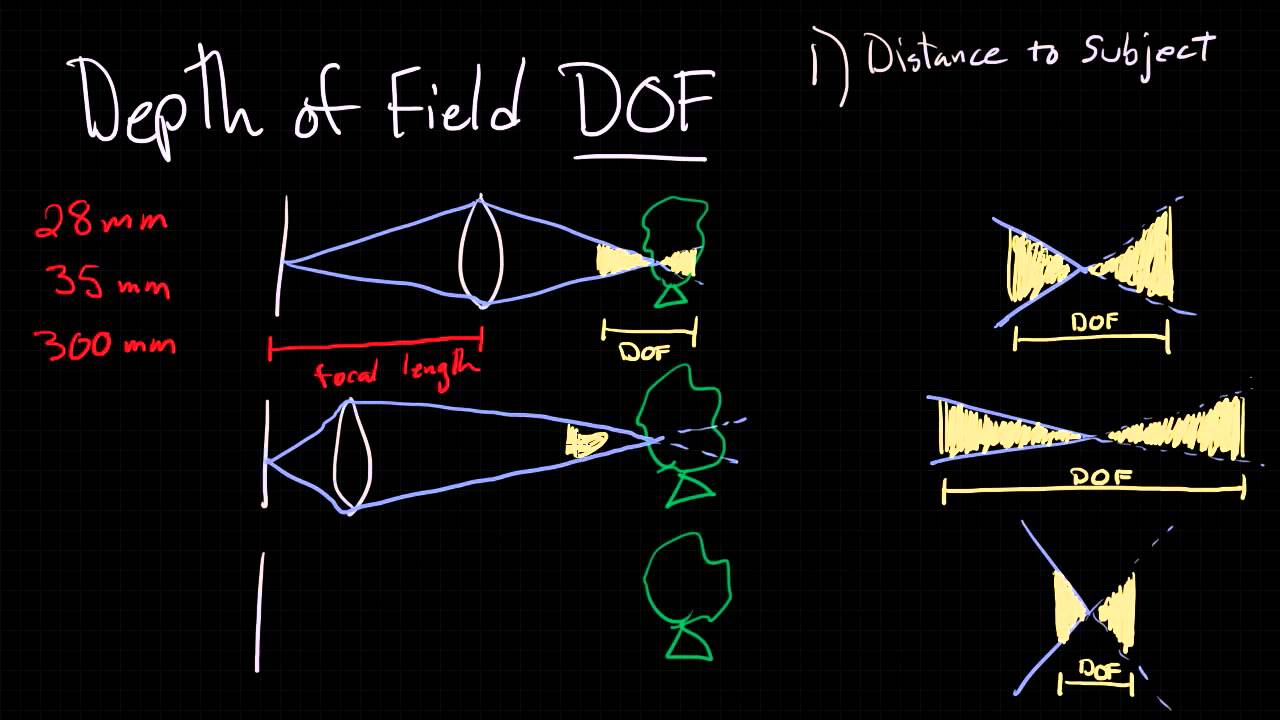
The concept of Depth of Field (DoF) and how aperture, focal length, and subject distance interact to control focus.
The physics and visual impact of spatial compression and barrel distortion associated with extreme telephoto and ultra-wide-angle lenses.
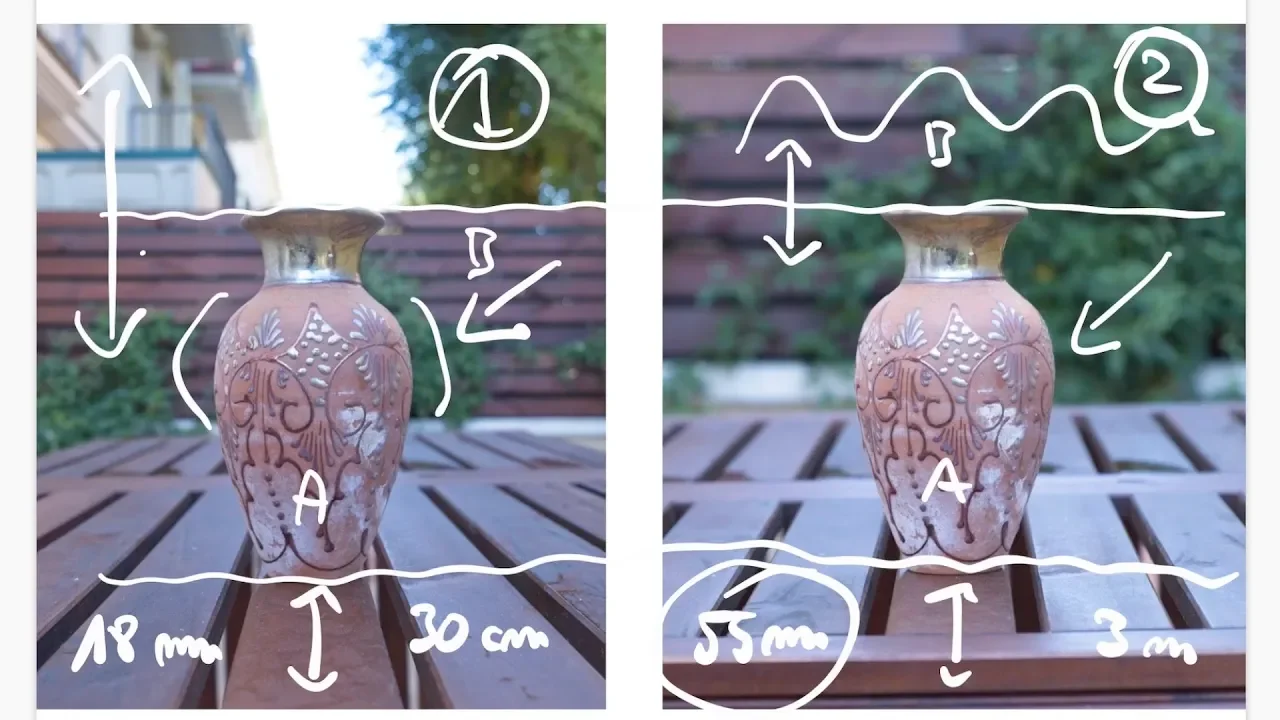
Advanced cinematic techniques that manipulate focal length dynamically, such as the Dolly Zoom (Vertigo effect).
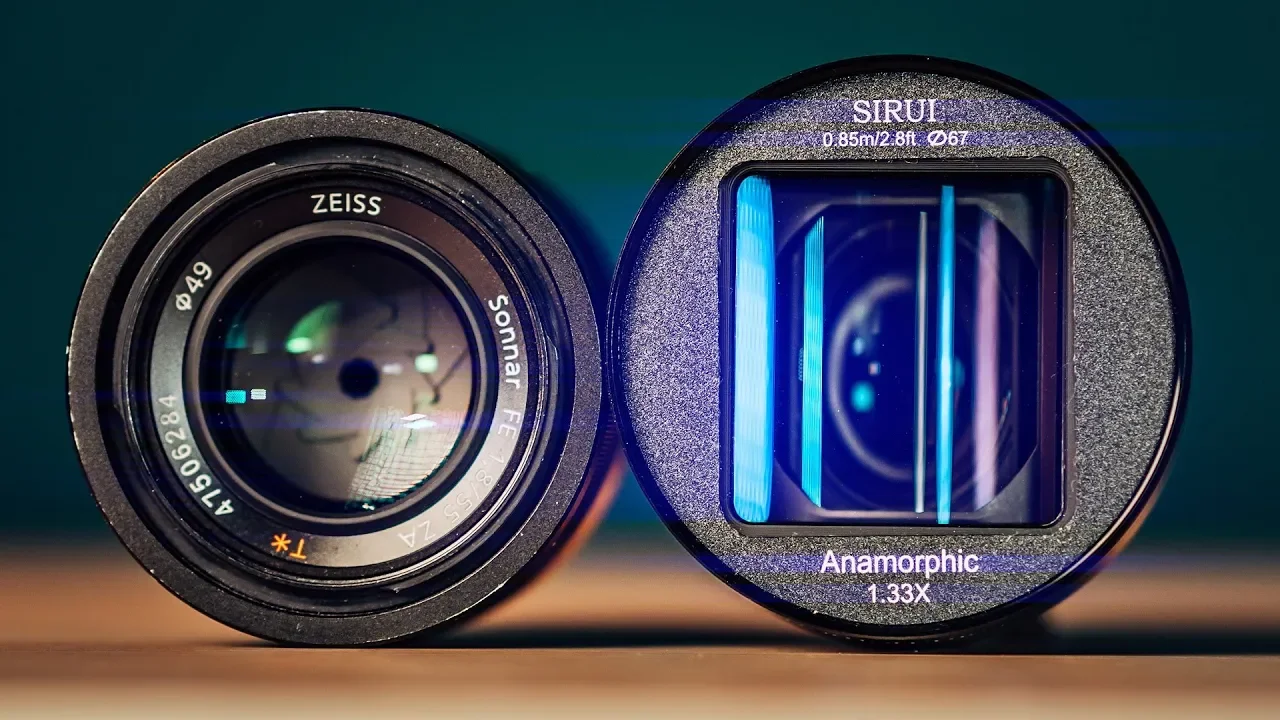
The stylistic and mechanical differences between anamorphic and spherical lenses, including bokeh shapes and flare characteristics.
Practical scene blocking and director-cinematographer collaboration strategies designed to leverage lens choice for narrative impact.
276.1K views14.4Klikes8:05Original Release: 2020-05-31
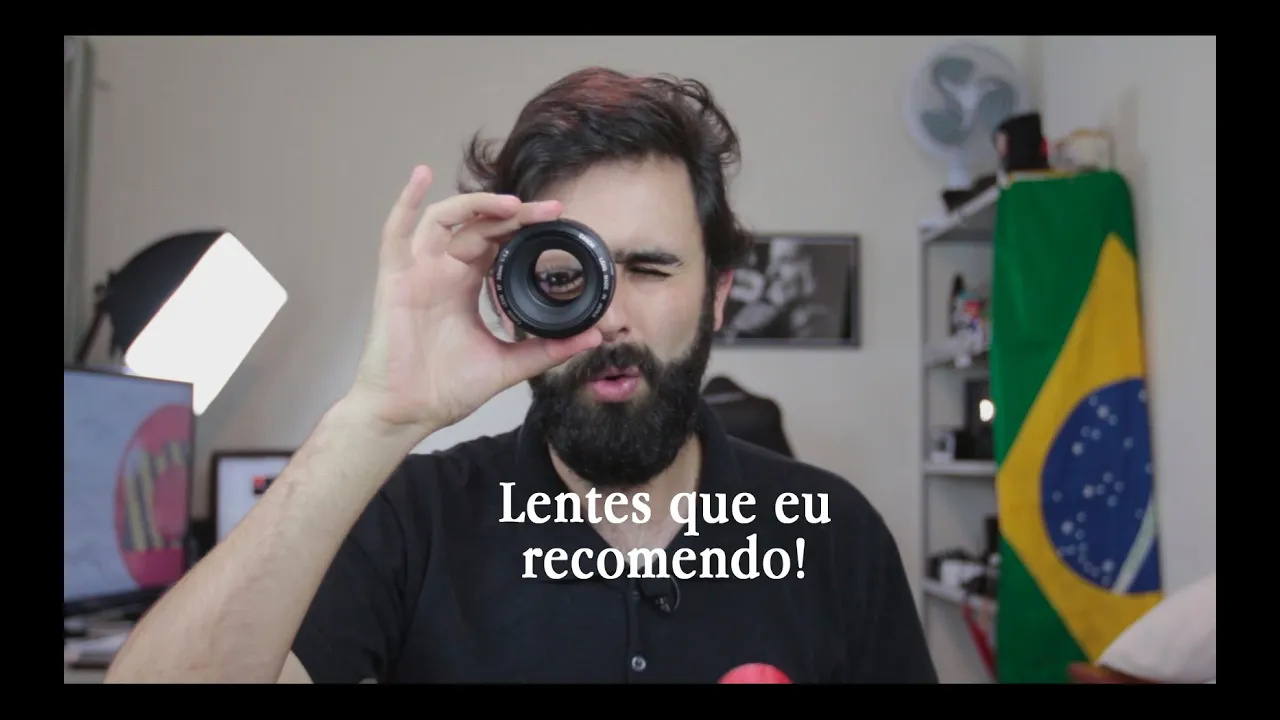
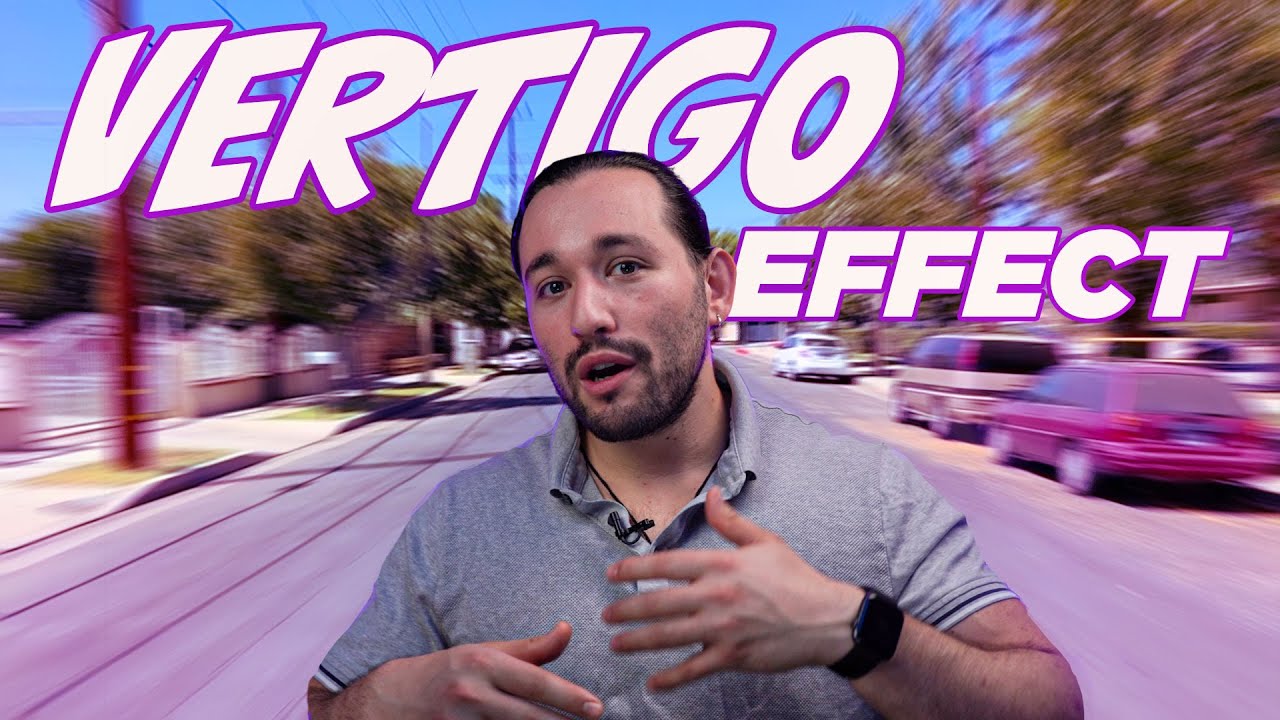
one thing's for sure without a lens to take in the world there would be no cinema in this video I'll be going over the basics of lenses discussing focal lengths and explaining their creative applications of choosing a lens using examples from popular films to describe how that is a profound impact and how we as an audience interpret a story there are three basic components that every cinema lens must have a focal length a stop or iris and focus there are also two kinds of lenses available to choose from a zoom or prime lens the prime lens has a fixed focal length meaning that the image produced by the lens cannot be optically magnified primes are typically preferred by cinematographers for their fast apertures and perceived image characteristics some popular contemporary cinema prime lenses include the Aries signature primes Koch s fours like a summa Lux ease and Panavision Primo's zooms on the other hand allow the operator to alter the focal length of the lens this can be done during a shot for a zoom effect or zoom lenses can be shot at fixed focal lengths zooms are often used in situations where the framing needs to be adjusted quickly or to minimize the time taken between changing lenses such as when shooting cars or action sequences popular contemporary cinema zooms include the engineer Optimo 24 to 290 for fujinon 80 to 250 mol although Panavision primo 19 to 90 soon cinematographers are also able to choose between spherical and anamorphic lenses I'll explain the difference between these two in a future video but the most prominent characteristics of these two types of lenses is that aspect ratio it gives the anamorphic 2.35 to one aspect ratio versus the taller spherical 1.85 to one let's take a closer look at focal lengths to see exactly why the focal length that the cinematographer chooses is so important focal length is a number that is associated with the optical power of the lens describing how magnified it is for example a 16mm lens is considered wide or less magnified and a hundred millimeter lens is considered tight or more magnified certain fixed focal lengths have become standard and often appear in many lens sets common wide focal lengths include 18 24 and 35 millimeter lenses a 50 millimeter lens is usually considered as standard lens equal to the human eye yasujiro ozu notably shot all his films on a 50 mol for its naturalistic ability to render everyday ordinary experience common tight or long focal lengths include an 85 and and 135 millimeter lens wider lenses allow us to see more of the background with the deeper focus they tend to distort images more particularly when use close to a subject longer lenses compress the background and have more out-of-focus areas or a shallower depth of field this means that longer focal lengths can be used to effectively isolate subjects in a frame traditionally cinematographers use wider focal lengths to shoot long shots or wives of a scene such as a 20 formal and used tighter lenses such as a hundred more lens for close-ups however cinematography is a creative occupation so rules are made to be broken cinematographers such as Emmanuel Lubezki or Christopher Doyle are famous for breaking cinematic conventions by shooting close-ups of actors very close to them with very wide lenses on the revenant for instance Lubezki shot most of the film on a 12 mol prime lens we wanted to make a movie that was immersive and visceral by shooting on a wide lens the audience is able to see a lot of the wilderness background and how the character realistically and acts Willett just as human eyes view the world with a panoramic width where most of our vision is in focus so are the images that Lubezki creates through his lens choice however immersion is not the only psychological effect which shooting with the wide lens can have forms such as fallen angels shot by Christopher Doyle include a bunch of characters living out of the mainstream world of Hong Kong who are all bound by loneliness and detachment shooting most of the film on a six point five more fisheye lens gives the movie a hugely distorted look faces and close-ups are contorted by the lens and there's always the illusion of lots of space around the characters even if there are cramped locations in this full men a wide lens is used to convey the characters as isolated outcasts in a lonely world another film with outcasts in the lonely world as heaven knows what shot by Sean price Williams however the creative choices of lenses in his film is a vastly different experience instead of using wide-angle lenses Williams chooses to shoot the film with extremely long focal length lenses usually reserved for wildlife photography heaven knows what as a film with lonely characters totally obsessed and bound to drugs and love using long lenses isolates these characters they are so focused on these individual characters visually that we barely see that the world is continuing on around them the lens conveys the same ideas of obsession and isolation as the actors and the screenplay does another use of long lenses is creating a voyeuristic effect the camera becomes objective and omniscient the eye through which we as the audience see the world for example in the opening scene of the conversation a film about surveillance the use of a long zoom gives a sense that we are spying on the characters from a vantage point comedy is another effect that lenses can have robert yeoman employs this technique especially when shooting with director where's anderson his use of wide anamorphic lenses distort the characters in an unrealistic way like a caricature and in the context of a comedy provide a humorous effect these are just some examples of why the lens that cinematographers choose to shoot on has such a profound psychological effect on the viewer i think that for people interested in the art of cinematography lens choice especially the choice of focal lengths is crucial it's important to be aware of the choices and how it affects your viewing experience I think that if lenses are aware of capturing the world then which lens you choose says a lot about the kind of world that you're trying to capture thanks for watching this breakdown of the concept of focal lengths and cinematography if you enjoyed this video I'd appreciate if you'd like and subscribe in order to help with the YouTube algorithm if you have any ideas about future filmmaking concepts you'd like to see explored and please list them in the comments and it'd be happy to make a future video about them until next time thanks for watching and good bye
Up Next
13:02
How Lens Choice Shapes Cinematic Visuals and Storytelling
@Alexzarfatifilms
27K views•2024-07-02

12:54
Triumph of Orthodoxy Icon: Byzantine Art & History Explained
@BenCallan
2.1K views•2024-08-06
12:05
Essential Lighting Concepts for Cinematographers
@InDepthCine
418.2K views•2020-11-08

1:42
Game of Thrones Opening Credits: A Cinematic Analysis
@gameofthrones
46.3M views•2011-04-18
Related Study Plans & Knowledge Roadmaps
Structured learning paths in General & Interdisciplinary Studies
general-studies
Elevator Engineering: History, Physics & Cities
01From Hoists to Safety Brakes: The Dawn of Vertical Lift
02Hydraulic vs. Traction: The Engineering Physics of Elevators
03Modern Speed, Safety, and Algorithms
+ 2 more learning modules
12h5 modules
Explore Roadmap
general-studies
Rubber: Material Science, History & Geopolitics
01Origins of Natural Rubber & Mesoamerican History
02The Chemistry of Natural Rubber & Vulcanization
03The Geopolitics of the Rubber Boom & Colonization
+ 2 more learning modules
12h5 modules
Explore Roadmap
general-studies
Containerization: Evolution, Logistics & Trade
01Ancient Trade & Bulk Cargo: Amphorae to Barrels
02The Industrial Revolution & Cardboard Packaging
03The Containerization Revolution: Malcom McLean
+ 2 more learning modules
12h5 modules
Explore Roadmap
general-studies
Textile Tech: Evolution, Labor & Global Impact
01Pre-Industrial Textiles: Handloom & Cottage Industry
02Mechanization: The Spinning Jenny to the Power Loom
03The Factory System & Global Labor Transformation
+ 2 more learning modules
10h5 modules
Explore Roadmap