


![Câmera Full Frame ou Cropada - Faz diferença? [Duvido!]](https://i.ytimg.com/vi/UUGqjoVWou4/maxresdefault.jpg)









Lens selection is a critical filmmaking decision that significantly impacts a film's visual character, with different focal lengths serving distinct storytelling purposes: extreme wide-angle lenses (4-24mm) create distorted, immersive perspectives; standard lenses (24-50mm) provide natural, realistic views; telephoto lenses (70mm+) compress space and create distance; and macro lenses capture extreme close-ups. Additionally, anamorphic lenses offer distinctive characteristics like oval bokeh and horizontal lens flares, while vintage lenses provide softer, more character-rich imagery compared to modern lenses. The choice of lens should align with the story being told and the desired emotional impact on the audience.
How Lens Choice Shapes Cinematic Visuals and Storytelling
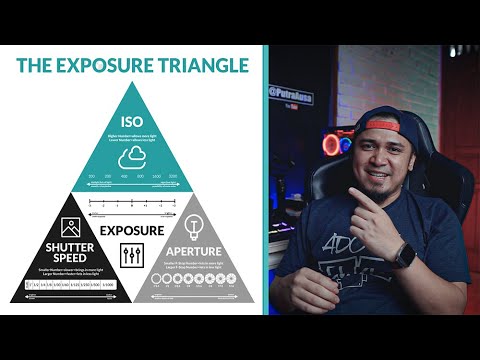
Added:Understanding the exposure triangle, specifically how aperture (f-stop) affects depth of field.
Basic knowledge of focal length measurements (in millimeters) and the difference between prime and zoom lenses.
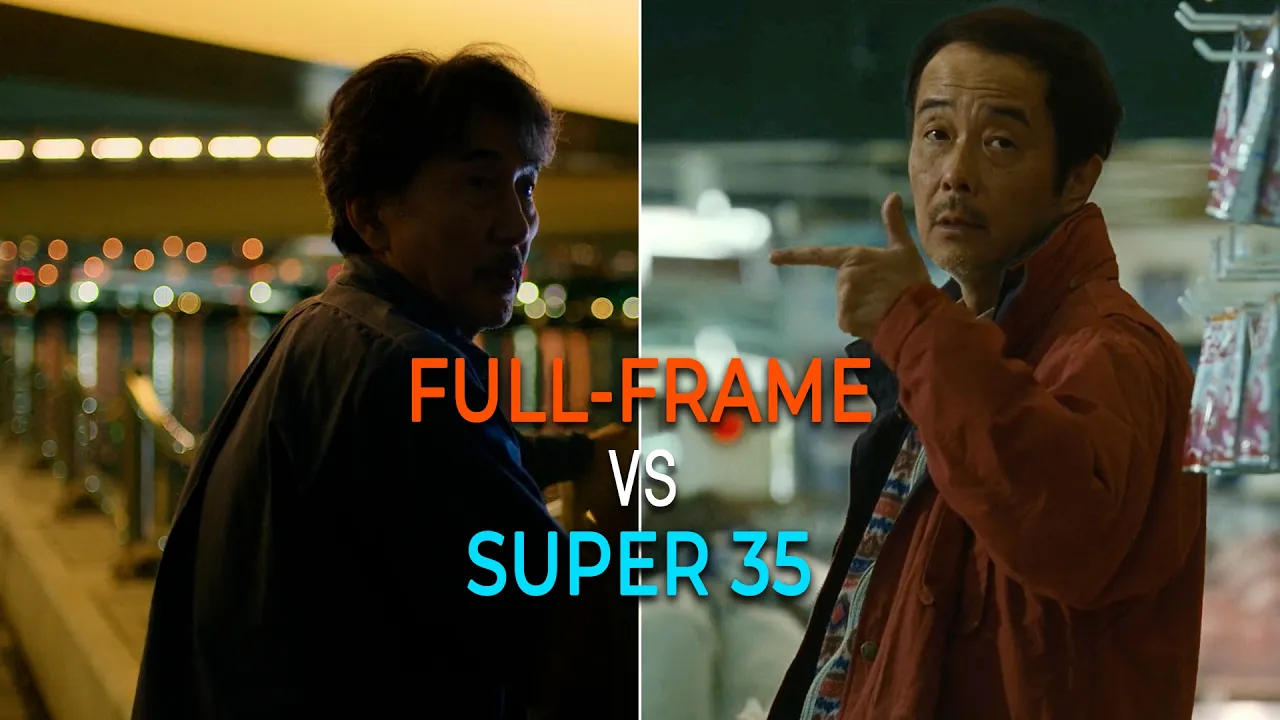
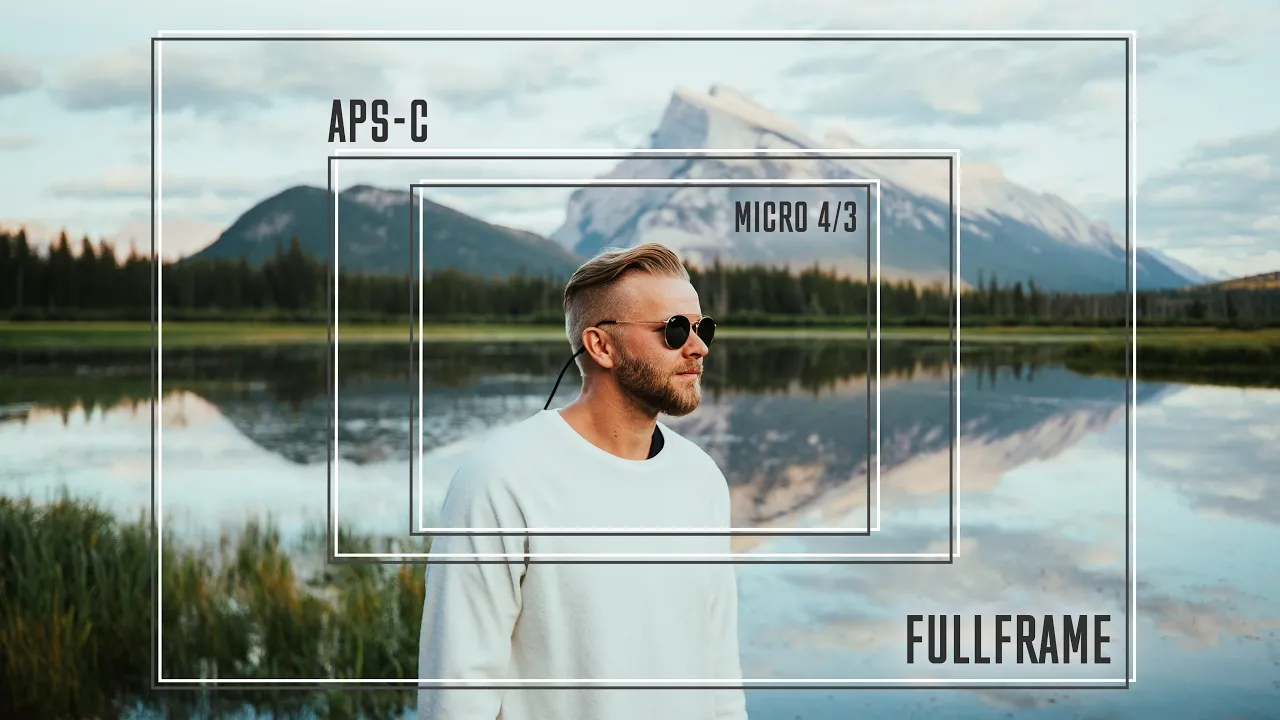
Awareness of standard camera sensor sizes (e.g., Full Frame, Super 35) and how they influence field of view (crop factor).
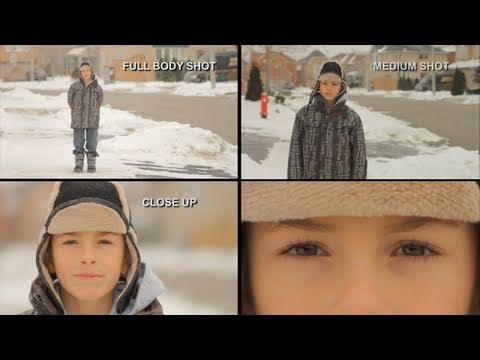
Fundamental cinematic framing and composition terms, such as wide shots, medium shots, and close-ups.
Advanced study of optical aberrations, lens flares, and the distinct aesthetic characteristics of legendary lens suites (e.g., Cooke Look vs. Zeiss sharpness).
How to coordinate camera movement (dollies, gimbals, cranes) with specific lens choices to create psychological effects like the Dolly Zoom (Vertigo effect).
Techniques for vintage lens adaptation, manual focusing pulling, and using physical lens filters (ND, anamorphic streak, diffusion) on set.
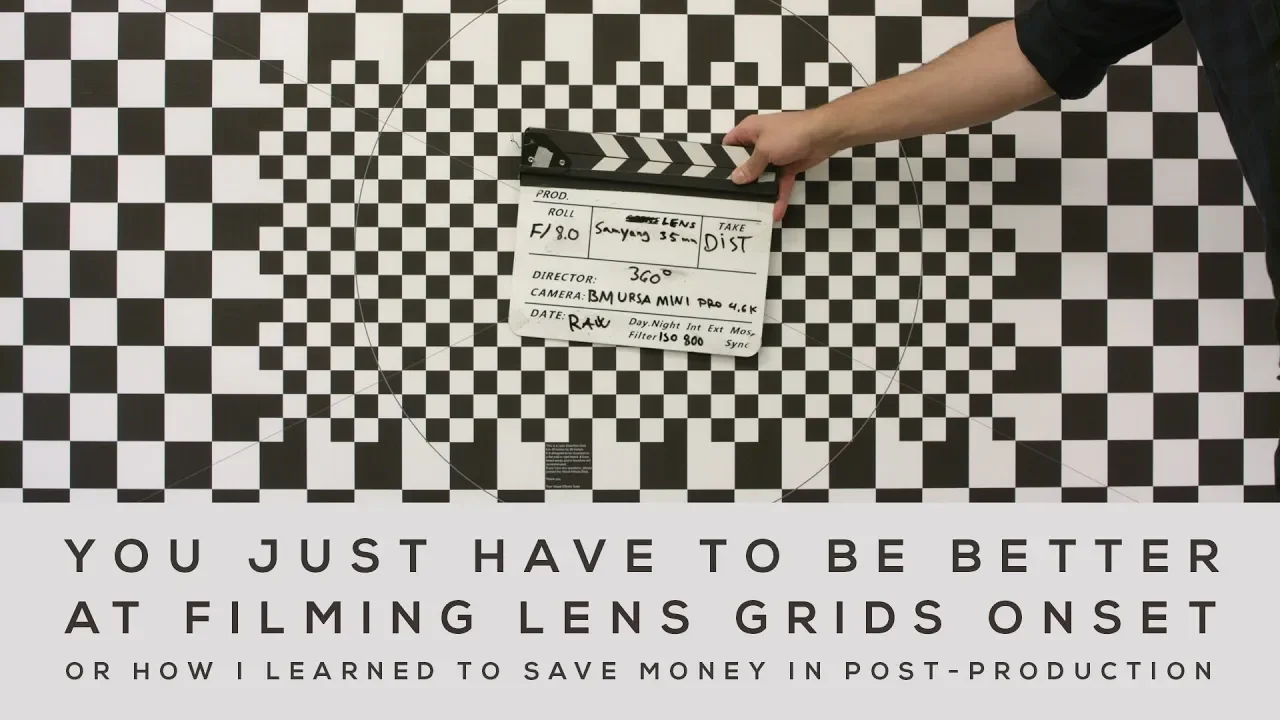
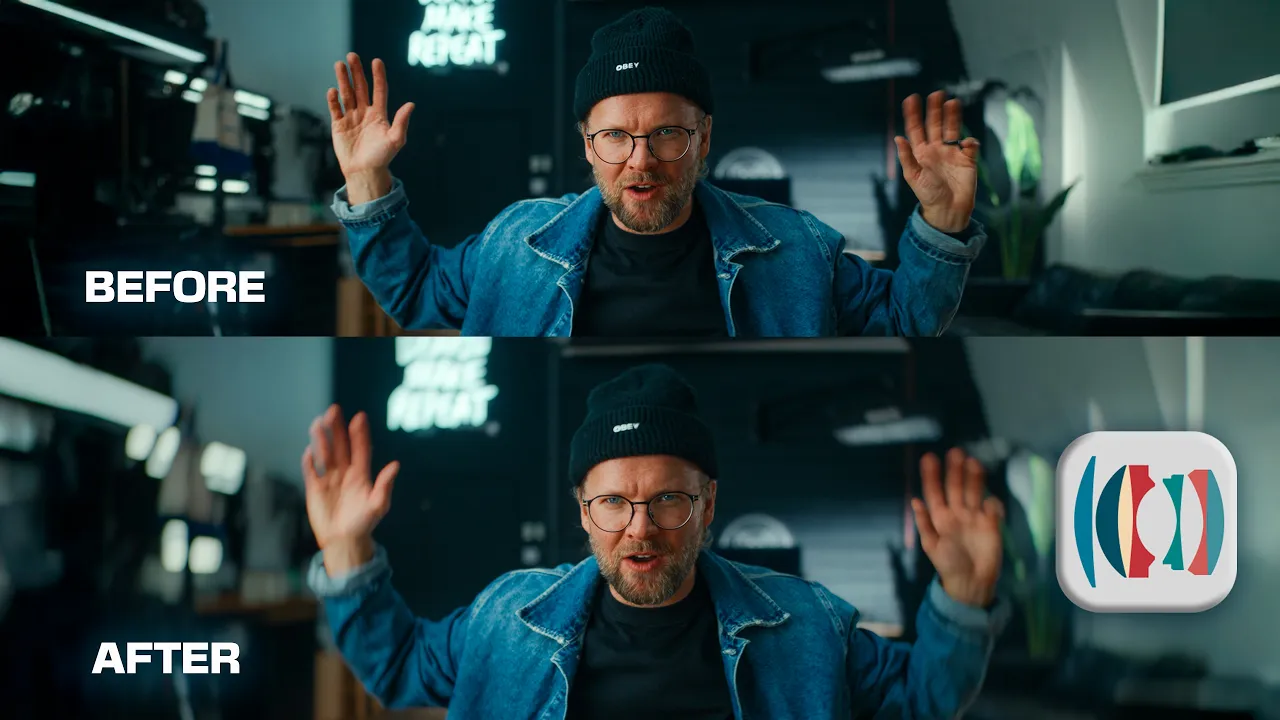
Post-production workflow considerations, including lens distortion correction, matching different lenses in color grading, and digital lens emulation.
27K views1.3Klikes13:02Original Release: 2024-07-02
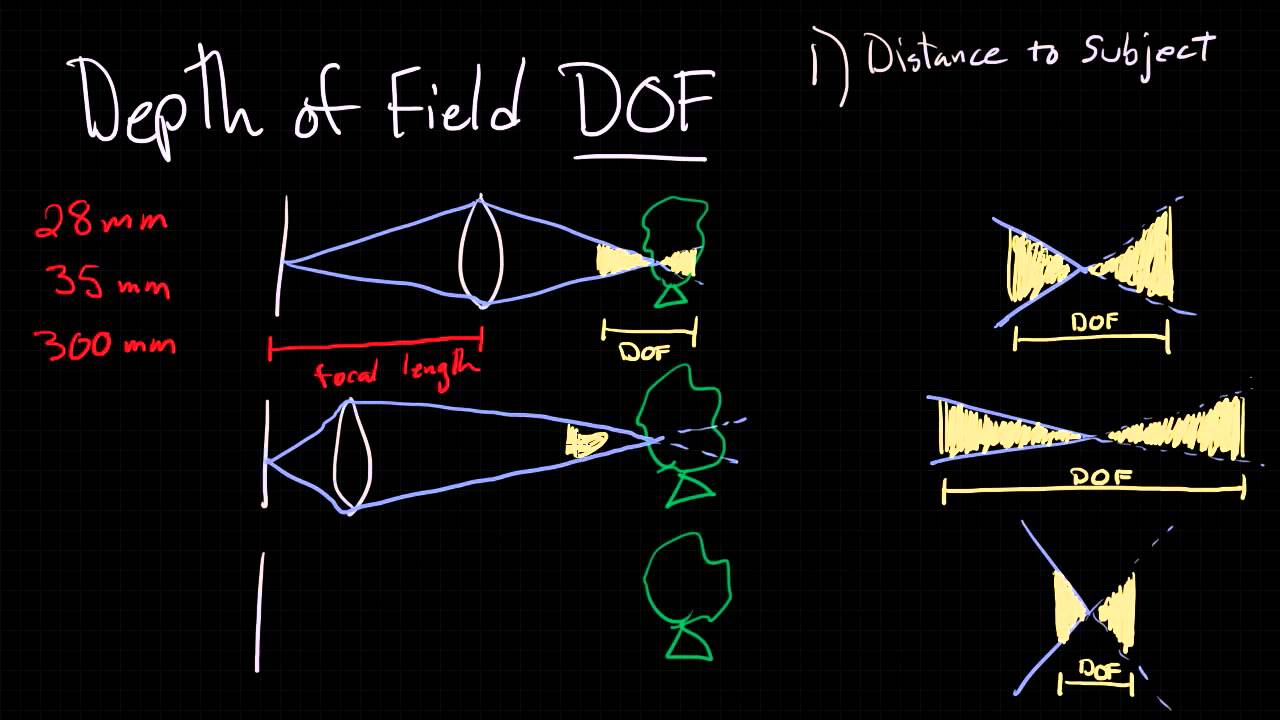
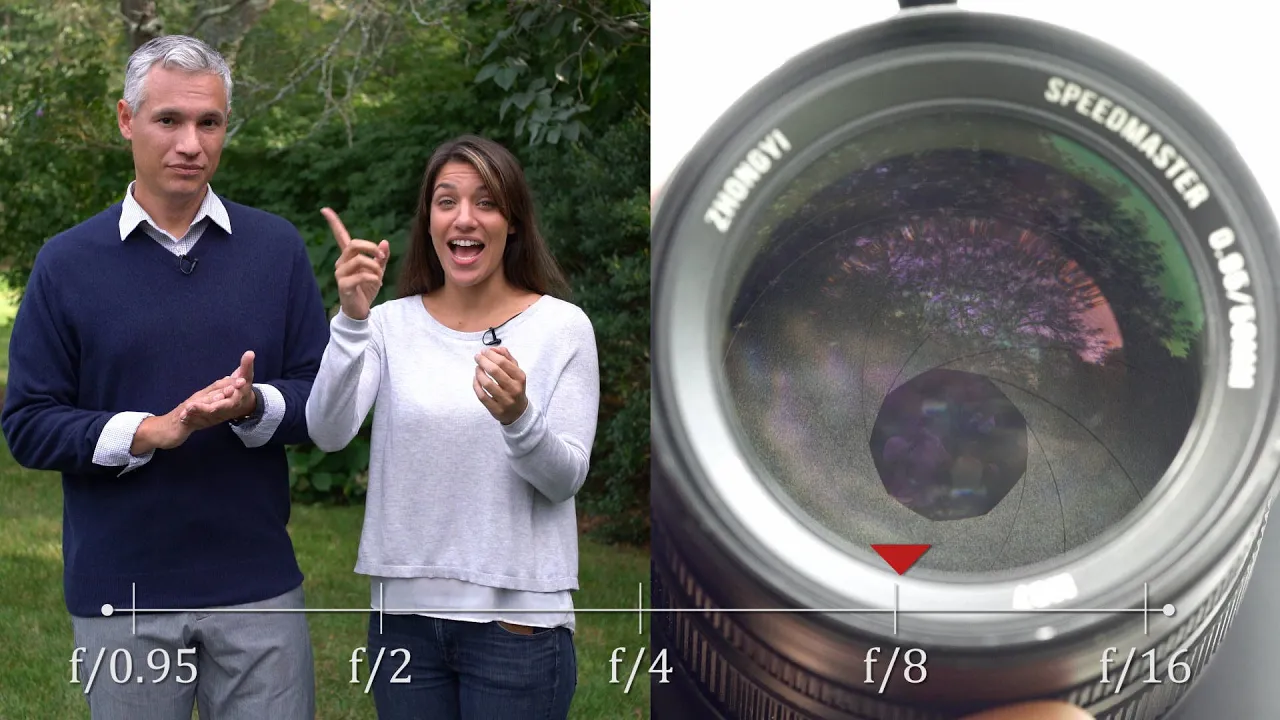
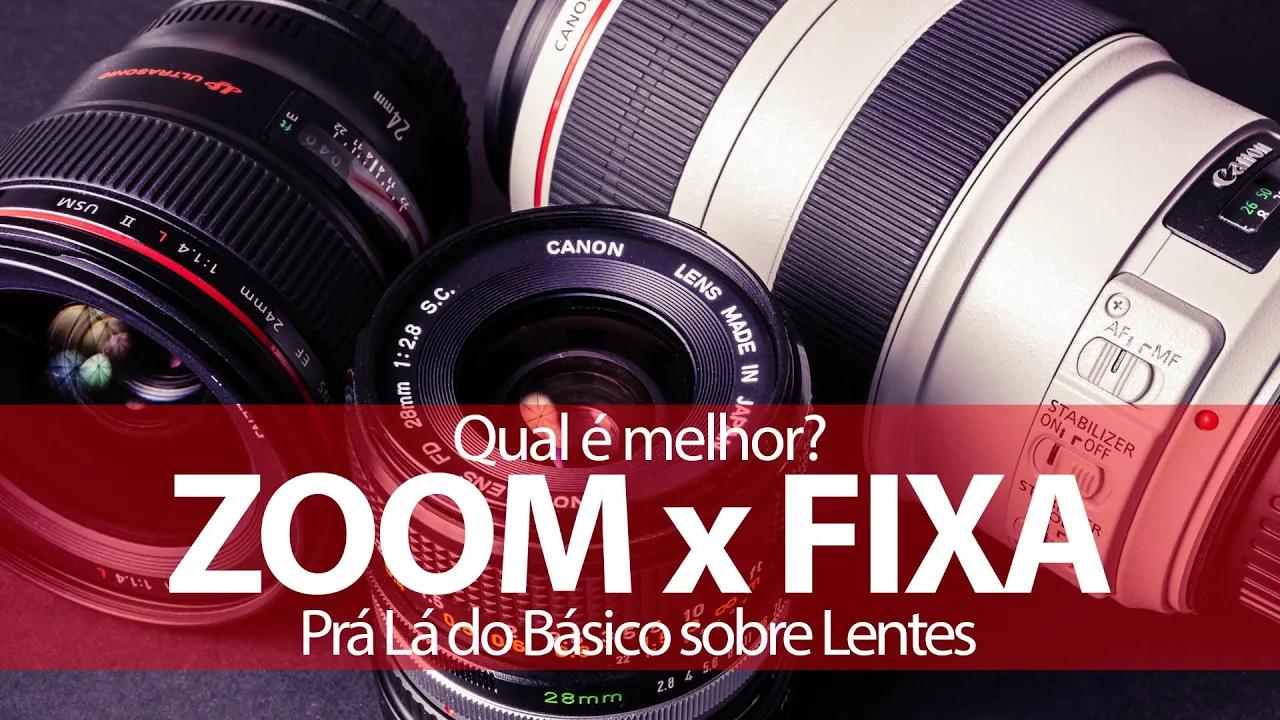
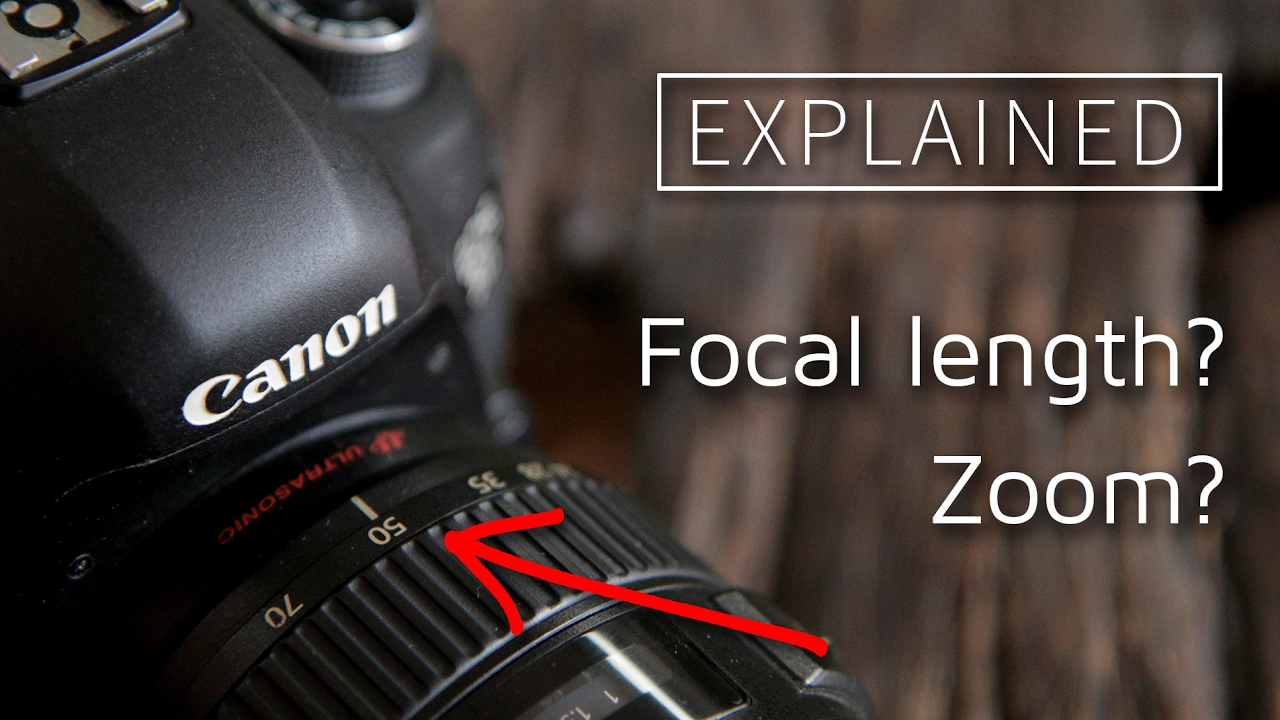
if we take a look at some of our favorite films you can easily obsess over the composition and the lighting and how beautifully the scenes come together but there's a very important element besides lighting and the camera that's used to give the film its really unique character most filmmakers especially when you first start out including myself really believe that the look of the film is coming solely from the camera and the lighting used but today I'm here to tell you guys that lenses are way more important than you think let's quickly take a second and talk about how lenses work light passes into the lens and through all these different glass Shades called lens elements and what these elements do is slightly Bend or refract the light and that lands on your camera sensor let's think about that for a second that means that before it touches your camera the first thing the first medium that it goes through is the lens and if we break down that simple concept that goes to show you that the lens is extremely important in getting that final image now as you guys know every single lens has a different Focus FAL length and focal length is the distance between the center of the lens and the image sensor and the longer the focal length the more narrow your angle is and the shorter the focal length The Wider your angle is and we're going to get to how that actually affects your image in just a second first let's talk about the two types of lenses there are prime lenses which have a fixed focal length and then you have zoom lenses which change focal lengths by adjusting the elements inside the lens now because prime lenses have fewer lens elements and have a fixed focal length they tend to be a lot sharper than zoom lenses they also have a lower aperture which allows more light into the lens and also gives it a more shallow depth of field for those of you who don't know what depth of field is it's the size of the area of sharpness in front of or behind the focal point of sharp focus a shallow depth of field is great for isolating a particular focal point or a person in a scene and giving it that iconic blurry cinematic background but of course there's a huge benefit to having zoom lenses to be able to have various focal lengths without having to swap lenses is a huge timesaver on set and something that's extremely important for somebody like a documentary filmmaker where you're running around and you're capturing ver footage in real life and you can't be stuck on a prime lens where someone could be a few feet away from you and there's no way you're going to see them so now that we got through the basics and how lenses work let's now break down the different focal lengths and how they're used in film the first one that we're going to talk about is Extreme wide-angle lenses these can range anywhere from 4 mm all the way up to 24 mm if we take a look at the movie poor things they use various wideangle lenses throughout the film some of these lenses very unique Distortion giving them that fishey look and the reason why it looks fishey is because the the angle of the lens is so wide that it tends to round everything in that field of vision you're almost looking through a bowl or like what you would call a fisheye another iconic film that use extreme wide-angle lenses was the movie the Revenant they were able to capture these massive Landscapes and close-up shots all at the same time because they had the capability of using the Zeiss Master Prime 124 and 18 mm giving the Revenant a very distinctive look and while the Revenant used wide-angle lenses to be able to capture vast Landscapes and showcasing these tight close-up shots this was a very purposeful choice but if we go back to poor things and even fear and loathing Las Vegas they tend to use wide-angle lenses to Showcase a sort of distorted reality they use it to show him kind of bugging out while he's on drugs and they use these wide-angle lenses to depict what he's seeing in his reality making the viewer understand that we are no longer in the real world we're in his distorted field of view now if you're looking for a wide shot without any lens Distortion then you're going to be in the realm of about 24 to 35 mm focal length 24 and 35 mm lenses are Staples in any Film Production they're not only great for showcasing a wide angle but they're also great for accentuating movement that's why a lot of action scenes are typically shot with wider lenses another great reason to use a wide-angle lens is to help you create more distance in tighter spaces using them in scenarios where you're filming car scenes or spaces like bathrooms or bedrooms that have really close proximity between characters can help you separate them and give distance even in that close proximity but if you want things to start to look like the natural world as we see them then you're going to be in the area of 35 mm to 50 mm in fact they say that the 50 mm lens is the closest to what the human eye actually sees in real life so if you want to represent something that feels more grounded and natural then using a 50 mm would be a great choice a lot of cinematographers will choose to use something like a 35 and 50 mm more often than not because they want to showcase the reality and the real world that we're living in and I think that what this does is bring our viewers into the frame and make them feel like they're there and they're they're kind of in this space with our characters now if we increase the focal length we're getting into the territory of telephoto which is anywhere between 70 mm and up and instead of creating that more natural realistic grounded look the telephoto lens starts to create this distance between objects and subjects allowing the viewer to feel like they're almost seeing something from a distance which typically will make them feel a little bit more removed from the scene this is often used in films when they're trying to Showcase or capture somebody doing some sort of surveillance on another subject it kind of makes the audience feel like they're peeking in on something from a distance that they shouldn't be seeing and because telephoto lenses have a narrow field of view it can make the background feel as almost if it's being pulled in closer to the subject and the camera which gives it a more compressed look and it's ideal for isolating a character or a object from the background or the foreground then you have macro lenses and these lenses are great for capturing extreme close-ups now macro lenses they're measured by the minimum Focus distance and the magnification ratio the minimum Focus distance is how close or how far a lens can be to capture Focus macro lenses typically have a very short Focus distance and that's because the whole point of a macro lens is be able to capture something very very close to the lens macro lenses typically have a one:1 magnification ratio meaning that everything that you see in the macro lens is going to be one: one in real life it's going to look like real life but macro lenses could go all the way up to 5:1 magnification ratios which makes it feel five times bigger than in real life macro shots are great for showcasing details and creates this immersive experience for your viewer when you're showing these detail shots and these really close tight shots of something like nature or objects it pulls your viewer into whatever action is happening on the screen and a great tool that I use just to get an example of focal lengths and how they're used in film is a website called film Vibes film Vibes is an AI search engine with millions of references from commercials and TV shows and a great tool to use is the shot size filter tool you could choose different shot sizes just so you can get an idea of how they're used in film you could also filter your search by using Color text or even drawing in your search and for those of you who don't know film Vibes is a company that me and my partners started something that I'm very passionate about and I think that is an extremely inspirational tool for filmmakers and right now you guys can use film Vibes for free and if you want to sign up for a year plan you can use my discount code down below now focal length is definitely not the only factor for choosing a lens for your film you also have the different types of lenses like spherical and anamorphic if you guys seen movies like Star Trek or even the new Star Wars movies you'll see that classic JJ Abrams anamorphic look and there's nothing really natural about anamorphic lenses you know they're squashed they're compressed and the most iconic thing about anamorphic lenses are the lens flare effects and they have these really iconic lens flares that kind of streak across the frame when light hits the lens and then you have spherical lenses which is what most films are shot on now if we're comparing the two lenses there are five main differences between anamorphic and spherical lenses you have the bokeh Distortion Focus breathing and lens flares in spherical lenses the bokeh is mostly circular while the anamorphic lenses produce a more oval-shaped bokeh then you have Distortion and both lenses are capable of having a distinguishable Distortion but anamorphic usually tend to have a squeezed or stretched look that typically have to be corrected in post production and depending on the lens manufacturer you might even get some Barrel Distortion that kind of Curves straight lines in your frame anamorphic lenses also typically have a more softer rounder fold off on the focus typically they tend to blend the foreground and the background which gives it a more organic look another very unique characteristic of anamorphic lenses is the focus breathing and you can notice this when you rack focus in a scene it almost looks like the background and the foreground shrinks in the frame then like I said before they have iconic lens flares that gives these cinematic horizontal streaks across the the screen when light hits the glass now there's a couple of pros and cons to consider when you are thinking about choosing anamorphic versus spherical lenses the biggest difference and something that we're all affected by is price anamorphic lenses typically tend to be a lot more expensive than spherical lenses the other issue is focusing at close distances typically anamorphic lenses are not great at focusing it at really short distances so if you're going to be in a situation where you're going to be in a lot of tight cramped locations where your character needs to be kind of closer to the lens or going to have an issue nailing Focus especially when it is that close to the lens if we take something like a documentary where you can't really control how far your your subject is going to be it's going to make it a lot tougher for you if you are going to choose to shoot a documentary on anamorphic because there might be times where a subject is like right next to you and you just have to film them CU you're in a tight cramped up space you might not be able to nail Focus if you are using an anamorphic lens for the most part spherical lenses tend to give you a little bit cleaner and sharper of an image while anamorphic lenses tend to give you a little bit more of like a magical otherworldly look it makes sense why a lot of sci-fi films will use anamorphic lenses because it again kind of heightens reality maybe even distorts reality a little bit to something that we're not used to scene now the last thing to consider when you are thinking about choosing lenses for your film is looking into modern or vintage lenses but what I really mean by this is choosing lenses that have a lot more character or lenses that are more clinical you know I find it really funny that like in the last like five or 10 years or so film making has taken this huge turn from really clean and digital pristine looking images to going after lenses that give a more vintage kind of less sharp filmic quality to them but if I'm being honest what I think it really comes down to is you have to ask yourself what kind of story are you trying to tell tell and how is this lens going to play a role in your story typically people characterize vintage lens being a lot softer which really means that the focus isn't as sharp as something like a modern lens one thing that I found pretty fascinating was the fact that Dune 2 use rehouse vintage lenses for their film now of course this was shot on state-of-the-art Cinema cameras but they were using lenses that were 20 30 40 years old and these lenses were rehoused to be able to fit you know the new digital cameras that we have today but it was a creative decision and an attempt to get something a little bit more stylistic and I guess kind of stray away a little bit from that digital look and get something that felt a little bit more filmic and a little bit more real so I strongly suggest that you guys kind of do a little research and figure out you know especially when you're investing in lenses that are going to be with you every day what kind of work are you doing more often than not and even more importantly like if you're making a film what is a look and what is the feel for that film understand what it the character is and do you want to shoot it on something that is a lot more clean whereas if you do shoot it with a vintage looking lens you're kind of stuck with that look but again there's something very kind of special about using vintage lenses with a lot of character and a lot of imperfections there's something really kind of like Poetic about it you know what I mean so I don't think that there's anything wrong with either decision it just really depends on what story you're trying to tell when I first started I would literally just go out and shoot with random focal lengths and whatever lens I could afford at the time and I would just try to make the most of it and there were times where I would capture some really cool stuff that really made sense in a story or whatever I was trying to do but then looking back on my work now I'm looking at it and I'm like well why the hell did I choose one focal length throughout the entire documentary and I'm like yeah that just that that wasn't a good idea I noticed that when I really started paying attention to my script and figuring out what focal length I should use because that focal length will help build this story and giving it reason and purpose really allowed me to become a better Storyteller and a better cinematographer I want to thank you guys so much for stopping in and hanging out and uh yeah I'll see you guys next week deuces [Music] oh
Up Next
12:10
Oppenheimer Cinematography: IMAX Black & White Film Explained
@variety
399.2K views•2024-02-20

12:54
Triumph of Orthodoxy Icon: Byzantine Art & History Explained
@BenCallan
2.1K views•2024-08-06

9:49
FastAPI vs Flask vs Django: Choosing the Right Python Web Framework
@TechWithTim
302.5K views•2024-05-26

1:42
Game of Thrones Opening Credits: A Cinematic Analysis
@gameofthrones
46.3M views•2011-04-18
Related Study Plans & Knowledge Roadmaps
Structured learning paths in General & Interdisciplinary Studies
general-studies
Elevator Engineering: History, Physics & Cities
01From Hoists to Safety Brakes: The Dawn of Vertical Lift
02Hydraulic vs. Traction: The Engineering Physics of Elevators
03Modern Speed, Safety, and Algorithms
+ 2 more learning modules
12h5 modules
Explore Roadmap
general-studies
Rubber: Material Science, History & Geopolitics
01Origins of Natural Rubber & Mesoamerican History
02The Chemistry of Natural Rubber & Vulcanization
03The Geopolitics of the Rubber Boom & Colonization
+ 2 more learning modules
12h5 modules
Explore Roadmap
general-studies
Containerization: Evolution, Logistics & Trade
01Ancient Trade & Bulk Cargo: Amphorae to Barrels
02The Industrial Revolution & Cardboard Packaging
03The Containerization Revolution: Malcom McLean
+ 2 more learning modules
12h5 modules
Explore Roadmap
general-studies
Textile Tech: Evolution, Labor & Global Impact
01Pre-Industrial Textiles: Handloom & Cottage Industry
02Mechanization: The Spinning Jenny to the Power Loom
03The Factory System & Global Labor Transformation
+ 2 more learning modules
10h5 modules
Explore Roadmap