


















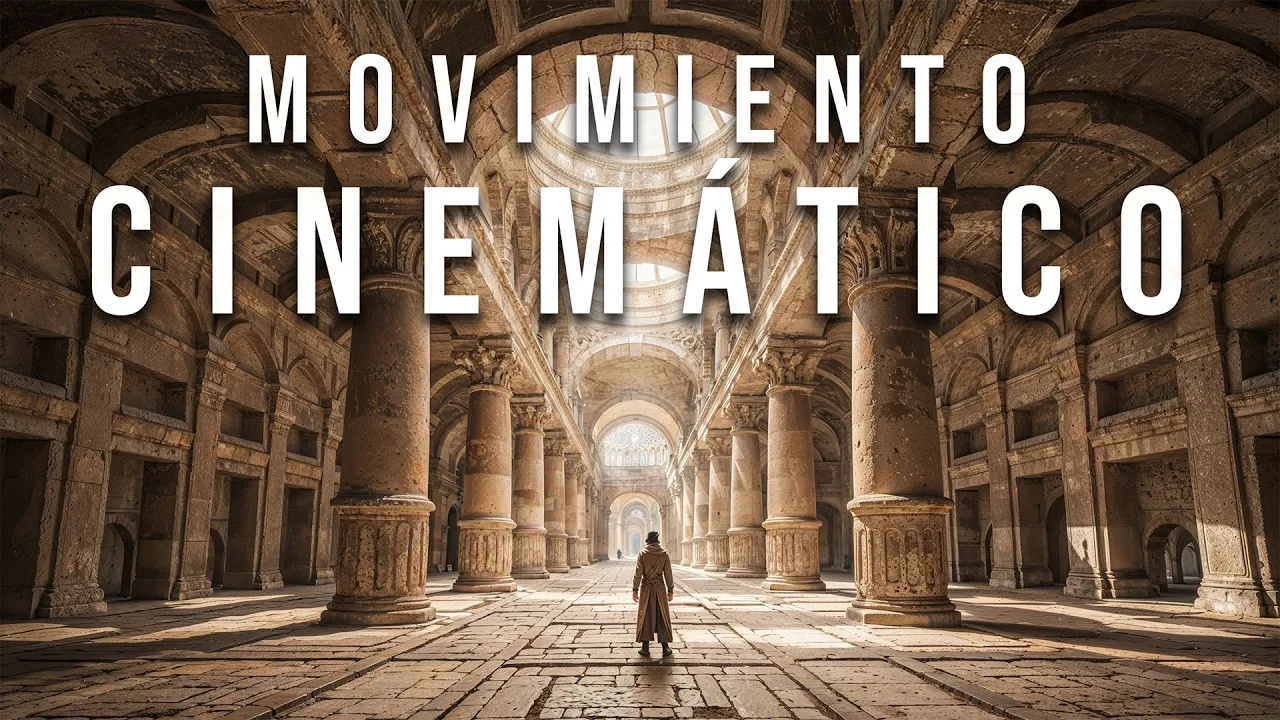
Camera movement is a fundamental technique in filmmaking that filmmakers use to guide audience attention, convey emotion, and enhance storytelling; different camera movements serve distinct purposes, such as static shots for dialogue and character focus, pans and tilts for revealing context, push-ins and pull-outs for emphasizing or de-emphasizing subjects, zooms for creating psychological effects, dolly zooms for conveying conflict or intimacy, tracking shots for following action, and random movement for documentary realism, with the key principle being that effective camera movement should always serve an intentional storytelling purpose.
Camera Movement in Film: Techniques for Visual Storytelling
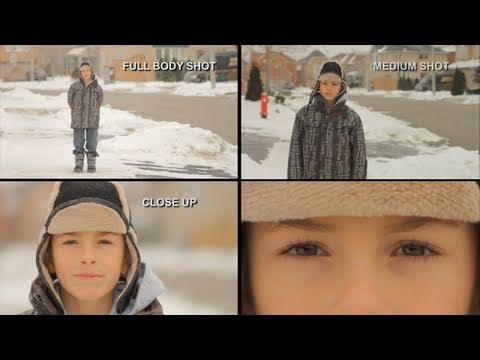
Added:Basic static shot composition and framing principles, such as the rule of thirds, shot sizes (close-up, medium, wide), and camera angles.
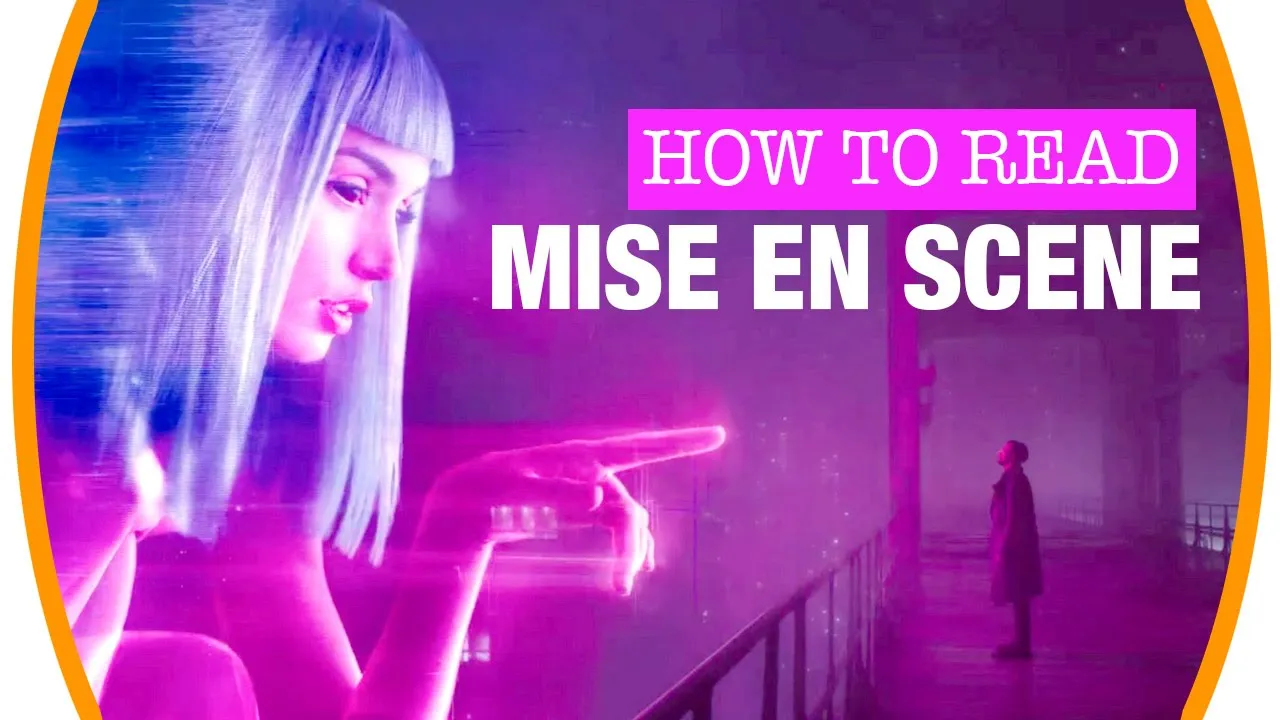
The concept of mise-en-scène and how visual elements within a frame establish mood and convey narrative meaning without dialogue.
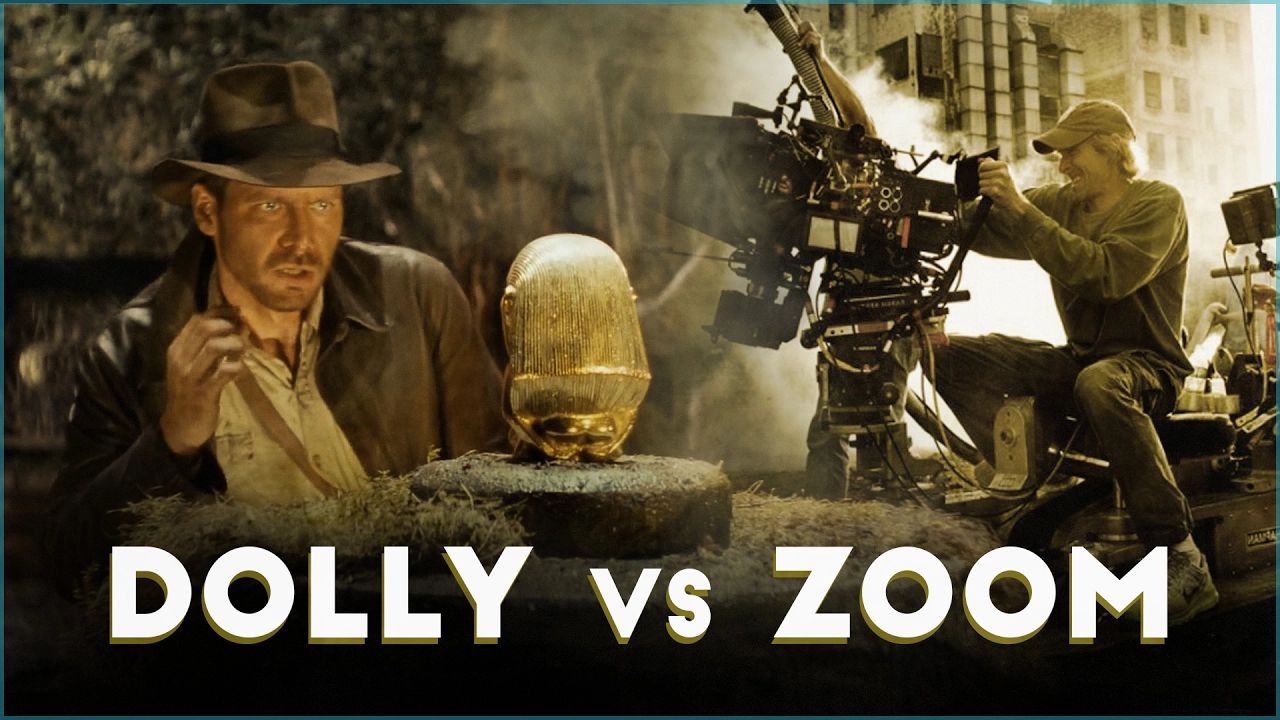
The fundamental difference between physical camera movement and optical lens adjustments (e.g., the difference between a physical dolly and an optical zoom).
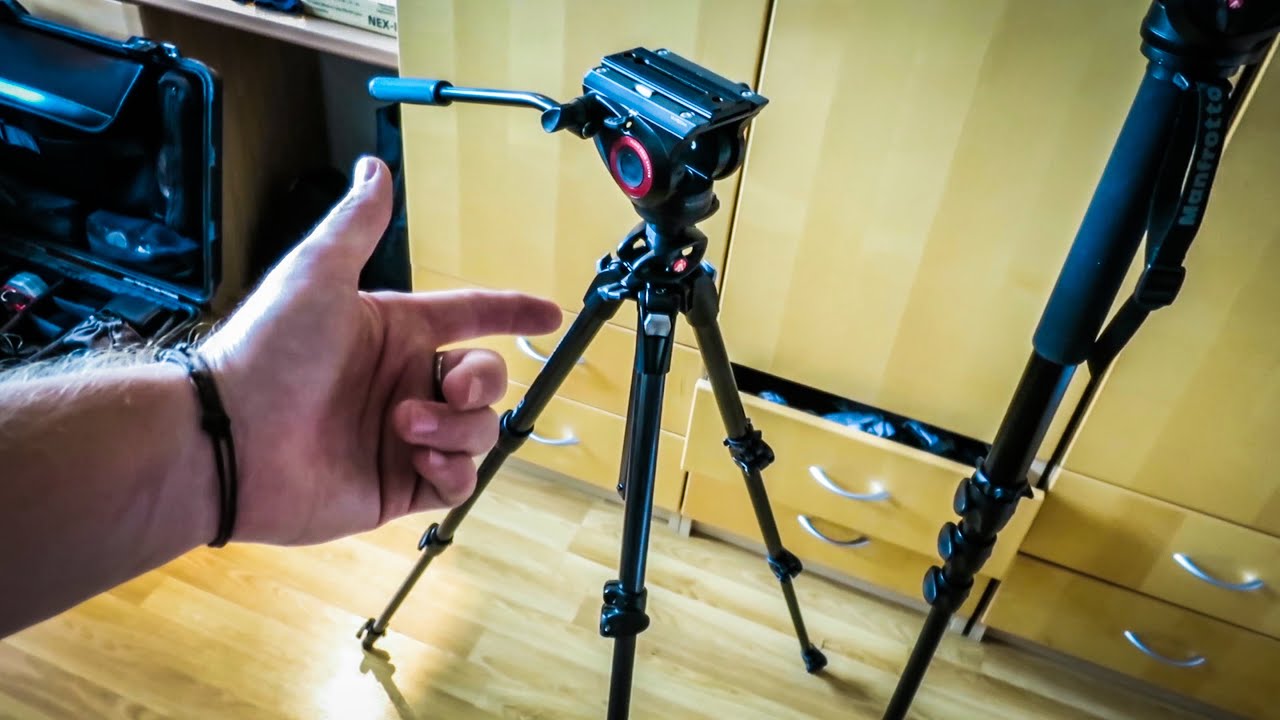
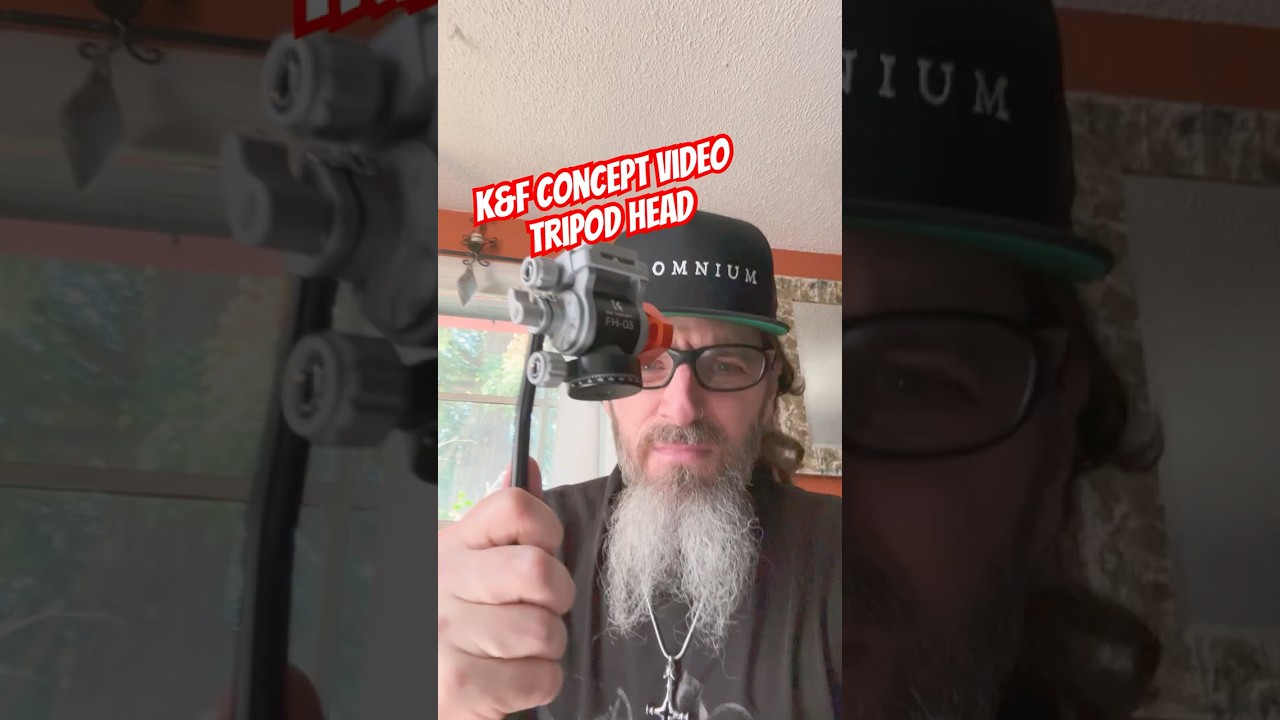
An introductory understanding of camera anatomy and support gear, specifically how tripods, fluid heads, and handheld rigs function.
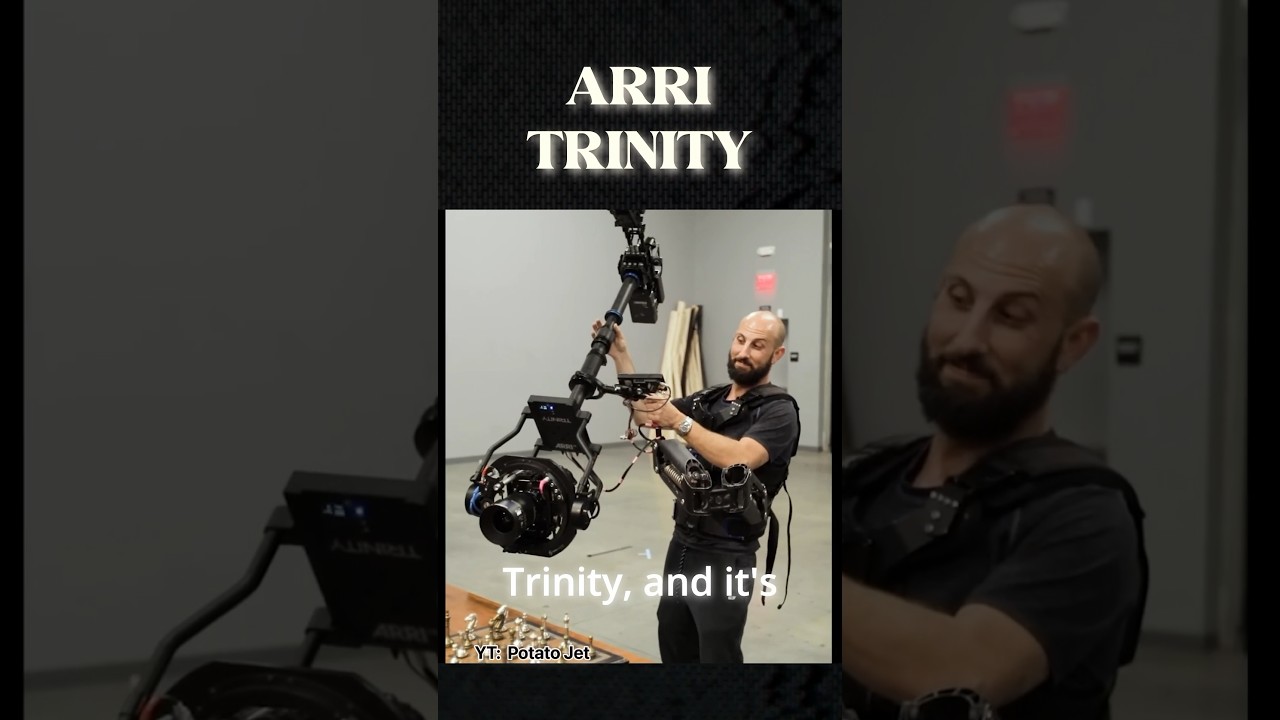
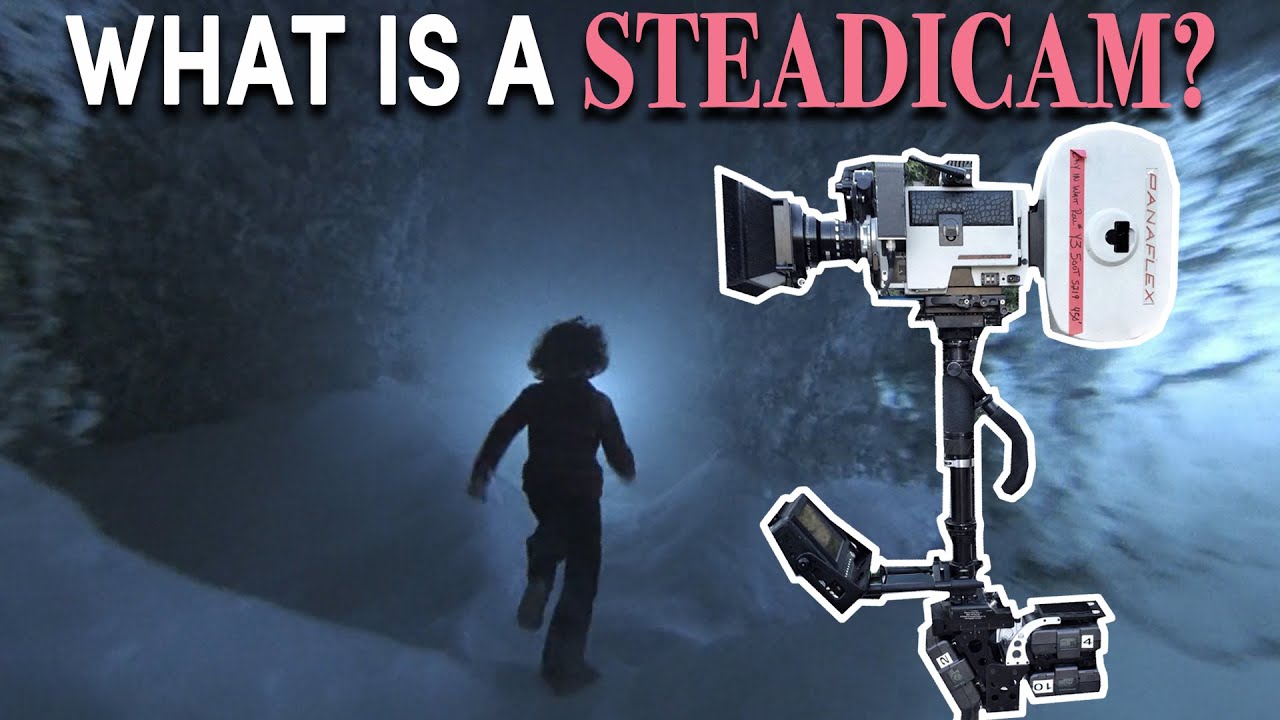
Advanced camera rigging and stabilization technologies, such as Steadicams, cinematic gimbals, cranes, and Technocranes.
The principles of scene blocking and choreography, specifically how to coordinate complex camera movements in tandem with actor positioning and timing.
The relationship between camera movement and film editing, including how to shoot for continuity, cutting on action, and pacing.
Thematic analysis of auteur directors known for specific movement styles (e.g., Alfred Hitchcock's use of the dolly zoom, or Martin Scorsese's long tracking shots).
6.1M views235.3Klikes29:08Original Release: 2020-10-05
films are made up of sequences sequencers are made up of scenes and scenes are made up of shots in our last episode we discussed the types of camera rigs used to move the camera but in this episode we'll be going over what those movements are and the stories they tell this is episode six of the shot list camera movement there are countless variations of camera movement each with their own language and purpose a filmmaker who understands this language can create dynamic and compelling work we'll be examining different types of camera movements along the way we'll be updating a shot list of these camera movements in a studio binder shot list which you can download and reference in your upcoming projects now let's get moving let's begin with the shot that has no camera movement at all this is the static shot static shots are commonly captured by locking the camera to a tripod in a fixed position the result is a shot with zero camera movement [Music] this is great for dialogue what is necessity of yours where i'm from friendo precise painterly compositions nice to see you or shots that allow an actor's performance to shine funny how i mean funny like i'm a clown i am use you i make you laugh i'm here to amuse you what do you mean funny funny how how am i funny the kids are getting here to tommy sometimes filmmakers use static shots to trap a character and suggest their helplessness like this moment from dunkirk in this scene from 12 years a slave the static shot holes on solomon's lynching he is helpless and we are not allowed to look away its cruelty is amplified by stillness a moving camera might have matched solomon's panic but this static shot with its neutral and cold perspective is far more unsettling let's move on to our next camera movement the pan a pan rotates the camera horizontally left or right while remaining in a fixed location pans can be used to follow a character's actions or be used to reveal information [Music] which is something wes anderson does [Music] frequently four minutes 48 seconds we're all dead burn to a crisp moving on a slow pan builds anticipation while a rapid pan heightens the energy of a shot these are known as whip pans [Music] director damian chazelle uses wood pans to create relationships between characters in la la land he amps up the energy in the scene while underscoring the growing synergy between sebastian and mia he uses the same technique for a different effect in whiplash no pun intended in the final scene whip pans are precisely timed with the give and take of the music [Music] accenting the combative relationship between andrew and fletcher to learn more about wet pants check out our video where we break down how to use them to build energy and transition through time and space panning is ideal for horizontal movement but what about the vertical axis the tilt a tilt directs the camera upward or downward filmmakers use tilts to capture the verticality of a film's world [Applause] this can be used to give a character dominance or vulnerability yes we're men men is what we are similar to a pan a tilt can reveal information like a character setting or scale who are the people projections of my subconscious yours yes in inception ariadne tests how much of the dream world she can distort my question is what happens when you start messing with the physics of it all nolan tilts up to capture the awe and scale of the spectacular moment the visceral effect of being on the street looking upward at such a spectacle is accentuated with a simple camera tilt it's something isn't it yes it is switching our attention from upward or downward our next camera movement takes us inward push in the push in shot moves the camera towards the subject pushing the camera is all about emphasizing a moment get our informers to find out where it's going to be held a visual cue to the audience that this is important public place a bar a restaurant someplace where there's people so i feel safe but if clemenza can figure a way to have a weapon planted there for me then i'll kill them both you can push in on an external detail such as an object or text in doing so filmmakers can direct our attention to a specific detail or it can capture a character's thought process like in this moment from the post when ben comes to terms with exposing the infamous pentagon papers a push-in is an effective way to communicate internal conflict like in the iconic restaurant scene in the godfather michael corleone is about to kill the man who tried to kill his father it would be a life-changing decision a point of no return into the underworld a slow push-in towards michael elevates the tension as we watch him wrestle with the consequences and gathering the courage to pull the trigger [Music] which leads us to our next camera movement the opposite of the push in is the pull out unlike pushing in pulling the camera de-emphasizes the subject a sort of signal to disconnect from the characters it can unveil the context of a scene [Music] its setting or its characters as subjects grow smaller a pull-out can detach us from a scene or the entire film like in the final shot from catch me if you can [Music] the same movement can also emphasize negative emotions like isolation or abandonment in this scene from joker we see arthur at his most vulnerable this camera movement away from him highlights his helplessness and rather than push in to help us sympathize with arthur director todd phillips pulls away abandoning him our next movement directs our attention without moving the camera at all enter the zoom a zoom may not be a camera movement per se but there is movement created in camera zoom shots change the focal length of a camera's lens to zoom in or zoom out similar to pulling back a camera zooming out can reveal the context around a subject like this opening shot from the graduate zooms are unique because there is no equivalent in the human experience like a push-in we can physically move closer to a subject but our eyes can't zoom making this camera movement unnatural shouldn't we give the authorities or something no it can also draw our attention to a specific detail many horror thriller films use a slow zoom to create uneasiness you said she's a conduit that's right what does that mean a very powerful demonic has latched itself onto her and stanley kubrick is the master of this technique this iconic shot from the shining slowly zooms in to highlight jack's descent into madness the use of a zoom doesn't stop there a fast zoom is known as a crash zoom crash zooms can often be used for either dramatic aucklandic effect whoa whoa whoa whoa in django unchained quentin tarantino uses the crash zoom repeatedly for comedy just seems like a good bit of fun now what happens when you pair the in-camera movement of a zoom with physical movements of a camera [Music] it's none other than the dolly zoom [Music] a dolly zoom utilizes both a dolly movement and lens zoom to create something called the vertigo effect named after its dramatic use in hitchcock's vertigo [Music] a dolly zoom can be done two different ways the first is by dollying in while zooming out this causes the background to grow in size while maintaining the scale of the foreground this is commonly used to portray conflict in a shot either internal it broke my heart to put that tumor in her head [Music] what or external conflict the second way is by dollying out while zooming in this causes the foreground subject to become dominant over the background the dolly zoom can be used to highlight a growing relationship between two subjects like in this scene from raging bull where scorsese slows everything down the dolly zoom pushes the crowd further into the background as we occupy jake's pov and battered tunnel vision we are no longer watching the fight we are in it in bohemian rhapsody the dolly zoom draws the audience closer to freddie as a way to create intimacy between one musician and his adoring fans dp newton thomas siegel explains why they chose to use the dolly zoom for this shot the camera continues to come around him and we're still in this wide lens so as we come around you can see that the audience is very far from him but now he's beginning to come into his own the audience is coming into it and by using the dolly zoom we're bringing the audience closer and closer and closer freddie's not getting any bigger in the frame but the audience is getting closer simply by changing the focal length of the lens and the proximity of the camera to the subject a dolly zoom can be a versatile choice in any shot list to convey either positive or negative psychological effects our next camera movement is a rotation known as the camera roll a roll turns the camera on its long axis while maintaining the direction of the lens a camera roll is disorienting unsettling our equilibrium roles can be used to match character movement in moments of panic or conflict camera rolls can be disconcerting like when a villain assumes the throne [Music] they can also be used to visually reinforce theme like in this moment from the dark knight you just couldn't let me go could you this is what happens when an unstoppable force meets an immovable object the joker is captured strung upside down and defenseless but as the camera slowly rolls over he reveals that he still has the upper hand what did you do i took gotham's white knight and i brought him down our level this reversal of power is matched with a simple yet meaningful camera roll with great effect a camera roll can accent movement or dramatic shifts in the narrative let's move on to our next camera movement the tracking shot a tracking shot physically moves the camera through a scene typically following a subject tracking shots differ from push-ins or pull-outs because they don't simply move toward or away from a subject they move with a subject the subjects are on the move and the camera tracks with them wherever they go when done purposefully they generate two questions where is this character going and what will happen when they get there this is perfect for long takes that are meant to immerse the audience directly into a scene like in this long take from three billboards outside ebbing missouri [Music] director martin mcdonough opts to use a handheld tracking shot to create a visceral documentary style effect it also draws our attention to specific actions like when we see officer dixon flip his gun at the last moment deciding to not shoot [Music] tracking shots can also be used to build tension gas van sant's elephant is filled with extensive tracking shots that follow the murderers and the victims of a tragic school shooting the smooth steadicam shots accent the seemingly endless corridors that allow dreadful anticipation of the impending massacre so a tracking shot either follows or leads a subject but when the camera moves laterally left or right it is referred to as a trucking shot [Music] [Music] good morning gadg morning sir in this scene from moonrise kingdom wes anderson continuously trucks the camera right to follow scoutmaster ward through his morning inspection of camp ivanhoe the train inspection by doing so anderson establishes both the world of the film and its characters in storybook fashion roosevelt how's that lanyard coming horrible to learn more about how to shoot better tracking shots watch our video where we explore how to combine this movement with location production design and blocking to create a powerful effect the link is in the description tracking shots can be engaging by following the actions of a character but how do you create energy in a shot where characters are standing still consider the arc shot the arc shot is a camera movement that orbits around a subject this orbit is typically a horizontal arc but it can also be vertical arc shots add dynamic movement when characters may be standing completely still like in this hero shot from the avengers which unifies them as a single unit against surrounding threats our shots keep our focus centralized on the subject for moments of intimacy panic or heroism and what about this shot from the dark knight what kind of effect does the ark shot create soon as your office got involved my office you're sitting down there with scum like words the arc shot underscores the tension and reeling panic between gordon and dent don't try and cloud the fact that clearly moroni's got people in your office dent and the tension only comes to a stop once our hero poses a solution for any circumstances when the speed of an arc shot is amplified it can create a dizzying effect reflective of character's mental state like in city of god when rocket is caught in the middle of a standoff now that we've analyzed how to move a camera left right in out and around let's take a look at how we move the camera vertically with the boom shot [Music] a boom shot moves a camera up or down utilizing a crane jib or pedestal small boom movements are commonly used to reveal information while large boom movements can be used to follow characters in action or to capture the world surrounding them quickly in this scene from full metal jacket stanley kubrick uses a boom shot to follow private pile up an obstacle while sergeant hartman berates him the reveal of hartman at the top has a comedic effect but the real purpose of the shot is to reinforce pyle's mental state get up and over move it move it move it are you quitting on me where are you in a single take kubrick booms up to follow pyle's hopeful attempt and booms down for his inevitable defeat now move it i'm gonna rip your balls off so you cannot contaminate the rest of the world i will motivate you private pile if it shark dicks every cannibal on the congo [Music] most camera movements are highly precise [Music] controlled but sometimes filmmakers want to produce movement without control which brings us to our final camera movement random movement random camera movement is defined by camera shake incidental zooms or any movement that happens on the fly camera shake is often added subtly to create a subjective experience for a more intimate effect arbitrary zooms and random camera movement can be used stylistically to create a documentary look institutions treat these cdo's like they're as solid as treasury bonds and they're going to zero no it can't be right which is a technique that adam mckay uses in the big short you're managing a fund of what 555 million i don't know how to be funny i don't know how to work people i i just know how to read numbers and succession have you thought about the possibility that your children are actually scared of you oh [ __ ] off random movement gives the impression that events are happening in real time when nothing is planned and anything can happen i visited your home this morning after you've left this climactic scene from david fincher's seven has two types of shots controlled and chaotic what are you talking about give me your gun over there i saw you with the box what was in the bar notice how each shot reflects the state of mind of each character mills is panic you tell me you tell me that's not true that's not true and john doe's calm by mixing these styles in the same scene the effect of both is intensified now that we've covered all of the camera movements that filmmakers have at their disposal let's take a look at how multiple camera movements can be combined in a single scene in this scene from star wars the rise of skywalker director j.j abrams uses a variety of camera movements to keep the scene thrilling and engaging we've attempted to pinpoint each movement watch the scene closely and see if you can spot every type of camera movement [Applause] [Music] um so right so did you identify all of the different camera movements [Music] planning out a scene with various types of camera movements can be daunting but using shot listing tools like studio binder makes it a straightforward process [Music] while there are countless examples of camera movement and film remember that the best uses are always intentional in the next episode of the shot list we'll explore camera lenses [Music] and how choosing the right lens [Music] is essential for executing the perfect shot [Music] subscribe click the bell and we'll see you in the next episode [Music] you
Up Next
13:50
Lino Brocka: Filipino Cinema and Social Realism Explained | Video Essay
@iamtherealcarl
16.8K views•2025-06-20

23:14
Visual Analysis Essay: How to Analyze Graphic Novels in College Writing
@nataliepleimann5941
1K views•2020-10-14
19:56
Andrei Tarkovsky's Filmmaking Style Explained
@StudioBinder
206K views•2025-02-03

4:00
Evolution of Darth Vader: Anakin Skywalker's Animated Journey Across Star Wars Films
@TellItAnimated
13.4M views•2019-03-30
Related Study Plans & Knowledge Roadmaps
Structured learning paths in Film Analysis
film-analysis
Sensory Cinema: Foley, Haptic Sound & Texture
01Introduction to Film Sound and Foley Artistry
02Micro-Sounds, Textures, and Extreme Amplification
03Haptic Audition and Film Phenomenology
+ 1 more learning modules
12h4 modules
Explore Roadmap
film-analysis
Breaking the Fourth Wall: Mockumentary & Satire
01The Invisible Wall: Basics of Cinematic Illusion
02Looking at the Lens: Direct Address & Character Glances
03The Mockumentary: Satire, Realism, and Complicity
+ 2 more learning modules
12h5 modules
Explore Roadmap
film-analysis
Analyzing the Long Take: Cinema, Space & Ethics
01Foundations of Film Grammar: Montage vs. The Long Take
02Choreography and Mechanics of the Simulated One-Shot
03Phenomenology of Film: Real-Time Spatial Continuity
+ 1 more learning modules
14h4 modules
Explore Roadmap
film-analysis
Anachronistic Music: Period Drama & Subversion
01Foundations of Film Sound and the 'Needle Drop'
02Traditional Authenticity vs. Revisionist History
03The Rise of the Anachronistic Soundtrack
+ 2 more learning modules
12h5 modules
Explore Roadmap