





![Horrible Histories Prom [Subtitled]](https://i.ytimg.com/vi/wJqBSSXl-2Y/sddefault.jpg?sqp=-oaymwEmCIAFEOAD8quKqQMa8AEB-AHUBoAC4AOKAgwIABABGEEgQShyMA8=&rs=AOn4CLCdeIDMY1CYk7ETa5pe8xjaulA6lg)










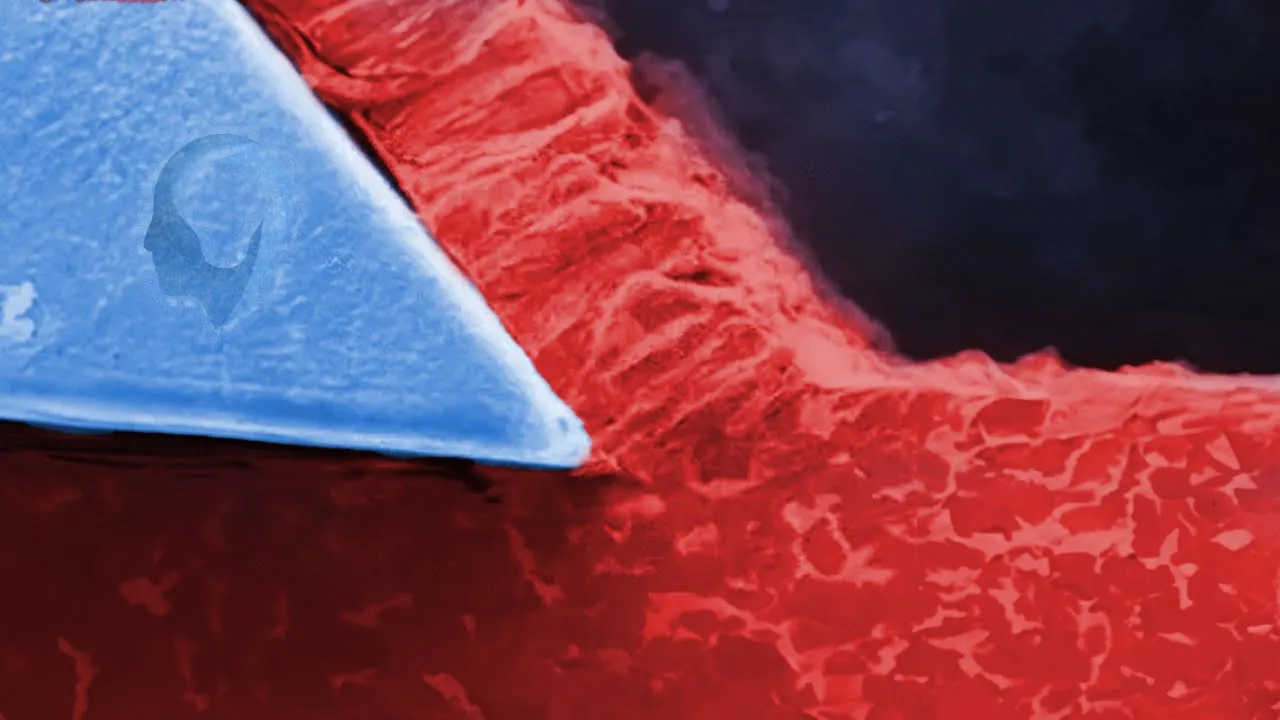


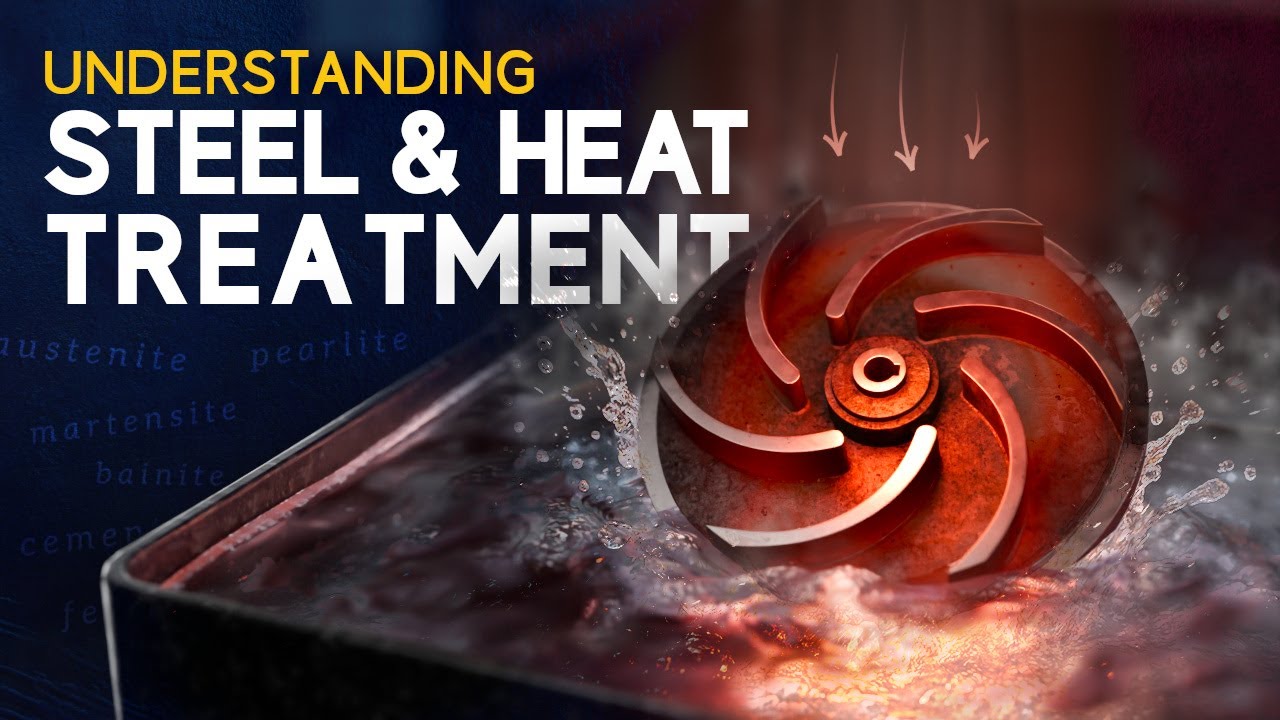



Steel, an alloy of iron and carbon with 0.2-2% carbon content, revolutionized weaponry throughout history; its production evolved from ancient bloomery furnaces in India and Java around 3,000 years ago to sophisticated European blast furnaces using coal and manganese purification, and finally to Japan's differential hardening technique for katanas, demonstrating how incremental technological refinements across millennia transformed this material into the backbone of modern industry and warfare.
The Complete History of Steel: From Ancient Iron to Modern Blades
Added:Basic understanding of the difference between pure iron, carbon, and the concept of an alloy.
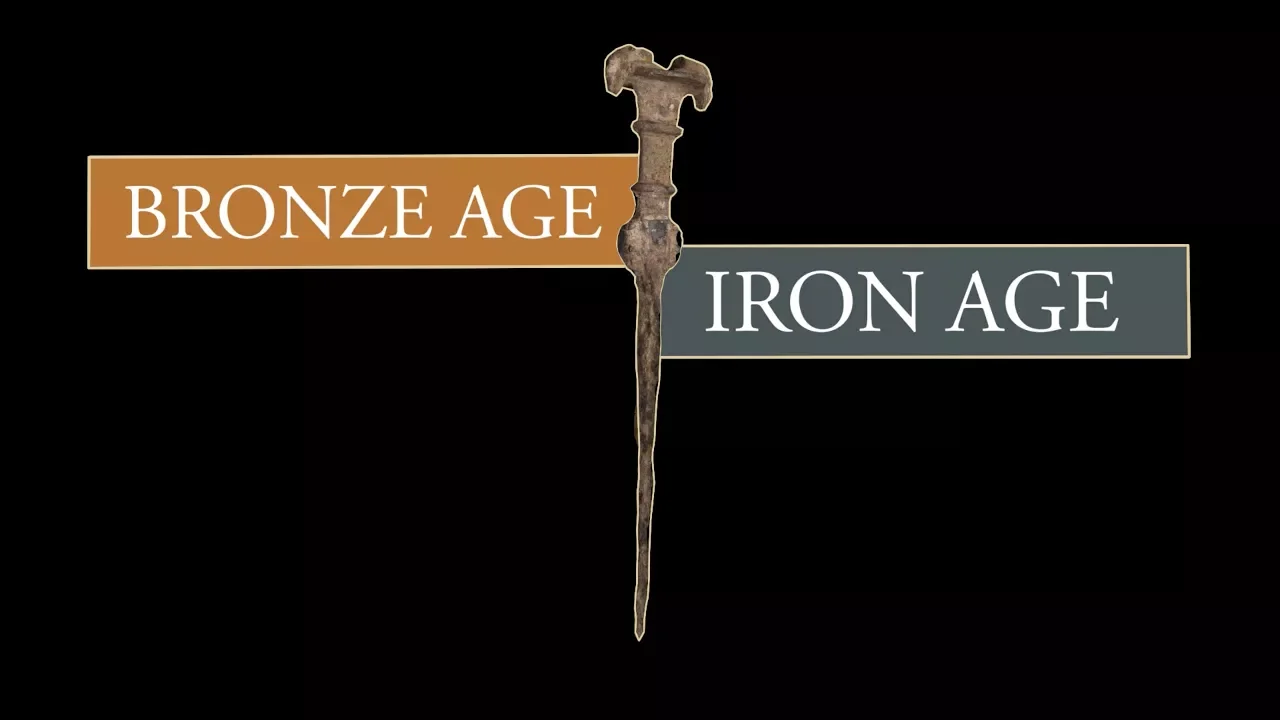
A foundational timeline of human technological eras, specifically transitioning from the Bronze Age to the Iron Age.
Elementary physics and chemistry concepts of heat, melting points, and oxidation (rusting).
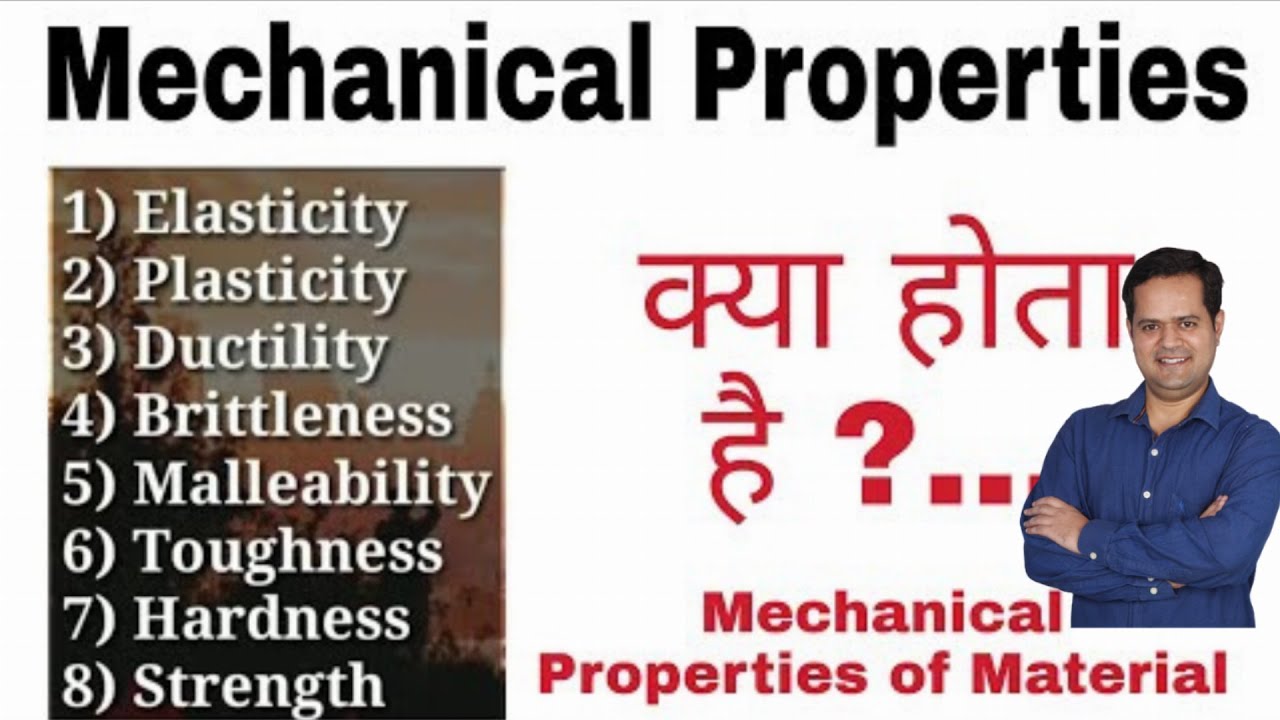
Key mechanical properties of materials, such as hardness, brittleness, malleability, and tensile strength.
In-depth study of the Iron-Carbon phase diagram and the microstructural phases of steel, such as austenite, martensite, and pearlite.
The industrial chemistry and engineering history behind the Bessemer process and modern Basic Oxygen Steelmaking.
Advanced heat treatment methodologies, including precise quenching, tempering, and annealing processes to alter material properties.
The development and applications of modern superalloys and specialized stainless steels in aerospace and structural engineering.
195.9K views9.9Klikes15:49Original Release: 2019-04-12
I wrote a book and it's about philosophy wait now where are you going come come back click the link when everybody thinks that they're the protagonist of history it's only natural that those players will come into conflict to achieve their goals now we've talked a fair bit about the causes motivations and outcomes of these conflicts but what about the tools today we'll dive into the production and fabrication of steel the material of choice for weaponry throughout much of the past 1,000 years to talk about this I'm joined by none other than Matt and ilya of baltimore knife and sword who you may know from the show man-at-arms reforged or their new channel that works they'll be jumping into this video to share some of their extensive smithing knowledge with us so I'm extremely excited to have them here now there's a lot of Steel to cover in one video but my pathological need for context commands me to touch on stone bronze and iron essentially as soon as early humans were making tools we were making weapons starting from axes arrowheads and spear points with handy materials like sharpened stone and obsidian leading up to bronze the benefit of metal is that it's harder to break and holds an edge better but it's also way harder to produce in the first place bronze was most widespread around the Mediterranean and China from the 3rd to 1st millennium BC and iron came around as a stronger alternative in the first several centuries BC and AD but there are a lot of problems with dating entire eras do you go from the first recorded use of a technology or its widespread adoption and are you thinking only in one local area or are you trying to have a global perspective so you'll have to forgive me for some fuzzy chronology so how was all of this stuff made well there are a couple of ways to go about the thing with iron is that when you mine it or collect an iron meteorite that falls out of the sky you're almost never getting pure iron it's often some mix of oxidized iron the best way to separate out the junk is to heat it up and the problem with that is that metals need a lot of heat to melt and the standard ancient metalworking furnaces just weren't hot enough to do the trick blue marie's were able to partially purify iron by melting off some of its oxides and you can see the resulting iron bloom is porous from where the impurities with lower melting points all drained out as what's called slack but it's still needed the old smacker root to get rid of all the faff still stuck inside and to get it into the desired shape and purified metal is really important because you don't want to go charging into battle if you know that 10% of your sword is made of paper mache the other common furnace was the crew which ideally gives you a nice melty iron soup that completely drains out the impurities but it ran into the same problem of heating in the early days so it wasn't all that widely used with the huge exception of India will double back to that later but first we need to get from iron to steel and for that we'll turn to Ilya ladies and gentlemen dear viewer welcome to a brief history of steel steel is a combination of iron and carbon in proportions of no less than 0.2% to no more than two percent the first iron and steel production is dated back probably approximately 3,000 years ago in the region of modern-day India and Java from there on it moves on to the Middle East for example the Pharaoh Tutankhamen had two famous daggers one made out of pure gold and the other one was made out of iron it is very likely that in the Middle East first iron was used in the form of meteorite as space rocks when the collapse onto the ground I discovered to actually contain almost pure iron and nickel and that material would have been highly prized however digging around in hopes of finding space rocks meteorite would have been a very inefficient and one needed to produce a way of making iron so it is very likely that the first manufacturers of iron would have been Potter's as potters utilize iron ore as a glazing on top of their pots or other where so it's very likely that some Potter putting too much careless or on the surface of their thought in the morning discovered after burning it that there's a small silver ish nugget at the bar and that's probably how iron production began especially in India one has to note that the first manufacturers of iron are also cultures that have a sophisticated technology of producing pottery one piece of indirect evidence to the ceramic origin of iron manufacture is that the earliest places to manufacture iron the region of modern-day India are also the ones that utilize the crucible steel method of manufacturing steel and iron in the early ages and as you know a crucible is basically a pot with some ore in it and that crucible steel and iron later be known as roots like Ilya said southern India had an incredible iron and steel industry in the 1st millennium BC because anyone making iron will create trace amounts of Steel unintentionally and it's not hard to see how astute blacksmiths could recognize this and make progress into full steel blades not very long after in the Near East - we have evidence of carburized and even tempered steel tools and blades from as early as the 11th century BC in the Bronze Age some Mesopotamian and Indian cultures were producing high-quality steel over 2,000 years ahead of nearly everybody else to the rest of the world these weapons were so strong they might as well have been straight-up magic and that's just flat-out cool so now that we have steel let's talk about how people used it and how the design of weapons evolved over the past two millennia essentially there is always an arms race if someone has a spear you'll want a shield and perhaps a longer spear and soon enough Alexander the Great's successors are throwing armies of sirisha wielding hoplites at each other it's always a game of action reaction between armor and weapons something to consider is that swords with a few feet of steel blade are much more labor-intensive than slapping a sharp three-inch point on a wooden stick and calling it a day swords are actually rather tricky to mass-produced so it's primarily in large or mercantile societies that you see consistent production of iron to support all of those sorts at the start of the medieval period the Romans spatha and its cousins like the Vikings fared was the go-to blade the single handed sword gradually acquired a longer cross guard and became the cruciform arming sword at the same time chainmail armor was on the rise as a simple but effective protection against the single-handed sword or axe to cope swords went into a few different directions for raw power swords got bigger and bigger as one-handed arming swords became two-handed long swords additionally the need to pierce between chainmail hastened the development of precise thrusting weapons like the halberd and pike back to the swords for finesse and personal use the double-edged arming sword shifted focus all on one cutting edge becoming the falchion and Messer in the civilian world wear armor wasn't as common self-defense ends dueling swords developed more elaborate and protection from simple cross guards all the way up to the swept hilt and bellegarde similarly the lack of armor meant that you wanted to be as far away from your opponent as possible so blades became longer and thinner as we got to the classic rapier but at the end of the day the weapons you're using however well designed for the situation will mean nothing if they all shatter on contact so how is the production of Steel evolving through the Middle Ages and Beyond in Europe around the time of high Middle Ages the technology improves in what is known as the blast furnace I mentioned before that the smelter normally doesn't develop enough temperature to fully melt the iron while the blast furnace fixes that by preheating the stream of air that feeds the fire and as the air is preheated that rising heat gets transferred on to one to one ratio to the fire at the bottom giving it just enough oomph to fully melt the material a little bit later in around three centuries the blast furnace develops a further modification that is it starts utilizing something known as stone coal or coal that comes out of the ground the only problem with using that material was that it often enough contains a lot of sulfur which is very detrimental to the manufacture of steel so the way the alchemists fix that as they were the ones experimenting with new materials all the time is introducing some manganese and newly discovered magical substance and that would purify the material by sucking out some of the sulfur they improve quality of the steel improved its reliability and the modification to the blast furnace increase the amounts that are being yielded as a result machines could be made almost entirely of iron cast iron or steel upon the craftsmen selection a couple of centuries after European steel production really hated stride the battlefield transformed with the widespread adoption of gunpowder and firearms while this somewhat closes the book on the history of European sword making there's still another hugely important metalworking culture to consider so bust out your curved blades and cut up your island into several dozen warring States because it's time to talk about Japan of course the classic Japanese weapon is the katana but much like year up there were several different weapons in variants the wakizashi short sword worked well indoors with low ceilings the Adachi a great sword was impressively huge and the naginata polearm was effective for fighting on or a cavalry as you can see there are a lot of similar situational variants though curiously next to no double-edged blades but for convenience let's just address the katana right off the most striking aspect of this sword is the edge and the means of producing that legendary cutting edge is quite elaborate it all starts with the smelting process now as the technology of producing iron and steel moves out to the east to China Korea and in Japan a process called the kara or a smelter starts being utilized and it's basically a chimney stack were a big box made out of clay brick we're in succession layers of [ __ ] and then charcoal and then Oregon are being put on top while the fire is burning at the bottom and it's being heated up by a series of bellows in this process as the ore is being heated up it separates into iron and slag slag is basically molten glass and molten sand with all kinds of trash in it the smelter doesn't develop enough temperature inside to fully melt the iron so little grains off iron fall down the charcoal picking up some carbon here or there and form a ugly bread like mass at the very bottom called a carrot now this method at first didn't produce enough material as it would produce a bread loaf or a head sized piece that a Smith or a craftsman later have to pull out beat on wooden hammer boom-boom-boom to consolidate it and then make a tool to as we move in the east to approximately let's say the 15 16th century they care all of these smelter becomes bigger and utilizes more bellows and utilizes more charcoal as well as or producing a bigger bigger mass so we've got our iron now comes forging the blade since the Tatara furnace wasn't able to completely purify the or Japanese Smith's also folded steel during the forging process to manually work out the impurities that would otherwise stay trapped inside the myth of folding steel is that having more layers makes it intrinsically stronger but there's just as much metal there anyway what really matters is how the folding process better clears out the junk to leave pure iron next in the process came heat treatment now there's just enough chemistry here to give me very unpleasant flashbacks but essentially the repeated process of heating and cooling in specific ways helps substantially strengthen the blade starting from pure iron or ferrite heating up the blade rearranges the molecules into austenite which better receives the carbon that will create the steel if the blade cools slowly the carbon will distribute unevenly into higher and low-density pockets and the blades composition won't be uniform this is why Smith's will quickly quench the hot blade in water or oil to bring the metals temperature down fast enough to keep the carbon evenly distributed this process produces martensite which is extremely hard it's sometimes called tool steel because it's great for files and drills the problem though is that it's rather fragile and prone to snapping like glass when an encounter strain nowadays we temper our blades by heating the back up to three hundred degrees Celsius to relax some of the tension and turn the entire blade into spring steel like its name suggests it's super flexible and durable and makes an incredible blade but back in medieval Japan the Smiths didn't have this technique so to compromise they modified the quenching process to differentially harden the blade before the first big heat a thicker layer of clay was applied to the back of the blade so that it would cool slower than the front during the quench the resulting cutting edge was a super hard martensite while the back and spine of the blade were more flexible iron resulting in that gorgeous jamón line that separates the hard edge from the soft back so not only was it incredibly practical but it was also ridiculously pretty now I would be remiss if I didn't mention Damascus steel which I can't help but have a soft spot for because I'm a comparatively squishy human and Damascus steel is made of freaking steel yo and really good steel at that it's a bit of a confusing subject because there are actually a couple kinds of Damascus steel originally it referred to steel made or sold in the Levantine city of Damascus which had trading links with the South Indian blacksmiths making that high-quality crucible wood steel we talked about earlier this steel was cast into shape and has that beautiful wavy pattern that we all know and love unfortunately the original technique for this has been lost but sometimes research reveals that not only do the blades look super cool and magic kind of like liquid metal they've actually been shown to contain carbon nanotubes carvings goddamn nanotubes how does that even happen by contrast to the modern Damascus steel that you might see is simply different types of Steel pattern welded and folded together which produces a similar demoscene pattern when forged and then etch tin acid but it's not the same stuff still though it looks mad cool but speaking of modern steelwork brings about to the end of the 18th century in the beginning of 19th century where the fully metal lathe made in France now a lathe would have been utilized even in ancient Egypt but it would have been made out of wood and it was fairly rickety not allowing for high degree of precision the lathe behind me is made out of melt what a metal lathe allows people to do is to reliably make precise round objects that allow for better machinery to be used in steel manufacture making more and better steel again and the cycle continues that brings about the industrial age where entire roads would have been made out of Steel known as the railroad the railroad improves trade across countries and that sparks more industrialization more improvement and we have the 20th century the 20th century also known as the Space Age brings about better alloying elements for steel for example we have the introduction of molybdenum vanadium tungsten so on and so forth nickel to the Steel's allowing for the buyers choice over the features that you would like in your material for example the introduction of nickel and chrome together allows us to make stainless steel which is resistant to corrosion while the introduction of molybdenum vanadium and tungsten makes the steel very very tough and act much like something else other than steel in fact modern Steel's almost don't behave like Steel's at all at least like the old-school Steel's as they are very often resistant to corrosion resistant to tear have a very high stress yield and at the same time are less subjected to thermal destruction and that is a very quick look at the history of steel hell was made and how it was used over the centuries as you've seen it is a deeply complex subject and we should recognize not only the work that goes into each individual blade but the millennia of incremental advancements and refinements that have brought us to modern innovations like spring steel I think it's especially neat to see this history as a nexus of culture craftsmanship trade and warfare and come on you know you can't say no to so it's once again huge thanks to Matt and Illya from that works for lending us a hand with this video like I said at the start that works is the new channel for the folks at Baltimore knife and sword and though Men At Arms reforged was unfortunately a casualty of the defined media collapse last year they're still making some incredible content and gorgeous blades on their new channel so I highly highly recommend you subscribe to that works to see more amazing blacksmithing
Up Next
3:48
Bessemer Converter Process Explained: Mass Steel Production
@JamesSwordEngineering
36.1K views•2022-02-11

30:32
Ultrasonic Transducers: Resonant Frequency Measurement and Horn Design
@imajeenyus42
229.9K views•2017-02-22

54:16
Polymer Environmental Degradation: Mechanisms & Stabilization
@iit
1.8K views•2012-07-10
33:39
How a Student's Question Saved a NYC Skyscraper from Collapse
@veritasium
22.8M views•2025-04-26
Related Study Plans & Knowledge Roadmaps
Structured learning paths in Engineering
engineering
Building Acoustic Levitators: Physics & Arduino
01The Physics of Sound and Standing Waves
02Piezoelectric Transducers and H-Bridge Drivers
03Arduino Programming: Generating 40 kHz Signals
+ 2 more learning modules
14h5 modules
Explore Roadmap
engineering
Building Peltier Cloud Chambers: Particle Tracks
01Cosmic Rays & Cloud Chamber Physics
02Thermoelectric Cooling (TEC) Fundamentals
03Custom Liquid-Cooling Loop Design
+ 2 more learning modules
18h5 modules
Explore Roadmap
engineering
Yagi-Uda Antennas: Modeling, Build & VNA Test
01Introduction to RF and Antenna Fundamentals
02Yagi-Uda Antenna Design Principles
03Antenna Modeling and Simulation in 4NEC2
+ 2 more learning modules
18h5 modules
Explore Roadmap
engineering
ECG Monitor Design: Op-Amps, Filters & Noise
01Electronics & Breadboard Basics
02Op-Amps and Instrumentation Amplifiers
03Bioelectricity and ECG Fundamentals
+ 2 more learning modules
18h5 modules
Explore Roadmap