









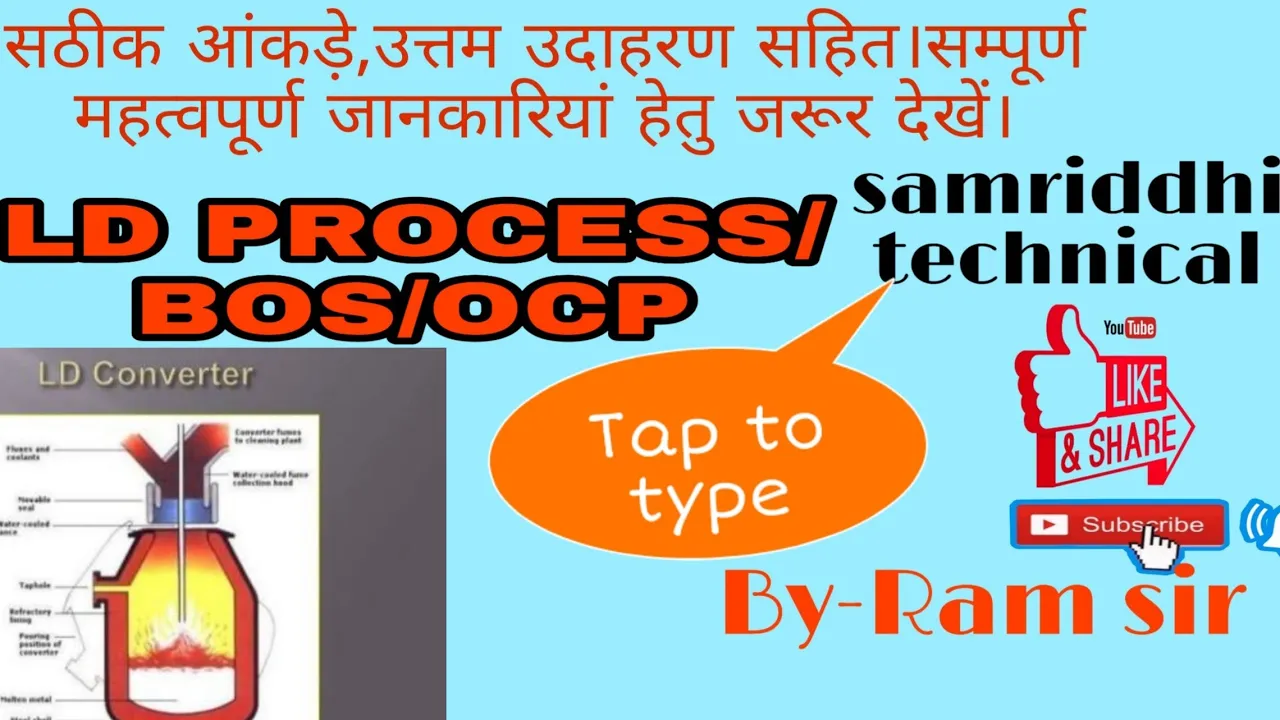









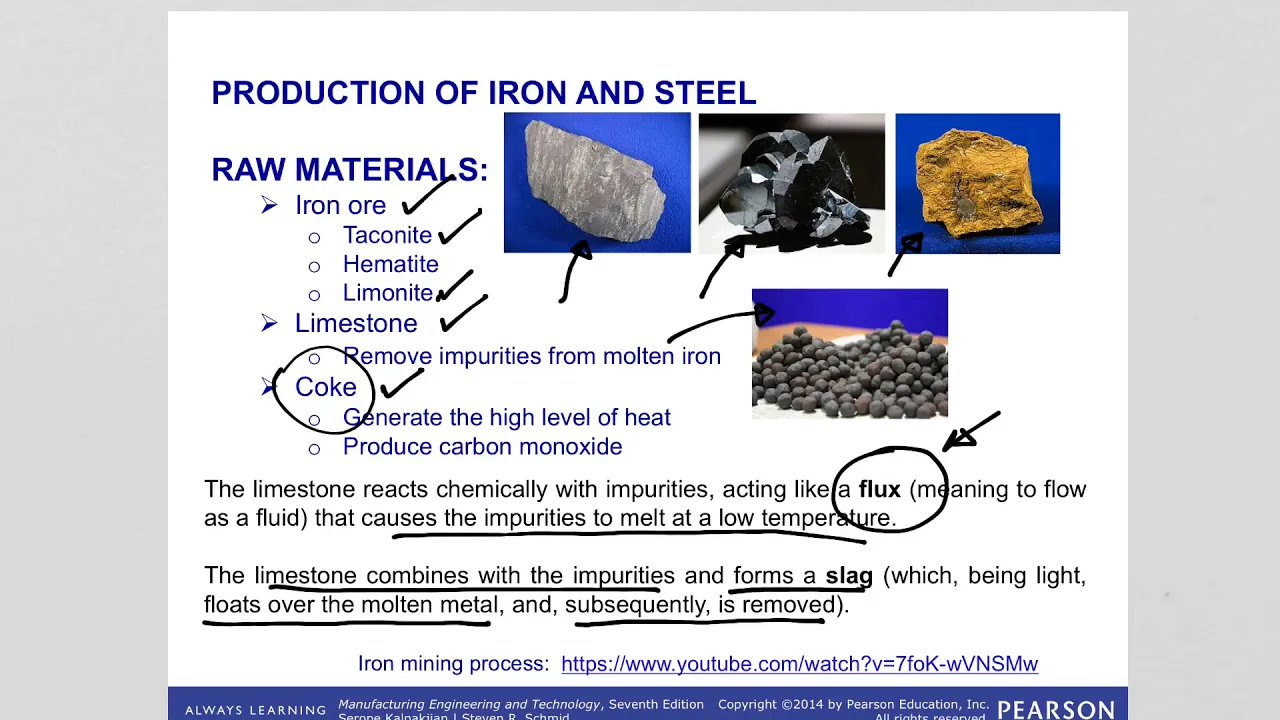
The Bessemer converter process, invented by Sir Henry Bessemer and independently by William Kelly, was the first inexpensive industrial method for mass-producing steel from molten pig iron; it works by blowing air through molten iron to oxidize and remove impurities like silicon, manganese, and carbon, forming slag and gases; however, the original acid-lined converter struggled with high-phosphorus European iron ores, which was solved by Sidney Gilchrist Thomas's basic-lined Thomas-Gilchrist converter, and later replaced by the open hearth process and then the basic oxygen process.
Bessemer Converter Process Explained: Mass Steel Production
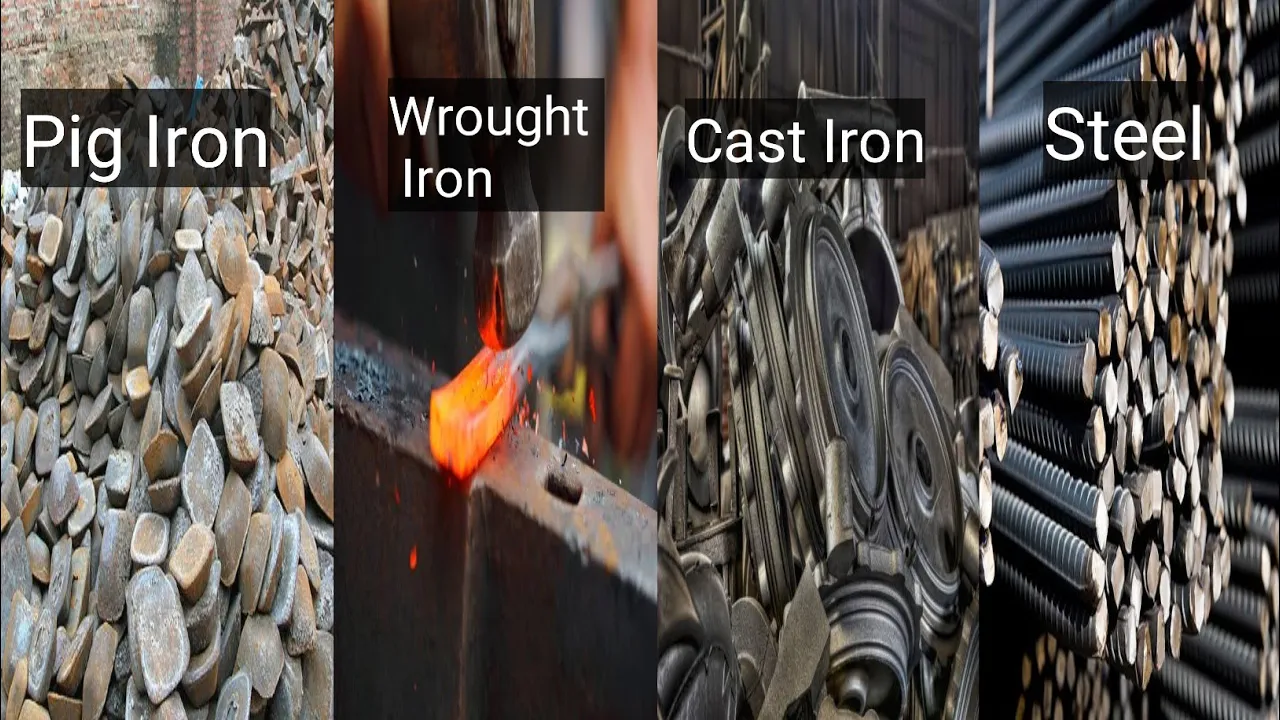
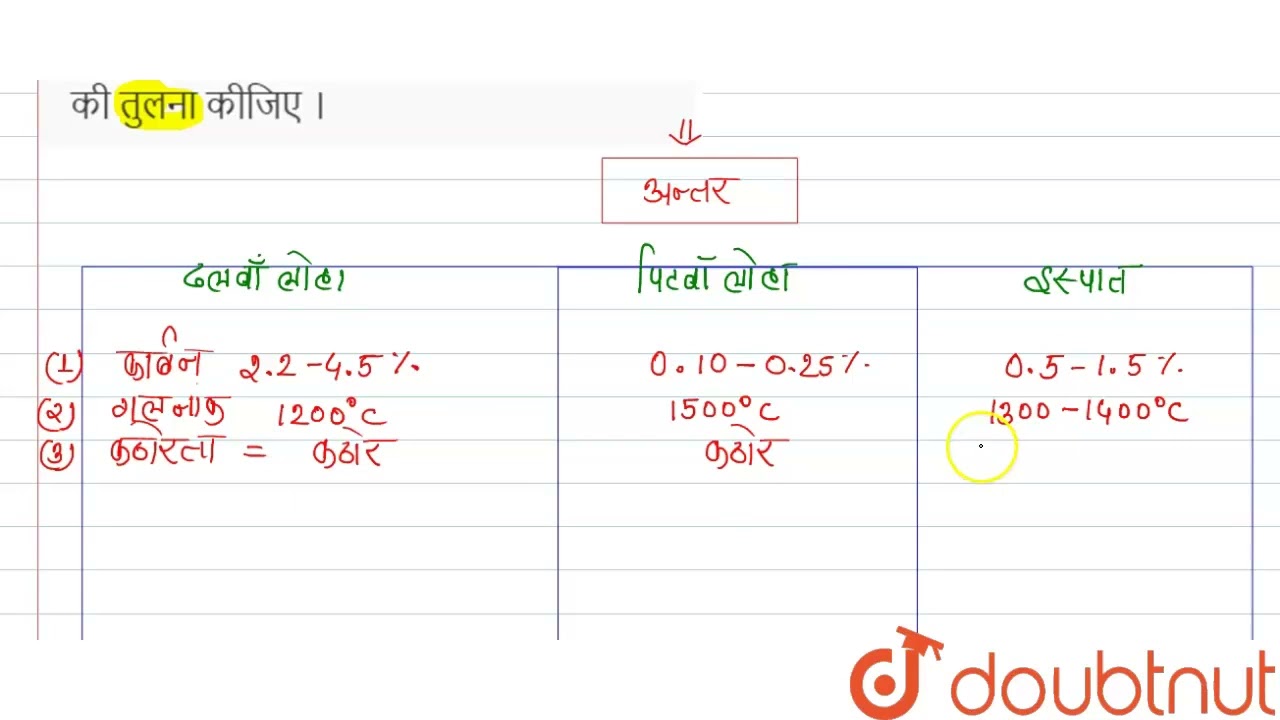
Added:Understanding the differences between pig iron, wrought iron, and steel, specifically regarding their carbon concentrations and mechanical properties.
The fundamental principles of chemical oxidation-reduction (redox) reactions, particularly how oxygen reacts with elements like carbon, silicon, and manganese.
The concept of exothermic reactions and how chemical reactions can generate enough thermal energy to maintain high temperatures without external fuel.
An overview of blast furnace operations, which produce the molten pig iron used as the primary input for the Bessemer converter.
The development of the Open-Hearth Process and modern Basic Oxygen Steelmaking (BOS), which addressed the quality limitations of the Bessemer process.
The Thomas-Gilchrist process (basic Bessemer process), which introduced basic refractory linings to successfully remove phosphorus from iron ore.
The economic and historical impacts of mass steel production on the Second Industrial Revolution, including the expansion of railroads, skyscrapers, and naval military technology.
Modern steelmaking technologies, such as Electric Arc Furnaces (EAF), and the metallurgical processes involved in creating high-performance steel alloys.
36.1K views365likes3:48Original Release: 2022-02-11
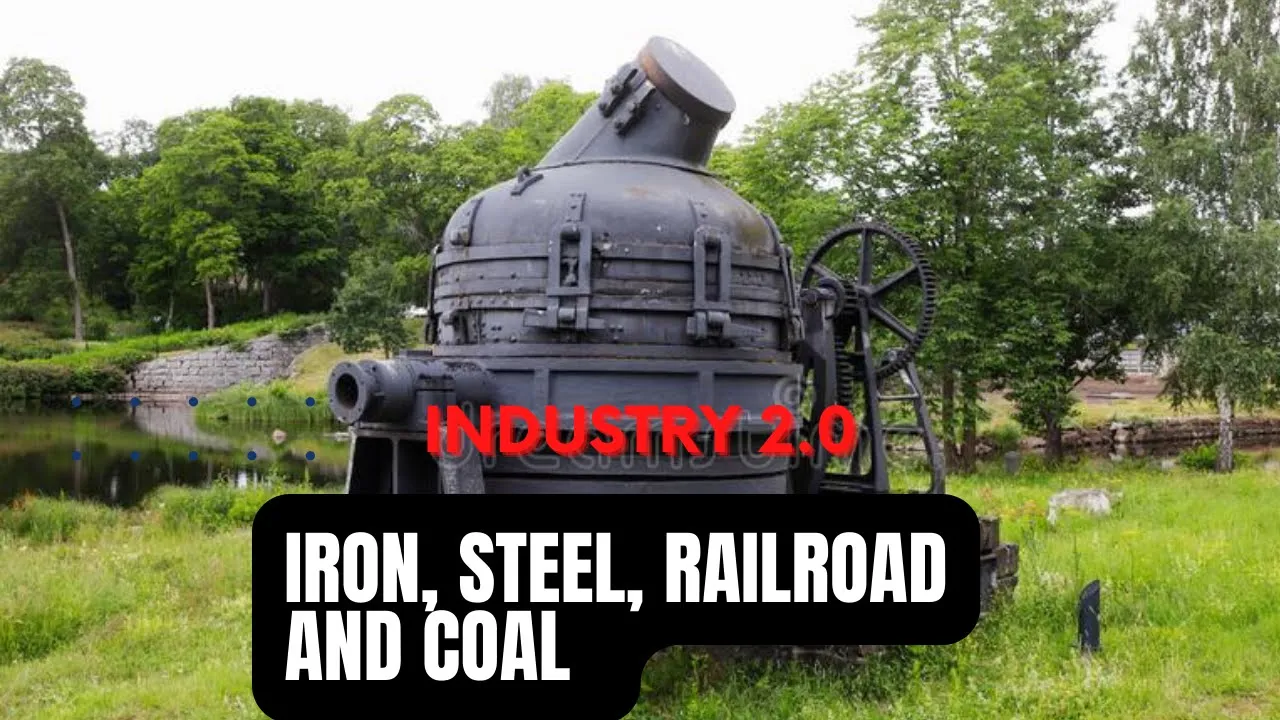
[Music] besser's converter process the besser process was the first inexpensive industrial process for the mass production of Steel from molten pig iron before the development of the open half furnace though named after Sir Henry besser of England the process evolved from the combination of many investigator before it could be used on a broad commercial basis it was apparently conceived independently and almost concurrently by besser and by William Kelly of the United [Music] States the besser's converter is a cylindrical steel pot approximately 6 M 20 ft High originally lined with a celicious refractory air is blown in through opening 2 years near the bottom creating oxides of silicon and manganese which become part of the slag and of carbon which are carried out in the Stream of air within a few minutes an Ingot of Steel can be produced ready for the forge or rolling Mills the key principle of the besser converter is removal of impurities from the Iron by oxidation with air being blown through the molten iron the oxidation the blowing of air through the molten pigion introduces oxygen into the Melt which results in oxidation removing impurities formed in the pig ions such as silicon manganese and carbon in the form of oxides these oxides either escapes as gas or form a solid slag the refractory lining of the converter also plays a role in the conversion clay lining are used where there is little phosphorus in the Raw material this is known as the acid besser process when the phosphorus content is high the original bessus converter was not effective in removing the phosphorus present in most British and European iron or this led to the production of lowquality Steels the invention in England by Sydney Gilchrist Thomas of what is now called the Thomas Gilchrist converter which was lined with a basic material such as burned Limestone Dolomite or sometimes magnesite rather than an acid celicious material overcame the problem another draw back to bessma converter steel is its retention of a small percentage of nitrogen from the air blow this was not corrected until the 1950s the open half process which was developed in the 1860s did not suffer this difficulty and it eventually outstripped the bessma process to become the dominant steel making process until the mid 20th century the open half process was in turn replaced by the basic oxygen process which is actually an extension and refinement of the besser's process a besser's converter could treat a heat batch of hot metal of 5 to 30 tons at a time they were usually operated in pairs one being blown while another was being filled or tapped an additional advantage of the basic converter was that the process formed more slag in the converter and this could be recovered and used very profitable as a phosphate fertilizer [Music]
Up Next
9:58
The Rise and Fall of Ornamental Skyscrapers: A History
@SqualidSuburbs
279.3K views•2023-01-31
30:32
Ultrasonic Transducers: Resonant Frequency Measurement and Horn Design
@imajeenyus42
229.9K views•2017-02-22
54:16
Polymer Environmental Degradation: Mechanisms & Stabilization
@iit
1.8K views•2012-07-10
33:39
How a Student's Question Saved a NYC Skyscraper from Collapse
@veritasium
22.8M views•2025-04-26
Related Study Plans & Knowledge Roadmaps
Structured learning paths in Engineering
engineering
Building Acoustic Levitators: Physics & Arduino
01The Physics of Sound and Standing Waves
02Piezoelectric Transducers and H-Bridge Drivers
03Arduino Programming: Generating 40 kHz Signals
+ 2 more learning modules
14h5 modules
Explore Roadmap
engineering
Building Peltier Cloud Chambers: Particle Tracks
01Cosmic Rays & Cloud Chamber Physics
02Thermoelectric Cooling (TEC) Fundamentals
03Custom Liquid-Cooling Loop Design
+ 2 more learning modules
18h5 modules
Explore Roadmap
engineering
Yagi-Uda Antennas: Modeling, Build & VNA Test
01Introduction to RF and Antenna Fundamentals
02Yagi-Uda Antenna Design Principles
03Antenna Modeling and Simulation in 4NEC2
+ 2 more learning modules
18h5 modules
Explore Roadmap
engineering
ECG Monitor Design: Op-Amps, Filters & Noise
01Electronics & Breadboard Basics
02Op-Amps and Instrumentation Amplifiers
03Bioelectricity and ECG Fundamentals
+ 2 more learning modules
18h5 modules
Explore Roadmap