![[이춘근의 국제정치 367회] 트럼프의 골든 돔(Golden Dome)에 의해 폭망한 중국몽과 북한핵](https://i.ytimg.com/vi/XggXvxBuzcM/maxresdefault.jpg)

























Nuclear weapons pose unprecedented global dangers through accidental detonation, unauthorized use, and potential terrorist acquisition, requiring sophisticated multi-layered safeguards including presidential authorization chains, redundant verification systems, and international oversight; however, human error, aging infrastructure, and evolving geopolitical tensions continue to create significant risks that challenge even the most advanced nuclear command and control systems.
Nuclear Weapons: Global Threats & Deterrence Strategies Explained | 60 Minutes Documentary
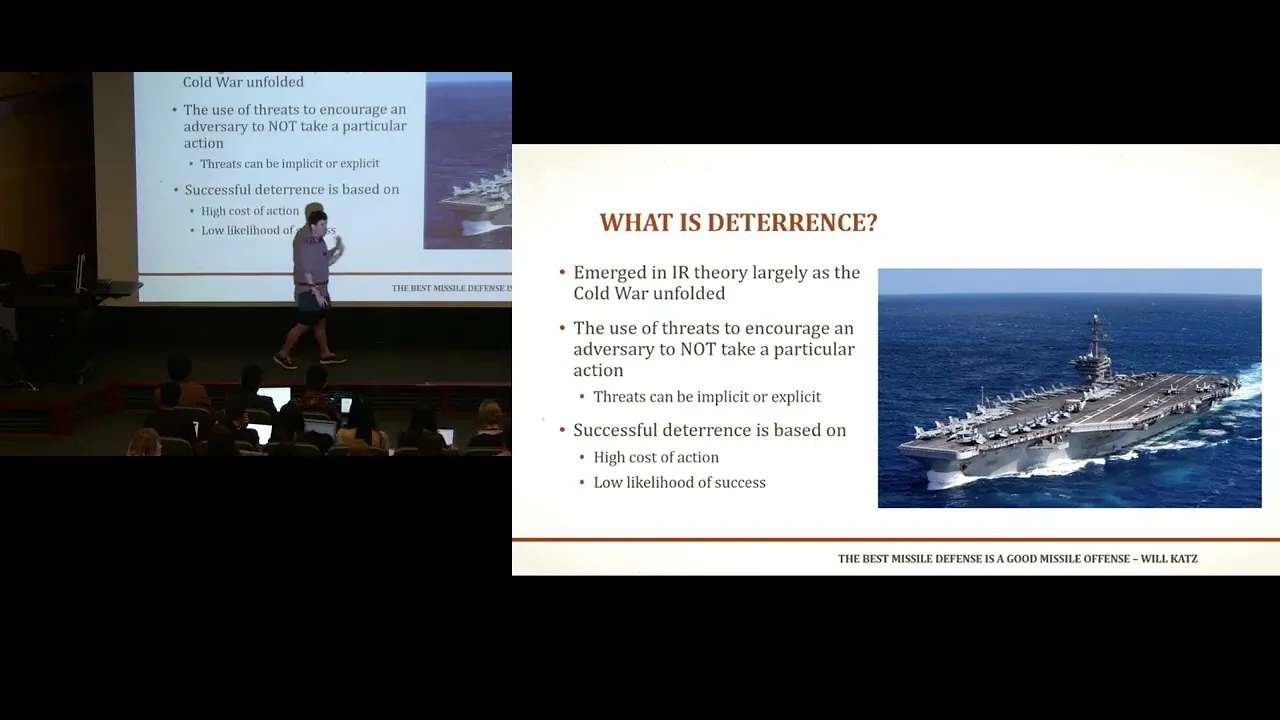
Added:The core principles of Nuclear Deterrence Theory, including Mutually Assured Destruction (MAD) and second-strike capability.
A foundational understanding of Cold War history and the origin of global nuclear arsenals (primarily the US and Russia).
The distinction between strategic and tactical nuclear weapons, as well as their differing operational doctrines.
An overview of major international non-proliferation frameworks, specifically the Treaty on the Non-Proliferation of Nuclear Weapons (NPT).
Advanced crisis stability models and game theory applied to modern multi-polar nuclear deterrence involving the US, Russia, and China.
The impact of emerging technologies, such as cyber warfare, artificial intelligence, and hypersonic delivery vehicles, on nuclear command and control (NC3) systems.
The mechanics of modern arms control diplomacy, including the challenges of verifying compliance in bilateral and multilateral treaties.
The humanitarian and environmental consequences of nuclear use, including nuclear winter theory and the humanitarian initiative leading to the Treaty on the Prohibition of Nuclear Weapons (TPNW).
751.9K views6.3Klikes1:33:05Original Release: 2024-11-23
60 years ago to the day November 20th the world sighed in relief as the Cuban Missile Crisis ended it was the closest we ever came to nuclear Armageddon till now with Russia threatening to use nuclear weapons in the war and then there's the dire and deteriorating condition of Europe's biggest nuclear power plant zapara in Russian occupied Ukraine the situation is carefully monitored by the international atomic energy agency in Vienna the un's nuclear Watchdog tasked with making sure nuclear facilities are safe and atomic material is used only for peaceful purposes its director General Raphael Mariano Grossi recently inspected the site which may be the most dangerous place in the world so correct me if I'm wrong is this the first time a major power plant has been under Fire in the middle of a war well it's it's an unprecedented thing really in so many ways this place is at the front line which makes the whole thing so volatile and in need of an urgent action zapara has been shelled repeatedly since March with both sides blaming each other before the war the plant supplied 20% of Ukraine's power it's now largely idle but the reactors still need to be constantly cooled down with circulating water if they overheat it could lead to nuclear catastrophe within ours the whole system is being cooled by electricity that's coming in from the town and there's shelling so what would happen if that electricity went down what you have in that situation is emergency systems that kick in like diesel generators that you can have in a private property and you don't want the biggest nuclear power plant in Europe and one of the biggest in the world to be cooled with with a basically an emergency system which is dependent on fuel because when your diesel are out of whatever you put in it to make them work then what happens then you have a meltdown then you have a big uh radiological nuclear emergency or an accident and this is what we are trying to prevent so this situation is totally precarious totally until we have this plant protected the possibility of a nuclear catastrophe is there possibly dwarfing Chernobyl a far smaller Ukrainian plant that famously blew up 36 years ago moving ah in late August after months of negotiating with both sides director general gry led his agency's first mission into an active war zone to inspect the stability of the site and as we were approaching the last Ukrainian uh checkpoint we started hearing um shooting up quite heavy shooting but close to us speed up speed up everyone speed up move through so at that point uh even the people in the checkpoint were running for shelter do you think that the Convoy itself was a Target I think it was a clear attempt to uh to stop us to say go home this is not your place but they proceeded there was soldiers tanks and armored trucks everywhere the Russians are actually using the nuclear plant as their military base when you went to visit to inspect you could go anywhere you weren't kept from yes you know we are the iea we are known as the nuclear Watchdog well there are reports that you weren't allowed into some crisis room there into the control room is that not true well there were areas that where we were limited but all the things we needed to see we could see you didn't want to see the control room yeah we did want to see it but for us what is important is to be looking at the essential nuclear uh operation of the plant and this we could see that included evidence that Rockets had come dangerously close to the reactors and other sensitive areas I was on the top of a building where they are storing fresh fuel the fuel that is going to go uh into the into the reactors and nuclear fuel is what we're talking nuclear Fuel and I could see very big holes on on on that roof yeah uh at least two I saw very very big on a satellite photo he also pointed out the switchyard where the electricity comes in from the town so this is where the the external power comes to cool the reactors down and this place was shelled several times several times which tells you that people were knew exactly what what they were doing exactly shelling also destroyed one of the plants Office Buildings these pictures were given to us by Andre Tu a plant spokesman who fled Ukraine after working four months under Russian occupation so tell us what that was like working inside that plan under Russian occupation yes uh Russian troops take all our top manager with gun and uh um they do only what Russian troops want did you feel like a hostage yes yes I feel like I'm prisoner in this nuclear power plant I cannot say nothing because they go with gun there have been reports of imprisonments kidnappings and torture of Ukrainian employees the head of the plant was detained Andre TW told us about the pressure one of the safety inspector felt it's his work to go and check some pumps how it work how parameter what pressure what temperature but he go and Russian tank stay in front of him it's terrible he cannot do his work it's to protect nuclear fuel to control nuclear reaction when you're operating at a nuclear power plant and you're under stress and you're worried and you're feeling threatened doesn't that lead to the possibility of human error of course yes and the shelling goes on and the shelling goes on and this is why uh we have been trying I have been pushing uh for the establishment of a protection Zone which is basically don't attack the pl Mr President he took his proposal to both president zinski in keev and President Putin in a one-on-one meeting last month in St Petersburg interestingly you sat very close to him actually I think closer than you and I are right now maybe yes would you say that he is familiar with what's going on absolutely at this nuclear plant he knows every detail of it which was surprising to me in my conversation with him I could see that he had a very detailed knowledge uh not only of the layout of the of the plant but also and very importantly of the electrical access uh the the external power source so where these things are being bombed it it is a facility that he knows uh that he knows very well is Mr Putin trying to use this plant as a weapon and we know that he's weaponized energy in this war because of the way he's used oil and gas it just raises the question whether this plant is seen in his mind as a way to squeeze the UK ukrainians someone said to us the other day you know this is his dirty bomb this plant yeah but uh if you protect it there's no Dairy bump on Monday the day we met grossie President Joe Biden and Xi Jinping met in Bali and condemned Putin's threat to use a nuclear weapon and in Turkey CIA director William Burns warned his Russian counterpart of the consequences of such a move here we are talking about the possibility of a dirty bomb or or a real bomb I mean this kind of idea of nuclear Armageddon because countries are now throwing the idea of using a nuclear weapon yes they're just throwing it up in the air when you talk about using nuclear weapons as you could use this mortar or that hoer or that I mean this is a completely different ball game so heads of state should not be throwing this around they should not be doing that Raphael gry at 61 has been working to prevent the proliferation of nukes for almost four decades he's seen here with his fellow Argentinian Pope Francis and his children seven daughters and one son come on guys we watched him coaching his son's soccer team on a rare day off he's been particularly busy given the number of Rogue States suspected of developing a bomb how close is Iran to making a nuclear bomb at the current level of production of this enriched uranium Iran has accumulated already enough material um to have uh more than one device if they chose to that but we don't have any information that would indicate that Iran has a nuclear weapon program at the moment really really so if I said to you have we reached the point of no return with Iran is it time to just admit their a nuclear power no we haven't reached that point but we need to work very hard so we don't get there director General gross is concerned about another country that has become a member of the nuclear Club North Korea which is expected to conduct its first underground nuclear test since 2017 and that's not the only issue on his plate in the Pacific the Chinese are protesting the sale of eight nuclear submarines by the United States and Great Britain MH to Australia yes the subs contain nuclear war material mhm do you protest this sale if they want to do this they have to have a special arrangement with us and does Australia have a special arrangement with you we have started working on that which means that we should be able to come to an agreement that would allow us to inspect uh this nuclear material in an appropriate way so that it is not diverted used to make bombs do you think this agreement if it should come to pass would satisfy the Chinese have you talked to China and said well China has a very firm position against this yes they have been very critical of it they have even been very critical of me there's this issue of a double standard you know if the sale was to Libya the West would be screaming and that it's Australia well you know they get a pass double standard question they may get their pass they will not get mine until I have a satisfactory agreement I want to go back to the nuclear power plant for one second I to zapara when I realized that a nuclear power plant was under attack I my mind mind calibrate yeah what this means exactly the demand for protection of the plant is is very important you don't shell a nuclear power plant you don't storm a nuclear power plant what about using a nuclear power plant as a military base this is part of the agreement I have proposed yeah but no one's agreeing they will you think I think you're always optimistic this is you I must should I throw the towel if I do that can you imagine that no North Korea continues to test missile after missile missile raising tensions with the United States Kim Jong-un has promised to test an intercontinental ballistic missile such a weapon could eventually carry a nuclear warhead and threaten American cities us defense secretary Jim Mattis called that possibility and the missiles Kim has aimed at South Korea quote a clear and present danger to the world as we first reported in February we went to South Korea and saw how tense the situation has come we got two important perspectives from the commander of the 28,000 American troops there and the highest ranking North Korean to defect in decades he told us Kim's missile program is part of an obsession with the survival of his regime I've been uh in Soul for six months and to be honest you know I was never you know public until now we went for an evening out in Soul with Tay he was North Korea's Deputy Ambassador in London before he defected in August so first time on the subway yes that's right it a defection by someone of his rank is extremely rare where do we stand this was the first time he had walked about in public just off camera six bodyguards watched his every move as we made our way down one of the busiest shopping streets in Asia North Korea has assassinated defectors in Souls in order to prevent more possible defections from North Korea I think Kim zong may do anything kill you of course why not the man who could order an assassination is Kim Jong-un the dictator is the third member of the Kim family to rule North Korea they have controlled the impoverished country with an ironclad fist for 70 years this missile test was in February Kim devotes a quarter of his country's economy to weapons like this and his million man army despite widespread food shortages Kim jungon strongly believes that once he possesses ICBM then he can easily uh scare of uh America right now how dangerous is North Korea to the stability of South Korea and uh as a threat to the United States Kim uh capability to rake harm not only to America but also South Korea and the world should not be [Music] underestimated during his 5 years in power Kim Jong-un has expanded North Korea's nuclear Arsenal despite F International sanctions that have brought his country's economy to its knees electricity is scarce from space North Korea is a black hole that's it wedged between The Shining lights of South Korea and China to the north people Tay said he was living a comfortable life here at the North Korean Embassy in London before he fled with his wife and two grown sons the safety is guaranteed by the government his job in London was to spread North Korean propaganda and report back on his colleagues you all live together Under One Roof yes so you could keep an eye on each other keep an eye on each other control each other and even spy on each other but Tay said he lost all faith in the regime when Kim Jong-un killed his own uncle in 2013 and executed dozens of perceived enemies including diplomats I have seen tape of you giving speeches yes in London you're very convincing it you you you seem to be a True Believer yourself uh if I uh show any sign of hesitation then I would be you know to I would be sent to prison camps so my whole family's life will be jeopardized Tay said there was one big obstacle to his defection all North Korean diplomats are forced to leave one of their children back in pyang as a hostage see as a hostage yes when my children grow up and his break came when that policy unexpect edly changed and tae's oldest son was allowed to join the family in London they all agreed to defect he would not give us the details of his escape and who helped but we know he was kept in a safe house by South Korean intelligence agents and questioned for more than 3 months he said it was too dangerous for us to meet his family I've been talking to you for a couple of days now and you come from a secretive place yes but I think you still have lots of Secrets sure yes how do we know that what he is telling us is the truth and not just self-serving you know when a Defector makes a decision to jump ship he is doing it at a at a huge cost his co-workers relatives in-laws will be purged or killed Chung Min Lee was South Korea's Ambassador for National Security until till last year he said looks here can be deceiving the risk of War today is exceptionally High I think most Americans right now would see this as a hold over from the Cold War mhm but it seems to be quite hot that's right when you're here this is the only place on the entire planet where you have nearly a million forces on both sides standing ready to fight a war in basically a nanc and who is there right in the middle of this it's basically the US forces if there is war this is where the big fight will take place Lee helped shape Soul's policy toward North Korea he went with us to panmunjom the village in the two and a half mile wide demilitarized zone that separates North and South Korea as we got closer Soul sprawl gave way to military checkpoints the agreement that suspended the Korean war was signed here but there's still no peace treaty The War Began when the Communist North invaded in 1950 34,000 Americans were killed in what amounted to a stal so this is the longest war on paper since World War II so we are still technically in a state of War today both sides still stare each other down that's North Korea right there that building just 100 yd away we were told to avoid sudden movements that could be interpreted as threatening it wasn't long before North Korean soldiers took an interest in all the activity so we went inside a negotiation Hut that straddles the Border what is right behind the door right behind the door is basically from there on this this is since this is North Korea once you go out that's it we have no jurisdiction on that side of of the door so if I were to walk out that door that seems I'm in the hands of North Korea that's true let's stay on this side let's stay on this side so it was all surreal this part of the DMZ closest to Soul had the feel of a cold war theme park complete with a fake Village on the North Korean side built to impress the South and in case you missed the point loudspeakers blared propaganda Marshall songs praising Kim jungong a few miles away Taurus crowded an observation deck vict snapping photos with troops cardboard cutouts and the real [Applause] [Music] ones what the visitors could not see on the other side of those mountains are 10,000 artillery pieces the North Korean military has aimed at Soul all of which could reach the 28 million people people in and around the South Korean capital us War planners estimate 500,000 people could be killed in a second Korean war is there any other metropolitan area on Earth this vulnerable uh certainly nothing that approaches soul in terms of the the size the the density of the population there's nothing like it US Air Force General James SLI flew with us over the city it's just 30 m from the DMZ we landed at Osan Airbase where Korean Airmen and their American colleagues monitor all activity north of the DMZ for security they shut off the giant video displays right before we came in this facility is among the first to detect North Korean missile launches you're like on a war footing all the time here that's right this is truly one of those places where the best way to prevent a war is being ready for a war the North's latest missile tests used a new type of solid fuel engine and were fired from mobile launchers making them quick to deploy and difficult for us satellites to detect in real time with the development of ballistic missiles with the development of nuclear weapons things here have a have a a tension that you can feel in the air as you as you move around uh places like this we we wanted to talk to the general who leads US forces in Korea and would command Korean troops in the event of a war he asked to meet us at guardpost 4 it's a citadel on critical High Ground at the end of a road lined with landmines we were the first American news crew allowed in up this was no cold war theme par body armor was required and artillery was on standby in the event we came under Fire hello General are you very nice to meet you do General Vincent Brooks has commanded US forces fighting in Iraq and Afghanistan I don't think people at home know how tense this line is what it takes to go from the condition we're in at this moment to hostilities again is literally the matter of a decision on North Korea side to say fire and on top of this we have the missile capability that's been developed uh over 120 missiles fired just in the time of Kim Jong-un alone so now they're talking about icbms that might be able to reach the west coast of the United States how do you stop them from taking that next step North Korea is responsible for the direction that the region is going it is responsible for the conditions of instability that are starting to arise it's has to take responsibility for that and stop his country is poor his people are starving what is it that he wants survival recog Kim Jong-un is now recognized as a global threat us intelligence estimates he has at least 10 nuclear weapons if the US decided it had no choice but to launch a preemptive strike on an ICBM test site it could trigger the unthinkable if North Korea uses nuclear weapons it will be met with an effective and overwhelming response and they can take it take it to the bank we make that same point to our our allies and partners like the Republic of Korea like Japan effective and overwhelming response effective and overwhelming response wipe North Korea off the map whatever overwhelms you that warning rang in our ears as we returned to soul and met one last time with Defector tayong ho we asked about his brother and sister still in North Korea what do you think has happened to them they will be sent to prison camps that is what I'm absolutely sure does that weigh on you of course yes I cannot uh get rid of that kind of uh nightmare every night of uh seeing my brother and sister in prison camps you know Taye told us he believes he can help topple the North Korean regime by encouraging other defections and speaking out during the campaign president Trump called Kim Jong-un a maniac his language has been much more careful since the latest missile tests one of the key questions of this presidential campaign is who has the health and temperament to become the next Comm commander and chief and assume the unthinkable power to use nuclear weapons the Cold War as we knew it may be over but both the US and Russia still keep enough nuclear weapons on alert to end civilization and now a new cold war is brewing with both sides developing more sophisticated and more accurate weapons tonight we're going to show you what this new Cold War looks like from inside the US strategic command stratom as it's called trains every day for the possibility of nuclear war and takes Extraordinary Measures to make sure one person and one person only the president of the United States can give the order to launch a nuclear weapon 13 0 1 12 0 1 0t 84 USS Kentucky rising to the surface off the coast of Hawaii nearly two football fields long it is the deadliest engine of Destruction in the American Arsenal able to carry almost 200 nuclear warheads a top the missiles loaded beneath those hatches Commander Brian freck is the captain the WarHeads that can be carried on my missiles are extremely powerful and compare them to the bomb that level Hiroshima much more powerful than than that much more powerful than Hiroshima up to 30 times more powerful and on any given day a number of these submarines are hiding somewhere in the world's oceans ready to respond to a launch order from the president when you're out here are other countries looking for you I always operate on that assumption that someone is looking for me has anybody ever found you no not even close you sure yes I am 60 Minutes found the Kentucky but only because we had arranged a Rendevous to go aboard if this uh boat were a country you'd be a nuclear power that's true yes sir does that ever give you pause to have all that power under your command it's a lot of responsibility but um with that responsibility comes um a lot of training and uh practice die die all been cycled all been shut operating at a depth of 160 ft the kuy's crew practiced the procedures needed to launch its missiles set condition 1sq for training this is the captain this is an exercise set condition 1 SQ for training con weapons act spin up all missiles chief of the watch s on the general alarm the general alarm right sir I have permission to fire con we inside before that trigger can be squeezed multiple Keys including one that unlocks the missile tubes which take up approximately onethird of the ship have to be brought out from different safes no one person can make a launch happen so I have keys in my possession um other members of the crew have keys in their possession one key is carried to the captain by two Sailors who both must hold it Captain the launch is authorized and here's the thing you need to know about the safe where that key is kept no one on board has the combination we get that combination with the launch order that is my way of knowing that the president has ordered the launch is when the combination he gives me opens that safe the president literally gives you the combination to the safe that the key is in yes you have permission to fire two weapons you have permission to fire I sir weapons con you have permission to fire the Kentucky and other nuclear missile submarines along with intercontinental ballistic missiles and nuclear bombers attention on De are under the command of Admiral Cecil Haney your nuclear forces are capable of executing all signed missions head of the US strategic command Haney is the most powerful military officer you've never heard of in command not just of the nation's nuclear forces but its space satellites and cyber weapons as well there are no significant solar activity causing impacts to satellite operations or Communications his morning briefing at strategic command headquarters in Omaha Nebraska is classified Above Top Secret thank you I appreciate the update that clock Mark pus short for president of the United States tells Haney what time zone President Obama is in in case he has to reach the commander-in-chief in a hurry so who in the United States government has the authority to order the use of nuclear weapons only the president of the United States has that Authority does Congress have to approve no Congress does not have to approve so these really are the president's own weapons it's our nation's weapons with the president's Authority yes attention on deck Haney took us to his Global operations center a top secret facility three stories underground if a missile were launched against the United States the warning would be received here and that clock would start ticking Downs Colonel Barbara was the Watch Commander I see this sign up here red impact blue impact time so red impact would be an enemy missile that is correct and you would have a time we would have a time to impact and blue impact would be uh any uh us Counterattack Lieutenant Colonel Christopher gilan would pull out the options for a retaliatory Nuclear Strike my responsibility as the stratcom Nuclear Strike adviser is uh to be the expert on nuclear decision handbook and the alert status of all US nuclear forces a nuclear decision handbook also known as the Black Book black book so is there a copy of the black book down here there is it's in the safe down here sir an identical copy of the black book is in that briefcase which follows the president wherever he goes so he's never away from the options that's correct and would they tell him what kinds of weapons you would use what targets you would hit they would be that specific yes would they give him an estimate of uh casualties yeah we would have to give the president answers to a lot of different questions that's one that I would expect to get ADM Haney would go to a room called the battle deck where he would talk directly to the president and is this the phone you would use uh this is one of the phones I might use yes chairman of the joint Chief of Staff Secretary of Defense I don't see the man who uh control looking for the president I am I can speak to the president directly from this microphone and in a in a crisis how long does it take to get the president on the law not very long if Russia launched a missile from a submarine off the coast of the United States it would take only minutes to reach its Target so how long in fact does the president have to make a decision he has minutes 7 8 9 depending on details but but we're less than 10 minutes former Secretary of Defense William Perry was a key architect of nuclear weapons during the Cold War with the Soviet Union if the weapons can be launched within minutes does that mean we're still in the same old hair trigger yes standoff that we were during the Cold War that's right we are and we still have launch on warning same policy we had then we still have the same hair trigger response so what's changed since the Cold War if we're still on this this hair trigger alert fundamentally nothing has changed but the numbers of weapons are much lower now than during the Cold War the number of weapons are sufficient to destroy obliterate all of civilization Still Still it doesn't take that many we still have more than a thousand nuclear weapons on alert ready to go it doesn't take a thousand to destroy civilization at the end of the Cold War both sides pledged to point their missiles at the open ocean but it would take just minutes to change back to real targets that provides a small hedge against an accidental War triggered by a false alarm of the kind Perry experienced in 1979 when a watch officer mistakenly inserted a training tape into a computer so it looked like 200 icbms were on the way from the Soviet Union to the United States happily we got that situation figured out before we had to go to the president but had we not he would have received a call with 3:00 in the morning and said sir you have 7 or eight minutes to decide whether to launch this before these missiles land on our ICBM silos and what was the fail safe there what what stopped it from going to the president um what stopped it was a astute General who sensed something was wrong if you've had one serious case in 45 years that would seem like a pretty good record yeah it only takes one it only takes one strategic command is building a new $1.2 billion headquarters but it won't be any more able to survive a nuclear blast than the underground Command Center in the current headquarters that clock counting down the time to missile impact would also tell Admiral Haney how long he had to get out of there alive safe Escape time that you see indicated is the time time left remaining for Admiral Haney is the commander of us.com to exit the battle deck to be able to make it to his Commander support aircraft to be able to board that aircraft and continue to provide uh his advice to the president of the United States as his senior nuclear adviser on the torac at stratcom air Crews drill to take off from this Airborne command post fast enough to escape incoming nuclear weapons if Admiral Haney's headquarters were destroyed and he didn't make it out in time president is talking to his it would be up to rear Admiral Andy Lennon to assume command and make sure the president and only the president could still give the order to launch nuclear weapons we're in voice Communications with the president talking to the president personally yes sir so that way we are ensuring that we're getting the president's intent how do you know it's the president we have some uh very complex and secure procedures to authenticate the president and to be sure that we're really talking to the president of the United States so he can't just tell you this is the president speaking he can but we will authenticate to verify that it is the president speaking once the president has given you that order what do you do then we would communicate that order to our strategic forces our intercontinental ballistic missiles our bombers or our submarines Chief Senor General Army Senor General AR I sir the order would be received on board the Kentucky in the crew would go through launch procedures they have practiced hundreds of times before last year the Kentucky actually fired an unarmed missile in a test flight which lit up the California sky and caused a brief UFO scare had it carried a real Warhead this is our meteorological effects officer Stuart Miller a young Air Force Captain aboard the Airborne command post would begin charting the unthinkable my main role is is gathering information on nuclear detonations worldwide and then applying meteorological data to them uh specifically winds to figure out um if there's Fallout depending on the attributes of the detonation where the fallout's going um how many people might be affected who might be affected um things of that nature so you basically come up with a a casualty estimate of essentially yes that's that's one of the things that that I can provide you must have looked at some pretty depressing scenarios we kind of do yeah um yes have you ever had the conversation with yourself well what if the President issued an order to use nuclear weapons and I didn't agree with it would I carry out that order the president expects me as his combatant Commander to provide him the best military advice I have so he would expect me to voice my opinion you would get you would have a voice but if you disagreed with the decision I'm a military man and we follow the orders of our commander-in-chief so what are the chances the next president would actually have to make the faithful decision whether to use nuclear weapons it's greater than you might think that part of the story next Sunday on 60 Minutes President Obama's nuclear strategy states that while the threat of allout nuclear war is remote the risk of a nuclear attack somewhere in the world has actually increased when that was written three years ago the risk came from a rogue Nation like North Korea back then the US and Russia were said to be partners but that was before Russia invaded Crimea using military force to change the borders of Europe and before its President Vladimir Putin and his generals began talking about nuclear weapons for Generations nuclear weapons have been seen as a last resort to be used only in extreme circumstances but in this new Cold War the use of a nuclear weapon is not as unlikely to occur as you might think air launched cruise missiles being loaded onto a long range B-52 bomber at Barksdale Air Force Base in Louisiana when you see a close up it's it's even bigger than you think it is it is an impressive machine um about 185,000 lb empty but it's built to carry weapons and gas Major General Richard Clark commands all of this country's nuclear bombers and these are the weapons yes sir these are air launch cruise missiles um it is the primary nuclear weapon for the the B-52 Clark told us these are training missiles so they're not armed with nuclear warheads the B-52 can carry 20 cruise missiles six under each wing and eight in the Bom Bay so this is the rotary launcher and it holds eight air launch cruise missiles within the internal Bom Bay of the B52 it's a tight fit but the way it works is the launcher rotates allows the weapon to uh release and send it on its way so it's like the Chamber of a revolver same idea just much bigger bullets as the most visible arm of the American nuclear Arsenal these bombers are meant to send a message to an international audience we can put this aircraft anywhere we want anytime we want and both our allies and our adversaries take note this is basically a a nuclear showand tell uh it's not just a show and tell because it will deliver within the last 2 years B-52s have begun sending that message directly to Russia flying missions not seen since the Cold War it started after Vladimir Putin Changed History by invading an independent country Ukraine and seizing its Republic of Crimea the fact that military force would be used to change an internationally recognized Border in the central part of Europe that was new now retired General Philip Breedlove was the Supreme Allied Commander in Europe when Russia took over Crimea the invasion was carried out by so-called little green men Russian soldiers wearing uniforms without Insignia but looming in the background were nuclear weapons was there ever any indication that Vladimir Putin was was prepared to use his nuclear weapons in any way Vladimir Putin said himself that he would considered um raising the alert status of his nuclear force he had considered it he said it himself Putin said he had given an order to his military to be prepared to increase the Readiness of his nuclear forces if the US and NATO tried to block his takeover of Crimea we were not looking for a fight Putin said in this interview but we were ready for the worst case scenario they see nuclear weapons as a normal extension of a conventional conflict so to them nuclear war is not Unthinkable I think to them the use of nuclear weapons is not Unthinkable it says so in their military Doctrine signed by Putin in 2014 Russia shall reserve the right to use nuclear weapons in the event of aggression when the very existence of the state is in Jeopardy Putin has personally directed nuclear exercises which have increased in both size and frequency according to breed more threatening certainly they get your attention more aggressive clearly and the US responded with more aggressive exercises of its own one year after Crimea four B-52s flew up over the North Pole and North Sea on an exercise called polar growl The B-52s were unarmed but that little fin on the side of the fuselage identified them as capable of carrying nuclear weapons what I plotted here are the two routes for these planes H Christensen director of the nuclear information project at the Federation of American scientists used Google Earth to show us the message that sent Russia but each bomber can carry 20 cruise missiles a maximum of them so we're talking about potentially 80 cruise missiles that could have been launched against targets U inside Russia at this particular time using the cruise missiles range of 1500 miles Christensen plotted his own hypothetical lines showing how far they could potentially reach into Russia and the end points of those red lines yes each of them go to a facility in Russia that could be a potential Target for nuclear weapons the Russians would look at that and see it as a uh a dry run for an attack on targets inside Russia I I guess they can draw the conclusions that that they need to draw 80 cruise missiles in your face it's a lot of Firepower was that the message that's a message for sure the last time American nuclear bombers flew a mission like that was during the Cold War this was a a significant exercise for us we're training the way we might have to fight it was an unmistakable warning but rear Admiral Steve perro says there's no indication the Russian military has changed its thinking about nuclear weapons disturbingly in recent years there have been specific doctrinal and public statements made by other Russian leaders that indicate an evolved willingness to employ nuclear weapons in the course of conflict as director of intelligence for the US strategic command perro spent the last two years gauging Russia's nuclear intentions I think that they feel that fundamentally the West is sociologically weaker and if they were to use a nuclear weapon in the course of a conflict between say nato and Russia they might be able to shock the Western Powers into de-escalating into freezing the conflict uh calling a ceasefire so they have a belief that they're just tougher than us no that's definitely true and if they have to use nuclear weapons we can't we can't take it I think that some people might think that Brad is not talking about the Armageddon of an allout nuclear war which neither side could win The Limited use of a few nuclear weapons which could convince the US to back down so how would they uh shock us into surrender they could strike a European Target with a nuclear weapon uh maybe an Airfield that they thought was vital to a conflict between NATO and Russia we're looking at uh H hour we're looking at the the moment before the conflict starts David schlack of the r Corporation directed a series of War Games commissioned by the Pentagon in which Russia inv invaded the Baltic states of Estonia and ltia two of the newer members of NATO and because of their location on the Russian border two of the most vulnerable when the fight starts the Russians have about 400 to 500 tanks on the battlefield NATO has none the red chips represent Russian forces the blue and white are NATO the relative size of those Stacks kind of says it all it does it does this is this is not a happy picture for for NATO as the scenario unfolds Russian forces in red are storming the capitals of Estonia and lvia they can get there between a day and a half and 2 and 1/2 days 36 to 60 hours to retake Estonia and lvia the US and NATO would have to conduct a major buildup of military forces to drive the Russians out one of the things you would expect Russia to do would be to begin rattling the nuclear saber very aggressively to say we're here this is our territory now and if you come and try to take it away from us we will escalate as use nuclear weapons use nuclear weapons Russia has more than 1,000 short range nuclear weapons while the US has less than 200 at air bases in Europe there's one in uh Germany the locations of American nuclear weapons are officially secret but here's what they look like Hans Christensen says he discovered this photo on a US Air Force website showing the inside of a shelter where nuclear bombs would be loaded aboard American and NATO jet fighters each Vault can have up to four nuclear bombs they hang right next to each other it can it sinks into the ground with the weapons levels completely with the surface and then just straight out of a doomsday movie the the nuclear weapon Rises out of the floor right the bomb is called the b61 and it's being upgraded by adding a new set of Tail Fins that give it Greater accuracy that would allow the b61 to destroy its Target using a lower yield nuclear weapon which would decrease the number of Civilian casualties the air launch cruise missile says Major General Clark can also be turned into a low yield nuclear weapon there is a variable yield option on this weapon so we can change that yield um within the weapon you can dial in a yield that's what we call it actually dial a yield does that make a nuclear weapon easier to use we do not plan to go there we do not want to go there but if you have this option M which allows you to keep civilian casualties to a minimum M and you're really up against it isn't it easier I don't think that any decision to ever use a nuclear weapon could should be categorized as easy less difficult less difficult we can say that Russia is also developing low yield weapons which this Declassified CIA document says could lower the threshold for first use of nuclear weapons the development of low yield Warheads that could be used on high Precision weapon systems would be consistent with Russia's increasing Reliance on nuclear weapons but increasing Reliance on nuclear weapons says rear Admiral perod doesn't mean Russia is eager to use them I don't perceive that they are uh have become Madmen uh with their fingers on the button uh but I do believe that they are more interested in considering how nuclear weapons could be used in Conflict uh to either to either close a gap uh or to sustain the opportunity for victory so what what's the scenario what situation would get them to seriously consider the use of nuclear weapons that is probably the greatest question I'm trying to answer today for a Haney that's Admiral Cecil Haney head of the US strategic command the man who would carry out a presidential order to launch a nuclear weapon thank you appreciate the update low-key and cerebral Haney commands not only this country's nuclear forces but its cyber weapons and space satellites as well is it riskier today well I think today we're at a time and place uh that I don't think we've been to before it is Haney's job to convince Vladimir Putin that resorting to nuclear weapons would be the worst mistake he could possibly make when you look at uh what would work to deter Russia do you have to get inside Putin's head you have to have a deep deep deep understanding of any adversary you want to deter including Mr Putin so how would you describe him psychologically well one I would say I'm not a psychologist but I would just say he is clearly a individual that is an opportunist does it concern you that an opportunist has a nuclear Arsenal it concerns me that Russia has a lot of nuclear weapons it concerns me that Russia has uh behave badly on the international stage and it concerns me that we have leadership in Russia at various levels that would flagrantly talk about the use of a nuclear weapon in this 21st century the last time many of us thought about our nation's big landbased nuclear missiles was probably during the Cold War but today there are nearly 450 of these giant Minute Man 3s as they're called tucked away and underground silos ready to launch on the president's command they're part of a so-called nuclear Triad that includes submarines and bombers but it's the landbased leg of the Triad that's been getting all the attention lately and it's not the kind of attention the top brass wants the entire Air Force chain of command of a missile base responsible for onethird of our landbased missiles was removed a few weeks ago because of a scandal involving drugs and cheating on tests we wanted to know what was going on why so much turmoil in the missile core who's minding the nukes and where are these weapons of mass destruction 50 above 80 knots flying over the plains of Wyoming in an old Huey helicopter We Came Upon a small fenced in lot it didn't look like much so that's it right there Air Force Colonel Carl Jones told us that underneath the concrete near that white pole there's a Minuteman 3 missile it's one of the deadliest and most powerful weapons on the planet so is that particular missile armed right now with a nuclear Warhead it is the Warhead on each of these landbased missiles is 20 times more powerful than the bomb dropped on heroshima and could kill Millions if dropped on a major city the Air Force still keeps nearly all 450 of them on constant alert ready to go we thought the missiles would be hidden away on some vast tract of federal land my goodness is this a farm right here it is we were surprised the missiles were close close to rural communities we saw bales of hay and herds of grazing cattle it's a safe weapon I mean it's not going to it's not going to do anything here on the ground if by accident or a deliberate act one of those missiles was launched is there a way to to dearm disarm it or bring it back uh we can only launch uh with direction from the president of the United States now once that missile is gone there's no way to recall it or disarm the Warhead that's on the missile yeah once once they're gone they're gone the missiles are spread out over a wide area surrounding three Air Force bases in five different states a web of underground hardened and pressurized cables connect the missiles to buildings like this where the missiles are monitored remotely miles away in capsules 70 ft underground the control rooms hang on shock absorbers within a protective shell of concrete and steel the system was designed in another era the 1960s to survive a nuclear blast we went down by elevator and were escorted to a door that weighs 8 tons all right man' sir i' would like to welcome you we were allowed to go inside provided we use an old Air Force camera and let security officials vet this footage the so-called missileers who watch over and control the missiles work in teams of two on 24-hour shifts known as alerts they have everything down here they need to survive we expected to find potbellied veterans at the controls instead we found Chaz demerath who's 25 just three years out of the Air Force Academy and his Deputy Dana Meyers 23 this was only her fifth time on duty when they started this 24-hour shift they took custody of 10 nucle nulear weapons so I guess I have to ask you the inevitable question where is the button where's the big button yeah ma'am there is no button there's no button there's no button there are three switches and a key which is kept in this strong box with two locks on it demare has one combination Meyers has the other it's one of many layers of safeguards built into the system even though we trust each other we don't trust each other we thought the work would be tedious just waiting for something that'll probably never happen to happen but from nearly the moment we asked the question is this just boring beyond belief it is never boring because we have so many actions we do every day alarm started beeping and the phones kept ringing ma'am I need to ask all of you to remove yourselves in the capsule at this point so is there anything wrong there's nothing wrong at this point we were politely asked to leave at least eight times so they could decode messages or deal with other classified information the officers may be young if you can imagine that as being your computer as but the equipment is ancient this for example is one of the computers that would receive a launch order from the president it uses floppy discs the really old big ones before you got down here you probably had never seen one of I've never seen one of these until I got down in missiles so the reason the Air Force allowed us to visit the missile fields surrounding Warren Air Force Base is because it wanted to counter all the bad press it's been getting lately at the two other bases that also guard our landbased missiles last year 17 missileers at minet Air Force Base in North Dakota were removed from Duty after performing poorly on an inspection at malstrom Air Force Base in Montana three missileers are under investigation for drug possession and 91 have been implicated in a scandal involving cheating on routine tests I am flying back to Major General Jack Weinstein took control of all three nuclear bases in December with a mandate to find out what ails the missile core and fix it let me ask you a question whether there's I guess you'd call it an identity crisis with the mission as a whole you have these nuclear weapons that no one believes will ever use so do you find that that's an issue that the the question of what's the mission no because we use these weapons every single day protecting our nation deterrence has a value it has a value for our nation it has a value for our allies General Weinstein commands a force of 9,600 including maintenance technicians who keep the missiles in working order Security forces that guard the weapons and provide a heavily armed escort anytime the Warheads are being moved and about 500 missileers who man 45 control centers Round the Clock the vast majority the general says have not cheated on tests we're talking about 1% of the 9600 people that work for me that did violate our core values but when you say 1% it's not 1% of the missileers it's right you're talking about everybody right it's a it's a much larger percent of the missileers right it's about 20% of the missileers that's huge it is huge and that's why we've taken accountability for those people General Weinstein also removed the directors of operations on General Weinstein's recommendation the Air Force brass announced that the Montana base commander would resign and that nine other officers under him would be removed Weinstein told us investigators found no evidence of cheating at the two other missile bases but that's not what our reporting found you know it's interesting because we spoke to a lot of former missileers and they just say cheating goes on everywhere and it's been going on for quite a long time um what we did was we look at the evidence whenever we saw a cell phone whether it was a text message or an email we investigated that one of the people who told us about this cheating being endemic was an instructor at this base and left last year well I will tell you that as a commander if I have any indication that people aren't following our core values uh I immediately attack the problem and we have not seen this problem at the other two bases the former missileers told us that the missile core has long been treated like the stepchild of the Air Force pilots get all the glory I agree missileers have fewer chances for advancement going to review the monthly lesson plan and then we're going to take a test it's said that the reason for the cheating is a culture of perfection where missileers have felt they had to get 100% on the tests they take three times a month or face no chance of promotion we spoke to a group of current missileers at Warren Air Force Base including 26-year-old Daniel sharp from Tennessee why did people feel they had to score 100% when I first came here leadership that was in place told me that the minimum passing score for my test was a 90% but if I was making 90s I was a d student and I would be treated that way but you actually were here under that 100% pressure yourself I was yeah and and you felt the pressure and that caused stress I'm sure of it absolutely yeah but it also caused a great deal of studying and a great deal of proficiency so no one cheated because they had to uh they didn't know the material they cheated in order to get a 100 is that gone that's gone so what what replaces that well right now um it's past fail as long as they get you know above a 90 which is the standard wait wait wait pass it's still pass you fail at 90 still at 90 right now wow how is that improving things when you take away the pressure of getting a hundred on a test you have people focus on what they need to know um I think it changes things it's one of a number of things the General's doing to boost morale which by most accounts has been low for a long time even at the top last year Weinstein's predecessor Major General Michael KY was relieved of command for drunken and inappropriate behavior during an official trip to Moscow according to an inspector General's report Carrie complained that its troops had the worst morale of any air in the Air Force how many of you chose to be a missileer as your first choice for for a military career two of you truth be told the vast majority don't choose this job this group was impressive they majored in physics and engineering and English and many are working on their Advanced degrees we've obviously heard a lot about the morale problems so I wonder what the morale problems come from well it fluctuates and there are times where it just becomes a grind because you're doing so much in a short period of time a lot of times and you just have to adapt and work with the schedule you're given so it's it can be more than 24 hours of course weather does impact how long we might be downstairs if we have poor weather especially during the winter we do that a lot in these Northern bases you might be down there for 48 hours at a time or possibly 72 anybody been down for 72 no 48 4 yes yeah 48 a lot of you they told us they feel things are improving and they also assured us there are many safeguards built into the systems of the launch control centers or lccs to prevent an unauthorized launch launch insert inser are any of you Partners yes ma'am your part okay just for the sake of this discussion let's say both of you go Bonkers and you get the key out and you do you switch it on um will it go off no ma'am no it won't go off why not because there are um enable codes that we need in order to get the missile ready for launching only the president of the United States could authorize a launch of nuclear weapons and one capsule by themselves can't do it alone right and you would have to receive the codes to put them in you you don't have them when you go into the LCC no okay well that's reassuring an important part of their job is monitoring the condition of the missiles if they get a signal that something's wrong they ask for a maintenance crew to fix it oh wow the maintenance Crews train on this missile that is virtually identical to the real thing minus the Rocket Fuel and Warhead the systems are so complex the technicians work off detailed checklist separation all the way around they're constantly shouting to to because the rules require there always be two people keeping an eye on one another when they work on a nuclear missile the idea is to ensure safety and prevent sabotage sometimes these Minutemen 3es have to be removed from their silos for repairs or for random test launches without the Warhead of course to make sure the missiles still work these missiles were designed and built during the Cold War when there was always the fear of a nuclear attack from the Soviet Union but the second in command of all US nuclear forces said recently that he's more concerned about an accident or human error than a Russian attack when we come back we'll tell you about some mishaps in the past that nearly led to Accidental nuclear detonations on us soil for more than 50 years land-based nuclear missiles and long range bombers have played a key role in America's strategy to deter other nations from using their nuclear weapons against us but the age of the equipment is a problem and human error is always a concern small mistakes like a drop socket can mean the difference between routine maintenance and a major accident we were not aware until we started researching the story how many close calls there have been involving nuclear weapons fires plane crashes fuel explosions even a bomb that was accidentally dropped on us soil the seriousness of many of these incidents was not disclosed at the time but based on witness accounts and Declassified government documents we have a much better understanding today of how close we have come to a nuclear disaster we came close on numerous occasions during the Cold War to having our own weapons detonate accidentally ly on American soil Eric schlasser spent 6 years investigating nuclear weapons mishaps during the Cold War his book command and control describes a number of hair raising incidents like a rocket fuel explosion in 1980 in Damascus Arkansas that forced the evacuation of people living near a Titan 2 missile complex someone dropped a socket in The Silo and the socket fell about 70 ft pierced the missile caused a fuel leak and then there was a huge explosion if that exploded how come you say there was no detonation they put safety mechanisms uh in the WarHeads to make sure they only detonate over the target where they're supposed to and that's a testament to the engineering skill of the Warhead designers and to Good Luck schlasser says that's not the only time we were lucky a few days after John Kennedy's Inauguration in 1961 an Air Force B52 like this one had mechanical problems and accidentally dropped a nuclear bomb over Goldsboro North Carolina when it hit the ground the firing signal was sent but uh one safety switch prevented a full-scale detonation of a powerful hydrogen bomb in North Carolina I'm kind of shocked cuz I didn't hear the story yeah ever did I until you revealed it was that made there there was a real effort throughout the Cold War to deny that there was any possibility that a nuclear weapon could detonate by accident today's Minuteman 3 missiles use Rocket Fuel that's more stable and less likely to explode and they've upgraded some key components too like the guidance systems that direct the missiles toward their target the nuclear weapons themselves the Warhead the bombs are much safer than they were 30 years ago there's no question about that but the infrastructure the equipment what carries those weapons the minute man itself goes back to the Nixon Administration the Nixon Administration look at it this way if you got a beautiful sports car from the 1960s it would drive really fast and it would be fun to drive right but a modern car is going to have so many more safety mechanisms that are so much more sophisticated and the architecture that command and control architecture is complicated and aging how would you evaluate the risk of an accident happening um human error kind of thing uh the probability is as close to zero as you can get Major General Jack Weinstein's first job as a young Airman was Manning one of those launch control centers today he's in charge of all 450 land-based intercontinental ballistic missiles in the US you have said that you sleep well at night that's a direct quote some people would say you shouldn't be sleeping well at night you should be constantly worried because you have a very complex system here and there are a lot of things that could go wrong the people that designed this weapon system in the 1960s even though we've made upgrades are actually brilliant and there's a lot of safety mechanisms built into the system but during our visit to the underground control center with Colonel Carl Jones we got a glimpse of what the missile core is up against take this enormous outer door designed to protect the corer leading to the capsule they can't close it because of a broken part so it's propped open with a crowbar and marked with a danger tag we were told the door has been disabled like this for years many things in the uh in the csle in the equipment building aren't manufactured anymore so we have to figure out a way to manufacture that piece and see if the the new piece work at a missile silo we visited time and frigid weather had clearly taken their toll the missile was being pulled from The Silo for repairs because water had seeped in it's probably the worst case of loose nukes in US military history some nuclear weapon snafus have happened fairly recently in 2007 six nuclear tipped cruise missiles were loaded onto a B-52 by mistake flown across across the country and left unguarded on the tarmac no one noticed for 36 hours that led then defense secretary Robert Gates to ask the Air Force secretary and chief of staff to resign in 2010 because of a technical glitch a missile squadron at the base we visited in Wyoming stopped receiving electronic messages from the missiles it was charged with monitoring what happened was we lost status monitoring of 50 missiles what 50 missiles 50 it was a squadron what for an hour uh a little under an hour but an hour what word would you use to describe that is it serious was it dangerous I I don't view it as dangerous at all uh because of the safety of the weapon system I would call it serious uh when you um lose status monitoring for that period of time being able to communicate with the missiles and with others on the base is essential to a miser's job so we were surprised to learn they were having trouble hearing what was being said on their phones can you do that what about the phones they're awful yeah they're they're so great what isn't great about them is it what the hearing or is it that you can't connect when you make a call or it's both I mean you can't hear the other person on the other end of the line sometimes you can't dial out which makes it very difficult if you're trying to do your job just to be clear the president will not be calling them on the phone with his launch orders they have other more secure systems for that but still it is an analog system and when you have an analog system there are problems uh we're looking at upgrading that in the next few years years in next few years no years and they're using really really really old computers I saw a floppy disc and not a a floppy deette size it was gigantic I'll tell you those older um uh systems uh provide us some um I will say huge safety when it comes to some cyber issues that we currently have in the world now explain that few years ago we did a complete analysis of our entire network cyber Engineers found out that the system is extremely safe and extremely secure on the way it's developed meaning that you're not up on the internet that we're not on the internet so did the Cyber people recommend you keep it the way it is for right now years a terrorist attack is also a major concern this tactical security team trains constantly to take back a missile silo from the bad guys if they ever get in once the team enters the compound go go go go and secures the site they go down into The Silo fast roping and drawing their guns quicker than most of us can tie a shoelace let the landbased intercontinental ballistic missiles the icbms that we saw are just one part of the nuclear Triad that includes missiles on submarines and bombers the Congressional budget office estimates that operating and upgrading all three legs of the Triad is going to cost at least $355 billion over the next 10 years do we need all three legs of the Triad I think that the one leg of the Triad that maybe the least useful are our missiles the landbased the landbased missiles are targets the Russians know exactly where they are uh it puts the states where they're based uh at risk whereas with submarines they're hidden one of the one of the things about a bomber is if the bomber takes off with nuclear weapons and you change your mind you can have the bomber come back to the base and you can't do that with a landbased missile it's the landbased leg of the Tri it do we need to have that I think it's extremely important to have an onalert 247 uh nuclear capability to protect our nation when I I think we need to look at the problems set sometimes in the eyes of other nations when other nations are uh upgrading their ICBM Force they're modernizing their ICBM Force um I think it's extremely important that we provide the American public with that day-to-day deter curent value that the ICBM provides and that's the mission and that's the mission hands on keys and switches we were watching missileers practicing their procedures in a simulator mark would you like to key turn yes when one of the instructors offered us a chance to do a practice launch it was simple enough to turn the switches hold it hold it okay see how many missiles did I actually launch one or 10 you launched 50 I launched 50 50 the number I would say everybody here would remember their first alert you ride your elevator down you go through those first two massive blast doors and you're looking at the same console you've been training on for so long but this one is Tethered directly to 10 nuclear weapons with status monitoring for an additional 40 and that weighs on you absolutely weighs on you we left the base more aware of the pressures these young off officers are under and hoping their superiors will get around to fixing those phones and broken doors recently the Air Force announced it would spend $19 million this year to upgrade the launch control centers and silos and it's asking for over 600 million next year to make further improvements we can no longer ignore the worst case scenario a terrorist nuclear attack on an American city Osama Bin Laden has made it clear he wants to obtain nuclear weapons and use them against us the 911 Commission considers such an attack the number one threat today not because it's the most likely disaster scenario but because it would be the most devastating the chairman of the 9/11 commission even says he expects to see such an attack on an American City in his lifetime hundreds of thousands of people could die in a nuclear attack but hundreds of thousands of others could be saved that's because the Pentagon after Decades of searching believes it has found a drug to treat radiation exposure why isn't that drug available that's our story tonight what would happen if terrorists managed to detonate a nuclear device in a major US city hundreds of thousands of people would suffer from acute radiation exposure they would be at long-term risk of developing cancer but most deaths in the immediate aftermath would be from damage to the bone marrow infections and internal bleeding Pentagon scientists discovered a possible treatment for radiation sickness after testing a drug made by Hollis Eden a small biotech company in San Diego okay Bob Marcel is the company's vice president in the summer of 2001 the military came and visited us and they said you know we've been testing your drug and we've been looking for a drug like this for 40 years so the military was interested in this drug for for for troops yes two weeks after 911 uh they came and visited us again and said we'd like to develop this now and not only for our troops but for civilians Hollis Eden's drug new mune was not FDA approved but the Pentagon had been testing it on mice dogs and monkeys where it stopped the lethal bleeding and infections caused by radiation exposure the Pentagon decided the drug was in a class by itself and stated in a letter to us new mun seems to be the most efficacious least toxic and most comprehensive in its effects and then we started to look at the impact of nuclear bomb would have on a city and how many people would be exposed and potentially use this product and we started look at the numbers they were staggering they were in the millions of doses so we thought to ourselves this could potentially be a very big Market that's good Marcel and his boss Rich Hollis knew it was a market with only one initial buyer the US government they had to convince potential investors that Washington would spend hundreds of millions of dollars to buy their drug we started circulating in Washington and there was a lot of support for a medical countermeasure that can save human lives in the event there's a a nuclear 911 the government told you many times that they were interested in your drug yes but we couldn't get it funded so we were here here in Washington trying to figure out how we were going to get it done and coincidentally we were here for the State of the Union when the president addressed it I ask you tonight to add to our future security with a major research and production effort to guard our people against biot terrorism called project bioshield project bioshield provided nearly $6 billion to create a biod defense industry the program gave drug companies a powerful incentive to come up with new drugs to be used in the event of terrorist attacks for the first time there would be a guaranteed market for drugs if they tested successfully it was the Assurance Hollis Eden had been waiting for so you have a partner in the Pentagon yes you've got a drug that you think is ahead of everyone else's drug you've got a bill bioshield that says we will invite you to participate and provide money for you so that looks like everything's coming up roses for you that's what the investors saw with the prospect of a huge Market investors put money in the company and holl seeden stocks soared from $5 to $35 a share the investors looked at our data and then we had a very encouraging drug nobody argued the science it was very effective in non-human primates so you put two and two together you invest in the company the government's going to buy your drug the investors going to make money we're going to deliver a drug to the American people that are going to protect them and we're going to be better off over the next three years Hollis Eden spent more than a hundred million with the expectation that the government would buy millions of doses finally last September the Department of Health and Human Services surprised Everyone by announcing that it would commit to purchase a radiation drug from whichever company had the best product but only 100,000 doses no one expected the order to be that small our stock plummeted we went to $5 a share and we were shocked and surprised because we just couldn't see how they could come to that decision no one knows where a terrorist strike might take place but there are dozens of US cities with populations large enough to be plausible targets drugs would need to be stockpiled in every city according to Lee Hamilton Vice chairman of the 911 Commission 100,000 doses is not nearly enough if you really had a major attack you probably would need need much more than that uh one estimate we made was that we need 10 million doses who made the decision to buy 100,000 doses instead of 10 million it was steuart Simonson the man who oversees project bioshield Simonson is a republican political appointee who before running project bioshield was a lawyer for Amtrak Republicans as well as Democrats have criticized his management of the program secretary Simson is appears to be over his head on this particular issue Congressman Tom Davis a Virginia Republican chairs the committee that oversees project bioshield Davis who usually supports the administration is taking the unusual step of calling in this broadcast for Simonson's removal from bioshield he says Simonson lacks the necessary Technical and scientific background and Compares him to Michael Brown the former FEMA director who resigned after Hurricane Katrina I think that we seeing the same kind of issues Michael Brown had been before our committee uh prior to Katrina and it exhibited some of the same kind of arrogance a lack of expertise this is a serious job at this point and I need think we need to have professionals filling it not political appointees you don't think he's up to the job to date he has been singularly unimpressive in this particular area if it was your decision would you fire him I'd transfer him out of this I wouldn't have him handling this program assistant secretary Simonson has been under Fire for commit nearly a billion dollars to acquire a controversial new anthrax vaccine but he has been given credit for successfully stockpiling drugs for small poox Simonson declined our request for an interview his Deputy William Rob was made available he defended his boss when he worked for Amtrak one of his major responsibilities were terrorist threats against the rail industry he's brought a considerable background and expertise and he's provided strong leadership then why is is the proposal now to look for just 100,000 doses to treat acute radiation syndrome why only 100,000 doses well this is the place to start we don't see 100,000 as the end we see 100,000 as the beginning so if if you order 100,000 and there's a nuclear explosion when do you get the rest of them again we take this a step at a time uh the F first off we need agents that we can be sure will work if we were told four years ago Ed that they were only going to buy 100,000 doses we would have never developed this drug but HHS says that the 100,000 doses is just a starting point they're supposed to create a market not a starting point if they were going to buy tanks for the military would they just buy one tank or would they buy a 100 tanks and I and I think the contractor would have a hard time spending all the money in research and not have a guarantee that they're going to buy more than one tank but they're not saying we're only going to buy 100,000 doses they're saying this is where we're going to start how much more are they going to buy Ed do we know that are they going to say they're going to buy Millions more see they won't commit to that the thing that must be understood here is the urgency of the problem uh we don't have an unlimited amount of time here we know that it is possible to have a nuclear attack very soon and we must not go about business as usual even though Health and Human Services hasn't committed to buy holed drug the Pentagon continues to endorse it furthermore the pentagon's chief radiologist wrote us that one of the most desirable features of new mune is that it could be self- administered without physician Supervision in a disaster scenario the drug could be in a cartridge with a needle you could inject it in your thigh and is that what you want to do with your drug to have it administered in something like that where somebody could do it themselves absolutely that's the whole idea we need some that's safe enough that we can distribute to people even in their homes assistant secretary Simonson seems to be going in a different direction he wrote a letter to Congress emphasizing that nuclear victims bleeding to death could be treated in hospitals we ask Simonson's Deputy about that you think that the hospitals would be able to handle that load there would be Hospital capacity that would be able to treat a substantial portion of of that load by no means would there be the ability to treat all of it and therefore that's what makes it a catastrophe I talked to one of the top hematologists in this country this morning uh and and he said that he thought his facility his Hospital would be able to handle maybe dozens of people that's it and I think if you're looking at radiation exposure you're looking at more than dozens of people you're talking hundreds of thousands in a place like New York or that's correct or Washington Chicago Los Angeles but no one has ever claimed a perfect response here relying on hospitals is far from a perfect solution according to a letter from the Pentagon in the event of a radiation disaster the overwhelming majority of radiation victims will not have access to medical personnel but Ral says people can be evacuated to hospitals in the surrounding areas you imagine what it would be like to evacuate New York City yes I understand that but also this is a catastrophe and I think people would do their very best under those circumstances who's going to drive the buses if you have 450,000 people that are in a radio actively contaminated area possibly with acute radiation syndrome how are you possibly going to deal with that many people when you know you just saw in in Katrina that we had a hard time getting people food and water my name is Richard Hollis Hollis Eden's Executives believe bios Shield has been managed so badly they've decided to do what companies who have to deal with the government almost never do publicly criticize the very same officials on whom their future depends and it is now four years after 911 why is this drug not a top priority to be deployed to protect the American public I've personally testified five times now in front of various committees indicating the fact that if it's not implemented properly with the right leadership that this very important piece of legislation in my opinion was going to fail these two scenarios holl Eden's Executives say that if the government had done its part their drug could have been ready for Market this year instead they're now struggling to keep their company going and it's just so frustrating because you've got nothing but Duck and Cover and duct tape in plastic in the last 60 years and then you try to come out with a countermeasure that the Department of Defense is supporting and HHS tells you well we really don't need it we're just going to put everybody in the hospital without a government cont their drug to treat acute radiation sickness may never see the light of day what happens to companies like Hollen if the government fails to recognize them and they don't get those incentives what happens is they fold up but it's not holl Eden's future that most concerns Congressman Davis he says that HHS is playing a dangerous game ultimately you're betting that we don't have a terrorist attack and that we'll be able to catch up by that time that's that's that's the gamble how far behind are we I think years uh from where we ought to be what I want to see is a president of the United States and a secretary of HHS saying this is my number one priority the number one threat to the Safety and Security of the American people is the possibility of a nuclear attack of some kind and it should be at the top of my priorities that's what I want to hear and you don't see that today I do not see that
Up Next

12:24
Hypersonic Missiles Explained: The New Nuclear Arms Race
@ABCNewsIndepth
484.7K views•2022-05-27

12:54
Triumph of Orthodoxy Icon: Byzantine Art & History Explained
@BenCallan
2.1K views•2024-08-06

9:49
FastAPI vs Flask vs Django: Choosing the Right Python Web Framework
@TechWithTim
302.5K views•2024-05-26

1:42
Game of Thrones Opening Credits: A Cinematic Analysis
@gameofthrones
46.3M views•2011-04-18
Related Study Plans & Knowledge Roadmaps
Structured learning paths in General & Interdisciplinary Studies
general-studies
Elevator Engineering: History, Physics & Cities
01From Hoists to Safety Brakes: The Dawn of Vertical Lift
02Hydraulic vs. Traction: The Engineering Physics of Elevators
03Modern Speed, Safety, and Algorithms
+ 2 more learning modules
12h5 modules
Explore Roadmap
general-studies
Rubber: Material Science, History & Geopolitics
01Origins of Natural Rubber & Mesoamerican History
02The Chemistry of Natural Rubber & Vulcanization
03The Geopolitics of the Rubber Boom & Colonization
+ 2 more learning modules
12h5 modules
Explore Roadmap
general-studies
Containerization: Evolution, Logistics & Trade
01Ancient Trade & Bulk Cargo: Amphorae to Barrels
02The Industrial Revolution & Cardboard Packaging
03The Containerization Revolution: Malcom McLean
+ 2 more learning modules
12h5 modules
Explore Roadmap
general-studies
Textile Tech: Evolution, Labor & Global Impact
01Pre-Industrial Textiles: Handloom & Cottage Industry
02Mechanization: The Spinning Jenny to the Power Loom
03The Factory System & Global Labor Transformation
+ 2 more learning modules
10h5 modules
Explore Roadmap