
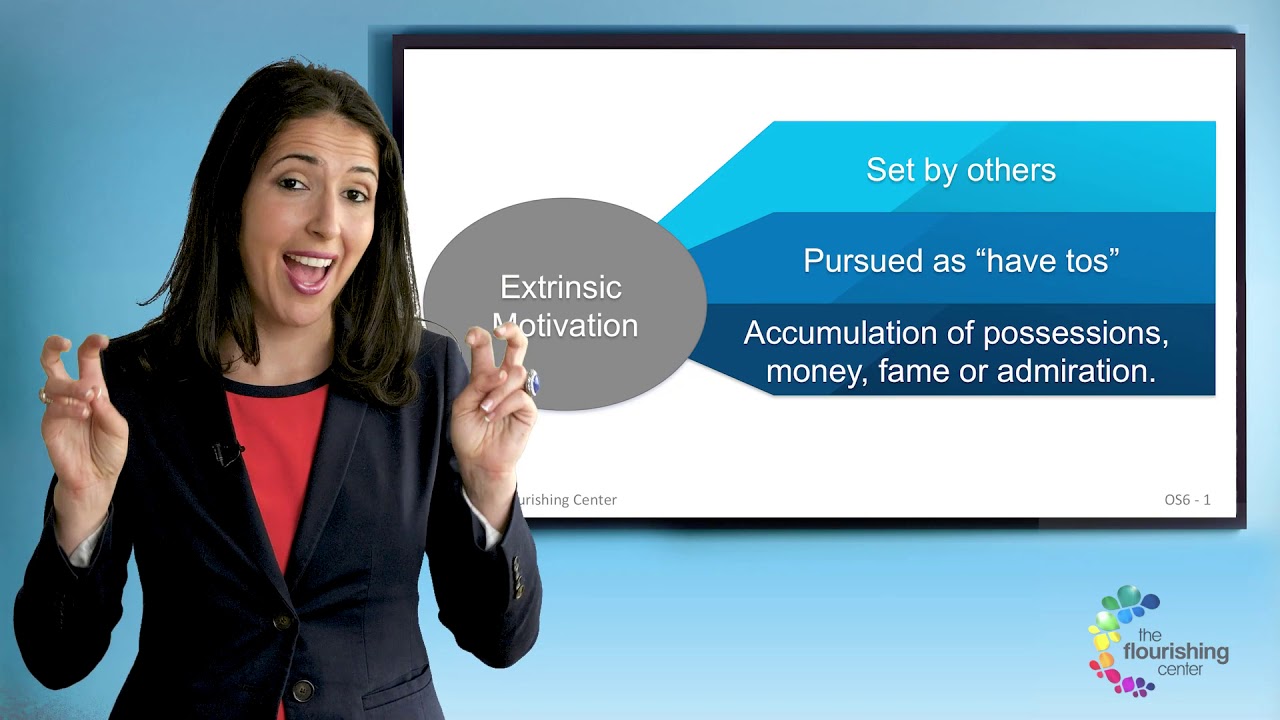


























Self-Determination Theory, developed by Professor Edward Deci, proposes that motivation should be understood as fundamentally differentiated rather than measured as a single amount. The theory distinguishes between autonomous motivation (doing activities because you find them interesting and endorse them willingly) and controlled motivation (being coerced, threatened, or pressured into action). Research demonstrates that autonomous motivation leads to superior outcomes including greater persistence, enhanced creativity, improved performance, and better psychological well-being, while controlled motivation through rewards, threats, and punishments tends to undermine intrinsic interest and engagement. The theory identifies three universal psychological needs—competence, autonomy, and relatedness—that when satisfied, facilitate autonomous motivation and positive outcomes across diverse contexts from workplaces to healthcare settings.
Self-Determination Theory: Motivation in Organizations | Edward Deci
Added:I would try to pretend that I'm a lot younger than I am but given what he said twice it's pretty hard to do that okay I do remember however however many long years ago that was sitting in the very chairs you're sitting in I mean not literally this room but I was an MBA student at the Wharton School which is in the United States and I did it as a full-time rather than in the way that you're doing it in the executive program so I was there for two years and um at some point during those two years I took a course called organizational behavior or organizational psychology or something like that I was in that school because I was a lost youth more or less and so my father said to me why don't you go to business school I said okay I had nothing else to do so I really I went there because I didn't know what to do with my life I found it interesting everything I studied I found interesting microeconomics macroeconomics I Lov the work I did on collective bargaining industrial relations it was the just fascinating to me so I was very much interested in it all but at some point I took a course as I said in organizational psychology and suddenly it just hit me on the side of the head that this is the most interesting stuff I've ever encountered why don't I just do that so I did I finished the MBA and applied to graduate school in Psychology in a psychology department and the thing that I had found most interesting in organizational behavior were questions of motivation so what I did is to just focus on motivation I had an amazingly wonderful advisor who essentially from the the day I arrived said Ed whatever you want to do just do it the things that interest you those are the things to go to and if you find it in Psychology fine if you need to go into the organizational literature the educational literature sociology any place that you can find material that are relevant to the questions that interest you then just get it and do it and use it and make a path for yourself I tell you that story because it was hugely important to me to have him relate to me in that way and in a sense ever since the work that I've been doing somehow reflects how that advisor I had Victor room was treated me when I was a student so so I got there motivation is what I had in my mind and so that's what I did I found it wherever I could at the time motivation in the field of psychology there was a period in which the study of motivation died it was had to do with historical things that were happening in Psychology that I won't bother telling you about but there was a period in which there was no field of motivation that's why Victor said you know find it wherever you can find it and so what that meant is I went against the grain of what was happening just found what interested me and then worked ongoingly with various other people to again create a field of motivation within psychology that was wholly different from what it had been before so really that's what I'm going to talk to you about today let me think I have to remember how oh yes with the arrows down here okay so motivation the question is what is motivation in a sense and for me the answer to that in the simplest terms is it's what energizes your behavior what is it that gets you up in the morning and moves you through the day that's motivation and so there are lots of different kinds of motivation I mean different of you may have different experiences getting up but the issue of motivation is all about that energy and where it comes from and how we facilitate it and so on traditionally in psychology in economics and even if you talk to people on the street and bring up the word motivation it has been treated as a unitary concept what I mean by that is people think about motivation as something that differs in amount you have less motivation or you have more motivation and that's really the way it's treated when people hear that I study motivation they come to me and say how can I get my kids more motivated to do their schoolwork how can I get my employees more motivated to do their work and so on it's always thought in terms of amount economists do that they use the term incentives instead of motivation but everything is about incentives and it doesn't matter what the incentive is but they want more of it rather than less of it from the very time I started studying motivation I thought this doesn't seem right to me and it didn't seem right to me because I was I don't know 20 years old 20 some years old and I had had experiences in life as have you and when I think about motivation or other things one of the things I pay attention to are the experiences that I've had myself so I'd think about having been a student I'd been a student more or less all my life up to that point and I remembered classes that I was in where I was just hugely engaged in what was going on I was excited to be there I was interested in whatever it was that was going on in the the class something about it was hugely energizing for me okay that was interesting to me that I'd had those experiences I had been in other classrooms where it was a drag to be there I didn't find it interesting I didn't find it compelling the teacher wasn't able to bring me into it in a way that got me involved but I was still motivated why was I motivated because I was a dutiful son my parents wanted me to be doing well in school and I wanted to be pleasing my parents that was the motivation clear and simple for why I was there and why I was trying but I knew that my experience there was so different from what it had been in these other classes that I told you about how do I then put that together with the notion that motivation is really about amount when somehow it seemed to me it was about kind I had some in some way I didn't know what to how to deal with it but in some way I'd had a different kind of motivation in some classes from the kind of motivation that was centrally operative in others and that seemed important to me and so really from that time on I've always been thinking about motivation in terms of kinds of motivation more so than just the total amount of motivation that you have so that's the whole issue of differentiating motivation now as AI said I work with a theory which we call self-determination Theory so I'm going to be we'll be bumping into that term all the way through and usually for short I just say sdt so that's what it means within sdt one of the central premises is that you have to think about motivation in differentiated ways in other words different kinds and in fact if you really get into the theory and the minutia of it interests you you'll find that we have a lot of differentiations but you can for starters at least take all of those differentiations and actually look at just one that kind of encompasses all the rest we think about the primary differentiation with two terms it has to do first with autonomous motivation so let me say a few words about that autonomous motivation means that you're doing an activity in a way that you're fully engaged with it you are wholly willing to be doing this you experience in the moment as you're doing a task not that you're saying this to yourself but it's as if you were I choose to be doing this task in this moment I am here for this I endorse doing it I concur with doing it you have this whole sense of willingness and with that a sense of Engagement that follows from it if you ever have that experience in your jobs I'm sure you do you wouldn't be here if you didn't you have at least times when the experience you're having is one of real willingness to be doing what you're doing and I would say in those moments you are being autonomously motivated and as I go back to my experiences that I told you about in education in those classes where I was so enthusiastic so present so engaged I now think of my motivation as having been what we call autonomous motivation at that time in contrast we have controlled motivation when you're motivation is controlled it means either that you've been coerced to do what you're doing and we certainly have lots of experiences or have had in our lives lots of experience of coercion I mean people threaten us with punishments if we're not doing something for instance that's a form of motivation that some people turn to a lot that's what I would call coercion or they bombard us with language that's full of words like should what you should be doing what you have to do now what you must do or ought to do all of that language all of those words are words that convey the notion of control it's some other person trying to control you in terms of what you're doing in fact I think the word motivation when it gets used a lot is really just a euphemism for the word control because when a lot of people think about motivation what they have in mind is really trying to control somebody else there we have the primary distinction and of course it will be coming up as we continue on through this now what you have on this slide is the results of literally hundreds and hundreds and hundreds of pieces of scientific research that have been published in various psychology journals management journals and so on over the years that I and many other people have been working on these sorts of things but I took them all and put them right there so I'll take a couple of minutes to tell you what's taken Cent feels like centuries decades to to accumulate this is all about what happens when people are more autonomously motivated versus less autonomously motivated so we're looking at relations here when people are more autonomously motivated there is greater persistence at whatever they're doing so if it's a particular task right now that you have to do and you're more autonomously motivated you're likely to persist at it longer than people who are less autonomously motivated but it also goes into a larger scope than that I'll tell you about one study for instance around this issue of persistence and this was a study of very elite swimmers in Canada these were the people who were competing to be in the Olympics competing to be national champions they were the very best swimmers that existed in that country at a particular time and they came from many different cities across the country and they had different coaches what was being studied there is the type of coaches and the way the coaches were treating the people who were working the swimmers who were working with them but the focus was on the swimmers motivation some of the swimmers were motivated in what we call very controlled ways and others were um motivated in what we call autonomous ways what was found is we looked at the people um over a a what we call in a longitudinal way over time looking at them on three different occasions about 10 months between each of the assessments those people who were low on autonomy in their motivation but were more controlled in their motivation we found that a high percentage of them within a year of the time we first assessed their motivation a a high percentage of them had literally dropped out of their sport by the time we came back a second time and then when we were there the third time the percentage got even greater in other words imagine that you're that good that you're actually in the running for perhaps being on the Olympic team and yet you're doing it for this kind of motivation that's more controlled rather than autonomous they just gave up at it the people who were there out of controll rather than more autonomous sorts of reasons so what I'm saying it's all part of this first thing of of autonomous motivation predicts persistence when you look at it in all different kinds of ways another thing that's important here is that when people are autonomously motivated for something they're more creative in the way they do it we've studied this in art activities as well as many other things but artists who are more autonomously motivated create art that's judged by experts as being more creative it also relates to how they think and we use terms like COG nitive flexibility that means you think in more flexible kinds of ways we have a term in the United States that gets used a lot it's perhaps familiar to you of thinking outside the box have you ever heard that as a phrase for instance that's the idea of being more flexible in how you think about things the degree that people are autonomous Mo autonomously motivated leads to their being higher in terms of this flexibility this thinking outside of the box and what that means is when they encounter problems and what they're doing they're more able to solve the problems in new and different ways of finding ways of getting around the obstacle that for whatever reason has been put up in front of them we find for instance that overall in terms of performance people perform better at their jobs when they're more autonomously motivated yes can you please elaborate for the motivation yes there are various ways of doing it but some of it is in terms of their reports to us so we ask you questions so we'll say I mean in the simp form I'll say why do you do your job or in more specific ways depending on at what level of specificity we're studying something so I'll just stick with why do you do your job and then I'll give you a number of answers for that and you rate each answer so I'll say so one of the possible answers to why do you do your job is I do it only because I need the money and that's a way of paying my my rent or something of that sort how true is it for you that that's the main or only reason that you're really doing your job if you're saying on a scale you know like you've got a a numeric scale from one to seven where one would be this is not true for me at all to seven where this is exactly hits the nail on the head for me if your ratings tend to be more up on the 5 six7 range that's an indication of some amount of some substantial amount of controlled motivation for you other kinds of answers would be something like I find this work very interesting and I believe myself that it's really personally for me personally this is very important work to be doing I have a sense of it having some real meaning to me the and again you'll be rating that on a scale I mean there will be a lot of these questions but I'm just giving you two examples and if you're rating that one really high that's an indication of more Mo autonomy in your motivation so we all have some of each kind of motivation but it's a matter of how strong the different ones are so that's the easiest way to do it is just in your reports about your own motivation and then we you know com combine the an the various answers statistically and so on to make predictions about some other type of um whatever it is we're trying to predict from it so um there's some kind of oxym here because I'm a little bit concerned as a manager uh you know I want all these good outcomes I want my people to be health and enjoy works and have creativity but is this sheer luck so I'm assuming the people are coming the way they're coming the way they are brought so whether they are autonomously motivated or uh contr controlled motivated is something that it's only dependent on luck whether I control their motivation or people are whether people are coming with or without motivation how can I impact autonomous motivation how can I drive people to to to this direction or is it just you know the way way they going thank you very much you have just given the outline of my talk I could have put it on the first slide but I didn't need to because you did it for me that's exactly where we're going so okay I mean if you get impatient just yell at me again you know that's okay okay so you see the performance I mean some of that is actually um performance done by managers that go into the company records you know we get performance in lots of different ways but that's an example of it certainly it's the case that people who are more um autonomously motivated enjoy their work that's um almost a given in all of this but now um also I there's a lot of research and I'll tell you a little bit about it later on indicating that people who are more autonomously motivated are psychologically healthier I mean we use terms like well-being mental health all of those sorts of things that means less anxiety less depression it means more sense of self-esteem feelings of worth and so forth all of these things over and over have been shown to be related to autonomous motivation and it's also the case although I'm not going to talk much about this so I could because it's one of the things that interests me most at the moment and that is close personal relationships I assume most of you are either have a spouse or a partner or a a romantic relationship or you've been in and out of them or whatever but um that's one of the things I've been studying a lot lately and best friends what goes on between best friends and there are a lot of people including psychologists who say that in order to have a high quality relationship you have to give up your autonomy in service of the relationship I think I hear that and I say oh come on you can't really mean that if I give up my autonomy then I'm giving up my willingness to be here and beginning to experience that I'm here because I have to what we find is that the highest quality relationships are ones in which each partner is there feeling a full sense of autonomy about being there and in fact the the indicator of the best relationships are ones where each partner respects appreciates and supports the autonomy of the other partner that kind of mutuality is what predicts the highest quality personal relationships I threw that in just because I thought maybe you'd find it a little interesting even though it's not exactly on the you know main thrust of what organizational behavior is about and then I would just say that sometimes people say oh autonomy that's a western concept it's not relevant to people in the east or they say autonomy you know men like autonomy but women don't and somehow to try and take the idea of autonomy and shrink it down to be relevant to just certain kinds of people what we find is again looking across these studies you know we do studies in Korea and China and the Far East we do studies in Israel with a bin as well as Jewish populations and different places to try and go across all of these different um demarcations that get set up and we find that autonomy is important at all ages there are certain psychological theories that say autonomy is a really big thing for kids who are like two or three I don't know if you have your own kids or not but you know the the sort of we have a firm in the US called the terrible twos where the kids are so insistent on doing it their own way so they say okay well autonomy is big for two and three year olds and maybe it emerges again for adolescents if if you've been with had adolescence that you've dealt with yet and their own desire for autonomy so it seems but the point is that the findings that are all here we find across the ages in from preschool children to elementary school to high school to college to graduate schools to the workplace to the me the health clinic and so forth so it's a cross ages it's across genders we find no appreciable differences in terms of the P what autonomous motivation predicts for women than it is for men same thing socioeconomic status level of wealth for instance it doesn't matter autonomy makes a difference for psychological health and well-being and for performance in them and again cultures okay so more or less I've told you the story or at least most of it there's does it amount to the same amount for higher level managers and lowle employees for example the organization hierarchy yes it does actually that regardless where you are in an organizational hierarchy if you there with the experience of volition and willingness the motivation that I have for being here in this job whether I'm running a machine or I'm running a corporation if it's one that's really emanating from myself it's coming from my interest in this activity in my belief in the importance of this activity that or set of activities of course that I'm engaged in the more you're in that place of experiencing this sense of willingness of interest of belief in its personal value the more it has positive effects on what you do how well you do it and in terms of your own adjustment and Wellness okay so I've said a little bit about autonomy and before I go on I want to make the point of what autonomy is not so that that helps clarify really what it is I'm talking about autonomy does not mean Independence if you get out the dictionary I'm turning pages is I'm a little behind the time if you get out the dictionary and look up um autonomy one of the definitions that you come to might be Independence so I'm not talking about language here what I'm talking about is that when I'm using the term I'm using a very specific definition of it it's the definition that I've said about volition willingness endorsement of your own own activities and behaviors I don't mean Independence and I say that because lots of people think about autonomy is independence and that's perfectly appropriate that you do that but not when you're talking when you're looking at this kind of thing and talking about this so people argue with me sometimes about autonomy and others PE groups of people not needing it and so on and they're thinking of it in terms of Independence I'm talking about it in terms of volition and endorsement and we're it's ridiculous to be having an argument when two people are talking about different things okay so I've now said what autonomy is not is a way of of keeping us focused so let's move on um oh well I let me say another thing with respect to it to even clarify it more it is possible for people to be autonomously independent you can be independent and do it autonomously in the definition of what we mean by autonomy that is to say you can in some of your at some times with some tasks and so on you can be very independent you can be as we say the rugged individualist going a little alone on this activity for instance and do that very autonomously so you can be autonomously independent but you can also be autonomously dependent on others and indeed I hope you are I hope you have a spouse or a partner or a best friend or a nextdoor neighbor who you can quite willing turn to if you're feeling some stress or upset for example that you have people to rely on that you have people in your life that you depend on and you do that in a fully autonomous way okay so autonomy and Independence autonomy as I describe it in in Independence means there well our language for it and statistics is orthogonal they're sort of Crossing each other they are not the same thing and they also are not um antagonistic toward each other okay there's one other extremely Central and important Concept in self-determination theory that I want to point to now and that has to do with the concept of needs the concept of needs has been used in Psychology and by lots of different writers and um it gets used in different ways one of the ways that it gets used in Psychology is we talk about people having physiological needs what happens to you if suddenly your supply of oxygen gets cut off you are incredibly motivated to get that back because your life your health and well-being depends on you're getting oxygen oxygen is a need of all human beings water is a need of all human beings you can go without water longer than you can go without oxygen but I wouldn't want to be in a situation that I was never going to have water again or I wouldn't remain healthy for very long and I wouldn't remain alive for much longer than that I use these examples to convey the notion that when I use the word needs I'm talking about Essentials for health and well-being something you need something if that something is essential for your effective functioning okay pretty much everyone would agree that we have biological or physiological needs oxygen water and so forth I'm suggesting in addition to that we have psychological needs our minds have needs just as our bodies have needs this is not a universal agreement it is not the case that psychologists many psychologists agree with this they'll pretty much all agree that the there are physiological ones but not psychological ones I don't care whether they agree or not you know there are people in the world that are wrong about some things mus wrote the paper about it while I I didn't understand AB muslo wrote the paper about it while AB Abraham maslo wrote a paper about it in 1943 yes it was a while ago and he talked about different kinds of needs they typically get referred to as lower order and higher order when people talk about mow that's true in the lower order are the more what we call deficit needs and the higher order more the growth oriented needs and maso's hierarchy of needs appears in virtually every um introductory psychology textbook and it has for 60 years or whatever that is but um most psychologists still don't believe in the notion of What In maso's terms were called the higher order needs or the psychological needs so I am one of those people who subscribe to the idea that we do have psychological needs that means needs which are essential for our effect psychological functioning there are three that I think are important for everyone I'm talking universally across cultures and so on whether your culture thinks they're important or not doesn't matter as far as I'm concerned because what the data show are that whatever the culture you're in it shows that if you satisfy these needs you're healthier and if you don't satisfy the needs you're less healthy okay here they are the three the first is competence what's it like for you when you fail a test and then you fail another test and then you meet with your instructor and your instructor says you're really incompetent when it comes to this maybe you've made the wrong choice about what course to be taking or something people when they feel incompetent it starts to affect their feelings about themselves they start to feel depressed discouraged and so forth competence is a need that we all have when it's satisfied we feel great alive interested vital and so on and when it's not we feel negative consequences second need that is important is what we call autonomy so I've been saying a talking about autonomous motivation what I'm adding here is that all of us need to feel autonomous to some significant degree in order to remain healthy alive vital excited and so forth It's a psychological need and the third need that's important is the need for relatedness that means we need to feel like we belong in groups a group might be a group of two people for instance or it may be a broader group than that we need to feel cared for by other people and we need to care for those other people it goes both ways this General sense of Love of friendship all of it I consume under the notion of relatedness human beings have a need for relatedness okay the important Point as you'll see from this is that when people have these needs satisfied first they tend to be more autonomously motivated which then in turn has the kinds of consequences that I've already laid out for you second that when they get these needs satisfied they tend to be healthier at the psychological level and also at the physical level it has a direct impact on physiology as well as just psychology and all of the kinds of things that I said about autonomous motivation when these n needs are satisfied because it facilitates autonomous motivation it facilitates all those other things that I had in the summary slide for you okay so now you've had most of the key points of self-determination Theory all this is doing is saying what the psychological needs are and I've already said that so just going to move right on now getting to um autonomous motivation in a more specific way again we're doing a little more differentiating here rather than just St sticking with autonomous and controlled motivation I want to go go into autonomous motivation a little more deeply and talk about two different kinds of autonomous motivation they're referred to as intrinsic motivation and extrinsic motivation that's been well internalize but let me take them one at a time and say what they mean intrinsic motivation means doing an activity because you find the activity interesting and enjoyable some people play golf and love playing golf if you happen to be one of those people my hunch is nobody's going to ask me how do I motivate you to play golf you love golf you're just out there doing it you're hoping for more time looking for more time to do it that means if you are such a person you're intrinsically motivated for that activity and it may be that you play the cello where who knows what you do and as thing is activities that you really love but when you're doing activities that you really love that's intrinsically motivated it is the Prototype of being autonomous you feel absolutely willing and endorsing of the activity that you love to do that's intrinsic motivation the purest and interesting form of it do you want I'd be happy to hear what you say if you want to or you it's okay if you don't but no okay um the purest form of it and and the easiest place to see it is with young children look at a 2-year-old playing do you ever ever hear anybody ask a question like how do I motivate my 2-year-old to play all of the motivation is there that's what they do it's like playing is life's business for them they'll play with anything you buy them an expensive toy and it comes all wrapped up and they tear open the paper and they have fun with the paper and then they take this beautiful toy out of the box and play with the box it doesn't matter the Box the toy it's all the same they can use anything to play with the motivation this thing called intrinsic motivation is inherent in all of us the specific things that we may be interested in varies from person to person as a function of the abilities that you have I mean Mozart was writing music when he was four years old he had a level of conf competence in that that was so overwhelming that it absolutely kept him focused on that is practically the only thing he ever did in his life well competence inherent competence makes a difference the things that are available to us if you grow up at the seashore you're going to have different interests on average than if you grow up in the mountains for instance because different things are available to you so there are lots of things that influence what thing what we're interested in but whatever it is that we're interested in there's intrinsic motivation there to be doing it what I hope is in your jobs there are substantial percentage of the specific things you do that you find interesting and enjoyable that would be great um when we talk talk about intrinsic motivation and you find it in books it's pretty much always contrasted with the idea of extrinsic motivation the key point in extrinsic motivation is that you're doing a behavior for some separable consequence a reward for example the avoidance of punishment getting social approval extrinsic motivation in it sort of simplest form is what we call the carrot and stick you've probably heard that expression so we dangle carrots in front of people to get them motivated we stand behind them with sticks to get them motivated that's a sort of classic type of extrinsic motivation okay now the distinction between intrinsic and extrinsic motivation got made in the management literature back in the 1950s and there was a famous book in 1960 by Douglas McGregor that looked at these two types of motivation and what he did and you may have heard these phrases someplace um two he talked about two different approaches to management one that's called Theory X management and one that's called Theory why management I don't know if you've ever encountered that but Theory X management essentially has at its core the concept of extrinsic motivation manager's job is to plan worker's job is to do what the managers have planned for them and because by and large according to the theory X approach workers are lazy and indolent you've got to use motivators to get them to do it motivators of course are these extrinsic motivators so you pay them according to how many piles of Steel they've moved from this side of the room to that side of the room or whatever it is that their task is in implicit in that approach to management is this extrinsic kind of motivation yeah but isn't the interesting motivation also based on the feedback that we get competence so there is some yes it is elements I do something for the first time I'm not I'm not sure about it I get public feedback we have a great bonus better about it absolutely you're right and I'll show you in a very short number of minutes just how you're right and then you're saying so you're that what's implicit in what you're asking or saying I think is does an intrinsic motivation depend on the environmental circumstances as well and the answer to that is yes thank heavens it does because the fact that it does is the answer to the question that was here but it does in particular ways and that's where I'm headed is to differentiate the kind of ways that environments can facilitate intrinsic as an example of autonomy versus extrinsic is a more control kind of thing so good point and good question both so yeah so I was saying that implicit in theory X motivation is this um extrinsic kind of motivational view in the theory X um management I should say and then just hopping back to intrinsic motivation for a minute then contrast Theory why motivation is built on the notion of intrinsic motivation and the belief that workers are not La indolent but actually that they're interested in accomplishment because they feel a sense of personal satisfaction from it and therefore if you manage them in ways that acknowledge that rather than think of them in that more extrinsic kinds of ways it'll be more effective okay so now now when these distinction was introduced to the management literature as I said in the late 1950s some theorists said this is great we've got two kinds of motivation here what we should do is use them both and then we've got a total of amount of motivation that's equal to the one plus the other and it's the best of possible circumstances what that would mean concretely is make their jobs interesting that'll get them intrinsically motivated and then pay them in very specific contingent ways so the better this performance is in a quite concrete way the more money you're going to get paid for doing it it's sort of almost like the peace rate payment but as you move up the ladder it's gets a little less specific than that but still the notion of a very contingent extrinsic payments when I read that again I didn't really like it very well I just thought it's there's something about this that doesn't feel right to me so since my job as a psychologist is to do research I thought I'm going to check and see whether this is really true what I'm reading in these um management textbooks for instance and so I set up a situation that is the following imagine you're working on some really interesting activity so I did it in terms of puzzles I found kind of puzzles this was with college students the first study was with college students you as the participants in this research so I got act um puzzle solving activity that was interesting across every college student I showed it to and so I brought people into the psychology laboratory and I put them into one of two what we call conditions in one condition I gave them a number of these puzzles to solve and so they spent their time solving the puzzles they were quite willing to do it they were very interesting and at the end they were still interested in it and that was it they were just there as this one group the second group however when they came in I gave them the same puzzles everything was the same about it except for one difference and that was I said for each of these puzzles you solve I'll pay you a dollar now I point out that this was one of the very earliest studies that I ever did which gives you a sense of the timeing of it the point of which is a dollar was worth something then okay so what I found is those people who came in and worked on puzzle solving and might have made $3 or $4 or something like that as a function of how well how many they solved after the whole thing was finished I measured their intrinsic motivation how interesting did they find it now the people who had done the same puzzles and got no money for it found it very interesting at the end just as they had at the beginning but the people who got paid for it their interest in the activity dropped dramatically over the course of the period when they were being paid for it somehow I actually undermined their interest in the activity by paying them to do it and I also set up a situation for all of these people where afterwards there was a period we call it a free choice period in which they were in a room there was some more of the same kinds of puzzles to solve but there were other interesting things to do those people who had not been paid did the ACT same activity they just got on with solving more puzzles the people who had been paid didn't return to the puzzles they did other things instead somehow they had re aligned themselves with this task whereas initially they had viewed the task as something they did because it was interesting now they've come to see it as something they did because they were being paid for it once they get to that place it means amongst other things they won't do it anymore unless you keep paying them the trouble is I mean you of course in the workplace you can keep paying people for doing things but the trouble is that along with that dependence on the money comes the lack of interest in the activity itself so we've really shifted essentially their motivation in a simple little study of paying them a few bucks we've shifted their motivation from being more intrinsic to being more extrinsic did you check the amount of puzzles that were solved yes we did check the amount of puzzles that solve that were solved and there are a number of different studies that have done this and what we find is either the number of puzzles was the same or if there was any difference the people who got paid solved fewer and did less and depending on what the task is I mean there have been a lot of tasks wherever there's a difference in performance the paid people actually performed worse than the people who were not paid now there is a bit of exception to that if it's it's a trivially easy task then paying people and you'll get them to do a whole bunch of them because that means they'll make more money but if it's any task that requires in this problem solving you've got to figure out how to do it that requires this sense of more flexible thinking and so on and hence the people who are paid tend to do worse on the the puzzle solving if if there's any yeah this was first here how do we gr to solve these puzles have to get them into the classroom uhuh it's a very um common thing in universities that psychologists in particular but other fields as well do research and they um have participants and they get them in different ways depending but one of the ways that they're gotten is that some courses like introductory psychology in most universities part of doing the course is to be a subject in some research because the course is teaching psychological research and the belief is that it's important to be experiencing what it's like to be a participant in some of these kinds of studies so they actually come into it as part of the learning experience now okay I think where you were headed with that is well aren't they all then in some ways having some amount of extrinsic reason for being there namely it's satisfying a course requirement and the answer to that is yes that is true they are but the thing is that's constant for everybody no but furthermore you're telling them that they should come to the the puzzles because it's interesting puzzles well no I'm not telling them that I'm just they they just come to experiment so they're have some several experiments they can join and you want to bring them to your experience but we don't we don't tell them that beforehand what what would typically happen is there's just a title to the the study the professor the name of the study is something that motivates you you have a really nice for your study it's an internal sure okay so we we would call it puzzle solving experiment okay so then what you've got is people everybody is coming in because it's part of their course that's true and people are coming in because they may find puzzles interesting both of those things are true the point is that they're true for all the people who come in and what you do in an experiment is there are a lot of things that you hold constant across both groups in your experiment and the thing that you then do is you change just one thing between the two groups and because everything else is constant between the two groups if you find that the dependent measure the outcome their intrinsic motivation in this particular case is different then you can attribute it to that one thing that was different so your point is right that there are other reasons that they're there so you had a puzzle solving Activity one which is paid the other is not paid and they don't know about I'm sorry and you say it again you have oh no no no that's the whole idea if they know it beforehand then that's going to affect them so if they know that people are going to get paid and they come in and don't get paid then there's that all of that but I think this is what reflects best the what happens in in in our companies I mean people do know about rewards that others are getting so therefore might have been interesting to check the influence of the non-paid group KN about the paid group right Vice ver true there are no people in your company though that are not getting paid so that's the case and therefore the point that you bring up which is an excellent point is really something that's studied a lot also and the term that's used for it being studied is studies of equity or inequity so there are a lot of studies that have looked at people's motivation under conditions where they feel Equitable pay equitably paid versus inequitably paid and there's no question whatsoever that if people feel like their pay is inequitable relative to others that's a decidedly negative factor on motivation absolutely so when you're actually when you're setting up pay systems in organizations it's extremely important to be mindful of that and as the designer of a system to be thinking about what's it going to be like for people in these jobs are they going to be uh experience feeling like they're being equitably paid or not relative to other jobs and and taking into account that some jobs require years of schooling to do them and others don't all of those kinds of things are important and relevant and they get summed up really by this notion of equity so yeah that it's a very important thing there does the question of Tes upon one time bonuses Etc not just as an as well as the other guy in the Next Room the other guy doing the same job in a different company but also why did this guy get such a bonus absolutely it does let me say a little bit about bonuses one of the things we find in these studies I've told you only one of um at one point like 15 years ago I went in the literature I published the first set of studies that I did on this question in 1971 in the late 90s I went in the literature and looked across all the psychological literature and I found that there had been 128 experiments since the time that I did the first ones that have looked at the effects of extrinsic rewards on intrinsic motivation now people differ this about it and that about it some are with children some are with with adults some are payments is the reward some are giving kids prizes a reward they change all different things so when you've got so many that have been done which involve thousands of participants then you can look at in A fine grain way because things are different at these differences leads to the point that if you give rewards to people and they did not expect them while they were working on the task so you come afterwards and and say oh well thank you for doing the task I happen to have a reward here for doing it and maybe it's a prize or money or whatever it is but that's kind of equivalent to bonuses in a sense bonuses in initially at least are something that you're not doing the job to get yet in other words you're not expecting it while you're doing the job turns out that unexpected rewards don't have the negative consequence in the same way for the negative consequence you have to get into the place of thinking I am doing this task in order to get this reward you have to have that experience of the clear contingency for the reward to undermine your intrinsic motivation okay so that would suggest that things like bonuses wouldn't be detrimental in the same way that if I was making your pay specifically dependent on the things you do and how well you do them for example that the the bonuses wouldn't have the negative effects the only problem is in most organizations bonuses aren't things that just once in a great while happen to appear people come to expect them and if if you're expecting them and if you have a sense of what the bonus was last year and so on then it really turns into something pretty close to an expected reward and is no difference really so the ad the potential advantage of bonuses being unexpected in reality um doesn't come into play so the bonuses have some risk also of having negative consequences and then it also gets you into this whole issue of equity and is my bonus good enough relative to other people's bonuses and all those dynamics that play a role on people's motivation come into play is it the same for aask requ thinking requ labor you were to pay me to run faster yes something I can do I can actually run faster but solve right some algic equation yes do there is absolutely a difference here and the difference the the language we use for it is there are algorithmic tasks and their euristic tasks an algorithmic task is one in which there's a right answer you do this step this step this step and so on and you get to the end there's no thinking about it and in any real sense I mean no kind of stepping back and understanding it and thinking about it this way and that way and what's the right thing urtic tasks are one that are where there's not the clear algorithm those are the ones where you've got to solve problems and bring new ways to doing it and so on and it is clearly the case that the euristic ones the ones where you're trying to solve problems thinking about new ways of doing things and so on the rewards when you make them contingent the contingency for euristic tasks and rewards the detriment is much greater there than is the case when it's algorithmic kinds of tests so simple things straightforward things running you don't well I mean if you're really really into the highest level of Runners then there's lots of nuances to it that's true but generally the fact of running just means put this foot in front of that foot and keep doing it lot and doing it as energetically as you can so yeah I think if you pay people um if the payment they get is dependent on how fast they run they'll run faster in organizations like the kinds of organizations that you're in I think the important thing is you're you're dealing with issues of solving problems of being fully engaged in the activity and it's not just a matter of pulling a handle on some machine we're at a time in which the nature of what business is is much more about Uris ways of thinking and doing than about Alor algorithmic ways and yes the things that I'm apply talking about apply more clearly to the one case than the other when it comes to learning for example we can pay people to learn or give them prizes or give them A's and whatnot use extrinsic rewards for Learning and people will learn under conditions of extrinsic rewards that's true their motivation under conditions of clear extrinsic rewards is more controlled rather than autonomous to go back to that language it turns out that when people's motivation for learning is controlled what they do is memorize facts memorizing facts X is a useful thing there's no doubt about it to some extent but when people are autonomously motivated to learn they learn conceptually they learn in a way that they understand the relationship between facts they understand the theme of what this issue is that we're working on here so they're learning in both cases they'll be motivated to learn but the quality of the learning is different so again that's and it's with the the more conceptual kind of learning where the controls are more problematic than with the wrote memorization I've already spoken about this so I'll just summarize it in 10 seconds and that is I told you we found 128 experiments in the literature there's a statistical way of combining data across different experiments it's called a metaanalysis Sal achievement program proc a what program the salesman achievement program oh sales achievement program um commissions um I know the least about sales of any other aspect of organizations and I've never studied it so I don't have data that I could bring to bear in answering the question and I know sales unlike every place else is been so traditionally focused on commissions where your pay is a direct function of how much you sell and I know that any attempt to make changes there would take a system that's been solidly in place for a very long time and throw it into some amount of chaos and I'm I'm just not in a position to speak to it I have some thoughts about it but I would never make a any kind of recommendation in terms of what you should do with sales departments presuming that they're ones that have been on commissions as the central aspect of their compensation throughout time oh so all I was going to say about this is that across all the experiments we end up finding that the in fact is from tangible rewards now undermining of intrinsic motivation with studies done in various countries some of the people who did studies didn't like our studies because they didn't like the the findings that we got so they were invested in redoing the studies so that they wouldn't come out the same way and in spite of all of that it still when you collapse the data from all of them it still showed the undermining you kind of did you want to say something oh okay and very quickly here why is it that I think tangible rewards have this negative effect on intrinsic motivation as I told you people become dependent on the rewards they'll continue the activity if they get the rewards and they'll stop doing the activity if they don't the fact that you become dependent on some external contingency means that you're not being autonomous well if we really think you have a need to be autonomous to be really deciding for yourself and moving from your own motivation if we suddenly set up a situation so now you're dependent on external things to be motivating you then your experience is going to be one of losing any sense of autonomy that you might have for that so this takes us back to the early point about psychological need needs and this is an instance where something that we think of as a motivator actually thwarts rather than satisfies our psychological need for autonomy and our understanding is that that's really the basis by which this kind of detrimental effect occurs let me just check on time and at what point do we want to break in this a break now for 15 minutes yeah would you like that okay so let's do that okay I would um like to make two more points about rewards and then move on to other things the first is I fully understand that people come to work to get paid I'm not in any way suggesting we shouldn't pay people I'm not suggesting we shouldn't pay people a lot I am suggesting that the payments we give be Equitable for the people given their what they bring to the job that's clear the thing that I'm suggesting is that the rewards be relatively nonsalient you're being paid for coming to work in the morning and working through the day the minute you begin to see the rewards as a way of motivating performance that's what gets you into trouble because that's when people start to look at the activities they're doing as a means to a reward and that's when the problem really comes into play that's the first thing I want to say the second thing I want to say is that when you use rewards for and motivating anything the studies show that the thing that happens is is people tend to take the shortest route to getting those rewards and the shortest route is often not what we want remember Enron the directors of Enron decided to use stock options to motivate top management to make the company stronger and healthier the top management thought ah what's the shortest path to get the gazillions of dollars that these stock options could be worth artificially inflate the value of the company artificially inflate the value of the stock so they could unload theirs and that's the end of it for them and we all know what happened to the company and the people who work there they all paid the cost for this very thing which economists were suggesting is the right way to go about motivating top managers okay so quickly now let me Buzz through a whole bunch of things um some other things I focused on rewards but threats of punishment do the same thing only probably worse because they have all kinds of emotional stuff that get stirred up besides deadlines evaluation and competition all have negative effects and especially negative effects when there's a lot of pressure on people to do these things I mean competition you say how could I say that about competition it's so much involved in the workplace and not to mention the sport Fields the thing about competition is it turns people against each other if you have any need in your workplace to be having teams rather than individuals the whole idea of competition turns them against each other rather than facilitating the process of supporting each other of listening to each other of working together to make something happen again it's all this different kind of focus um what kinds of things can make a difference I'll just give you a couple of instances now and a few more later providing People Choice allowing people to think about new ways of doing things for themselves the encouraging people to take responsibility when people have choice about what they do how they do it when they do it the intrinsic motivation is much higher than when you tell them what to do when to do and how to do it acknowledging feelings paying attention to what's going on inside other people I know you've heard in this class about the idea of listening do you really listen to the other people you're working with and can you when you're talking to them when you are talking to your subordinates for instance do you have any interest in how they see things to the extent that you have in how they see things and acknowledge that for example then they're going to feel like you're being supporting of supportive of them and of their own sense of autonomy when you're not listening and you're relating to them only from your perspective they're going to feel run over the running over is not going to help their motivation okay now feedback positive feedback enhances intrinsic motivation so another thing that you do to keep people interested involved and engaged is provide feedback you do it in very specific ways that is to say you see someone do something well and you say in specific ways what you saw being done well there's a tendency sometimes to make feedback convey your estimate of the worth of a person this not good it's not good that I'm telling you you're a good person because I'm conveying to you that your worth as a person is dependent on the particular performance I think your worth of a as a person is dependent only on the fact that you're still breathing as long as you're still Brea breathing I think you're a worthy person then we can talk about how good your performance is but will be specific around the performance and be focusing on the performance those kinds of situations and positive feedback about performance and that way has a very positive effect on people's autonomy and negative effect um negative um feedback has an a negative effect on intrinsic motivation unless you do it in the right kinds of ways the tendency with negative feedback is to just tell people they're incompetent in one way or another just to convey that message another approach to to recognizing that something is going wrong is to just focus on that and take an approach to it of solving problem of it's being a problem to solve and encouraging the other people to play an active role in figuring out how they can do it better next time then it doesn't feel like a conveyance of incompetence it actually feels like support we're recognizing the problem we're encouraging them to figure out how to do it and sometimes as managers we've got our own points of view as well to bring to the discussion but it's using this different attitude toward what negative feedback means and it becomes a whole different matter okay now extrinsic motivation I want to say make a point here very quickly actually intrinsic motivation depends on finding something interesting that is the motivator the interest there are a lot of things we do that aren't interesting there are a lot of aspects of our jobs even if we love our jobs there aspects of it that aren't interesting okay now that means we're not going to be intrinsically motivated for it and if we're not intrinsically motivated then what kind of motivation is there extrinsic motivation but there something about extrinsic motivation and that is people have a tendency when something is outside of themselves a tendency and willingness generally to take it in beside themselves we can for instance set up a situation where we're encouraging somebody to do something that's uninteresting to them we can be encouraging them to do it but if we do that there's the possibility that they'll internalize it and make it their own and the primary condition under which they'll really take responsibility for doing things that are not interesting the primary thing is if they can come to understand its importance in relation to themselves when we're asking somebody to do something do you provide a rationale do you let them really understand what it is that it's about why this is important the degree to which they understand its importance in a real way these a themselves the more likely it is and we have a psychological term for this which is internalization the more likely they will internalize that extrinsic motivation and actually transform it into their own motivation and the point that I'm making in this is that the basis of autonomous motivation there are two of them one of them is about in is about interest enjoyment and that's intrinsic motivation and I've been talking a lot about that but the other is about the personal value of this activity as I see it in relation to my job you as managers can influence people coming to understand the value of the activity and to the extent that they really do and take it in themselves then they'll be doing the activity in a way that's autonomous also so we have these two different roots to autonomy I don't know about you but I am belong to a health club and at least when I'm home um I go at least twice a week and exercise you know I get on ridiculous machines and I start by spending 30 minutes climbing to Nowhere it is not interesting or enjoyable to climb to nowhere I have never found it interesting I'll probably be EXC ing for the rest of my life and I'm pretty sure I will never get to find it interesting nor does any of this stuff interest me and yet I do it why do I do it because I understand the importance and value of that activity I believe wholeheartedly that my own health and wellness over time is enhanced by engaging in regular kinds of activ of of exercise so that's an instance of how I've taken in the regulation of that from Suggestions by my doctors and medical friends and so on I believe in it and therefore I do it autonomously even though it's not interesting so we have these two things um basically autonomous motivation then comes down to intrinsic motivation which I talked about and then this is just the psychological jargon for believing in the importance or value of the activity for myself that's really what autonomous motivation is about those two things which can work together and controlled motivation is really about this again is psychological jargon external regulation just means the carrot and stick which I've been talking to you about but there's one other kind of controlled motivation has any of you ever felt guilt have you ever done something because you'd feel guilty if you didn't I have I know and some other people have so I've heard at least a couple of yeses here that's an interesting kind of motivation because it's a motivation that's inside us but it doesn't feel very autonomous we're pressuring ourselves to do it and it turns out that there's a tendency when we pressure other people to do things that are not interesting to them they may take it in they may sort of partially internalize it but they internalize it in ways that they then pressure themselves to do it so that's an interesting to me it's interesting because now it's a motivation that's internal but it's no better than the carrot and stick cuz it's just like we're doing the carrot and stick to ourselves we've really got to be in this place of facilitating their feeling like it's more autonomous and they're being supported for that okay um I'm going to get yeah okay to here the question is and this came back to the first question that was asked now so what do you do about all this I've said some things about rewards you know keep them nonsalient we recognize their importance be Equitable and so on and the point that I'm really making in that is that the rewards themselves are not the real way that you motivate people when you try and use them to motivate people rewards threats deadlines and all of that kind of stuff it has its negative effects so what do you do instead and the answer comes down to the point I one of the points I made at the beginning about these psychological needs in a certain sense it boils down to you cannot motivate other people to be autonomously motivated but you can relate to them in ways that facilitates their motivating themselves the issue of motivation is there doing it but you can create those circumstances this is the most important point I have to make in terms of the whole day is that the real job for a manager is to create the conditions in which people will motivate themselves we call those need supportive conditions it means you recognize people need to be competent they need to be autonomous and they need to feel related and if you create conditions with within which they will get those needs Satisfied by doing their work then they're going to be highly motivated to do those their work need supportive context and this is just a summary pretty much of things I've said I mean we study this for example by going into work groups you can in different work groups feel the difference the climate of this work group is different from others there are work groups that I've been in I mean as observers for instance where it's like oh my God I just feel myself closing up more and more because of how it feels there it feels like control like the situation is trying to control me I've been in other work groups where I just feel open and alive and interested and I'm just an observer sitting in the room not even someone who's working there you can feel climates of places they're hugely important in terms of motivation for people and we contrast then need supportive climates and here just to sort of run through it you're you're acknowledging understanding relating to the others perspective the subordinates this is all about listening really hearing them and what they have to say about it and making that an important input to what's going on here encouraging exploration rather than demanding they doing things particular ways and then choices and rationale what's the importance of this activity so they'll take that on and understand the positive and constructive feedback and so on those kinds of things are hugely important through doing that you're creating a climate and the climate is going to be allowing people to become more autonomously motivated it will be encouraging and supporting their intrinsic motivation and it will be facilitating their internalizing the extrinsic motivation so that they'll be motivated as well out of the value or importance of activities and that's in contrast to controlling context where it's all about demands pressures rewards and so on and what we get is clear undermining of autonomous motivation now it's about control now people are fearful and they're doing things because they're afraid of what'll happen if they don't and so on which is just absolutely the worst kind of motivation you can have in a workplace okay so I'll tell you very quickly about some studies um this is a study we did in some Investment Banking firms in the New York City area up here you've got this notion of need support that's what I've really been trying to convey here the importance of managers being need support encouraging choice and autonomy and so on in participants and here we have autonomous motivation as a personality type somebody asked me about it at the break you know each one of us has some amount of autonomous motivation in us as a general way that we live our lives but we also have some amount of controlled motivation in us as the way we live our lives in general General and the issue is autonomous motivation people who come in with more autonomous motivation into jobs that's good for us that's good because that contributes to ultimately to their performance into their adjustment to the workplace but here the thing that we can do is actually support that by being need supportive that's bringing their autonomous motivation into the foreground and making it the dominant thing that's going to be motivating them in the workplace and just for the hell of it I put these numbers here this is all statistics and I'm not wanting you to get into that but the point is look at how important and these numbers the higher numbers reflect that this is a more important thing look at that number and how much more important man managers need support is than the individual's motivation that they bring into it in the first place both things contribute that's great and so we love people coming in who are autonomous but a lot of what really influences them is the climate that we create in the workplace so we have a lot to do with it and all of this comes out and this is work performance as I said before I mean I gave an instance early on of we get that out of the company records because this is really how they're viewed by their company and when the managers are more need supportive and they're more autonomous they experience the satisfaction of the needs that means better performance and greater psychological health and adjustment this study I did um because it was um I used to work for the Council of ministers in Bulgaria back in the days when it was Breaking Free from Soviet Union and I was interested in it because it's such a dramatically different economic approach to um and still um I wanted to see the importance of autonomy support from managers there and it didn't matter we compared it to the United States and this notion of a of need support or autonomy support works even in conditions that were Fair L totalitarian and all Central planning kind of economy it's just um I started in 1987 um June of 1989 was when the Eastern block was freed from Soviet domination and then I continued working through about 1995 now I wasn't living there full time I was a consultant of the ministry and was going back and forth from the US but okay um and then I'll tell you quickly about one other study that I did in a Fortune 500 company in the US um this was at a time when the company was going through a lot of difficulties um at every level from the ver top to the bottom of the organization and I was working in uh the I guess you'd call them Regional Offices around the United States so this company had a big office in Seattle and one in Salt Lake City and one in Dallas and so on and I was working in these various places and the arrangement that I the reason I was there in response to the people who brought me into that organization was really to do work that trained managers in simple my language to be more need supportive of the people they were supervising the management that brought me in believed that that could help and make a difference there and I said I would do it but I wanted to be able to do research which is my primary thing in that organization as I'm doing it which they agreed to so very quickly I'll show you that so I developed an intervention for training managers to be more supportive of needs in just in all the kind of things I've been talking about here okay um this is just to say you know I was working in any place for maybe a period of four months again it wasn't full-time but every couple weeks I'd go for two or three days and be doing things and working with the individual managers go with them to their team meetings and just observe the whole thing afterwards I'd encourage them to reflect on it themselves rather than me telling them what I saw but to have them think in terms of what we'd been dealing with and reflect on how effectively they think they had been able to do it and usually they tell told the full story you know by the end usually all I would do is not say I agree occasionally I'd have a few things to say of my own but people actually once they come to understand some of this they can if they believe in it then they can see it in themselves and when they take time to reflect come to understand where they're moving more into that direction allowing greater Choice encouraging people to participate their subordinates to participate in decision making and so on so what this does um again we always have what we call the experimental group where the intervention is but then we have a control group who doesn't get the intervention and so different cities where there were Regional Offices they would be the control group for the research and then after that the intervention would happen there so what this is showing you is the blue is before the intervention and the red is after the intervention and here is where we were doing the interven ion over here was the same time but there was no actual intervention because that's the control group and so what you see what this measures the higher any one of the lines is is a reflection of how autonomy supportive the managers are and so this bump up from this blue to red shows a substantial increase in the degree to which the managers working in the places where the intervention had been going on increased the degree to which they were oriented toward their employees in a way of being need supportive of them whereas in the control group of course nothing happened it was just passage of time as things always were and so it's it's the same from before to after then of course there's the question not just of having the managers change but if it's not going to what we call radiate to their employees if it's not going to affect the people they're supervising then it's not gaining much for the organization and so what we were looking at in the employees one of the things is job satisfaction their overall commitment and involvement with the organization increased as the manager orientations became more need supportive and this is just another thing that I find very interesting this was out on the front line these were people that were doing the work of the corporation so to speak and one of the things that I found when I went in into the different places different regions is how angry they were at the top management things weren't going well in the company and everything was blamed on top management they're completely untrustworthy they're doing terrible things and so on after the intervention with the first first line managers far away from corporate headquarters in some cases 2 3,000 miles away from corporate headquarters after the Intervention when their own immediate supervisors became more autonomy supportive it changed their view of the entire Corporation so now at the end they had much greater trust in the organization believed in the organization the eles were more committed and involved and willing to work toward the goals of the organization that's what can happen even though these immediate supervisors were far away from from the top it can change people's whole orientation toward the work situation so enough on that um very quickly I'm going to tell you a couple other kind kind of things well maybe just Healthcare actually and I'll stop and then I want you to be talking some more to me as well or asking questions if you like a lot of the research we're doing now is in the world of Health Care and most them and we we do some research with like di patients with diabetes and patients with heart disease and so on but a lot of it is with just patients in general about Healthy Living that means eating healthy diets exercising regularly if they're using tobacco give serious consideration to the possibility of not using it because of the unequivocal long-term Health consequences associated with it taking medication for instance you know doctors write prescriptions give it to patients and the doctors are the knowledgeable ones they're the experts the assumption is the patient will take them the prescription into the pharmacy and get it filled and then take the medicine the way they're supposed to turns out to be the case in the United States that less than 50% of all prescriptions that are written actually get used by patients in the way that they're given so the patients go thinking the doctors know what will make them better the doctor write them writes them prescriptions and then half of them don't take the medicine that they've been prescribed it's a fascinating question and if you are a motivational psychologist which oh by the way I happen to be a point of Interest what it's a motivational question of whether they're going to take it or not and so let me show you a study we did here this is all about whether and these are adults they're in an outpa in an outpatient clinic so they have some chronic condition it's all kinds of Condition it's cardiovascular disease it's diabetes it's a whole bunch of different things but in each case there's medication that's being used to manage it or being prescribed to manage it and so what we were looking at is um whether or not they took it so these these are just numbers they I mean they mean something to me they don't have to mean something to you in any concrete way but the point is they reflect the likelihood that the patients will take the medications that they've been prescribed and the first thing we see if we just look at the autonomous motivation of the patients the larger a number is and um the fact of it being positive rather than negative means that there's a strong tendency for patients who are autonomously motivated to be taking these medicines relative to the average person the second thing that's important is now we come back to the concept of need support and what can Physicians do about it the way Physicians relate to parent to patients and again it's the same kind of notion are they need supportive are they encouraging autonomy or are they just being authorities that are telling people what to do the degree to which the Physicians were need supportive is what facilitates the autonomous motivation and we've get direct roots from the autonomy support to Greater adherence as well as facilitating motivation and do it so it's kind of like these things add together to show the level of adherence so you know what I'm talking about here is is about human beings and that these kinds of Notions of our having needs and other people supporting them for us but then also us being in a place of supporting other people's needs has to do with life we see it in education we see it in all kinds of domains of life I've mentioned before even in close personal relationships for example and so on and so what I really hope for you is um I'm not telling you what to do I don't even have any real answers of what you ought to do in your own situation but what I'm encouraging is that you think about this idea of the people you work with have some basic needs about autonomy competence and relatedness and to the extent that you I'll come in just a second I um to the extent that you're able to relate to them in ways that allows them to satisfy these needs in the work workplace or at home in your own home or wherever it happens to be I think you'll find the whole situation with respect to motivation probably improves yes I uh I fail to understand this uh table oh okay because I understand the bottom line uh shows that what's obvious that this you know somebody has more autonomous uh self-empowerment then then he will take the bills you know regularly perod time I didn't understand the the Top Line about the support it seems that it drops or their need for support drugs I I I no let me I tried to get something pretty complicated into a simple way of presenting and and it's well basically these are independent contributions so your autonomous motivation contributes to your taking the medication more but so does your Physicians attitude toward you so the Physicians the way the physician relates to you supplements the contribution of your own autonomous motivation regardless of the patient autonomous motivation to begin with it's control for statistically the more the Physicians support you the more you the more pills you'll take what I see is the other way around that the that the more that you're motivated is the less you need the support because it drops number so it's smaller contribution independent contri control from each other as as if the other one it's true that if you're you have the average uh physician and the more autonomy you have the more pills you and vice versa if you have the average uh autonomy as as a tra the more your personal phys is supporting the more pills you take it's true that in this Cas the contribution of the is relatively smaller than the contribution of internal but in the workplace it was the other way around the contribution of the manager was greater than the autonomy in this situation it's the other way around it has your behaving in healthy ways has a lot to do with you and the only point to be made here is that the way the physician treats you adds to that and makes a difference so if the manager I mean if the physician is controlling it can actually undermine some of your own autonomous motivation so you won't even get this as well as contributing in a negative way so it's very interesting to see that you know I've done a project for the isra Ministry of Health and U you see I think a very different way of Behaving just because you have to pay for your medication you can see it across the in Israel I think we have completely different numbers it might be interesting to do that you I think so it's not such a thing to go and take your medication it's not it's not uh it doesn't have a large monetary uh uh site right so I think all your numbers will be completely different yeah probably how many things do you antibiotics they free or problem in Israel they take it when they don't need it that's that's a problem uh no people people take it because you know so they take it or buy it they buy it and take it because but here in the US well I I I don't know is you know it's not it's not being tested in such a way not that I'm aware of but uh but the problems are different you see people buying counterfeit drugs in the US off the uh of the internet because they don't have enough money to to buy proper medication and there a lot of problems around that yeah really I think the the point in this is there are lots of things that make a difference so Israel versus the US drugs are free here they cost in the US for example of course insurance pays for the drugs for people who have insurance of course but still so they difference here difference is here how important some of these things are that I'm talking about have something to do with the conditions that they're in so if we did a study in Israel it might the numbers might look different in terms of the size of the numbers but what we find over and over that the direction of the numbers is the same and so what I have to do to sort of talk in general is kind of collapse across a lot of things that um would be additional nuances to how strong this effect might be here here and there and so on and I think it's a very good point that you make there are these other things to be sure and still I come back to the point that in spite of all of that and we study some of that too but in spite of it all there's a general Trend that shows up across the situations across domains of life that end up in the same direction more stronger someplace than others so so thank you yeah what I wonder about the boundary conditions M so if it goes across culture across across some whatever it is when does it fa to walk the answer to that question depends on what you mean by work and I'm this is a serious point I'm not just Josh in on this there are various kinds of outcomes you might decide to look at in terms of evaluating whether something works or not and until we agree on what are the kinds of outcomes we want then we C can't be sure of whether it's going to work or not work okay so you might say that what really matters to me is to have an employee who's absolutely subservient and does whatever I tell him to do and does it immediately and so forth okay well now we've got a set of outcomes and you say what's going to work best to get those outcomes I assume that being controlling is going to work better than being autonomy supportive if that's the outcomes you want so I mean I picked it I hadn't thought about make answering this question so this just is a thought that came out of my head it matters though the point is that it matters what outcomes you want the kinds of outcomes that are most interesting to me that I think are important for example in the workplace in general in education in general and so on what I find is that autonomy support need support more generally I haven't seen places that it doesn't work when I think about the kinds of outcomes that interest me thinking I think yeah now I did I told you for instance that you can be controlling and get people to memorize facts I've understand that but assuming we want the same desirable results we want people to be involved we want people to be cre we want people to be all this positive effect I'm just wondering whether what are the condition let me phrase that you offer needs support but it backfires uhhuh um well of course the answer to that is I'm sure there are instances where that will happen for whatever reason it happened that might occur I will say for instance in we did a study of of people learning chemistry in college for instance and we looked at issues of the instructors being need supportive across a lot of different classes and what we actually found was the people who started out being the students who started out with the most controlled motivation at the beginning of the course actually benefited the most from from autonomy support from need support there's a people often ask me the question well yeah autonomy is support is great if you've got an autonomous employees but if you've got people who are more controlled the best thing to do is just control them I'm I'm giving you this example of the educational situation I don't have one immediately that I can pull up with respect to the workplace but the point is that those people who started out as most controlled for learning this in this course are the ones that benefited the most from autonomy support the ones who had high autonomy at the beginning didn't need it so much the people who were really controlling responded to it when they had the autonomy support there poor getting richer yeah it is um was it replic did you see this interaction many times or there a few studies there are a couple of there there have only been a couple of studies that looked at it the one I just told you about and I guess there are a couple more beyond that and that same kind of phenomenon appears that the people who have the least lower levels of autonomous motivation actually have benefited the most from autonomy support of course they're the ones that need to benefit the most from it in terms of having the kind of outcomes we want and in that course for exam in that in that study for example it turns out that the more autonomously motivated the people were at the end of the course the better grade they got on the exam for the course so the autonomy made a difference in terms of their actual performance so as a as a manager if I'm coming back to the beginning of your talk couple of hours ago ask you so how to motivate my people so I would presume that this question arises when you see people with a lot of controlled motivation the answer would be just for those people you identify those that need most help to find out what makes them uh alive because maybe they even know it and if you support that you'll get the motivation that you're looking for yeah let me just tell you a little something something right now I don't know if it interests you it interests me because I'm interested in myself I felt a little defensive I got into a place that was not good for myself with response to this question of being defensive I don't know if it looked different to you how I was answering or not in the last two minutes but I felt different than I had any time up to that in this and something just hooked me my own ego in this so you saw saw me operating out of a place that was not so autonomous and clear for example and I don't know if it look different to you but anyway I just tell you that story for the entire question how do we treat our teachers we make them more controlled and maybe we get less out of them it's a question a student in this case too yeah well I mean I you'll you know the answer from me what I I would be likely to say on that and in terms of you um you know I just I hope you think about those kinds of things and that this is stimulated you a bit toward those ends of of thinking about it and and are there is there anything from what I've said here today that might be useful to you in terms of taking with you back into the workplace and um I don't know maybe there isn't in which case I'm sorry that you spent two and a half hours listening to me rather than doing something else but if there is something from it man that's cool I I'd thank you so sure um thank you very much I would like to say a few words Deep thing to uh add and like my message based on that is to test whether it's useful for you as managers just think about yourself as a person and maybe it's a question for the weekends who are the people in your life or the managers or supervisors in your life that supported your autonomy that supported your competence of Mastery that supported your relatedness who are these people what did they do right uh to contribute to your career and whatever you see that yeah I wish you'll be able to apply to the people around you because we cannot force people to support us it's under our own control to offer this uh or like autonomous choice to to uh support others yeah you might for instance think about who was the best manager I've ever had who was the worst manager I've ever had or if you prefer to do it in relation to teachers it turns out the same way and then list the things that the best and the worst did and then ask think about these ideas of is it supporting was he or she in supporting autonomy for me supporting confidence for me supporting relatedness for me in the good versus the bad and see whether or not the very people that you've respond to most where they fall in terms of these kinds of things we've just said and see in terms of your own personal experience whether it's made a difference for you
Up Next
Carol Dweck's Praise Study: How Effort vs. Intelligence Affects Student Mindsets
@TrevorRagan
1.2M views•2014-01-30

Cognitive Skills for Differentiated Instruction | Teacher PD
@BrainWareLearning
631 views•2017-12-17

Thinking, Fast and Slow: Daniel Kahneman Animated Book Summary
@FightMediocrity
2.3M views•2015-06-05

The Nocebo Effect: How Beliefs Can Cause Real Harm
@CGPGrey
10.4M views•2013-12-23
Related Study Plans & Knowledge Roadmaps
Structured learning paths in Psychology