









![Siglo de Oro: Lazarillo de Tormes 📚 Literatura [CICLO FREE]](https://i.ytimg.com/vi/oyTNr0KwK-k/maxresdefault.jpg)
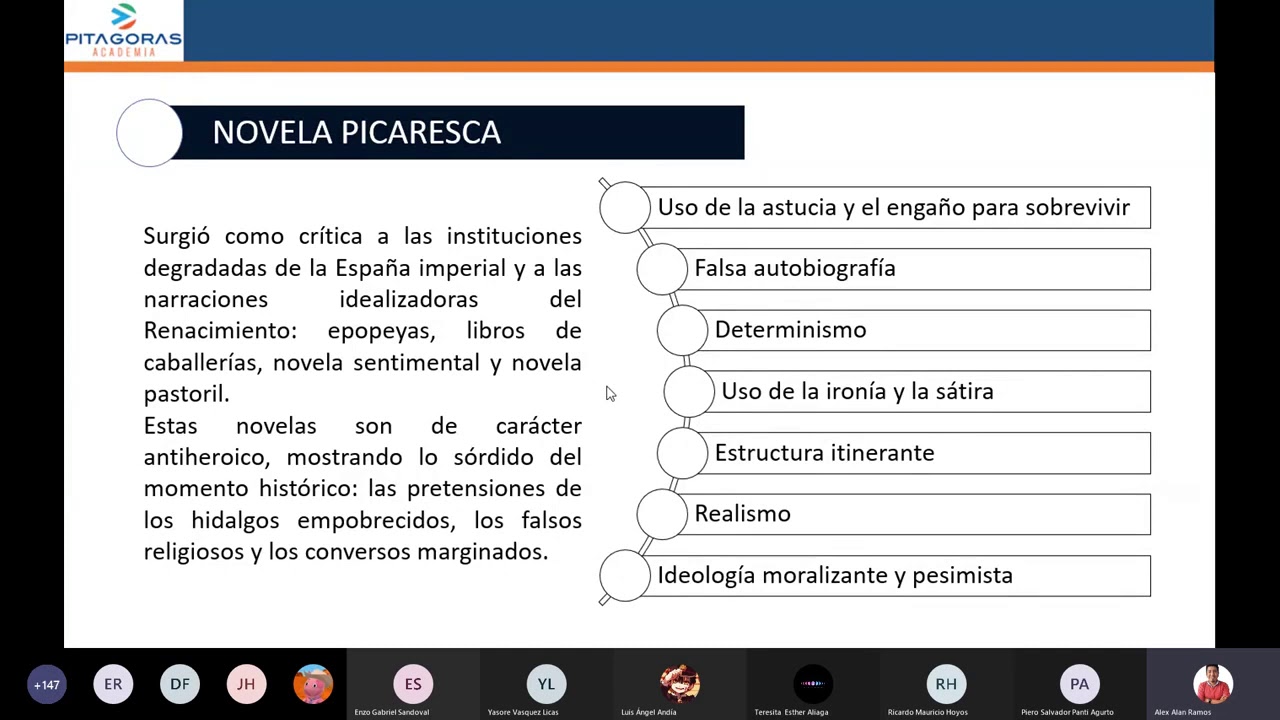


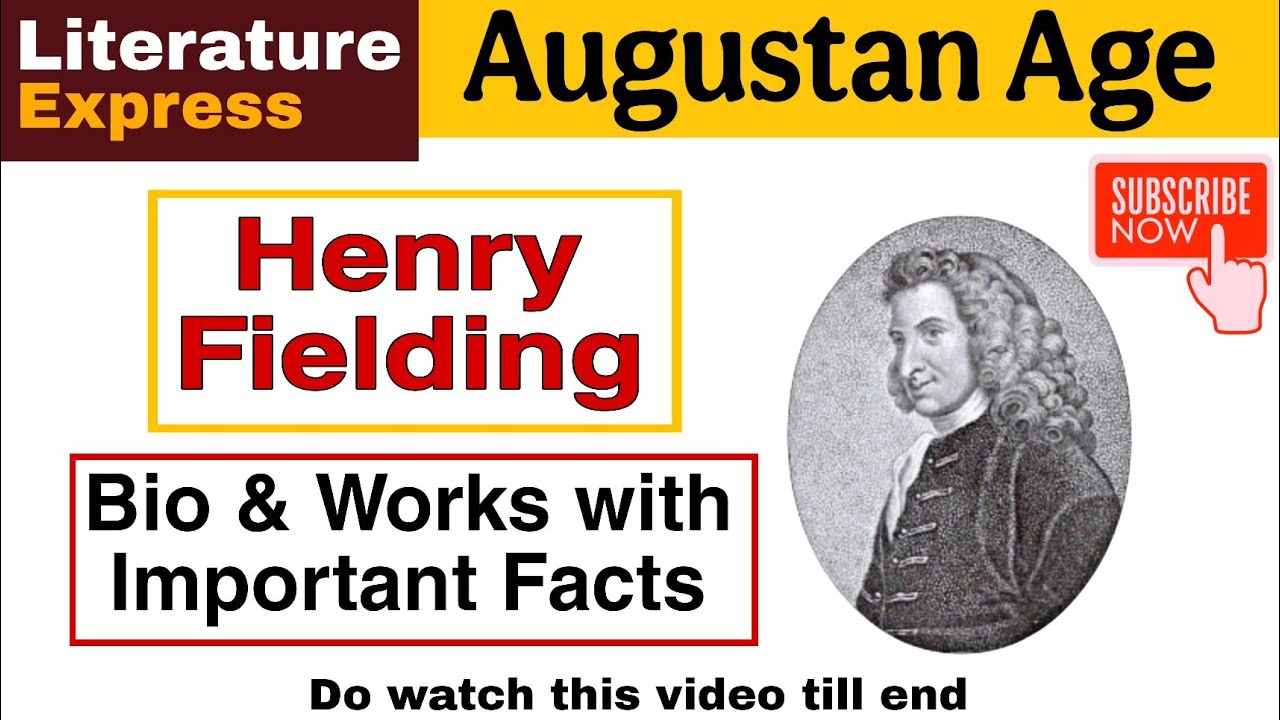









A picaresque novel is an episodic narrative form popular in Europe during the 17th and 18th centuries, featuring a picaro (anti-hero of low birth and evil life at war with society) who wanders from place to place in an effort to survive, often satirizing both the individual and society; the genre originated from medieval romances, gave voice to marginalized classes like beggars and vagabonds, and evolved from strict adherence to the picaro character to a broader definition requiring only an episodic narrative pattern, as seen in works like Daniel Defoe's Moll Flanders, Henry Fielding's Tom Jones, and Mark Twain's Adventures of Huckleberry Finn.
Picaresque Novel in English Literature | BA Sem 3 Reading Fiction Lecture 7
Added:Understanding of basic literary terminology, specifically narrative structure, prose fiction, and the distinction between plot and theme.
Familiarity with the concept of literary satire and how authors use irony, caricature, and humor to critique societal institutions.
An awareness of European history during the 16th to 18th centuries, particularly the socio-economic shifts in Spain and England that gave rise to class disparities.
Knowledge of the traditional heroic archetype in classical and medieval literature (e.g., chivalric romances), which serves as the direct contrast to the picaresque protagonist.
In-depth textual analysis of seminal English picaresque works, such as Daniel Defoe's 'Moll Flanders' and Henry Fielding's 'Tom Jones'.
A comparative study of the Picaresque novel and the Bildungsroman (novel of formation), focusing on how character growth and episodic structures differ between the two genres.
Investigation of the 'Neo-Picaresque' in 20th-century and contemporary literature, analyzing modern adaptations in works like Ralph Ellison's 'Invisible Man' or road-trip novels.
Application of Marxist and sociological literary theories to evaluate how the picaresque genre represents class struggle, marginalized characters, and economic survival.
652 views18likes21:59Original Release: 2020-07-07
[Music] hi students welcome to another session of reading fiction I am the Sheena let us continue the topic you already discussed about the term fiction its meaning characteristics then different subtitles that is fable short story no well it's a job and I think all of you who are familiar with this term fiction today we are going to discuss about different types of novel yes let us discuss in detail in the previous class we already discussed about that job Nowell evolution of nowhere etc and today we are going to discuss about different types of novel yes different periods in the history of the novel so the evolution of different forms of Tanana that means when we go through the history of English literature we can trace the evolution of different forms of this particular D'Andre particular and innocence means the different forms of Noble and we go through the history of English literature that is different periods in the history of the novel so the evolution that development of this particular literary form that is novel the previous class I already mentioned that this particular form that is no well it is believed that is alternated in the 50s century in the form of romances that is in the form of medieval romance chivalric romance that is in the form of ballad ex job that means the major types of major types of this particular language that is know will are the romance that is its first deformities believe at this particularly Theory rather or chanita din in the form of romance in the early 15th century so major types includes romance the picaros novel autobiographical novel epistolary novel historical novel vortac novel buildings Satur you top in oval this top in oval detect you know when science fiction cyberpunk chemical fiction and the canvas normal so we have to study all these different types of novel in this particular module in the first step would you let us discuss in detail today we are going to discuss two major types of novel what is the picaros Noble and the other one is autobiographical novel and the romance really discussed in the later class then picaros novel what do you mean by picaros novel how can we define this job or how can we define this particular literary form that is pecados noble pucara Snowville was an episodic narrative form of the noble popular in europe during the 17th and 18th centuries is this particular literary form regards novel it was an episodic narrative form that is episodic in nature and popular in Europe during the 17th and 18th centuries look at the centuries that period in the history of English literature that is important first first it is believed that this literary form or gene agent from romances that is 15 the century but this particular literary form the car is normal it is believed that popular in Europe during the 17th and 18th centuries and the Spanish term Picaro or the car horn that is the antihero of such a noble is the Spanish term Picaro or pikarin and the antihero picaros novel is considered as the Picaro on the Picaro and was translated into English this Spanish term Picaro was translated in the King lishus the Picaro which means is coral of no birth and evil lies at war with society that is the meaning English meaning that is the meaning of the English term Picaro a scoundrel of low birth and evil lies at to war with a society that is the meaning that is we have given to the English term of the English term the cardoon so the Spanish term Picaro or pikarin that is the anti-hero of regardless normal is considered as the Picaro or Figaro and this particular term was translated into English as the picado which means what is the meaning of that job the car on which means in scoundrel of low birth and even life at war with the society so it is considered as one of the earliest forms of normal and it relates to D adventures this particular literary form relates to the adventures of a rock or a person with a low status lower rank for a scoundrel of low birth etc so this particularly Derby form was episodic in nature and it relates to the adventures of whom adventures of a person with a cohort of lore and such a person is called Picaro or Picaro that is a scoundrel or a rock or a person with law status of law birth etc so this particularly Derby form relates to the adventures of such a person and he drifts it from one place to another and from one social media or social background try to the form is effort to survive it is the this particularly turning form means this person Tandi hero Picard is normal that is the Picaro or is Council of low birth I or that rock etc he wanders or he drifts from one place to another or from one social background to another formless effort to survive that's why it is called episodic in nature that is its narration is in the form of first-person narrative most of the Baqarah Snowville most of the Bogardus know and is in first-person narrative because it is the narration of his experiences adventurous experiences that he's he drips from it is a main character that is the antihero of such a returning from that is pucara snow and he wanders and he is considered as a wanderer because he wanders from one place to another and from one social background channel therefore in his effort to sunlight and each set arises this particular literary form satirizes the individual and the society each depicts in 15th century all of it clear yes this particular literary form it is a theorizes the individual and the society it depicts then Spain shifted from a feudal to a monarchical society in 16th century making a large section of the society interpreters and vagabonds that means there is a shift in the class structure of the society of the Spain that is being shifted from a feudal system to monarchical system in 16th century the resulting a large section of the society into beggars and vagabonds and the picaros gave a voice to this class this particular literary form pucara means the anti euro of that particularly terraform the pakoras gave a voice to this class in the society that is these beggars and vagabonds of the society and giving an outsider's perspective on the society an early example is the anonymous that is we don't know the exact order behind this littering work and the early example is the anonymous Lazarillo de Torme's Torme's it is one of the earliest examples of this literary form that is vigorous noble and later special specimens had big Picaro as the first person narita is first the procerus gave a voice to this class giving an outsider's perspective on the society that is the narration that is in the form that is giving an outsider's perspective on the society or the class that structure existed in the society but later the this particular Indian in this particular literally from the narration had the nourish the point of narration that has changed that his later specimens had the Picaro as this angie he lured this particular character he is considered as the first person narrator for first person narration the best example is Daniel Defoe's Maud Flanders in English literature that is Daniel Defoe's the 17th century writer his Moll Flanders is one of the best examples for that first person narration and the small planters herself vigorous noble then the director of the Picaro can vary from a rather than hapless hapless in the sense means unlucky or unfortunate that is the character of the Figaro at character can be from a rather unless there is in the very from that one unfortunate or unlucky situation even though he's a clever person then bunking to a trickster mountain means unsophisticated or a socially awkward for a person from a countryside pumpkin to a trickster trickster means a person who is tricky or who has killed to cheat others disease others exit on so the character of the Picaro can vary from a rather hapless dog lover honking to a trickster who manipulates who genes or disease others with her cruelty and finish finish the sentence means a impressive nature or losing his skill etc that is he may be that is the character of the Picaro can vary from another hapless dog lover that is this character may be a clever person but he's and he can barely pretend bumpkin that is from an sophisticated or a socially awkward person from a countryside to a trickster that is a person who is tricky for who has a skill in Ardis eating out cheating others or who manipulates others with cruelty and finish finish means using his field or in impressive manner so this particular the portrayal of the particular character in this literary form it is character that can vary from hapless though clever bump into a trickster and who man flips others with royalty and Finny's then these stories often end abruptly with the Picaro leaving for America pursuing a new life or to the galleys is these stories that is most of the epic Aras novels that often end abruptly abruptly in the sense means end in the southern manner the end abruptly with the Recaro leaving for America in the most of the picaresque novels we can see that the stories end in a sudden manner that is interrupting with the main character that is the potaro that main character leaving for America pursuing a new life pursuing a new life in the sense means which leaves a scope for sickles exit are pursuing and you like that now he is living a bad life that is in the form of it Ricardo or like a trickster who Chiefs or deceive sagres etc so he pursues a new life so most of the vigorous novel end in abruptly if the Picaro leaving for America pursuing a new life for today Dallas that means in broader definition of the term these novels need not have a Picaro verse they have not ever prod them honest instead they need only an episodic narrative pattern yes that is in later years this particular literary form got a broader definition what is that meaning these novels that is pecados novels need not have a Picaro that if Kara means a person with her low status of blows inferior right or a scoundrel or a rock so these novels did not have a Picaro that is such a character as their protagonist instead they need that is this literary work need only and episodic narrative pattern it is in later years it that is this particular literary form got a broader definition that is there is a change in the representation of this particular leader before these novels need not have a Picaro as their protagonists they don't want such a character as they brought the bonus instead they need only if only an episodic narrative Roger that means they want you to represent the adventures of particular character and uh that pair character need not be of Picaro for a person from inferior rank or a social status or a log or a scoundrel etc but they want an episodic narrative pattern that is the development in happened in this particular literary form so in this sense Henry Fielding's Tom Jones and Mark Twain's Adventures of Huckleberry Finn are examples of this particularly Devi form that I referred to as being wholly or partly Bogardus these two box that is Henry Fielding's Tom Jones and Mark Twain's Adventures of Huckleberry Finn are referred to as being wholly or partly pecados that means the characters in these two was unconscious and they wanders from Oda drifts from one place to another place and they made some adventures in their life that's why I look at the title of Mark Twain's for Adventures of Huckleberry Finn maybe this Huckleberry Finn is from a is he is a wanderer and his biscuit Alda narration of that particular story relates to that vengers of Huckleberry Finn and these two words are considered as partly because not fully considered a settler is normal and Byron's narrative poem don't join is there rail tale software pecan a story in verse that is a negative number exceptionally that is avatar is Noel takara story in verse form for example Byron's narrative form dawn gent is a form it is not as if not in a prose form it is in a worse form and the picaros our life experience to adventures that is the point here the picaros are the characters in this particularly journey from their own life experience through adventures and irrepressible Independence of the Picaro is checked out poster with the society's anti trouble Asli teachers these fringe characters it were principal independence irrepressible these repressive amines controllable so irrepressible means uncontrolled so the uncontrolled Independence of the Picaro is just supposed to be the disciples in the sense means contrasted with the society's unalterable hostility and on trouble means unchanged hostility means indifferent attitude to verse 4 a hostile attitude unfriendliness hostile attitude no indifferent attitude towards these French characters is the irrepressible uncontrolled Independence of the Picaro so I already told you these characters are Wanderers that me that means from one place to that is drips from one place to another or from one social background to another in their effort to survive and most of these characters airplanes into some adventures so the uncontrolled Independence of the Picaro he is contrasted with the societies and the society considers these characters as something from inferior rank or scoundrel ho etc the Society has a hostile or indifferent attitude towards these characters so the irrepressible on the uncontrolled Independence of the Picaro is just a force that is an orphan trusted with the societies and ultraman change hostility towards that is the indifference or unfriendliness towards these fringe characters and all the gardens have dynamical masters most of these characters have tyrannical masters who divide servile attitude towards them because society considers these characters in such a way and later is because novels in modern literature of Herman Melville is the conference Matt Joyce carries the holes mouth Carol Philistines Invisible Man Saul Bellow's that whingers of Augie March etc so what do you mean by the goddess noble it was an episodic narrative form of the novel popular in Europe during the 17th and 18th centuries and it he believes in The Adventures of Peter ooh that is a character from inferior rank or a scoundrel owner law extra and he may be a wanderer and he drips from one place to another or from one social background janitor in an effort to survive it is the definition that we have given to this particular literary form it is regardless normal I think all of you understand this session the this and particularly germy form that is the goddess noble student is there is a woman for you nobody is write your note on vigorous novel right so go ahead send back to me next we are going to study autobiographical normal to be continued in the next session thank you have a nice big scene again you
Up Next
13:01
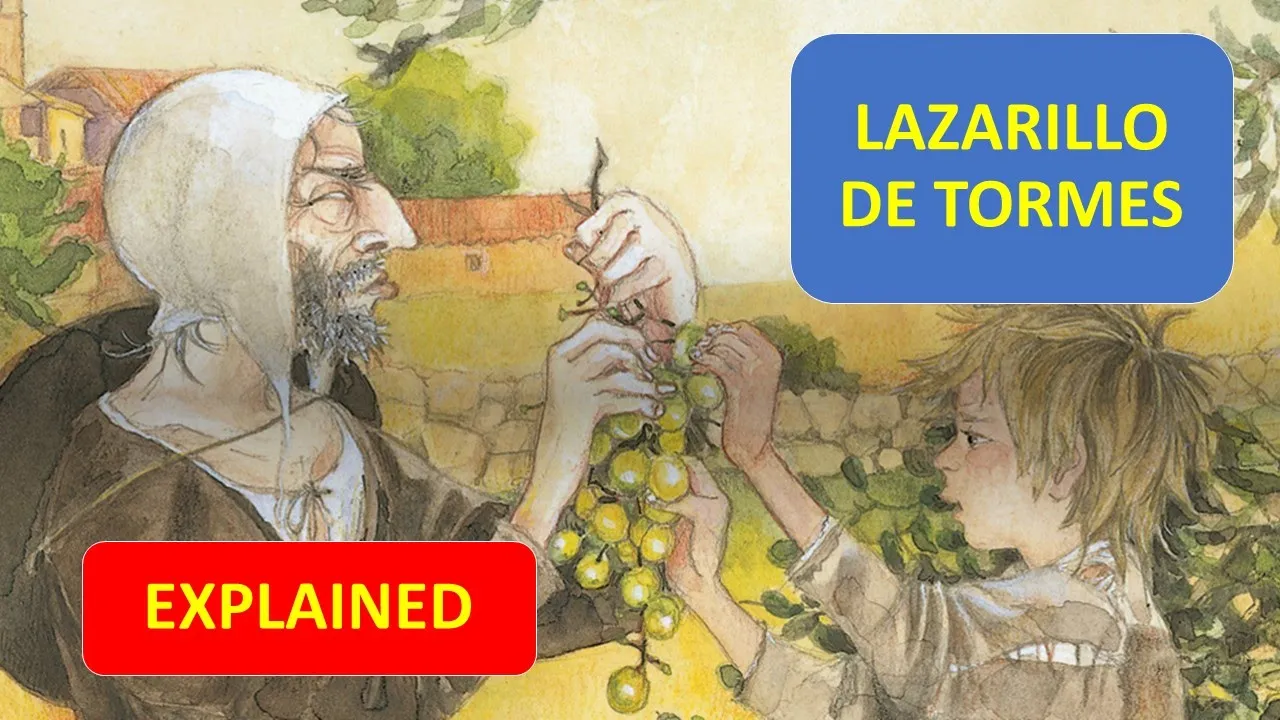
Lazarillo de Tormes Explained: Picaresque Novel Study & Analysis (Spanish/English) Study Guide Help
@LearningSpanishwithDrL
3.4K views•2023-02-11

13:43
Formalism in Literary Criticism: An Academic Lecture Overview
@mattalberhasky9952
39.1K views•2015-08-05

6:08
Point of View in Fiction: First Person vs. Third Person
@magicalthriftyteacher
153.8K views•2014-03-31

15:25
1984: Orwell's Dystopian World and the Mechanisms of Totalitarianism
@AlternateHistoryHub
7M views•2017-03-04
Related Study Plans & Knowledge Roadmaps
Structured learning paths in Literature
literature
Graphic Memoirs: Visual Art, Trauma & History
01Foundations of Sequential Art and Visual Language
02Autographics and Processing Historical Trauma
03Visualizing Personal Trauma, Grief, and Graphic Medicine
+ 2 more learning modules
14h5 modules
Explore Roadmap
literature
Campus Novels: Evolution, Themes & Critique
01Introduction to the Campus Novel Genre
02Mid-Century Satire and the Post-War Academy
03Dark Academia and the Critique of Privilege
+ 2 more learning modules
14h5 modules
Explore Roadmap
literature
Theater of the Absurd: Philosophy & Plays
01Postwar Existentialism & Historical Roots
02Dismantling Narrative: Esslin & Absurdist Conventions
03Samuel Beckett and Tragicomic Existentialism
+ 2 more learning modules
12h5 modules
Explore Roadmap
literature
Revenge Tragedy: Justice, Madness & State
01Foundations of Early Modern English Theatre
02Anatomy of Revenge: Structural Conventions
03Psychological Complexity: Madness and Melancholy
+ 2 more learning modules
15h5 modules
Explore Roadmap