











![Siglo de Oro: Lazarillo de Tormes 📚 Literatura [CICLO FREE]](https://i.ytimg.com/vi/oyTNr0KwK-k/maxresdefault.jpg)





Lazarillo de Tormes, an anonymous 16th-century Spanish novel, exemplifies picaresque literature by depicting the harsh realities of poverty during Spain's Golden Age through the eyes of a poor boy who serves seven masters, revealing how social roles and wealth are often deceptive appearances.
Lazarillo de Tormes Explained: Picaresque Novel Study & Analysis (Spanish/English) Study Guide Help
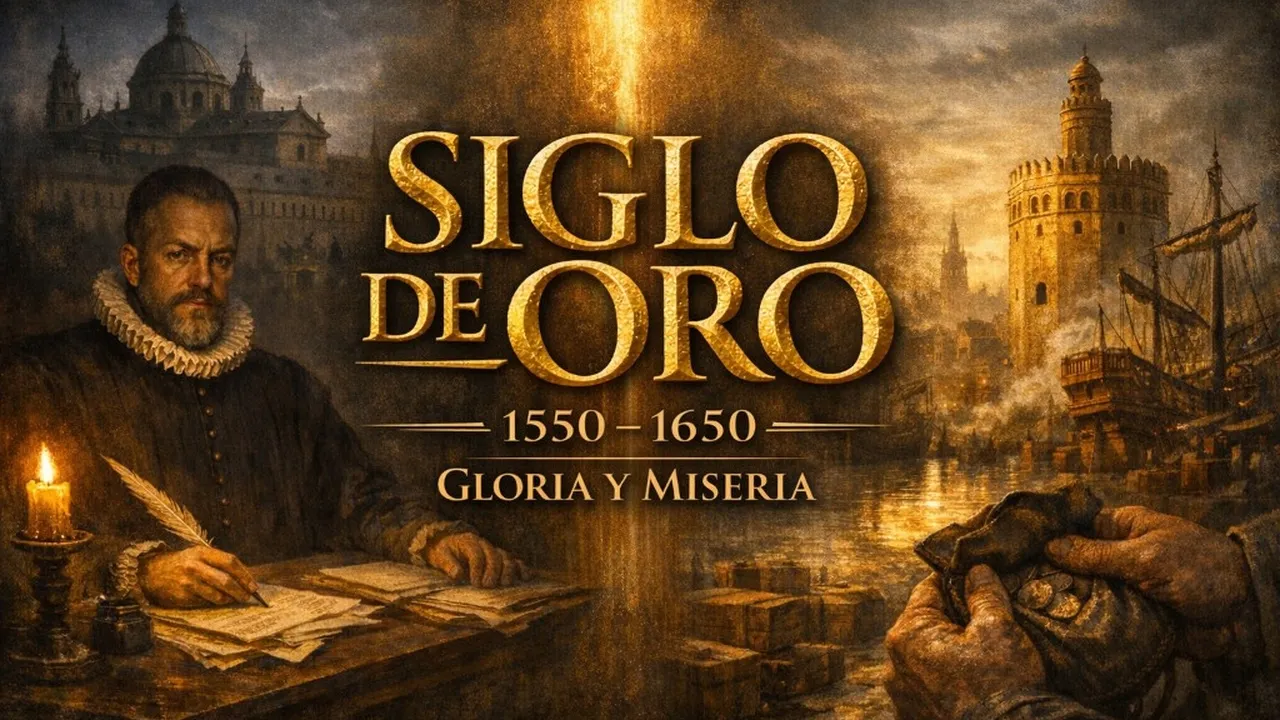
Added:Understanding of the historical context of Spain's Golden Age (Siglo de Oro), including the stark socio-economic disparities and the pervasive influence of the Catholic Church.
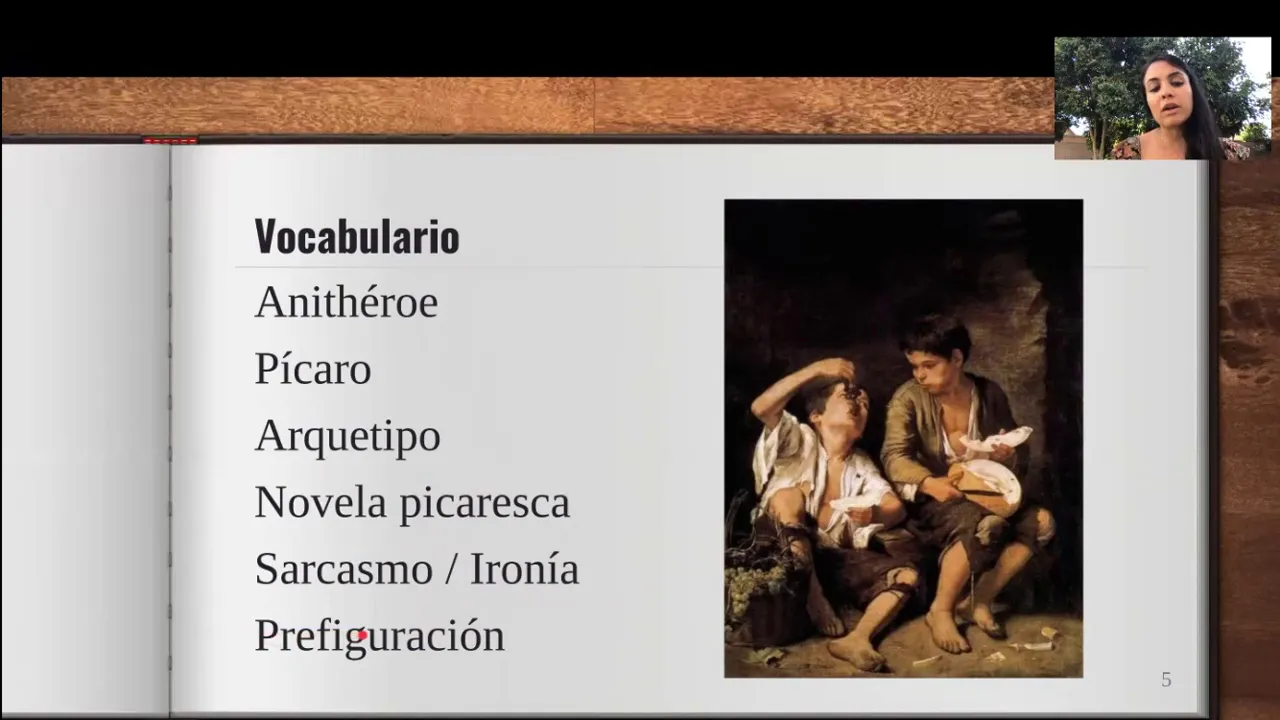
Familiarity with the concept of the 'antihero' or 'pícaro' as a literary foil to the idealized knights of traditional chivalric romances.
Basic knowledge of literary satire, irony, and anticlericalism, which are essential for recognizing the social critiques embedded in the text.
An understanding of first-person epistolary narrative structure, specifically how framing a story as an address to a mysterious figure ('Vuestra Merced') shapes the perspective.
Analysis of how 'Lazarillo de Tormes' established the foundational conventions of the picaresque novel and influenced later European literature, such as 'Tom Jones' and 'Huckleberry Finn'.
A comparative study of Miguel de Cervantes' 'Don Quixote', analyzing how it contrasts and dialogues with the picaresque tradition.
A deeper investigation into the socio-political theme of 'honra' (surface-level honor and lineage) versus 'hambre' (systemic hunger) in 16th-century Spain.
Exploration of the historical impact of Spanish Inquisition censorship, including why the novel was published anonymously and later banned or heavily redacted.
3.4K views47likes13:01Original Release: 2023-02-11
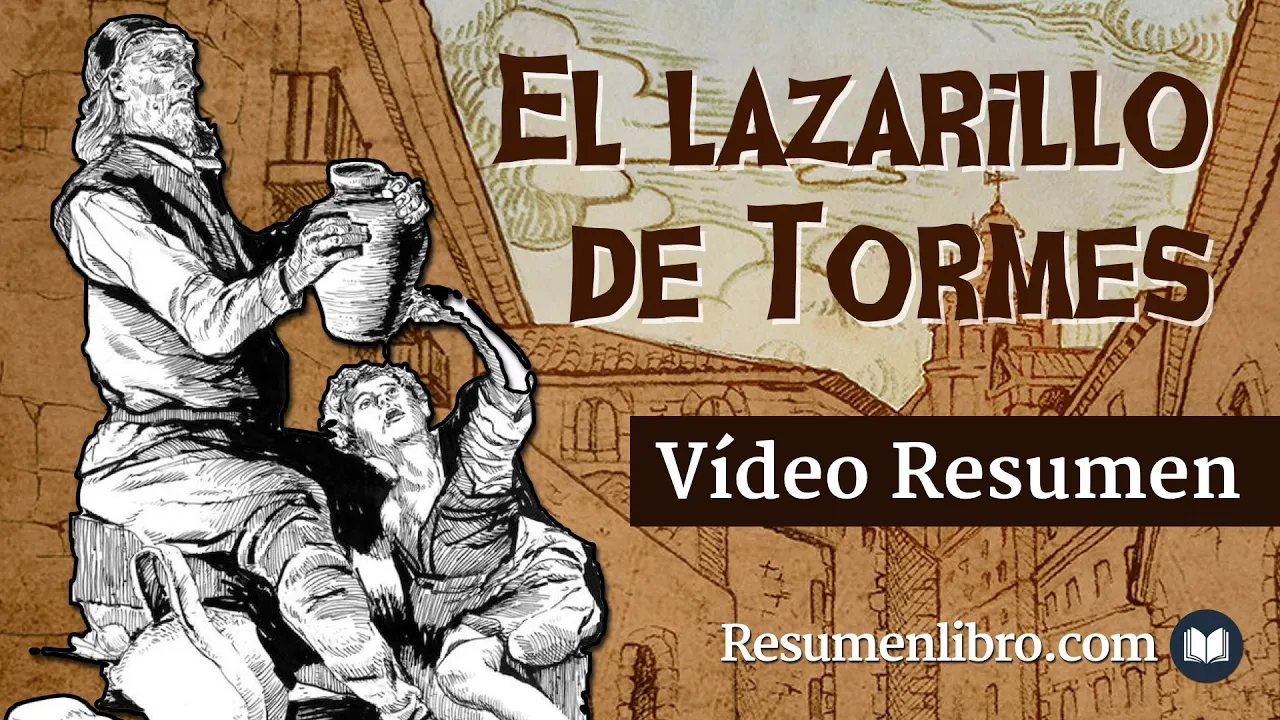
hola amigos yosoi Dr LeBron de tormes so in this video we'll go back and forth between Spanish and English English so you can understand the information at a deeper level in Spanish so that you can write about this information and be successful on your test and we'll try practice activity at the end of the video all right all right so the author is anonymous because he or she has fear of the Spanish Inquisition so there's a small part to the story where there's um a priest that doesn't quite follow his religious beliefs and um so that's the reason why the author might have fear of the Spanish Inquisition and so it's the picaresque style literature and which deals with picaros which are pickpockets or these poor children that are living on the streets and it's kind of ironic because this is Spain's golden age of Spanish Literature and just Spain's golden age in general because of all the gold and wealth and silver that was coming in from the Americas into Spain but at the same time you've got extreme poverty and this novel kind of portrays what life may have really been like for the common person in Spain all right courses literario so electorally so some literary devices you might be required to write about on your test so the reader is the person that's reading the novel and prose means it's just written out in story format how you would naturally Express language mochacho muchacho Mas but on C ASI quasi Kasi mesmo Nismo all right so this story is about 500 years old and you can see that the Spanish language has changed a little bit in the orthography or the spelling so muchacho for boy may have been mochacho as we say in the story and typically for but the conjunction we use pero in Spanish but a long time ago they use the word Mas without the accents so if you were to type Moss like you were meaning more with the accent it wouldn't know the difference because Moss without the accent and Moss with the accent are both words but in this story a lot of times let's say instead of saying pero for but they're saying Moss without the accent okay ASI for so they've got an extra n there on C and then Cassie for almost it's got extra letter in there quasi and then same thing for mismo for the same just one letter has been changed slightly May smell all right so though you just have to be a little bit flexible with some of the spelling because the language is a little bit older than we might be used to reading all right sobre oh El Toronto primero um el padre de las Rio muere la Madre de la serrio mandole Amo El ciego dice all right so just a little bit of background information from the first chapter of the story lazario's father has died and so his mother is having trouble taking care of him and paying for his food and she remarries so maybe she's not so much interested in the child from the first marriage but anyways this nice blind man comes by who's looking for a Helper and so she sends Los Rio on his way with a blind man and the blind man says I wouldn't not receive him as a Helper but as my own child so it sounds like it's going to be a good fit but let's see what happens in the story all right you have almost a blur on Pokemon sobre el Primera Amo de las Rio El ciego uh in a Libro Quinta que El Cielo ganaba meso Hacienda Casas oraciones medicina so the first owner of Los Rio or first custodian is the blind man and it says that the blind man earned more in one month than a hundred Blind Men in a year so the blind man was was very astute at doing what he did and so what were some ways that he earned money per nostikos he could predict if a pregnant lady was going to have a boy or a girl he could give prayers um he could come up with different medicines different Herbal Remedies and these may have worked or maybe they didn't but that's how the blind man earned more in one month than a hundred Blind Men in a year so he was good at what he did all right so that indicates that um he had some money coming in but let's take a look at what happens with losario all right La trampa Lazaro Yeager eloito is Gran Rito dentro Del diomen una Grand calabasada in El Diablo del Toro yes que El Diablo so the first thing that happens with a blind man in Los Rios are leaving the city is the blind man teaches him a lesson he says lazario put your ear against this bull which is a statue made out of stone and you will hear a big noise inside of him and when Lazaria does that the blind man takes lazario's head and smashes it into the bowl and he says fool you need to learn that the helper of a blind man has to be sharper than the devil so he's teaching him a lesson to begin with right La venganza el ciego tiene comida pero no compart is so because the blind man can't see Los Rio is able to do some tricks on the blind man to get some wine and some grapes and some bread because the blind man even though he has lots of food and money he doesn't like to share with us Rio and then eventually when Los Rio has had enough of the abuse he has the blind man jump into a pillar thinking that he's crossing a stream and so lazario gets his revenge on the blind man and then he's on to his next owner all right El Segundo Las Rios all right so this is probably the reason why the Spanish Inquisition banned this book from being read and why the author was anonymous because he didn't want to get in trouble with the Spanish Inquisition um so the priest should be sharing with losario because that's his job but the priest locks up all his food in this big wooden chest and he only gives lots of real onions to eat but eventually this iron worker comes by offering his services in Los Rio has him make a key for this chest and he pays the iron worker with a loaf of bread inside the chest so now Los Rio has the key to get into this chest filled with food that the priest doesn't want him to have access to all right El salsadote piense Rio so here we have an example of the more violence in the story at first the priest thinks that maybe it's mice or that it's a snake that are getting into this wooden chest so Los Rio keeps drilling holes into the wooden chest the priest keeps filling the holes and the holes keep reappearing um then I think maybe it's a snake that's getting into the chest lazario suggests that maybe they put a piece of cheese in there to catch the animal and then lost real eats it and then eventually the priest finds lazario sleeping with the key in his mouth it makes a whistling sound and then when the priest discovers this he hits Los Rio in the head and injures him and then lazario is on his way to his next donor all right El tercer Amo El escudero El escudero paresorio is all right so the third owner of lazario the third caretaker is a squire so he's works the nobility he appears rich but he isn't Rich at all but the other thing is he is actually nice to Los Rios that's a good thing and the part that's ironic is that Los Rio then shares his food with the escudero and it's supposed to be the other way around right must almost so then lazario continues on with more owners uh Amo cuatro infrail De La Merced um all right so it goes on from owner to owner number four is a friar number five umbularo I'm somebody that sells letters that pardon sins I'm supposed to be coming from the pope but he's a phony uh owner number six the painter owner number seven is a sheriff and so the craziness kind of continues so in the end of the story everything kind of works out for Los Rio he eventually marries this young maid she's the daughter of the Archbishop bishop and eventually they rent a house and everything works out for lost Rio in the end so happy story all right De Los primeros Tres Amos all right so I'll give you a little bit time to work just pause the video but see if you can give an example of the false appearances of the first three caretakers of Los Rio and I'll give you my interpretation in just a moment all right comida hello Amo all right so here's some examples of the irony with the first three owners and some false appearances is the blind man he has money in food and he says that he's going to treat lustria well but he doesn't like to share his food with us Rio and he's actually really cruel and mean and abusive to Los Rio all right the Kura the priest he has food also and he's religious and he's supposed to follow the rules of his faith and share and treat others how he'd want to be treated but he doesn't follow those rules um he doesn't share the food with Los Rios that's kind of ironic and The Squire is his third owner he appears rich and so lazario thinks he's into a good situation but he's actually poor and then actually the irony is that lazario has to support his owner all right so those are some examples of the irony and false appearances in the story all right graciasam and Grande hasta pronto ciao nospemos
Up Next

12:36
The Swindler by Francisco de Quevedo | Spanish Picaresque Analysis
@MayberryBookclub
330 views•2022-01-02

13:43
Formalism in Literary Criticism: An Academic Lecture Overview
@mattalberhasky9952
39.1K views•2015-08-05

6:08
Point of View in Fiction: First Person vs. Third Person
@magicalthriftyteacher
153.8K views•2014-03-31

15:25
1984: Orwell's Dystopian World and the Mechanisms of Totalitarianism
@AlternateHistoryHub
7M views•2017-03-04
Related Study Plans & Knowledge Roadmaps
Structured learning paths in Literature
literature
Graphic Memoirs: Visual Art, Trauma & History
01Foundations of Sequential Art and Visual Language
02Autographics and Processing Historical Trauma
03Visualizing Personal Trauma, Grief, and Graphic Medicine
+ 2 more learning modules
14h5 modules
Explore Roadmap
literature
Campus Novels: Evolution, Themes & Critique
01Introduction to the Campus Novel Genre
02Mid-Century Satire and the Post-War Academy
03Dark Academia and the Critique of Privilege
+ 2 more learning modules
14h5 modules
Explore Roadmap
literature
Theater of the Absurd: Philosophy & Plays
01Postwar Existentialism & Historical Roots
02Dismantling Narrative: Esslin & Absurdist Conventions
03Samuel Beckett and Tragicomic Existentialism
+ 2 more learning modules
12h5 modules
Explore Roadmap
literature
Revenge Tragedy: Justice, Madness & State
01Foundations of Early Modern English Theatre
02Anatomy of Revenge: Structural Conventions
03Psychological Complexity: Madness and Melancholy
+ 2 more learning modules
15h5 modules
Explore Roadmap