

















The global supply chain's fragility stems from decades of prioritizing cost-cutting and efficiency over resilience, exemplified by over-reliance on single-source manufacturing (particularly China), deregulation, and corporate incentives favoring short-term profits over long-term security; fixing this requires collective action and systemic reform rather than individual company efforts, as the current ad hoc structure lacks coordination mechanisms to prepare for future crises.
Why Global Supply Chains Break and How to Fix Them
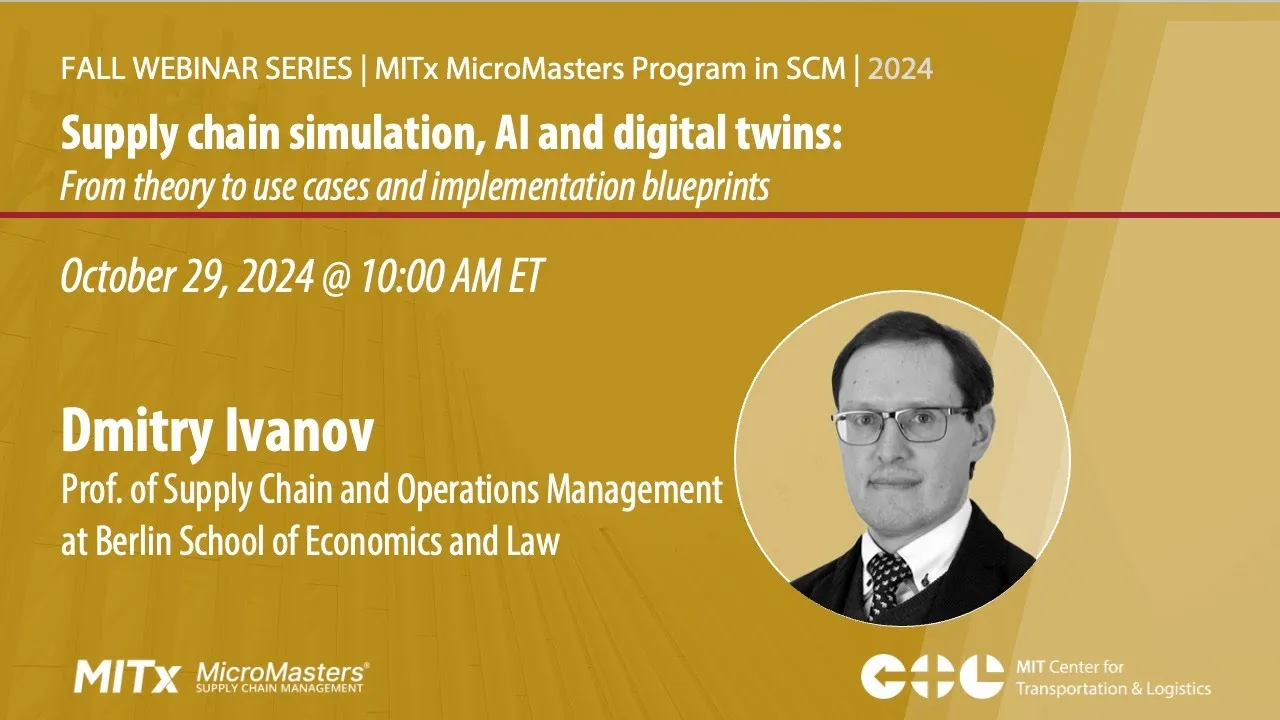
Added:Basic concepts of Supply Chain Management (SCM), including logistics, procurement, and the flow of goods and services.
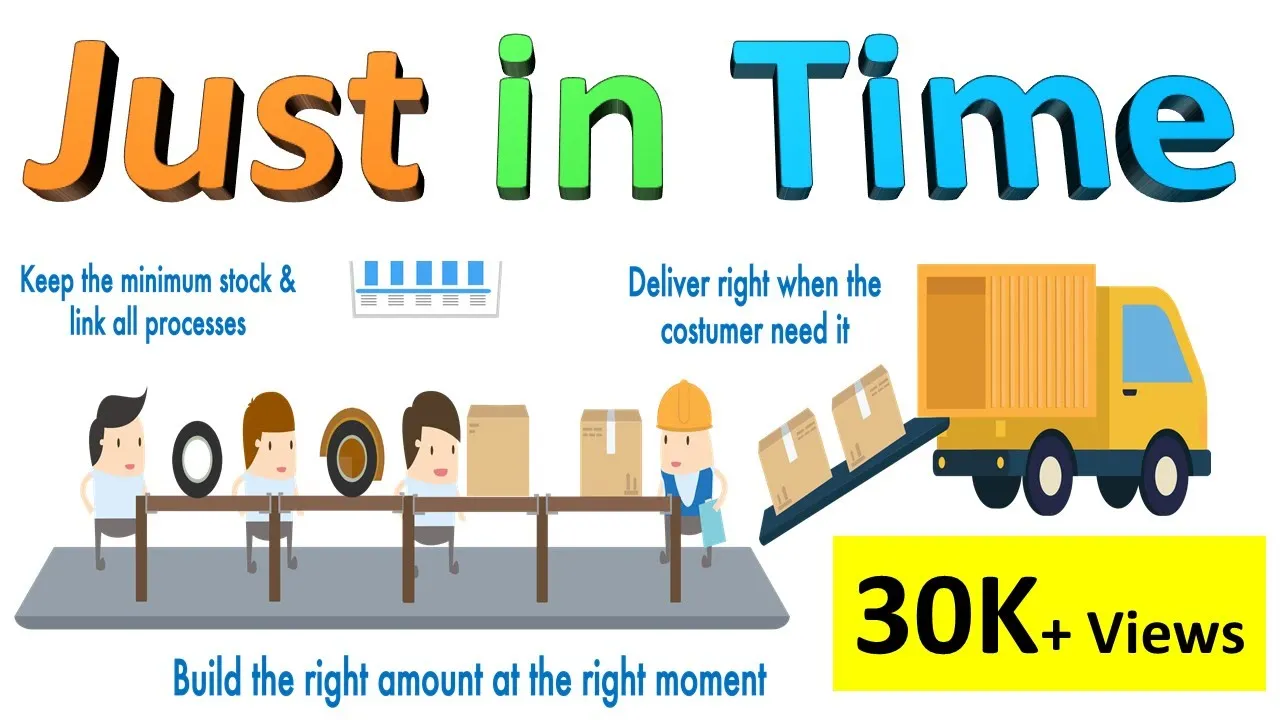
The principles of 'Just-In-Time' (JIT) manufacturing and how lean inventory models maximize cost efficiency.
The economic drivers of globalization, specifically outsourcing, offshoring, and comparative advantage.
The concept of systemic risk and how bottlenecks form within complex, interdependent global networks.
Strategic risk mitigation frameworks, such as dual-sourcing, nearshoring, and 'friendshoring'.
The integration of digital technologies (AI, IoT, and Blockchain) to improve end-to-end supply chain visibility and forecasting.
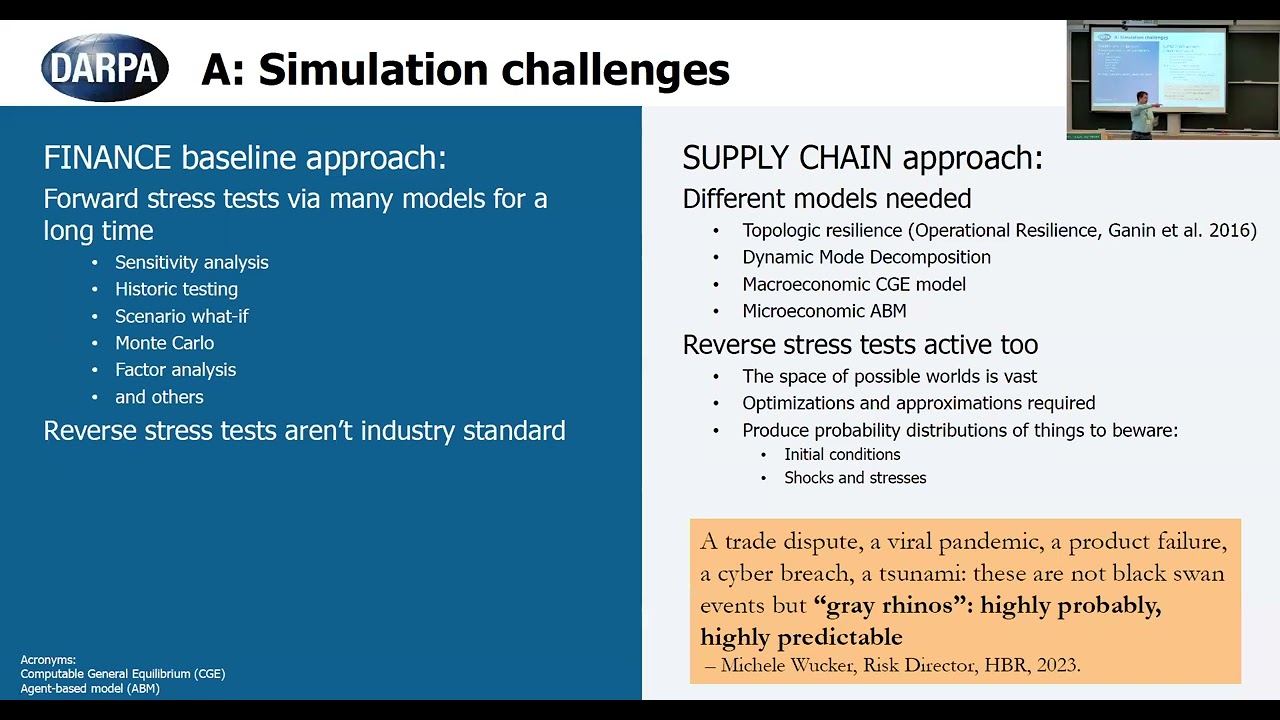
Quantitative stress-testing and simulation modeling techniques used to evaluate supply chain vulnerability.
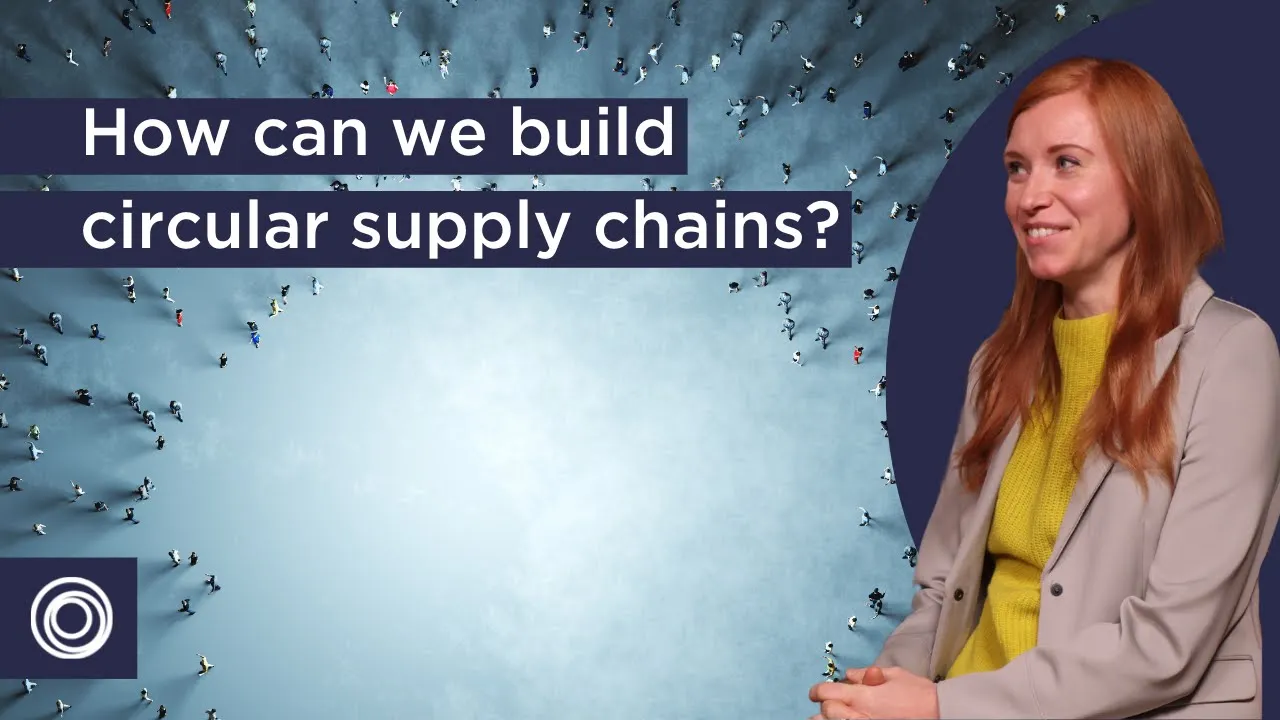
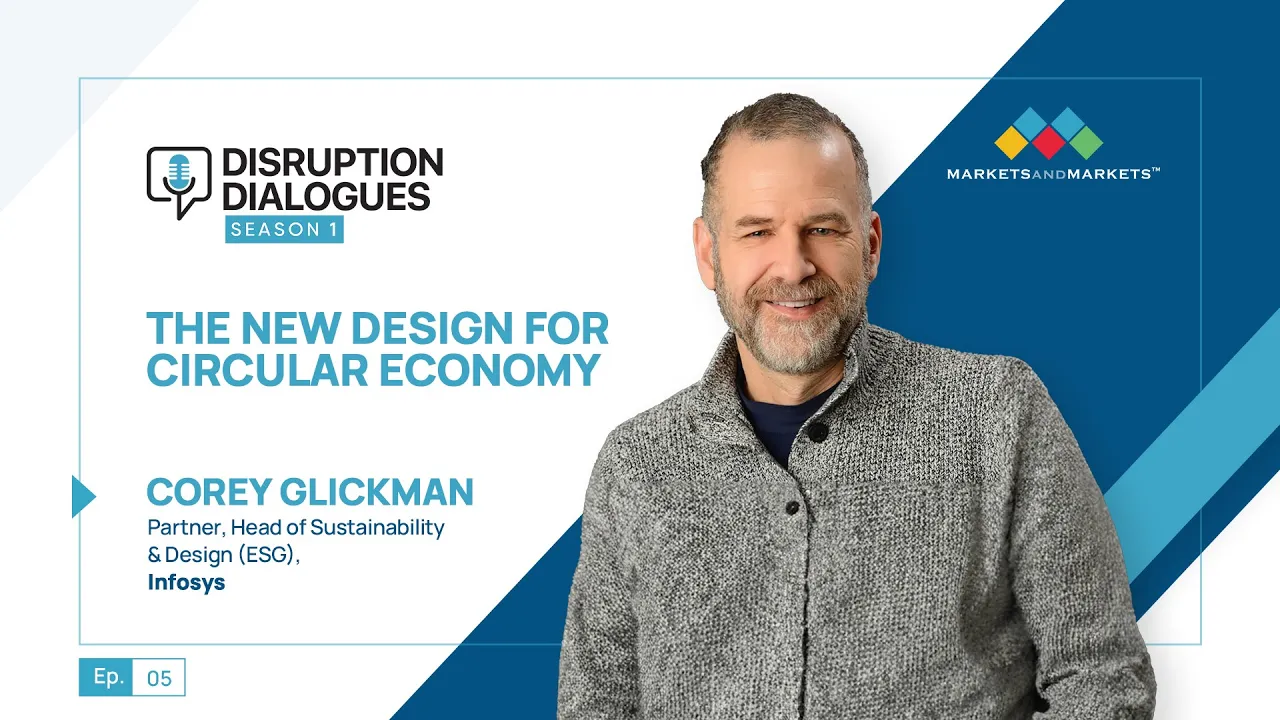
The design of sustainable and circular supply chains to address resource scarcity and climate-related disruptions.
14.8K views188likes5:43Original Release: 2024-06-11
Global Supply chains are vital for transporting products and services and are crucial for the world's economy but four years ago the covid-19 pandemic disrupted the network and caused numerous shortages a new book titled how the world ran out of everything inside the global supply chain takes a deeper look at how the Health crisis exposed the fragility of a system that was always at risk of collapse the book also provides an argument for reshaping the supply chain to improve its quality and strengthen it against future crises the author of that book Peter Goodman joins me in the studio he is a global economics correspondent for the New York Times Peter thank you so much um for joining us thanks for having me it's a it's a fascinating um topic let me let me just start with a quote of yours um which is about the period before we all learned the word supply chain and it got all tangled in a Marketplace in which many companies were already making Goods in China the company that failed to do likewise risked distinguishing itself as uncompetitive describe that environment that created the dependence on China tremendous investment by the Chinese Communist Party government uh in infrastructure ports highways very uh High success in getting people educated and skilled to work in factories and then really a lot of stuff that happened on our side of the Pacific you know the imperative by people running publicly traded companies to drop their costs as low as possible so was good for consumers it was good for the investor class and so they took for granted uh shipping which it turns out is an international cartel as I expose in the book it largely unregulated cartel and they put themselves at the mercy of this shipping industry treating factories in China like they might as well just have been in Ohio or down the street for that matter it worked out really well until we had shocks and those shocks got exposed in a big way during the pandemic and was this you you mentioned shipping were people noticing this beforehand and saying well this is all working out fine now but here are these choke points that should we have a problem are going to be a problem there have been warnings for years I mean I wrote my first supply chain story back in 1999 where there was an earthquake in Taiwan uh and some people said hm we we're making a lot of computer chips there maybe we should thinking about making other places as well there were shortages of course in 2012 Fukushima nuclear disaster we had shortages of electronics for months afterwards it really whacked a lot of companies operationally and people said stuff there was even a book came out in 2014 said a pandemic could really hit the global supply chain but the problem is that the person at a publicly traded company who says maybe we should diversify they're going to hit the next quarter's earnings the executive Who says let's keep doing it the way we've been doing it because that's good for shareholders they keep their job and those incentives are still in place today so could only have been fixed through Collective action and there's no body for that to to un to to prepare against these problems there's no Zar of the global supply chain you know it's not like we have some system cooked up by Wizards who went to the top of a mountain and thought about the most efficient way to do things we've got this very ad hoc kind of jury rigged series of overlapping systems a lot of deregulation a lot of kind of cultish reverence for a certain sort of efficiency that was all about lowest cost of doing everything but didn't account for the cost of running out of ventilators in the middle of a pandemic of you know waking up and discovering we're dependent upon Chinese fact for 95% of our personal protective gear so we got Frontline medical workers treating covid patients without gear because we've really concentrated all of our production in one place a place by the way that we happen to be having a trade war with sure EXA tell me about railroads you also uh you also write about that yeah so I write about something called Precision scheduled railroading which is a fancy way of saying let's fire lots of people let's scrap a lot of trains because it'll be good for the investor class the history of in the United States going all the way back to the robber barons is the story of investor interests taking precedence over everyone's interest in getting stuff moving so in the middle of the worst part of the pandemic we I tell the story in the book of this engineer who discovers huh I'm actually hauling rail cars going in the wrong direction I've got cars that are supposed to be going to Oregon with auto parts and chemicals they're going to California instead turns out the rail is so obset obsessed with giving Wall Street lower dwell time that's the amount of time that a car load of cargo sits in a rail yard that it's better to just attach these cars to wherever the next train is going and sort it out later so this this is you know the investor really getting ripped off this is shippers getting ripped off while we're catering to this very narrow metric now before I let you go Peter what um we know it's messed up is there are there fixes or is there is there something happening improve this situation well shareholders have to wake up to the fact that this kind of efficiency in the short term is not good for companies over the longer term consumers can't fix all this we're busy with our jobs we're taking care of our children we're just trying to keep our be lower by way we do want prices to be lower but you know what inflation is driven in large part by the supply chain problems so we're actually paying the higher prices now for the lower prices we've been getting for years to say nothing of the fact that you know if you run out of a ventilator in the middle of covid-19 you don't get to say well at least our share price is high excellent point Peter Goodman the author of how the world ran out of everything inside the global supply chain the book goes on sale Tuesday Peter thank you very much for Jo thank you John
Up Next

3:07
Offshoring Explained: How Globalization Hides Costs | John Urry
@channelmorph
24.8K views•2013-09-16

5:07
Impact of Yuan in Indo-Russian Trade Amid Sanctions
@WION
261.9K views•2022-07-01

10:33
Behavioral Economics Explained: Rationality, Nudges, and Risk
@crashcourse
1.1M views•2016-03-12

113:18
The Age of Easy Money: Fed & Inflation | Full Documentary
@frontline
21.2M views•2023-03-15
Related Study Plans & Knowledge Roadmaps
Structured learning paths in Economics
economics
Sovereign Debt: Defaults, IMF & Restructuring
01Introduction to Sovereign Debt & Government Bonds
02Debt Sustainability & Credit Ratings
03Anatomy and History of Debt Crises
+ 2 more learning modules
12h5 modules
Explore Roadmap
economics
Market Design: Matching Theory & Gale-Shapley
01Introduction to Market Design and Price-Free Markets
02Two-Sided Matching & The Gale-Shapley Algorithm
03School Choice Systems and Mechanism Design
+ 2 more learning modules
10h5 modules
Explore Roadmap
economics
Impossible Trinity: Forex, Capital & Policy
01Introduction to Monetary Policy and Central Banking
02Exchange Rates and International Capital Flows
03The Mundell-Fleming Model
+ 2 more learning modules
8h5 modules
Explore Roadmap
economics
Healthcare Economics: Market Failures & Systems
01Introduction to Healthcare Markets and Market Failure
02Asymmetric Information and Adverse Selection
03Moral Hazard and Insurance Design
+ 2 more learning modules
12h5 modules
Explore Roadmap