





















Dreams and sleep paralysis represent a unique neurological state where the brain explores social and emotional anomalies in a safe, simulated environment; during REM sleep, the brain becomes hyperactive in emotional centers while the prefrontal cortex is inhibited, allowing for exploratory simulations that can help individuals process fear and develop coping strategies, with cultural narratives significantly influencing how these experiences are perceived and interpreted.
Dreams, Nightmares, and Neuroscience: Dr. Baland Jalal
Added:The stages of the human sleep cycle, with a specific focus on the physiological and neurological characteristics of REM (Rapid Eye Movement) sleep.
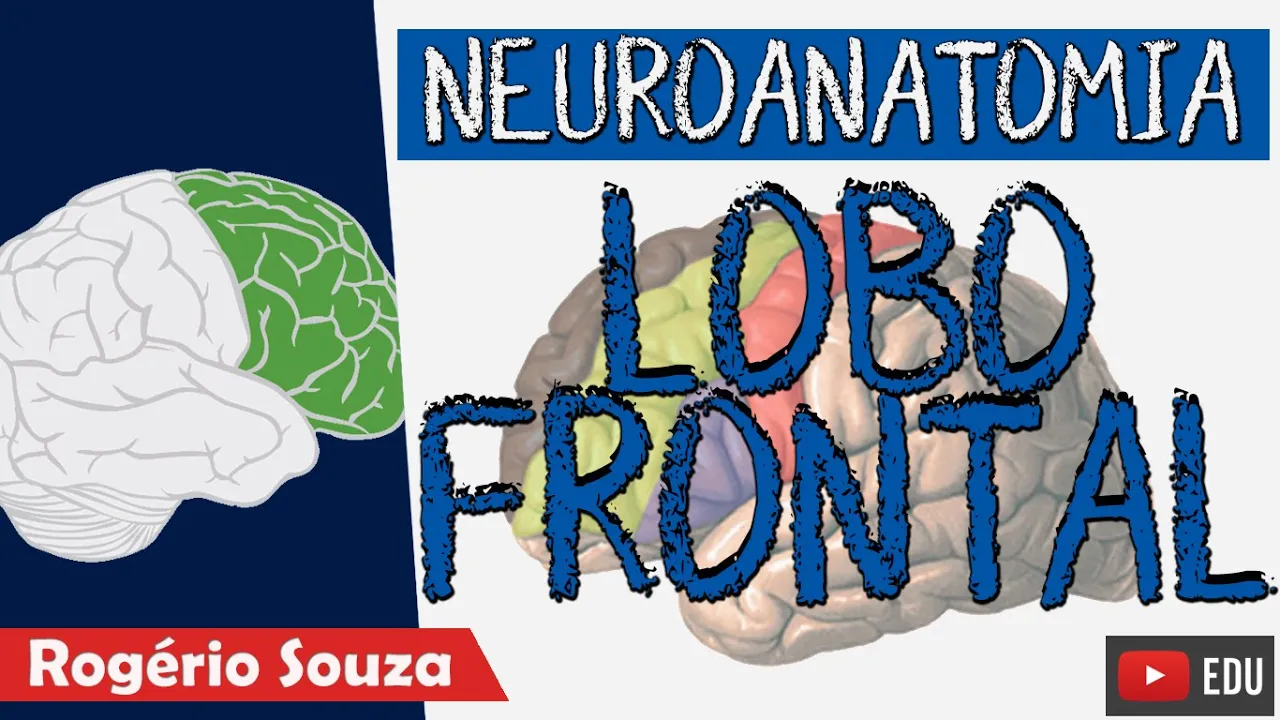
Basic neuroanatomy, particularly the roles of the brainstem (pons), amygdala, and prefrontal cortex in regulating sleep, emotion, and executive function.
The concept of REM atonia, which is the biological mechanism that temporarily paralyzes voluntary muscles during dreaming to prevent physical movement.
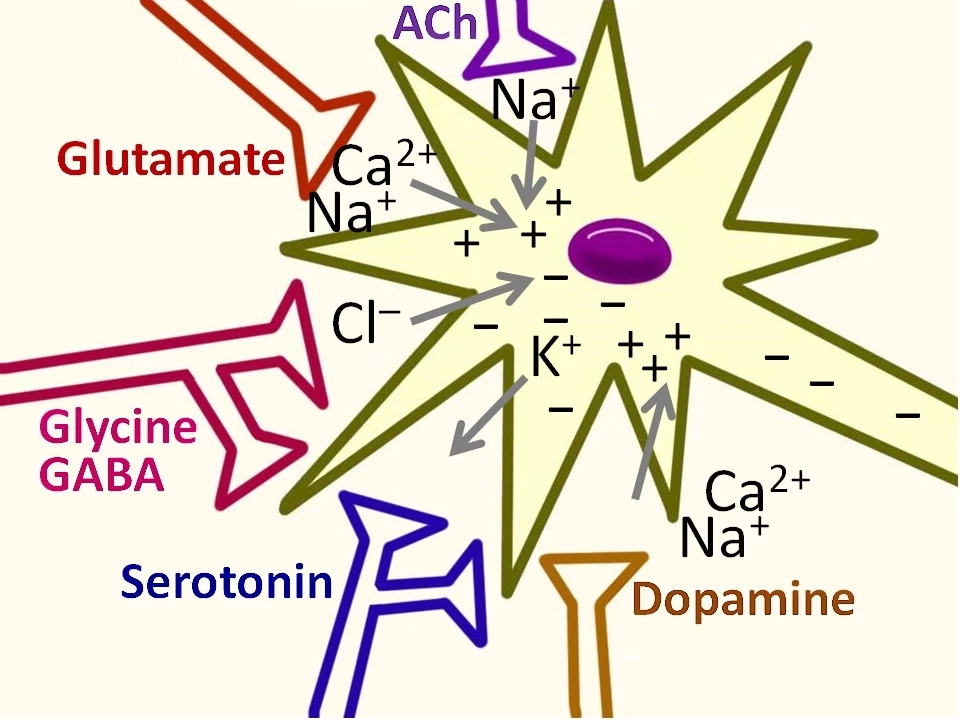
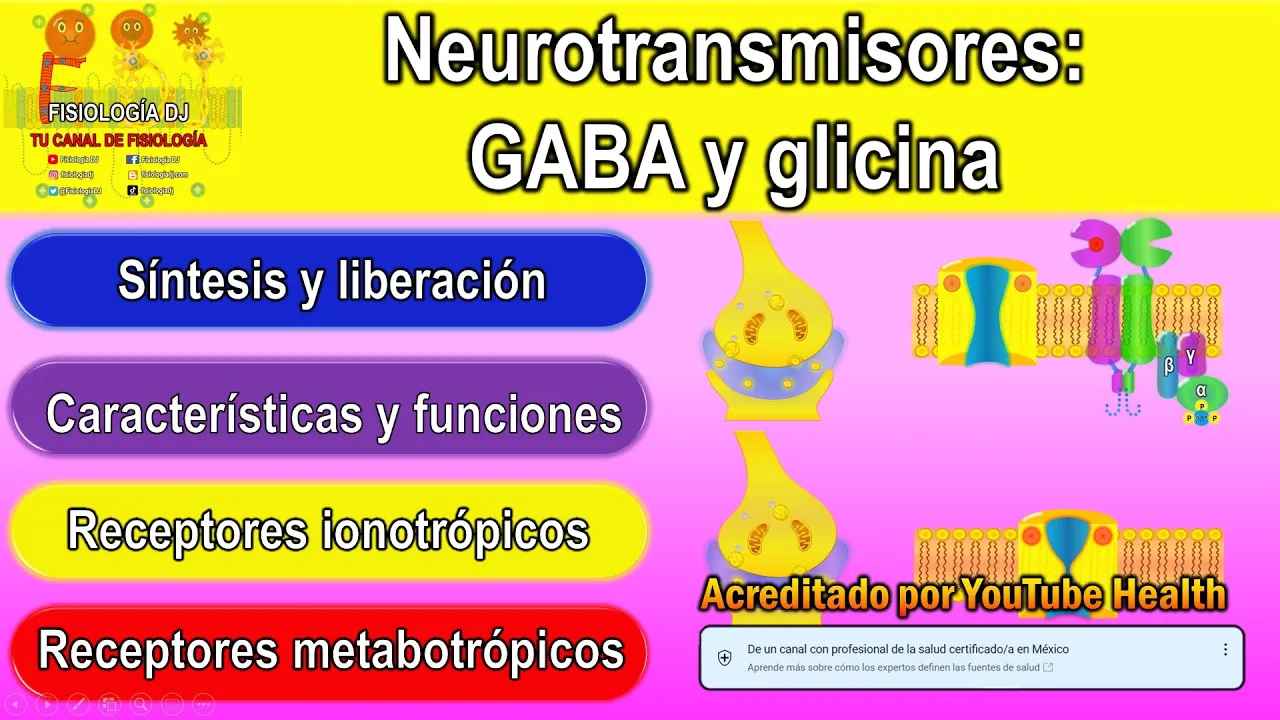
The foundational principles of neurotransmission, especially how inhibitory neurotransmitters like GABA and glycine function to suppress motor activity.
Clinical treatment protocols for parasomnias, such as Meditation-Relaxation (MR) therapy specifically designed for sleep paralysis, and Imagery Rehearsal Therapy (IRT) for nightmares.
The evolutionary and cognitive theories of dreaming, including the Threat Simulation Theory and the Activation-Synthesis Hypothesis.
The neural mechanisms and clinical applications of lucid dreaming, exploring how conscious awareness during sleep can be scientifically measured and utilized.
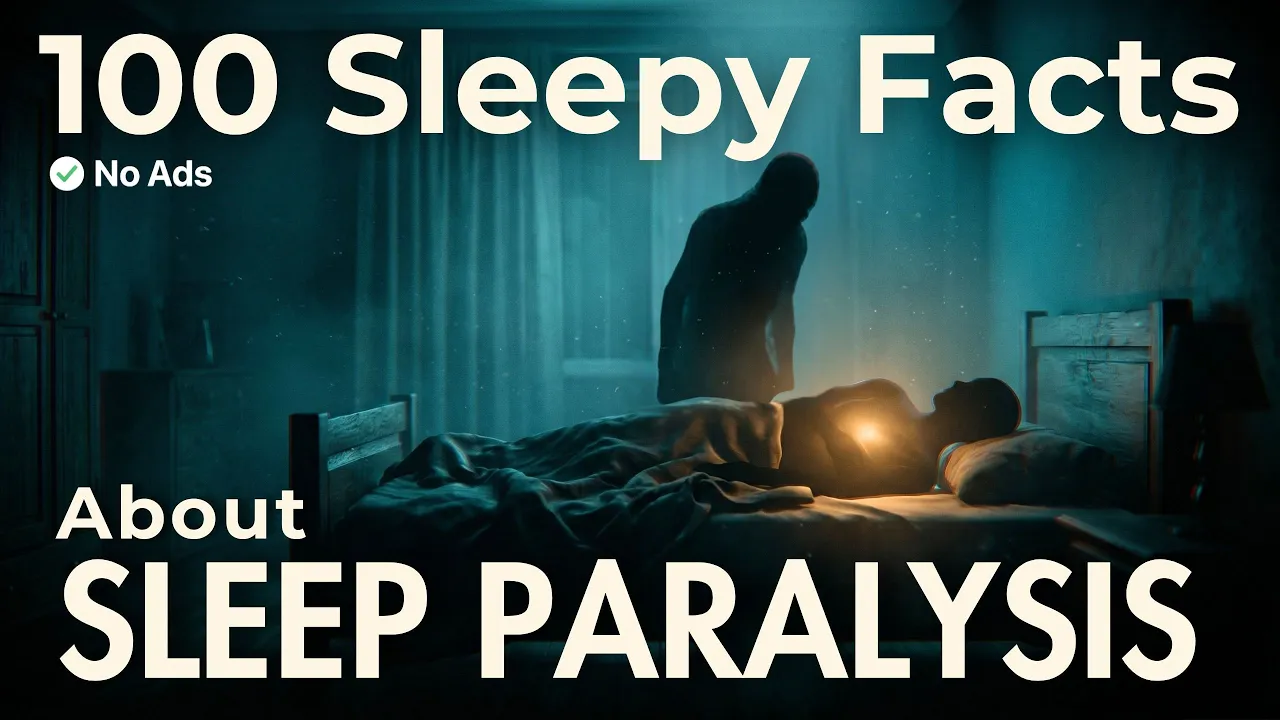
The cross-cultural psychology and anthropological phenomenology of sleep paralysis, examining how different cultures interpret these hallucinations (e.g., 'the shadow man' or 'the night hag').
235.3K views6.4Klikes1:45:38Original Release: 2025-03-27
so we look at the brain as something that's malleable and not fixed it's a dynamic object so the parial loes and the superior parial lul is specifically involved in creating a subjective sense of a self the feeling that I occupy this body and not somebody else's body right yung's idea was that the dream was a place of exploration for the remapping of anomaly this is very weird too everyone so you have this REM paralysis obviously you're paralyzed from head to toe during REM sleep you're dreaming away are you familiar with sleep paralysis something was happening to me and I was frozen and unable to speak and I I knew I had to wake myself up like I try to throw myself off the bed sometimes I could yell to my wife she'd have to come and shake me and then I'd wake up so I was sleeping in my room and then I had this creepy feeling of a monster from the corner of my room approaching me until it was on my chest strangling me what did the monster look like well I'll tell you okay [Music] hi everybody I had the opportunity today to speak to Dr Balan Jalal he's a neuroscientist and author at Harvard and previously a visiting researcher at Cambridge University Medical School he's been featured in The New York Times The Washington Post and other such Publications the telegraph in the BBC described him as one of the world's leading experts on sleep paralysis and the Terrors and opportunities of dream fantasy and adaptation that accompany that condition what did we discuss Dr jalal's intro to Neuroscience course at Peterson Academy the relationship between neuroanatomy brain function perception emotion and behavior the function of the dream state the role of culture and conception in dealing with emotion particularly fear and the changing landscape of the modern University it's quite a trip join us well thanks for coming in well thank you Jordan uh Dr Peterson you i' love you to be here yeah let's talk about Peterson Academy first you just we just released a course of yours introduction to Neuroscience right right so I'd like to know I think it would be useful to talk a little bit about the course but I'd also like to know about your experience doing the filming and right and your Reflections on the process and the project itself yeah yeah well um first of all it was it was a lovely process let me start there so I I flew in uh to Miami great uh reception overall um nice people around uh Ben Nancy Vincent everybody on the team lovely uh the shooting was was great um so yeah top professional really like that um and and then the course itself um so it's it's a it's a eight hour um course on the brain and sort of going through uh initially starting from sort of the basics of the brain uh the different structures of the brain then going all the way to sort of higher abstract things like human nature and and sort of the nature of uh how art emanates in the brain and things like that so it's kind it kind of has the nitty-gritty of an of a introductory Neuroscience course but then also taking in some more sort of poetic aspects of the brain so it's it's kind of all that uh mix right so it's an approach to the cult from the bottom up from the biological up right right right how much how much Anatomy functional anatomy and so forth is in the course I make sure that the basics are there so for a Basics Neuroscience course for as an introduction you got to have the basics there all the brain structures the the the the cortex the brain stem all the different names but I try to keep it simple so people don't fall asleep I used to when I did my first biopsychology Neuroscience course that was incredibly boring um I had all these names thr at me and it was and you just had to force memorize them it made no sense right so what's the cerebellum doing you know what's this doing you just had all these name you had to memorize them and that was it but um I really made sure make sure to to describe the function and have an overall context for for each yeah I found like I found that I got extremely interested in neuroanatomy even at a detailed level when I was reading scientists who Associated the area with the function it's very important it it was also extremely useful philosophically mean one of the advantages if you're a conceptual thinker to studying neuro anatomy and neurobiology is that it puts limits on what philosophical propositions are plausible and possible right and I really like that so um it it it it like it's it's like you have to play a game with two different sets of rules then right it has to make sense conceptually so that would be philosophically but then it can violate the principles of neuroanatomy and Neuroscience that are already established it's a very good way of initial triangulation yeah the way that I like to do is is that I know that in this course I'll cover this right but then I kind of and I kind of see an explore how I can sort of weave this into sort of a narrative and a story and then kind of put things in as we go along and I feel like this makes sense to to put this aspect here and put that aspect here so it doesn't come in this sort of uh you know very ABC kind of driveway so that's my Approach and see how I can let things unfold uh in a natural way and and so you said that when you went to do the recording that the process worked well very well what about it worked well I was very impressed so I was very impressed by the whole the whole process the way um things were arranged the obviously we were put in a very nice hotel um and and we felt pampered honestly good it's a very you feel pampered you feel um everything is just just on point um and yeah and then the the the shooting itself people around you they take care of you bring you food they they you know it's it's just it's just very you feel pampered so it's great so so yeah well you know we I think we realized the importance of that really when I did the first Exodus seminar for the daily wire right we brought nine thinkers in and we spent a fair bit of time on the hospitality side right and one of the things I realized and I knew this in part from working at a university was that a lot of the professors that we pulled in for that seminar I wouldn't say they're exactly well treated at their institutions and that's foolish because I invited the people who I did invite to the Exodus seminar because I thought they were great and I wanted to hear what they had to say right and there's every reason to make that obvious in every in every detail of treatment yeah and so you know one of the things I offer people who we offer at Peterson Academy people who come and lecture because people ask me well you know what lecture do you need and that's not the right approach my sense is is that we I find people whose views I want to know and share and then I want them to do what they think think would be best because I wouldn't bloody well invite them if I didn't think they knew what they were doing and I don't want to put constraints on them and then if we find the right people we can sort out the curriculum rather than sorting out the curriculum and then forcing the participants the professors into it that makes no sense at all to me absolutely and that was my Approach too right so I would talk about my own research what I some of the nicest experiments that I that I love about my work and sort of weave into that to that um Neuroscience curriculum in that way right so we talk about for example OCD and then you take maybe you might mention the orbital frontal cortex which is overactive in OCD what's the function of the orbital frontal cortex this this this the structure in the brain um or the striatum and the basil gangli in the context of Parkinson's but again taking in some of some work that's very you know some experiments that that that are fascinating so it's it's kind of taking that natural approach that sort of my own research or works of colleagues and just weaving it in in a more uh um more natural way I think okay so I'm curious M everybody who studies the brain in some depth right has their own approach it's like exploring a continent let's say they have their own approach and so when you're when you lay out the architecture of the brain let's say the basic anatomy tell me how you do that like and I I would like to hear how you conceptualize the brain so so do that if you would yeah absolutely so for me I think think the way that I my my view of the brain was inspired by my mentor vs ramachandran so oh yeah right you worked with yeah he's a stunningly effective public speaker he's extremely stunningly effective charismatic um and when I went to California in my early days as an undergraduate I ended up in his course so I took his course so let me take you when was that that was in 20101 around 11 2011 so I started there um became a research scholar in his lab eventually um and I think you know becoming very good friends with him uh ending up in his laboratory going on you know long long be walks on the beach all the time and and just spending time with him and getting his view on the brain and sort of adapting that as my own view was was uh was something that um you know um influenced me and and and his approach obviously and the approach that I've adopted is one where you sort of look at the brain holistically you acknowledge that the brain is hyper plastic so there's all these modules that are highly Dynamic and the brain is extremely malleable and so we look at the brain as something that extremely as as a fluid process that that's malleable and not fixed uh and said in its own ways it has this this uh fluidity to it um so that's kind of my my view of the brain overall that it's it's it's um it's a dynamic uh object but beyond that let me also explain some of our experiments so the way that we approach science and and and proving the human brain is is through experiments where we look at conceptual experiments in Neuroscience so for example there's the robber hand illusion if you probably know that lay it out explain it to people so the robber hand illusion is this illusion where you have um a chap he puts his hand right here um and then you have his right hand underneath a table right and so me Balan the experimental will stroke and tap the hand of the the sub experimental subject I'll go stroke stroke Tap Tap St tap tap stroke stroke underneath the table and I'll stroke and tap the table in front of Joe the the subject I'll go tap tap stroke stroke stroke stroke tap tap and about mean two minutes of me doing this he will feel touch Sensations arising from the table and I don't mean this in kind of an abstract metaphorical sense I mean this literally he will have uh touch Sensations somea sensory regions of his brain becoming active from this process yeah that's a very strange element of human perception right it it must be strongly Associated not only with our ability to map sensation onto our bodies right but also with our ability to use tools so I know for example we're very good at it like if I pick up a screwdriver right it takes me virtually no time to use the tip of the screwdriver in a manner that very much approximates the tip of my finger right right and then when we go in a car MH essentially what we're doing especially once we're expert drivers is that we expand the dimensions of our kinesthetic percep perception to include the car right so you're feeling with the tires you're feeling with the BR right and and that's well my part of my understanding of that is that that's very tightly associated with our tool using tool using proclivity because a tool is a bodily extension yeah yeah absolutely it's an embodiment right so in two minutes I I turn this this this subject into a table right and then more than that if I me you know baland was to take a hammer and go like this on the on the table he'll go you know he'll feel pain Sensations right so the pain regions of his brain will light up if I was to look in a scanner and and you know look at at the neurons there so so it shows you that in that way you can take something you can first of all you can create a sensation of a of a this table belonging to you but then big part of you big part of you right becomes embodied part of you but then beyond that you you afflict pain now to the person to the table in fact and then you will feel yeah well that would all well that would also be part of social perception I presume I read a paper not not long ago if I remember the details carefully they were looking at the difference either I think it was I think the dimension was agreeableness right but it might have been psychopathy right um which would be the opposite of agreeableness let's say that more agreeable people so less Psychopathic people feel have more pain activation to the perception of other people people's pain so you could imagine that part of the utility in being able to morph your pain sensitivity even to represent something objective like a table right that's also a variant of my ability to map my own body let's say onto your body so that the empathy that I feel for you isn't conceptual right it's a and I've really been I've really been thinking about this in terms of how we understand each other because it looks to me like what we do to understand each other is I notice what your aim is partly by watching your eyes right I infer your aim once I infer your aim I can inhabit your perceptual space because if I know your aim I know the objects that surround you but I also know how your emotions are configured because they're configured in relationship to the aim if I can adopt that aim then I can embody those emotions and perceptions I can read off that embodiment and then I that's so the understanding is actually my simulating you on my own neural architecture and then drawing the appropriate inferences from that and it looks to me like children probably develop that ability some of it's nent I would say some of it's there it's very interesting so we actually we were the first group to show that people with OCD who has a very fixed sense of self right so they wash their hands all the time washing and scrubbing when they do this illusion they have a much more sensitivity to it to the extent that there's a control condition for this illusion where you so the so the Illusion for for the illusion to occur you have to stroke and tap tap tap stroke and stroke and tap in a Synchro synchronized manner that's really important right so that's that's that's key success in business isn't just about offering an amazing product or service though that's certainly essential what truly sets thriving companies apart is having powerful Reliable Tools working behind the scenes to streamline every aspect of the selling process these are the systems that turn the complex challenge of reaching customers and processing sales into something that feels effortless and natural that's exactly where shopping if enters the picture transforming The Way businesses operate in the digital age nobody does selling better than Shopify they're home to the number one checkout on the planet and here's the game changer with shop pay they're boosting conversions up to 50% that means fewer abandoned carts and more sales going to your bottom line in today's world your business needs to be everywhere your customers are whether that's scrolling through social media shopping online or walking into a physical store Shopify Powers at all seemlessly connecting your business across the web your store customer feeds and everywhere in between and here's the truth businesses that sell more sell on Shopify join over 2 million entrepreneurs who have already discovered the power of unified Commerce with Shopify allinone platform upgrade your business to the same checkout we use with Shopify sign up for your $1 per month trial period at shopify.com jbp all lowercase head to shopify.com jbp to upgrade your selling today that's shopify.com jbp right so you're linking the visual perception to the kinesthetic perception absolutely absolutely right but in people with o so the control for this by the way is if you do it in random sequence like tap tap stroke stroke but everything is just random right and you do again the touching and stroking is random then the illusion will not occur or it will be slightly so you'll have a slight illusion there or most of the time No Illusion that's so this is the key control for the for the illusion right so let's just walk through this so everybody understands clearly so you have someone with their arm on a table let's say their left arm their right arm is under the table so they can no longer see it y now what you're doing then is you're you're interacting with their hidden arm physically and so but they can't see that they can feel it at the same time you interact with the table where they can see it absolutely so you're sinking their visual perception with their kinesthetic perception but it's not but their K their visual perception isn't focused on their own hand now they start to react to the table like it's a hand correct okay now you're extending this to the OCD situation okay so elaborate on that absolutely and I just want to just one point here is that I mentioned a table so the original experiment was done with a rubber hand right but I'm using table because it's more it illustrates the the experiment better and I think and and you can you can have a table as well so people would start responding to a rubber hand as if it was their own so instead of a table you just have a rubber hand that looks like your own hand and then you stroke and tap the rubber hand right in front of the person with their other hand hidden correct they start to respond to the rubber hand as if it's theirs right right and then Flinch if there's a threat to they Flinch if there's a threat to it right okay okay and that can be extended to something as inanimate as a table correct or in fact in fact you can do it in a so mag do You Know Rich pnal yes yes some common friend right in Harvard right so one day in mnalan and I did it in the air so I did on on Rich call him Rich so it stroke stroke tap tap in the air and he felt the rubber like his own hand was floating in the air it was kind of spooky wow my God what's what's happening I feel my I feel my hand hand is floating in the air right you know that might must also be associated with a really profound with our sense of of what constitutes ownership right you know because the idea that something is yours or that something is mine there's no reason to assume that that isn't ex an extension of something like embodiment it's certainly the case that you know if if people's cars are attacked let's say or kicked they respond to that very much as if it's a bodily assault right right and I so it it it begs the question how much of our embodied concept of ownership like that concept on which we platform the philosophical and cons philos philosophy and conception of ownership is actually the underlying scaffold for that is the our ability to extend our embodiment to even inanimate objects right because then they start to become part of us right right right and part of what you're pointing to with your emphasis on brain plasticity mhm and then is that identity itself even in terms of perception and pain sensitivity is fluid and dynamic to a degree that you wouldn't you wouldn't immediately absolutely and I do want to differentiate between plasticity and then the dynamic nature of the function and the of the modules of the brain so for example you have in terms of the robber hand illusion it shows that for example we have a structure called the tpj right here temp temporo parial Junction is the fancy name for that that's structure is important for taking all the sensory modalities touch hearing feeling right so uh smelling and and sort of uh and unifying that into a hole and talk that's a cortical area it's a cortical area is it located it's called the tpj so it's tempor parietal Junction so it's kind of strategically located between the different uh sort of um occipital somata sensory region and the par the right so is a religion that overlaps physiologically between the different sensory integration exactly it's like a crossroad so to speak right is it is it the same area that's used for silent reading silent reading I'm not sure okay well the the reason I'm asking about that from from what I remember is that the region that we use for silent reading is the space is the overlap between the auditory and visual cortex right which makes perfect sense right because we're basically when we read silently we're using our eyes as ears right right so and those overlapping areas okay so this area is a place between many of this between a variety of the different sensory different sensory integration it's a it's a hub for integration and interestingly actually it's also involved in the in the self other distinction so we have a distinction of band here Dr Peterson over there and then that's why we can't tickle ourselves that's why we can't tickle ourselves right but that that part of the brain If you zap that sometimes the self other distinction can break down so you feel like you're merging into another person so that's very interesting so it has that function it also has connect to the frontal loes which is involved in obviously in empathy and and and seeing the perspective of somebody else so feel like like theory of mind what is Dr Peterson thinking right now what is his agenda right now what is his motives so that ability is also involved this comes to psych psychopathy Point actually because if you have the tempor parietal Junction being involved in body construction so it's involved in self and constructing a body image which is expanded in the Rober handle but also involved in seeing your perspective as well so it's it's very Dynamic experiencing your perspective experiencing somebody else's perspective so one of the things I thought while you were discussing that is the theory of Mind theories of autism that autistic people lack theory of mind but I've never really liked that theory because autism is a really fundamental disorder like autistic people generally don't like people and they don't like to be touched right that's not conceptual like mammals like to be touched if you don't like to be touched then something's gone wrong in a level that's like under mammal it's really deep and profound it's not some what would you say alteration in philosophy but one of the things that is characteristic of autistic people often is that they don't look at people's faces they don't look at eyes they right so how so then you could imagine it's not exactly a lack of theory of mind it's that if I don't watch your eyes I can't infer your aim if I can't infer your aim I can't mimic you on my own platform corre so I'm I wonder to what degree I don't know if these experiments have ever been done I mean I'm it isn't obvious to me exactly why autistic people don't watch the face it's very mobile and and changing and that is something that seems to upset autistic people like they often don't like furniture in a room that they're familiar with but I wonder what would happen to their ability to experience empathy if they were focally trained to attend to eyes right to learn to perceive the face properly it probably could be trained so I know Richard Davidson's he's done some studies looking at aydal activation in in in autistic uh children and they do have an you know an amydala that's dancing with activity whenever they look at eyes so they have that but it's not entirely known why it probably has to do with the fusiform face area so there's an region of the brain spe specialized for recognizing faces right um and so it has to do with that but this is properly oriented faces only properly oriented faces exactly they're upside down it doesn't work it doesn't matter to be frank this area of the brain is also involved in dry classification of objects so not only faces um musical instruments probably I think so so it's like it goes from but it's not that it's more dry so it goes like a guitar far from a piano or something like that it doesn't have that specification if you to have specificity you have to go higher up in the system so it's it it has this more uh benol quality to it and so obviously in visual processing you have a hierarchy of of of where it becomes more complex with each step of of Envision and then the highest so it goes then it goes to a point where you start classifying objects in the world that's the fusiform phase area and then after that you go to verica which is more sort of meaning and purpose and then you go to things like the hippocampus which is involved in in things like memory uh so it goes from more simple stages of visual processing to dry classification faces uh Dr Peterson's from from Alex from Kim knowing different people um so that's that's that part and then going to higher centers so that's kind of that process so let let's go back to randr yeah um I was really really interested in his work for a long while uh especially on hemispheric lateralization and neglect and fascinating some of the experiments that you described emerged because of ramachandran's Investigations into neglect right originally so neglect for those of you who are watching and listening is a very strange phenomena so if you have a stroke and you have correct me if I get any of this wrong because it's been like 20 years since I thought about it right parietal damage yeah right damage y you lose your perception of the left side of your body but more than that this is where it gets very weird you lose the perception of left itself right and I've tried to imagine it sort of like you know how everything that's behind you when you're looking forward it isn't like it's missing it's just simply not there at a level that's even more profound than missing and I suspect what happens to people with right parietal damage is that the absence that characterizes your lack of perception of what's behind you extends so that it's now it's three4 of the world instead of half anyways weirdly enough you lose your ability to perceive the left side of everything and I have no idea how to conceptualize that but one of the consequences of that is that people with profound neglect will wake up and they'll become aware of their left arm and or their left leg after they've had a stroke and they'll try to throw it out of bed because they think it's someone else's or and if you get them to draw a clock for example they'll draw half a clock and cram all the numbers into the right hand side and if you give them a plate they'll eat half the food I still can't figure this out because how do you think that works it's like if I pick up my phone M now I look at the phone so now the phone is foregrounded right but I I'm not aware of the left side now if I'm looking at the room now do I miss the left side of the room and in the room do I miss the left side of all the objects like I just don't understand how the hell that works perceptually right exactly it's it's it's they somehow don't attend to it right so they they you can you can they can draw draw a flower the whole day but they only draw half of the flower and you keep telling them and they say well I did my best I'm drawing it but they can't can't attend to that part of the brain mind you the parietal Lopes is involved in spatial orientation knowing not only the body where it is in space but also my the spatial layout of the room right so it has that component so so that's it's a really strange disorder and in order to understand how they are uh uh you know experiencing this at a subjective level is is really critical it's it's it's it's a m mystery of sorts ra ramama shandin also did experiments with ir irrigation didn't irrigation but before we go there I just want to so the parial Lopes and this and the superior parial lobu another fancy name there right so just above the tempor parial junction is specifically involved in creating a body image as well so the the tpj we talked about taking information from various sensory modalities and then and then Whispering information to the superior parietal lobu this area just above it it's neighbor right it's involving creating a subjective sense of a self the feeling that I occupy this body and not somebody else's body right so when people have a stroke to that part of the brain as you mentioned they will sometimes throw their hands out say this arm doesn't belong to me it belongs to you or it belongs to my my dad or it belongs to you know this person or that person so literally they will become delusional you can play chess with them you can have conversation nothing nothing is wrong in in otherwise they're not delusional they're not psychotic or anything like that but they after they have the stroke affect this region of the brain they will just say that this arm doesn't belong to me or sometimes they might even say you might ask them you say well they might Den deny the paralysis so that's anosia right so you say Joe your arm is paralyzed they will say no it's not paralyzed well then touch my nose Joe and they will say okay and they will take the lifeless arm and lift it like this and say I'm touching it doctor I'm touching it literally taking it up like that so yeah well it almosts as if I wondered too if that's an it's is it is it a lack of capacity to update as well like it seems to me that what must be happening is they're using a pre-stroke representation of their body right and the tissue that's been destroyed normally would update that because I I remember too with ramachandran's experiments when he irrigated this is very weird too everyone ramachandran would irrigate the ears so pour water in cold water in the ears of left ear if I remember correctly left ear of the people who had neglect and it would make them shudder now that Disturbed their vestibular system which is involved with bodily orientation and it would shock them into the realization that they had a paralyzed left side and they would break down emotionally catastrophically with the re realization that they'd been so badly damaged but then the effects of the irrigation would wear off and they'd snap back into this and that's why I think it's not exactly a delusional State I think they're stuck with the body representation that existed before the stroke and what's being eradicated the systems that could update that the right hemisphere systems they don't exist so there's no way of fix there's no straightforward way of fixing it can you believe that Good Friday and Easter or just around the corner these are the most important holidays in Christianity and lent is our time to prepare our hearts lent is traditionally a time where Christians grow closer to God through prayer fasting and giving to others and guess what hallow has created an amazing way to do just that with their lent prayer 40 challenge called the way don't worry if you haven't started yet it's definitely not too late this challenge helps us remember that Jesus is the way to heaven showing us that true peace love and joy require genuine sacrifice you'll love this Mark Wahlberg and Chris Pratt are leading some incredible challenges about sacrifice and surrender Jonathan roomy and sister Miriam James will guide you through these powerful stories and prayer experiences and father Mike schmidtz his Sunday sermons are absolutely spectacular this is already shaping up to be Hallow's biggest lent ever with thousands of people from all over the world joining together in prayer here's the best part you can get 3 months completely free when you sign up at hall.com Jordan that covers the entire lent challenge once you join you'll discover a huge catalog of guided prayers meditations music and so much more all designed to help you grow closer to God and find the peace that we're all looking for so download the hall app today and jump into the lent prayer 40 challenge your spirit will thank you so one way to approach this or sort of think about this is that you know the left side of the brain the left hemisphere and the right Hemisphere have different functions just want to make it clear to the to to the listeners I know you know this right but so they have different functions so intriguingly it's only in the right side if you have the stroke in the left they will not have this delusion that's the funny part right so it's only in the right so this tells you that's something going on about self in the rights that that's obviously or alteration of self alteration of self right interestingly if you have a stroke to the prefrontal on the left side you will the develop catastrophic reactions to anything so you might have a conversation and start crying in the middle of conversation without any you know obvious uh reason do you if you get a stroke in the right prefrontal you will have uh become delusionally optimistic so you'll go out and buy a Rolex you can't you know and get you know become manic effectively so it shows us that the left left hemisphere is involved in positive emotion and the right is involved the negative emotion in fact today when you use things like TMS transcranial me gentic stimulation you might zap the left hemisphere in people with depression and make it more active and you end up with less depression so the brain has these functions that are U very lateralized and and and and highly unique to each side of the brain well so Alcon and Goldberg I really liked his his model of brain lateralization yeah novelty versus routinization and I know ramachandran developed a theory that was either parallel or influenced by Goldberg I can't remember but what that would imply if the right hemisphere is associated with novelty recognition so it it recognizes anomaly yeah that's right it makes sense that it would signal negative emotion because the first thing that should happen when something you don't expect occurs because that means the routine you're running doesn't map the territory well right because what I'm trying to do is whenever I run a perceptual routine yeah I have a goal in mind yeah and I'm presuming that my perception is adequate to the task right if something anomalous occurs like if I tell you a joke and you don't find it funny or maybe I tell you a joke and you get offended by it then obviously the way I've mapped You Is Wrong the way I've mapped the joke is wrong God only knows how much error I've made that's going to be signaled by the right hemisphere right anomaly negative emotion okay then you're going to attend to that now the problem with depressed people is they attend to it catastrophically right so like if I make a say if I'm depressed and I make a mistake like that with you we're sitting here talking I make a little joke yeah and you either don't find it funny or you act offended even if that only took a brief amount of time a depressed person would think well I'm that didn't go over very well uh obviously I'm not very funny yeah obviously I don't understand people very I don't understand this person very well right oh that's because I really I really don't understand anyone very well right I didn't understand people very well in the past and I don't understand them well and I'm very unlikely to learn how to do that in the future yeah yeah people who are unable to learn like that socially they're not very useful people some people are so useless that it would be better if they weren't around at all I'm one of them yeah right and so I'm wondering if the so you could imagine the right hemisphere when it's analyzing a no something novel M opens up that entire space of potential consideration my suspicions are that the left prefrontal cortex probably puts a box around that continually you know because the right level of analysis if I make a joke with you and it falls flat y I should note that but I shouldn't leap to catastrophic conclusions to begin with I should just note it like it should now become a a what would you say an object of potential future significance and I've noticed in my clinical practice that people who are well regulated emotionally won't undergo a detailed investigation into an anomaly until it repeats let's say three times until there's a pattern whereas depressed people they'll leap to the worst possible conclusion almost immediately and that does look like something like like that left hemisphere left prefrontal hemispheric dysfunction that you describe yeah yeah so you can imagine that the right hemisphere notes the noble no elicits negative emotion then opens up the search space which could be indefinite like the reason your joke didn't go over might be because you are the kind of unpopular loser who reeks Havoc wherever they go but that shouldn't be your first conclusion right so you you lose the left hemisphere system and that whole cataclysmic reaction is disregulated I like that I mean it it makes sense right so the right hemisphere um is more emotional big picture oriented as you say and it could be that it goes into this infinite Loop of possibilities in the this big space land where there's no there's no way it can really get fixed there's no anchoring right so that's that's okay so so I would say I'd like to know your thoughts about so I'm very interested in uh archetypal psychology right and Yung had a very specific Carl Yung had a very specific hypothesis about dreams which I really like and this is one of the things I wanted to talk to you about today you're interested in dreams and you talked as simulations so his idea about dreams it's a brilliant idea is that it wasn't hemispherically localized for him because he didn't have the neurom anatomical knowledge but so imagine that that you encounter an anomaly okay that's the place you could say that that exploration that we just described which is you know is there something wrong with me socially is it generalizable am I a cataclysmic person all of those are fantasies of A Sort right and you could think of the fantasies as attempts to remap the anomalous situation right right and then like a shallow remapping would require just a tiny alteration of fantasy but a large remapping would mean a whole reconfiguration of character Jung's idea was that the dream was a place of exploration for the remapping of anomaly and that it could be undertaken safely because you could explore different perceptual configurations in the safety of Dreams without exposing yourself to any danger yeah so you could imagine that so the right hemisphere signifies detects anomaly MH and it begins this exploration process but it's using it's using the landscape of fantasy which would be simulation to start to to start to explore and you could imagine too that one of the ways that that might be triangulated would be imagine that your right hemisphere has aggregated a couple of different anomalies right not enough to be cataclysmic about them but to have them sort of there as Mysteries right okay now you search through the fantasy space Y and one of the new fantasies explains like several anomalies simultaneously my guess is that something like fantasy related Insight yeah because you see that in therapy you know where someone will lay out a couple of different problematic scenarios yeah yeah and then contemplate the commonalities and sometimes they'll stumble across something that oh I see I'm looking at this whole thing wrong it's a a restructuring of the theory and then those three anomalies are all accounted for and that's going to give you a sense of conviction right because now you have a theory that accounts for the new the new information and the dream is part of that process it's the birthplace of that the birthplace of that raliz of of conception yeah yeah no that's interesting so I think uh definitely um in terms of of using the right hemisphere in dreams is got to be something there so I'm not sure how much this has been explored in terms of the right hemisphere only but that's definitely because dreams is so much about emotional updating and emotional uh creating a sense of making of an emotional landscape right so in dreams for example there's it's heavily populated by people right REM dreams for example so each night you cycle through different stages of sleep um stage one two three and then you have deep sleep and then you have REM sleep rapid eye movement sleep where your eyes go from side to side during this stage of sleep you're paralyzed from head to toe so you have structures in the brain called the pwn and medulla in the lower part of the brain that paralyzes your entire body so you won't act out your dreams and hurt yourself right so this is so I want to lay the foundation before I to your point right and that that sets up the stage for exploration without risk right so now you can you can engage in this this laboratory uh you know of of testing a testing space without any fatal consequences right you can do whatever you want and you don't hurt your sleeping part partner yourself so you have that paralysis first of all you're in a physiological straight jacket so to speak right yeah and you can explore deeply enough so that you could actually reshape not just your conceptions right but your perceptions and that that idea accounts for some of the bizarreness of dreams like if you're if you're in exploring at the level of perception it's going to seem bizarre obviously so I just want to so so I just want to sort of go this uh through this so so first of all you're paralyzed in Rim sleep right from head to toe you can move your on your eyelids can move because of a different Circuit by the way just want to add that so this is different circuit for the eyelids now interestingly the emotional part of the brain the lyic centers behind tuck behind your ears become hyperactive so you have that your prefrontal loes and the CEO of the brain becomes less active for some reason so that part of the brain dials down right mot restriction of inhibition restriction of inhibition and so everything in the world becomes uh less focused right so you can less constrained less constrained right so so you don't think in a logical straightforward ABC like manner right so if I wake somebody up from REM sleep and say well the word and tell him the word sun he will think of of of of chair instead of moon right so he doesn't relate think in a logical serial manner he will think in an unrelated manner in fact he will be more likely to say sun and share versus when somebody's awake and I ask him well what do you think of now when I say sun they might say moon right so they are more likely to relate unrelated words so they think in a which is what you'd expect if it was an exploratory process exploratory process right so the prefrontal loes turn down right the emotional part of the brain dial up right so you have that you paralyze from head to toe now this is a perfect cocktail for strange things not only that but also the chemicals in your brain that has to do with logical and and linear thinking no adrenaline you have adrenaline in your body when you're anxious or you're you're you're excited you have you have adrenaline you have nor adrenaline in the brain but also in the body but nor adrenaline is is a is a cousin chemical of adrenaline now this this this this chemical it turns out there's a structure in the brain brain and the brain stem called the locus Cur cus curus yes exactly you my your pronunciation is brilliant 32 2,000 cells Pitch Black in the brain stem they will stop you know secreting no adrenaline during REM sleep so that means your way of thinking about the world is unfocused it's un it's it's like Spacey it's created un yeah yeah unconstrained unconstrained by prior conviction AB or prior learning right so this is a perfect cocktail now for for craziness the vestibular part of your brain become hyperactive you know Central motor regions of the brain that has to do with automatic sort of behavior become automat become hyperactive even though they're paralyzed even though you're paralyzed so that's that's why dreams you can sometimes feel like you're running but you can't control your legs you feel like somebody some monster is is is chasing you but you can't move or you feel like you're you're you're you're control controlled like a like a puppet on a string and that's because the parts of the brain it has to do with automatic movements sporadically the neurons they're fire so you you cannot control your movement so you have all that and then you have the emotions and it seems like then it's it's just perfect for your what you're saying then that the right hemisphere type of thinking of exploration and emotion um is is is just it can it can it's hyperactive right so it's a safe place for for simulation for exploratory simulation that can be so extreme that it converge on the bizarre yeah but why not why not explore the outer limits under safe conditions well I've also I remember that if you wake people up from REM sleep the most common emotion they report is anxiety and that that makes sense too if you think about this as part of the what would you say the reconfiguration in the face of novelty process yeah because the most appropriate first response to something anomalous is anxiety yeah it's to because technically what anxiety does is stop the operation of it stops current operation right so that's like a PR a prey it's like a prey animal response freeze why because what you're doing has either not worked or exposed you to Danger so now you're not where you're not where you thought you were and what you're doing isn't doing what you thought it was okay now what right stop yeah that's anxiety Then then then what then explore so like if you throw a rat into a a new cage the first thing it does is freeze right okay then what it starts to do is to look around I guess to begin with it doesn't even want to move its eyes right because it doesn't want to attack attract the attention of a predator so it freezes and crouches down and then if nothing additionally terrible happens it starts to thaw it starts to look and it starts to sniff right and then it'll start to explore and remap the territory but that seems to be what's happening at the dream level conceptually is you imagine that you're en counting a landscape of anomaly or novelty that's signified by the right hemisphere the emotion that's elicited is anxiety with a subtext of curiosity right right because both of those two things would be at play and then the fantasy landscape can be elaborated so that even perception itself can be reconfigured because of the error are you tired to being held back by one-size fits-all Healthcare of having your concerns dismissed or being denied that comprehensive lab work you need to truly understand your health I want to tell you about mer Health the Premier Health optimization platform that's revolutionizing how we approach wellness and Longevity what sets mer apart isn't just their cuttingedge diagnostic Labs or concierge Health coaching it's their commitment to treating you as an individual their expert clinical team stays at the Forefront of medical research creates personalized evidence-based protocols that evolve with you unlike other services that r on cookie cutter Solutions mer Health goes the extra mile they consider your unique lifestyle blood work and goals to craft recommendations that actually work for you whether that's through lifestyle modifications supplementation or prescription treatments and with a remarkable 4.9 out of five rating on trust pilot you know you're in great hands the best part is you can get 10% off your order today just head to mer health.com and use code Peterson checkout that's mer health.com code Peterson for 10% off stop guessing and start optimizing your health today with mer health because your best life starts with your best health if you're betrayed by someone you could say something like I can't even look at you the same way yeah right and that means that the Betrayal has forced a reconception so profound that perception itself has been altered like you could find someone attractive this happens often when people are dating you could find some attractive or unattractive on first meeting and then as you get to know them maybe you thought they were attractive to begin with and that just goes away yeah or you thought felt that they weren't that attractive to begin with but as you get to know their character let's say then the perception itself shifts it's not merely the theory of mind or the conception you have of them right you literally look at them differently maybe it's because in part you you actually see I don't know if you reconfigure the what would be the patterns of interaction in their face right you know like someone graceful for example you're obviously perceiving something like a Gestalt and there's something charming and beautiful about that my guess is if you see a person of High character across time you can see their integration yeah and that that would make them that would allow you to perceive their attractiveness in a way that you might not have been able to do superficially absolutely that's very interesting yeah yeah well to to go on back to the whole dream thing right so one of the things is that it's populated by a lot of people and is and that's again right heemers spere is actually involved in decoding social like facial expressions for example so that's one thing that obviously autistic people have problems with but for some reason there's a lot of Fai there's a lot of people and a lot of interactions in dreams so you interact a lot with a lot of people and usually actually these interactions are negative and this shows us that for some reason it's it's advantageous to dream of negative things because you're more likely to train your circuits in your brain to to be able to um so but to put it shortly like if I have an encounter with a serial killer killer in my dream and I sort of overcome that I I'm not killed by it right by that serial killer I can navigate that situation in a appropriate manner I'm more likely to survive in in real life so it shows you that dreams has a lot to do with survival and training the circuits in the brain making them solidify the ones that can help me survive more so that's a huge part of right well and it well it would make sense too that what you should look the more sophisticated you are in your social perception right the less likely even encounters with dangerous people are to go wrong yep I'll I'll tell you a story about that yeah so I had this landlord when I lived in Montreal and he was an ex-president of Hell's Angels in Montreal and uh he he'd been in prison and he was a rough guy yeah and we couldn't communicate that easily because he spoke Zu all French which is very hard to understand even if you're French and I spoke English and um there was quite a big class difference between us and I was from western Canada and she was from Eastern Canada and so but we got along you know um he lived right beside me and to the degree we could communicate we did and he did some artwork he he worked in neon as it turned out and I bought some of his pieces and we kind of got to know each other in so far as we could now the problem his name was Paulo mhm the problem was that now and then he would go on a bender and he could drink well like an unlimited amount of alcohol over a 3-day period like 90 beer you know like and he would drink himself to a point where it was not even obvious how conscious he was but he was still upright right and then he'd drink up all his money and then he developed a habit of coming to my door at like 3: in the morning to sell me like a toaster or a microwave because he needed money because he wanted to keep drinking and so I did that a couple of times he showed up at like 3 in the morning now he's a big guy and he's tough and I went out once with a to a bar with him he put me on the back of his motorcycle which is a 750 Honda if I remember correctly he put his wife's helmet on my head with his little tiny helmet and away we went he said if the cops come after me I'm not stopping just so you know it's like well that was the beginning of a very interesting evening and he got into all sorts of fights at the bars because people would come up and like challenge him essentially stupid people and that didn't go well for them so he was touchy let's put it that way well I talked to my wife about this because she didn't like the fact that I was giving Paulo money for his like toasters and so forth because she knew that he was trying to quit drinking yeah so and then it also scared her that he would come over like at 3:00 in the morning so one day he came over at 3:00 in the morning and he was standing there sort of swaying and looking at me and I had to tell him that I wasn't going to give him any more money starting then and I had to tell him why and so I said look we know you're trying to quit drinking and when you come over and I buy your toaster then you go and drink and I can't do that anymore cuz it's not good and he looked at me for like 10 seconds and I know why he was looking at me he was looking at me to see if I was playing moral superiority games yeah yeah in which case the interaction wouldn't have gone very well yeah right and so the reason I'm bringing that up is because as your social perception becomes more sophisticated the probability that you can navigate well in a complex and potentially dangerous situation increases radically right so if you can practice that in a dream y now that should mean that you should concentrate on elements of social behavior that didn't go your way that you don't understand right and that would take you into a landscape of well hard to tell but possibly into a landscape of malevolence that would explain for example why people go and watch horror movies and movies about serial killers and so forth It's like you want to sharpen yourself up and then that's a good point so the fact is that you know when you when you dream that your brain takes you on this exploration right and looks at various social scenarios for example that evoke emotions in you so it it takes you know Dr Peterson and put him in a room with with Kim and and Joe and and see how he reacts if if the reaction is not an emotionally evocative one it will literally take you and show you another scenario until it hits on a scene that evokes your emotion that gets you riled up and then it explores so it has to be okay it has yeah it has to have that element and then it will go down that path more more and explored more it'll say this is interesting I see so it presents scenarios exactly until one evokes AIC reaction absolutely now but that but is it also searching for emotional reactions that are primarily negative or is it is it intensity not necessarily so it does there's a there's a huge dopaminergic aspects to dream so it's been shown that if you have Aion to a part of the brain the inferior parietal lobu again it's a region just below the superior parial lobule it's involved in creating images but also it's so if you have a stroke there for example you won't dream or the the the the molic dopamine centers is a fancy name for the part of the brain where you have dopamine going to the prefrontal cortex if you have a lesion there you won't dream as well so Bliss and dopamine as well as images is involved deeply in in okay so it's emotional intensity and veence intensity veilance yeah right but it's tilted somewhat towards the negative we are generally as human beings tilted somewhat toward the abut so okay okay so your brain is playing with various scenarios abut and if one evokes an emotional response so you see the thing is if it evokes a negative emotional response that would indicate that you're adaptation is weak at that point right because you're much more likely to be anxious about a situation that you haven't mastered right okay so you could imagine that the evoc evocation of negative emot is indication of weakness in conceptual structure okay so now the dream is playing with various scenarios around that yeah yeah EV evocation Point yeah so one it's very interesting so one thing that I want to make clear as well is that you know obviously as you know there's a corpus kosum that that that there a bridge between the two hemispheres allowing the two hemisphere to to to communicate right so you have the right Hemisphere and the left hemisphere so these hemisphere if if you literally cut it there won't you'll have two Consciousness in one person right so it seems like dreams is also right hemispheric dominance for another another reason because the things you will see in your dreams are are like poetry right it's visual metaphors that you can't explain in language right so I can it's like going through an art museum and looking at things but in a very poetically beautifully uh non- language way right so you can't describe it necessarily and obviously the left hemisphere the regions of the vernica and stuff like that is involved in language and understanding language but it seems like po po like the poe aspect of Dreams is very much a right hemispheric uh you know thing as well that well that that should be associated with both the novelty routinization dichotomy so the question is well how do you approach something that's novel well if it's novel if it produces anomaly if you don't understand it you haven't encapsulated in language it's not rout routinized enough so that you have a proposition description of it so you could imagine that during the day when you're conscious you're running well routinized propositionalization of failures it's something like that now it's night time you shut down the propositional side and you open up the metaphoric side and it's starting to explore that land it's exploring I think it's un exploring unexplored territory fundamentally that's the best way to conceptualize it but it's also like the L it's the same as the landscape of insufficient adaptation right and so and that should be associated with negative emotion right right and now the question would be what would be the utility of those metaphoric fantasies well part of that's okay so imagine that around any perception there's a cloud of connotations right that are first order we already talked about that so like a first order connotation for you would if I saw you would obviously be male right so and then imagine that outside of that there's second order connotations in third order and finally things that are so distinct that they don't seem to Bear any conceptual relationship well as you open up the metaphoric landscape that connotation width should expand right and and then you could imagine that what you're trying to do is to explore a new network of connotations that would map the territory more effectively right yeah I think and I think what is also interesting about dreams in that whole thing is that it seems to tap into a circuitry that's more mystical than the circuitry that we normally uh tap into why mystical I mean it seems like some of the um receptors involved in mystical experiences when you take cybin and and things like mesculin and and DMT and stuff like that the serot serotonin 2A receptors so one Theory actually um talks about how so obviously serotonin is another neurochemical in the brain that the part of the brain that produces that the dorsal Rafa nucleus also shuts down its production of Serotonin so you don't have serotonin in your dreams either in REM sleep um and and so you end up in this space without no adrenaline and without serotonin but it seems like for some reason that the serotonin 2 a receptors become become dialed up so that part of the serotonin 2 receptors become tickled for some reasons and the re you know some and that is also happening in cybin experience it also happened in cybin experien right so that accounts in part for the overlap between the mystical experience and the dream experience the the mystical experiences and the dream experiences so there's something there that is that that's hyper Cosmic in dreams that you can't it's ineffable you can't describe it in language and even and it's highly personal and it has salience for you so one thing that I notice about dream is a lot of people come and talk to me about their dreams all the time they'll go Bland you know I had this dream I saw this and that and they're high they're they're very emotional about it and it's highly personal and Cosmic right but you know I kind of go oh that's interesting but it's not really that interesting but it has that significance for you as a person and that's kind of about the dream thing it's it's it has personal salience um kind of the the type of personal s salience you can get from a siloc cybin experience when a woman faces an unexpected pregnancy she often feels overwhelmed and alone many initially consider abortion their only option but thanks to donors like you these women may find their way to a pre-born network Clinic where they receive the support that they need to make an informed choice about their pregnancy at pre-born women are offered Compassionate Care and a free ultrasound that allows them to see their develop ing baby this combination of support and information helps many women choose to continue their pregnancies there are many women out there who are unaware of their options take AAA for example AAA discovered that she was pregnant and felt completely overwhelmed and unsure about which way to turn she found her way to a pre-born network Clinic where the staff provided her with supportive care and a free ultrasound seeing her developing baby on the screen helped AAA make the decision to continue with her pregnancy with your tax deductible donation of $28 you can help provide one ultrasound for someone facing a difficult decision your contribution of any amount can make a real difference last year alone pre-born saw 67,000 babies saved from abortion if you'd like to support this work please consider making a donation today just dial pound 250 and say the keyword baby that's pound 250 baby or go to preborn docomo that's preborn docomo okay so what do you think account okay so you said something paradoxical about that right that it's a weird com of intensely personal and Cosmic which means intensely Universal it brings those two things together that's a strange conjunction because those two things are actually quite far apart right the more personal something is in some ways the less Cosmic the less Universal it is but the dream unites those it kind of Unites them yeah so I wonder see an archetype in some ways Bridges the gap between the personal and the cosmic so well here's an example of something you can do with a dream that that's very effective yep so imagine that you have a a client who's chased by something awful in a dream and that repeats yep and then you ask them what they do and they say well I run away or I try to hide yeah okay so then you say to them well here's what we're going to do instead I want you to sit there close your eyes then make them relax so that they get into a state where they can visualize right now bring that dream to mind yeah okay now close your eyes bring the dream to mind now tell me what's happening so they'll replay the dream and say now okay now at the end instead of running MH tell me what happens if you turn around and ask the criminal or the sadist or the monster what it's up to or what happens if you approach it instead of running right well and then the dream will continue in their imagination most of the time and generally what occurs in a consequence of that is that dream goes away now I think the reason for that and I think this is akin to this bridging of the gap between the personal and the cosmic is because their personal response to being chased is to run right and hide so they're prey animals yeah now if you if you transform that into voluntary explorers MH then the you're what you're doing is you're inculcating an element of the hero myth into the dream landscape it's like no the right strategy when you're threatened isn't to run the right strategy is to turn voluntarily and to commence the process of exploration that is what a hero myth is by that's very interesting so let's go on that whole thing right so the monster in your dream represents your hyperactive amydala and the lyic centers of the brain being hyperactive up to 30% more active in the dream landscape right okay so that's that overplay of emotion that's the overplay of the emotion and by the way the hippocampus also turns out the memory part of the brain is also hyperactive in the dream REM world so you have the memory spilling in into this this narrative about a monster chasing you right so you give it identity you give it name you give it you know all this all these negative features it's very okay so you're you're contextualizing the contextualizing Bas based on the hyperactive um hippocampus then it's chasing you and you can't run away because we said the motor Central motor generator of your brain brain stem is making it very hard for you to move so you don't have the so movement normally occurs in the motor cortex of your brain that gives you voluntary movement but because that part of the brain can compete with the central motor automatic part of the brain firing and and making your behaviors all you know sporadic and automatic so you can get away now what you said was interesting you said if you turn around and approach the monster the monster will be it will become diminished in strength and that's interesting because we know in the real world if you walk simply by walking you will turn down the activity of the amydala because you're telling your you're telling your brain or your yourself that you are approaching you're engaging in approach Behavior instead of withdraw right which which puts you see that shift your identity in relationship to the thing that's chasing you right you're you're changing you're saying now I'm no longer the the prey here I'm the Predator I am the one that is being that that is doing the haunting you know and so in that sense it would make sense that the monster would uh this vanish um so that's very interesting but I also want to touch on that whole on Monsters since we're on the topic of monsters so there's condition called sleep paralysis and I talk about it in my my Peterson Academy course there's a whole lecture on sleep paralysis so are you familiar with sleep paralysis um I experienced sleep paralysis repeatedly for years yeah especially if I slept on my back it that doesn't happen anymore but but I'm very familiar with sleep paralysis you see any monsters can you explain I'm curious so this most of my experiment experience was being unable to move and no I knew what sleep paralysis was so even when it happened to be in my dreams usually my experience was that I I something was happening to me and I was frozen and unable to speak and I I knew I had to wake myself up like I try to throw myself off the bed sometimes I could yell to my wife I mean literally in my life I I would yell and she'd have to come and shake me and then I'd wake up but no I didn't have the monster element to it but I had clients who did in sleep paralysis I think the reason that didn't happen is cuz I knew what was happening right so the mo the monster too just out of curiosity so you could imagine that with this interplay between the hippocampus and the amigdala if the emotional systems are more active Okay so now there's lots of emotions being triggered now the memory systems are interacting with those emotions they're going to flesh them out yeah right so here's the emotion here's the thing that would be most likely to manifest that so if it's a panoply of emotions it would be an amalgam of emotion evoking St stimuli and there's no difference between an amalgam of emotion eliciting stimuli and a monster those are the same thing that's what a monster is yeah right so a monster is your worst nightmare come to life it's your worst nightmare right it's whatever you dread whatever is lurking your unconscious mind that's coming to the to the four right and so during sleep paralysis interesting interestingly you didn't have any of the monsters but it turns out about 40% of people will will see Monsters uh sleep paralysis is a terrifying experience so you have this REM paralysis obviously you're paralyzed from head to toe during REM sleep you're dreaming away occasionally for some people they might start feeling like they can you know they can see their surroundings so they might open their eyes and then they realize my God I'm paralyzed I can't move I can't speak and and it's terrifying at this point and then they look around and I had one of these experiences so let me tell you by my own experience so I was sleeping in my room as a teenager in in Copenhagen and I grew up in in a gat likee neighborhood in the copen in Copenhagen and I was lying there sleeping and then I woke up paralyzed unable to move or speak and then I had this creepy feeling of a monster from the the corner of my room approaching me and it came closer and closer until it was on my chest strangling me and I saw my legs flying up and down and mind you at this point I was like is this real it was as crisp as this conversation you and I are having the monster look like well I'll tell you so so at this point I just saw my legs flying up and down and I and and it was choking me and I couldn't I couldn't uh you know do anything I was literally trying to kill me now on this occasion I didn't see a monster I didn't see a monster on this occasion but I've had sleep paralysis since then on many occasions and I've had various monsters so I've I've seen like one was Colonel Gaddafi you know him eccentric figure he was hovering over me when I was in I was living in Egypt for a period of time in my early undergraduate years I was a little bit out there and I saw during the Libyan revolution of all people Gaddafi was in my my bedroom hovering over me you know attacking me uh so that can happen during sleep paralysis and that was so he's a he's the monster of the oppressive patriarchy come visit yes absolutely I had a wife my wife had a dream like that about Richard Nixon yeah dressed in a general's outfit right so he she he was another figure like you could think about him as the monstrous form of the patriarchy yeah yeah my wife kissed him okay right right so that was how she reconciled that conflict is very well you can think about it's a funny move right because the Monstrous element of the patriarchy is it's the negative side of the social order it's everyone has to with that is that's a class of monster right like giant it's the same thing as Giant and in hero mythology of course one of the categories of monster that the hero fights is giant there's Dragon there's very and dragon is a different that's more like a representation of the terrible aspect of nature that's a good way to think about a dragon okay so you said you were in Libya well I was in Egypt egpt Egypt yeah what was happening around you around that time there was a spring uh the Arab Spring and the Libyan Revolution all that was going on going going on and I was watching CNN all the time you know and you should never do that that's that I should never do right so I was I was doing that I was I was sort of uh watching the news and you know I was influenced in some way so in in that's really interesting so our research now in about seven countries had has shown that you know whenever you have a cultural narrative for it like stories of witches of of of of space aliens or whatever you will have those lurking into your your unconscious and you will see that manifest right so we show so those are categories of the Monstrous those are the the your your um your Carl Yung archetype you know uh figures appearing so for example in Egypt we showed that the Evil Genius of Aladdin you know Aladdin the cartoon you will have that appear in front of you so you know they will have Bloody fangs and everything will be creepy very you know scary monsters you will see in Egypt in Italy for example in the panda region of Italy you you will see these giant cats or witches so that's very common and um in in the US space alien abduction is right it's it's very common in the US so you might see that okay so so what that would imply is that you could imagine that the cultural okay so let's say the core of the Revelation is defuse emotional activation much of it negative emotion yeah okay now the question is what's the most basic form in which that could take perceptual shape good okay so the cultural narrative would be like a first order elaboration of the core of that fear so then it's not surprising at all that that's what your mind would latch on to when it was trying to clothe that emotion in perceptual reality it's very interesting actually so it turns out if you go first order and the basic level most people will just see shapes and shadows so they won't even see the Monster clothe and have all these details so it turns out um that's the truly unknowable monster that's that's the V1 that's the that's the you know the the the occipital Lopes and the visual cortex responds to lines and basic shapes and as we move I see oh that's so cool so the first order is is the first order it's simply the brain says look I don't even care about the details I I am I feel fear right now I just want to hallucinate the basic just the sketch the sketch right so you have the sketch and then okay so then as you explore does it move up the visual then it moves up the visual hierarchy right so we know then that you have a part of the brain called the Mt the motor part of the brain has to do with movement that's so that's the next in hierarchy then you have a part of the brain to that has to do with as we said putting faces so and depth and color and so that comes as we move along the visual hierarchy and then finally you reach the Vera and the meaning part of the brain and the hippocampus and you go my God this is Freddy Krueger from Elm Street he's at attacking me right now and he has this agenda and intentions so but 90 like most of the time people will see these shadows and shapes and that's it and that's it are they most terrified at that level it's very terrifying usually the reason the one reason for this is that usually when you don't have an identity it's even more scary because you have because you don't know what to do yeah so okay so then you imagine that oh that's so cool so that then you imagine that adaptation would proceed in this manner so when it's only shapeless form right you have no idea what to do because there's there's no concrete action you can take against a shapeless form y okay so now you you could imagine using this in behavior therapy to deal with fears it's like okay first of all cuz you're trying to get it to take form well why because the more form it takes the more delineated the strategy can be for dealing with it yeah so you're saying okay so first of all you're doing a walk through the visual hierarchy yeah you got just the shadows and the basic and then you get the basic motion M and then what's the next level you get depth for example you get color V4 area in the brain with color so you might add color that could be another okay and then it takes a face yeah and then it and an identity it takes a face identity and then you hook up the emotional part of the brain so it gets emotions okay the next thing you'd need above that would be a behavioral strategy so if this named and faced figure now makes itself manifest what do you need to do it's so this is partly what you do if you're trying to treat someone for post-traumatic stress disorder is you help them specify very clearly so give form to the nature of the fear but that's not enough it isn't enough to know your enemy right that's better than not knowing your enemy because that's even more terrifying but you want to lay out a behavioral strategy in relationship to that enemy that either quells the threat yep so how do you deal with a Criminal let's say or like the optimal strategy would be to take the enemy and to transform him into an ally right that's like that's the highest possible level of AD adaptation because who needs an enemy and partly what you're doing like in therapy you can go through someone's history and you can see where they might have had a repeated traumatic experience like in a relationship then you have to find out what is it that's absent in their representation of relationship that's exposing them time and time again to that threat because it means there's something in their perception and their strategy it's because imagine this imagine that you were selectively blind for only for white vans that were approaching you from the left it's not much of a deficit but your recurring experience would be once every two years you get run over by a white fan and you have no idea why right okay so that's the account of the lack of your perception and the repeat experience so now you haveone who a repetive trauma you think well you've got a in your adaptive structure okay now you want to characterize that so give it form and you want to append a it's it's a perceptual and behavioral strategy to it and that'll that's what'll make the nightmare go away and it's really remarkable my experience clinically was that it all it took very few repetitions of a repeating dream Y where you inverted the strategy mhm the would the the dream would almost my experience was that if you did that once the person wouldn't have the recurring dream anymore right right and it's because you might say at some very deep level they had conceptualized it themselves in that situation as nothing but a prey animal yeah you do the same thing with exposure therapy with AGR phobia right is you get people to imagine what upsets them and then begin to confront it yeah right so and the generalization element isn't the specific strategy of Confrontation it's the idea that they could be the one that confronts yeah it's very interesting there's two points on that I want to I want to go into that it's very very fascinating so first of all we show we've shown that when you have a specific cultural narrative for it and and a name for it right the more terrifying and Salient it becomes so for example if you live in Egypt and you say it's these evil Genies they come at night they choke you they strangle you they kill you then you will first of all have this experience much more frequently so so up to onethird of more frequency to the experience that's the first thing if there's a cultural narrative if there's a cultural narrative so we compared Egypt to Denmark my home country so we compared these two countries and it turns out when in Denmark by the way people say most of the time it's just the brain it's stress it's nothing terrifying uh like there's no there's no higher like explanation for it right so it's just physiology right in Egypt you have the opposite right the complete opposite more frequent more so 50% of Danish people will say I think for Egyptians will say I will die from this this is fatal so this is Egyptians okay so they have that it become they say the paralysis last much longer so they will say the paralysis is intense it lasts much longer so it seems like through their cultural beliefs the experience has becomes becomes much more Salient much more profound and impactful and we got elements of psychogenic epidemic to it absolutely and we said is this true is this actually the case and we took went to the um to Italy and we looked at the Egyptian the Italians with um with these terrifying explanations of sleep paralysis and we saw the same pattern the Italians will also would also have these long episodes they would have them frequently and they would be extremely fearful so it's a it's like a contagious Mel adaptive con conceptualization AB absolutely right and so it turns out we have a theory for why that occurs so it's imagine little Lisa living on this fictitious Island then simbach 2 for example and she has this conversation with her grandmother over you know dinner let's say the grandmother says at night you will have this monster it comes and attacks you chokes you it looks like this and that it has all these features she now now goes to bed right and she has never had by the way she's never had sleep paralysis before right for the first time she will have sleep paralysis now she will wake up the next day and she will have sleep paralysis again a few days later she'll have it again and then a month later it's become it's become chronic at this point and she'll go tell other people around about it and they will have it too and then you might be asking why is this the case what's going on and this is the idea we think that first of all the the grandmother implanted these ideas into her brain about what sleep paralysis is when she's now sleeping in her bed she will have nocturnal arousal meaning the emotional part of the brain will be hyperactive during the REM stage and she will she will engage in this hyperon conator Behavior where she will monitor there any paralysis sensation saying is something holding me down is something choking now she's got a scary explanation for it she's looking for for an explanation for this now and then whenever and because of her emotional centers being hyperactive whenever she feels something she'll go my God this is it this is it and she'll open her eyes and then the emotional the the H hippocampus and all the narrative part of the brain will spill over into the experience and she will l see whatever her grandmother was telling her now you might say when why then does it happen a few days later well that created profound fear and so a few days later she will have anxiety and stress which will predispose her we've shown that anxiety and stress predisposes you so she will have it again two days later and three days later later and that this point she go she'll go my God I'm possessed no it's no longer just one episode this monster is you know chronically possessing me and it's coming after me and a funny way funny thing is too it is a kind of possession because the grandmother transmitted the spirit like a virus right yeah a meme it's a it's a monstrous meme a meme right but at this point what's interesting is that we've shown that people who have this episode they will have more anxiety and more PTSD like symptoms from this right so at this point she might have these small teas of trauma of the monster coming and and attacking you and then creating an overall trauma so it becomes almost a traumatic experience well you can imagine how that would increase the probability that it would spread too because she might tell a friend for saying right so she goes around and tells her friends about it and it turns out then that if you live in a culture where this you know like Egypt you it's twice as common versus Denmark so we set that for an individual person you will have it three times more than the person who has sleep paralysis but beyond this you it's generally twice as common in in cultures like Egypt and and Italy and and so forth so there's this element to it that's that's very very interesting and I want to take you to an exper an experiment that your colleague Rich did Rich mcnali that that sort of encapsulates all this so he showed that people who think that sleep paralysis is space alien abduction so these guys will say well I was sleeping in my bed and this gray came down in a spaceship it attacked me it choked me it took to got my semmen and it was all a lot of sexuality going on and obviously we know from REM sleep the hypothalamus and the these parts of the brain are hyperactive the sexual parts of the brain are hyperactive so you have sexual arousal during sleep paralysis so they have the Monstra coming down taking their seamen and all that then they will have like a succubus Middle Ages like a succubus right yeah but then at this point what's interesting is that these guys when they listen to the audio script of their Encounters of themselves narrating so they'll listen to themselves saying oh I had this experience and this happened and that happened their physi physiological reactions to that their their GSR their sweating and their heart rate and blood pressure will be as profound that somebody who went to war so somebody with actual PTSD who went to an War situation the physiological reactions they have is comparable to somebody who was sleeping in their beds and having sleep paralysis so for me this shows me this might be one of the most interesting phenomenon in the see well you know you want to look you know from psycho therapy that the simulations that produce the most psychophysiological response are the most Curative right so for example when edoa was treating people with PTSD and I think she did this as well as anybody's ever done it she would have people this is counterintuitive in some ways so imagine that the trauma was rape right in in instituted she'd have them bring the rape incident to mind in as much detail as possible voluntarily that's the critical element voluntarily yeah and then she did psychophysiological measurements and the participants who were who showed the highest levels of psychophysiological response to the reenactment were the ones that got better faster right now that was was still damn hard on them while they were doing it but it makes perfect sense that the more hyperrealist simulation the more neurolog the more learning would be associated with it obviously and you could see how that could be pathologized so then the question would be this would be the tricky question for a therapist is like well what do you do with a client that has a repetitive alien abduction experience because now that that's a person who needs a strategy right right well so we I developed a therapy for sleep paralysis I don't know maybe you're interested in that I can tell you about that all right so it's a four-step solution that I came up with so I from my work around the world I thought I got to have some you know some some method to help these people right so what how could I help them this was my thought how can I help these guys right and so one thing is that I noticed that for example prayer and and meditation and prayer and thinking about positive things was helpful in a lot of instances people would lay down and think about you know whatever God they're believe in and that would actually help them so that got me thinking about the attention system and the emotional parts of the brain and how I can bring that into the experience given that you have limited attentional capacities and so if you're lying there and thinking about ghosts because your emotional part of your brain the amydala is hyperactive and you know the amydala has a lot of projections to the visual parts of the brain so it can tell you what to see in the world so we know this so it can spill over and penetrate V the visual scene so we don't want that so I thought how can I bring in the positive affect to the experience and make it more you know more more benign so it has four components it goes the first component is is is um cognitive uh reappraisal you know this these terms meaning simply you say look this is not a monster this is just the brain it's not terrifying let me change my thoughts about it so that's that's the first point you do that when the the the emot the the experience strikes and you close your eyes too just to filter any uh you know visual inputs so you're doing that with people when they're bringing the experience to mind when they have the sleep paralysis episode so this is these are the four steps you apply directly during sleep paralysis obviously you learn them when you're awake and I train you and you practice you practice right so this is the so this yeah great you you made point so you have that first thing you do the cognitive cognitive reappraisal saying well this is just your mind and brain Playing Tricks on you next step is emotional and psychological distances distancing you you go since it's just a brain simp simply simp given that it's common all around the world there's no reason for me to be scared of this so you kind of distance yourself from the event so that's the that's the second part right thirdly this is where prayer and meditation and affect comes in you put all your attention on a on a positive emotional object in your mind so you bring to mind uh could be God somebody who believes in God it could be your mother's face it could be anything emotionally Salient and you focus hyper attentively on that because then that's why Mary is an antidote to the Demonic right you bring you bring the notion of mother and maternal care as the anti good point you bring in that so in that way given that the the The Limited attentional abilities of the brain of the frontal parietal regions and all that so you focusly intensely on this object let's say God and then fourthly you meditate and meditate meaning you you do a mindfulness kind of uh Detachment you say I feel spasm me and pain in my legs and I feel heavy and but I'm not going to do anything about it I'm just going to let it fly I'm just going to just leave it alone and this turns out this this this these four steps if you apply apply it during sleep paralysis we did a pilot study a small study that it showed it it reduced sleep paralysis about 50% so that's a significant amount but obviously we have to do more studies it's a very small study but it's a first step it's the first empirical study on this on this uh as a treatment for for sleep paralysis so I was very excited about that but we need to do uh more research but I think um what do you think I walked the via d Rosa with Jonathan pasio yeah and we were talking about its significance and so you could imagine that imagine that one of the things that you have to do in life is to what would you say reconcile yourself to the Monstrous while walking the road of the crucifixion does that because it enables you to voluntarily simulate intense suffering in the face of malevolence y right now you can imagine that because it's voluntary rather than something that's imposed on you you're switching your frame work from victim to accept it's very strange accepting participant it's like turning around to confront the monster it's the same thing so you could imagine we talked already about the figure of Mary let's say as or briefly as the as the maternal as and as the antithesis of the Monstrous that's pretty obvious but you could also Imagine That practicing your ability to accept the reality of malevolence and suffering yeah that's a meta strategy for dealing with the Monstrous itself it's something like that a good that be my guess that's a very very interesting point but you brought something to mind right now that I wanted to ask you about so obviously I've seen your latest work on we wrestle with God and all this um so do you have any thoughts about prophetic dreams the the kind of metaphors do do you have any have you written about this for example I wrote a little bit about it in the story of Noah yeah right well so Noah is an archetypally good man but in the sub in the culturally and personally limited sense in a way no as as good a man as you could expect someone to be for the conditions of his time and place y okay we know from the anthropological literature on elders that people who are singled out as Elders in let's say traditional communities are people who other people are motivated to go to for advice when things aren't going well yeah yeah okay so now you might imagine well what sort of person would you have to be to be the sort of person who people would go to for advice when things aren't going well well you'd have to establish a reputation of either having had things go well for you so you could avoid the catastrophes or having withstood a variety of catastrophes and still be highly functional okay so then that would make you a certain kind of person well the insistence in the story of Noah is that if your orientation is upward your intuition is valid or if your intuition is valid you're a prophet because you can see things coming when blind people won't see them yeah right so why wouldn't like there's no difference between forethought and prophecy except time span yeah okay so you might say well a mature person is capable of forethought yeah okay now if you are mature and maximally optimally configured in your moral aim your capacity for forethought would extend you'd be able to see things coming long before other people and maybe some of that would reveal itself in like Visions those are fantasies yeah they could be prophetic Visions they could come in dreams you know imagine that your Dreamland imagine now you're the sort of person who's dispensed with the first order monsters well your dreams are still going to be doing something yeah they're going to be concentrating on more sophisticated form forms of anomaly then maybe you master those well then now you're up another level yeah right those are the sort of people that would be prophetic because look one of the ways of being a prophet is just by looking at things that other people won't look at yeah right because even in the landscape of media if a story comes out about what's monstrous most people will just they won't look into it they'll deny it well imagine instead you delve into it like you delve into the character of the monster in the dream right well are you less prepared or more well obviously far more and I don't know I don't think there's a limit to that yeah like there there's also an in insistence in in hero mythology that you go to the Heart of Darkness right right no it's it's very interesting and the one reason that I bring this up is I was I used to live in Egypt as I told you and I was much inspired by the prophetic dreams of Joseph I thought there were very they're very striking the Suns and Sun and the Moon uh bowing down and all these kind of things so I think there's something something very very interesting about the whole that that realm of of explanation and how that sort of spills and trickles into to to uh narratives in in in religious scripture so I thought that was well the the like one of the one of the you might say that one of the strong functions of the religious is the religious is a meta strategy for dealing with the monstrous that's not all it is but that's one of the things that it is like how do we contend with not you could imagine how do I contend with my neighbor who's being a pain y well then how do I contend with the class of neighbors who are being Troublesome right well then how do I contend with the fact that people can be malevolent yeah then how do I contend with the existence of malevolence itself yeah right so those are you're getting deeper into the question with each of those iterations by the time you get to the point where your question is how do I deal with the existence of malevolence itself you're in the religious realm I would say that by definition yeah yeah yeah so it was weirdly the case when I when I was working as a clinician when I was dealing with people who were profoundly traumatized yeah so they had their reasons the language always became religious when we were talking about he can't escape it because if you've really been hurt by someone who really wanted to hurt you MH you've been touched by something like the spirit of malevolence and when you're having a discussion about the nature of the spirit of malevolence the language takes on like religious connotations and depth yeah of its own accord it's quite interesting so there's a phenomenon I'm sure you know of it's temporal Lo epilepsy so these guys um will have epileptic seizures so they will have that in the you know selectively in the temporal loes um so they will um and this is the emotional part of the brain become hyperactive and so they will see everything in the world as almost like they're Living in a Dream everything is poetic everything is highly Salient when I look at it this pen right here it's highly Salient it's emotional it's Godly uh it's it's quite an interesting uhi had temporal LPS yes yes so it's it's quite and and also um Rah Shandra and I wanted to study it more as but we didn't get into it we focus on some of the ocds work instead but but it's interesting so these guys will become hyper religious as well they have hypography they will write all the time you know so they will develop this tendency to write um and yeah just become hyper hyper poetic um and uh it's quite an interesting phenomenon and some people have argued that in the temporal lobe you have the god center of the brain so to speak in that region that's where it all emanates in terms of the emotional um landscape that that that that where where um that belief well one of the things you know if we have a further conversation at some point I'd like to talk about the like neurological conceptualization of of the religious by definition like because I think we're at a point in our understanding of Neuroscience where we could have a conversation like that so like one of the hypothesis for example would be imagine I think that perceptions are the axioms of thought yeah okay now and so an axiom is a very deep presupposition yeah you can imagine in any conceptual structure that there are shallow elements of the con conception yeah and then layers kind of like the visual system layers and that there are axiomatic elements of the conceptual system okay if an axiomatic element is accidentally shifted you're traumatized if it's voluntarily shifted you're a hero right right as the level of depth of the inquiry maximizes mhm the inquiry becomes more religious in its nature that's a definition yep yeah and so then you could imagine that the salience of the investigation magnifies in proportion to its depth yeah and so that would account for the experiential element of awe for example and and yeah so that that's something that would be very entertaining to disc technically technically so it's very interesting and I think with the whole with temporal L epilepsy right so the whole landscape Bec hyper um you know so the regions we talked about the fusiform face area before the regions from the this the cluster of cells in the fusive form and the emotional part of the brain become hyperconnected and hyperactive so there's kind of a kindling going on so that's why when you look at a dry object like like a pen it becomes hyper Cosmic and emotional and and and and spiritual right but that's interesting there's also the opposite in a way so if you have um what's called coutard syndome syndrome everything in the world is dead everything in the world is it's almost like depression in fact but everything is in the world and you look at yourself in the mirror and you go my God I am dead I'm a dead person right and the the doctor will say what do you mean you are dead they say I'm I'm dead and then they say what about if I take a needle and poke you and well you are you dead and they will say well yeah and then the doctor might go like this and they bleed and they say well how come you dead you're you're bleeding can can dead people bleed they so yes apparently apparently they since I'm dead since I'm dead right so it shows you that that you know something intriguing is going on in the brain when these centers are hyperactive everything becomes Salient right if they're underactive you know you're you are dead you know in fact if that part of the brain the the the face area in the brain and the emotional part of the brain is hyperactive there's another syndrome called froli syndrome where you go around and you say everybody in the landscape looks like my Uncle Joe for example so you go around and say well this looks like my Uncle Joe and this looks my like my Uncle Joe and the reason is that you have hyper emotionality you are hyper emotional right because of that Vis the emotion part of the brain and the face part of the brain are hyperactive and they're hyper connective the connectivity is is is is an overdrive and then you feel like I shouldn't have emotions that's how your brain I shouldn't have emotions when I go around in the landscape and looking at people but I do Therefore your brain jumps to these absurd conclusions and go yeah yeah you know these are all my Uncle Joe yeah well you see the same we should close with this and we'll move to the Daily we section but you see the same thing with the onset of paranoid schizophrenia is that say someone is watching television Y and part of the speech becomes hyper emotionally significant y right so now it stands out y okay and the more more intelligent schizophrenics are more likely to become Paranoid by because they build up the conceptual structures around the perceptual anomaly but it's the perceptual emotional anom anomaly that's the core of the pathology it's like well why is that so significant well because you get this emotional hyperresponse it's like it evokes anxiety and wonder it's awe inspiring it's like well it's like this it's it's particularly significant to me it's a message to me yeah it's a message what it's a message from the television station is it a message from the satellites is it a message from the pope there's no denying the reality of the experience right so then the paranoid conspiracy let's say is overlaid on top of that as an explanation for something that can't be challenged because it's so visceral right it is dreamlike in the sense that you just described and one of the things you also alluded to was that we actually base our sense of reality on that veilance yeah right so it's hyperreal if everything's over veillance and it's dead if nothing has significance significance is the marker of the real right right that's that's very different than objective reality okay we should stop here's what we'll do on the daily wire side you're at Harvard correct and you're working really in the same area in in the Harvard Department of psychology that I was in the 90s and so one of the things I'd like to talk to you about is your experience there and your thoughts on the University system in general so let's do that for half an hour on the daily wi side and so all of you who are watching and listening you can um well you can continue your investigation into exactly the topics that we described today obviously at Peterson Academy because I'm lecturing there and my guest is lecturing there uh it's introduction to Neuroscience correct yeah yeah and so that's one of the newer courses in our offerings and so if you're fascinated by this sort of thing it's so useful to know the anatomy and the neuroscience as I said because it gives you much deeper insights into while the nature of the problems that you might encounter and also into the nature of their of what the universe of potentially viable Solutions that's a good way of thinking about it and we're putting a tremendous amount together right now on the scientific and cultural front in relationship to the overlap between brain function neurochemistry physiology and behavior and like profound philosophical conceptions it's great to work at that interface and so the courses that um well this introduction to Neuroscience course is one that focuses exactly at that Nexus we have several like that so um in any case join us on the daily wire side for another half an hour we'll talk about the state of the modern University focusing in this case on Harvard in the department of psychology there although you've been at other universities too and we can bring them into the mix so join us on the daily wire side thank you very much thank you very much yeah really good to talk to you thanks to the film crew here today in Scottdale and to the wire for making this possible and finally to all of you for your time and attention [Music]
Up Next

12:54
The Neuroscience of Social Rejection and Intelligence
@Dr.JonathanStrecker
8.1K views•2026-03-16
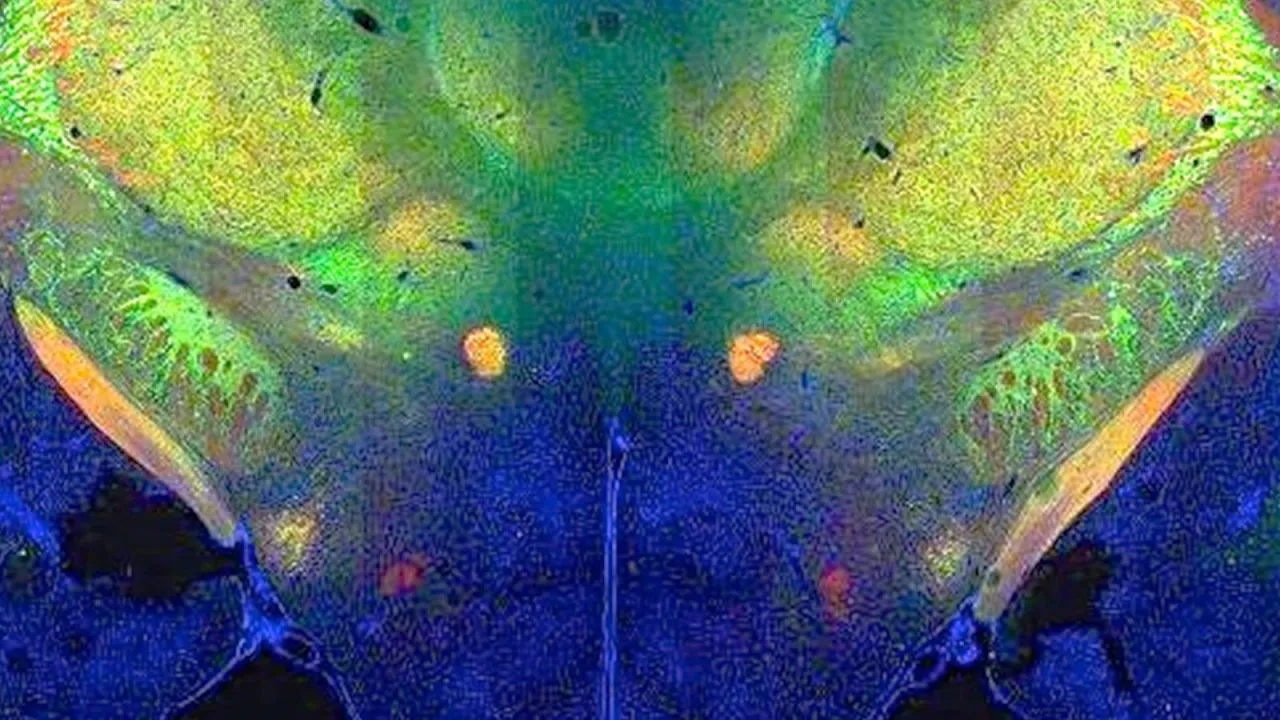
21:55
Deciphering Neural Circuits Controlling Anorexia in Mice | Richard Palmiter
@AllenInstitute
2.3K views•2011-10-10

102:32
Neuroscience of Anxiety, Dopamine & Personal Growth | Huberman
@JordanBPeterson
5.1M views•2022-10-13
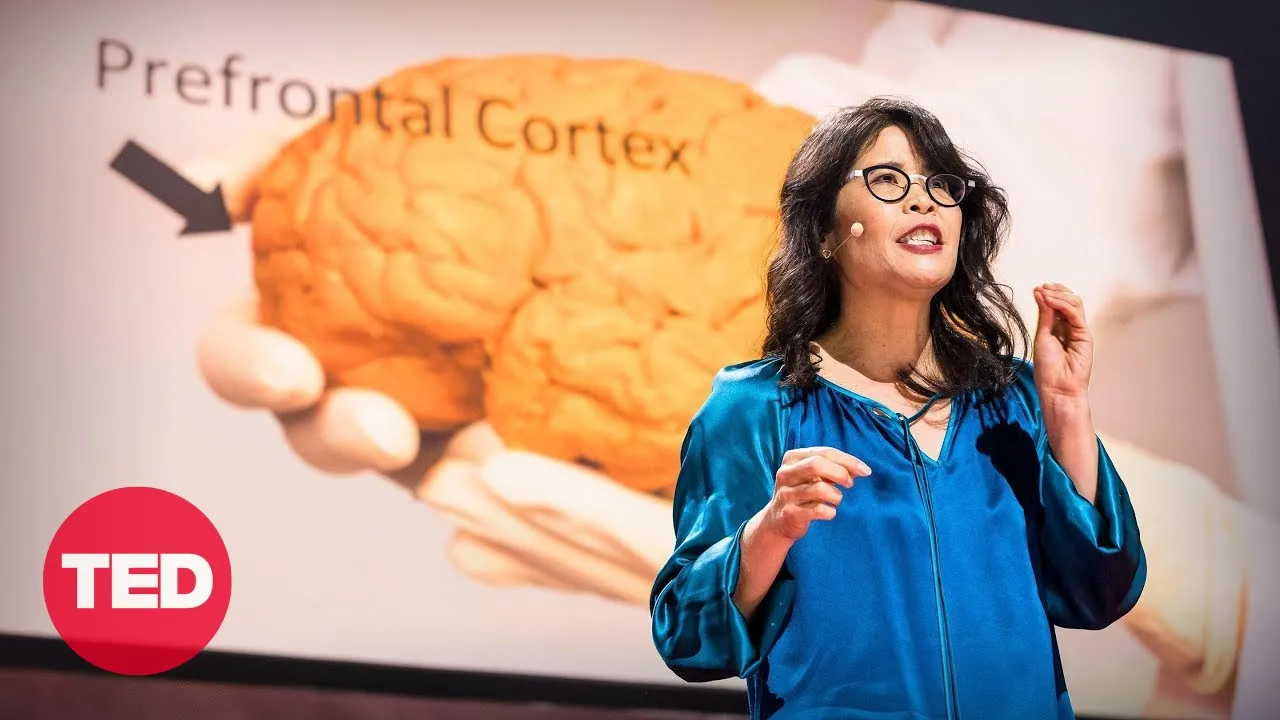
13:03
How Exercise Benefits Your Brain: Science Explained
@TED
11.4M views•2018-03-21
Related Study Plans & Knowledge Roadmaps
Structured learning paths in Neuroscience
neuroscience
Appetite Regulation: Brain Circuits & Hormones
01Foundations of Endocrinology and Brain Anatomy
02Introduction to Energy Homeostasis
03Peripheral Signals: Leptin, Ghrelin, and Insulin
+ 2 more learning modules
14h5 modules
Explore Roadmap
neuroscience
Neuroeconomics: Value, Risk & Brain Mechanisms
01Foundations of Neuroscience and Brain Anatomy
02Introduction to Neuroeconomics and Subjective Value
03Dopaminergic Prediction Errors & Reinforcement Learning
+ 3 more learning modules
18h6 modules
Explore Roadmap
neuroscience
Spatial Navigation: Cells, Grids & Brain Maps
01Foundations of Brain Anatomy and Memory
02Place Cells and Head-Direction Cells
03Grid Cells: The Brain's Coordinate System
+ 2 more learning modules
12h5 modules
Explore Roadmap
neuroscience
BCIs: Neural Decoding & Prosthetic Control
01Neuroscience Foundations: How the Brain Signals Intent
02Signal Acquisition: Recording the Brain's Activity
03Neural Decoding: Translating Brain Waves into Data
+ 2 more learning modules
25h5 modules
Explore Roadmap