















![Cilnidipine [A new generation CCB]](https://i.ytimg.com/vi_webp/eZ_u-rmhxxE/maxresdefault.webp)



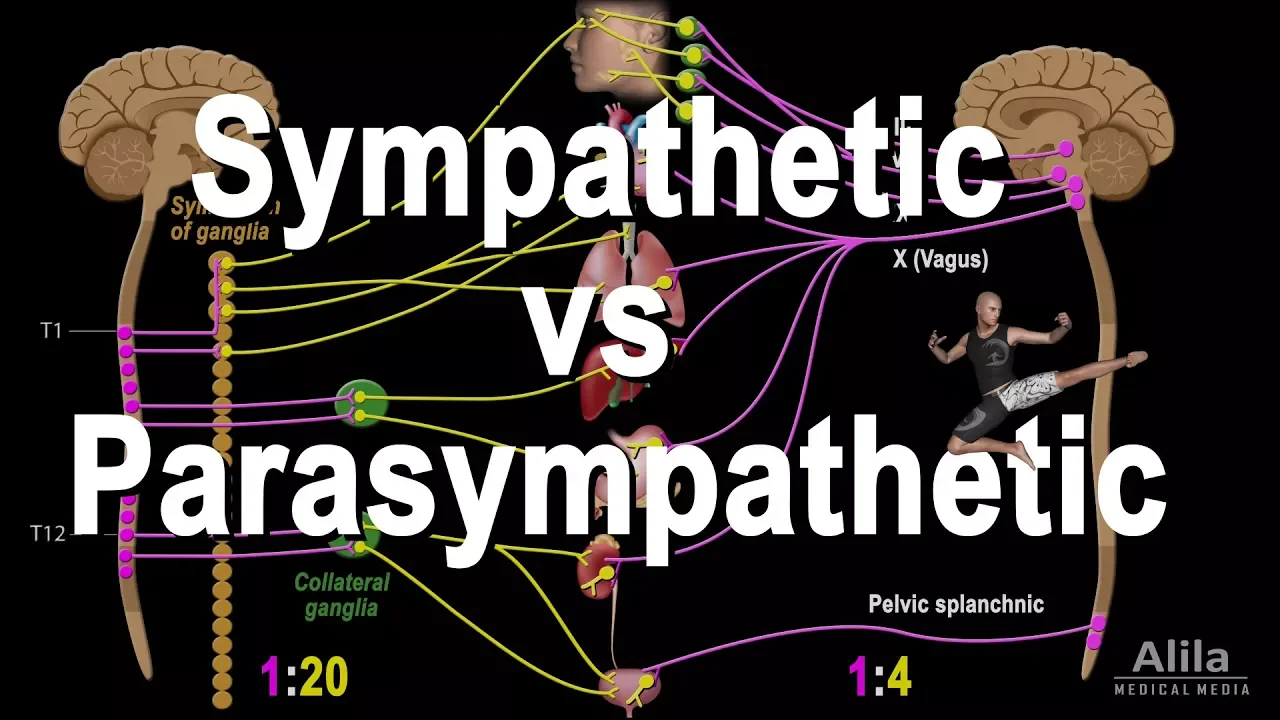
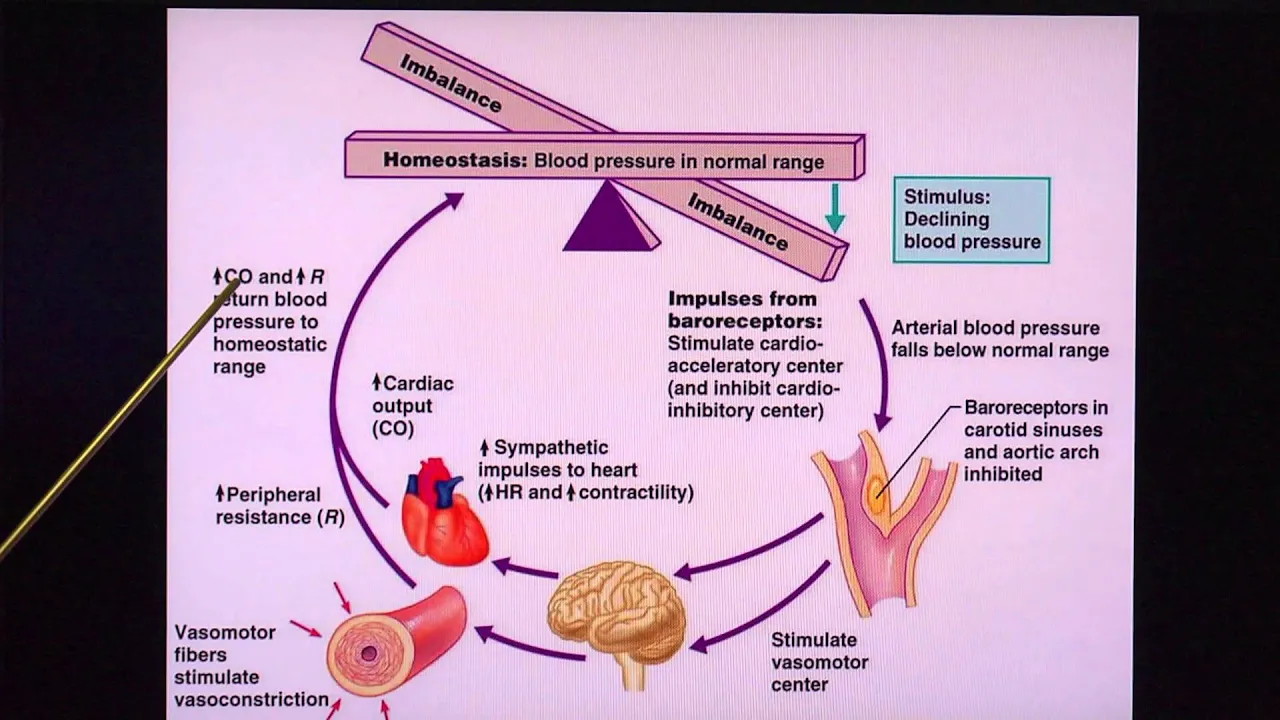
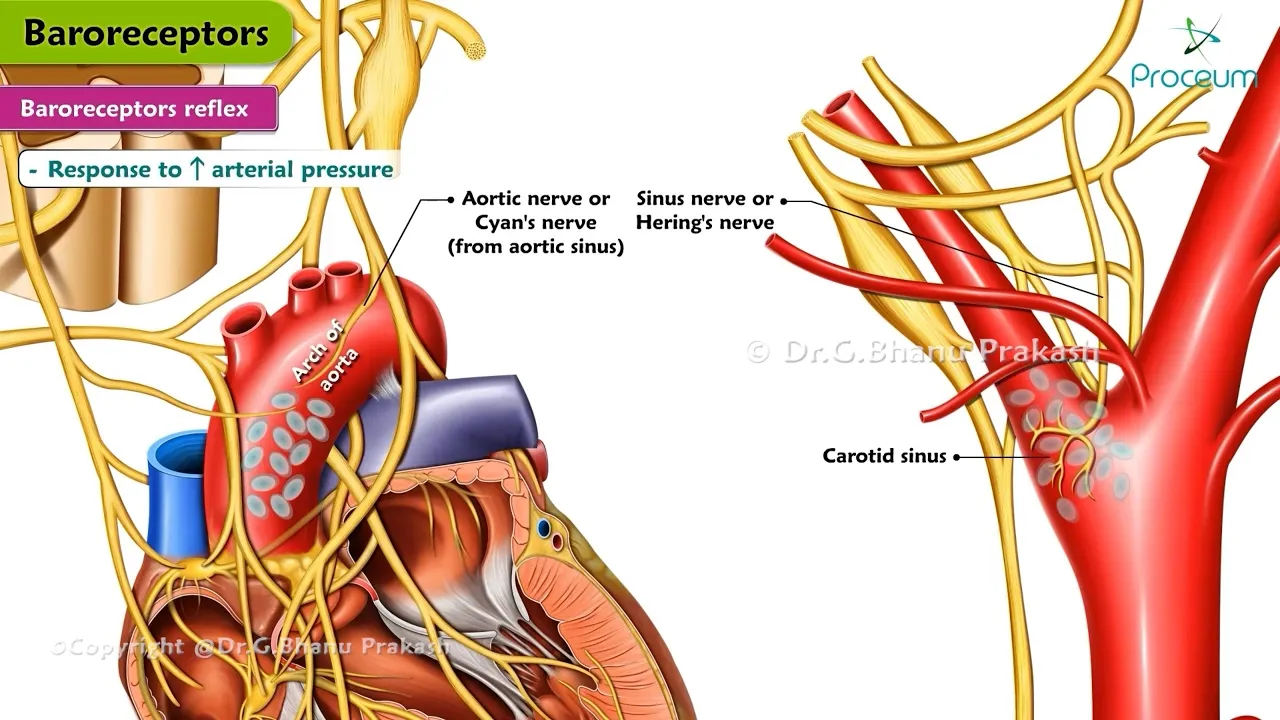
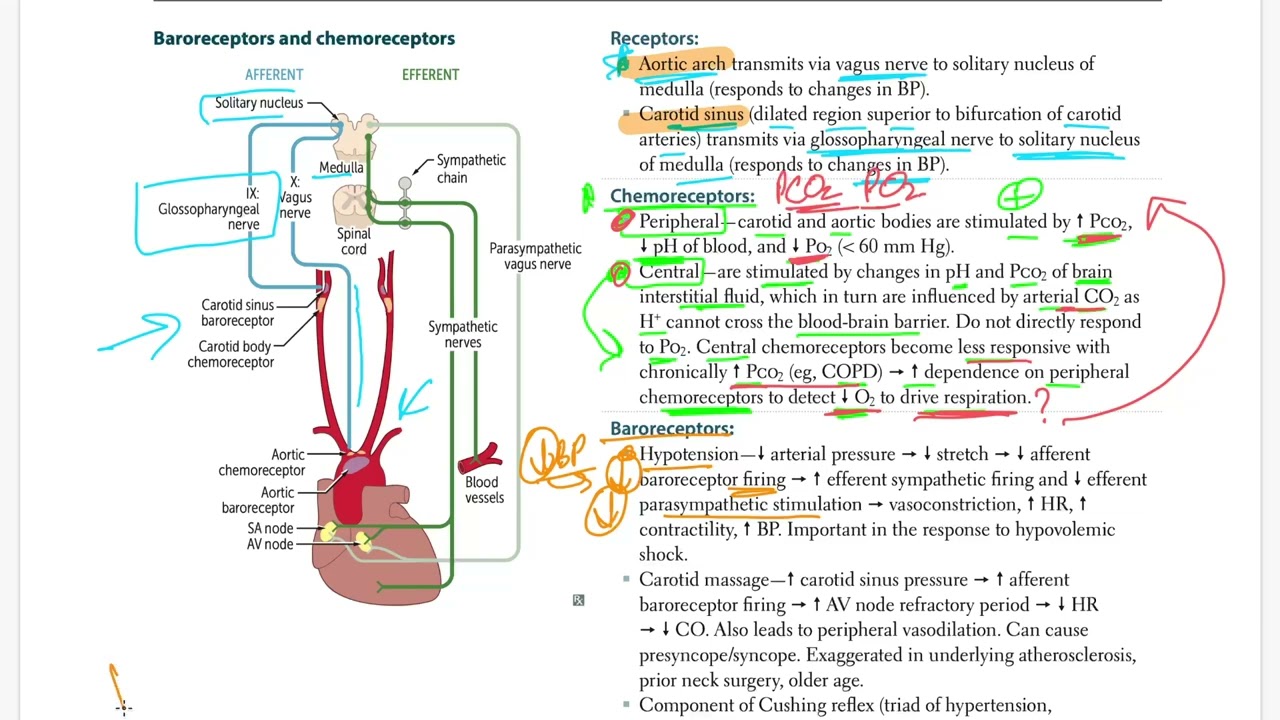
The baroreceptor reflex is a protective autonomic reflex that maintains blood pressure homeostasis through negative feedback: baroreceptors in the carotid sinus (glossopharyngeal nerve, CN IX) and aortic arch (vagus nerve, CN X) detect arterial pressure changes as stretch receptors; when blood pressure drops (hypotension), reduced receptor stretching triggers sympathetic activation via the rostral ventrolateral medulla, increasing heart rate (beta-1 receptors), cardiac contractility, and vasoconstriction to raise blood pressure; conversely, when blood pressure rises (hypertension), excessive stretching activates parasympathetic responses via the dorsal motor nucleus of the vagus, decreasing heart rate and contractility while promoting vasodilation to lower blood pressure back to normal.
Baroreceptor Reflex: Regulation of Blood Pressure
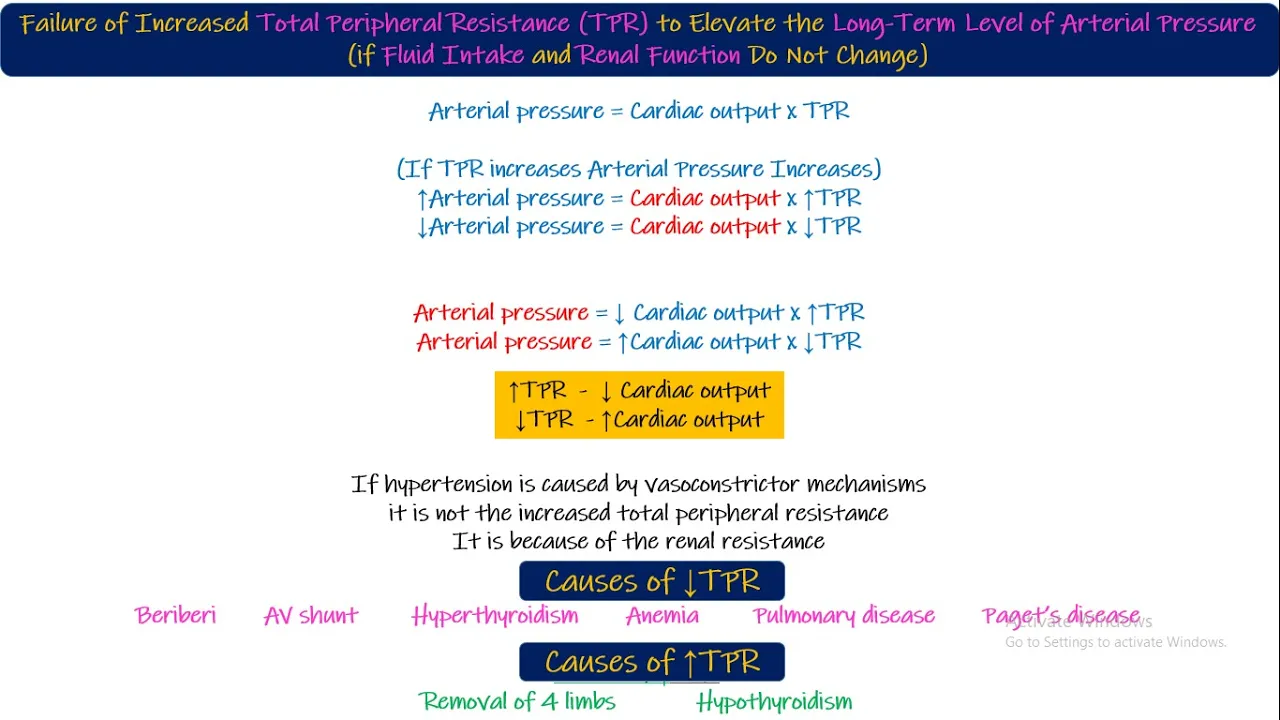
Added:what is going on wonderful people it's medicosis perfectionis where medicine makes perfect sense welcome back to my physiology playlist in previous videos we talked about physiology of the cell and the cell membrane we talked about cell transport including osmosis we talked about utomic nervous system physiology we talked about nerve physiology and the action potential we talked about muscle physiology and the neuromuscular Junction we talked about gastrointestinal physiology we talked about endocrine physiology RIS respaty physiology reproductive physiology we talked about all kinds of physiology today we shall continue the series on cardiac physiology by talking about the bar receptors and the bar receptor reflex what does the word barrow mean it means pressure from whence we get the word barometer which is used to measure pressure so bar receptors are receptors that feel the pressure what kind of pressure your blood pressure what kind of blood pressure arterial blood pressure and these receptors will give them information to the brain and the Brain will decide what to do should I increase the heart rate or should I decrease the heart rate and much more click the like button click the Subscribe button and let's get started this is my physiology playlist please watch these videos in order for maximum understanding and retention let's review some neuroanatomy remember that you have 12 pairs of cranial nerves and 31 pairs of spinal nerves the 12 pairs of cranial nerves are arranged like this the the first and the second crane nerves come from the four brain three and four from the midbrain five 6 seven and eight from the pawns 9 10 11 and 12 from the middle one is olfactory two is optic three is oculomotor four is stro clear five is trigeminal six is abducens seven is facial eight is vestibulo cckar or sto acoustic nine is glass ofer ringel 10 is vagus 11 is accessory or spinal accessory because it has a CR part and a spinal part and 12 is the hypoglossal which nerves are we concerned with when we talk about the bare receptor reflex today we're concerned with nine which is the glossop fangel nerve and cranial nerve 10 which is the Vagas nerve glossop fangel and Vegas why do we call the glosso fangel glosso fangel because it's for your tongue glosso and for your fairings fangel why do we call the Vegas Vegas because it's vague it's a Wanderer it wanders around the body starting in the brain which is in the head then the neck then the thorax and even the abdomen but not the pelvis because in the pelvis it will be replaced by the pelvic spanic nerves otherwise known as nerves arenes let's review some Cardiology this is your heart here is right atrium right ventricle and left atrium left ventricle from the left ventricle emerges the aorta we have ascending aota aortic Arch and descending aota the ascending aota will give us the two coronary arteries right coronary AR artery and left coronary artery to supply the heart itself and then the aortic Arch will give us three famous branches that you should never ever forget I should be able to wake you up from a coma and you should still remember the names of the three branches of the aortic Arch if I got stabbed by a knife and came to your hospital to treat me before I give you permission to do anything I'm going to ask you this what are the three branches of the aortic Arch if I do not get my answer in 1 and 1/2 seconds I will decline treatment I would rather succumb to my open wounds than be treated by a doofus who does not recall the three branches of the aortic Arch how can I even trust you the three branches of the aortic Arch are the braak eelic artery left common cored artery and left subclavian artery in this order bra tic artery left common cored artery and left subclavian artery what does the word braic mean brachium means arm sealo means head so it will divide into one for your arm and one for your head the one for your arm is going to be the right subclavian which will become the right axillary and by a verbal slight of hand it will change into right braal which will divide into right radial and right onar or that was the one for your arm the one for your head is this right common cored which will then divide into right external cored artery for your face and right internal cored artery for your brain but the left common cored artery comes directly from the eotic arch and the left subclavian artery comes directly out of the eotic arch as well and not from a braus ofic trunk remember that the internal cored artery will contribute to the anterior portion of the circulation for the brain which is the Circle of Willis whereas the vertebral artery will give us the posterior aspect of the brain circulation anterior circulation posterior circulation together they make the Circle of Willis this is the aortic Arch the aortic Arch itself has receptors that feel pressure called beer receptors in the aortic Arch we have a cored body of nerve fibers and they contain Cho receptors which sense chemicals so be receptors for pressure are in the aortic Arch but Cho receptors for chemicals are in the eotic body similarly here is the common cored Ary which will divide into the external cored artery for the face and internal cored artery for the brain the cored sinus sinus means a pocket a dilated area contains beer receptors for pressure whereas the kateed body of nerves contains chemo receptors for chemicals today we're concerned with the bar receptor reflex and not BYO receptors so we're going to focus on the bar receptors how do I remember that the be receptors are in the sinus whereas The Cho receptors are in the cross body how can I tell the difference by remembering the simple fact that pressure is nothing more and nothing less than than Force applied over a surface area so pressure cares about area so give it an area give it a pocket give it a dilated area for the force to act upon to give us a pressure so the bare receptor is in the wide area the kateed sinus the word sinus means pocket in a university we have all kinds of students some of them are studying economics some of them are studying journalism some of them are studying law some of them are studying history Etc all of these students put their hands in their pockets but not medical students medical students put their hands in their sinuses that was disgusting do you remember the soo atrial node in the heart why do we call it Soo atrial node Soo because it's a pocket it's a pocket in the atrium hence Sino atrial if you have watched my video titled anatomy of the thorax we have talked about these nerves in detail let me remind you that up here there is a gloss of Fingal nerve near your tongue and Fa ings but then the Vagas nerve which is cran nerve 10 is going to wander all over the body it includes head and neck and thorax and abdomen this is the vegus nerve which will give us the left recurrent lenal nerve which wraps around the aoic arch however the right recurrent lingel of the right Vegas winds around the right subclavian so you wrap around the subclavian on the right but to wrap around the atic arch on the left if you want to see more videos like this in the future please drop a heart emoji in the comments and if you have watched my neuroanatomy playlist we have talked about the glossop fangel nerve or the ninth green nerve in detail remember it had a bunch of nuclei especially the solitary nucleus also known as nucleus solitarius which is so romantic how come because it feels the changes in your blood pressure the glossop foral nerve is responsible for the koted sinus and the koted body koted sinus for bar receptors and koted body for Cho receptors where do I find the solitary nucleus it's in the medulla which makes sense because at the beginning of this video we said that cranial nerves 9 and 10 and 11 and 12 emerge out of the Meda aonga so that's not surprising if you wish to download these doozy colorful notes go to medicos as perfect ses.com I help you learn understand and pass exams if you want me to personally tutor you reach out to me on my website you know what else is not surprising the fact that the Vagas nerve also emerges out of the medila oblongata the Vegas nerve 2 also takes origin from the nucleus solitarius which is responsible for not the karate this time but the aoic atic body for Cho receptors and aoic Arch for be receptors and we call this General visceral aend fibers apher from whom from the aota why do you call them them aont because they receive the impulse from the aoic arge and then they send the impulse to the brain from the periphery to the center is the definition of an efferent nerve so the bare receptor reflex is about crane nerve 10 and crane nerve nine you find nine in the kateed sinus and you find 10 in the eotic arch I said sinus not body Arch not body because I'm talking about bar receptors not chemo receptors how are these receptors capable of failing the pressure changes because they are stretch receptors if they get stretched too much it means that your blood pressure is too much if they get stretched at little it means that your blood pressure is little they are feeling the force by which your blood hits those special vessels what's the purpose of the bare receptor reflex it's a protective reflex for example if you suffer from hypo tension the bar receptor reflex will try to counteract this by raising your butt pressure back to normal conversely if you suffer from hypertension the bar receptor reflex will try to correct this by lowering your blood pressure back to normal let's start with the first scenario where my blood pressure dropped for one reason or another it could be that I lost volume extra cellular fluid volume depletion and since the extra cellular fluid includes intravascular and interstitial fluids the intravascular is known as what effective arterial blood volume inside the artery including these lovely arteries of the eotic arch and the kateed sinus this will register as decreased blood pressure and will be felt by the bare receptors as a drop in pressure because they will be stretched less they will send aend fibers to the middle of the brain # gva General visceral afferent fibers for the neuroanatomy Buffs out there this is called the herrings nerve which is not a red herring it's actually important and now we are part of the glossop foral nerve or the ninth cranial nerve we're going to reach the Medela nucleus solitarius and then when you have hypotension this is a dangerous situation that triggers your sympathetic nervous system fight flight baby because I'm about to die so I'm going to send sympathetic fibers from the Vaso motor area of the medulla which is the rostral ventrolateral part of the Medela remember that the sympathetic fibers that reach the heart come from thoracic segments 1 2 3 and four T1 through T4 are the fibers that reach the heart and because these are sympathetic fibers they leave the lateral horn cell what are you going to do to the heart well I'm suffering from hypotension so let me try to reverse this how do you reverse low blood pressure remember that blood pressure is what well blood pressure is cardiac output multiplied by total perip her resistance and cardiac output is what it is heart rate multiplied by stroke volume so I'm going to respond to the hypotension by trying to raise the heart rate raise the stroke volume and constrict the vessels to raise the total peripher resistance so that at the end of the day I can raise the blood pressure back to normal and this is exactly what the sympathetic nervous system will do it will increase the heart rate # beta1 receptor stimulation which is GS coupled and going to increase cardiac contractility # beta 1 energic receptor stimulation also GS scuffled which means it's going to increase cyclic EMP and I'll also Vaso constrict your arterials to increase the total peripher resistance # alpha 1 adrenergic receptor stimulation which is GQ coupled # calcium release calcium is the hero of contraction calcium contraction contraction of whom of the vessels so they constrict and when they constrict the total peripher resistance goes up and the blood pressure goes up and back to normal so the sympathetic response to the hypotension was teic cardia boasting cardiac contractility and Vaso constriction of arterials and veins when you vas to constrict the arterials are going to increase the diastolic blood pressure and increase the total peripher resistance and when you constrict the veins you will boost the Venus return and the preload to the heart which is otherwise known as and diastolic volume for the right ventricle the pressure has been regulated the pressure has returned back to normal and we call this a pressure buffer system which reminds me of what of the acid base buffer system which is used to buffer I.E minimize the change in PH pressure buffer system is similar it minimizes the change in your blood pressure so that you may live conversely what if I suffer from hypertension Maybe because my doctor was a doofus who gave me too much normal saline or for any other reason this increases the effective arterial blood volume which raises the blood pressure so the natural response will be to try to bring the blood pressure down and back to normal when the blood pressure is so high The receptors are stretched too much what receptors are you talking about bare receptors where are they in the koted sinus and the aoic arch koted sinus is by the ninth nerve whereas the atic arch is controll by the 10th nerve aferin fibers General visceral afer or gva to the medila again Nu cleia solitarious then this time I'm going to send parasympathetic because I'm trying to depress your blood pressure not to raise it because it's already high let me send the vagus nerve which is going to reach the heart we'll try to decrease the heart rate decrease the force of contraction # M2 or muscarinic number two receptors which are G I coupled GS for stimulation GI for inhibition and instead of vasil constricting arteries and veins I'm going to vasodilate the arteries and veins due to lack of sympathetic innervation so when I lower the heart rate when I lower the stroke volume by decreasing the force of contraction and when I dilate the arterials which means I'm going to depress the total peripher resistance I will decrease the blood pressure back to normal and this is the pressure buffer system otherwise known as the B receptor reflex which is magnificent and if that was not enough let me tell you something about ADH if your blood pressure is so low it means that you need to drink more water because water is volume if you drink enough water you can actually help bring the blood pressure up so anytime you have hypotension besides all of these responses your hypothalamus is going to make ADH drop that into the posterior pituitary to be secreted to the outside world and remember what ADH does ADH has two receptors V supress one and vas supress 2 vpress one will constrict vessels V supressant 2 is anti-diuretic it tells the kidney to retain the water and not to excreted conversely if my blood pressure is so high there is no need for ADH so when the blood pressure Rises ADH stops let's take you to the next level remember that any reflex in physiology and I mean any reflex in any system has the following components s r a c e e r the acronym is sarir which is an Arabic word that means cockroaches the S stimulus the r receptor then afer then Center which is part of your central nervous system could be brain or spinal cord e is eeper e eector organ followed by the response you start by a stimulus and I give you a response this is not a pavlovian response instead it's more fundamental than that this is like the knee jerk reflex or the patellar tendon reflex stimulus response there is no need for pairing or teaching or anything like this this is automatic you are born with it by the way why did Ivan Pavlo have such great hair answer conditioning so here are the Soros seers that we need stimulus receptor eer Center eant effector and response of the bare receptor reflex what's the stimulus a change in your blood pressure could be hypotension or hypertension if you have hypotension you will stretch your bare receptors less if you have hypertension you will stretch them more the receptor bar receptors where do I find them in the kared sinus or in the eotic arch the Ked sinus is controlled by the afen known as the glossop fenel whereas the eotic arch is controlled by the vagus nerve both of them through General visceral efferent fibers will hit the nucleus track to solitarius and then the solitary nucleus in the Mida ofata so where are we now we are in the central nervous system in the brain in the medulla to be specific then ventrolateral nucleus of the medulla is going to trigger the sympathetic response to try to raise your blood pressure back to normal and the dorsal motor nucleus of the vegus will do the opposite it's Vaga so it's parasympathetic it will try to decrease your blood pressure and back to normal if different well we have fibers from the Meda which will communicate with the sympathetic fibers especially those who emerge from thoracic segments one to 3 and four this is if you want to raise the blood pressure but what if I want to drop the blood pressure send parasympathetic fibers through the vagus nerve to whom to the affector organ in the heart I want to reach the SA node and the AV node to control the heart rate if you started with hypotension I'm going to raise the heart rate if you started with hypertension then the response should be to decrease the heart rate another eector organ are the muscles of the ventricle to increase or decrease the force of contraction another eector organ is the smooth muscle of the vessel wall because I can cause Vaso constriction if the original impulse was hypotension or I can dilate the vessels if the initial stimulus was hypertension response well if the initial stimulus was hypotension then I'm trying to raise the blood pressure by increasing the heart rate the force of contraction of the ventricles and the vasal constriction of arterials and veins but if the initial stimulus was hypertension then I'm going to do the opposite decrease heart rate decrease contractility and decrease vasil constriction which causes Vaso dilation of arteries and veins to try to decrease the blood pressure back to normal this was the best explanation of the bare receptor reflex in the history of mankind or as Justin Trudeau might say people kind do you want to learn about angina my cardial infarction transient ischemic attack stroke cardiac arrhythmias ards acute limb esia drowning all of the toxy dromes that you can imagine download my emergency medicine high yields course it comes with videos notes and cases if you found these videos to be helpful please consider supporting my channel by buying me a coffee go to buy me a coffee.com medicosis you can see more videos in my physiology playlist there are more than 600 premium videos available on this channel Channel when you click the join button and choose the highest tier Please Subscribe hit the Bell smash like support my channel on patreon PayPal or venmo go to my website to download my courses notes and cases or if you would like me to personally tutor you be safe stay happy study hard this is medicosis perfectionalis where medicine chemistry math and physics make perfect sense
Up Next
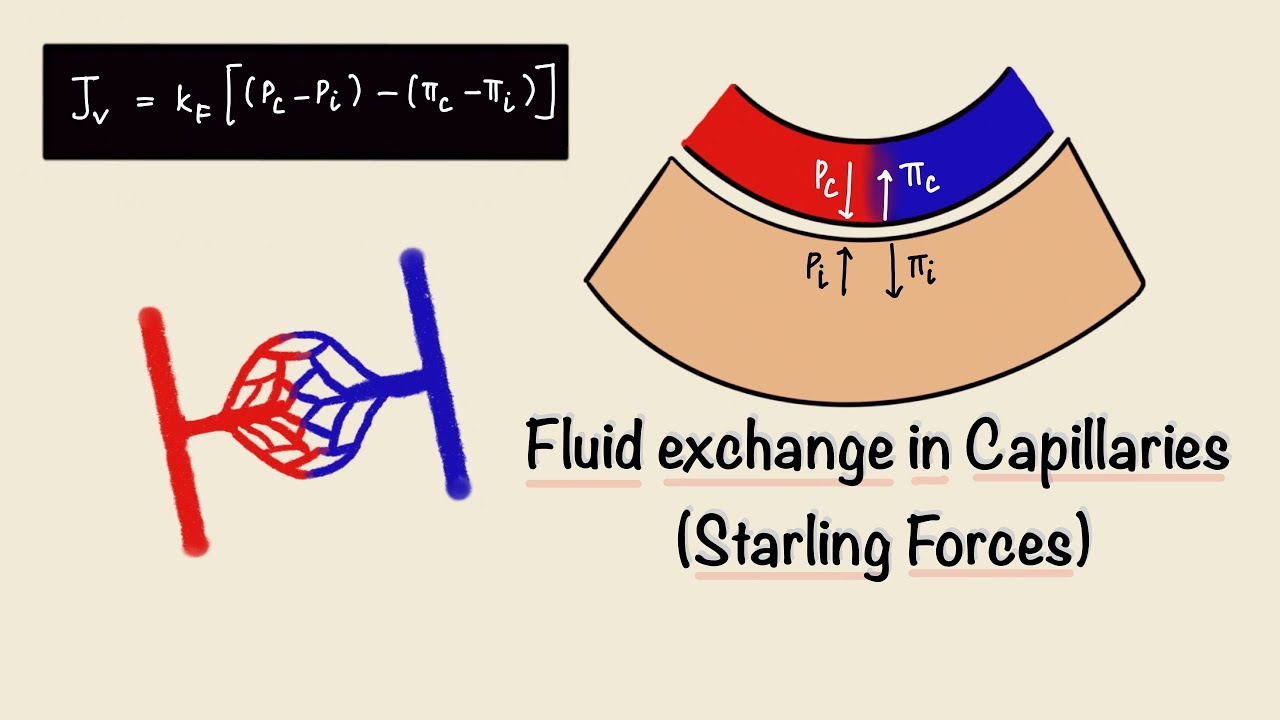
Capillary Fluid Exchange: Starling Forces Explained
@bytesizemed
136.1K views•2020-10-08

Graphic Medicine: Comics for Collaborative Healthcare Communication
@nationalpatientadvocate
189 views•2023-12-04
Petechiae vs Purpura vs Ecchymosis: Causes, Size & Clinical Signs
@MedicosisPerfectionalis
62.9K views•2019-11-13
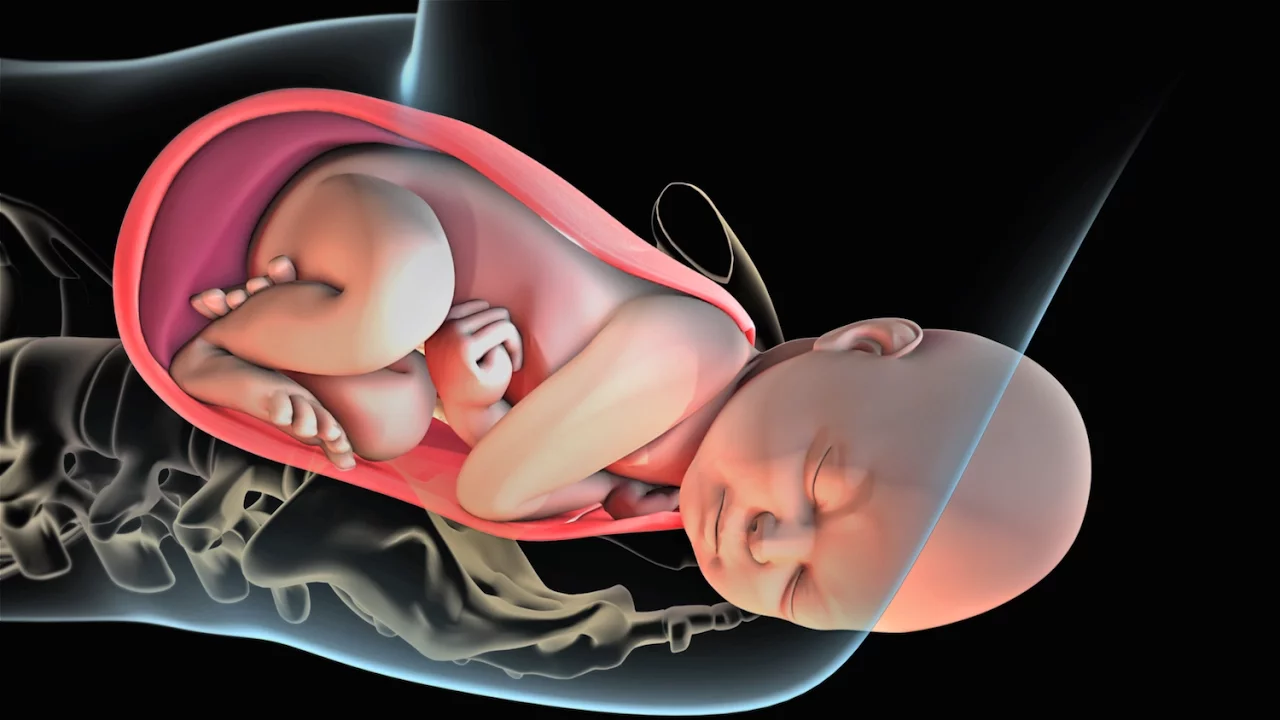
Stages of Labor and Vaginal Birth | Childbirth Animation
@nucleusmedicalmedia
52.1M views•2017-08-18
Related Study Plans & Knowledge Roadmaps
Structured learning paths in Medicine