



















Petechiae, purpura, and ecchymoses are classified by size (petechiae <1mm, purpura 3-10mm, ecchymoses >1cm) and represent different manifestations of bleeding disorders; petechiae indicate superficial bleeding from primary hemostasis defects (platelet count <50,000/μL or function abnormalities), while ecchymoses suggest deeper tissue involvement, with treatment depending on the underlying cause such as thrombocytopenia, platelet dysfunction, or coagulation factor deficiencies.
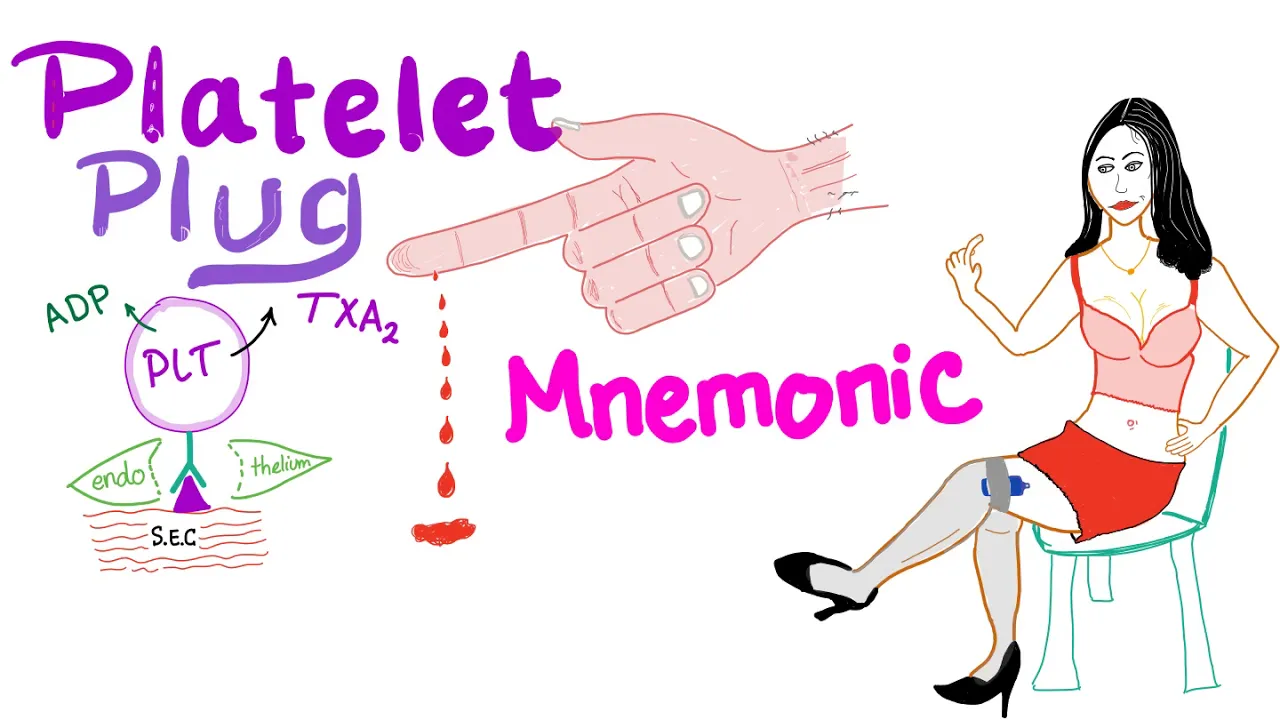
Petechiae vs Purpura vs Ecchymosis: Causes, Size & Clinical Signs
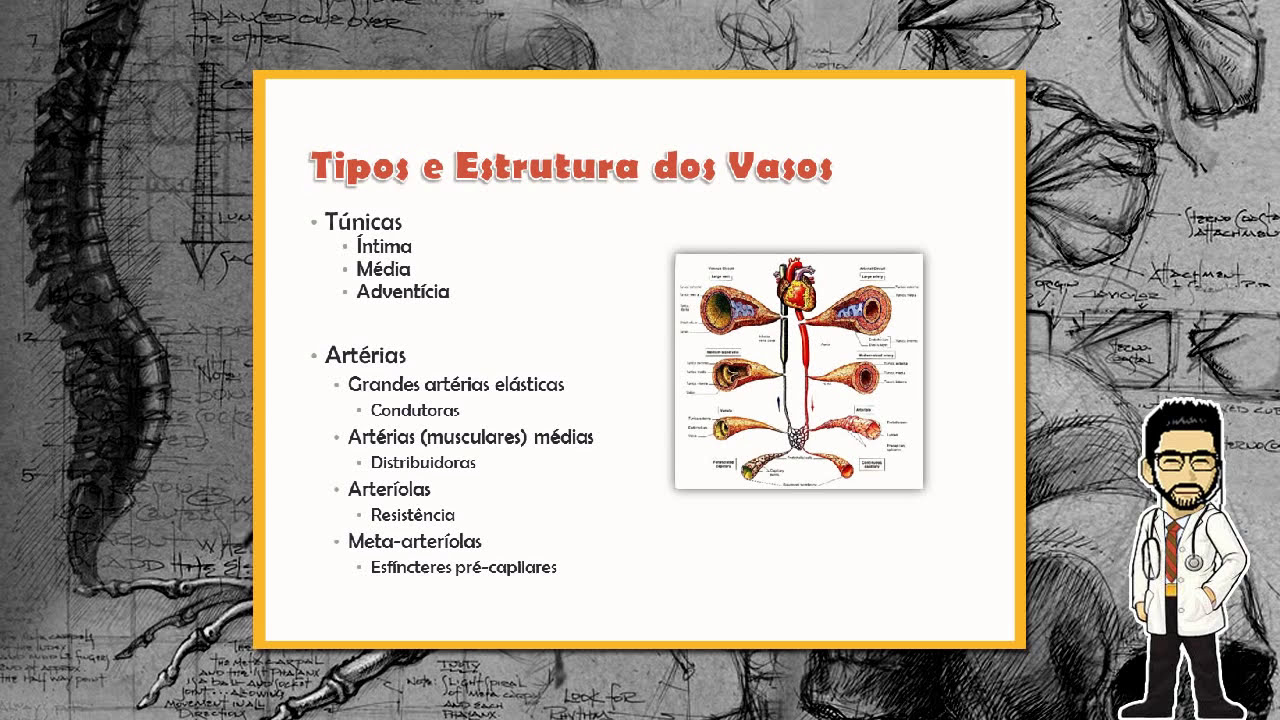
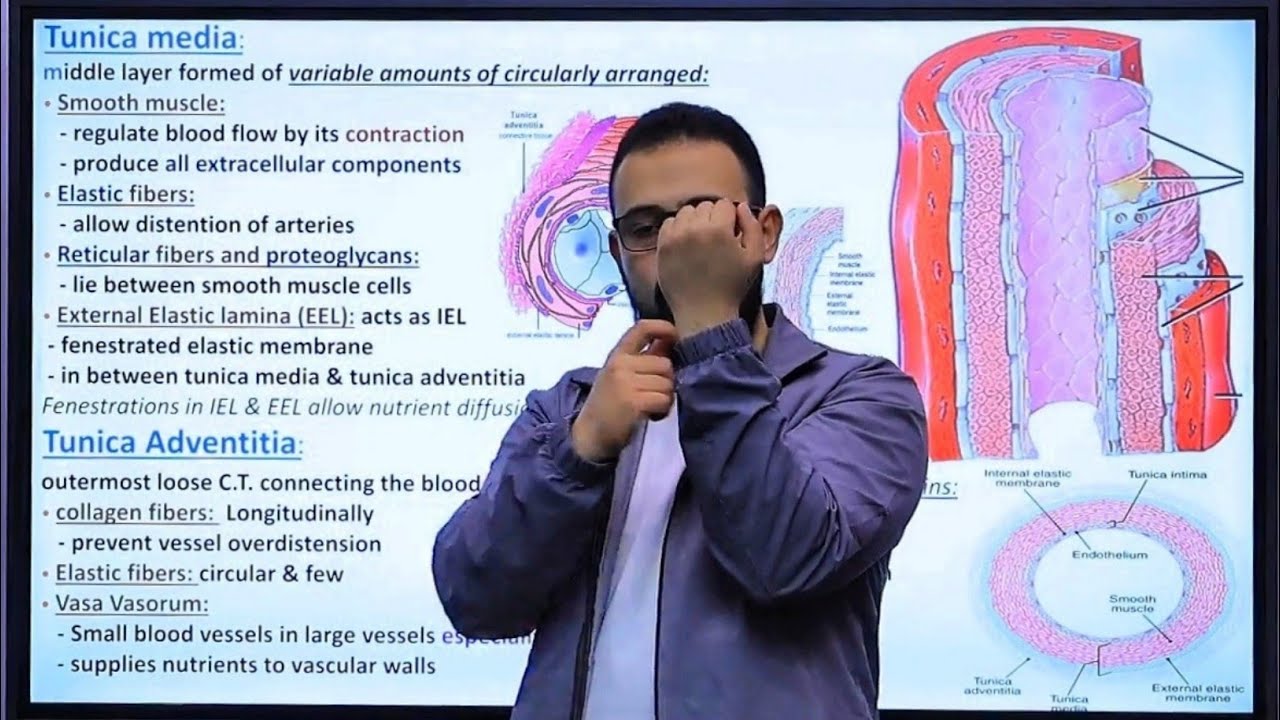
Added:Basic anatomy of the skin and microvasculature, including capillaries, venules, and arterioles.
The physiology of primary and secondary hemostasis, including the vital roles of platelets and coagulation factors.
The concept of blood extravasation (leakage of red blood cells from blood vessels into surrounding tissues) versus active vasodilation.
An understanding of basic medical terminology related to clinical dermatological assessment.
Diagnostic workup and laboratory evaluation of bleeding disorders, including interpreting Platelet Count, Prothrombin Time (PT), and Activated Partial Thromboplastin Time (aPTT).
Pathophysiological study of specific medical conditions associated with these signs, such as Immune Thrombocytopenic Purpura (ITP), Henoch-Schönlein Purpura (HSP), and Disseminated Intravascular Coagulation (DIC).
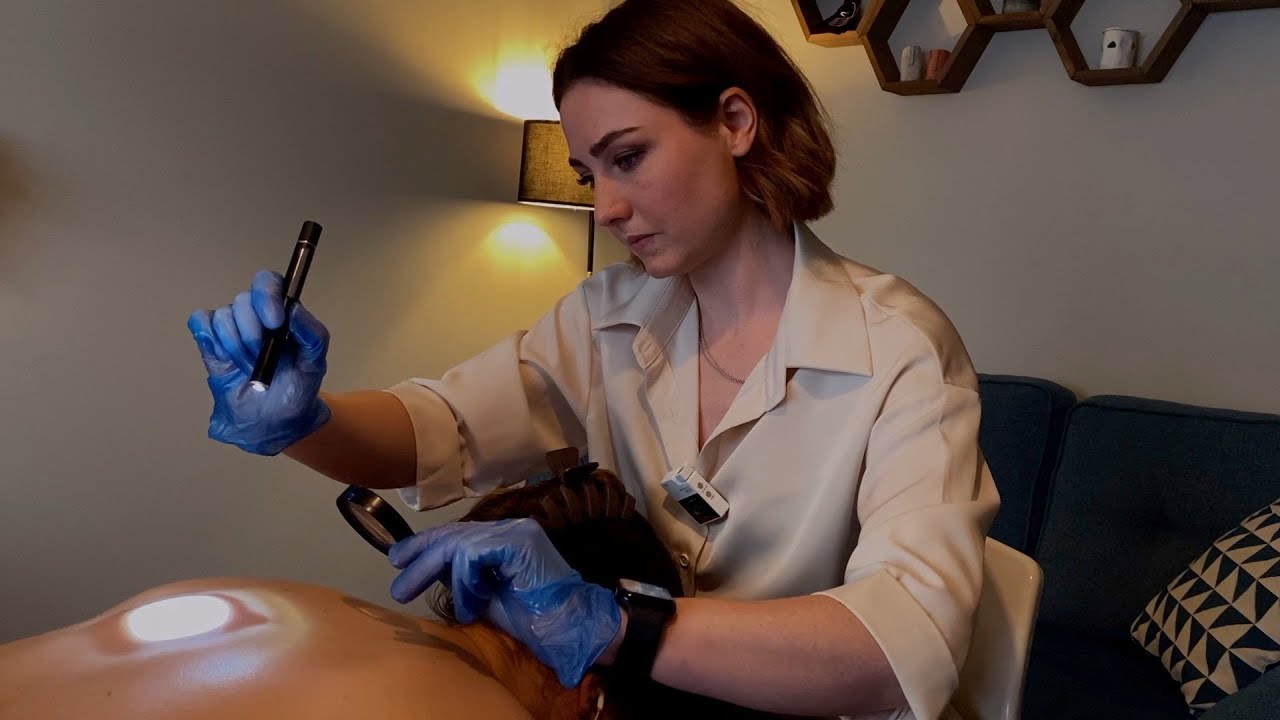
Clinical application of the diascopy test (using a glass slide to check for blanching) to differentiate vascular dilatation from extravasated blood.
The pharmacological impact of common medications, such as anticoagulants, antiplatelets, and systemic corticosteroids, on vessel wall integrity and clotting.
62.9K views1.2Klikes11:23Original Release: 2019-11-13
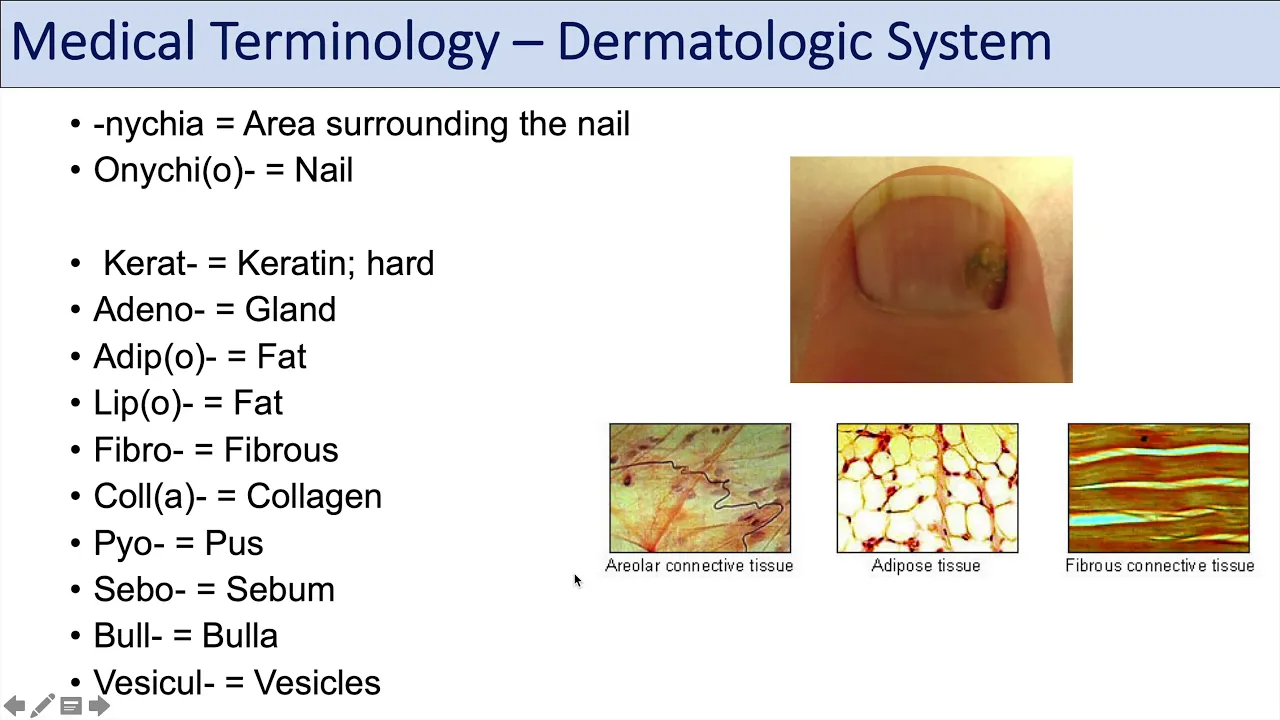
hey guys it's medicos is perfection Alice one more time continuing our discussion and our playlist about bleeding and coagulation disorders in previous videos in this playlist we have talked about a lot of hematology form ecology kind of stuff and today we'll talk about PT k purpura and ecchymosis it's physical exam baby by the way if you notice petechiae are small purpura are kind of medium and ecchymosis are the biggest so small medium biggest now just to let you know now let's get started in this playlist about bleeding and coagulation disorder there was a video called thrombocytopenia it's a must watch for you to understand this video and it was the video number 5 in this playlist normal platelet count is 150,000 to 400,000 per microliter so theoretically thrombocytopenia is defined as platelet count less than 150,000 this is theoretically in other words it's what your professor cares about but for doctors we don't care if your plate count is 145 thousand it's not gonna make anything your normal provided that every other thing is normal and you have no symptoms and everything is hunky-dory why because politely let's count like many things in life follow this bell-shaped curve also known as normal distribution so here is the normal mean median mode and here we have one standard deviation to the left one standard deviation to the right another standard deviation here another standard deviation there thrombocytopenia for it to be clinical you have to pass to standard deviation so clinically speaking thrombocytopenia is played at Kamel less than 50,000 per microliter so thrombocytopenia is decreased play it count how about increased where it counts gonna be called thrombocytosis or thrombocythemia same freaking thing theoretically thrombocytopenia is less than 150,000 clinically it's less than 50,000 causes we have the pseudo thrombocytopenia which is not an actual thrombocytopenia it's an artifact from the stupid butt machine called the analyzer and we call it an analyzer because it's stupid but machine how to prevent the student from sight opinion do a peripheral smear and count the platelets manually because the machine is stupid it's a freaking computer true thrombocytopenia on the other hand is true it's an actual thing causes decreased bone marrow production increased destruction or splenic sequestration so decreased supply and increased demand so pseudo thrombocytopenia pseudo starts with a pea cores when you put blood in a purple tube or lavender which starts with a Pape so if it's purple it will interfere with platelet and coagulation function leading to the pseudo thrombocytopenia because the platelets will eat gluten 8 together forming this rosette shape if you look at this here is one two three four five six seven eight playlist but the stupid but machine counts this as one playlist therefore thrombocytopenia so the machine is gonna tell you this vision have formal soda Pina in fact the patient is normal it's just the Machine is stupid so how to prevent the suta thrombocytopenia use a different test tube green or blue why because they do not contain EDTA gotcha what else he can order a peripheral blood smear also known as a blood film and you will see platelets clumping you can count them manually and therefore it's not gonna be there other option is to repeat the test even if you repeat it in the same purple tube there is a chance that the patient is gonna be normal in the second time according to the stupid book machine fool me once shame on you fool me twice shame on me truth rhombus I to Pina has three different causes and we have talked about this in previous videos treatment of thrombocytopenia and therefore treatment of PTK purpura or ecchymosis depends on the underlying freakin cause no symptoms no tremont all those particular they all go away probably steroids or foliage depends on the cause and we have talked about this before clinical signs and symptoms of thrombocytopenia most patients are asymptomatic or they can have superficial bleeding so chance skin bleeding or mucosal bleeding scambling such as petechiae the smallest purpura the in-between and ecchymosis that biggest petechia purpura ecchymosis 1/2 millimeter 0.32 one centimeter or you can say 3 millimeter all the way up to 1 centimeter this is purple and then icky mousey is more than 1 centimeter if it is thrombocytopenia you will have only superficial bleeding no Latro bleeding and no him arthrosis we only see these in case of secondary hemostasis problems such as coagulation factory deficiencies such as the famous hemophilia s' so platelet defect superficial bleeding coagulation factor defect deep bleeding ray bleeding now let's get organized it's the 21st century get your head out of your sphincter petechia purpura and ecchymosis first let's talk about the similarities let's talk about the differences what's common what's different and unique PTK purpura and ecchymosis similarities all of them are subcutaneous hematoma or subcutaneous and I'm trying to be funny one condition can cause a range of different stigmata I love this word meaning clinical symptoms so you mean that one medical condition can lead to ptk and purpura and ecchymosis at the same freakin time and the answer is yes example thrombocytopenia can cause all of them it doesn't have to be all of them it can be pity key and perpare only can be propria and ecchymosis can be particular reckon most can be the whole three it doesn't matter all of these jerks have the same underlying mechanism disruption or a defect in the vessel wall and/or platelet number or function ie primary hemostasis and or clotting or coagulation factors also known as secondary hemostasis a disruption on one or more of them can lead to subcutaneous hematoma how because you bleed you have so many teeny tiny capillaries like this and the capillaries gonna bleed and this blood is gonna form a small micro hematoma and it has blood blood has what has red blood cells red blood cells has what has hemoglobin and this hemoglobin is gonna give you the red / blue color because you know oxygenated blood and deoxygenated blood and all of the stuff that's why petechiae / pure or ecchymosis have the red / blue color you can say violet or purple I'm gonna be mad at you if you remember the steps of hemostasis raise the constructor primary hemostasis and secondary hemostasis the effect in this one or this one or this one can later ktk / pea or ecchymosis because it has they have the same freakin mechanism and it's a disruption in the vessel wall in primary hemostasis or in the secondary hemostasis process causes of petechiae / pure and ecchymosis thrombocytopenia can cause them why because in thrombocytopenia you have disruption of primary hemostasis yep we got it it could be decreased platelet plugging or decrease blood coagulation both of them can lead to subcutaneous hematoma but if the problem is in the platelets why are you talking about blood coagulation because without platelet activation in vein there is blood coagulation because platelet plug is step number two blood coagulation is step number three if you're not gonna accomplish step number two it's not gonna happen step number three okay just common sense next trauma can cause them why because trauma is a disruption of the vessel wall when you stop the vessel wall you bleed when you believe you have a subcutaneous hematoma when you have a subcutaneous hematoma you have a haemoglobin when you have haemoglobin it's gonna give you the red / blue / purple color so petechiae / pure and ecchymosis can take place even before platelet plug formation because it's a bleeding okay platelet can take time to for order for them to make a plug but the micro hematomas are so fast you're just bleeding blood accumulates forming purpura the TK or ecchymosis so let's talk about cause of petechiae / Puranic so we've talked about the similarities before let's talk about the differences what's different what's unique first thing is the size particular our small purple or Midian ecchymosis our large 1 to 2 millimeter 3 millimeter to one centimeter more than one centimeter associations or cause decrease play at number also enhanced rhombus height opinion because it's a disruption in primary hemostasis next decrease play function or thrombo asthenia some people call it thrombus tinea I don't care and this is also a disruption in primary hemostasis factory production defect such as bone marrow failure the factory is broken the bone marrow is on a strike or it could be due to secondary hemostasis defects such as coagulation factor deficiency so this is primary hemostasis and this is secondary hemostasis when you have bone marrow failure I'm not gonna get any play that leading to defect in primary hemostasis next to talk about perkier causes same as those plus trauma vasculitis and amyloidosis vesicle Eisley to something called palpable purpura Talpa pol feelable you can feel it with your hands as a doctor akima sees the largest cause the same as ptk and purpura + Cushing's disease scurvy which is vitamin C deficiency don't confuse scurvy with scabies two different diseases next we have the Osler river run do syndrome also known as hereditary hemorrhagic telangiectasia question of the day please mention at least three causes of palpable purpura you can list a bazillion causes please let me know the answer down below in the comments and let's see who's gonna get it first thank you so much for watching there is a playlist on my channel called medical jokes there is another place called medical mnemonics and there is a website called pick monic it's not owned by me it's another company but they are awesome see the link in the description below for a great deal thank you so much for watching please subscribe and join the tribe hit the bell to get notified and smash like follow me in facebook I have more than 100 cases there all of these platforms you can get my notes and my cases at patreon.com slash medic OSes and they are available for direct download and they are yours forever thank you so much for watching this is medical is perfection elsewhere medicine makes perfect sense until next time please be safe stay happy and study hard
Up Next

122:20
Morphology: The Central Pillar of Hematology | Peripheral Blood Film Decoded
@nilampathlectures
9.3K views•2021-06-04

48:47
Graphic Medicine: Comics for Collaborative Healthcare Communication
@nationalpatientadvocate
189 views•2023-12-04

20:51
Baroreceptor Reflex: Regulation of Blood Pressure
@MedicosisPerfectionalis
29.6K views•2024-06-18
3:05
Stages of Labor and Vaginal Birth | Childbirth Animation
@nucleusmedicalmedia
52.1M views•2017-08-18
Related Study Plans & Knowledge Roadmaps
Structured learning paths in Medicine
medicine
Abnormal LFTs: Diagnostic Workup & Pathology
01Liver Anatomy and Basic Physiology
02Introduction to Liver Function Tests (LFTs)
03Hepatocellular vs. Cholestatic Patterns
+ 3 more learning modules
12h6 modules
Explore Roadmap
medicine
Analyzing Blood Smears: RBC, WBC & Platelets
01Introduction to Blood Components & Smear Preparation
02Normal Morphology of Blood Cells
03Erythrocyte Pathologies & Morphological Variants
+ 2 more learning modules
12h5 modules
Explore Roadmap
medicine
Mechanical Ventilation: Waveforms & Alarms
01Anatomy and Physiology of Breathing
02Introduction to Mechanical Ventilation & Core Modes
03Ventilator Settings and Waveform Interpretation
+ 2 more learning modules
12h5 modules
Explore Roadmap
medicine
Neuro Exam: Localization & Stroke Syndromes
01Foundations of Neuroanatomy and Vascular Supply
02The Neurological Examination: Step-by-Step
03Principles of Neurological Localization
+ 3 more learning modules
18h6 modules
Explore Roadmap