










![L'échec d'un système 💔 [Yorick de Mombynes] #FIAT #Bitcoin](https://i.ytimg.com/vi_webp/O8tAgsZA5OE/maxresdefault.webp)




![[최영희 행정학] 2026년 대비 기출 복습 스터디 ‘2주차 금요일 복습스터디 - 2 [9일차]’](https://i.ytimg.com/vi/vR40YHnK7cY/maxresdefault.jpg)
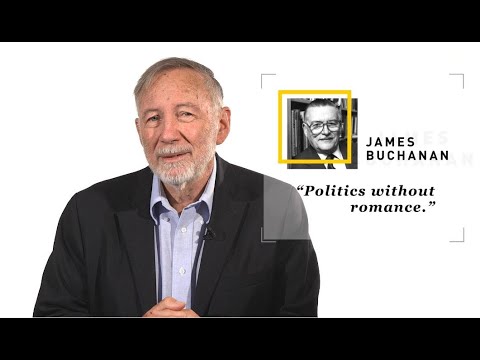
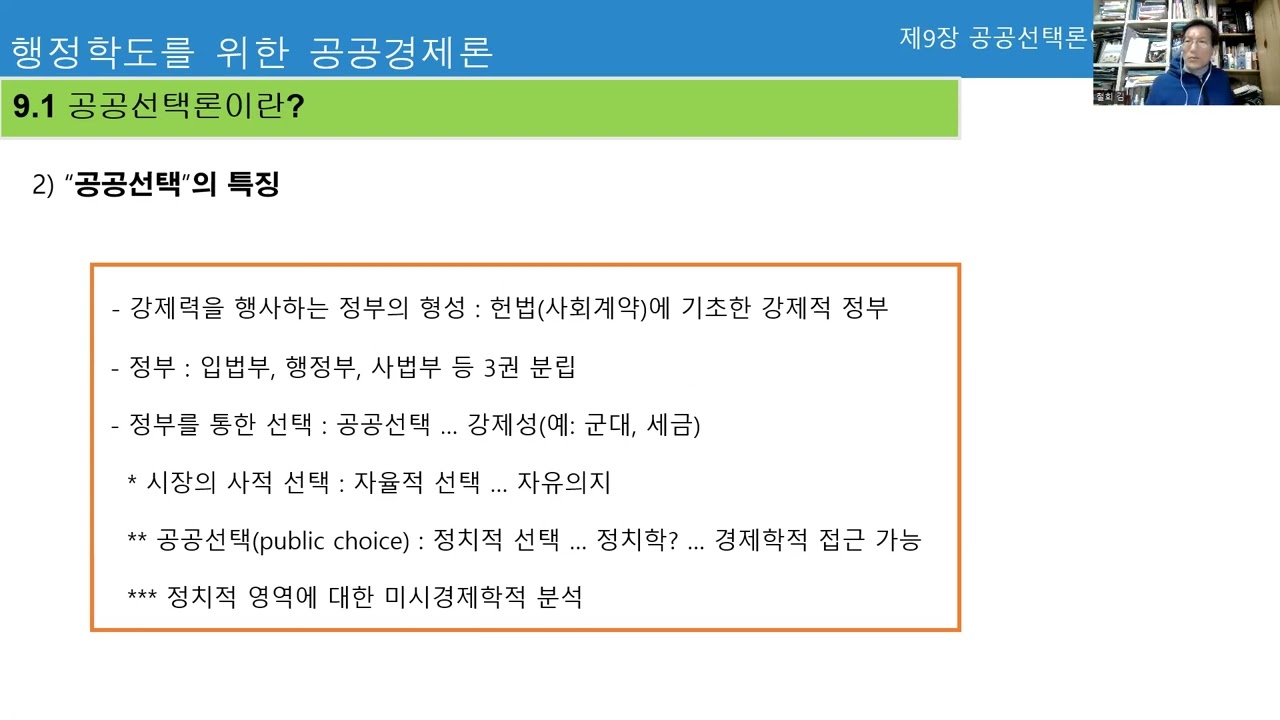


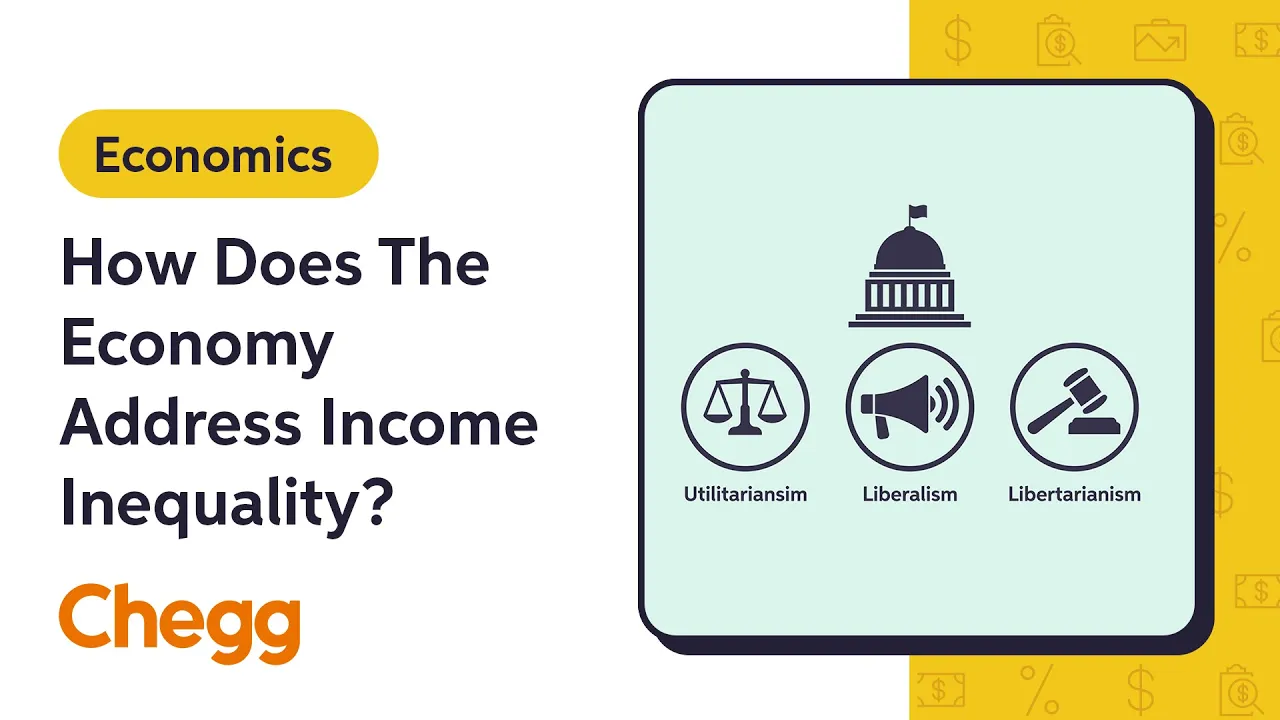


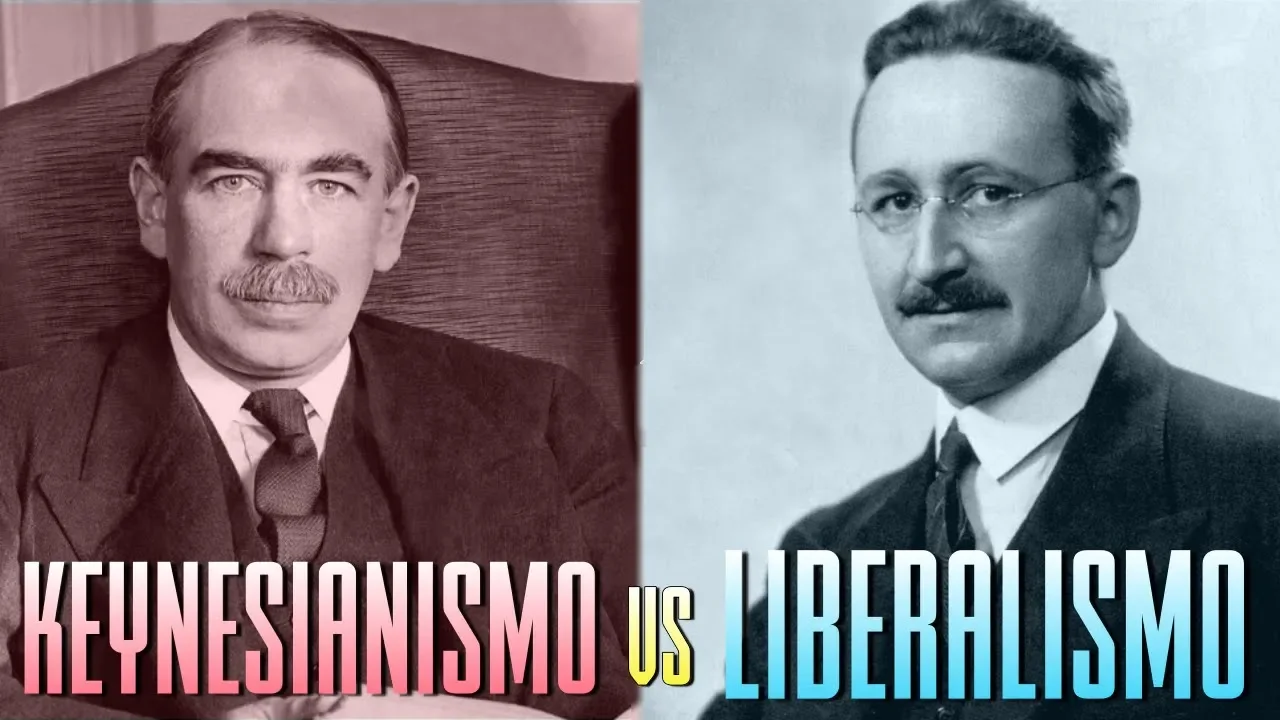
This video explains five major schools of economics: Classical economics (founded by Adam Smith) uses the labor theory of value and focuses on political economy; the Marginal Revolution transformed economics by introducing marginal analysis and mathematical modeling, leading to Neoclassical economics which applies universal laws to individual behavior; Keynesian economics emerged during the Great Depression, arguing that economies can get stuck in bad equilibria and requiring government fiscal intervention; the Chicago School advocates for laissez-faire economics with minimal government intervention, trusting markets and focusing on monetary policy; and Austrian economics emphasizes individual entrepreneurship and private markets as primary drivers of prosperity, though its adherents evolved their positions during the Great Depression crisis.
Schools of Economic Thought: Keynesian, Chicago, Austrian, Marxist | Podcast Discussion
Added:actually if we could zoom out on the different schools of Economics yeah just the basics you mentioned neoc classical we mentioned kenian economics we mentioned uh what else did we mention well The Chicago School of Economics right where does uh Austrian economics fit into that pile and marxian economics and can we just even just linger and try to redefine kenian economics and Chicago School of economics and neoc classical economics and uh Austrian economics because they there's some overlap and tension okay so schools of Economics so we could start with classical economics classical economics we could think of Adam Smith is kind of your classic classical Economist the founder of the discipline classical economics does not really use math it's very close to political economy it's concerned um with as Smith puts it The Wealth of Nations it's concerned to some degree with distribution it's concerned to some degree with what makes a good political system and what tends to really Define classical economics when you're looking from a great distance is What's called the labor theory of value so where does value come from in classical economics it comes from the labor that a person puts into it so maybe this in some way is a comes from Lock's notion of property that you kind kind of mingle you know your labor with the natural world we can say labor theory of value so classical economics concerned with um Smith is arguing against mercantilism for more free trade um often goes by the name of political economy to show its more capacious it's thinking of politics and economics um you can still read these books today the sentences are long the words are different but you can still follow along so the real big transition from class economics and political economy to economics as it's understood today comes with the marginal Revolution and the marginal Revolution is a scientific revolution that happens in a couple different places simultaneously right this is one of these things that you see in the history of science like you know there'll be some breakthrough like Darwin has a breakthrough but like somebody else has sort of the same breakthrough at the same time you totally you know differently so there's a version of marginalism that's um Continental there you know there's a version in the German speaking lands in F in the French speaking lands and in Britain and they all kind of come together and the shift is in the theory of value so the theory of value in marginalism is on the margin so say you have one apple and you want a second one how much is getting going from one apple to two Apple worth for you probably quite a bit if you had 10 apples maybe going to 11 apples doesn't matter that much the marginal value is less so what marginalism does though most importantly is it opens the door to math and economics because it means you can graph this now you can depict this relationship graphically and there's some really interesting work in the history of Economics that shows a lot of the people who developed marginalism we're looking to physics as a model physics the queen of the Sciences and so they were thinking they they imported terms from the natural world to describe the social world through the lens of Economics terms like equilibrium um so the idea being that if you looked at a market uh a market would reach equilibrium um you know when everybody is bought and sold all that they want or the price will settle at an equilibrium price when it's really the demand and Supply are matching up and some of these ideas are things we pick up at a microeconomics class oh yes ex this is still out there this is sort of the basic Foundation of microeconomics marginal analysis and so in the germane speaking intellectual tradition this is the root of Austrian economics and people picking up the marginal revolution in the German speaking lands are opposed to the historicist um who are thinking in a more evolutionary way about how Society is kind of grow and change and they have a vision of economic ideas as applying differently to different types of social Arrangements where the marginalists remember are inspired by physics and this is a set of natural laws that applies anywhere to any sort of human society so that's his first really big Fisher that we'll see again and again are you historically minded do certain rates of economic life um inhere adhere and become expressed in certain types of Societies or are there Universal economic laws that flow through any type of society so that's kind of a juncture a break and so marginalism first people start using really geometry to kind of graph things but marginalism is also opening up to the possibility of calculus and the possibility of creating models but at that point in time late 19th century a model is something like a physicist does like think of like an incline plane and how fast does a ball roll from one to the other it's a physical representation of the world and eventually economists will start to create mathematical representations of the world but we're not quite there yet so we're late 19th century we have this we have this Fisher we have this introduction of marginal analysis that marks the the juncture from classical economics to economics so let's say now we we have economics but we still have this fisser between historical thinking and let's call it you know natur natural law thinking that's not quite right but physical laws versus contingency um and then in the United States this ends up mapping onto debates about capitalism and so more historically minded economists um tend to be interested in the Progressive Movement and which is invested in taming and regulating industrial capitalism and changing its excesses you know um Factory safety laws wage laws working conditions laws um yet in general American economists all use marginal analysis just in different ways the ones who are more drawn to marginal analysis become known as neoclassical economists they're neoc classical the Neo is because they're using marginal analysis the classical is because they don't think we need to change the way the economy operates or the government operates they're not Progressive whereas the progressives are saying things like the we need to use um social control uh the the state and the people collectively and democratically need to control uh the way economics unfolds and and make sure things are fair and equal so that school of thought becomes known as institutional economics in the United States by the 20th century so it's part of the Progressive Movement late 19th century into the 20th century it really becomes institutional economics and it's quite dominant and the neoclassical economists are still there but they're very much a minority and Frank Knight Milton fredman's teacher is one of the minority neoclassical economists and the institutionalists are much more Progressive um still is it fair to say that the neoc classical folks and even the classical folks versus the institutional economics folks it's they have a disagreement about how much government intervention that should be in the economy so neoclassical is less intervention and then institutional Economist the progressive folks has more intervention yes yes exactly right so this is the situation in the 1920s but um the other piece I should mention is the first generation of progressive economists were very radical they were to closely allied with the Socialist movement with labor radicalism and many of them lost their jobs at universities this is kind of connects to the early the dawn of academic freedom this is before academic freedom and they became they were chastened they became much more mainstream by the time we get to the 1920s we don't really have radical critiques of society coming from economists much smaller profession much less important than it is today and fairly peaceful because the 1920s are a fairly peaceful decade in the United States so this is a situation when the Great Depression hits and as I mentioned before the head the kind of most important institutional Economist is Wesley Mitchell and he has said he's he's written a whole book on business Cycles but he doesn't see this business cycle coming and it hits and he doesn't have a good explanation for it now perhaps the preeminent neoclassical Economist was Irving Fischer now Irving Fischer is big into the stock market and Irving fiser says sometime in late summer 1929 stocks are going ever higher and will continue to go ever higher forever and so he loses his reputation after the stock market crash so so Milton Freedman is stepping into a field in which the greats have been discredited and there's an enormous economic crisis all around and everybody's struggling to figure out why the crisis happened yes and the other thing he's stepping into is a world where in United States there's a great deal of anger at capitalism at the system unemployed people on the street in Europe there's Rising fascist movements in Asia there's Rising fascist movements and so everyone's very concerned about this and fredman is seeing a lot of this through the lens of Frank Knight who feels like we are maybe reaching the end of what he calls liberalism he calls himself an old-fashioned liberalism we're reaching the end of Representative democratic government because representative democratic government cannot solve these social problems and it ha and capitalism as it has developed Knight is very Pro capitalist but he says it's generating inequality and this is putting too many strains on the system so Knight will become one of the people who helps fredman think how do I develop a new theory of capitalism that works in an era of mass democracy where people can vote and people can express at The Ballot Box their unhappiness with what's happening economically so this this larger movement will generate of which fa hyek is a part fredman is a part that becomes the very early stirrings of trying to think about a new sort of liberalism which will eventually be called neoliberalism okay so if we can just Linger on the definitions of things so we mentioned what neoc classical is and the institutional economics is what's Kenzi and economics and The Chicago School of Economics I guess is a branch of neoclassical that's a little bit more empirical versus maybe model based and kenian is very model model heavy more intervention of government yes and there's a that's so the real battle is Kian versus everybody else that is what eventually comes to pass in the United States and in the kind of overall developed the kind of developed profession of Economics the other piece of the puzzle here is the introduction of mathematics and it's been around the edges um but it will pick up speed in the 1930s like the econometrics uh Society is founded they start publishing um people start using more statistical and mathematical tools to think about economics and they're given a boost sort of inadvertently by the rise of Keynesian economics so so KES is trained in the neoclassical tradition um he's a absolutely fascinating figure he's been there in the peace negotiations at Versa he basically calls World War II he's like hey we're gonna have another War here caused by Germany because this peace treaty has been you know done in such a vindictive way and people have made such bad decisions he's there he sees it happening and so when um the Great Depression unfolds he basically comes up with a new theory for explaining what's going on and the previous neoclassical understanding is sort of things go up and things go down and when they go down there's a natural mechanism to bring them back up so when the economy is going down prices are going down wages are going down everybody's losing money but eventually firms are going to realize hey I can hire people cheap hey I can buy stuff cheap I don't have a lot of competition maybe I should get in the game here and then others will start to get in and then you regenerate prosperity in that way and so Cain says sure that's one Theory but something different is happening right now part of why it's happening is because we have work the working class is more empowered now they're not simply going to just take low wages and ride them down to the floor we might not hit the floor but also he says people might become too anxious to spend they might not want to invest and you know kees has these discussions of animal spirits right he's still enough of a political Economist to think not just in terms of human rationality but what are some other things going on in human beings and people might decide to sit on their mind they might not invest it and so what happens then is you could get stuck in a bad equilibrium so in the neoclassical model equilibrium kind of restarts and resets itself and he says no we could get stuck here we get stuck in the depression and in that case what has to happen he says the government stimulates investment and the government itself invests and then he argues that you know uh this is a student of his Richard Khan says you know as a government invests a dollar it has like a multiplier effect a dollar spent by the government kind of ramifies out throughout the economy so it takes the government and puts it in the center as opposed to say the banking system or the financial system which would be the more fredman analysis and for many economists of fredman's generation and he's a weird generation because it's it's the the generation that becomes dominant is just like four years older the men who become keyy in economics but that four years is really important because they come in to gradate school in economics and they get exposed to the new ideas of John Mayar kanes and they you know I think it's Paul samelson calls it like it was like a south sea virus that that attacked all of the young all of the younger economists immediately succumbed and like no one under 50 ever got the disease right because their their thinking is already set and so um keynesianism KES himself is very suspicious of math and economics and and he and fredman is fascinating one of the first books by Yan tingman a Dutch Economist to use math and economics these huge volumes volume one um K's pans it volume two fredman pans it so they're they're in the same page but what happens is as keynesianism arrives in the United States Franklin Roosevelt is not really a Keynesian he's kind of an an accidental or experimental Keynesian Keynesian and there's a bunch of different ideas in the United States that that are very similar to keynesianism not theorized but there's similar ideas that the government has to do something so this all comes together and American economists realize that you can construct models in the Keynesian perspective and if you can use numbers in these models you can go to Washington DC with numbers and you seem like you have a you have a lot more Authority and so math becomes really twinned in into Keynesian economics so numbers are used as a kind of um a symbol of expertise we we really know what the hell is going on because we have some numbers right right and we can create a model and so we can say okay in the model the interest rate is here and taxes are here so let's play with government spending let's make it up let's make it down and then we can get an estimation it'll spit out here's predicted GDP so the other piece of the Keynesian Revolution is it really gets people thinking kind of holistically about the economy as a one conceptual unit and you then have what Paul Samuelson will end up calling the neoclassical synthesis and this still in economics today if you take micro you're going to get supply and demand scarcity marginal analysis if you take macro you're going to get a very different approach and that's more Keynesian based and so the idea is that and this makes sense I mean you can think of this from statistics right the way things act individually versus when they're all added together can be very different so so there's this kind of uneasy piece where economists are using kind of neoclassical tools to analyze individual behavior and individual Market behavior and they're shifting to a different Paradigm when they think about the economy as a whole and in this Paradigm of the economy as a whole the federal budget the taxing and spending power of the federal government become Paramount and that is called the fiscal Revolution and that's really the essence of keynesianism but the key thing to remember is that keynesianism and Canes are different and there's this famous episode where John Manor kees comes to DC and he goes to dinner and he comes back and he says to one of his friends in London he oh yeah it was really interesting I was the only non- Kei in there yeah you know uh so keynesianism is more government intervention fiscal policy so put the government at the center of influencing the economy and then the different flavors of whether it's Austrian economics or Chicago School of Economics is saying no we have to put less government intervention and Trust the market more and and the formulation of that for Milton Friedman is trust the money more the the not trust but the money supply is the thing that should be focused on yes so so the austrians and the Chicago schools see economic prosperity and growth comes from Individual initiative individual entrepreneurship kind of private sources the private Market is what drives economic growth not the public sector and so for fredman then the question is what is the government's role and because he's live through the Great Depression he's not Le a fair and he won't ever be Les a fair now interest L Hayek living through the Great Depression at first is Le fair and he's like sure like let it rip and things get so bad that Hayek's like okay that's not going to work can we actually Define Las fair so what what do we mean like what's the free market what's La Fair what's what's the extreme version here so yeah Le fair means leavea be in France it's more often used as an insult than as an actual um very few people are completely and totally Les a fair that would be like the pure Lee Fair would be the sort of pure maybe pure Anarchist position like the state does nothing or the state isn't even there um but it tends to if I could maybe make it more precise it would be focused on freedom of contract would be essential and that means um like the the buyer of Labor and the seller of Labor must have absolute freedom to contract so that means no minimum wage law no working hours law um no employment law things like that that that was and this is all pre- Progressive Movement a lot of things are that way right you you know imagine you're in 19th century America and you have a farm and you hire someone to help you on the farm you offer the money they take it if they fall off a ladder and break their back maybe you help them out maybe you don't right but there's not a whole apparatus of legal liability and safety and things like that um so that would be one piece another piece of Le Fair would be free trade amongst Nations um so no regulation of who can invest in a nation or who can take money out of a Nation so nepon steel could come and invest in US steel and there would be no grounds in which to reject that um or you could as a billionaire in the United States relocate you and all your money to another country and the United States couldn't try to keep you and and nobody else could stop you from coming in um and so and then in the context of economic crisis Le Fair would would not Encompass centrally provided relief because in the pure Theory again very seldom applied purely but in the pure Theory the wages need to come down far enough and people need to be desperate enough to start taking work and to start the machine again so the theory would be if you give people relief they might not go back to work now almost nobody says that in the Great Depression because the situation is so bad and it's it's you know people are starving on the street and people feel for humanitarian ethical reasons it's not okay to say that the austrians though at first Hayak and Lionel Robbins are like this is a business cycle and it needs to run its course and it will be detrimental if we intervene and then pretty soon Hayek has to change his tune so the austrians are the most hardcore in terms of lasair absolutely and so Hayek will make the turn towards accepting more of a state and then we'll come to talk about how the state needs to support what he calls a competitive order but his mentor lud Von mises Still Remains very hardcore and is not um really open to things like unemployment insurance or um other other state-based interventions what does vona say about like human suffering that's witnessed in the Great Depression for example like what are we supposed to as economists as humans that Define policy what are we supposed to see when people are like suffering at scale yeah I wish I knew an answer that question I don't know enough about Von misus and and his reaction in the Great Depression I think I would Hazard that he would look more to the down the road and say well if you start here you're going to go places that are are bad but I I don't I don't factually know what he said in response I do know that Hayek's position doesn't last very long it's not it it's not a position you can hold to maybe you could hold to it in other Cycles the other thing that was interesting is I found very few Americans um saying this it most who were were kind of small town electeds or the most famous is Andrew melon quoted by Herbert Hoover so so not directly we don't have him on record saying this but apparently Hoover records in his Memoirs that melon said something like liquidate real estate liquidate stocks you know Purge the rotness out of the system people will live a healthier life and certainly there were members of the Federal Reserve who felt like it would create they didn't say moral hazard but it would create what we now call moral hazard bad habits were we to intervene and to save failing Banks because failing Banks need to be taught a lesson they need to be taught discipline and so a lot of people I think saw it in the context of discipline this is discipline and if you remove the discipline um you'll be taking away something fundamental in society so Milton freedan never quite went all the way to L Fair no no he didn't see that and what's really interesting is the number of incredibly radical proposals that he and his teachers were floating so I've mentioned Frank Knight another really important influence on fredman was Henry Simons who was a junior professor at Chicago and Simons had this idea for what he called 100% money which would be a law that says banks have to hold 100% of the deposits they receive they can't loan them out on the margin this would completely and totally have overhauled the US banking system and you would have said there's a category of things called Banks where you get deposits and then there's going to be a category of sort of he didn't say investment Banks but investment vehicles that will invest so similar to what did happen in some ways in the banking reforms in that in the 1930s the the investment Banks were split from the deposit banks and the banks that took deposits were much more highly regulated and they were supported by the FDIC but the point being The Chicago School had these very radical proposals for reform go off the gold standard um you know restrict the currency you know change the banks um immediately relas payments now what is important to note though is that they thought of all of those as emergency measures to get through the emergency not as permanent alterations in the state of of what had to be and not permanent alterations between State and Market where the Keynesian assumption is things have changed times have changed we're in a new dispensation and we need a new relationship so fredman is very uh Milton Freedman is very open been to doing things differently in a state of emergency he will have different ideas during World War II than any other time and that's why I argue I think he would have been supportive of at least the first rounds of coronavirus relief because I think he would have put his emergency thinking hat on so in that way he was definitely more flexible for
Up Next

Essential Spanish Guitar Chords: Flamenco Harmony Techniques
@nutshell0052
2.2M views•2012-04-23

Triumph of Orthodoxy Icon: Byzantine Art & History Explained
@BenCallan
2.1K views•2024-08-06

FastAPI vs Flask vs Django: Choosing the Right Python Web Framework
@TechWithTim
302.5K views•2024-05-26

Game of Thrones Opening Credits: A Cinematic Analysis
@gameofthrones
46.3M views•2011-04-18
Related Study Plans & Knowledge Roadmaps
Structured learning paths in General & Interdisciplinary Studies