












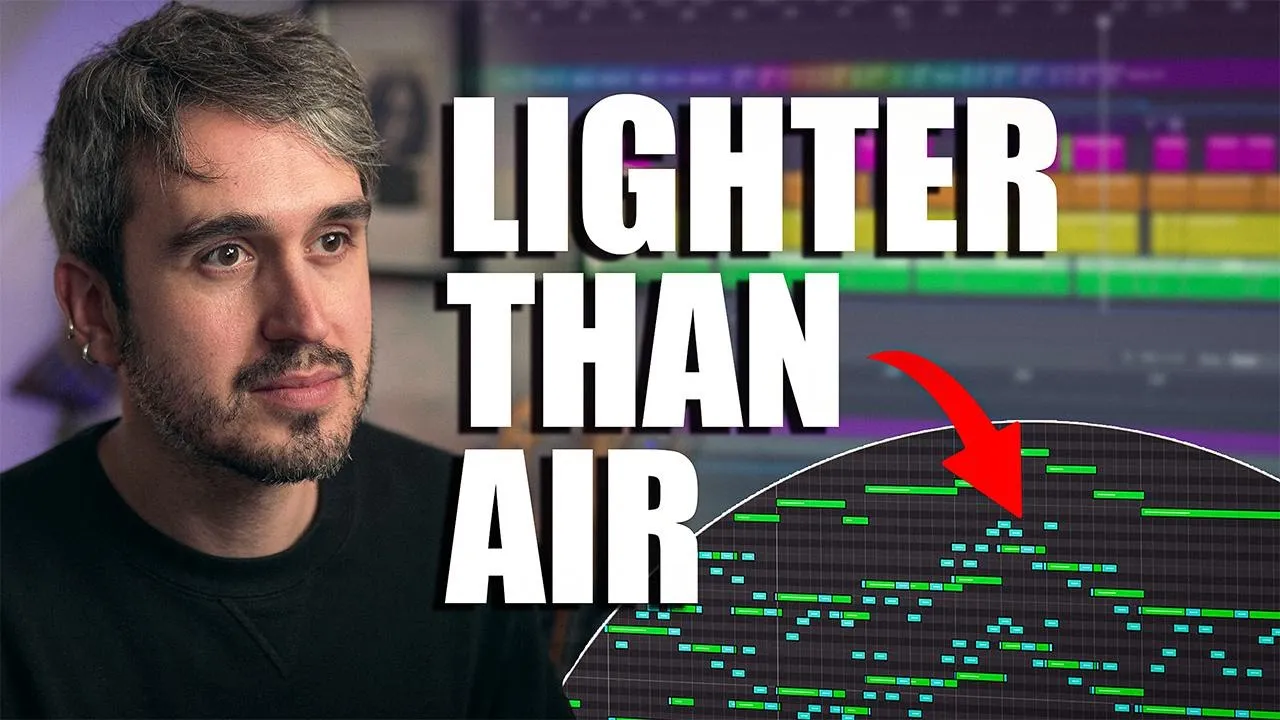




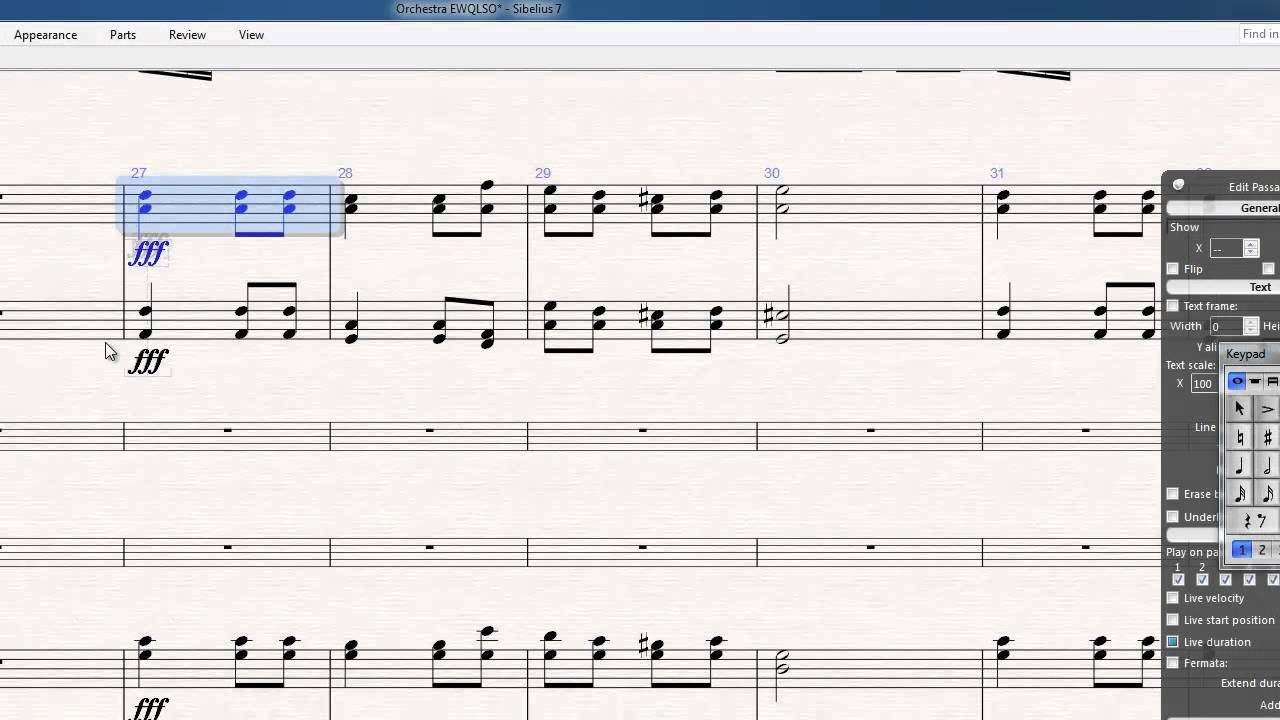
John Williams creates complex orchestral climaxes (totti) by layering simple components—melody, counter-melody, accompaniment, bassline, and color—while ensuring idiomatic writing for each instrument's strengths and proper balance so the main melody remains forefront. In the Harry Potter theme, Williams gives the melody to trumpets in their golden register, adds shimmer with celeste and glockenspiel, distributes woodwind variations with neighbor tones and arpeggios, and uses simple bass pedal tones to prevent muddiness, demonstrating how even complex orchestral textures can be reduced to fundamental ideas that work together effectively.
John Williams Orchestration Secrets: Harry Potter Score Analysis
Added:Familiarity with standard orchestral instrumentation, including instrument ranges, clefs, and common transposition rules.
Basic score-reading skills, specifically the ability to navigate and track multiple systems in a full conductor's score.
An understanding of musical texture, including concepts of melody, counterpoint, accompaniment, and foreground/background relationships.
Fundamental knowledge of chord structures, harmonic analysis, and basic voice leading.
Analyzing the orchestration techniques of Golden Age film composers (such as Erich Wolfgang Korngold and Max Steiner) who heavily influenced John Williams' style.
Applying 'magical' orchestration textures (such as utilizing the celesta, harp glissandi, and rapid woodwind runs) in original compositions or MIDI mockups.
Advanced study of acoustic balance and spatial placement when mixing virtual orchestral sample libraries to mimic real-world orchestral balance.
Deep dive into idiomatic writing for specific orchestral families, such as advanced string bowing techniques and brass mute selections.
73K views2.5Klikes37:02Original Release: 2017-05-30
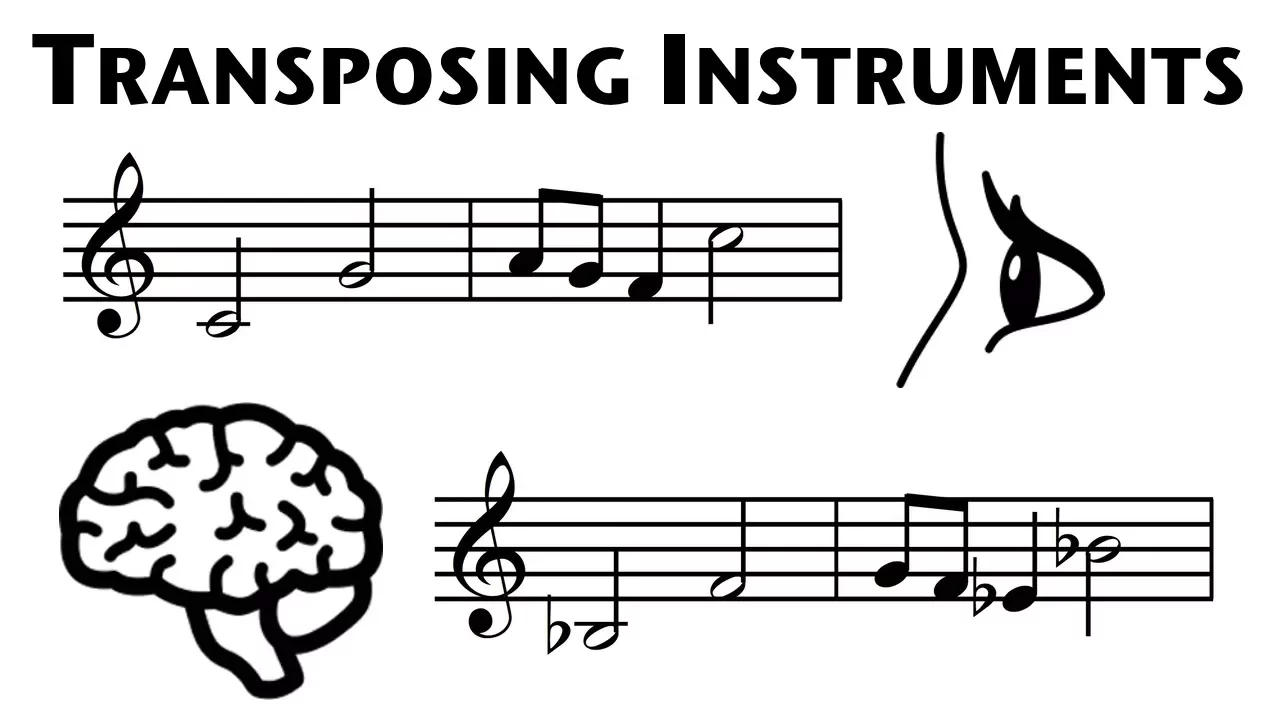
what's up good people of the world welcome to episode one of how to orchestrate like John Williams so in this series we're going to be looking at a lot of his most famous film scores ET Indiana Jones Star Wars Harry Potter like we're going to be looking at today um and we're going to specifically focusing on the climaxes the most complex orchestral moments where everything is going at once the toties so to speak uh toti is an Italian term that means everybody is going at once it's a full rich full fully orchestral texture and we're going to be looking how even though it's very complicated on the surface and it and it sounds like there's a lot of stuff [Music] happening um it can actually be boiled down to a few very very specific ideas that work really well together that he then just extrapolates idiomatically and uh well balanced um onto all the instruments of the orchestra but it can usually be boiled down to Melody counter Melody accompaniment sometimes two different types of accompaniments um and then a Baseline and then maybe some color like woodwind runs or percussion added for color um but it can always be boiled down to those those simple components and then he just very effectively um uh so and balance is a very very important thing you want your most important ideas to come out at the Forefront so we're going to be focusing on that um especially if you're used to writing for samples because obviously if you're working in a Daw or a digital audio workstation like logic qbase digital performer or Protools you know um you can adjust mixing fade however you want you can make a flute in its lower register pop out above the texture even though it totally wouldn't in real life so um so this this series is going to be really focusing on writing for live musicians and balancing for live musicians um because think about it the most well orchestrated scores they mix their scor is when they compose them how they orchestrate them with the Dynamics and the registers they place the instruments in um and how they complement each other rhythmically and and frequency um because you know when you hear a live orchestra playing there's no mixing board you're hearing just the instrument playing and that sound coming to you and it's all balanced so these these old uh um great composers you know and before before Williams you know you know Richard Strauss and and Stravinsky and rimsky corov they were the true masters of of of mixing so to speak they just built it into their score um so and we're also going to be focusing on idiomatic ISM which is writing for the instrument that you were writing for it sounds obvious enough but a lot of people don't do this they'll just take they'll write an idea and then they'll sort of just say oh well this is instrument can play that idea rather than writing for that instrument we'll see that with the exceptions of Melodies um which are usually simple enough that pretty much any instrument can play it when he's making uh uh complex figurations like the famous one at the beginning of this piece is the big you know um I'll play it for a [Music] second you know something like that um which seems very complex it's actually very idiomatic for the the instruments and I'll give you one little example I don't want to go in into this but just to give you one example um something that could be really there are things that are easy on the piano that are hard on on a string instrument and and vice versa like something that's easy on a string instrument but hard on the piano would be a figuration like this right on a string instrument they could just have that on on three different strings they could finger it they could just finger one note have two open strings they could just move their bow up and down effortless to play right but on the piano it's very awkward because having to rearticulate those notes I I have to to press the pinky over and the thumb over again rather than just changing bow stroke right and then there are things that I can play on the piano right you know that are very easy on the piano but would be impossible on a string instrument so that's one thing that Williams is very good at is writing idiomatically for the instruments he knows the strength and he's showing off the strengths of those instruments and you know um uh there's there's a saying that a good orchestrator or a bad orchestrator can make a good Orchestra sound like a bad one and a good orchestrator can make a bad Orchestra sound like a good one and and and of course he has the best of Orchestra you know the London the best of Orchestra the London Symphony Orchestra with his recording um uh for the film so you know it can only get it can only get better from there um so what I've done is I've taken the score and I've inputed it um just the the four bars that we're going to be focusing on today into sabilia so we can look at all the individual sections and see what's happening but before we get into the orchestration let's look at the basic compositional idea so the basic melodic idea that he has going on [Music] is right so it's very simple it stays in a small range in the piano um it's very singable very catchy and it's primarily dionic it's mostly an A Minor and he uses some neighbor tones you know some chromatic neighbor tones but other than that it's it's a pretty straightforward tune the way that he harmonizes this is pretty interesting though uses a technique known as planing some of you might be familiar with this planing is basically taking a chord um or some sort of vertical sority and moving all of the notes up or down at the same interval so we're basically just taking like a minor chord in first version right and just moving it around in the piano right so it's really one idea that's sort of just uh enriched by adding Harmony underneath it but it's not functional Harmony so to speak and he does that with this Tobe right just pling just moving up and down chromatically then just an inversion of a minor and then we go to the four chord another uh pling neighbor chord right inversion back to a minor then inversion lower neighbor pling chord then he does the same thing he just goes even [Music] higher and then inversion sorry right and he goes to E minor first and then goes to e Majors um because we'd expect E minor because it's we're pling minor chords but then he uses E major for the secondary phrase um because it uh is the dominant of a minor and it leads effective effectively into the next section so and honestly and we'll see this in the score um that's really the main compositional idea everything everything on the score is just reinforcing that idea and adding color and embellishment on that idea all right let's get into the score um so firstly let's see uh well first let just listen to it let's see how no performer does not bad at all obviously uh you know nowhere close to the the real Orchestra but in terms of balance you know no performer is quite accurate um so first things first again this this seems like a very flourishing score there's all kinds of stuff going on but first let's just see where he um or orchestrates the melody okay so the the main thing that we hear on top um is of course the trumpets Oh and before we get started I just want to let you know that for just to make it easy for you guys to read and see the notes um I disabled transposing score so in other words if you see a B flat like on a clarinet it actually is a B flat it's not um their note which would be a c um so so whatever note you see is that's note you hear it might annoy some you know orchestral players who are watching this but it's again it's just to make it it's just to make it um as easy as possible to read okay so and then I put the horns and treble cleff and then base cleff um the the only exception to that would be the bassoons and the uh and the uh double base um or sorry the Contra and the double base which of course it reads down an octave but it's still the same note so in any case so let's look at where he puts the melody so the most uh the the the thing that's heard at the Forefront obviously is the trumpets right so first off um this this works very well with with the three trumpet setup that he has going on here um uh you know and most of the time Williams likes to use three trumpets because they work so well with Triads and again that minor planning thing even in like you hear it in Star Wars he is a technique he uses a lot and it works very well um and you can see that this register right here in the middle of the staff um you know going up to I would say that the uh you know the F below middle C um up to the B flat above the staff um that's just a golden register for the trumpets and it just works really well for them okay so he gives them those Triads and I want you to notice the articulation markings here um they make all the difference with Live players just little well-placed articulation markings you don't want to go overboard but I mean you know we have this these accent marks here we have the staccato we have the slur staccato we have the tudo right so bu especially the SL STI out where they're basically just tonging all of this under a single tongue stroke but they immediately let off this so it's this this note um these notes right here on the staccato so it has a sense of uh you know a sense of uh anticipation for this for this last phrase right and then these the sport SOS let them know that they can really um you know let that last little BM push out as much as possible cuz brass player times have a tendency to um uh at least really good brass players have a tendency to slightly over underplay what they are capable of playing um when they see like a Forte or fortisimo because it playing over playing can easily outbalance the orchestra so good brass players are excellent at sort of holding back and then giving their all when they need it so the Spano is basically just Williams saying like you know you can you can give it your all you can you can really make that pop out it also has a tendency especially with this Marcado marking right here that you can see in the traum bones right I don't if that's too small for you to see but um that lets them know that they they can instantly attack the node it's not something that they sort of have to come in on but it's bomb right um and he interestingly enough he does make a distinction in articulation markings between the uh marcot marking and the accent mark right the accent mark is the sideways horizontal um vshape and the the vertical vshape is the Marcato usually you see Marcado in strings but Williams uses them both equally and um at least the way I interpret it in his writing I think he he tends to uh um uh use this Marcato marking the vertical one as a more intense version of the horizontal one so it's like a lesser and greater level of Marcato um all right so so yeah so he gives it to the trumpets and works very well um in Triads um and again they're just pling uh and then where where else does he give the melody interestingly enough he does give it to the Celeste now the Celeste is pretty quiet and it's probably not going to be heard in this circumstance especially like you know in real life it might may or may not have been Amplified it probably in fact it probably was Amplified um in the actual film scoring session of the original movie but in any case he's really just giving this less something to play it definitely does add a little ring to the sound that is something that you you would probably notice it if it wasn't there but you it's not it's just adding you know in other words if you have a bunch of quiet instruments that are are individually they may not pop out of the texture when you combine them together they sort of add to the Shimmer of the sound so that the sum is greater than the the parts um so to speak so but the glocken Spiel on top you know which is an octave above because remember the this the uh the U the glocken Spiel um is notated an octave below what it actually sounds um so we get the glocken Spiel accenting just the melody on top so that that the Glock in combination with the Celeste adds adds a really nice Shimmer to the [Music] melody right and with these little slurs right here um he usually denotes that he wants a petal in in the Celeste just a little bit of petal to give a sort of Shimmer to the sound because because of the Celeste overtone series you know it doesn't sound muddy right it has a nice sort of Shimmer um so that's probably what he means by that and again you'll notice all throughout that he gives different articulation markings right we look at the the Glock and it's different from the Celeste and it's different from the you know um the first violins um so he tailor his Artic in other words he doesn't copy and paste he doesn't take one phrase and then just copy past it with all the same articulation markings and all the different instruments he changes depending upon what works in what in what context um okay so then the uh just playing the blanket Melody the last um instrument that we haven't covered yet is uh the violas and the violas are basically just playing the upper third of the melody right so not the bottom note um and the only difference between the violas and uh and the other instruments playing The Melodies that they keep the rhythmic Vitality going right so he's deing them which means he's having half the vas play one note the other have to be playing the second not and again this isn't necessarily something you would want to do in a 2d context like this unless there was plenty of other stuff um you know uh like in other words if if the viola was just on Melody here and there was nothing else it would not come out at all but the fact that again the viola and the Celeste and the Glock and Spiel you know and the other instruments as we'll see and but the trumpet you know they all combin together to make a a rich sound um um and also the viola is is underneath uh the trumpet so its first overtone is reinforcing um what the trumpets are are doing so but the only difference between the viola and the the other instruments playing the melody is that he keeps the rhythm going right so he doesn't go but as you can see here he [Music] goes so he just he keeps it going because again it's it's easy to do that with a with a bow stroke to keep that Rhythm all right you'll notice that what happens um what happens over here is uh that he he sort of switches and goes up the octave and then rather than accenting the melody he accents the the the bottom half of the melody right because the the the melody is d d d c d but right here he has um a and and F so he sort of switches it up to to change the color a little bit as well as getting the Vias up in their upper register so they'll pop out more in the texture right so um the reason that this works even though it's different from the melody is it's still just emphasizing the chord right um so yeah so um let's go ahead and just listen to Just the the violas the Celeste um there's a lot of different pronunciations for the the Celeste some people call it cheste some people say Celestia um but Celeste is what my teachers have taught me so right so you can see even though the trumpets really do pop out at the Forefront of the texture the uh the other instruments add a shimmer and a richness to it that that is definitely definitely noticeable and definitely does add something okay um now interesting thing is where most of the flourishing color comes from is the woodwinds and the upper strings and the cool thing about this is that even though they're really flourishing and there's a lot of notes they're really just accenting the melody right so let's just look at um the upper winds and you know what do you notice when you listen to this right so what is that it's literally just the melody um with some uh upper and lower uh neighbor tones at it just like we were talking about in The Melody video see and then just a little arpet right and but there are a couple things about range so that that's pretty much what's happening there compositionally it's it's very simple it's just just taking the basic um uh structure of the melody and adding some um some slight neighbor tone embellishments and arpegios the arpegios of course work with the cord underneath so it's not like it's muddying it up you know you you passing tones neighbor tones um and arpeggios work very well adding color without muddying it up because neighbor tones immediately resolve back to a note of the chord and passing tones immediately resolve to another note of the chord and then of course our pegos are the chord right so it's not it's they aren't it's not like you're creating dissonant notes it's not like you're adding complex you're just sort of Shifting things around to give a sense of color right and the woodwinds are great for this type of of flourishing but notice what he does with the ranges here right so first off the you know he has the piccolo um uh you know it looks like the piccolo is below the flu but remember the piccolo what you're reading it it it sounds an octave above so really we just have the basic Triad that we have in the trumpet but the piccolo takes the top note and the flutes T takes the lower two notes um so and and this is really nice too because the piccolo he doesn't want the piccolo to be too high because the piccolo once it starts getting above the staff it gets really piercing you know which you may want in cumstances but for the melody right here you really wanted the trumpets to pop out so the piccolo can still be heard in this register it's still fairly high but it's not so high that it's going to be piercing but these flutes right here um remember flutes have lots of dynamic problems and their lower register so you'll notice he pops them up above the staff so they can be very very clearly heard um and sometimes he he changes again he'll slightly adjust um what notes of the chord that they play maybe not exactly like the trumpets are playing the melody in order to keep them up in that register one example is right here right if it was verbatim What the original Melody would be be die up up up up boom it would go back down but he just keeps them up there on the chord tone because they're more projecting in that range right and again it's not going to affect your perception of the melody because there's a main instrument the trumpets and some other sections which are playing the melody exactly how it's supposed to be structured so then once you have that and if you want to add power you can feel free to sort of adjust the melody at whim in order to keep instruments in a register that they're going to be able to project because that's the most important thing when writing a toti like this is you want every instrument to be able to project and it's not an easy thing to do it's not something that naturally happens right because the BR the brass especially the brass are way louder than all the other instruments and then we have tons of violins against just a few Woodwinds and then Woodwinds have their own Dynamic problems like flutes like I said have difficulty playing loudly in their lower register obos have difficulty playing softly in their lower register like most double reads so the best way you know you could you can feel free to sort of modify your ideas and the supporting roles to make sure that they're in the the golden register of the instrument so to speak okay um so yeah so he keeps the flut in their upper register he keeps the obos down in the sort of mid to to lower register so that they're going to pop out very nicely and the clarinet just have huge range so he he um sort of uh balances out the obos and has the clarinets play um um in uh double some of the notes that the oers are doing and then double some other notes so he basically tries to democratically Across the woodwin section um uh make sure each note cuz it's a Triad the melody is in Triad right so he makes each one of the three notes has enough placement in all the woodwi section so it sounds um so it sounds balanced right um so uh so yeah so that's pretty much it and then he adds a nice little Trail at the end which again is basically just a very quick neighbor tone and that um adds a lot of color so let's listen to this and of course the first note is leading in from the previous section it's just a hit [Applause] right um I didn't mean to put the bassoon in there sorry but anyway um what there's one other thing I was going to say oh um you want to be careful with big with big jumps for wood for most instruments but I I will say that woodwin players can jump down much easier than they can jump up for for for a lot of different reasons I won't necessarily go into and you could ask a woodwin player and they'll give you specific you know very very they're they're obviously experts at their instruments um and I would recommend asking them about it but generally speaking um from my experience and from what I'm stud from what I've studied on the subject Woodwinds can jump down much easier than they can jump up um so you can see right here the flutes have a big jump and the the the obos so even though it's a pretty large jump and sometimes an octave or even more than an octave um jumping down isn't nearly as difficult as jumping up so make sure you're you're aware of that uh and one last thing I want to point out is that the OBO can play this note um uh some older obos can't play that note because of the you know the the the is the boore yeah the bore um has been extended in uh and so in I shouldn't say in recent years because it's been the the OBO the the modern OBO has been in existence for a long period of time but um but in any case I'm not sure why cbil sometimes cilus marks notes that are unplayable that are playable so I would would not recommend but I would recommend um uh you know studying an orchestration book uh like you know Adler or just make sure that it's it's a it's orchestration book that has modern Raiders of of the the modern instruments um and don't follow the the seelas generally speaking all right so now let's look at the bass instruments right um so the bass instruments are are very very simple uh they're just literally playing a pedal tone right very very simple and it's this is a great um and I kind of talked about this to my own orchestrations but this is definitely one thing that I learned from Williams is that when you have a lot of stuff going on up on top the best way to clear it up and make sure that it's not muddy is to make the is to put the Basse on a pedal tone or just on simple chord tones right when you start complicating the Bas remember the Basse is overtone series because of how low it is affects everything on top the bass note in terms of vertical sound is the most important uh part of of what you're writing right you know um and you probably you know learned that from four-part writing um so in this case the fact that he just has it on a minor really makes all the other tones on top sort of seem just like embellishments but this is what's rooting us this this low a note right um and then the only um uh slight little detail that he adds is he has the bassoon uh right and this is pretty high for the bassoon um but they can play it and they tend to have a a tenery um fairly soft um uh sound up there but I guess he wanted to give the first bassoon player something to something to play so um second bassoon player Contin with this base but um the the uh for the last little push the uh not just this first bassum but several other instruments they sort of take away their role the role that they were originally playing they sort of drop it for a second and then they accent the melody just to give a really big accent at the end bum bum so that's what he does with the first Bon so that's all that the woodwinds are doing so again it's not it's not that comp complex when you look at when you look at it under the surface now let's look at what the horns are doing the horns are basically just playing Triads um and since he has four horns he has to choose note to double and he doubles the top note the note of the melody as you can see here right he doubles the e um um and this of course allows the melody he's helping to reinforce the melody by having two horns on the melody and then the other two on the notes underneath the Triad so again the horns are just playing basically chord stabs and then at the end um they come together to emphasize the melody right and that's a common technique to have the the horns go into Unison for a second and then split off into a chord um for all the brass instruments actually um uh yeah so then the trombones besides again a little stab at the beginning the the the trombones A2 by the way in case you're not familiar with this nomenclature A2 just means that we have two trombones and they're both playing the same note right and that works for wind instruments and brass instruments you know if you have like three horns that you want to play one note it's A3 right um and then if you want only one of the instruments to play this note let's say you wanted first trombone to play that note what you would do oop oops what you would do is you would mark it like one period so that means like the first player um uh first trombone player you only want first trombone to play that and when you want them to return together then you would say A2 right and if you want it to be a solo in other words you want them to play soloistic um and and and you want them to know that they're the only one playing their line and they're not doubling something else so they know to sort of pop out of the texture then you would usually write solo um I usually write it in all caps because that's what a lot of scores do um and then or sorry you'd write the number and then the solo so like one solo and that that let you know that the first TR bone player is to have a solo but anyway um but for Strings you write it differently for Strings if they're if they're splitting you don't use the A2 um A3 that that's only for woodwi instruments you use DVC right so DVC um if you didn't write DVC well they probably honestly nowadays they probably in film score sessions they probably just assume that you wanted DVC depending upon the context but and and traditionally if you didn't write DVC they would play it as double stops right they would try to finger each note and in all the Vias are playing those both those notes on two strings right if you write DVC then it's splitting it up um and then if you want them to return back uh to playing the same thing again you write Unison you know you could write un i period That's the usually abbreviation for Unison DVC but if you have a uh this just a little tiny little side note for just for your information but if you have like a string solo then you don't use Unison you use toti okay um so for example um this isn't a good example but if I if like this was one vist playing a solo and then I wanted them all to return in the section then you would write solo and then you would write toti okay so make sure that you get that nomenclature um correct because it's going to be confusing otherwise but anyway where were we yes we're just looking at the Basse instruments and then the cello and the Contra base are just doubling um what the uh bassoon and the Contra bassoon were doing up an octave and of course they both blend very well down register um the bassoons and double reads are really Rey down there um and the the bass and the cello are very resonant down here and rich on their lower strings um one little Boeing thing I think is interesting um uh you know is that he he he he gives um uh an extra push here um you know right um he gives a little extra Push by having a this is a downbow marking by the way in case you weren't familiar this is a down bow marking this is an upbow marking right and a string instrument a down bow your your hand is is right where at the fulcrum of the level of the lever so right and then moving upward since the the pressure is being put at the end of the lever and your hand is at the end it's it's it's a little bit of a softer sound with an up bow and a stronger sound with a down bow so he emphasizes that with the cello just to give a bit of extra push for that but he doesn't do it with the Contra base um because you know the base has a has a larger bow and the strings are a bit more difficult to initiate the attack boom it's just they don't have as much instantaneous attack um so he just he only marks that for the cello but not for the Contra Bay so I think it's an interesting little detail there um so then before we get to this crazy string stuff that's happening the only other thing that I think is interesting I think it's very interesting is that he has a sleigh bell right um so you know people think of slay Bell as sort of a christmy instrument and you may think of Harry Potter as being christmy because a lot of the movies take place in the winter time but regardless I think it's very interesting how he uses it in this context and it works so well and you can again if you you can hear it in context right and it it fits it fits so well and it's it's just it's just it's just to me it's just really interesting I would have never used a slay Bell and so it makes me it makes me want to try and use not pigeon hole instruments it's kind of that you know like oh marimba sounds like a woodsy instrument you know um or a xylophone as like a toy but Williams you know in the Star Wars movies you uses the xylophone in like the Phantom Min in the Pod R scene and I was like whoa I would have never thought to use xylophone like that and in the context that he used it in it doesn't sound like a toy instrument it sounds like a serious you know um percuss percussive instrument so so I think that's one thing we can all learn from from not just Williams but all great orchestrators is that you know you really shouldn't pigeon hole instruments into doing a a certain type of uh cliche stereotypical thing because there are lots of interesting uses for them so that's one great example of that um I think that's pretty much it all we have left to go over um you know there's a tempy hit at the beginning and there's a symbol crash all pretty straightforward stuff the only thing we have left is this string stuff um which is really fun you know this this this whole piece has lots of really great flourishing string writing so we'll listen to this by itself right which is a similar line that they were playing earlier in the piece but again it seems crazy difficult but he's very careful the way that he writes this notice how it's just primarily arpeo that's literally just an A Minor Oreo going up and down and remember what do string players most instruments but string players especially what do string players practice all their life they practice arpeo they practice scales they practice trills right so um so if you give them an A Minor arpeo they have practiced in a minor arpegio they practiced every minor and major arpeggio in every key so that's something they're like oh okay I know how to do this so you have to be very careful if you start taking a a basic arpeggio and start changing the notes and make it a different figuration then it becomes infinitely more difficult for them to play because then they have to basically learn it and practice it hard but they could site read a good player could site read an arpeo like this because they look at it they see Ah that's an A Minor arpeo I've practiced that I know how to play that so that's why arpeo are a very good tool for creating um you know um uh flourishing string sounds and and the same goes for woodwin instruments too arpeo in general just something that in instrumentalists practice a lot because you see it in the repertoire a lot um so yeah so let's just look at this line one bit at a time um so right so it's basically just arpeo and then what he what he does again is he accents the melody and then he adds more AIO right just just uh um uh reflecting what the chord is in the Triads above so it's just B minor B flat minor apio right and then again um accenting the melody or azios right and then right here it's it's still our apeo but he's just reflecting with this e and this G sharp he's just reflecting the e in the the G Shar and the cord right so it's still basically an Ario little hola here which is nice right rather than having like a b bble where it lands on the Down Beat when he sort of takes the high not and and puts it on the weak beat it has an interesting sort of like roller coaster sound rather than be double bad double it's boy double boy double right which is a a really nice sound to it right and then right here um again just an arpeo and then you know uh um just the note of the melody right so we'll talk about Boeing in a second but again it's you know we we we we listen to this and uh and we listen to it in combination with uh we with the the trumpets playing Melody and uh and the woodwinds playing their variation of the melody oops and we can hear that they're all just reinforcing each other they're just taking the basic melodic idea and just adding embellishments on it they're idiomatic for each individual section so and he does this all the time and um in all of his in all of his orchestrations right that's why the melody pops out and is clear and you can hear it and that's the most important thing and everything else is just taking that basic idea and adding you know taking the cake so to speak and just adding little decorations so when you're trying to write colorful flourishing complex you know Whirlwind music like this it's really important that you make sure that everything is supporting the melody it's not like you're piling layering ideas on top of each other no everything is just starting with the basic madic aide and then adding embellishments that balance well and that blend well and that are idiomatic for the individual instruments to play um so anyway um the last thing I want to talk about is the string Boe and then that's pretty much it for this queue right um uh so um what he does right here you know um so um for breaking the staccato note right he rather than having them go because what would happen right here if he didn't write it and he just wanted a a a a downbow um let me go to uh my keypad panel here um you know if he wrote it like this what would happen is that he'd have a downbow excuse me an upbow a down bow then an up bow right and he wants this to be an accident note so he wants this to be a down bow so what he does is he basically has them just um upbow twice right so it looks like this B B B but so that when they get to the downbeat of the next measure they're on the downbow which means that they can effectively accent that right bu bu bum right and he does a similar thing for a different purpose over here right um when he does it he really wants that to pop out so then he does a down bow for both notes as you can see right here but um besides that generally speaking he just fits them all under a one bow stroke as much as possible right so usually fitting two per measure means that the Down Beat is always going to be clear right because we have we have down bow up bow right down bow up bow Etc um uh and uh um so if you even it's more difficult when you're in 34 or 68 because then you have to sort of figure out you kind you know you don't have even divisions of two um but generally speaking you know for fast uh um complex runs like this it's easier to just put it under as one bow stroke as much as possible right so two bow Strokes per bar um and you don't have to write again you don't have to write out Boeing for every single line because the string player will just erase it and the concert Master will probably change it um but I think Williams is very judicious and careful where he places Boeing markings if it's if in other words you only want to place your down your b b marking if it isn't obvious the way you want it to be played so in this case if he hadn't R the bow marking they would play it differently he wants something specific therefore he is running Boeing marking in but if they're if you if just the slurs in and of themselves because they're automatically going to start on a on a down bow on the down beat right so if the slur is in and of themselves already let them know what the Boe is and they're just going to do it automatically don't worry about micromanaging their their uh their bow um uh their their bow hold or not their bow hold their their Boe um only other thing I would say I think it's interesting how he makes half no equals 80 um rather than quarter not equals 160 uh because he wants it to be conducted like he doesn't want the conductor and this might be like the fact that you know he's he conducted it himself when he recorded it so maybe he wanted to make it easier on himself but I think you do really feel it in two and in fact I think he actually did write it in two did he write it in two did he write it in 2 two yeah he did write it in 22 so this is actually incorrect the time signature that written here he wrote it in 22 um so yeah um that's that's pretty much it for this score so you know just four little bars masterfully orchestrated um very carefully balanced very idiomatic um let me know if you guys have any questions about anything in the uh in the comments um the only thing that I would the only thing that I missed out was a little Harper azio that happens at the endend um um but I just left it out cuz it's just it really leads into the next SE section and it's difficult to get that to play back so there's a harar Pio um and but I would recommend that you get the score because when you get the score you'll see how it's supposed to be laid out because I I notated a little bit differently here you know for example um I used uh two separate Bon staves to make it easier for you guys um to see the individual lines but he just uses one bassoon save and just so if you just want to see how to notate everything properly um and see like what note head to use like for triangle he uses an xote head um and and he has all his percussion instruments on a single Stave right so that the percussionist can sort of figure out what to play if you want to see how to notate it properly I would highly recommend that you get the score you know again you can get this on howard.com and you can also get it at Alexander publishing um and uh yeah so do your own study do your own um analysis of the score but um anyway I hope you guys uh got something out of this video um thanks so much if you like it um please subscribe hit the like button um and if you and if you like these videos and want to see more of them you know uh please consider uh becoming a patron even a little bit you know just helps a ton so you can check that link in the description anyway I will see you guys in the next episode thanks so much for watching
Up Next
15:47
Vocal Harmony in Thirds: A Step-by-Step Guide
@SaherGalt
520.4K views•2015-10-01

12:54
Triumph of Orthodoxy Icon: Byzantine Art & History Explained
@BenCallan
2.1K views•2024-08-06

9:49
FastAPI vs Flask vs Django: Choosing the Right Python Web Framework
@TechWithTim
302.5K views•2024-05-26

1:42
Game of Thrones Opening Credits: A Cinematic Analysis
@gameofthrones
46.3M views•2011-04-18
Related Study Plans & Knowledge Roadmaps
Structured learning paths in General & Interdisciplinary Studies
general-studies
Elevator Engineering: History, Physics & Cities
01From Hoists to Safety Brakes: The Dawn of Vertical Lift
02Hydraulic vs. Traction: The Engineering Physics of Elevators
03Modern Speed, Safety, and Algorithms
+ 2 more learning modules
12h5 modules
Explore Roadmap
general-studies
Rubber: Material Science, History & Geopolitics
01Origins of Natural Rubber & Mesoamerican History
02The Chemistry of Natural Rubber & Vulcanization
03The Geopolitics of the Rubber Boom & Colonization
+ 2 more learning modules
12h5 modules
Explore Roadmap
general-studies
Containerization: Evolution, Logistics & Trade
01Ancient Trade & Bulk Cargo: Amphorae to Barrels
02The Industrial Revolution & Cardboard Packaging
03The Containerization Revolution: Malcom McLean
+ 2 more learning modules
12h5 modules
Explore Roadmap
general-studies
Textile Tech: Evolution, Labor & Global Impact
01Pre-Industrial Textiles: Handloom & Cottage Industry
02Mechanization: The Spinning Jenny to the Power Loom
03The Factory System & Global Labor Transformation
+ 2 more learning modules
10h5 modules
Explore Roadmap