

![[15] Nhịp trong âm nhạc là gì, vì sao phải biết nhịp - Nhạc lý Part 2](https://i.ytimg.com/vi/y_6u45oJrjc/maxresdefault.jpg)


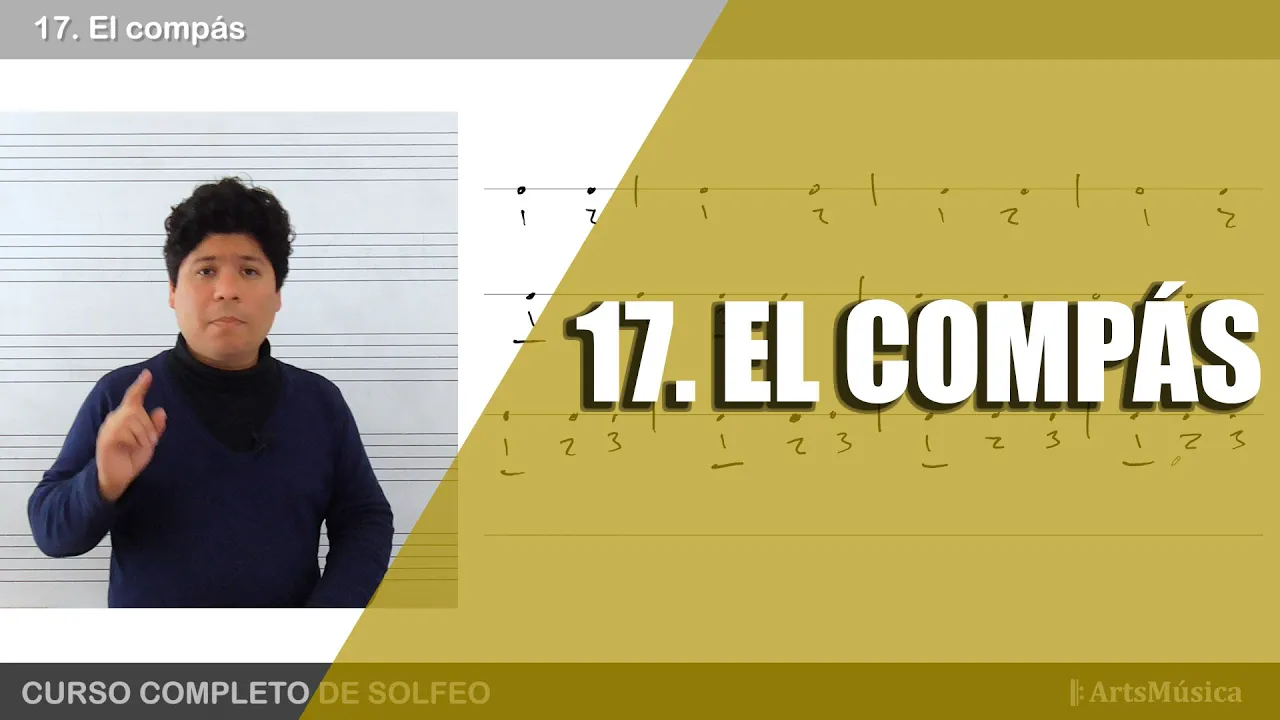







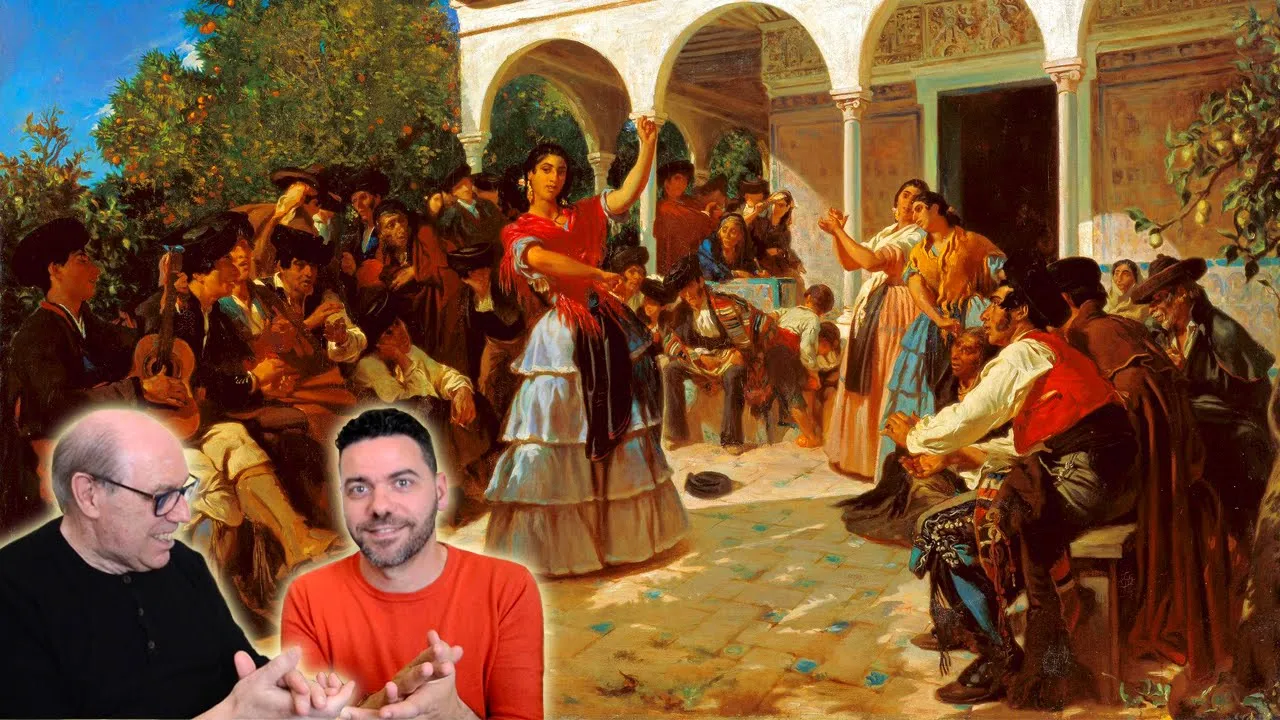

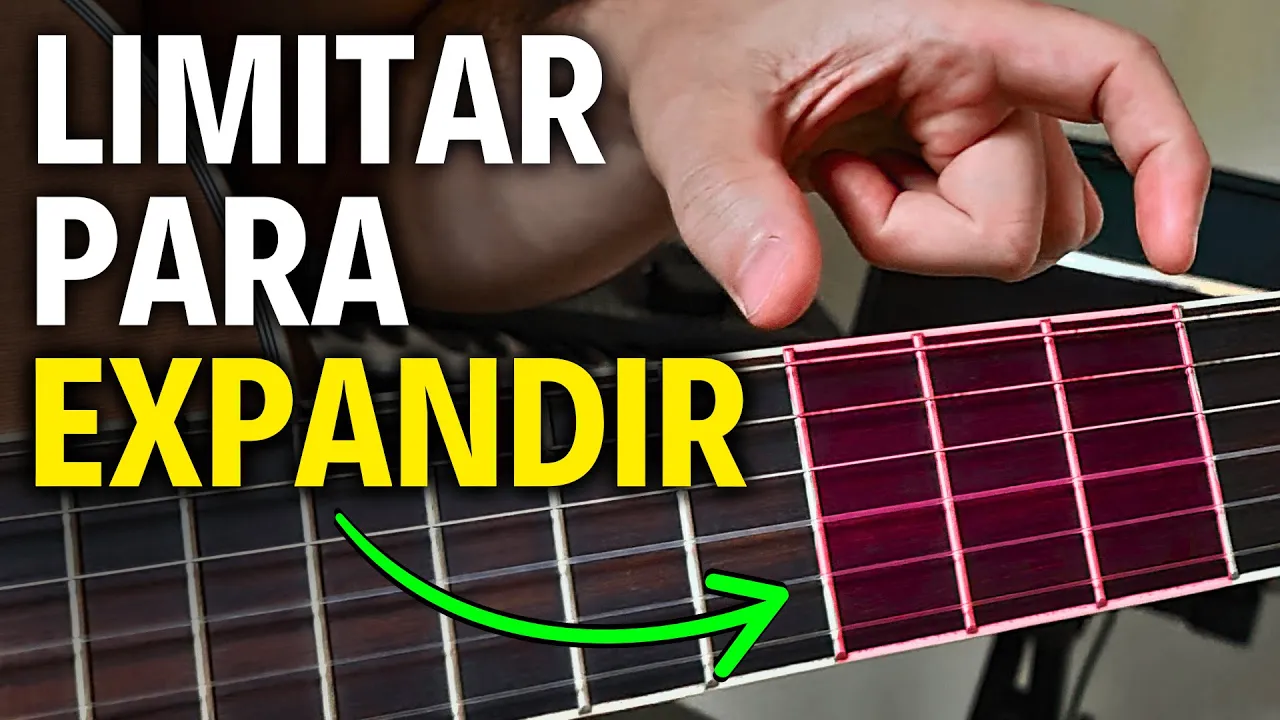



Flamenco rhythm (compás) is built on two fundamental levels: pulsation (the underlying beat) and cycles (grouped beats with accents). The main level consists of beats of equal duration, with tempo measured in beats per minute. To understand compás, use the Lego method: group beats into basic cycles using two-beat and three-beat legos, then apply the rule of placing accents on either the first or last beat of each lego (never the middle). Different flamenco styles like Tango (4 beats), Fandango de Huelva (6 beats), Soleá (12 beats), and Guajira (12 beats) are constructed by combining these legos with different accent patterns. Understanding these structural rules makes practice more efficient and helps develop rhythmic intuition.
Understanding Flamenco Compás: Pulsation, Cycles & Rhythm
Added:Basic music theory concepts, including the definition of a beat, tempo, and standard time signatures (such as 3/4 and 4/4).
An understanding of musical meter and how rhythm is structurally organized into repeating cycles or measures.
Familiarity with the foundational elements of Flamenco as an art form, specifically the roles of dance (baile), song (cante), and guitar (toque).
In-depth study of specific 12-beat Flamenco forms (palos) such as Soleá, Alegrías, and Bulerías, focusing on their unique accent patterns.
The practical technique of Palmas (hand-clapping), distinguishing between 'sordas' (muted) and 'secas' (sharp) claps to maintain the compás.
The concept of 'contratiempo' (counter-tempo/syncopation) and how to execute complex off-beat rhythms.
Integration of rhythmic cycles into physical practice, such as flamenco footwork (zapateado) or guitar accompaniment techniques.
14.5K views937likes11:35Original Release: 2021-05-06
very often when we learn flamenco we start like that just crazy without thinking and we just want to play guitar to dance and we learn thousands of complex footwork and palmas patterns and cajon variations but we don't really have a global vision of the rhythm we don't understand the main rules of the game but i tell you there are some little things if we understood them from the start we would save a lot of time [Music] hi this is guillermo ian for flamenco maps welcome to my channel whether you dance flamenco you sing flamenco you play guitar you play palmas you play cajon or you just want to understand how it works i'm sure you know that rhythm compass is fundamental in flamenco right so let's talk a bit about rhythm when it comes to learn and practice reason we have the impression that there are two opposing ways and one is feeling the rhythm and the other one is understanding and counting and analyzing but they are not opposed at all they are completely complementary and i don't think we should prefer one over the other but we should just use both of them because we need both of them it's easy to feel a simple rhythm simple compass but sometimes when it gets more and more complex it might not be enough i think it's important to understand and visualize the reason first because it will make our practice much more efficient and then our execution much more accurate and then for sure we need to practice a lot a lot a lot but eventually we'll be able to feel it and create like a rhythmic intuition so let's have a closer look to how it works in music the rhythm has different levels different layers mainly two and today in this video we'll talk about the main level [Music] we could call the main level the perception level or the beat level it's usually the level we perceive when we are just listening to music we perceive a perception kind of the heartbeat of the music [Music] this pulsation is the main level of the reason and we call each pulsation a beat and all the beats have the same duration this is important so let's switch el tito on and let's see here we have a number and it's an indication of speed the tempo here we have 90 bpm it means 90 bits per minute and the higher the number the faster the per session so we have a precision a flat position the problem with a flat pulsation like this is that it's not telling anything there is no storytelling nothing is happening it is boring to make something start to happen we need to create cycles that run in a loop what we call compasses and how do we do that we need to decide two things we need to group beats together so we need to decide how many beats we want to group together and that's where i take out my legos once again we have different legos different bricks and each lego represent a group of beats and mainly in music we need two different basic bricks the two beats legos and the three beats legos one two three and these are the foundations on which we'll build any possible cycle only with this we already have basic cycles one two three one two three one two three one two three or one two one two one two one second decision we need to make we need to put accents stronger beats so where do we put them here i propose you a rule of the games with the legos we can put the stronger beatsy accents on the first beat of the lego like this or on the last beat of the lego but all of them okay we choose once for all we will never put the accent here on the middle beat of the three beats lego okay first one all of them or last one all of them so how does it sound with el tito simple cycle of two beats with the accent of the on the first beat one two one two one two one two or on the second beat one two one two one two one two simple three beat cycle with the accent on the first beat one two three one two three one two three one two three or on the last bit one two three one two three one two three one two three and these are the main rules from here we can build everything and for all the different compasses in flamenco we'll have different combinations of different legos with different accents so let's see few examples just one precision here i'm only talking about the basic structure of the main compasses okay how they are built i'm not talking about the sonicate of a specific compass i'm not talking about palmas pattern or any musical element that would come on top of this compass okay just a basic structure el compos de tango it could be this okay it's a four beats compass one two three four with the accents on the first beat of each lego one two three four one two three four for mango de huelva it would be something like that six beats one two three four five six with the accent on the first beats of each lego one two three four five six one two three four five six one two three four five six and now let's talk a bit about the 12 beats compasses because in flamenco we have many 12-bit compasses but here i don't want to confuse you with numbers because depending on the compass there are different ways of counting and here it's not the topic i'll make other videos for each compass for now no numbers compass de solea 12 beats okay three three two two two and the rule of the game here is the accent on the last beat of each lego and we have something like that pop for the guajira for example we have the same combination of legos but we change the rule of the game we put the accent on the first bit of each lego and we obtain this is 12 beats also but it's a different combination of legos this one with the rule of the game here is the accent on the last beat of each lego and it sounds like this there is a video on the different ways of counting and composition we have many different options but the pattern is always the same pump in other music styles we have cycles with odd numbers like five beats cycles seven beats cycles nine beats 11 13 29 but not in flamenco so we'll leave it for another time how can you practice this practice with active listening when you are listening to music to flamenco or music in general just try to identify the different legos and the different cycles it is very important in flamenco because it is one of the keys to be able to identify the different palos and obviously active practice for example playing palmas okay just experiment the different cycles and and see what they make you feel because at the end of the day it's just about physical sensation connected to feelings and emotions when we say three beats compass four beats compass six beats 12 bits we are referring to this main level of the compass okay how many beats and where are the accents this is the first thing we need to understand and to assimilate in the next video we'll go deeper we'll go to the sub level where everything happens i hope it could help thank you so much for watching if you like this video give it a like leave me a nice comment share it with your friends subscribe to the channel and also go and check flamencomaps.com where i have a little gift for you and there i explain my classes my courses and my way of teaching flamenco so i'll see you there till then remember learn flamenco make it fun make it different and make it yours [Music] you
Up Next

9:27
Understanding MIDI in Music Production: A Beginner's Guide
@AudioUniversity
277.1K views•2021-09-02

12:54
Triumph of Orthodoxy Icon: Byzantine Art & History Explained
@BenCallan
2.1K views•2024-08-06

9:49
FastAPI vs Flask vs Django: Choosing the Right Python Web Framework
@TechWithTim
302.5K views•2024-05-26

1:42
Game of Thrones Opening Credits: A Cinematic Analysis
@gameofthrones
46.3M views•2011-04-18
Related Study Plans & Knowledge Roadmaps
Structured learning paths in General & Interdisciplinary Studies
general-studies
Elevator Engineering: History, Physics & Cities
01From Hoists to Safety Brakes: The Dawn of Vertical Lift
02Hydraulic vs. Traction: The Engineering Physics of Elevators
03Modern Speed, Safety, and Algorithms
+ 2 more learning modules
12h5 modules
Explore Roadmap
general-studies
Rubber: Material Science, History & Geopolitics
01Origins of Natural Rubber & Mesoamerican History
02The Chemistry of Natural Rubber & Vulcanization
03The Geopolitics of the Rubber Boom & Colonization
+ 2 more learning modules
12h5 modules
Explore Roadmap
general-studies
Containerization: Evolution, Logistics & Trade
01Ancient Trade & Bulk Cargo: Amphorae to Barrels
02The Industrial Revolution & Cardboard Packaging
03The Containerization Revolution: Malcom McLean
+ 2 more learning modules
12h5 modules
Explore Roadmap
general-studies
Textile Tech: Evolution, Labor & Global Impact
01Pre-Industrial Textiles: Handloom & Cottage Industry
02Mechanization: The Spinning Jenny to the Power Loom
03The Factory System & Global Labor Transformation
+ 2 more learning modules
10h5 modules
Explore Roadmap