
















![Биология поведения человека. Лекция #2: Эволюция поведения I [Роберт Сапольски, 2025]](https://i.ytimg.com/vi/MjOci0Hza_4/maxresdefault.jpg)
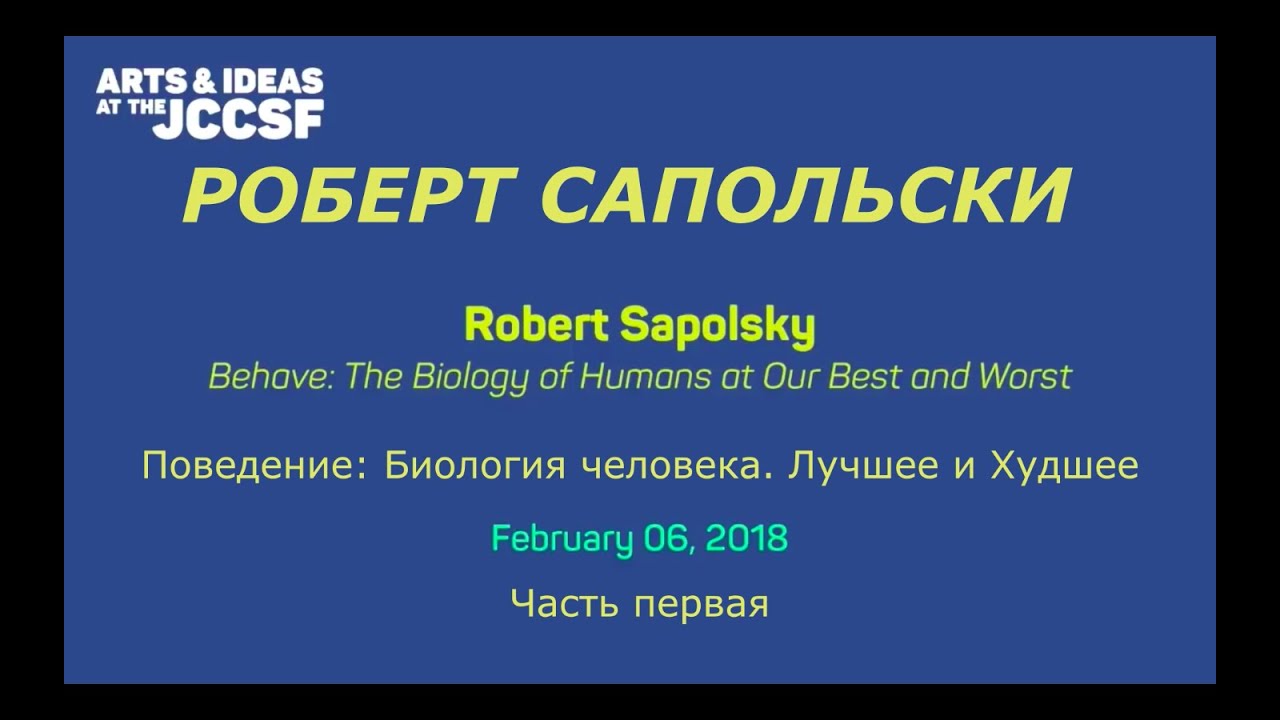







Trees communicate and share resources through underground mycorrhizal networks, where mother trees (large, old trees) nurture younger trees by transmitting carbon, nitrogen, water, and defense signals through fungal filaments, creating a resilient forest ecosystem that supports biodiversity and carbon sequestration.
Mother Trees and the Social Forest: Mycorrhizal Networks Explained
Added:Basic understanding of plant biology, specifically photosynthesis and how trees produce, use, and store carbon.
The concept of ecological symbiosis, particularly mutualistic relationships where different species benefit each other.
Fundamental structure and function of fungi, including terms like mycelium, hyphae, and their traditional role in ecosystems.
General forest ecosystem dynamics, including resource competition (for light, water, nutrients) among plant species.
Advanced forestry and conservation practices, such as retention forestry and the preservation of old-growth 'mother trees' to aid reforestation.
The chemical ecology of plant defense signaling, exploring how warning signals about pests or pathogens are transmitted through subterranean networks.
The evolutionary biology concept of kin selection and cooperative behavior in non-animal organisms.
Anthropogenic threats to subterranean networks, including how clear-cutting, soil compaction, and chemical fertilizers disrupt forest connectivity.
Current scientific debates and critical evaluations of the 'Wood Wide Web' hypothesis, comparing cooperative versus exploitative models of fungal networks.
15.6K views359likes1:33:00Original Release: 2021-09-27
[Music] welcome to mushroom wonderland how's it going everyone aaron hilliard mushroom wonderland and in this video we're going to be learning a lot about trees and mycorrhizal networks and the importance of forest preservation we were honored at kitsap peninsula mycological society to have susan simard from the university of british columbia come and give us a talk about mother trees and the surrounding forest and how these trees and the fungi and everything work together how humans have played a role in helping these systems to work it's just a super amazing talk she was gracious enough to let us record this we're just trying to get the information out there about how these mycorrhizal systems work in the forests not only between fungi and trees but between trees themselves families of trees that live in the forest and beautiful mother trees so come along and watch this video as susan simard talks about how these forest systems work she also is starred in a movie called intelligent trees so check that out it's just super interesting stuff about forest health and we're all about that here at mushroom wonderland super interesting stuff thanks for hitting subscribe to mushroom wonderland and try to support a forest near you let's get into this video it's my pleasure to be here especially talking to mike micah files um i don't get to do that very often and so i just want to start um by saying just to to follow on and acknowledge that i am on the unseated territory of three nations the first nations of aboriginal people here in canada um the sinaitics which overlaps with the american border and recently with that destination has been reinstated as a as a bona fide nation in canada they were declared extinct actually um uh about i don't know 50 years ago um and we've just recognized them again as a as a a nation in canada and they actually live you know right through the territory i'm in the kootenai region um i'm also it's overlapping with the territory of the tanaha nation um as well as the okanagan nation and and i just also wanted to acknowledge that my work has actually been in collaboration with many first nations in british columbia and um and that's going to be infused through my talk today um i also just wanted to say that you know i got my my master's in phd at oregon state university so not that far from where you guys are and um and and of course you have you know such a brain wealth in the united states about fungi and forests and i've learned so much from from my uh american colleagues and friends um and so i i have to say that you know a lot of this work was in collaboration with my american friends and mentors and and and teachers at oregon state i also just wanted to say too that i'm a forester um i i was trained as a forester i wasn't trained as a mycologist but of course you know i think anybody who wants to understand ecosystems needs to look at fungi and so i come from it from a forest point of view and of course you'll see that in my lecture and as you ask questions you can of course ask me more detailed questions about the fungi because my my lecture is more about the ecosystem so here we go um the book that i wrote is really um it's a it's a journey right it's a memoir it's a memoir that takes the science that i've done over the last 40 years that i've published in many journal articles um and brings it to the public sphere and i wanted to do this because i found that you know people who are actually having big influences on forests where mushrooms grow um policymakers practitioners really didn't know about it or didn't understand it or ignored this work and um and i thought you know we really need the public to understand this to push our governments to make changes so that we protect our environments more carefully and i've included here a spiral because this is a spiral for of a journey of my own from when i was a child where i grew up in forests to where i am now understanding the importance of connection of these relationships and forests for the whole global community and for our global biogeochemical cycles and society as a whole so yes kirsten i totally agree with you this has got to be uh in i think information brought to everybody's understanding um so i'm going to start with this map um you'll recognize this is british columbia just north of of where you are this is a map that actually shows the first nations um the language groups of of our first nations in british columbia there's actually 200 nations that have been recognized so this is just a simplified version of it i live down here in the uh in this area right here in the naha the okanagan and the sinai is this group that comes up and they actually uh overlap with these two nations um but my work includes work in in the chakra mech um all the way to with the kosailish the nuchan with the quakawatt the sikh the sims and the haida nations i work with all of these nations um and so their work their understanding uh is brought to bear on this and and i guess you know one thing i wanted to acknowledge too is that um there is a there was a a co salish man uh bruce miller or uh souvier who lived in in seattle and he actually understood these connections that i'm going to talk about these mycorrhizal networks these mycelial networks that underlay the forest this knowledge has been around for thousands of years and it's really just you know bringing western science to uncover for the rest of us what has been known for a long long time so i just wanted to start with that so this is where i grew up i grew up in these forests these are iconic inland rainforests um this is western red cedar the forests um are mixed forests they've got hemlock they've got birch and aspen and larch and western white pine lodgepole pine um at the high elevations whitebark pine these are really important iconic forest they're very productive forests so i grew up here this is what i knew as whole ecosystems as a kid playing in these environments and um playing with my brother and sister and getting to know these at a very visceral level and my family um actually were were loggers in these fours they were horse loggers and they lived along what's called the shushwa river and this is a salmon river and south i'm bringing this up because salmon influenced these forests all through the pacific northwest in a very deep way um the the collapse of the salmon populations is tightly linked with how healthy our forests are and of course how healthy all the creatures in the forest include the mycelium and the mycorrhizae they're all interlinked together and i'm going to come back to the importance of salmon and caring for salmon and forest later in my introduction into my in my presentation so one of the things as a forester that you face is that even though i grew up in a province of old growth forest it's turned into a province of clear cuts this is devastating it's devastating for me as a person it's devastating for us as a people for our first nations people um it's devastating for for our you know for for global change um this all contributes is all interlinked with it and i study this i understand the impact of this on our carbon cycle i've studied the impact of this on our biodiversity below ground and above ground the impacts are broad they're extensive they're in their long term and so it's this framework as a forester that i brought i came in to study fungi and the importance of fungi and networks in forests and uh as a young forester i was dealing with the conversion of our old growth forests which is all part of the plan right of of colonization came along with it the plan to liquidate the old growth forest and turn them into second growth forests um so this is these are planted forests that are cultivated they're they're uh planted with you know often they're monocultures and they get weeded out of diversity really the the broadleaf trees the trees and plants that are not are considered competitors with these trees and the consequences of this are severe um i think that we didn't understand when we started doing this back in the 60s and 70s and 80s what the consequences would be we didn't understand all the unexpected effects but some of them are this so you know this is a plantation of lodgepole pine in the submarine force to the north of where i live um this has happened in many places where we convert these diverse forests into simple plantations they get infested with beetles they get infested with all kinds of insects they get infested with pathogens they're not very healthy and i've i've studied this across british columbia we found that you know plantations that we thought were okay you know five years after they're declared okay we go back and we find that there are 50 damaging 550 damaging agents in these forests that have reduced density down by 50 percent um these are not healthy for us to be in they're not healthy for us for the future and so i wanted to understand you know what were we doing like we're basically dissecting our diverse forests and turning them into monocultures and um and there are and essentially what we're simplifying is not just the forest we're simplifying the whole ecosystem below ground and so when i went back to do my phd after learning about you know forest practices how we're simplifying forests and i studied that and i figured out that you know these pine plantations weren't doing well why is it what is it that we're doing wrong and so i turned to the below ground community i was heavily influenced by david perry at oregon state university and that whole team randy molina um jim trappy who were doing work on mycorrhizal fungi and i wanted to go back i thought that this after my masters i thought this is where we needed to look was below ground and so you know these are the mycorrhizal fungi they're one of four groups of fungi you guys all know this there's um pathogens there's sacrotrophs there's mycorrhizaes and then there's the endophytes and i focus on the mycorrhizal fungi the ones that i call the helper fungi the ones that all of our trees are in an obligate relationship with in order to um carry out the life cycle of trees and carry out the life cycle of the fungi and i learned in the early 1980s about the amazing work that david reed had done in in the uk where he had grown pine seedlings together in root boxes in the laboratory and inoculated them with a willis i think it was no it was epistle with us and found that they would could be connected together and then he radioactively labeled one of these seedlings over here and he traced that radioactivity right through this network right into its neighboring seedling and he also went so far as to shade these ceilings he had the idea that this carbon was moving down sourcing gradients like phloem that goes from leaves to roots they follow the source source of carbon carbohydrates down to sinks where there where those carbohydrates are used and metabolized he had the idea that these networks served like like phloem and xylem in a tree um and that the carbon would move down these source ingredients so we went so far as to shade these little neighboring seedlings to different degrees and he found that the more he shaded these seedlings the more carbon actually moved over into this neighboring tree that was amazing that was incredible he published that in nature um and when that was in 1983 i started doing my phd in 1992 nine years later and and really the work had kind of not gone that far it was still in the lab it was still stuck in the uk in these you know in root boxes or people were we're looking at them in grasslands and heath lands um but mostly not in big old forests like we're looking at in in the pacific northwest in western in western north america and so i wanted to see whether or not these these networks existed in our forests and if we were actually dismantling them through our our very simple forest practices and just to give you and this is just a picture that um shows these mycelium that can actually link trees together and now we know that these serve like pipelines that that that the mycelium does have a complex structure almost like xylem and phloem where you can get this two-way movement going back and forth between one root and another where carbon and nitrogen as amino acids and carbohydrates can actually move um around the outside of a mycelium and and through the core of the mycelium in two different directions and that carbon and nitrogen and other compounds like phosphorus and water and anything dissolved in water can move back and forth between these roots and so i set out to try to see this to understand this in real forests in our forests um i started my work in the interior dry belt forest of british columbia so these are douglas fir forests um they're not unlike the coastal forests except that the douglas for here is shade tolerant whereas on the coast it's more shade intolerant so when they're shade tolerant that means that that regeneration comes up in the understory of the old trees so these trees here are about 250 to 300 years old and you can see that there's intermediate sized trees that are probably 50 or 100 years old and then young trees coming up in the understory the seedlings and saplings and so this is an uneven age forest it's highly structured vertically structured horizontally structured and i started my work here um after doing my initial work with my phd in multi-species first i wanted to come back to these simple more simple forest species simple above ground to try and look at and map what these networks look like below ground in natural forests so i got a graduate student his name is kevin byler i worked with dan durall um who is another you know great mycologist i worked with randy molina dan or dave perry dave my world all at oregon state and we set out to um to understand these forests and map what the networks look like below ground so imagine this for us and now i'm going to shift you over to a a graphic of what that force looks like from a brillo ground perspective so imagine you're looking down on the forest and each one of these circles represents a tree and so the the bigger and darker the circle is the bigger and older the tree so this imagine this is a 300 year old douglas fir tree and then these are all smaller trees of younger ages in this uneven aged forest and these little yellow ones are seedlings that are growing up in the network of these old trees and so just imagine that these old trees um of course they've got cones they shed seed the seed falls to the forest floor those seedlings germinate they establish and they actually link into these networks um so these black lines represent actually the fungi that are linking trees together so you can see this tree here is um and keeping in mind so i'm sorry if i'm a little bit jumping around but keeping in mind that we looked at in this forest where we knew that there were about a hundred species of fungi per hectare mycorrhizal fungi we looked at two sister species of rhizopogon rise of pogon vesiculosis and rhizopogon been a color and um and so this network that i'm showing you just represents those two sister species of rhizobia within that community of larger you know of many different fungal species that also co-occurred so if we had been able to map all of the species of fungi this map would have looked much different it would have looked more dense more full all the interstitial spaces would have been filled with mycelium so let's look at the characteristics of this network you know we analyze it using graph theory and we look we found all kinds of characteristics that are common to complex systems to systems level thinking or any kind of system so one of the things we noticed is that these big old trees are hubs in the network they're the most highly connected and this is a common feature of systems whether it's a transportation system a watershed system a river system um a communication system they all have these characteristics where there are complex systems have hubs in them so they're the most highly connected and this particular tree here is actually linked to 80 of the other trees in this forest and um these smaller trees the seedlings are less connected but they are connected in the network of these older trees and so as i said they they germinate they within a three months we found in our studies they get colonized by the mycorrhizal fungi they become part of this network um other features of the network are um that this is a resilient network so you know you see this tree here is linked to this tree here with multiple linkages right it's not just one fungus fungus one mycelium it's many many linkages and this is what this multiple nodes of connection mean that the system is very resilient if a columbus comes in and eats off this fungus or let's say it dies back and then regenerates it doesn't really the network is still intact because there are many many points of linkage um we started experimenting with these networks to see what they do and around these old trees we started by planting seedlings or seeds around them to see what they did and what we found was that when seedlings can establish and join in the network of the old trees that their survival goes up by between 25 and and four times and so it's a significant increase in survival and why was that well we found that these old trees are actually transmitting resources like carbon and nitrogen and water and phosphorus into these little seedlings and later on we found out they also transmit information so if these old trees for example are suffering from some kind of herbivore like western spruce budworm or douglas for bark beetle that these trees will upregulate their own defense uh machinery their rna basically and they start producing enzymes these enzymes actually trigger um a transmission of information from this tree the the infected tree to the neighboring trees and that they in turn we found will upregulate their own rna and start producing enzymes that will protect them against the same insects and pathogens this kind of work has been done in other places around the world verifying this kind of communication this information communication and it's also been done um in agricultural settings where people have found that this kind of defense messaging also goes on above ground it's not just through mycorrhizal networks it also happens through above-ground pathways so it's a very robust system right there's lots of pathways of communication going on here um suzanne yes there's there's two questions in the chat about this slide so i'll just read them to you now oh that sounds great yeah um one does the extent of the network shift with seasons and secondly it's how did you find the networks and did you core the ground and look at the mycelia okay yeah i don't know if it shifts with the seasons but i bet it does um um of course people who look at you know you can use um different techniques to look at seasonal changes in mycelium we know that they do the fungi fruit at different seasons that the mycelium will grow through in-growth mechanic using ingrowth tubes we can see that they that the mycelium grows and quit more quickly and more abundantly at different times of the year um correlated with rainfall and we've definitely looked at in earlier studies how mushrooms will come up at those rainy seasons around here it's in june and in october um so yeah i would think that they do vary with the seasons the one thing that we did do is when we developed this network map in 2006 um i had a student and justine carson i had a student and his name is joseph birch and he went back about 15 years later and re re looked at this network he went back into the exactly the same forest used this network map and he found that not only do the seedlings respond to the network linkages but so do the old trees and we tried to remap the network but we weren't very successful at it but we were trying to see how it would have changed over time but we expect you know just based on looking at the trees that there were shifts there were shifts and emphasis of where carbon would go and how what trees were responding um but i can't answer directly uh the seasonal question except to infer from these studies that that it would change over the seedlings with respect to the methodology what we did what kevin did is he went into this forest and and sampled um using a grid pattern so he would sample around each tree in the cardinal directions for the fungi so doing cores at the basically at the drip line of the trees and then in between this tree for example in this tree he did multiple cores in between them as well and in those course he picked up whatever fungal material he could get whether it was mycelium or spores or sclerosia and and did what did dna analysis on them and it wasn't just sequencing because you know you can sequence and get species what he did was what are called microsatellites um and so microsatellites can actually distinguish one individual genet from another individual genit and we needed to do that in order to know whether this fungus that was on this tree was actually the same fungus that was on this tree and we were able to do this only because in random randy molina's lab he'd work with annette kretzer kretzer and she had developed the micro satellites in order for us to actually you know distinguish genetics of rise of pogba in the color and vesiculosis and so it was work building on work of other people that allowed us to do this we did the same thing with the trees so he went in and he collected the cambium of the douglas fir trees and used microsatellites developed in the lab of sally aiken at ubc and was we were able to distinguish the roots for example if he picked up a mycorrhizal root tip uh here for example not only could he identify the individual fungus he could identify the individual tree that that root was from based on the microsatellites of those douglas for individuals so i hope that answers your question um there's a lot more detail in the journal articles but yeah it was very laborious it was very time consuming it took kevin basically five years to do the study to make this map okay so i'll move on um so one question led to another um and we kept doing studies what were the importance of these old trees and finding that they were important in the regenerative capacity of the forest and so we started calling these old trees mother trees because they were basically nurturing the regeneration of the forest um and and you know this term mother tree it's you know i i use the term because it helps people remember it to understand the role of regenerative role um but i have to say that you know it's not really a scientific term it's a term um you know douglas fir is actually got both sexes in a single tree um and um but i think that it conjures up in us an understanding and our the first nations people the the aboriginal people of north america use terms like this in their languages as well they call them grandmother trees or grandfather trees mother trees and father trees or elder trees um and so the the language is important it's important for us to understand and convey what we mean about the role of these trees and ecosystems not just what they are you know genetically so thinking about the role as a regenerative part of the forest the next question we asked which i thought was a really logical question was if these trees can actually facilitate the regeneration of the forest can they re can they recognize which ones are their own seedlings which ones of these regenerating trees come from these individual trees which ones are their own seeds and this built on work that's being done um with smaller plants herbaceous plants um by others in other parts of the world and i teamed up with one of those scientists her name is dr susan dudley she's at mcmaster university and she started working on kid recognition implants you know about 20 years ago and she worked with sea rocket plants which are a clonal plant and we got together and we said well i wonder you know if all these trees are mycorrhizal if they form networks and we know that can recognition based on her work with her graduate students happens through communication through roots they knew that that was that it was a root communication ability of these trees that allowed them to recognize their relatives could this be happening through mycorrhizal networks and so we did a bunch of experiments and i've she and i have had three graduate students working together and a postdoc who have dissected this and we have figured out with her that yes these trees can actually recognize which ones are their relatives and the way we know this is because they send we we've used carbon tracing and we know that they send more carbon to relatives than to strangers we know that the the the relative or the kin seedlings have um have bigger mycorrhiza mycorrhizal networks the fungi on them are more robust they've got actually more fungal material on them and also the seedlings are grow faster they've got more nutrition or different nutrition um and they survive better and so what we call that is kid recognition and the fact that they that they grow uh preferably in the neighborhood of their kin leads to this phenomenon called kin selection that means that there's improved growth in the presence of of neighbors or of relatives okay so that's really cool mycorrhizaes are involved in can recognition in trees okay i'm going to come back then to what first nations have known all along like i said at the beginning subie talked about these fungal networks in the soil that the coast salish people knew about for a long long time and the coast salish people had a word for that connection it's called we are one we are all together in this and it's that word is nets amongst netsuats means we are all connected this other word is is actually uh the changleth word so those of you have been keeping track of what's happening in in in fairy creek and vancouver island the protests by the new john left nation and the and and the uh and the the environmental group the protesters have you know come up you know talk about this word about this phenomenon that we are all connected together so this this has been known as in the languages it's it's not new it's not new information to many people but it's really cool to see this that the the mycorrhizaes are very much of to walk okay i'm gonna go back to the salmon forest um and i'm gonna try and bring this story together with this last bit about you know connection so along the coast along the north coast in british columbia um there have been um many nations who have used this salmon fishing technology called tidal stone traps and what we're looking at here is actually a satellite imagery looking down on a forest obviously and this there's a river over here and what the what the uh the halt nation has done here the health center at bella bella is they've built these stone traps along the coastline you can see the walls of stone here and there are many of many miles and miles of these stone traps all along the coastline and what they do is that when the salmon come in on the tide when they're spawning they come in on the ebb tide and and when the first right on the tide and when the tide goes out the salmon are trapped behind these stone balls um and so the whole stick nation the cincinnati whoever has built the walls the tlingit they do it to they just passively collect the fish it's a very simple fishing technology but it's thousands of years old um so they collect the fish but they always let the big mother fish go upstream and spawn and so by doing this what they were doing is they were actually manipulating the populations of the salmon they're actually increasing the health of the salmon populations by favoring the big mother fish um and so keeping this in mind you know over the thousands of years of this technology we arrived with colonization happen in north america to these very robust salmon populations that were actually cultured and nurtured and managed by the many nations that lived along the pacific coast and so you know we have images of this we know that the first nations depended on salmon as they did with the cedar trees they go hand in hand um and um you know their livelihoods depended on fishing and drying salmon and using these fish these passive fishing technologies and those technologies vary depending a little bit whether you're inland or on the coast but they were always these passive technologies that that depended on um always keeping the big fish so they could build up the populations this is one of the um estuaries in the haltsig nation um at a place called hayat and hayat is an old six thousand year old fishing village um that is being re sort of recovered and in this village they have tidal stone traps out here you can't see them um but but they um but the salmon will spawn up this river and they also have cloud there are clam gardens here there are trees that are cultivated here for cedar bark um stripping for making canoes a lot of the villages along the coast also planted a number of trees so you'll find crab apples and um uh salmonberry thimbleberry um blackberries so the the you can actually when you're approaching these villages these ancient villages by boat you can pick them out really easily because of the deciduous trees the cultivated plants around them the stone traps um so we started actually working in these rivers to find out what the influence of the salmon were on the forest and so i have had a phd student for the last eight years actually working on this as well as as a simpsian nation scientist dr teresa ryan who is also a salmon fishery scientists and we've been trying to building on the work of scientists in at unit university of washington as well as simon fraser university who have discovered that salmon nitrogen actually ends up in these trees and we wanted to figure out the pathway where mycorrhizal networks involved in this and so i'm not going to show you a lot of detail except to say that the salmon have a deep deep influence on the mycorrhizal networks and now we know that you know that the salmon the density of salmon in these rivers and we looked at 23 different rivers up the coast with that had different numbers of salmon that were spawning in them it was a natural stem ingredient and we found that the mycorrhizal fungi varied um very much along that ingredient that the salmon had a deep influence on this the identity of the fungi in these forests um they also have a deep influence on the carbon sequestration of these forests and the fertility of the forest these forests where salmon spawn have some of the highest carbon density of anywhere in the world we haven't published that data but we found that and it's really profound um so what happens when the salmon go upriver is that grizzly bears and wolves and eagles will take the salmon that are spawning and they carry it into the forest and they um they eat the salmon especially under the big old trees so they tend to go back to the same trees over and over and over again they can see around them they can see their predators they can protect their cubs and they eat the salmon under these old trees and so the salmon actually the the flesh of the salmon which they don't eat most of it they eat the brains and the guts and they leave the most of the flesh there and it decays and it ends up being up taken up and acquired by these mycorrhizaes and delivered into the tree where we can actually take tree rings then and count the isotopic signature of salmon nitrogen in the tree rings and reconstruct salmon populations over time it's really difficult to do it's not easy um but we are kind of at the early stages of understanding at least on what the effect of the salmon has on the fungal populations the fungal communities as well as carbon sequestration in these forests and you can see the salmon bones in the forest it's really cool when you go into these estuaries it's not hard to find them you just crawl along follow the bear paths which is what we did these grizzly bear paths and sure enough it's almost predictable they come up on these little benches and there are the bones and there are many many bones of these single sites just shining underneath these big old trees so it's really cool it shows the cycle right that everything is connected together that these salmon foster big old trees like this and they also shade the salmon streams and they provide the detritus you know the food web that actually feeds the salmon fry for the next generation of salmon to come so it is a cycle it is a length thing it's a network it's a spiral it all belongs together um and i think i think that's the end of my presentation um yeah i guess i took quite a bit of time but um yeah that's my story for today and i invite any questions that you it's super awesome suzanne it's super awesome and yeah um you answered lots of questions which i would have asked you but i see that there are lots of very interesting questions in our chat room and maybe john we do it the other way around you first answer the question of everybody because i think that makes more sense and then i can still add some if i haven't gotten it from somebody else yeah okay i'll start with uh a question from anita uh is is there a relationship between moss and the mycorrhizal networks that's a great question um so as far as i know mosses don't form mycorrhizaes they form risings and the risings um you know the risings only penetrate so far into the soil or the bark or whatever substrate that they're working on or they're growing on as far as i know they don't form a mycorrhizae per se um but but i haven't studied this recently i had a graduate student actually working with an undergraduate student up at the tulik lake um research camp way up in the arctic and we were trying to figure out whether or not these the the mosses were uh were influenced by mycorrhizaes and we never actually ended up finishing that study so i i'm sorry that i can't answer it definitively but as far as i know they don't actually they don't actually join into the network but that doesn't mean they aren't part of the same system right um the mosses of course will be linked in some other way they they moderate um the temperature of the soil and the forest floor where the fungi grow and of course they would add carbon and nitrogen some of them have nitrogen fixing bacteria associated with them and that will also be important to the fertility of the forest and the tree growth and therefore the mycorrhizal fungi that that form these connections so i haven't i don't know about the direct link but i know that you know indirectly they are all linked they are all in this you know inter interacting with each other okay next question uh does the novel the overstory represent the science of your work accurately and fairly um you know i love the overstory i thought it was a wonderful book i think that um you know that character uh uh uh patricia westerford um from what i understand from hearing listening to richard powers interviews is a combination of me as well as a couple of other people um so it's not just me and and i think that character reflects that um the research i did was on my horizons and fungal connections and what patricia was was actually studying where was communication aboveground and so you know i mentioned that other researchers were actually working on this you know that trees will warn each other through emitting uh volatile organic compounds that other trees detect through through the air which is a more general way of communication than the more specific avenues through mycorrhizae's and so in some ways you know um she she did represent me but in in the the details no not really not the details of my research and uh of course you know patricia also was faced with a number of personal uh adversities in her career and i think that in the end she didn't actually um make it through right she i mean she she did get her voice back but not in a really powerful way and i'm hoping that i can get a little bit further than patricia did yes can i can i chime into this so is there a um sort of um interaction or talking between trees over the air well yeah there are so there's so these volatile organic compounds you know we all smell them when we're walking through the forest we all smell these organic compounds when we when we when we when we breathe in the sense right um and and those are communication molecules and so what people have done is they especially in in uh shrubs and herbaceous plants is they've they've um purposely injured these plants and then measured these vocs that transmit through the air and the neighbors pick them up and so yeah i mean it does happen it's been well verified it's been studied a lot um and it's been known for i don't know probably 20 or 30 years now okay before we knew about the mycorrhizal connection and that communication pathway yeah okay okay a question from rachel friedman uh who did her undergraduate uh research with uh jim trapp okay you would like to she's curious about your use of the term mycorrhizaes and can you help understand the difference between that and the multiple mycorrhizae mycorrhizae and mycorrhizaes yes you know i i that's i i think that the mica rises is more of a european use of the word and mycorrhizae is more north american um that's how i figured kind of figured it out they both mean the same thing it's just the plural of the mycorrhizae they're interchangeable okay uh all right you got to process one other question um let's see does your research explain why some species like chanterelles often fruit only when the trees are above a certain age you know i i wish i knew the answer to that question i knew that you guys were going to ask me questions that i couldn't answer but um um i would expect so um but i don't know for sure i haven't studied that but you know think about you know chanterelles as all mycelium all mushrooms depend on carbon carbohydrates from the trees you know they they don't survive without them except as maybe resting spores and squarosha and so the more carbo carbohydrates that are fixed through photosynthesis by the trees the more carbon ends up below ground it's just you know it about and it depends on the ecosystem you're in um but anywhere between 20 and 80 of of of photosynthetic ends up below ground in the soil food web and and in the mycelium and in more drier or poorer ecosystems the more carbon goes down there in more replete ecosystems like you know for example coastal rainforest that number will go down you'll be less allocated below ground because trees can get their resources they're more plentiful so they can get them more easily what we found in our studies in the mother tree project is that about half of the carbon in our douglas fir forest ends up below ground almost yeah it doesn't really matter you know there's a slight response from dry to wet where there's a little bit more allocated below ground in drier forest compared to wetter forests but it's pretty much a 50 50 thing um but you know so getting back to the question yeah the more carbohydrate that ends up in the mycelium um the more that will be available for fruiting and um so i i think you know without studying it that's a general principle that you could apply to understanding chanterelle um fruiting but you know that's as far as i can i can shed light on that as far as i know do you have any data or just your personal observations like if you have a clear cut and then the clear cut regrows either from alone naturally or because they plant trees or whatever at what point is a after how many years will you find fruiting of the mushrooms which were there before which don't show up as a clear cut i mean this is like you know a desert kind of thing it doesn't look very good there's nothing come popping up so yeah that would be definitely a thing which mushroom people would want to know because some of our nice you know hunting crowns got wasted you know yeah uh i know um so we did a a chrono sequence in the mixed fort mc douglas for birch forest in the interior bc and we got data on this so we actually only followed from a clear cut to 100 year old forest um but we got uh clear-cut five twenty fifty hundred year old forest and a few in between um well replicated study and we found that um and we looked at the dna of the mycorrhizal fungi below ground we also looked at the mushrooms the looking at the below ground mycelium and and the root tips gave us a clearer picture because it's hard to follow mushrooms but um because they vary so much from year to year as you all know um but what we found is that um that yeah in the first few years the first five to ten years after clear cutting you go from uh a forest that has about a hundred species per hectare of fungi fungal species mycorrhizal fungi in general on average to about four or five and those four or five are you know don't require a lot of carbon there's things like fallophera and wilcoxina um um what's the pizzazzle pizales um they're really really simple fungi and then or in low carbon demanding fungi and then over time the the fungal community starts to recover and rise of pogon starts to come on maybe at 10 years um but the the full suite the diversity of that community doesn't really recover until the forest is at least 50 years old um and so that's when i would say you start to see a fuller community of the of the of the fruiting bodies and then it just grows from there it kind of starts to level off and so by a century you're almost fully recovered from what we can tell and and then you know as the forest gets older and older of course um there are more fungi more rare fungi are added onto that diversity list that richness list um and so you know even a hundred year old forest is not going to fully represent what was what was there naturally in an old growth forest but so just to summarize about 50 years is when we start to see on you know a fuller recovery almost a full recovery of the community yeah and that is super sad for me because i won't be alive then anymore yeah i know and you know of course you see some things like morels come up following fire and you know in it's funny i was my daughter i've got two daughters and they're they've become both in forestry and one of my daughters was working up north north of prince george and there were huge fires when she was up there and large clear cuts and um and you know they've clear-cut like so much but instead of forestry now it's basically mushroom pickers that are up there and there are huge camps of mushroom pickers um it's regular it's unregulated for the most part and they're picking morels and they're selling like it's a huge market and in fire years that that community is massive and so yeah there's a lot of mushrooms um after clear cutting but they're mostly morales yeah yeah yeah which is in some ways also nice but if everything just looks like a desert that doesn't you know make any sense it's it's not good for anything so yeah and even if you love morels i think that most of us would agree that cannot be the goal that we would just burn everything down to get more else yeah yeah no definitely and that definitely was never the goal it was just like we didn't they didn't care at all about mushrooms it's just that it's you know they popped up and so then the whole community of of this sort of underground community of uh um unregulated um like i don't know yeah people that are trying to make money from the land yeah well yeah taking the opportunity because it's there and it tastes really good but since we talked about fire since you mentioned forest fires what's your take on them um i mean we have more and more coming because of the climate change and whatever um do you think we have to change or the forest industry has to change something well yeah what what would you recommend what to be done yeah it's a it's a it's a it's a complex problem it's a wicked problem um you know we've had a huge fire year up here this year in british columbia in my little town of nelson you know in july and august i was surrounded by five huge fires i mean we couldn't even breathe for like a month um people were migrating from the interior to the coast just to breathe um and this is you know this is gonna last year wasn't so bad but the year before the year before that it was a it was again a disaster we had like millions of hectares burning this is the future the future is now it's here um there's so much we can do to mitigate this so um you know for one you know one of the things that we've found or people are talking about the issue that we've noticed and people and i've been talking about this for a long time as of other people but um how we cultivate our how we clear-cut and then replace old forests with douglas fir lodgepole pine spruce you know simplified monocultures and then weed out the broadleaf trees were actually increasing the flammability of these of the landscape um so not not just you know you know the individual clear cuts have are highly flammable but the pattern of clear-cut so there's one after the other after the other means that the fire once it starts it just rages through the landscape um and then without big old trees there which have thick bark and deeper root systems which actually are resistant to fire fire at least in the interior part of the province they when they're there they help the forest recover obviously they provide seed but the roots actually will bring water up from down below and share it through the mycorrhizal network with the other plants and trees and keep the forest moist and of course transportation also keeps the forest moist there's so many things that do that and the fires that are burning through these clear cuts are actually drying out the landscape um so what can we do we can leave a big old trees even when we harvest like do partial cutting and leave old trees they'll they'll host the mycorrhizal fungi and they'll also you know re help the landscape resist fire um so there's resilience and resistance built into leaving old trees and then not planting them to monocultures of flammable trees like having mixes of broad leaves and conifers of all these species also will really help and of course on top of that you know we need to reduce our rate of cutting so that we don't have a sea of land of clear cuts out there we need to address our fossil fuel consumption so that we can decarbonize our energy sector we need to address the this heating of our atmosphere so we don't have fires that are being created by other fires so essentially you know it's become so hot and dry that when we get a fire it creates lightning itself which spawns even more fires which sounds like a disaster and it is but we do have tools right we do know that if we leave old trees and don't create these vulnerable clear-cuts plantations that we can mitigate the spread of fire there's there are things we can do right there's lots more questions from the audience yeah i'll move on to the next one um this is this is from pete allen and it's a it's a question that i had uh prepared also um but essentially it it it comes down to we can see trees all the time we can rarely see mushrooms more i guess if you're looking for them but they're they're not so obvious and so as we look at this relationship like who's in charge are the is it the trees that are kind of telling the mushrooms what to do are the mushrooms telling the trees what to do or is it truly a symbolic uh symbiotic network or does anybody know what do you think oh it's definitely the mushrooms that are in charge yeah yeah we're mushroom nerds here that's it well um i would say they both they're both involved all of them are involved you know there isn't anybody in charge it's a complex system it's about the relationships between all of them you know as a forester i studied how trees regulate trans transmission of carbon back and forth through mycorrhizals and everything i did you know i mult i manipulated these source ingredients by shading by using nutrients by using varying species by varying the the water capacity of the soil everything mattered right it all influenced what went where so definitely what the status of the trees is important whether they're bigger smaller richer poor that all matters so does the mycorrhizal networks the identity of fungi in those networks also matters whether it's you know full of wilcox or full of rise of pokemon that matters and so who's in charge well they're all working together it's about their relationships and you know we have to you know try to stop ourselves from trying to think simply about the system and say it's one or the other we need all of these things together nice okay and of course the mycorrhizal people study the mycorrhizae i mean you know if you look at one thing you'll find it and you know the challenge is look at all these things together right that's really hard to do that's where the next studies need to go yes who who is like what's the title for somebody who's doing that because the foresters aren't necessarily doing it and the mushroom people aren't doing it um like who's doing it like the ecologist well yeah i mean i'm a forester i'm a forest ecologist i guess the ecologists they're the ones that look at relationships between different species so yeah it's on them but really it's the it's you know it was really the might the the microphiles who started this it wasn't the tree people who started looking at this it's you guys that that spawned the questions right and then the rest of us are trying to understand the ecosystem say oh you know these microphiles these micro micro mycorrhizae people they know something about the below ground world maybe i should look there and so then we start looking at the relationship between our trees and your fungi and we find out that they're both important so you know i i think it's it's people getting together and doing the work together is really important to this collaboration and i have to say that you know as an act i started out in government and now i'm an academic academia is not the place to do collaborative work unfortunately you know academia needs to be completely restructured so that it honors and fosters collaborative work um it doesn't do that um so it's really up to us as individuals to seek out those collaborations and try to do them uh work you know work with scientists and and naturalists and government people and academic people everybody together as much as you know as much as we can okay lots more questions but i'm going to ask this even though nobody brought it up even though i know that i want to know um do you still play goalie and drink beer i'm thinking about my beer right now okay um so um what would you hope that um your work would inspire in a a group of amateur mycologists like kpms with 200 plus uh membership families um to do going forward you know i think well education is huge so talk to you you know talk to your friends spread the word get the education material out there get people out of the forest to look at these creatures right because once you get people out there these they fall in love with it right away you probably all know this already um you know get people so they're hooked into looking for mushrooms um and then so that's number one the second thing and maybe this is most important is that we need to protect our forests like without forest we don't have any fungi we don't have mushrooms and our forests are disappearing really really rapidly i mean i think that in the us you've made some progress by um you know in some ways by um you know there's new forestry that jerry franklin started and that that started with uh you know the pacific northwest forest plan which protected some forest um up in canada we're still clear-cutting as though you know our lives depend on it um when our lives actually depend on saving these forests and um and we have a lot to learn and and so i think that a lot of energy has got to be going into protecting the forest saving the old growth that we have um as as much as we can like this is it's dire it's essential so that's i spent a lot of time actually supporting people who are out protesting um against logging i support you know more and more you know as we see our forest disappearing so rapidly this is this is where we need to put our energy and without the trees we don't have the fungi yeah excellent uh another question from bob johnson um you mentioned the salmon influence on the forest and can you talk a little bit about how does the forest influence the estuary in the ocean and uh what are the connections between the forest and the sea i mean okay yeah um so that they're in of course they're linked uh the ocean forest interface is a very active place lots of people live there because there's a lot of activity there's a lot of food there's a lot of species there all ecotones have those kind of features um salmon are the vector that go between the forests and the ocean um and so you know if if the salmon are being overfished in the ocean that means there's less salmon going into the forest and less salmon that is fertilizing uh the forest the mica rises the networks um fewer bears are able to survive fewer eagles fewer wolves um so it trickles all the way up the food chain and all the way down the food chain um and when the forests are less fertile because there's fewer salmon that means that this the the rivers are also less fertile um and especially you know if we're clear-cutting these forests as well which we're doing as fast as we possibly can um then the food web of of the streams is disrupted because the food web of the streams is driven by the litter fall that's coming from those trees and from the roots and the euphoric zone and where water moves back and forth from the tree to the stream in these underground channels um and so you know if if the trees are not there or they're less productive that translates automatically into the fertility of the streams which affects the ability of the salmon to spawn and and the fry to grow and then go back out to the ocean so overfishing over over harvesting those things interact and we've seen the decline in the salmon populations actually the the crashing of the sockeye salmon populations and this is going to affect the forest and i'm just going to i'm going to actually um because i don't know a lot of detail about it but what we are doing i mean this is an interesting study my um my research associate theresa ryan who is the simpson woman who's a salmon fishery scientist um what we're doing to try and get a handle on this question is um when so when colonization happened in north america in canada what happened was that the the confederation is that the government basically tried to um destroy the indians they they put the children in residential schools and they also you know we started logging our forests and we started fishing the oceans and basically the fisheries department of fisheries and oceans in canada took the took the resource the the salmon resource away from the first nations they basically plowed in those those tidal stone traps and said you can't use them anymore we're taking over the fishery from here and that happened in the early 1900s and so now and so then they said okay we're going to manage the fishery well we know what happened from there the salmon populations crashed we overfished the salmon we didn't uh fish on on the tidal cycles we didn't passively fish we we harvested everything um and so now what we're doing my po theresa and i is we're going back to these old tidal stone traps and we're reconstructing some of them and we're doing them in some of these really rich salmon rivers and we're going to track how that and we're going to in reinstating and revitalizing these stone traps and using the old fishing technologies we're going to trace using nitrogen tracers how that's affecting the nitrogen productivity of those estuaries and we're going to be tracing how that affects the productivity and the nitrogen capacity of those forests so we're trying to answer that question um it's not diff it's not easy um doing any kind of work with aboriginal people means that there's there's all kinds of you know there's all kinds of history to to um to grapple with and even going you know going even with the first nations people who are collaborating with you um you know these are these are archaeological sites right these tidal stone traps are thousands of years old it's like going and doing an archaeological dig for a dinosaur right it's that historical and so it's taken us three years just to get the permits to go in there and start doing our work so yeah it's it's it's painful work it's difficult work is it's laborious work it's going to take a long time but we have our hypothesis which i just laid out for you we think that these things are intimately interlinked and we're going to try and verify that um with our with our measurements you probably need more from the first nation young people who study that and want themselves because then it's their land it's their heritage and then they their interest is the biggest to keep it or better to fix it up again it's exactly and you know we're so we're going to be working with the hulsic youth um with these three stone traps they're going to be rebuilding the stone traps um and i just wanted to you know just say one little quote from a health sick woman um um jess husty and she's a mother and she's uh she lives in bella bella she's you know she's she's a scientist as well and she so she's been trained as a western scientist as well she's an aboriginal scientist and she talks about how western science is the little sister of aboriginal science and really we have a lot of learning working with them to learn about these these systems to learn about this worldview to change our own worldview so that we can revitalize our own world um and move into a more productive society yep yeah uh two very specific questions from sue did your investigations find any mycorrhizae interface with uh rhododendrons and secondly how does a soil type influence the distribution of the mycorrhizal uh relationships in abundance yeah so i haven't i i don't actually look at these eroque mycorrhizaes myself but um one of my phd students did it for did for her her master's uh research and shannon burch who is actually a trained mycologist from oregon state and uh and works in uh in our government in canada now i think she might be retired now you know did a lot of work with rode with with iroquois my horizons and rhododendron and salah um especially and um yeah so what specifically was the question sorry i'm i don't know a lot about them i mean i know that they you know these are very specialized mycorrhizal fungi they're certain only certain species of a low number of species they're they're not just mycorrhizaes they also um can decompose organic material so that these plants can uptake organic nutrients um they're essential in you know the productivity of these forests but i don't study them myself was there another part to that question uh a soil type on mycorrhizal yeah um so i would say that more than so soil type what does that mean right um in you know in in canada we have all these soil orders they're genetic soil orders i know that you have soils that are developed in the same way um we have glaciated soils most of the american soils are not glaciated so that makes a difference whether they're glaciated or not glaciated soils tend to be poorer soils they're younger soils they're less weathered um and so the mycorrhizaes that form on those soil types i think are are you know they they're they're good at um extracting nutrients from difficult situations from poor soils um and so and also as you move north we get into more boreal forests and the mycorrhizaes and the the plant community changes um and so those soils are are even younger and they're they're even more nutrient poor um and there's a lot more eroquied mycorrhizaes in those communities um and then as you move southward and go into the tropical forest you get you move from like more iroquois to ecto in these temperate forests to more uh or muscular mycorrhizal dominated communities and tropical forests that's very general of course um but that tells you that those associated with those changes are changes in soil soil type as well so you'll go from you know these deep organic soils in the boreal forest to possolic soils or spotosols as you call them in the u.s in the temperate forests to more uh inseparables or or luvosals and brunosols that's what we call them in our temperate forests down to lataritic soils in the tropical forests and so the mycorrhizals change along that gradient too so what drives that um what is it is it soil or climate i mean they all do work together but climate i would say is the number one factor that affects uh soil weathering soil um soil development and then the plant community that's on them and that plant community is associated with a certain mycorrhizal community but you know to sort out the hierarchy of these things um i think climate is the number one thing soil is the next thing and then the plant community is is the thing next after that if we were to hire you put them in a hierarchy of importance awesome can i can i pop anything um you know with the clear cuts we don't change the soil but we change uh the plants which wander in like scotch broom or like ivy do those things change the mycorrhizae then also because you could argue they mycorrhizae are underground they sit there and they wait until things grow back and then they do more action but maybe not because they don't have any horse trees what i mean a lot of those weedy plants like i you know i think scotch brim is an ericacious plant um um iv is probably it's either our muscular mycorrhizal or maybe you know some of these weaving plants are non-mycorrhizal a lot of wheaty plants yeah are either non-mycorrhizal or or muscular mycorrhizal whereas our forests are generally more ectomycorrhizal at least here in the northern hemisphere and so it's a whole cell shift from a whole functional group of mycorrhizals to another functional group of microbials so of course that's going to influence you know the the productivity of that site as well as the ability of the of the plants to uptake nutrients from the soil it'll have a profound effect and one okay here's one story i can tell um when i was a younger researcher in the government i i did all these crazy experiments and actually i talked about one of them in the book where i actually made a big mistake and i destroyed this site i i actually um in my zeal to create this perfect experiment i got rid of the forest floor and all these weeds moved in and the mycorrhizal community completely changed from our from ectomycorrhizal to our muscular mycorrhizae i couldn't get conifers to come back i kept planting over and over and over again and it was like i created this black hole and it's because the whole my mycorrhizal community had changed and it was only when i was able to transfer soil back from the forest into that clear cut could i regenerate the forest so yeah i mean how we change the plant community changes the mycorrhizaes which really affects you know the recovery of the of that plant community yeah uh another question from john blindower um how does forest thinning affect the health of the remaining trees in the short term and how does the removal of the large mother trees versus thinning out the overcrowded smaller trees affect the eventual rebound of the same forest yeah i think um you know these big old trees um you know they they have the big crowns they they're highly photosynthetic they support you know a kind of a more ro a more diverse community of mycorrhizal fungi of more you know the older the tree the more of these kind of old growth or multi-stage fungi you get on them versus younger smaller trees that don't have that photosynthetic capacity can't support the same diverse community as the old trees and so um so really um and these younger trees that sort of in douglas fir forest especially where we do a lot of fire suppression we get a lot of these young trees growing up under the understory the old trees and that they they kind of stop these old trees of their vitality they compete for water they take up water they take up space um and and you know i think that if we're going to be restoring these communities it's to keep the old trees and you know get get rid of the understory through prescribed burning and that will revitalize the forest and it will help the mycorrhizal community become more diverse so i mean it's not going to be the same prescription everywhere but i think in general i'm looking at our forests up in canada and these dry belt forests where this has happened with with fire suppression this is what we need to do we really need to restore um prescribed burning as the aboriginal people did a long time ago to to bring back the resistance the resilience of these forces increase the diversity of the below ground community great uh let's see going down okay this is from aaron good question like humans always get a bad rap are there any obvious positive roles that humans play amongst the forest networks totally i think that the aboriginal example of the salmon is a great one you know where we they have this reciprocal relationship between the salmon the forest and their own communities right and they can and we we as human beings we can cultivate really robust communities we're we're geniuses at this um we also go but we also get it led astray and we exploit where it can be exploited but if we can get back to more this productive role um yeah we can have a hugely positive influence and one of the things that we really need to do um as climate is changing is that you know the velocity of climate change is so much faster than trees can adapt or migrate that it's going to be our job to help trees move we're going to have to be planting genotypes you know in in in different climates in order for these trees to stay uh healthy and alive and to keep the forest vibration you know but vital and ability to keep sequestering and storing carbon if we don't do that we're hooped you know we have to do that and we can do that you know we've studied it we you know there are good scientists out there who understand that but when we move these trees we need to move them into receptive communities so it can't be like into you know clear cuts that are devoid of other plants and mycorrhizal fungi and bacterians and the soil food they have to go into healthy environments and so that means that you know retaining these old trees and then migrating uh genotypes into them into these always intact networks um so yeah we're gonna have to play a role in that we have to play a very productive role in that okay um some of the invasive and non-natives species are allopathic for plants uh is is there something similar that's true for fungi that fungi can be allelopathic you mean for other fungi or um well let me take let me take this a little bit um so one of the things so you know a lot of noxious weeds are it can be allelopathic um so that means that they can create they can um produce chemicals that prohibit or inhibit other plants from establishing around them um there's even native trees and plants that do that um you know there's the famous example of the black walnut which that produces a compound called jugulans which um you know inhibits other plants from growing in the understory of of black walnut trees um but there's one story i'm thinking of and that's with knackweed where napweed is a very noxious weed it's very invasive um it can even invade into intact grasslands and impact forests even when there is no disturbance there and one of the ways that and this was scientists actually in montana that looked at this that they do this is that they have our muscular mycorrhizal networks and these are muscular mycorrhizal networks actually tap into the our muscular networks of the native grasslands and the knapweed will steal the phosphorus right out of those grasses and that a lot and it kills the grasses and allows them to invade into those into those intact communities and so in a sense the the fungi are working in concert with the knapweed to invade and be and this kind of is i is it a lethal pathway is that poisonous um well certainly a knapweed community looks pretty poisonous to me there's not much that can grow around them so um yeah i think that there are examples of of that but i'm not an expert in this area at all so okay another question uh you you talk in your book about um your your research and your methods about using western red cedars that form our muscular mycorrhizae as a control and then so so currently is it is it thought that um our muscular mycorrhizal networks are completely independent from uh ectomycorrhizal networks um or do some fungi plants participate in both yeah there there are um um so there are some plants some tree species and shrub species that form both are muscular and ectomycorrhizal so willows for example uh in the populist genus eucalyptus is another one um so so there's not very many but there are some and um and also we know that when so this was done in dave perry's lab where you grow for example douglas fir in a grassland full of arbuscular mycorrhizaes that that douglas fir can form what are putative or muscular mycorrhizaes when that doesn't when that's absent of other ectomycorrhizal inoculum and so the the neighborhood of of the of the tree matters um and the community that is trying to grow in matters they can actually form these kind of weird mycorrhizal associations what they don't don't normally do um in the erakoid ectomycorrhizal association there are fungi that can form an erykoid mycorrhizae on an air casea plant and an ectomycorrhizal on an ectomycorrhizal tree and actually join them together um so that's kind of weird but cool um so those are just a few stories i you know where they can be quite flexible and it depends on the environment that they're in in the plant community context matters that's amazing kirsten what else you got uh i see so many other questions you really want me to do it no i'm i'm just trying to copy all those down so if you if you can if i can switch one in okay um well you know i was reading in your book mainly about um or what kind of popped out for me was the one thing you mentioned darwin in his words and his works and that he is kind of always only interpreted as a you know survival of the fittest and just competition and you put out this completely different um looking at this that he is also also talking about um working together in collaboration almost reciprocity and so how do you think we can change our thinking from this because this is like in not only the forest industry this is also like an agriculture pretty much everywhere we humans work we think it has to be all competition but it should be more collaboration so how do you think we change this because we need to change it in order to survive i guess yeah you know competition collaboration they happen all at once all at the same time right so you can have you know two trees side by side that are collaborating and competing together so it's it's simultaneous it's it's complex um so to say it's one or the other is is is false too so um so it's it's multifarious and um how do we change our mindset i think that scientifically we've made the shift i think that um even you know we we now know that you know the evolution of eukaryotic cells was really a symbiosis from the very beginning um we know from the human genome project that we're full of viral dna and bacterial dna we're not just like individuals yeah um and um and so we've made that shift we've made we we have that understanding it's the translation of that knowledge into practice that's the difficult part um so we've you know we've got this huge as you say infrastructure and forestry and agriculture aquaculture as well where you know we've designed all these practices on this basis that we need to get rid of competitors or you know to simplify these systems and so we really need it needs to be like i guess you know we need to be advocating do we need to we need to really educate people and advocate for these changes because it's killing us to be so simple we need to become more sophisticated in what we do and and what we're fighting against is this built up infrastructure around this idea of competition right the herbicide companies the genetic companies the fertilizer companies you know it's a huge big business and they're going to be resistant to change um but we've got to you know i guess at the grassroots start making these influences we've got to you know make these changes and we don't we can't linger we've got to do it we've got to do it quickly maybe even change the laws because we cannot sue on behalf of a tree we can sue on behalf of a um a ship yes yeah you know i mean we cannot sue on behalf of a river of a forest who is taken away i mean like the first nations can they sue us the incoming people you know we mess it up um so there is no um possibility not easy yeah it's not easy but you know our our health is being impacted by these you know these kind of backward policies like the fires for example you know we can we can you know if it's if i can't breathe and if if i die or my kids die or you know and people are dropping dead from this like in vancouver during the heat wave there were 800 people that dropped dead in about two days just from heat exhaustion and and so you know it is affecting our human health and so then you know when we human we can you know we can advocate for our own cells but it is really about conservation of our natural ecosystem so i don't think it's a hopeless situation but we do need more direct avenues to uh put value on our health our public health our public ecosystems the laws do need to change and i think that i'm actually working with some lawyers right now in trying to sue the government of canada of british columbia because you know they're going to cut down fairy creek and ferry creek is like our last iconic old growth forest left on vancouver island and it's a huge storehouse for carbon and biodiversity and what what that lawsuit is trying to do is change the law so that you can actually sue on the behalf of of the public health not just on the individual actions of the police for example or you know or the forest company yeah that's awesome that's cool so maybe we should go up there and climb in trees and live there so that they can cut it down that's what people are doing honestly tomorrow there's going to be a huge protest of elders you know people that are you know you know in their retiring years and they're going to march up that ferry creek road to you know to stand with the young protesters you know it is all of us and we you know people are putting their lives on the line like people that there was an elder woman i'm just going to give this example who drove her car to ferry creek yesterday to put to stand with the young protesters these 20 and 30 year old kids and um and she was pulled out of her car by the police and then the forest company drove their skidder over top of the car and crushed it crushed it wow i mean it's it's like you know it's like the it's like the taliban for peace takes right like what are we doing it's crazy and we need to change these we need to change this we people are trying to stand up for the health of their kids for themselves for their families and and the governments are not in the industries are not responding and they need to respond and people are going to dramatic uh you know dramatic ends to make them respond and i think it's going to change but it's going to take a lot of pain but we have to keep pushing a lot of people doing yeah yeah wow that's cool all right john one more question from drewhaven do you have any advice for aspiring science communicators i'm reading your book right now and i'm so interested in the process of integrating the research and results into a narrative that is broadly accessible yeah you know like i wrote in my book i never really thought of myself as a communicator but you know over time as i've gained more knowledge and confidence i've become something like that and um and it really is just you know take your heart and put it out there and stand up for what you believe in it and if you do that people will listen to you um you don't need special skills you just need to practice doing it and that's all i did um but if you if you're more you know if you can get some training and uh become more outgoing if you're introverted like i am um you know make yourself do it and practice it over and over again then you can start to have an influence and not just using one mode of communication but many modes of communication so you know i started out you know giving talks and then i started teaching and then i started doing videos and then i did a ted talk and then i wrote a book and it was kind of this step-by-step process for me um but if you're when you're younger if you could start out earlier saying this is what i want to do you'll be way more effective right than sitting in your scientific lab and doing you know taking decades to get to that point i think it's really important that people do speak out that you learn how to do that to speak up for the forest because it really needs us to do that all right there there are many more questions we had a great turnout uh tonight for your presentation suzanne so thank you so much for being here but i think um i think 90 minutes is is more than um more than we were hoping to get so hold on john hold on one more thing oh yeah with that other tree project can you explain a little bit about that and because that's another a really cool way of that people can get involved so i let you talk carpet you know that's a great question and i'm happy to answer that question um so the mother tree project is is a project i started about six years ago and the objective is to how do we manage our forests so that they remain resilient as climate changes that's the overall question and i came i i started it from my understanding of how networks my result networks work in forests and so the idea is how do we conserve these networks and keeping in mind that mycorrhizaes are a symbol of all the connections and forests there's other microbial networks there's bird networks there's stream networks there's all kinds of networks all these connections how do we conserve these and keeping in mind that trees are the photosynthetic machinery that feeds these ecosystems that's where the energy comes from so we need to conserve these old trees and we can do this in different ways and so we started playing around with you know versus clear cutting what's an alternative to clear cutting well we can leave individual trees we can leave groups of trees we can leave large contiguous patches of trees we can leave the forest intact and so we're comparing all of these ways of leaving old trees and their networks intact across different climatic river our climatic gradient that goes from the hot dry communities near the 49th parallel all the way up to cold wet communities in the sub boreal forest we have forests now that we're continuing this network up into the coastal ecosystems as well and we've harvested them in different ways in collaboration with community forests first nations forests um industrial forests research forest we have like tons of collaborators and um we go in and we do this harvesting we plant them to these migrated genotypes and many many species trying to create resilient forests and then we're measuring the impacts on the carbon cycle on the water cycle on the biodiversity and the regenerative capacity of the forest um so this project has been funded by through through basically scientific grants so far um but as we go on it's like it's a hundred year project obviously i'm not gonna be alive until you know in a hundred years but my students of which i've got you know a couple dozen students working on this are going to shepherd it through into the next generations and it's really important to do this work to demonstrate not just to study and understand but to demonstrate to people that there are alternative ways to do things there are other approaches um and they work we found that when we leave these old trees we store carbon better when we have a diverse community there's way way more sequestration we have more biodiversity in the moss layer and more biodiversity in the liken layer in the canopies we have more small and large mammals using these forests different communities um and so yeah we're demonstrating that this works and the work is ongoing um we do um we're always applying for money it's really draining but we're also getting um funding from some foundations now as the word is getting out because um people are seeing it as a really positive way um that that they can use they can apply this in their own forest and it doesn't have to be a temporary forest in bc it can be a temperate forest in the u.s or it can be even a you know a boreal forest or a tropical forest these principles still apply um how can you get involved well you can contact me and get involved or you can also just donate funding to the project and there is a website called mothertreeproject.org and there's a donation button there or you can donate to ubc um i would be just as happy if you donated to the fairy creek protesters or any kind of conservation movement that saves forests um but definitely ours is very much about rejecter to forestry and alternatives to clear cutting to change our pathway to show people that we have there are better ways to do things so that's it in a nutshell yeah and that's awesome and i'm really glad that we had you here this evening and that lots more people heard about your awesome work and maybe get a hang of it and we'll donate something or just read the book and spread your word so that you know especially the young people have to know that have to learn that that there is collaboration possible if you want to you know and that gives them hope too and it gives them agency when they actually belong to you know something that that works it it creates so much momentum to do this kind of work yeah yeah i mean i can only hope that it opens the eyes of many people i mean we had even members which questioned um you know the idea of a book about trees what does this have to do with a mushroom club and so i really hope if they listened that this opened up their eyes and got rid of a little bit of this tree blindness which we all more or less have and get a new understanding you know because we are not we didn't grow up like first nation people which i often wish we could but we are not so we have to work on it anyway i totally loved it thank you so much thank you thank you very much and thank you for all these wonderful questions i'm sure you all have more questions and um you know i'd love to talk to any of you so you know you can shoot me an email if you still have a question unanswered but thank you so much suzanne thank you take care everybody okay you have a good night yeah bye bye bye okay so just to wrap up um we'll cover uh all the info um and uh questions about forays and show in a email newsletter coming up um thank you it looked like we had a lot of uh folks here tonight who are either new members or just um signing up for the the first time or coming from as part of another club so um hopefully you'll check out our website at kitsapmushrooms.org and uh join us again in the future so uh thanks everybody for all your great questions and uh check your inboxes thank you and good night great job curtis awesome good job good job john john thank you kirsten we all appreciate it all right good job and thanks for watching take care you
Up Next

91:41
Dynamics of Biological Systems Lecture 5 | Swimming at Low Reynolds Number
@ICTStalks
1.2K views•2024-06-14
50:12
Bacterial Communication: Quorum Sensing and Biofilm Formation Explained
@JHUAAP
12.6K views•2011-06-28

5:35
Enteric Nervous System Explained: The Gut's Brain | Neurobiology Lecture
@alumniu6029
438 views•2018-09-12

7:08
Bacteriophages: Earth's Deadliest Killers and Future Antibiotics
@kurzgesagt
34.6M views•2018-05-13
Related Study Plans & Knowledge Roadmaps
Structured learning paths in Biology
biology
RNAi: Biogenesis, RISC & Gene Silencing
01Molecular Biology Foundations: DNA to Protein
02Introduction to RNA Interference (RNAi)
03Molecular Biogenesis of miRNA and siRNA
+ 2 more learning modules
10h5 modules
Explore Roadmap
biology
Mycorrhizae: Signaling, Biophysics & Ecology
01Foundations of Mycorrhizal Symbiosis
02Molecular Signaling and Root Colonization
03Biophysics and Bioenergetics of Nutrient Exchange
+ 1 more learning modules
11h4 modules
Explore Roadmap
biology
Circadian Clocks: TTFL, SCN & Periphery
01Foundations of Molecular Biology & Gene Expression
02Introduction to Chronobiology and Actograms
03The Core TTFL: Molecular Architecture of the Clock
+ 3 more learning modules
14h6 modules
Explore Roadmap
biology
Population Genetics: Math, Drift & Selection
01Genetic & Probability Foundations
02The Hardy-Weinberg Principle and Baseline Models
03Mathematical Modeling of Natural Selection
+ 3 more learning modules
18h6 modules
Explore Roadmap