














![[VDT19] Concurrent Garbage Collectors: ZGC & Shenandoah by Simone Bordet [IT]](https://i.ytimg.com/vi_webp/WU_mqNBEacw/maxresdefault.webp)





Java garbage collection involves three core mechanisms—marking live objects from root sets, sweeping to reclaim dead objects, and compaction to eliminate memory fragmentation—implemented through various collector types including generational (young and old generations), parallel (multi-threaded), concurrent (running alongside application), and incremental (breaking work into small pieces) approaches, with the key trade-off being between pause times and throughput.
Java Garbage Collection Explained: Mechanisms and Trade-offs
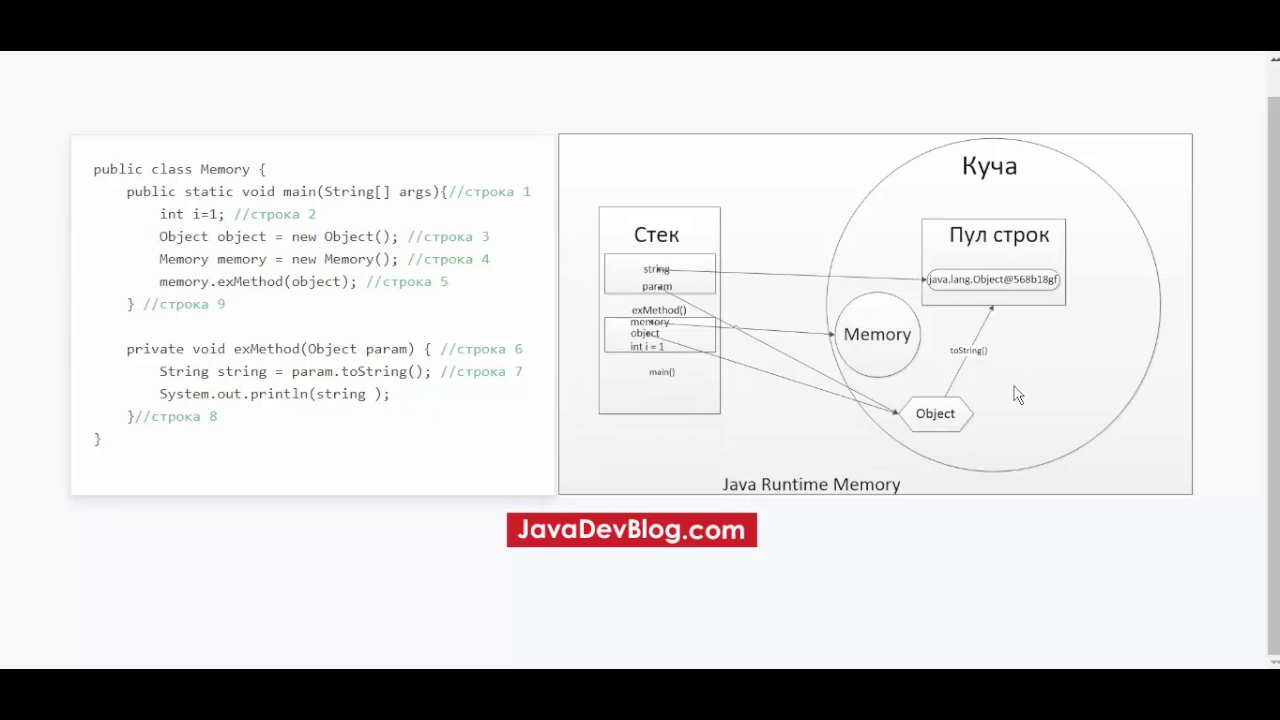
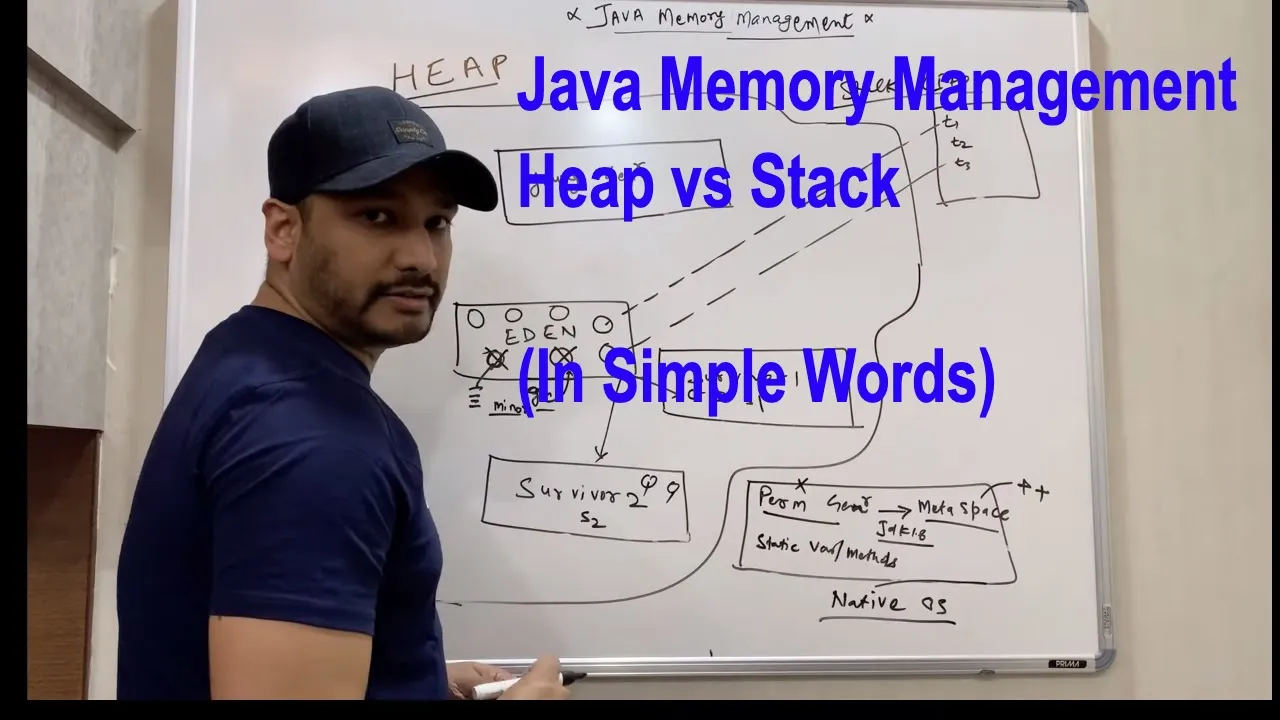
Added:Understanding of JVM Memory Structure, specifically the distinction between the Stack and the Heap memory spaces.
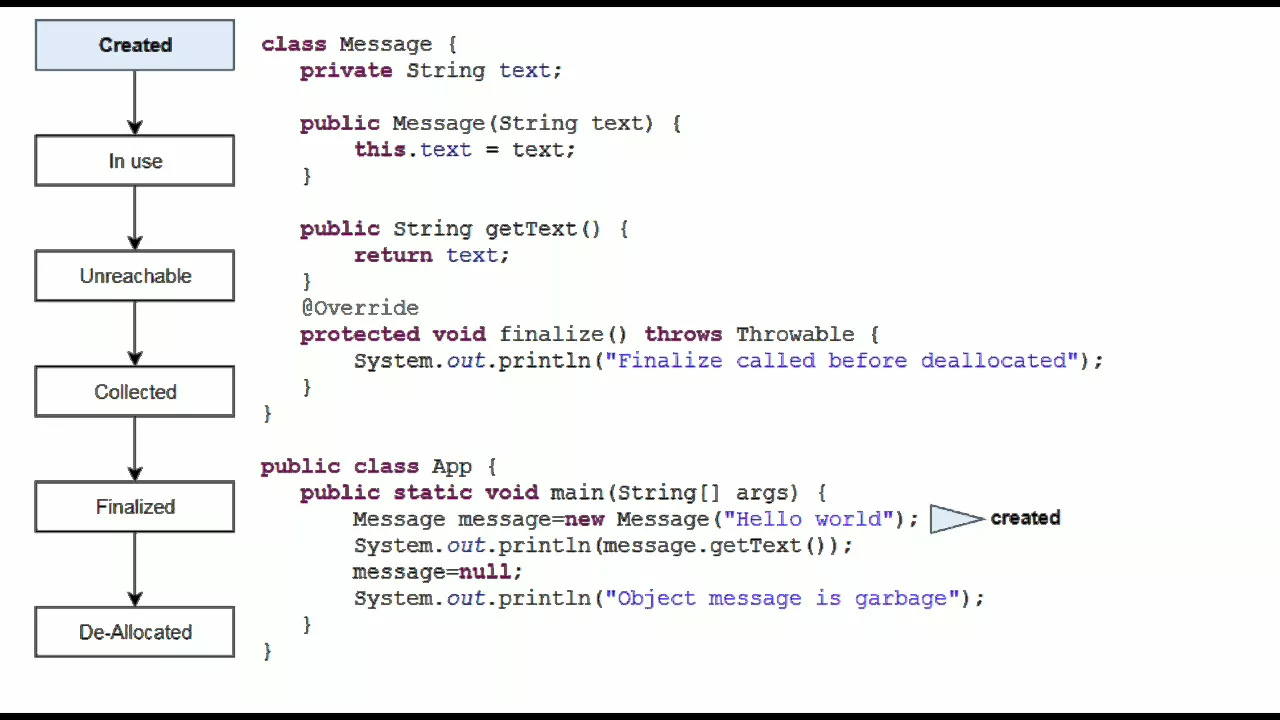
Knowledge of Java Object Lifecycle, including object creation, reference assignment, and when an object becomes eligible for collection.
Basic familiarity with Java compilation and execution processes running on the Java Virtual Machine (JVM).
Conceptual awareness of manual memory management (e.g., C/C++ memory allocation) to appreciate the problems automatic GC solves.
Hands-on JVM performance tuning using specific garbage collection command-line flags (e.g., configuring G1GC, ZGC, or Parallel GC).
Analyzing Java heap dumps and identifying memory leaks using profiling tools like VisualVM, JProfiler, or Eclipse Memory Analyzer (MAT).
In-depth study of the internal architecture of modern low-latency garbage collectors (e.g., Shenandoah and ZGC phase transitions).
Implementing application-level memory optimization techniques, such as object pooling and the appropriate use of Weak, Soft, and Phantom References.
50.1K views739likes51:54Original Release: 2017-10-03
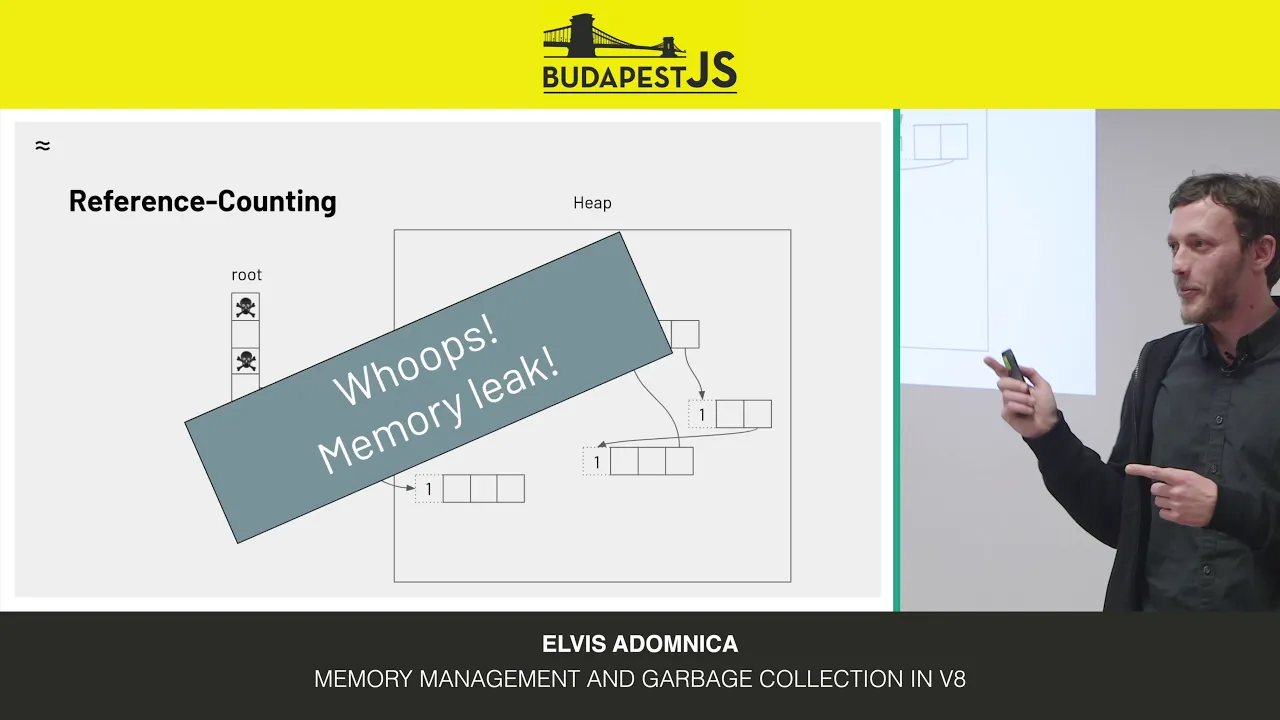
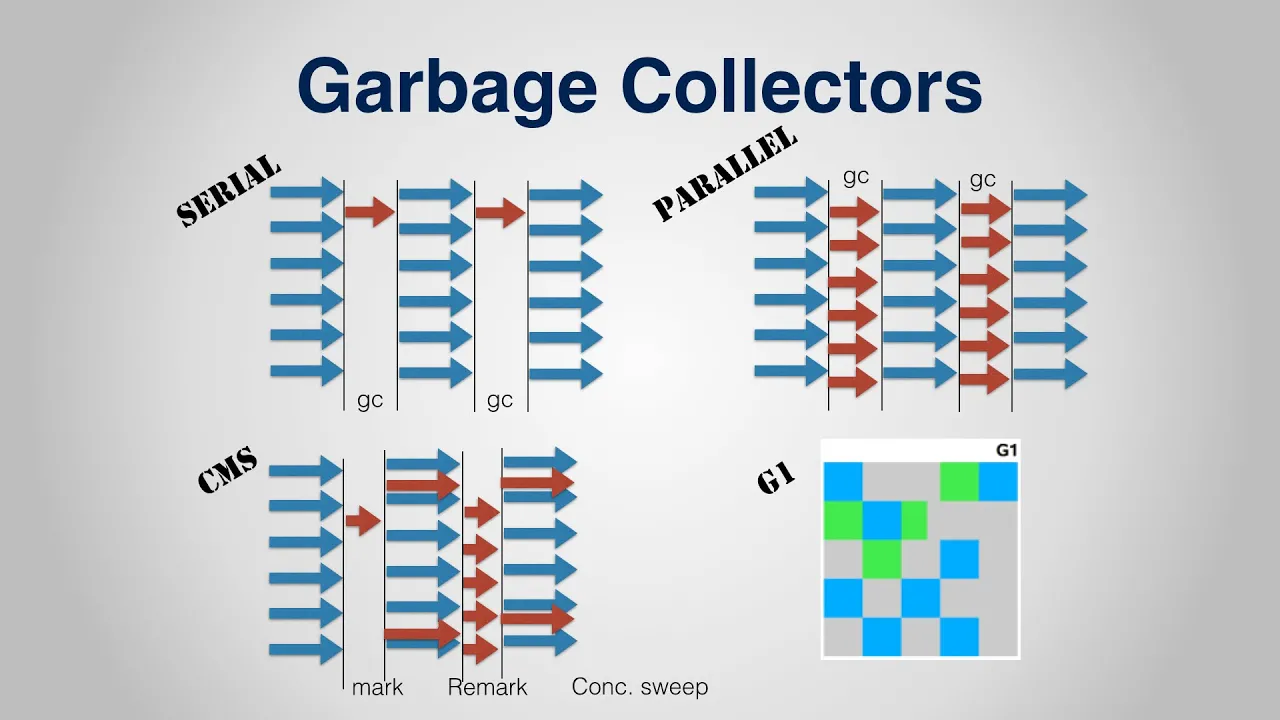
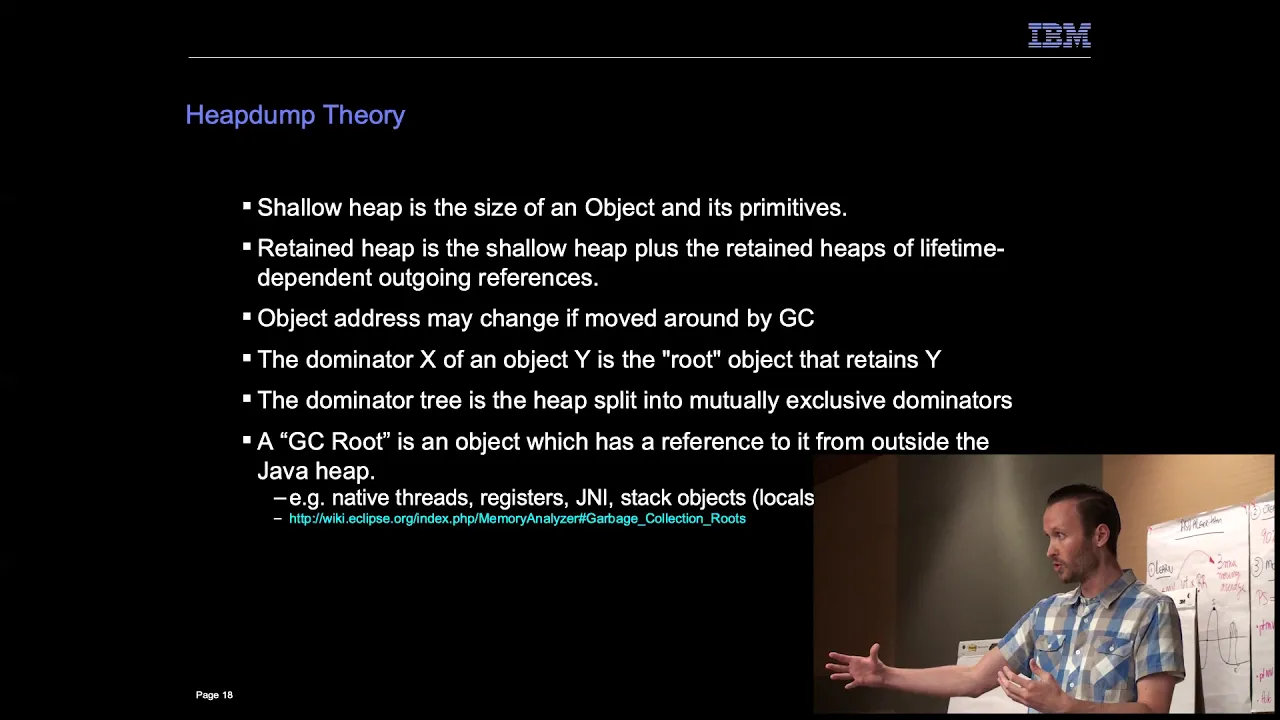
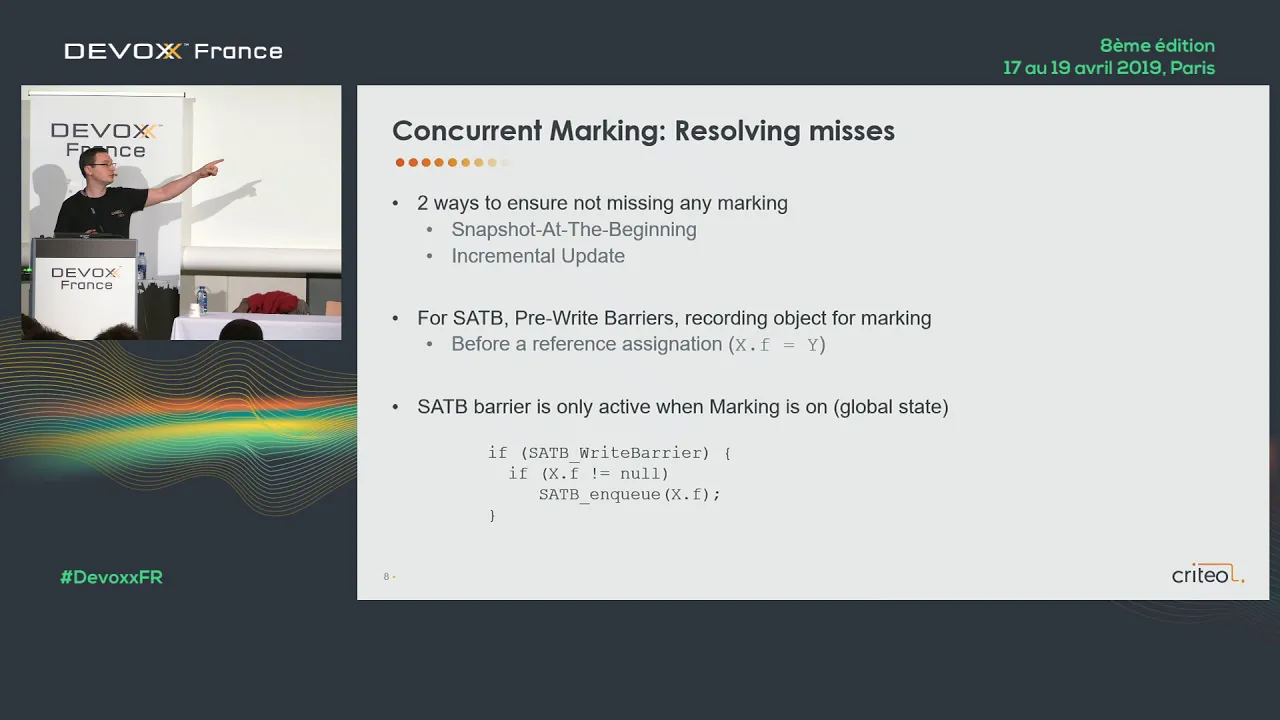
see we've got about another 30 seconds before the time but just out of interest how many of you are how many how many of you have this is the first Java one they've ever been to cool how many have been to a previous the other one okay so um audio can you test for the back can you guys hear me better now in the back I'll try if I speak louder does it reach okay I'll try and do a little louder on the voice but if you can pick it up a little there because that's above normal well it's good to see so many fresh first time in Java one people that's an interesting mix for the audience usually we get about a 3/4 to 1/4 ratio but this is good subject we're gonna talk about is right up there hopefully you're in the right room I'm guilt na we're talking about garbage collection in Java and just to set the right expectation for the for the top there's a little bit of echo at least for me to set the right expectations for the talk this is not a a how to tune GC talk this talk is focused on how GC works how the machine works or how the mechanisms work and the idea is that if you can understand what garbage collection doesn't general in the various stages and techniques terminologies and then you can apply your own brain to the tuning exercises really so rather than giving you a set of flags given that are good for 2017 for a specific collective a specific version of Java and a specific version of your application I'm gonna try and get you a feel for what garbage collection actually behave like so you could do the job on a regular basis so now that's the real purpose here you learn enough to be dangerous and then you will get dangerous and that'll come with pain later um now my work in a company that makes JVMs and garbage collectors so I'm really really proud of that and I promise that I will keep that part we make the best garbage collected on earth pretty much to the end there will be a lot of generic useful education here that's good for any GPM or any garbage collector actually in the runtime so agenda why it's the way we're going to cover this is we'll start with fundamentals terminology and mechanisms will then go and classify all the currently available production garbage collectors in Jamie on most of them and then we'll talk about to stop the world problem thank you this was no prescription and didn't talk about you know what a world where that is salt man doesn't have it anymore which like I said I'll keep that in the middle about me my name is Gil Timmy I'm the CTO at is all systems I've been working on garbage collection as a problem for around 15 years now and here's some evidence of me working for those who don't recognize that that's a trash compactor that's in my kitchen the job of the trash compactor if you think about it is to perform minor GC compactions during the week so you only do a full GC evacuation once a week that works great here in cut point at least then this isn't stopped working there was a bug in it you can see the fragments were falling out the building open that actually happened I thought it would be funny to take a picture with the actual garbage collection book but the most important thing about this picture is that it was taken in lazy and I recycle and I need new pictures I used to look better so I've worked in various garbage collectors including our garbage collector called c4 and a process collector I built a lot of things physical machines virtual machines that help design CPU instruction sets and operating systems and driver ISM runtimes obviously all the way up to nation scale enterprise applications with tens of millions of subscribers all that comes with that so I've made a lot of mistakes that some of those that I teach people about but unfortunately not you know people usually learn from their own mistakes different subject that you'll find me talking about a lot is the notion of latency and response time how its measured how it behaves you can find a bunch of stuff online with me talking about that and to do one more little raise-your-hand survey at the beginning I'd like you to kind of start raising it and keeping them up as I get to a number that you recognize or sorry raise them drop them laughter how many of you use Java with heaps that are half a gigabyte or more okay let's first of the room the rest of you are really tiny now how many have more than the gigabyte keep your hands up if not drop them on about more than two gigabytes more than four gigabytes more than 10 gigabytes more than 20 50 hundred can't want to talk to you afterwards now but the reality is any of these let me show you a magic trick I was guessing that this is where we're gonna group this guess has been correct in the last ten years I've been doing talks around this for about ten years and that hasn't majority of this row the drop the hands it that's an interesting observation about the fact that we don't actually make use of memory and growth of memory and the fact that in the last decade we actually got 100 times the memory for the same price but we still get the sizes the same that's a big observation and a huge reason for them okay so background why should you know how garbage collectors work not just how to tune them and what flags to use why should you know a little bit about words I like to use practical stories this actually happened to me then call it the story of the good little architect any Mark Twain fancier and I define a good architect not by the quality of the architecture but their but their ability to actually make people build an architecture if you come up with the best beautiful architecture you can think of but nobody actually adheres to it you're not an architect you're a philosopher the architects actually get people who build their stuff or at least the successful ones and early in our career was spotless garbage collector we actually ran into their success architect and along with them and ran into an 18-second pause and a pause this collector which was very embarrassing this was back in 2006 or so so we went in to see what's going on here and when we dug into the application to see what's going on we found some surprising behavior this application had behavior that we normally didn't see and every time we did a garbage collection we found that we had to execute tens of millions of finalizes every time which at least that the time is very abnormal no because it was abnormal we didn't bother to make that a concurrent operation at the time since then we fix that so now even this won't cause but it was curious we're trying to figure out where this comes from because we just don't see that normally so we dug into the application with the customer we found out that every single class written in a project that ran for about 18 months over ten people how to find one every single class that this team wrote had a finalizer there was a very good architect that playing in here nobody got away from doing this but more interesting was what did the finalizes do anybody want to guess what the final residue exactly so the nothing the the final answers were putting nulls in all the references to help the collector out because you don't want to if this object cars you don't want to keep references to other objects right let's help the collector out by putting those everywhere well this is the worst possible thing you can ask a collector to do it doesn't help it it hurts it but there is a world where this is exactly the right thing to do in C++ this is how do you write set code you have destructors what are the equivalents you make sure that if you die you you kill everything you touch so rough scanning will collect those two and whatever else you doing and if you actually don't adhere to this kind of architecture you're gonna have memory leaks and corruptions and all kinds of other bad things happening so you need the structures and everything is equal suppose in Java you never want destructors or finalizer unless you absolutely can't get away from doing and even then it should think three times before so this is the wrong thing for Java or any garbage collected language and it's the right thing for reference counted languages with disrupted wine because collectors work in certain ways and we'll get into that hopefully become evident why this is a such a bad practice it's like a thousand exports more expensive for the collector video okay so up being this a little more in general I find that there are a lot of myths and misunderstandings about collection a lot of what people think about collection garbage collection is wrong and most of the advice you will find an intern that is the opposite of correct so even when you read my stuff you should be suspected it but academic work tends to be pretty good peer reviewed academic papers tend to be pretty good but general internet advice tend to be terrible especially three years after it was written so and Google doesn't forget so here are some basic things there are different than what you might think so for example Bob description isn't a lot better than what people think at a few things for example garbage collection is actually the most efficient possible way of managing memory it is cheaper than any other alternative when it comes to cycles spent for allocation and removal of dynamic things GC is cheaper than mono period and we can prove that I'll get into a proof later I know no this is controversial that's fine the other one is the garbage collector basically doesn't spend an efficient carbon script doesn't spend enough any actual work looking and thinking about that object which is why asking to finalize objects as a terrible thing because you're asking you to take something that costs it nothing and actually do an operation for object and then the last part is the garbage collectors at least in Java and most modern runtimes will absolutely find all the dead objects they don't need help they don't need you to break cycles they don't you don't have to worry about linked lists that point to themselves and weird graphs of objects if it's dead it's dead you don't need to worry about it they do a perfect job a precise job of finding the dead objects and helping it out there putting knobs it's just getting in its way doesn't make it more correct it makes it more stuff but there are a lot of things that are worse than what people might think for example if you're garbage collector has any form of stopped the world operation to perform its work I can all work out if it's rare or not it will pause for something in the order of a second for gigabyte of my stuff that you have you can't get away from that you can delay and yes there are some collectors which will actually not do that thing is one example there's others in the works but phenom and me if you're doing compaction and stop the world you will see the spawns you cannot get away from it I don't care what other people tell you now you might be able to get away for it for an hour or a day or a week but it is there it's just Swift over the road beyond that not all memory leaks the severe winds and garbage collectors we take care of a lot of memory leaks that are common mistake bugs that happen in other environments but fundamental leaks are forgetting to forget we're still there if you just keep accumulating stuff it's going to grow it's not a magic point the last one here is very important to stability garbage collection things to work in the opposite direction of what people want from testable systems most of our tuning and garbage character garbage collectors has been focused on pushing bad problems to the future making them more and more rare not eliminating them but pushing them forward and that means that when you've tuned your system to finally pass a 20-minute stress test you haven't actually gotten rid of any problems you've just moved them to minute 21 free QA this is a terrible thing because a well-tuned GC system often takes days or weeks to actually test which is why are some interesting tools that help you cause the bad GC things to happen while you run like the interesting names okay let's talk terminology basic terminology starts with classifying the collectors and how many of you know what a pair of garbage collector is okay bunch of you how many of you know what a concurrent garbage collectors now this that is fewer than apparel there's a reason those two words are synonymous in English there are some languages I grew up speaking Hebrew where there's only one word for both of these but in garbage collection classification they're orthogonal they don't mean the same thing they can create garbage collector does its work while your application is running the garbage collector and your applications are concurrent with each other we often call you guys the mutaters you're mutating the heap you're changing its shape a parallel garbage collector is a collector that uses more than one thread intimates junk it can use more than one thread more than one CPU to do whatever it is doing these things have nothing to do with each other you could be concurrent but not pal you could be power but nothing current you could be neither you could be both these are just definitions of terms unfortunately if you read maybe 30 years back in garbage Millington papers you'll find these terms actually interchanged what used to be called peril is nothing called concurrent but this is probably good for the last 20 25 years of academic work at least and garbage collectors so keep in mind that prowling collected current are very different things now what does this stop the world collector will stop the world is the opposite of concurrent rather than run concurrently with your application it stops the world in advance and then you get to run later so these are direct opposites a monolithic collector or a part of a collector this model I think is that that's all the work in one chunk and one piece of work that you cannot break into pieces and maybe do in pieces and run in the middle so long as an incremental collector is a collector that can take the work you need to do shrink it into smaller pieces do a little bit of it maybe stop the world do a little bit of it then stop stopping the world but you run then do the next journey the next you might say interleaving its work with the application but not concurrently it stops you does a little you run something it doesn't do intervening incremental collectors are usually stop the world incremental runners but there's one very important technical word in garbage collector classification and it is used honestly in academic terms mostly but it's been kind of abuse from a marketing perspective that is the simple English word mostly mostly means exactly what you think it means but you need to carefully carefully read any sentence that has the word mostly in it mostly concurrent means sometimes thought to cram mostly parallel means sometimes single thread and mostly incremental means sometimes monolithic mostly it's usually what you put in front of a really nice thing to say I'm not doing that or anything I mostly do that but I was honest with you I said mostly you'll find that in a lot of classifications okay let's talk about a few other terminologies precise and conservative collection ism a precise collector well let's start with conservative a conservative collector is a collector that's not quite sure where all the pointers are it's good to go and find junk heap but it's not quite sure where all the pointers to everything are no some but not all and it needs to it as a result be conservative some things might be pointers might not be pointers I need to deal with that a precise collector is a collector that actually does know when it collects where all the pointers are and this difference is very fundamental because there are some things you cannot do unless you precise for example the collector he has to be precise if it's gonna move a knob to get from one place to another if you move one object point A to point B you have to fix all the pointers to point to it but what if you're not sure where they are maybe you left one dangling or maybe worse here's something that I think might be a pointer but I'm not actually sure if it's a pointer an integer maybe it's just an integer that happens to have the value that looks like a pointer I'll change my integer value because an object later both of those are deadly mistakes to make you can't afford to do them which is why without being precise you will not see any moving objects the hard work to make the collector precise is not in the collector itself it's the information given by the collector by the runtime the collector just needs to know where the pointers are but it's things like the JIT compilers and the runtime that needs to know at any point in code where the collector might collect where all the pointers are for example at this point in the stack if I stopped and collected I need to know all the registers if the pointers all the call stacks if they're pointers of that and if I move one code line that changes that information is carried in in hotspot on what's called blue perhaps a few other times as well which the compilers of the JIT couponers to produce and next time you need a JIT compiler writers think that for doing all that hard work that only it's needed for this kind of stuff because without it we wouldn't have foresight garbage collection we wouldn't have compaction we would record all the JVM s we have today news precise collectors they all move objects at one point or another safe points are these interesting things that we do in execution to allow these for size collectors to work so we could theoretically have any program counter point at any point what everything would be but that's both hard and also hurts optimization so it is insert safe points in the execution where we say here we know where all the pointers are here we know what all the pointers are safe points are ranges of execution in the thread where we have full description of what the pointers are amount of stuff between them we may not but there we do there are all kinds of safe points and GCC point and safe point I'm using interchangeably here there are other reasons for safe points as well when I say that we bring a thread through a safe point it means that we get it to that range of execution that we have a good description for and don't let it go past that point and that sounds a lot like stumping the thread right and stopping this event is one way to do that there's one key exception to it for example J Michaels anytime you call j9 function including blocking a socket or a read or anything else anything you actually enter a safe point now entering the safe one doesn't mean you're not running you could be inverting a matrix in C++ for the next three hours but you are not changing any pointer states you're not changing where the pointers are so you are at a signal we have a good description for where do we need safe place to be frequent otherwise we'll have what I call it time to safe white problem not gonna get into it here but it's fundamental either you know everybody's waiting and this one guy hasn't come back for the last three hours looks like a big pause but nothing has started working it but there is a local safe point where we bring all the threads to a common safe point and that is what is known as they stop the world pause the global safe point and stop with what laws are the same thing so we talked about some terms let's talk about some behaviors here are the three things that all precise collectors in the practical term will do one of them is they will identify all the live objects that there are they will reclaim all that that they can prove are dead and they will relocate objects from one place to another every one of these things will happen in a precise collector there's no real point in being precise if you don't do all three but let's look at concrete examples and classic simple algorithms that do these steps the first one is a mark sweep compact collector marking is where you find all the line object that's step one sweeping is where you identify all the dead stuff and somehow the only three cycling it that's step two and then compacted step three one two three one two three but separately there's a separate command collector called the copy collector which doesn't do this as three steps a copy collector from the maddening takes all the objects from one space and call it from space say let's move all the live stuff to a two space in one pass and when I'm done and the other that all the stuff is in the two space so from space is empty that's a single pass that does all three of these things find the objects move them and as a result every claim to business so I'm going to break that on the actual faces of the ones I just talked about as explanation so we can talk about them in complexity marking or tracing it involves starting from what we call roots roots are static variables the threads and their stacks themselves things that are the roots of visibility pointers I can start from and we start from these groups we do what we call tracing or painting anything they can reach that does not get them marked I reach I mark and then they look inside of it and keep reaching so I let the paint and follow everything I could see and everywhere I go I mark that I've been there if I get to a place that already marked that they need to go there again so I start from the roots and actually I can reach in now at the end of one of these exhausts of tracing passes that starts from the roots all the reachable objects anything they can reach you from my root set is going to be marked line and anything I can't reach from the roots I will not be worth like there's a very important quality here if I cannot reach it from the root set now I will never be able to reach it from the root set again to be able to express a reference to an object I need to be able to reach it before an expressive so the copying the reference rather it's only reachable thing so once I've shown that something isn't reachable it is there it's not becoming alive again this is why a circular linked list doesn't have to be tagged and broken because if I can't reach into it it's gonna be dead doesn't have to break things apart so that's tracing it's exhaustive but from the complexity point of view it's work grows with the live set with the men of live objects and like references we have to move through but that with the size of the heat if I have a twenty gigabyte heat for a hundred feet up I keep and only have a hundred megabyte of live stuff I'm only marking 100 megabyte of live stuff the size of the heap has nothing to do with the complexity of the market but if I double the life set it will grow to swing here to myself sweeping is a very simple mechanism imagine I just did a mark and everything that's alive is alive and if not is not we sweep through the whole team looking at all the objects and if they're not live we somehow deal with them recycling them every second later putting them in freeness is one common way to go through everything everything that's that put in our fingers we'll deal with it later this is obviously a simple pass we can paralyze it or not but it's work is linear to the size of the heap but after you manage and visit every single object regardless of events that are alive if I double the heap size I double the work changing the lights that has no effective in the work like not significant leaders okay so once we've marked and swept we know where all the good stuff is we have compact this is a simple mark sweet completo let's start with why do we need to compact people often argue about this but I think the arguments are so probably twenty years ago or more the reason we compact is because if you don't over time your heap will get Swiss cheese you'll end up with halls everywhere and even though the heap is 90% empty you have no place to put your 11 kilobyte string because the biggest Hall is nine kilobytes there's 100 gigabytes of free memory but not whole big enough in your 11 of your library and that would be very embarrassing if we threw an out of memory exception at that point so because of that we have to compact now the reality is in the real world when you have variable size objects with variable mixes of size going over time you will threaten them to heat it's unavoidable there's no real argument about this in the term it's just a question of how long can you live before you have to do this that has a lot of or variations but anyway we will need to compact so what this compacting me what compacting means moving objects together to make bigger halls and there are various - thanks for doing that for example you can compact in place which is what the marks we compact collected in topology see does which is think of it as we marked everything respect everything move all the life stuff to the left that's compacting it to the left then I'll have all the empty stuff on the right it'll be configures so we basically are gonna move stuff together to get all the empty stuff to be big and it basically has to then not just move the objects but we move the objects they have to fix all the pointers to those objects so we get us some attract them and pass and fix them that's a compacted place there are evacuation compactors that take and take a region of memory and move all the live stuff out of it and now the region is empty the similar technique from marking and fixing up the references - but it's not the difference in behaviour the fix the point is very important if I moved one object that object might have a billion things pointing to it so I have to scan the heap for every possible pointer to this object and fix it why we never ever move because that would be very inefficient so we tend to move a lot of objects together or most of the objects together because then we get to do one pass to fix everything up together complexity wise even though this is a pretty bad in heavy operation it's only linear to the life so that we have to move the live objects and only give to fix the line references so the heap size doesn't really change the work yet bring the light side absolutely okay the other type of collector I talked about a coffee collector this one takes objects from the front space and moves them to through space starting from the roots moving everything you can find puts it in a new space and at the end we have an empty from space it's actually very effective very efficient it's a single pass linear moving to the life side and is actually a very common news collection for some mechanisms however a thing to keep in mind here is it needs a to space in the to space in a simple without thinking other things happen around it collector needs to be as big as the from space because we don't know every anything is that we might have to move everything and this is usually monolithic you start to move everything you can't believe anything behind so the to space needs to have room for all my stuff which is as big as current heat because I don't know how much is that in there that's the simple so looking at some of the qualities copying requires 2x because of what I just said a mark compact without the sweeping an evacuating more compact my 8 2 X the memory to do a full compaction but it could stop in the middle because it's doing the region at a time a mark sweep contact with compacted place doesn't need extra memory to compact that's a nice bus both the coffee and mark compact are linear only to the amount of live stuff it's the sweet that grows with the heat mic sweep impact and is linear also to the heap and then mark-sweep and sometimes compact I didn't talk much about but that's a common attempted to be related to the vegan then I talked about the monolithic part of company let's talk about generational collection that brings some of these things together I talked about the efficiency in the linearity of these algorithms for a reason generational collection is a really cool thing that was introduced to the 1984 based on this observation it's called weak generational hypothesis and if it's most optimist objects that young means soon after I look it's that most of stuff out of people dying that don't equate this with most life objects are most life objects I think them to be all they're the ones who survived but dynamically out of every ten objects I look at nine dollars that's a very strong observation it's usually more than that to work knowing that this is true or believing that this is true we can apply what we talked about in efficiencies to make a very efficient generational collector when we do that as we focus on weak on what we call the young generation the region of the memory that was recently allocated believing that the vast majority of this is that the vast majority is that means the life set is a very small percentage of the heap size so I want to pick an algorithm that's linear only to the live set and not to the heap size and there won't be an efficiency as long as they were of similar size you know 2x here or something but if I think that only 1% or 0.1% is alive and I apply a copy collector to that that's a hundred times more efficient to the sleeping collectors if this stuff is dead how do we keep the stuff true how do we make sure that this assumption remains true things do survive and if we keep them in this thing they'll keep accumulating and this sparseness will stop being true so things that have been around for a while we have to put somewhere else we need the young generation to be done because this assumption is true about young stuff and that's what promotion is stuff that has been around long enough somewhere else so we keep being efficient in their generation now there are places where I've seen people tweak the young generation too you know with size and promotion thresholds to never promote to try really really hard to not promote all they're doing is making a single generational collector where there's no weak generational offenses and all the efficiency is out the window you have to get rid of that big spoon efficiency to be there once we get rid of them and put them somewhere else we collect events somewhere else the old generation when it fills up with whatever collector would use for them and this tends to be a order of magnitude plus filter so today and most workloads are most I mean the vast majority of workloads every workload I look at a GC long form we're looking at a ten to one twenty to one ratio between the work we need to do if we have a generational collector and if we did it for the same awkward it's a pretty effective filter there are few other things about it to do this magic we need to maintain something we call me and remember it second we need to know about the routes into the young generation should we can only look at the young generation or not at all if we look at the whole team game over so we do that with something that lets us know about all the pointers from the all to they honor their various techniques for that Clarke marking is is one of those and I'll talk about it a little bit the other nice thing about generational collection is we can use something like a copying collectively in generation but not have 2x the memory in there because if we can't fit there the entire from space in the first place will just spill it over to Belgium but the young generation doesn't have to be twice the size this is why if you look at hotspot for example the Eden pits to be much larger survivor spaces it's not that you know it's gonna fit there it's just if it doesn't okay so remember it sets are these important things that we want cover here a little I'll say about them is this in order to track all the points from the old generation to the young generation we have to intercept anything that stores such a pointer or scan is another way that router will be less efficient this is why there's a write barrier in most collectors that are generational that the tracks all pointer rights so that it could keep track of the set the base assumption is this set is very small sparse if most of the auction point into the engine the weeks in the original hypothesis is probably wrong to begin with so it tends to be very good at very efficient to work that way and card marking which is a technique that's used by all the JVM seems to work well now if we put all these things together we talked about terms and mechanisms let's look at how they come together into actual collectors the young generation all the collectors all the current production collectors are generational there's some non generation law sacred generational I'm very interested in your talk later that explains how you can have to do a generation then that are not but in the production systems this is absolutely true the youngster ational the concentration is usually a copying collector and it's usually a monolithic stop the world copying every word on this slide has been defined now and these are terms that we talking about not just words the whole generation is usually some form of a mark compact may sweetly not the old generation might be stopped the world like the concurrent might be partially concurrent might be increment will stop the world are all cast with combinations this is usually where a lot of the interesting differences are now if we look beyond just those classifications have stopped the world and stopped the one would be simple there are a few known stuff of all techniques that have been out there for a while for example one if I want to mark without stopping the world the g1 collector the CMS collector do this one way to do this is to deal with the simple race that happens if you do it and plug it up the simple race that will happen is if I'm going around marking painting everything I can see and you know the mutator it's picking up an object I haven't looked at yet it puts a reference to it behind me in a place I visited and won't visit again then get rid of all the references to it I might not see the object might not mark it alive might collect it even though it's alive and that would be embarrassing so we have to plug up that incorrect marking race and there's only one real concurrent working race that needs to be plugged up somehow we have to prevent that propagation from something that haven't seen to be only to what a visitor one of the common ways to do this is with multi pass marquee idea there is the you you track every mutation of every pointer in memory become your right to a pointer you track that and then when you finish your concurrent pass you say well that's probably good but I've missed something so let's go and everything let's look at everything that mutated and work on that and when you finish looking at all the stuff that you've marked as I've touched this maybe you're done but maybe you need to do it again when you feel good about it when you think the list is small you might stop the world and finish the work depending an algorithm you've used you may be able to make this converge provably or not CMS collected for example just three tries and we'll have some unknown amount of working set of ten but the g1 collector uses a snapshot at the beginning marker that can prove that this converges but these are techniques that example they involve tracking mutation as you write every right to the heat now costs you the other interesting thing you could do is try to not compact the entire universe at one time if you agree that compaction Rob it and then you try and do incremental compaction this is fundamentally what you want this what does that mean we track the cross region stuff the pointers between regions as a different kind of remembrancer and then we try and find regions that have only a few other regions pointing to them or sets of regions is a point to only a small set of regions we compact the target regions knowing that I only need to fix the pointers in a small set of regions rather than the Hongki but I hope I could find those sets this actually works pretty well but it could run into degenerate behaviors where you end up with a very empty region with a very popular object in it so you're not going to compact that then you'll do the same for other regions eventually you have to compact the tiny bit of the even ligament so those are fundamentally improvements but they're part of what I call the denying the inevitable trend of garbage collection in general we start with some understanding that you can't get away from compaction and then we basically say let's go after the empty spaces or the cheaper spaces to get stuff from first and we apply a generational collector that's a great efficiency technique but also reduces pauses for until we have to do the altar but eventually you have to develop so then you look at the doulton and say well I don't want to compact that whole thing maybe I can avoid compacting it maybe I can keep things in free lists for a while until I have to compact it that's what CMS does but eventually so you look at that compaction to say maybe I won't have to do it on once maybe I could do it a piece at a time and that's what she wanted us but eventually you're gonna have to deal with popular objects and other pressures only need to come out of that if we look at the natural collectors you deal with today there's the classification I said most of all finder let's look at start with perrault you see LTC is a classic barrel collector has a peril monolithic stop the world copying agent pretty much everything I say it's paralleled by the way it also has a monolithic stop the world mark sleep compact okay it's pretty much like top it's efficient it's fast stop the world for everything it does let's look at the CMS concurrent mark-sweep collector common collector use for hot sensitive applications what do you guys think the Newton to the young generation collector of the CMS collector classified what kind of company it's a monolithic stopped the world copying collector it's exactly the same algorithm classification is the parity see what does that have to do with CMS well nothing CMS is named for its old generation behavior the young generation is a monolithic stop the world collector it is not concurrent and it's not March the old gen is they mostly concurrent described so in the academic paper that describes algorithm mostly confer not a compacting Walton it's got this multi pass marker that's mostly concurrent it's got a fully concurrent sleeper keeps things in Sweetman and free lists and then it has this doesn't compact part which is where the mostly comes in because you can't get away from compaction so that's what it does when it has to compact it does a monolithic stop the world mark sweet compact CMS apart is a filter between the neutron and the fold you see it's an effective filter but eventually you'll have to focus this is a big reason G one exists as a collector because of the realization that you can't get out of context so let's look at G 1 what does the new gen of G 1 plus minus G 1 is an incremental garbage first Lee well it's a monolithic stuff the world copying collector you know this Kevin it's all Jen has a mostly concurrent marker but it's a much better mostly than another worker it is provably it will provably converge so you can't run an application it'll make it run forever but it has a stop the world mostly incremental convector it does not compare concurrently it stops the world for any compaction in the only way it frees memory is to compare it so the only way to reach the memory is to stop the world but it tries to do that in small increments well I actually have a quote here from the objective design objective of the collector it says we try to avoid as much as possible having a full TC what does it tell you right there it has an HEC design by design it's the site to have afford you see as a fall out to fall back from trying to do the right thing with incremental but you will end up maybe don't take longer maybe you could use them so for your application it won't happen for a long time but by designers a Fugees okay so I classified the normal hot spot collectors the ones you can use today I'm gonna talk a little about this monolithic stop the world's you see problem or the stop the world in general but there are many ways to deal with some the world GC this is the most common way so you know you can just go to the other talks to talk about how did you fit right imagine that this is not a problem one may be will tune it so it'll run this long without a GC with declare success you know 40 minutes no GC game but then you look longer and you see that they're glitches and you look over days and you see that there are regular glitches another way is to use creative language to to make yourself feel better about the fact that you have stopped of what you sees that will just freeze your entire application for no good reason except for the collector wants the convocation these are actual sentences for marketing material and design goals on the web not making any of these up this is from an actual marketing material of a GVM I can't name but I could say that it has something to do with determinism in that brilliant sentence it said I will guarantee a worse case of 5 milli second nineteen nine percent of the time doesn't that sound great it's a guarantee I'll just point out that one percent of one hour is 36 seconds I'm allowed to pause for 36 seconds once an hour and I've met my guarantee or 360 milliseconds that's that's a meaningless statement that makes you feel good but there are others mostly as I said put mostly in front of stuff makes people feel them that's what it means right so so that's what it literally means it's telling you right there it's honest you just want to read it the other way you want it you don't want to hear about the restaurant very consistent I've heard this a lot you know it's a call that's actually a Jekyll for a future version of g1 to be fairly consistently below 500 milliseconds that literally means that sometimes we would be worse than this right well be way outside the ring and typical positives will be in the tens of milliseconds literally means we will have pawns it's much bigger in intensive milliseconds we told you so right so these are good ways to make you feel good about but if you actually have to make an application live in the real world you might want to actually measure what's going on and get enough open source everything and it lets you if you the actual Higa thing behavior of your application oh we are so it's not 15 minutes I'll do two more minutes than a quick sorry about this so c4 is a collector we have it solved this problem the problems solving you can look up the slides online later but fundamentally if you classify it it has a great guaranteeing single pass marker can't be done concurrent compactor it classifies as compacting a concurrent collecting option and the concurrent compacting Yujin it's the only non pausing new gender is right now and JVMs or run times in general it has no fallback to stop the world we don't have code that knows how to do this so there is no fool TC there is no stop the wall there's no I couldn't do it so we will pause it stick design-wise it's built around the notion of always doing the same thing and never being in a hurry a lot of the algorithm design is to make sure this is true algorithm cool things you can see this online but let's talk about what it does to your application the fundamental thing is we take care of things like GC tuning so you no longer have to do this or this instead you just do this kind of stuff and tune the heap size down until it breaks and then triple it and go home right so you know tuning GC looks like this you get behaviors for real applications where this is Cassandra running an irregular server that's the one really second and you get to run applications with just more throughput per machine if you care about us a nice you just get more out of a machine if the reason you put more machines to work as SLA isn't good if you put too much work on it so fundamentally that's what c4 does and it is a concurrent concurrent dumped in an ultra collector you can come to our booth you can come to be able to hear does I clear that one for the next speaker and I'm sorry for the surprise at the time here I thought me in another
Up Next
50:11
Garbage Collection Theory: Tracing vs Reference Counting Explained
@PapersWeLove
4.9K views•2014-02-28

87:26
Introduction to Secure Multiparty Computation with Yehuda Lindell
@fhe_org
7.7K views•2021-02-04

4:55
HTTP Requests Explained: GET, POST, PUT, DELETE
@codecademy
103.1K views•2021-10-07
19:25
Enigma Machine Mechanics: WWII Encryption Explained
@JaredOwen
13.2M views•2021-12-11
Related Study Plans & Knowledge Roadmaps
Structured learning paths in Computer Science
computer-science
Container Runtimes: Namespaces, Cgroups & Go
01Linux Systems & Go Programming Foundations
02The Core of Isolation: Chroot and Filesystems
03Linux Namespaces: Process Isolation
+ 3 more learning modules
32h6 modules
Explore Roadmap
computer-science
Building a CHIP-8 Emulator: Rust & CPU Basics
01Computer Architecture Foundations (Bits & Bytes)
02Rust Programming for Systems Development
03CHIP-8 Virtual Hardware Specifications
+ 2 more learning modules
32h5 modules
Explore Roadmap
computer-science
Building BitTorrent: Go, P2P & Concurrency
01Go Fundamentals & Concurrency
02Networking Foundations & P2P Architecture
03Bencode Parsing & Torrent Metadata
+ 3 more learning modules
26h6 modules
Explore Roadmap
computer-science
Actor Models (C++ Concurrency & Lock-Free)
01C++ Multi-Threading Foundations
02Thread Pools and Task Scheduling
03Atomics and Lock-Free Queue Design
+ 3 more learning modules
45h6 modules
Explore Roadmap