







![[공인모] 2022공인중개사 부동산학개론 이영철교수님 핵심요약02강](https://i.ytimg.com/vi/XmlyM6k0WnE/maxresdefault.jpg)


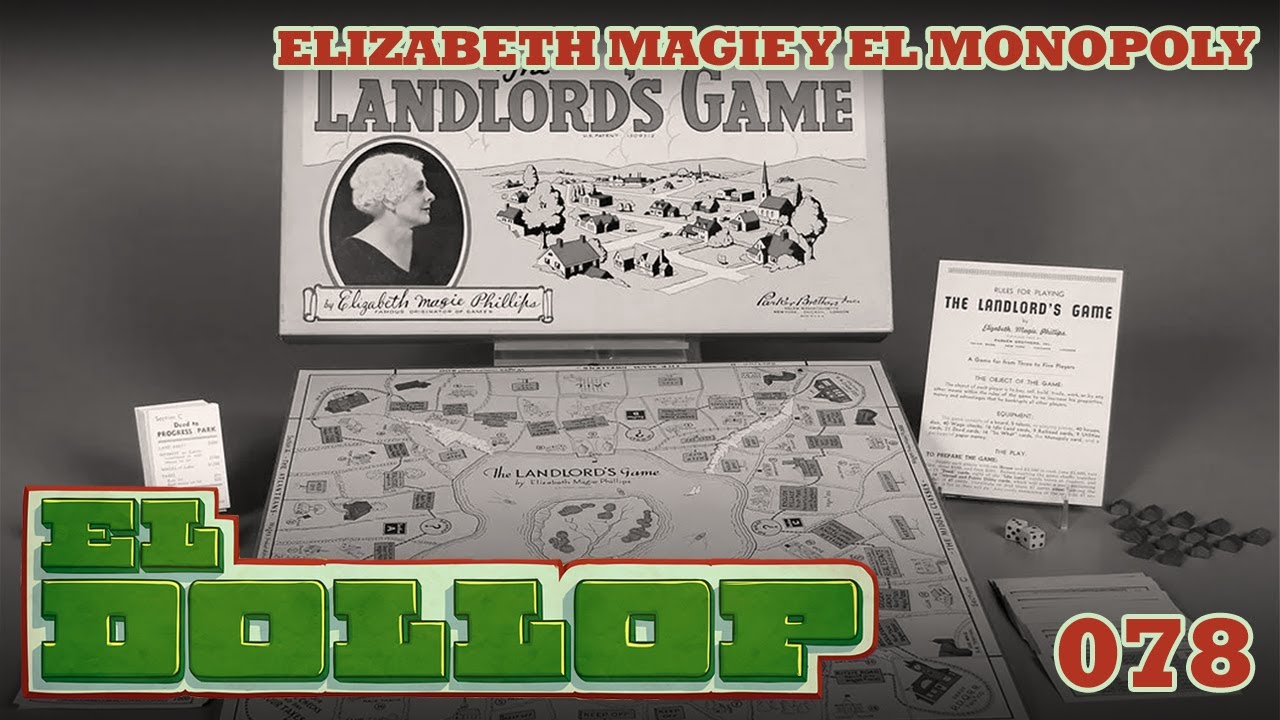







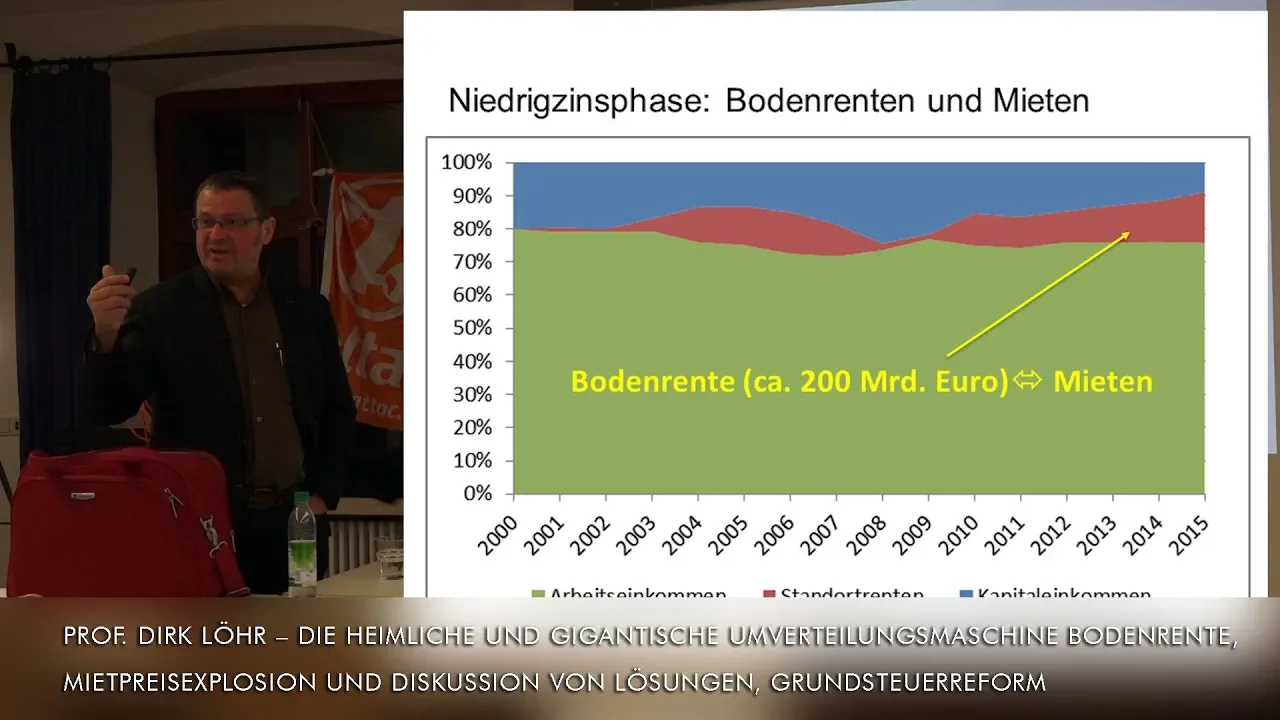


A tax on pure economic rent (land value tax) creates no deadweight loss because the supply of land is fixed (vertical supply curve), meaning the tax does not distort market behavior or change anyone's economic decisions; the tax burden falls entirely on landowners while consumers and producers remain unaffected, making it a theoretically efficient way to raise government revenue without harming economic productivity.
Land Value Tax Theory: Economic Efficiency Explained
Added:The concept of economic rent and Ricardian rent theory, which explains how land value is derived.
The mechanics of tax incidence and deadweight loss (excess burden) in microeconomics.
The distinction between elastic and inelastic supply curves, specifically how land supply is perfectly inelastic.
The fundamental difference between land (unimproved natural resources) and capital improvements (buildings, infrastructure).
The philosophy of Georgism and Henry George's advocacy for a 'Single Tax' on land values.
Practical challenges of land valuation, including the methodologies used to separate land value from improvement value.
Case studies of real-world LVT implementation, such as the split-rate tax system in Pennsylvania or land policies in Singapore and Estonia.
The impact of Land Value Tax on urban planning, sprawl mitigation, and housing density.
436 views17likes4:57Original Release: 2023-05-25
let's get back to Henry George in the single tax movement it is very important and best-selling book poverty and progress published in 1879 Henry George called for financing the government principally through property taxes on land George's idea was to use this single tax to cut or eliminate all other taxes on Capital labor and improvements on the land and George argued that such attacks would not only be more fair it would also be more efficient in fact as modern economists have demonstrated George was absolutely right that such attacks could improve the distribution of income without harming the productivity of the economy let's demonstrate the georgist argument and in doing so proved this point a tax on pure economic rent will result in no distortions or allocative inefficiencies suppose then that the government introduces a 50 percent tax on all land rent paid by Farmers to landowners and note that when I'm talking about this tax I'm talking about a pure tax on land alone in particular this is not a tax on the buildings on the land nor is it a tax on building improvements this clarification is an important one the reason is that while the supply curve for land is vertical the supply curve for buildings and building improvements is upward sloping this is because the price of such improvements surely affects their supply with that said why don't you take a minute now to draw a graph of the market for land and what you think will be the impact of the 50 percent tax on the quantity of land supplied and demanded does your graph look like this you can see that the initial equilibrium is at Point e while after the tax is imposed both the quantity of land supplied and demanded Remains the Same now here's one of the most interesting questions about this figure one that has great historical significance who actually winds up bearing the burden of pain this tax the farmer or the landowner well you can see from the figure that the total amount that the farmer pays out for the land Remains the Same at two hundred dollars however the landlord now only keeps half that amount and must give the other half to the government thus in economics we say that the landlord Bears the burden of the tax this by the way is an exercise in what economists call tax incidence analysis now besides this tax incidents question there is an equally interesting question here it is what do you think will be the allocative inefficiency or deadweight loss associated with this tax now this answer may surprise you a tax on pure economic rent leads to no allocative inefficiency or deadweight loss the reason is that attacks on pure economic rent does not change anyone's Behavior consumers are clearly unaffected by the tax because price has not changed at the same time the behavior of landlords is unaffected because the supply of land is fixed and therefore cannot react hence the economy operates after the tax exactly as it did before the tax with no distortions or inefficiencies arising as a result of the land tax if the arguments offered by Henry George in defense of a single tax on land are so strong from both an economic and Equity perspective it is probably useful to point out at this point why such a tax has never really been implemented one obvious problem is that current levels of government spending are such that a land tax alone would not bring in enough revenues a second problem is that land is typically improved in some manner by productive effort an economic rent cannot be readily disentangled from payments for Capital Improvements still a third problem is that historically a piece of land is likely to have changed ownership many times thus well former owners may have been the beneficiaries of past increases in land rent it would hardly be fair to tax current owners who pay the competitive market price for land
Up Next
23:08
Understanding the Land Value Tax and Georgism: A Historical Analysis
@iammrbeat
1.3M views•2022-06-10

5:07
Impact of Yuan in Indo-Russian Trade Amid Sanctions
@WION
261.9K views•2022-07-01
10:33
Behavioral Economics Explained: Rationality, Nudges, and Risk
@crashcourse
1.1M views•2016-03-12

113:18
The Age of Easy Money: Fed & Inflation | Full Documentary
@frontline
21.2M views•2023-03-15
Related Study Plans & Knowledge Roadmaps
Structured learning paths in Economics
economics
Sovereign Debt: Defaults, IMF & Restructuring
01Introduction to Sovereign Debt & Government Bonds
02Debt Sustainability & Credit Ratings
03Anatomy and History of Debt Crises
+ 2 more learning modules
12h5 modules
Explore Roadmap
economics
Market Design: Matching Theory & Gale-Shapley
01Introduction to Market Design and Price-Free Markets
02Two-Sided Matching & The Gale-Shapley Algorithm
03School Choice Systems and Mechanism Design
+ 2 more learning modules
10h5 modules
Explore Roadmap
economics
Impossible Trinity: Forex, Capital & Policy
01Introduction to Monetary Policy and Central Banking
02Exchange Rates and International Capital Flows
03The Mundell-Fleming Model
+ 2 more learning modules
8h5 modules
Explore Roadmap
economics
Healthcare Economics: Market Failures & Systems
01Introduction to Healthcare Markets and Market Failure
02Asymmetric Information and Adverse Selection
03Moral Hazard and Insurance Design
+ 2 more learning modules
12h5 modules
Explore Roadmap