
![Phonetics: Intro to linguistics [Video 2]](https://i.ytimg.com/vi_webp/GLBsvdaR_ow/maxresdefault.webp)

![FONETİK ALFABE İNGİLİZCE [ international phonetic alphabet - IPA ]](https://i.ytimg.com/vi/pN5cAh4q-Bo/maxresdefault.jpg)
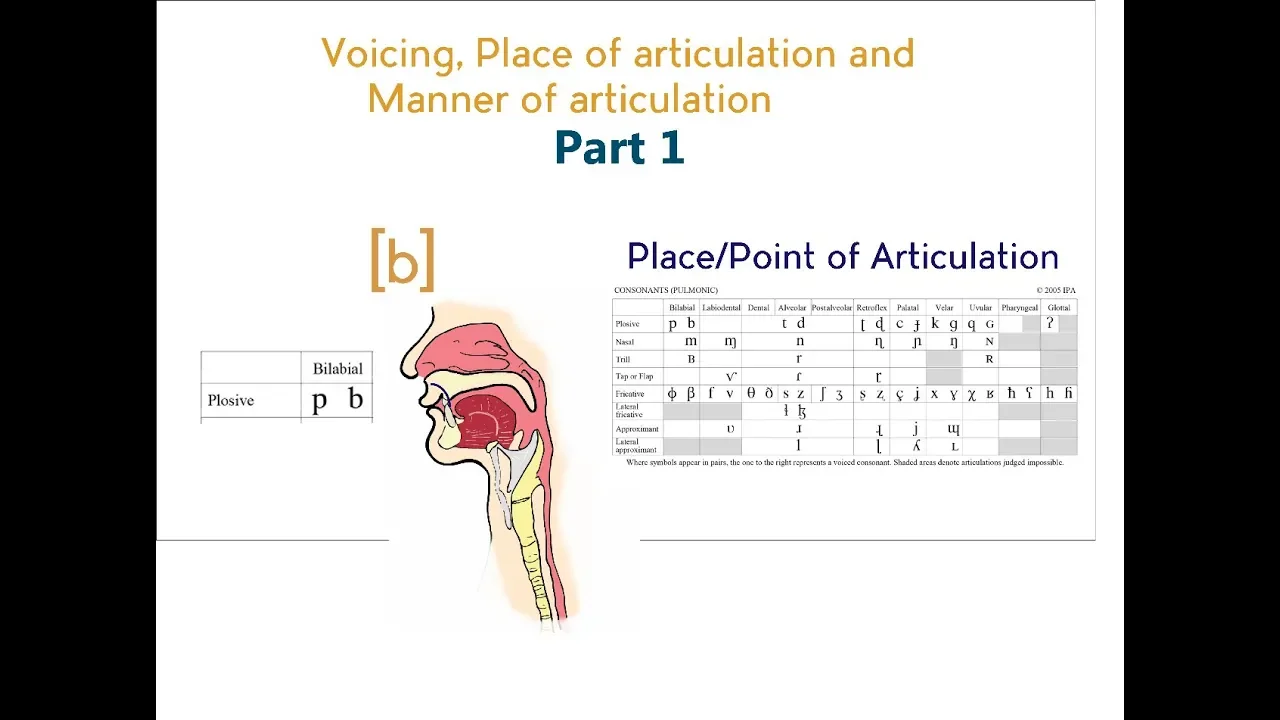



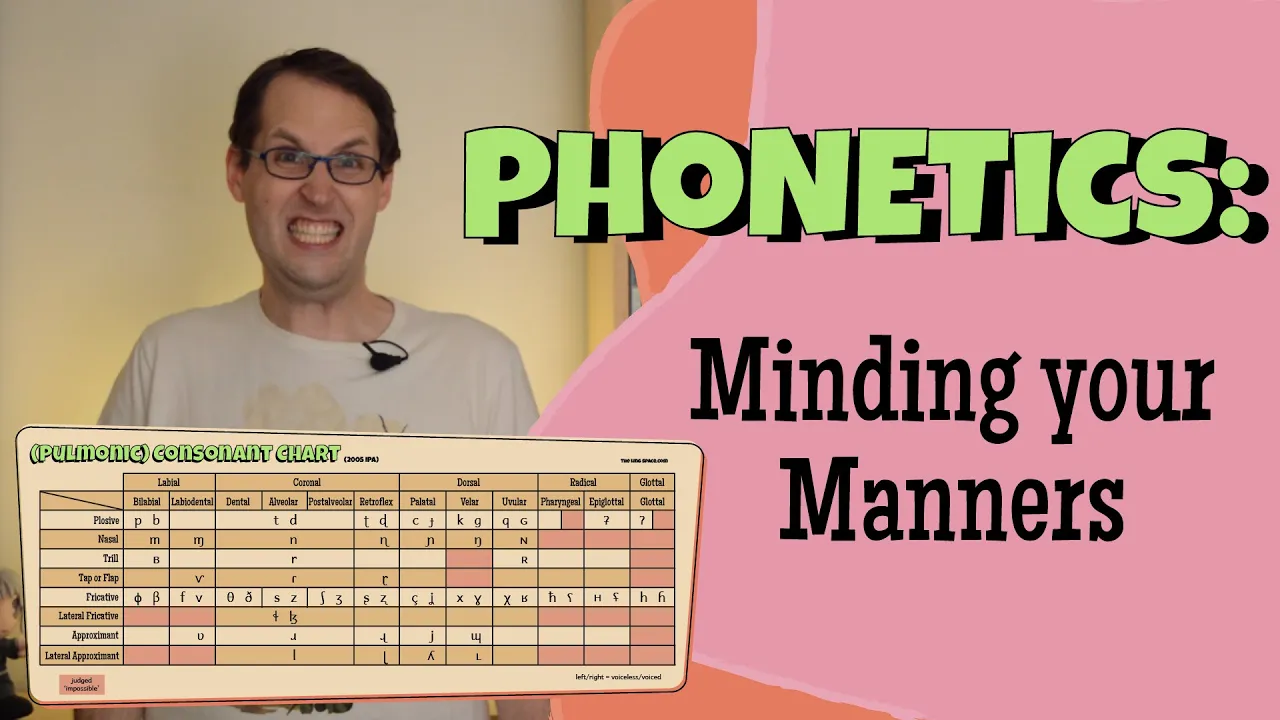


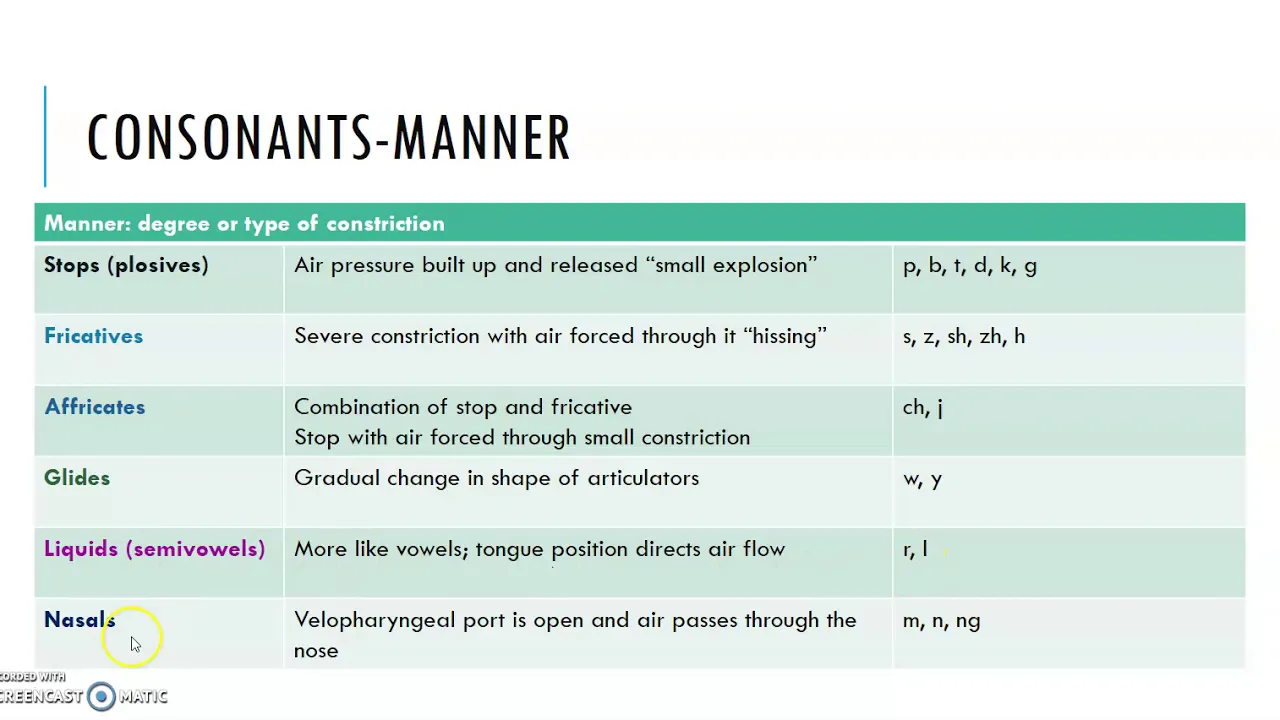
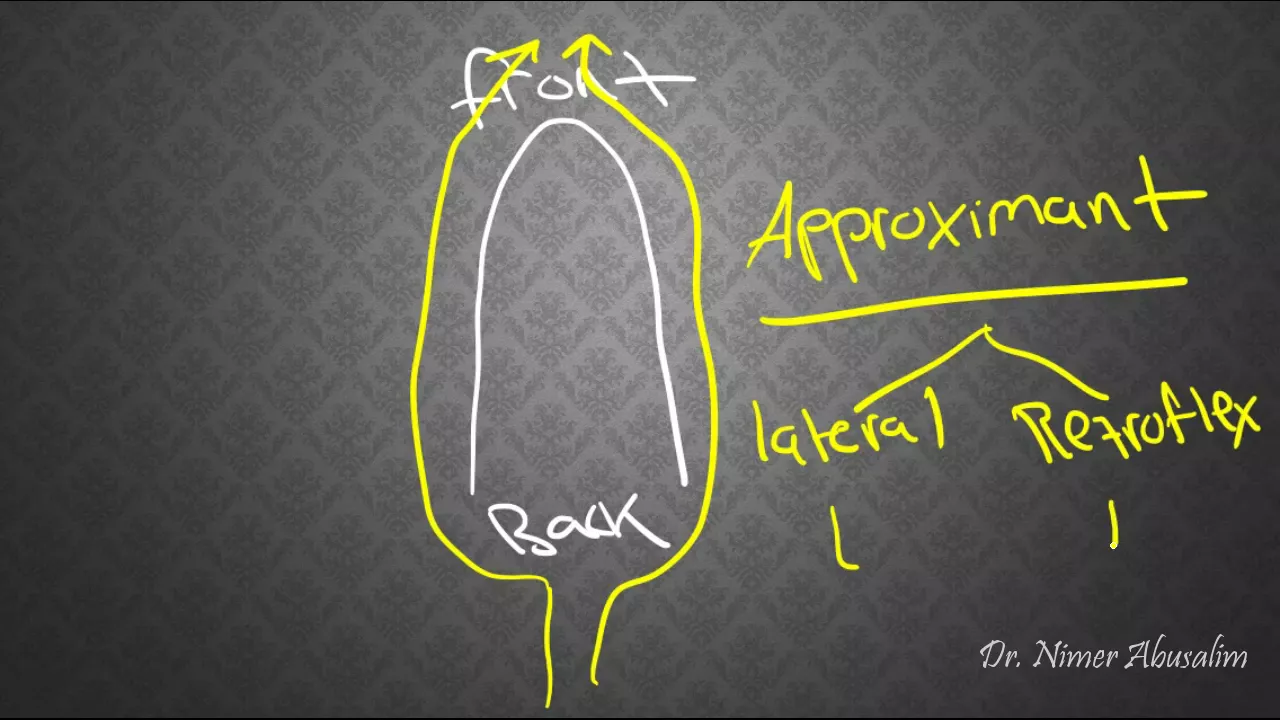














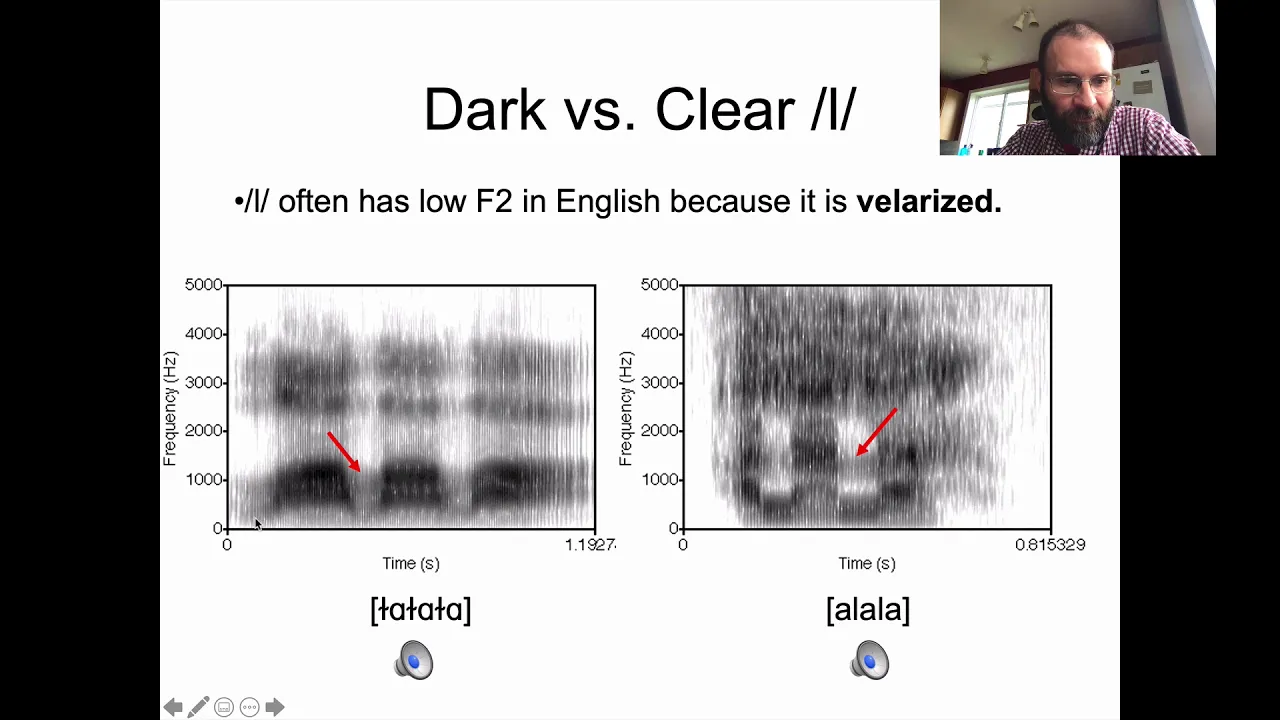


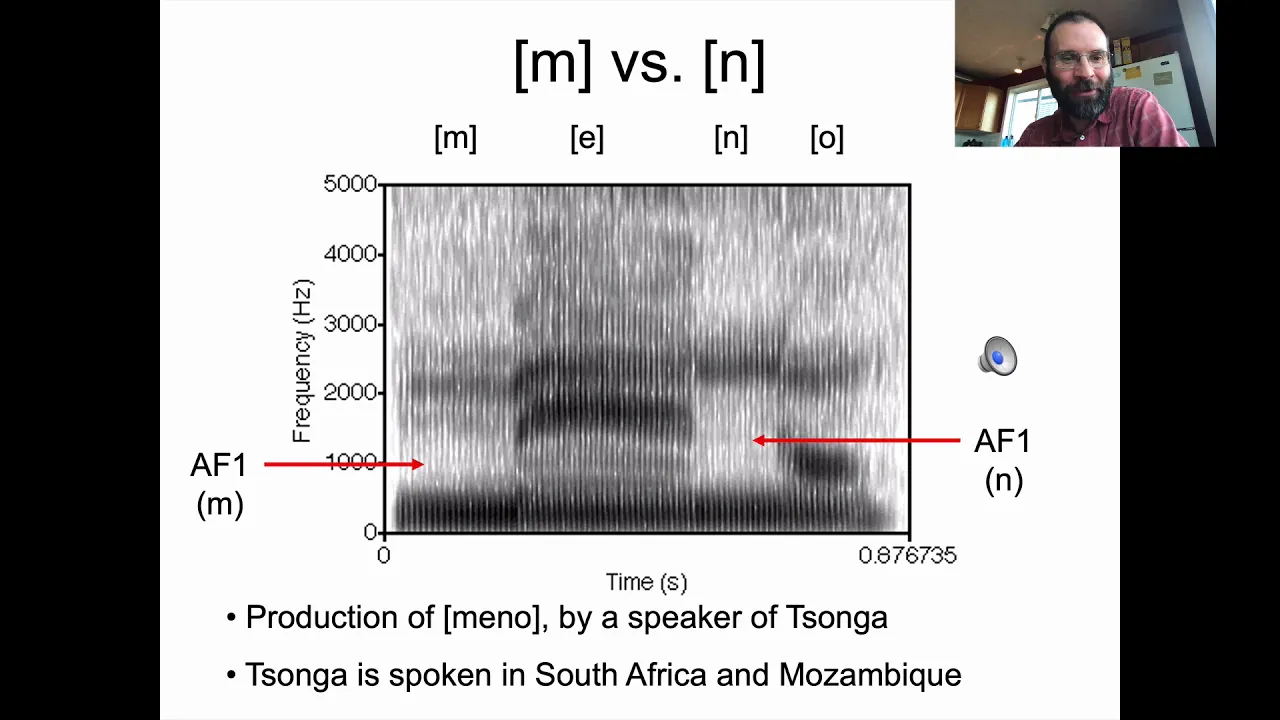
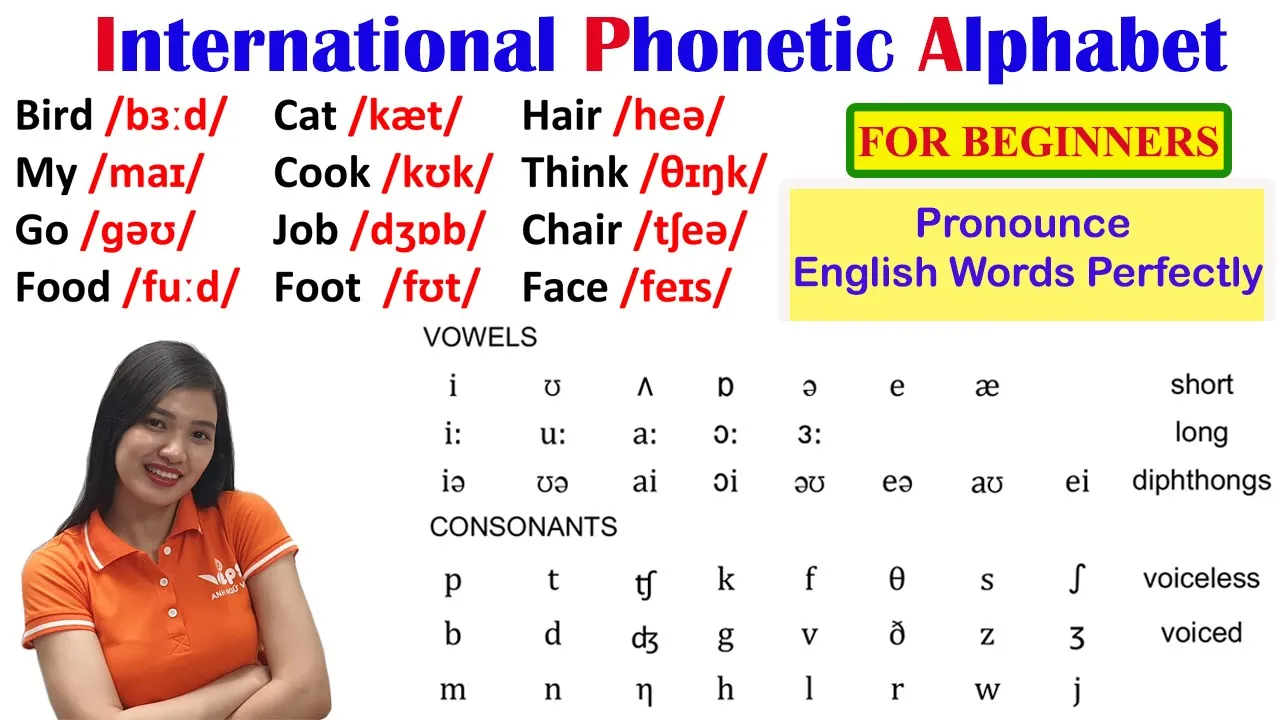
Sonorant consonants in English are sounds produced without airflow obstruction, divided into nasals (m, n, ŋ) and approximants (liquids l, r and glides w, j). Nasals involve airflow through the nose with the vocal cords vibrating, while approximants allow smooth airflow with minimal constriction. The liquid /l/ has two allophones: clear L before vowels and dark L at word boundaries. The rhotic /r/ can be pronounced as a trill, tap, or guttural. Glides w and j are semivowels that transition between vowel positions, with w being labiovelar and j being palatal.
English Sonorants: Nasals and Approximants | Phonetics Guide
Added:Understanding the International Phonetic Alphabet (IPA) framework and basic phonetic transcription for English consonants.
Familiarity with the anatomy of the vocal tract, particularly the active and passive articulators such as the tongue, velum, and alveolar ridge.
Knowledge of the three-dimensional classification of consonants: Place of Articulation, Manner of Articulation, and Voicing.
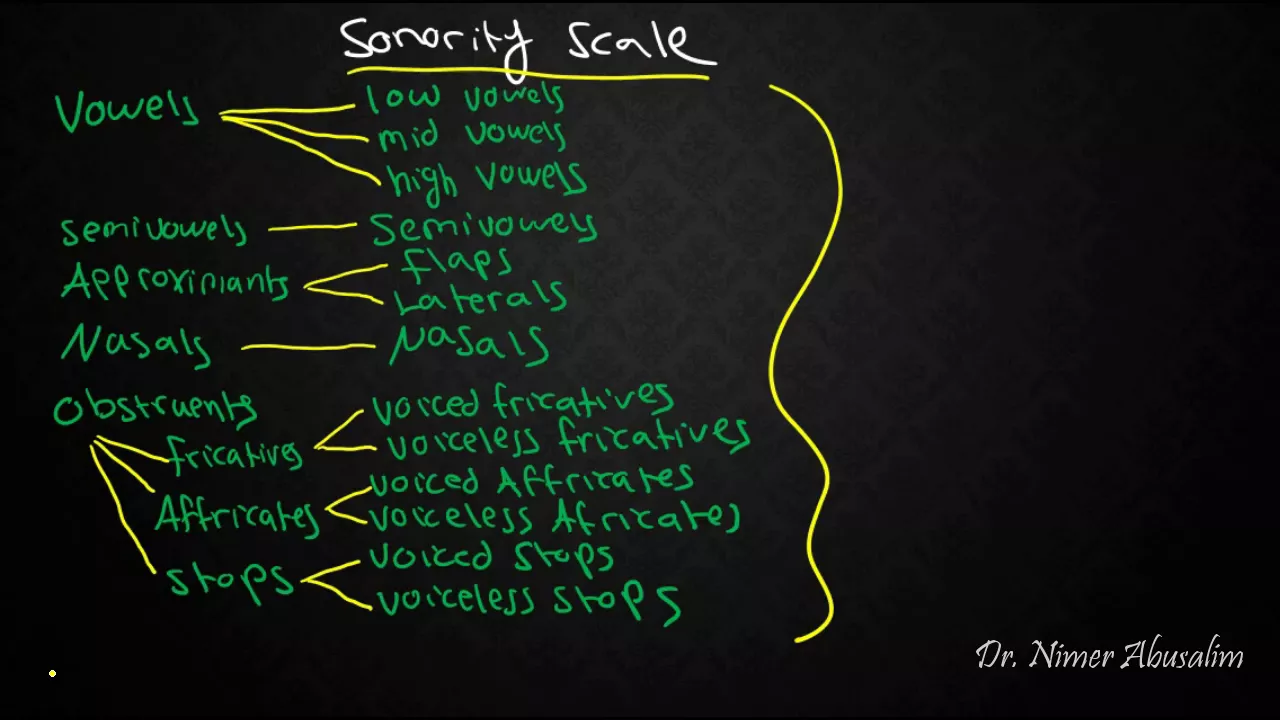
An understanding of the fundamental distinction between obstruents (which involve significant airflow obstruction) and sonorants (which feature continuous, non-turbulent airflow).
Investigating major allophonic variations of these sounds, such as the distinction between clear 'l' and dark 'l' ([ɫ]), and the nasalization of preceding vowels.
Studying syllabic consonants, specifically how sonorants like /l/ and /n/ can function as syllable nuclei in words like 'bottle' or 'button'.
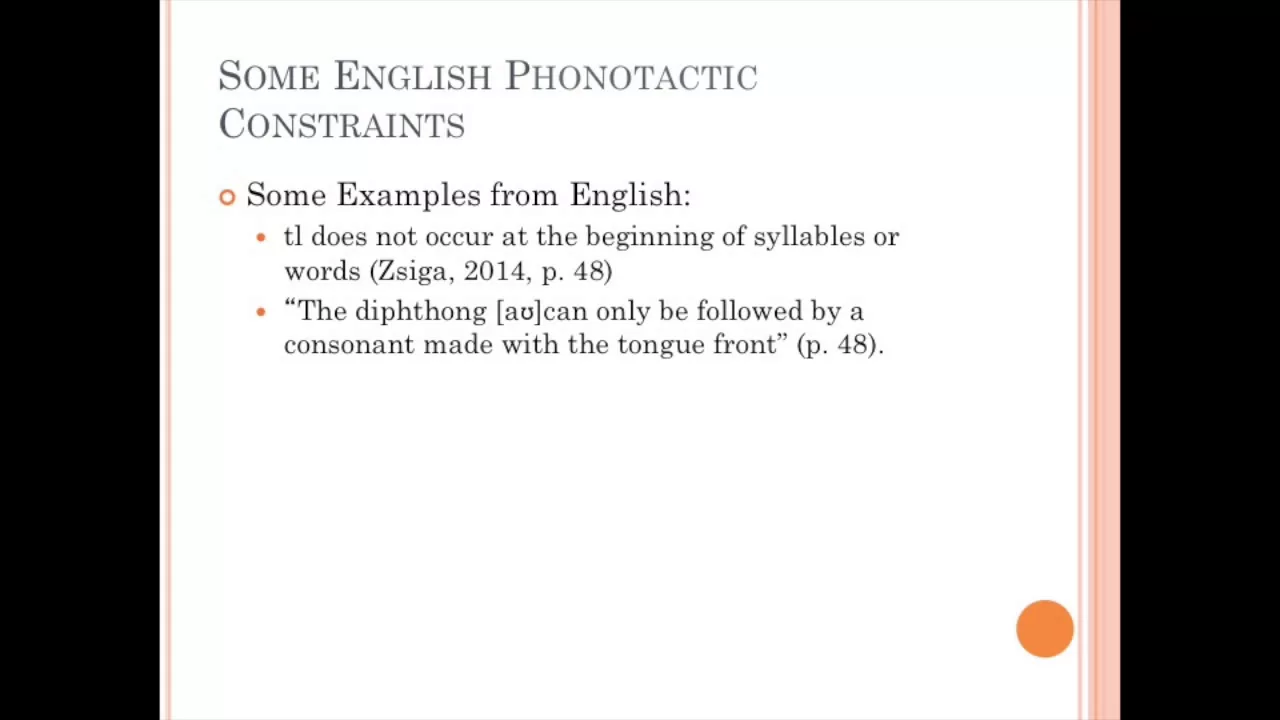
Exploring phonotactic constraints in English, including why /ŋ/ cannot appear word-initially and how approximants function in onset consonant clusters (e.g., 'play', 'twin').
Analyzing the acoustic phonetics of sonorants, such as identifying nasal murmurs, anti-formants, and vowel-like formant transitions on a spectrogram.
35.4K views959likes5:15Original Release: 2018-12-23
welcome to a series all about the signs of English in this series we're going to learn all about the physical sounds that we have in English today we're going to learn about the sonorants that is the nasals and the approximants a sonorant consonants is a sound that is produced without any disturbance to the airflow as opposed to obstinate vowel sounds are also sonorant sonorant consonants in English can be split into nasals and approximants the nasal consonants in English are mmm-hm and as in mouth nose and sing they occurred nasals as articulating the signs require airflow through the nose mmm is the first sound we will talk about it is called a bilabial nasal as both lips are closed for its articulation as air escapes through the nose it is also voiced remember you can check if a sound is voiced or voiceless by placing your finger on the front of your throat as you recite the sound if you feel a vibration it is voiced if not it is voiceless hmm is a Dental alveolar sound articulated by placing the tip or blade of the tongue at the alveolar Ridge behind the upper teeth it is also voiced meaning the vocal chords vibrates mm is a sound which is found in words like long and song and is usually written in English as n G however we also see it in words like ink and pink it is a velar nasal meaning that the back of the tongue rests against the vellum at the soft palate like all English nasals it too is voiced English has four approximants which can be further split into liquids and glides English has two liquids all which is lateral and or which is Rohtak liquids are a class of consonants that generally have a lot of freedom in English phonetics they often have allophones meaning that there are several ways to pronounce them all is a weird one it has two allophones in English in this case depending on its context before vowels it can be called clear l and appears in words such as lamp or light in this case it is articulated as an alveolar lateral approximant with the blade of the tongue just touching the alveolar Ridge behind the top teeth we also have dark L weather all sound is at the end of a word or before a consonant this is found in words such as buckle saddle and gold they're all signed in this position is a veal Erised alveolar lateral approximant the back of the tongue is slightly raised and in some dialects can even morph into an oo sound in the word little there is an example of a clear L and the dark L a is a rhotic consonant and in English is most commonly realised as a post alveolar approximant this is the sound we see in rabbits and red however the letter R is a lot more changeable it can be a trill also known as a roller it can be a tap like how an American English speaker would say in the middle of the word butter if they were talking fast and what is often mistaken for it sound or it could be a guttural signed with the back of the tongue reaching the soft palate English has two guides whoa and eeeh they are called glides because the position of articulation glides from one place to another they are also known as semivowels I expect you've heard a lot of people saying that why is a vowel in English whoa find in words like window and wine is a labia vela approximant and is articulated by rounding the lips and raising the back part of the tongue towards the soft palate it is voiced meaning its articulation results in vibration at the front of the throat yeah is a sign that is written using the English letter J in IPA it is palatal meaning the middle of the tongue is raised to meet the hard palate and is also voiced all of the signs covered in this video differ from the plosives fricatives and affricates that we have previously talked about as they don't tend to come in voiced and voiceless pairs whereas they may have a voiced or voiceless partner in other languages in English phonology they are all highly individual sounds thanks for watching and I'll see you next time when we'll begin to think about vowels [Music]
Up Next
7:36
How to Measure Voice Onset Time (VOT) in Praat
@mrenwick
8.2K views•2021-06-23
36:52
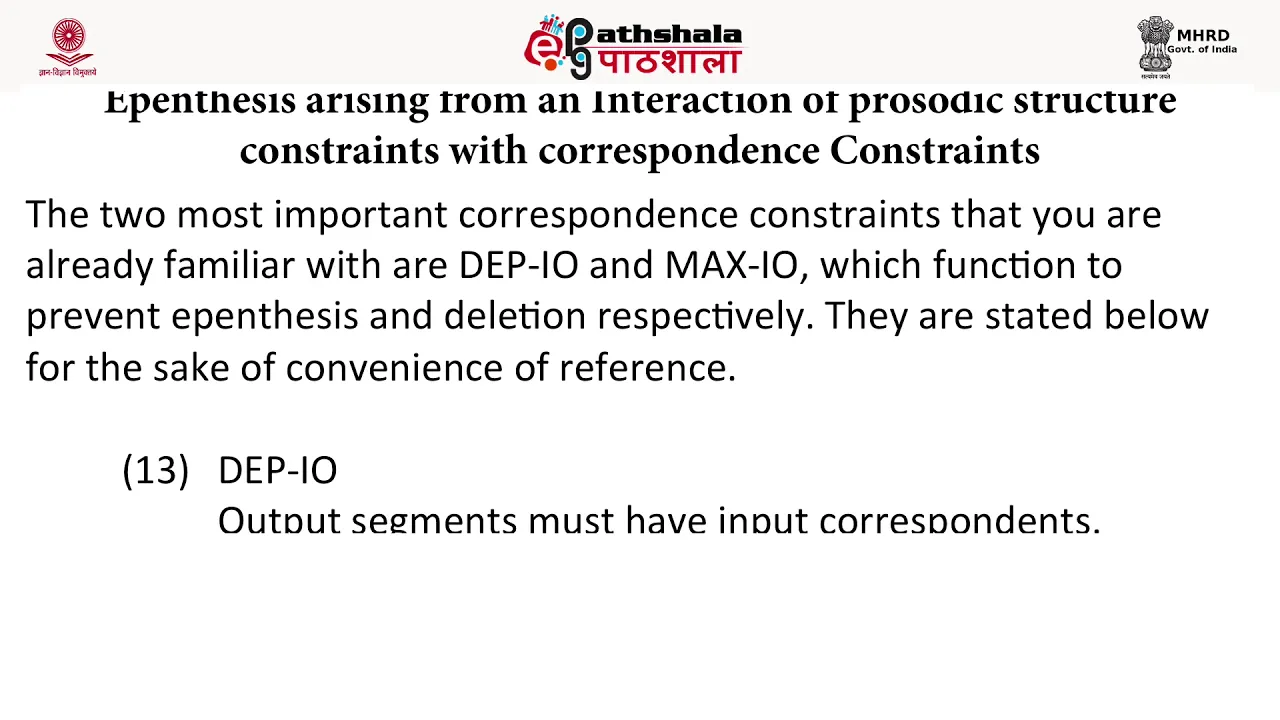
Constraint Interaction in Optimality Theory: Epenthesis & Deletion
@Vidyamitra
180 views•2018-08-20

8:59
Forensic Linguistics: How Language Solves Crimes | PBS
@pbsstoried
1M views•2024-01-25

21:32
Accent Expert Explains U.S. Regional Dialects | Part 1
@WIRED
9.3M views•2021-01-21
Related Study Plans & Knowledge Roadmaps
Structured learning paths in Linguistics
linguistics
Optimality Theory: Tableaux & Constraints
01Phonological Basics: Sounds, Syllables & Rules
02Foundations of Optimality Theory: GEN, CON, and EVAL
03The Constraint Inventory: Markedness vs. Faithfulness
+ 2 more learning modules
15h5 modules
Explore Roadmap
linguistics
Morphosyntactic Alignment: S, A & P Systems
01Foundations of Syntax: Transitivity and Arguments
02The Linguistic Variables: Mapping S, A, and P
03Nominative-Accusative Alignment
+ 3 more learning modules
12h6 modules
Explore Roadmap
linguistics
Analyzing Sign Language: Phonology & Syntax
01Foundations of Sign Language Linguistics
02Phonology: The Five Parameters of a Sign
03Morphology: Word Formation and Classifiers
+ 2 more learning modules
14h5 modules
Explore Roadmap
linguistics
Pragmatics: Speech Acts, Grice & Politeness
01Introduction to Pragmatics: Meaning in Context
02Grice’s Cooperative Principle & Implicature
03Speech Act Theory
+ 2 more learning modules
14h5 modules
Explore Roadmap