





The screen life format represents a revolutionary approach to filmmaking where entire narratives unfold exclusively on digital screens, creating unprecedented audience immersion by leveraging familiar technology interfaces; this format requires filmmakers to prioritize authenticity over illusion, as audiences experience the story through real-looking screens that blur the line between fiction and reality, demanding that both the storytelling and casting processes embrace digital intimacy and genuine human connection.
Timur Bekmambetov on Screen Life: Profile Filmmaking Insights
Added:Introduction to the 'Screenlife' (or desktop documentary) film format, where the narrative unfolds entirely on computer or smartphone screens.
The creative background of director Timur Bekmambetov and his contributions to pioneering digital-first cinematic storytelling.
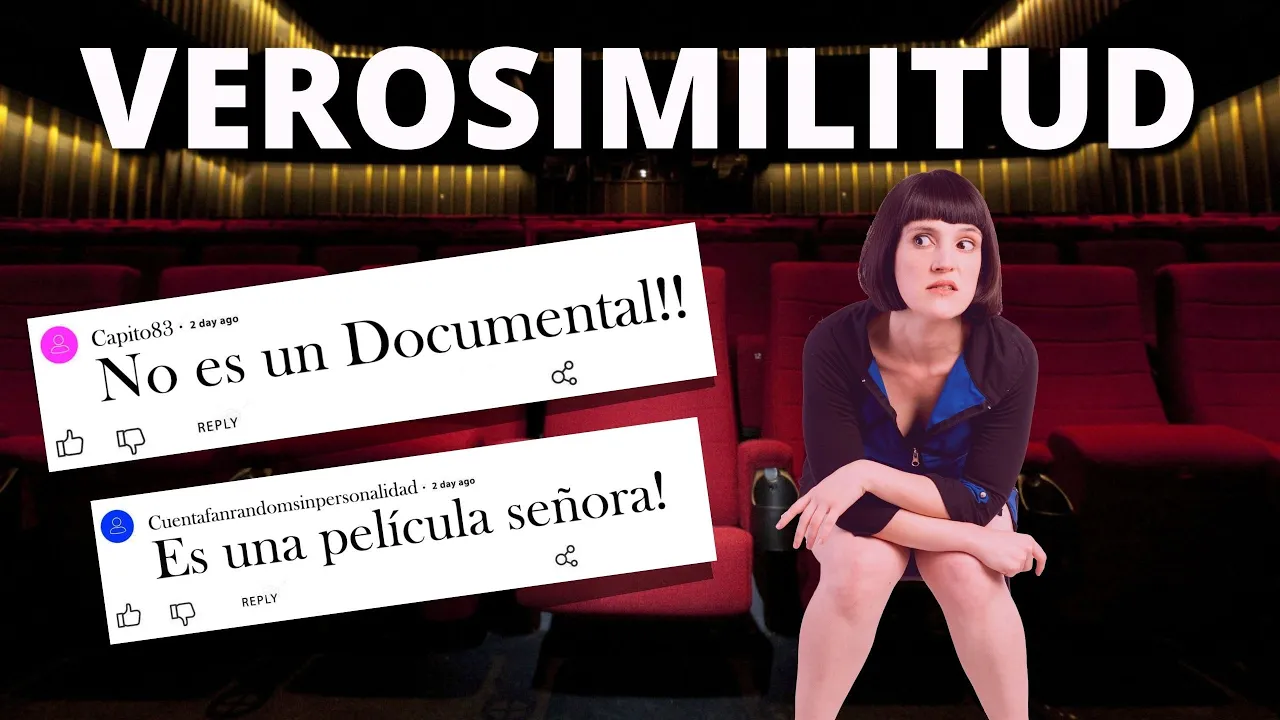
Fundamental concepts of narrative realism and verisimilitude in film, particularly how formats manipulate audience immersion.
The basic premise of the film 'Profile', which centers on an undercover journalist investigating online recruitment by extremist groups.
Techniques for screenwriting and pacing unique to the Screenlife format, such as communicating subtext through cursor movements and typing delays.
The technical and post-production workflows of desktop films, including UI/UX design, screen-capture simulation, and asset management.
The psychology of digital trust, online deception, and how filmmakers visually represent psychological manipulation in digital spaces.
The evolution of virtual production, remote casting, and decentralized filmmaking practices in the modern entertainment industry.
1.7K views24likes11:47Original Release: 2021-05-12
first of all amazing this film i am i love this movie i'm also a big fan of searching and unfriended so i really love your work um first question i have for you is what themes jumped out at you from the book uh in the skin of a jihadist that you knew would be right for the screen life format uh the whole the whole story happened in digital space it's not when you cannot tell the story using traditional uh tools like a camera that has nothing to shoot it's all happened on screen and the and uh and it was it was a moment when i was looking for uh stories uh uh uh specifically written to to to use screen life as a language and uh and it was a perfect match and uh and when i met an ireland the writer the author of the book i had a chance to see the glimpse of the uh her real screens when she walked with with bill and it was unbelievably impressive like scary like you know when you see the real right and yeah and the in these these languages makes everything real like it's not illusion because traditional movies it's an illusion of the reality you know like it's a shadows on the world on the white world when you think there's a window into another world but uh screen life has a different different meaning because screen life it is real screen right it's not it's not an illusion anymore you know it's a very new language i mean i watched the film on my computer and uh in full screen and there was an alert that came up and i legitimately kept thinking it was an alert from my computer and i was just fully immersed into the film and i think that that's that's what screen life is right this uh it's this cross platform of like immersion and uh and entertainment being a film so i love i love the screen live format now uh how did you connect to anna uh errol's uh story being a journalist personally uh because my mother was a journalist and my sister is a journalist and and i grew up in the family where during the lunch i heard a lot of conversations a lot of uh discussions about what does it mean to be you're not you're not expressing yourself right you're delivering the information that information should be correct and and uh and not uh not corrupted you know it's not like your your your impression it's just the audience the reader should get the information right it is and this was my understanding of journalism absolutely now uh you got to see the real skype calls with the real below how much did that help inform not only casting but the storytelling and design of the film of course it first of all it gives you the the the it sets it set the level of realism you know it said the uh the you know you don't need to invent this i mean of course i invented a lot of a lot of uh new story beats and uh and i designed this screen as i see this but uh but i remember my feeling my impression i was trying to follow this uh this this like a like like this uh level of uh in intimacy you know right because what's what's great about screen life it's not it's it's a it's it's an inner hood you know you are inside the character you are not because we are not hiding things from our screens right means it's exactly who we are you know absolutely because it's why it's why it was important to see the real the real uh uh screens now you decided to cast this film through mostly through skype right you decided to cast them through all skype and all digital um what came about that decision and uh how did that how did that process uh play out uh first of all it's very pragmatic because you have more you can you can get more people right to talk to you know and uh and from different countries from from countries all around the world they were you know the actors from the united that's the first but states it was very important for me that i i decided that it's not the right to connect to these people in physical space because audience will never feel it right right it's important for me to to meet people meet actors and to develop relationships online and uh because it's exactly what audience will feel that's that's incredible now i want to talk about valine for a second because she is brilliant in this film man she she really she she makes you go through a lot of emotions now what was what were some of the qualities that she possessed that you knew she was going to be right for the role of amy uh she's a good it was important that she's a next door girl like she's a person she's very it's very important for me when the the actor has a very great very real grounded uh uh nate like a nature do you know like it's not it's not she's not an actress like when you speak her she's a real person but at the same time she has a lot of soul you know like very deep and ver she's very very romantic personality you know and it's very good important combination for this for this role right grounded to be like like every woman can relate to her because because every every every woman trying to to to get things done when it's even if it's so scary like in this movie and uh and at the same time she has a dream she has a she is a smart she's a smart uh uh woman uh berlin and she understand the the level of uh uh um complexity of this story you know because it's a roller coaster and it's a dramatic lower course a roller coaster it's not it's not a it's very entertaining but it's entertaining because it has a lot of twists you know yes now i want to talk about uh shahzad for a second because he is so convincing and so charming in the role of bilal uh what did he bring to the role that may have surprised you uh you know we think that people in in isis they are from different planets they're not they're from london from paris from berlin and they grew up on the same streets [Music] bilal and emmy they they were maybe classmates they ate the same they had the same ice cream after the school and they think the same songs and uh had the same favorite like you know like like bars in london and it's what what was important yet he is different uh but he's uh he's just uh he's just made a wrong choices you know right right and but but uh but it's scary but understandable at the same time like you know like a good villain must be very uh uh compelling and and relatable it's what what he what he created and uh and and he's charming like any recruiter any any any any like well must be seductive the last question i have for you is that i read that you gave uh shahzad and uh and valine a scene to create which one is is actually in the movie it's a the backstory for blau can you talk to me about that collaboration process you had them create a scene and then they kind of improved it right uh i think it was because we shot almost like 15 pages per day like 15 minutes of the movie every every day because we showed the whole movie in like a 10 whatever 10-12 days and and to make it happen we had a long process of preparation and they had a chance to talk to each other to meet each other to spend time together and to create this uh kind of trust and also you should remember 15 pages with a lot of twists inside with a lot of dramatic collisions and and also your close-up all the time you know like like we're talking now it's not like it's not like a white shot and and it's a it's a it's like a theater you know it's like like a show uh you must be ready to play the whole play uh in one take it's what we what we how we rehearsed and uh and i even some through the day right before the shooting when we left them alone and they spent time together just at the bar and just talking about things and and and and bonding and it was important in the process right now well look the film's amazing i can't wait to see what the next uh screen life uh film is going to be because i am i'm fully on board with all these i love these movies so i will i will tell you i will i will tell you probably yeah the next one will be will be the ice cube and evil and great uh in sci-fi like a alien invasion movie the only problem of screen life language is it's quite difficult people it's quite difficult to explain people what does it mean until they see this you know when they see it there's no questions but but the it's why it's why we are spending time with the critics with the journalists because we need you guys to explain i don't know how because it's very i'm a huge fan of the screen life because like like i love unfriended i literally on my computer right here i have the searching uh thing that hides my camera i mean i love the screen life uh this is the screen life format i think i think it's brilliant because it's also so relatable because we all do it and it's it's in our culture you know so i love it thank you joe thank you so much for your time i appreciate it i really do thank you
Up Next

7:04
Susan Kare Demonstrates the 1984 Macintosh Interface (GUI Design History)
@interfacestudies
474.1K views•2022-06-03

26:22
Walking in the City: Urban Rituals and the Flâneur in Contemporary India
@PSBTIndia
1.9K views•2016-08-02

9:49
FastAPI vs Flask vs Django: Choosing the Right Python Web Framework
@TechWithTim
302.5K views•2024-05-26

1:42
Game of Thrones Opening Credits: A Cinematic Analysis
@gameofthrones
46.3M views•2011-04-18
Related Study Plans & Knowledge Roadmaps
Structured learning paths in General & Interdisciplinary Studies
general-studies
Artificial Light: History, Tech & Human Impact
01The Pre-Electric Era: Fire, Oil, and Gas Lighting
02The Incandescent Revolution and Grid Electrification
03Gas Discharge and Fluorescent Illumination
+ 3 more learning modules
14h6 modules
Explore Roadmap
general-studies
Elevator Engineering: History, Physics & Cities
01From Hoists to Safety Brakes: The Dawn of Vertical Lift
02Hydraulic vs. Traction: The Engineering Physics of Elevators
03Modern Speed, Safety, and Algorithms
+ 2 more learning modules
12h5 modules
Explore Roadmap
general-studies
Rubber: Material Science, History & Geopolitics
01Origins of Natural Rubber & Mesoamerican History
02The Chemistry of Natural Rubber & Vulcanization
03The Geopolitics of the Rubber Boom & Colonization
+ 2 more learning modules
12h5 modules
Explore Roadmap
general-studies
Containerization: Evolution, Logistics & Trade
01Ancient Trade & Bulk Cargo: Amphorae to Barrels
02The Industrial Revolution & Cardboard Packaging
03The Containerization Revolution: Malcom McLean
+ 2 more learning modules
12h5 modules
Explore Roadmap