Haematococcus pluvialis is a freshwater unicellular green algae (Phytomycophyta, Class Chlorophyceae) with a complex life cycle consisting of macrozoids, microzoids, palmella, and aplanospores; it produces astaxanthin, a secondary carotenoid responsible for its red coloration, making it a promising microorganism for nutraceutical applications including aquaculture coloring, UV protection, tumor therapy, and prevention of age-related neural degeneration, while also generating chlorophylls a and b along with primary carotenoids like neoxanthin, violaxanthin, zeaxanthin, lutein, and beta-carotene.
Haematococcus pluvialis: Green Algae Classification & Astaxanthin
Added:Deep Dive
Basic eukaryotic cell biology and the distinguishing characteristics of green algae (Chlorophyta).

Chlorophyta
981
Chlorophyta (green algae) are a monophyletic group of photosynthetic eukaryotes that originated approximately 1.2 billion years ago through primary endosymbiosis, where a eukaryotic host incorporated a cyanobacterium to form chloroplasts. This group is characterized by chloroplasts with 3-6 thylakoid bands, starch as the energy storage reserve, and the presence of chlorophyll a and b along with accessory pigments like carotenoids and xanthophylls. Chlorophyta are classified into two main classes: Chlorophyceae (with over 3,600 species, primarily freshwater and terrestrial) and Trebouxiophyceae (approximately 914 species, also freshwater and terrestrial). Key distinguishing features include flagellar insertion patterns (clockwise vs. counterclockwise), cell division mechanisms (phycoplast vs. phragmoplast), and cell wall composition. The group exhibits diverse morphological organizations ranging from unicellular forms to complex coenobia like Volvox, with reproduction occurring through both asexual (zoospores, fragmentation) and sexual (isogamy, anisogamy, oogamy) means.
Click to watch →

What is algae in Plant Kingdom & Cyanobacteria | Dr. Shivani Bhargav
1.1K
Chlorophyta is the class of green algae, all members of which are green in color. It is considered the most advanced algae and is the direct ancestor of higher plants. Green algae are cosmopolitan in nature, meaning they are found everywhere. Their cell wall consists of an inner layer made of cellulose and an outer layer made of pectose. They exhibit different forms including unicellular, colonial, multicellular filamentous, and multicellular thalloid forms.
Click to watch →

General characters of Chlorophyceae (Green Algae)
995
Chlorophyceae (green algae) is characterized by eukaryotic cells with cellulose cell walls, starch as reserve food, photosynthetic pigments including chlorophyll a and b along with carotenoids and xanthophylls, and a distinct pyrenoid for starch storage; they exhibit diverse thallus forms ranging from unicellular to filamentous and colonial structures, inhabit various environments including freshwater, marine, brackish, and terrestrial habitats, possess flagella (typically two whiplash-type) and an eyespot in motile cells, reproduce vegetatively through mitosis and fragmentation, asexually via zoospores, aplanospores, akinetes, and hypnospores, and sexually through isogamy, anisogamy, and oogamy, with a haplontic life cycle where only the zygote is diploid.
Click to watch →

Plus One Public Exam Biology Chapters 2,3 & Chemistry Chapter 1 | Rapid Revision | Eduport Plus One
19.6K
Chlorophyta (green algae) contain chlorophyll a and b, store starch as food, and have cell walls made of cellulose. They are the closest relatives to land plants and share many characteristics with embryophytes. Examples include Chlamydomonas, Ulva, and Chara.
Click to watch →
Kingdom Plantae | Class 11th Biology | Part 1
1.7K
Chlorophyta (green algae) contain chlorophyll pigment, giving them a green color. They are primarily found in fresh water, though some species also inhabit marine water. They are eukaryotic organisms with membrane-bound nucleus and other organelles. They store food in the form of starch. They possess chloroplasts for photosynthesis. Many species have flagella for locomotion (typically two flagella). Spirulina is a green algae with a spiral or ribbon-like structure, having a eukaryotic cell with membrane-bound nucleus, cytoplasm, vacuole, and chloroplast. Its cell wall is made of cellulose.
Click to watch →
Deep Dive
The concept of biological life cycles, specifically cellular encystment and stress-induced morphological changes in microalgae.
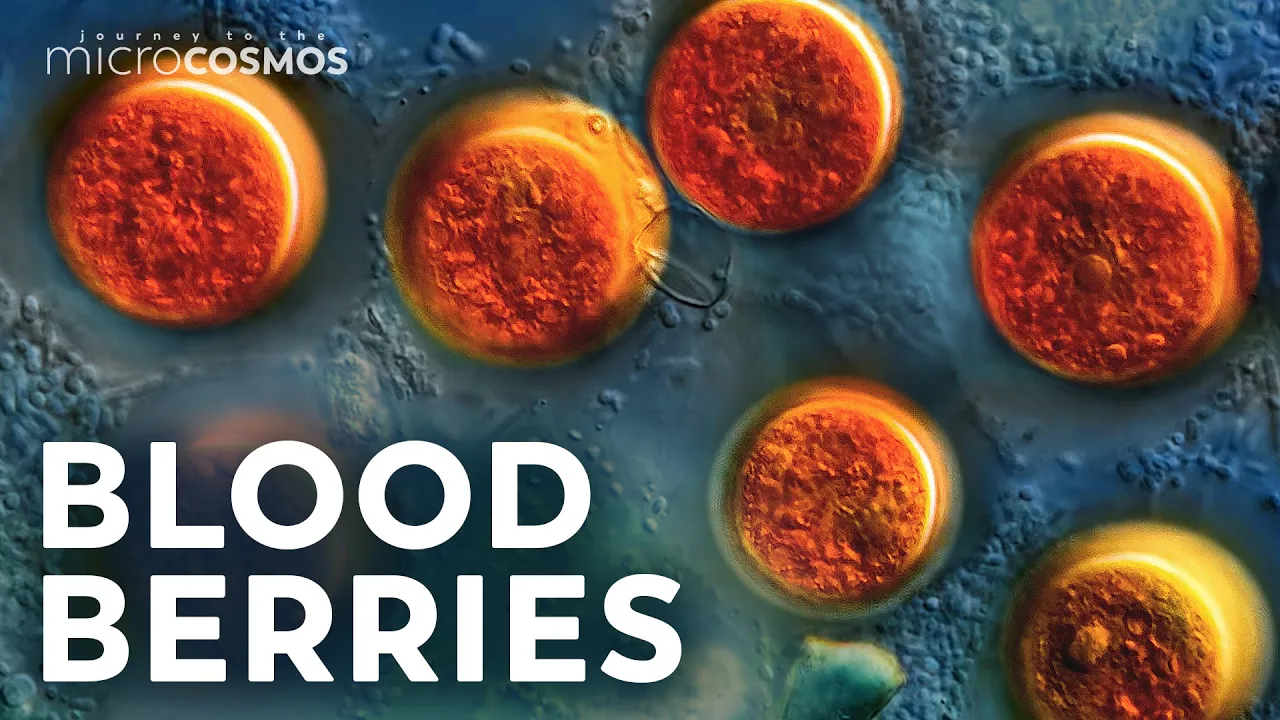
How Stressed Algae Curl Into Protective Cysts
70K
Haematococcus algae responds to environmental stress through a series of adaptive transformations. The algae curls into a ball and forms cysts to survive unfavorable conditions. It exists in multiple life stages: macrozooids (active, flagellated cells that reproduce asexually by dividing into 2-32 copies), palmella (resting cells with layered walls), and aplanospores (heavily fortified cells under extreme stress). The name 'Haematococcus' means 'blood berries' in Greek, reflecting its reddish appearance, though it lacks blood. This algae belongs to the Chlorophyta phylum and is photosynthetic, forming a foundation for freshwater ecosystems.
Click to watch →

4 S5 Extracción de astaxantina a partir de la microalga haematococcus pluvialis
353
Microalgae cultivation follows specific growth phases: lag phase followed by exponential growth, with cell count decreasing on days 30 and 50 as normal behavior. Haematococcus pluvialis exhibits three distinct cellular morphologies in response to environmental stress: (1) Vegetative form - green with flagella, (2) Palmella form - green, spherical, without flagella, (3) Aplanospore form - red, spherical, without flagella. The aplanospore stage is where astaxanthin production occurs. Sodium acetate supplementation induces characteristic morphological changes that correlate with medium color changes. Cell morphology can be observed using Neubauer chamber at 40x magnification.
Click to watch →

The Life Cycle of AFA
136
AFA (Aphanizomenon flos-aquae) is a blue-green microalgae native to Klamath Lake, Oregon, that follows a seasonal life cycle: in winter, it settles into sediments as specialized cells called akinetes; in spring, these cells germinate and multiply through photosynthesis, forming visible colonies; during summer, AFA enters an exponential growth phase (summer bloom) and harvests due to its ability to fix nitrogen, allowing it to outcompete other algae; in late fall, as conditions cool, AFA declines and produces new akinetes that settle into sediments, completing the cycle.
Click to watch →

I B.Sc : Botany - Algae - Types of life cycles lecture by Ms. Chaithra R
166
Life cycle refers to the sequence of morphological and cytological changes during algae growth and development, from diploid zygote to next generation's zygote through haploid gametes. There are five types of life cycles in algae: (1) Haplontic - most common and primitive, diphasic with dominant haploid gametophyte and reduced diploid sporophyte (zygote only); (2) Diplontic - reversal of haplontic, diphasic with dominant diploid sporophyte and reduced haploid gametophyte; (3) Haplodiplontic - diphasic with both phases having significant duration, including isomorphic (morphologically similar phases) and heteromorphic (morphologically dissimilar phases) types; (4) Haplobiontic - triphasic with two haploid phases (gametophyte and carposporophyte) and one diploid phase (zygote); (5) Diplobiontic - most complex and advanced, triphasic with two diploid phases (carposporophyte and tetrasporophyte) and one haploid phase (gametophyte).
Click to watch →

Akinete kise kahte hai?//////what is Encystment ?######
470
Encystment is a biological survival mechanism where organisms form a protective cyst structure around themselves when exposed to adverse environmental conditions, such as lack of moisture or unfavorable habitat; this cyst provides protection and allows the organism to remain dormant until favorable conditions return, at which point it can germinate and develop into a new organism.
Click to watch →
Deep Dive
Fundamentals of biological taxonomy, cladistics, and how phylogenetic trees are constructed and interpreted.

Biology 09-5 Cladistics and Phylogenetics
11K
Cladistics classifies organisms based on evolutionary relationships using derived characteristics (synapomorphies). A cladogram is a branching diagram showing how lineages split through speciation, with nodes representing common ancestors. A clade contains all descendants of a single ancestor. Key principles include: (1) Closeness on a cladogram doesn't equal closeness in relation—groups sharing a common ancestor are equally related regardless of position; (2) Only evolutionarily meaningful traits (like four limbs, not eye color) should define clades; (3) Cladograms can be viewed at any scale, from major groups to specific species. This approach reveals evolutionary history more accurately than traditional classification.
Click to watch →

Cladistics | Phylogenetic Taxonomy | Synapomorphy | Symplesiomorphy | CSIR NET Life Sciences
29.6K
Cladistics is a phylogenetic taxonomy approach that classifies organisms based on shared derived characteristics (synapomorphies) rather than overall similarity; key concepts include monophyletic groups (a common ancestor and all its descendants), paraphyletic groups (an ancestor plus some but not all descendants), and polyphyletic groups (multiple unrelated ancestors); distinguishing between homologous characters (shared due to common ancestry) and analogous characters (similar due to convergent evolution) is essential for accurate phylogenetic analysis.
Click to watch →

Creation Myth: "Kinds"
6.6K
Phylogenetics is the study of evolutionary relationships among organisms through their genetic and morphological characteristics. A phylogenetic tree shows how species are related through branching patterns representing common ancestry. Each branch point (node) represents a common ancestor shared by descendant groups. Cladistics is a taxonomic system based on phylogenetics that classifies organisms into clades - monophyletic groups containing a common ancestor and all its descendants. Taxonomy using cladistics creates nested hierarchies where smaller groups (like genus or family) are contained within larger groups (like order or class), with each level representing increasingly distant common ancestors.
Click to watch →

Cladistics
2.6K
Cladistics is a classification method that arranges organisms into groups (clades) based on their evolutionary relatedness, using cladograms and phylogenetic trees to visualize evolutionary pathways; this approach relies on three key assumptions: common ancestry (all organisms share a single origin), bifurcation (traits diverge in two directions as organisms evolve), and physical change (features become increasingly different from ancestors over time); phylogenetic trees can be rooted (showing descent from a common ancestor) or unrooted, and may be scaled (phylograms, where branch lengths indicate evolutionary divergence) or unscaled (cladograms, where branch lengths have no proportional meaning); to interpret these trees, one must identify clades (an ancestor and all its descendants), sister taxa (most closely related pairs), and outgroups (less related species used as reference), with the most likely evolutionary relationships being those requiring the fewest evolutionary changes.
Click to watch →
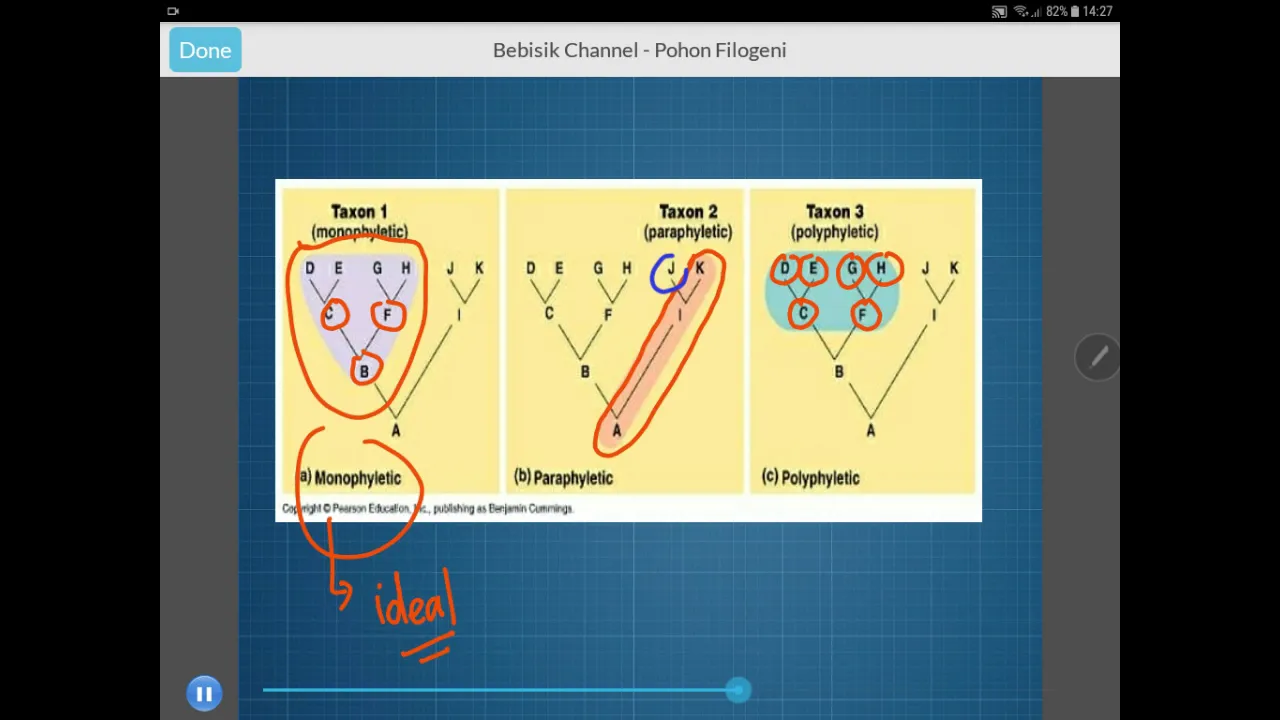
Pohon Filogeni - Kladogram - Filogenetik - Kelas XII
26.3K
Phylogenetic trees (cladograms) visualize evolutionary relationships among species by showing descent from common ancestors. A clade is a group including an ancestor and all its descendants. Cladistics is the method using shared derived characteristics to classify organisms. Taxonomy provides the classification framework. These tools help scientists understand how species are related through evolutionary history.
Click to watch →
Deep Dive
An introduction to organic biochemistry, focusing on photosynthetic pigments and the general structure and function of carotenoids.
PHOTOSYNTHETIC PIGMENTS # CHLOROPHYLL STRUCTURE #chlorophyll #carotenoids #bioenergetics
8.3K
Photosynthetic pigments are essential molecules that capture light energy for photosynthesis, with carotenoids (including lycopene, beta-carotene, and xanthophylls) serving as accessory pigments that absorb light energy and protect chlorophyll from photooxidation, while chlorophyll a (the primary pigment) and chlorophyll b (an accessory pigment) form the reaction center complex, with chlorophyll a absorbing blue and red light at 430nm and 670nm wavelengths and chlorophyll b absorbing at 450nm and 650nm wavelengths; chlorophyll molecules consist of a polar porphyrin head containing a magnesium atom and a non-polar phytol tail that anchors them in the thylakoid membrane.
Click to watch →

الوحدة 06| أفضل شرح من الألف إلى الياء لوحدة التركيب الضوئي 🌱🌞
850.1K
Photosynthetic pigments capture light energy for photosynthesis. The main pigments are: (1) chlorophyll a (primary pigment), (2) chlorophyll b (accessory pigment), and (3) carotenoids (accessory pigments). Chlorophyll a absorbs light most efficiently at 430nm and 662nm, while chlorophyll b absorbs at 453nm and 642nm. Carotenoids absorb light at 450-550nm and also protect the photosynthetic apparatus from damage.
Click to watch →

Lecture 18 Biology National MDCAT 2021 / NUMS 2021 | Role of Light and Pigments in Photosynthesis
21.3K
Carotenoids serve multiple functions in photosynthesis: they absorb light at wavelengths that chlorophyll cannot absorb, they transfer this energy to chlorophyll, and they protect chlorophyll from photooxidative damage. The most common carotenoid is beta-carotene, found in carrots and other orange-colored vegetables. Photosynthetic pigments are organized into antenna complexes and reaction centers. Antenna complexes contain multiple pigment molecules that absorb light energy and transfer it to the reaction center. The reaction center contains specialized chlorophyll molecules that use the absorbed energy to drive electron transfer reactions. Photosynthetic pigments are organized into photosystems, which are functional units consisting of antenna complexes and reaction centers. Photosystem I (PSI) has a reaction center chlorophyll (P700) that absorbs light most effectively at 700 nm wavelength. Photosystem II (PSII) has a reaction center chlorophyll (P680) that absorbs light most effectively at 680 nm wavelength. These different absorption peaks allow the two photosystems to work together efficiently in the light reactions of photosynthesis.
Click to watch →

08. Photosynthesis | Introduction and Pigments | সালোকসংশ্লেষণ । উদ্ভিদ শারীরতত্ত্ব
76.2K
Photosynthesis relies on pigments that capture light energy. Chlorophyll is the primary pigment, appearing green and containing a central magnesium atom essential for light absorption. Different types exist: chlorophyll a, b, c, d, and e. Carotenoids are accessory pigments appearing orange, red, or yellow, with carotene having the formula C40H56. These pigments work together to absorb light at different wavelengths, expanding the range of light plants can utilize for energy production.
Click to watch →
Photosynthesis | NEET | Pigments | | Neela Bakore Tutorials
369.4K
Carotenoids are lipid-soluble pigments that serve as accessory pigments in photosynthesis. They consist of two main types: carotenes (orange-red in color, formula C40H56) and xanthophylls (yellow-brown in color, formula C40H56O2). Common examples include beta-carotene and lutein. Unlike chlorophyll, carotenoids do not contain magnesium and have a different molecular structure.
Click to watch →
Prerequisite Knowledge
- Concept 01Basic eukaryotic cell biology and the distinguishing characteristics of green algae (Chlorophyta).
- Concept 02The concept of biological life cycles, specifically cellular encystment and stress-induced morphological changes in microalgae.
- Concept 03Fundamentals of biological taxonomy, cladistics, and how phylogenetic trees are constructed and interpreted.
- Concept 04An introduction to organic biochemistry, focusing on photosynthetic pigments and the general structure and function of carotenoids.
Subsequent Learning
- Step 01Industrial scale-up of microalgae cultivation, including photobioreactor design and two-stage cultivation strategies for pigment induction.
- Step 02Metabolic engineering techniques used to optimize and upregulate carotenoid biosynthesis pathways in microbial hosts.
- Step 03Downstream processing methods in biotechnology, specifically cell disruption and supercritical fluid extraction of lipophilic compounds.
- Step 04The clinical pharmacology, antioxidant mechanisms, and formulation of astaxanthin for nutraceutical and pharmaceutical applications.
Classification
Morphology
Application
Classification
0:14Playing Section
- 1
Details taxonomic hierarchy from phylum to species.
- 2
Uses genome skimming to show genetic relationships.
- 3
Distinguishes species from other green algae.
The Heterotrophic Production Challenge to Haematococcus pluvialis Dominance
While Haematococcus pluvialis is widely recognized as the premier natural source of astaxanthin, its commercial exploitation faces severe biological and economic bottlenecks. Critics in the biotechnology sector highlight that H. pluvialis has a very slow growth rate, a complex and fragile two-stage life cycle, high susceptibility to contamination, and energy-intensive light requirements. These factors make large-scale outdoor or photobioreactor cultivation costly and inconsistent. Consequently, an alternative perspective advocates for the use of genetically engineered heterotrophic platforms—such as the yeasts Yarrowia lipolytica and Saccharomyces cerevisiae, or the bacterium Escherichia coli—as well as more robust alternative microalgae like Chromochloris zofingiensis. These engineered hosts can be grown rapidly on cheap organic carbon sources in closed fermenters without light, achieving higher cell densities and highly consistent yields. This bio-engineering approach directly challenges the paradigm that H. pluvialis is the most viable or sustainable future source of astaxanthin for industrial and nutraceutical applications.
Deep Dive
Industrial scale-up of microalgae cultivation, including photobioreactor design and two-stage cultivation strategies for pigment induction.
Let’s Talk About Microalgae, Their Cultivation and Quirks With Dr. Carneiro
8.1K
Microalgae cultivation requires species-specific optimization because each type (brown, red, green) has unique growth requirements; successful industrial scaling involves progressively increasing cultivation volume from small lab inoculums through intermediate stages to large tubular reactors, while adapting reactor parameters like pump speed to match the algae's needs rather than forcing them into standardized conditions.
Click to watch →
![[Webinar | EN] Growing microalgae on plant-based digestate: ALG-AD belgian pilot site](https://i.ytimg.com/vi/TNg-6Gv9wmU/maxresdefault.jpg)
[Webinar | EN] Growing microalgae on plant-based digestate: ALG-AD belgian pilot site
7K
LGM's tubular photobioreactor technology represents a proven industrial solution for large-scale microalgae cultivation, combining over 15 years of operational experience with innovative two-phase air-liquid system design. The technology incorporates proprietary bubble brush and wave wind mechanisms that prevent biofouling while enabling efficient gas exchange across the large air-liquid interface. This design allows operation with only an air pump, achieving the lowest energy consumption among tubular photobioreactor systems while supporting even vulnerable algal species. Full automation integrates all process parameters including pH, temperature, water level, and light intensity, with real-time monitoring and alarm systems ensuring consistent operation. The modular system architecture (25L to 45,000L capacity) enables flexible scaling while maintaining reliability, with glass tubes preferred over PVC for superior light transmission and durability. Species-specific productivity ranges from 0.3-0.9 g/L/day, with semi-continuous harvesting strategies (30-50% volume removal every other day) maintaining optimal densities for maximum productivity.
Click to watch →
Cultivo industrial de microalgas, una alternativa sustentable TvAgro por Juan Gonzalo Angel Restrepo
2.5K
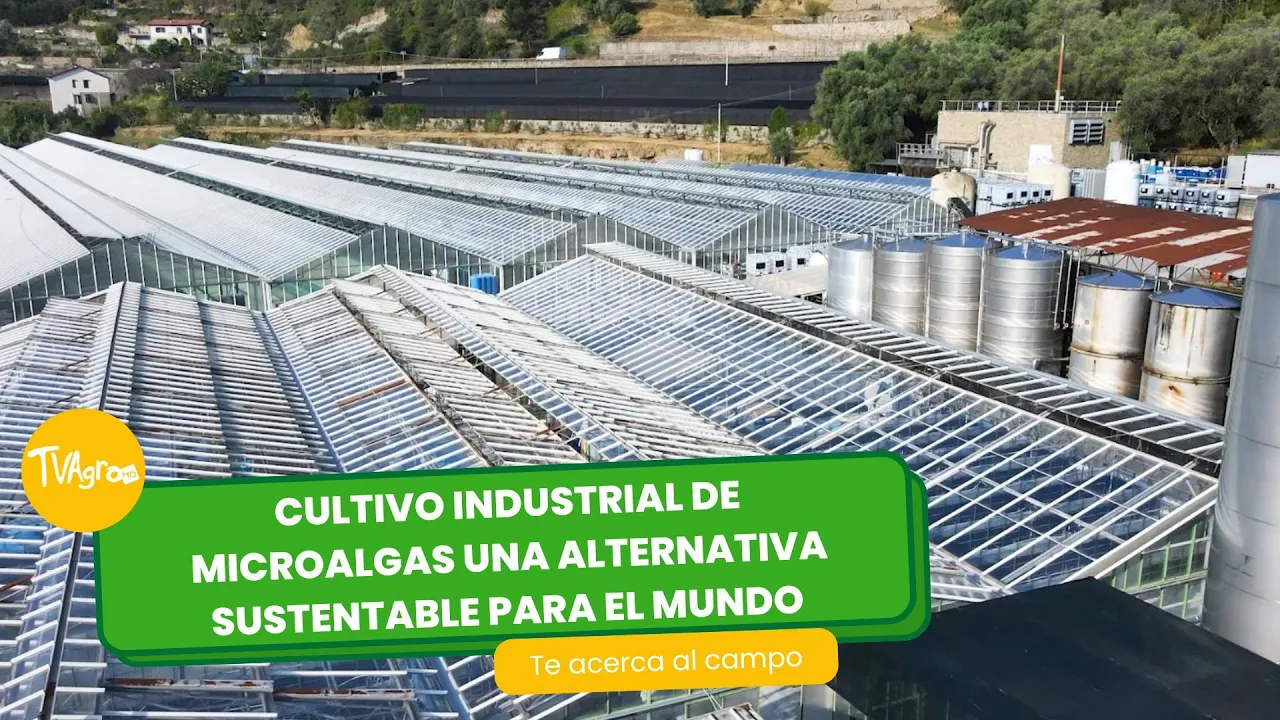
Microalgae are microscopic photosynthetic organisms classified as a polyphyletic group, with an estimated 100,000 species, many yet undiscovered. Spirulina, consumed for centuries, represents one of the most famous species used across food, pharmaceutical, cosmetic, and supplement industries. Different microalgae produce valuable pigments: Isochrysis (brown) for cosmetics, Diatoms containing fucoxanthin, Haematococcus producing astaxanthin (a powerful antioxidant), and Tetraselmis recognized worldwide for hair care applications. Spirulina platensis produces phycocyanin, a blue pigment, typically produced in summer in open ponds at food-grade quality. Growth patterns vary seasonally, though advanced facilities can produce year-round. Cultivation employs multiple technologies: Greenwall panels, open ponds for large-volume production, and newer systems using both natural sunlight and artificial light for stable industrial-scale production. Vertical panel systems incorporate cooling systems for temperature control (25-28°C) and automatic pH monitoring. For marine microalgae, artificial seawater is prepared by adding specific salts. Aeration systems keep cultures in suspension, ensuring uniform light exposure. Unlike traditional shaded greenhouses, microalgae cultivation requires maximum light capture, as tropical species need abundant light. Raceway systems cultivate certain species with paddle agitation and semi-continuous dilution maintenance. Not all species can be cultivated in open raceways; delicate species require protection from environmental conditions.
Click to watch →

Israel Brought Millions of Fish to the Desert and Left Them for a Few Months, Result Was Insane
287.1K
The microalgae farm in the Negev Desert uses transparent tubes containing millions of flakes of Hematococcus pluvalis, commonly called red seaweed. This closed-system cultivation protects the algae from pollution and metal contamination. The location between the Dead Sea and Red Sea receives abundant sunlight year-round without industrial pollution. These algae contain the highest natural concentration of astaxanthin at approximately 40,000 parts per million—compared to only 5-15 parts per million in salmon flesh. This natural pigment is essential for giving salmon, lobsters, and other crustaceans their characteristic pinkish coloration and serves as a valuable feed additive for aquaculture operations worldwide.
Click to watch →
Bioreactors | Design, Principle, Parts, Types, Applications, & Limitations | Biotechnology Courses
121.1K
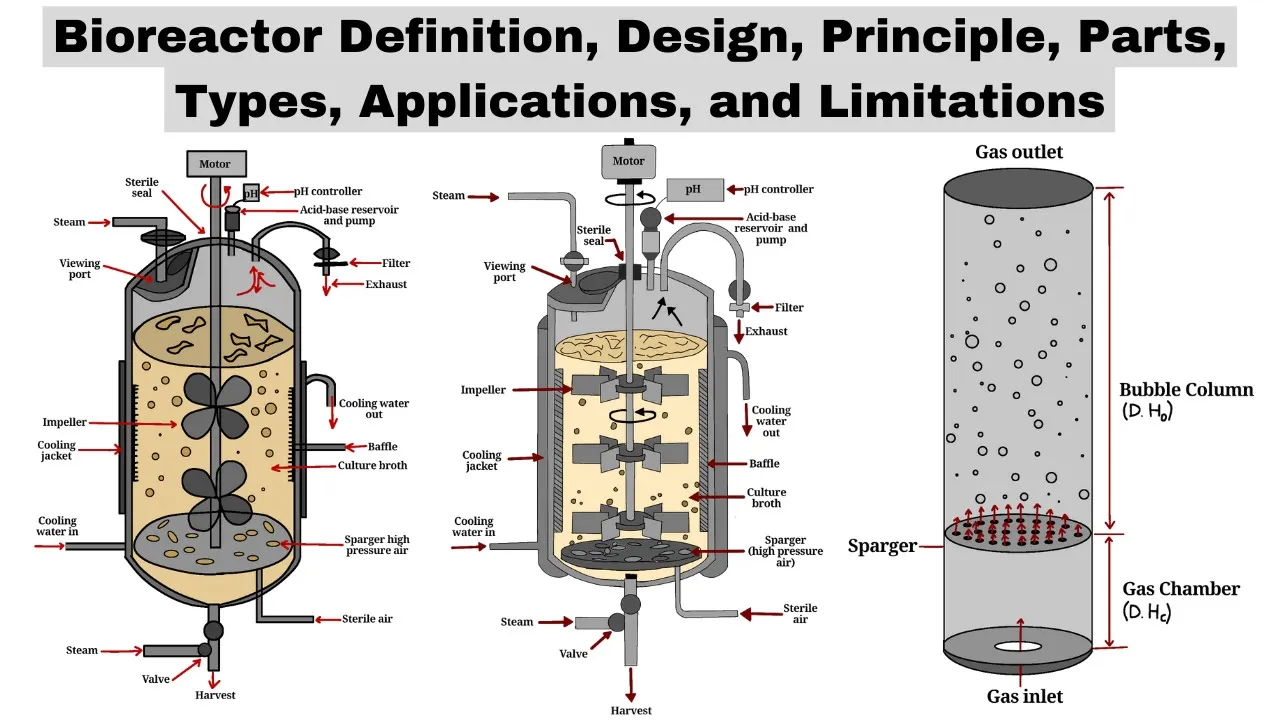
A photobioreactor is a specially designed fermentation machine that receives either natural light from the sun or artificial light. Tubes or flat panels composed of light-receiving devices are constructed of glass or transparent plastic. The medium may be pumped using centrifugal pumps or airlift pumps. Photobioreactors typically run continuously at temperatures between 25 to 40 degrees Celsius. Different types include helical wound tubular loop, flat panel configuration, continuous run tube loop, and multiple parallel tube configurations. They are used for growing micro algae and cyanobacteria for photosynthetic production of compounds such as eicosapentaenoic acid (EPA), astaxanthin, beta carotene.
Click to watch →
Deep Dive
Metabolic engineering techniques used to optimize and upregulate carotenoid biosynthesis pathways in microbial hosts.

Dr Rodrigo Ledesma-Amaro: Synergies between synthetic biology and metabolic engineering
681
Beta-carotene serves as an excellent model for metabolic engineering because it functions as both a visual indicator of pathway activity and a valuable industrial compound with applications in food, cosmetics, and supplements. Yarrowia lipolytica was selected as the host organism because its lipid metabolism shares precursors with carotenoid biosynthesis, potentially enabling high-yield production. The project required introducing three heterologous genes from other organisms to complete the pathway. Surprisingly, lipid-accumulating strains produced more beta-carotene than wild-type strains, contrary to expectations that lipid and carotenoid pathways would compete for shared precursors. This counterintuitive result revealed that beta-carotene localizes within lipid bodies, preventing membrane toxicity and enabling higher accumulation. The case study demonstrates how unexpected biological phenomena can inform better engineering strategies.
Click to watch →

Making Bread Healthier Using Genetic Engineering
701.5K
Beta-carotene serves as a precursor to vitamin A (retinol), which is essential for vision and immune function; deficiency causes blindness and death, while excess causes carotenemia. The biosynthesis pathway converts farnesyl diphosphate (FPP) through four enzymatic steps: CRTe forms geranylgeranyl diphosphate, CRTb creates phytoene, CRTi adds double bonds to form lycopene (bright red), and CRTy curls lycopene into beta-carotene (bright yellow). Carrots appear orange due to combined lycopene and carotene, while tomatoes show bright red from high lycopene and low carotene. This pathway provides a foundation for metabolic engineering approaches to nutrient fortification.
Click to watch →

Interview with Aurélie Bouin, PhD student in metabolic engineering with A*STAR and INRAE.
296
Metabolic engineering optimizes microorganisms as biological factories by rearranging enzyme assembly lines and fusing enzymes to improve production efficiency of valuable molecules like carotenoids (pigments in tomatoes and carrots) and artemisinin (malaria treatment), through international collaboration between French and Singaporean research institutions.
Click to watch →
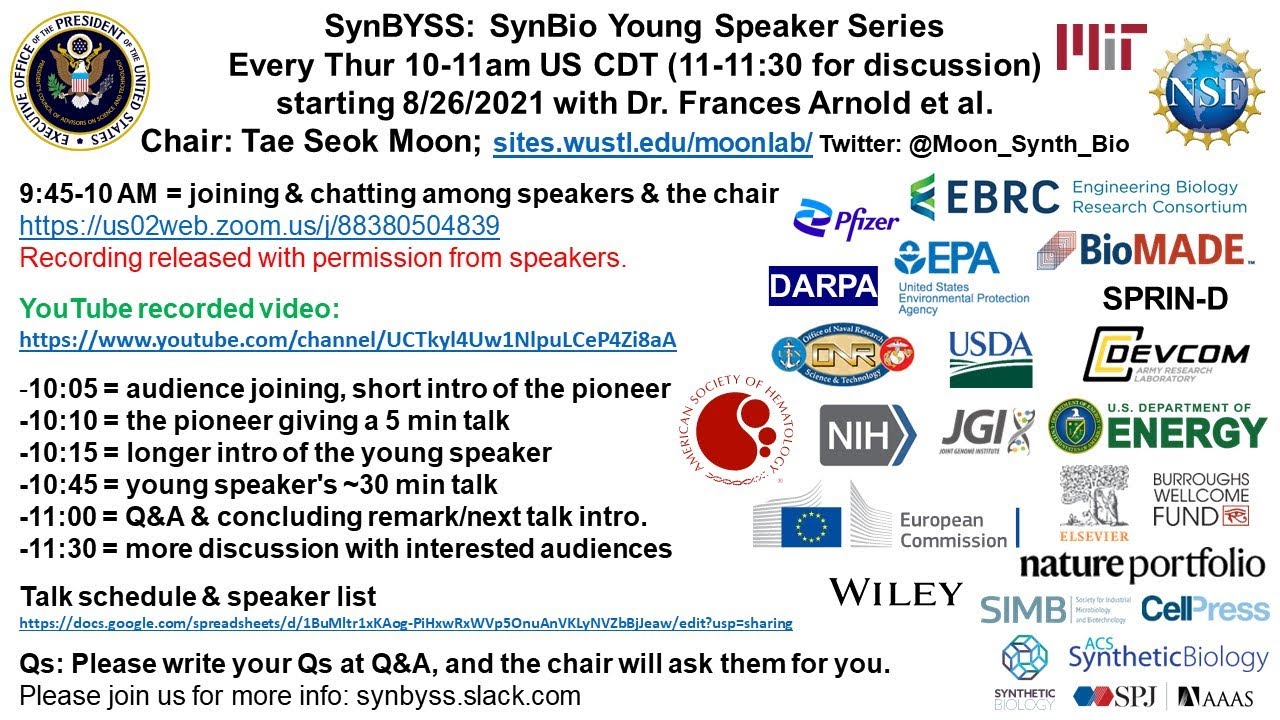
SynBYSS with Prof Eriko Takano at University of Manchester & Prof Dongsoo Yang at Korea University
2.3K
This section presents a comprehensive case study demonstrating the complete workflow from computational prediction to industrial-scale production. Researchers first used literature searches and pathway analysis to rationally select gene targets for knockdown in carotenoid production. When these approaches failed to achieve optimal results, they employed genome-scale sRNA library screening to discover non-obvious regulatory targets. The integration of multiple engineered components—including Type II and Type III PKS systems, cyclases, and glycosyltransferases—enabled first-in-class production of astaxanthin from glucose in E. coli. This case illustrates how combining rational design with unbiased screening accelerates the discovery of optimal metabolic engineering strategies.
Click to watch →
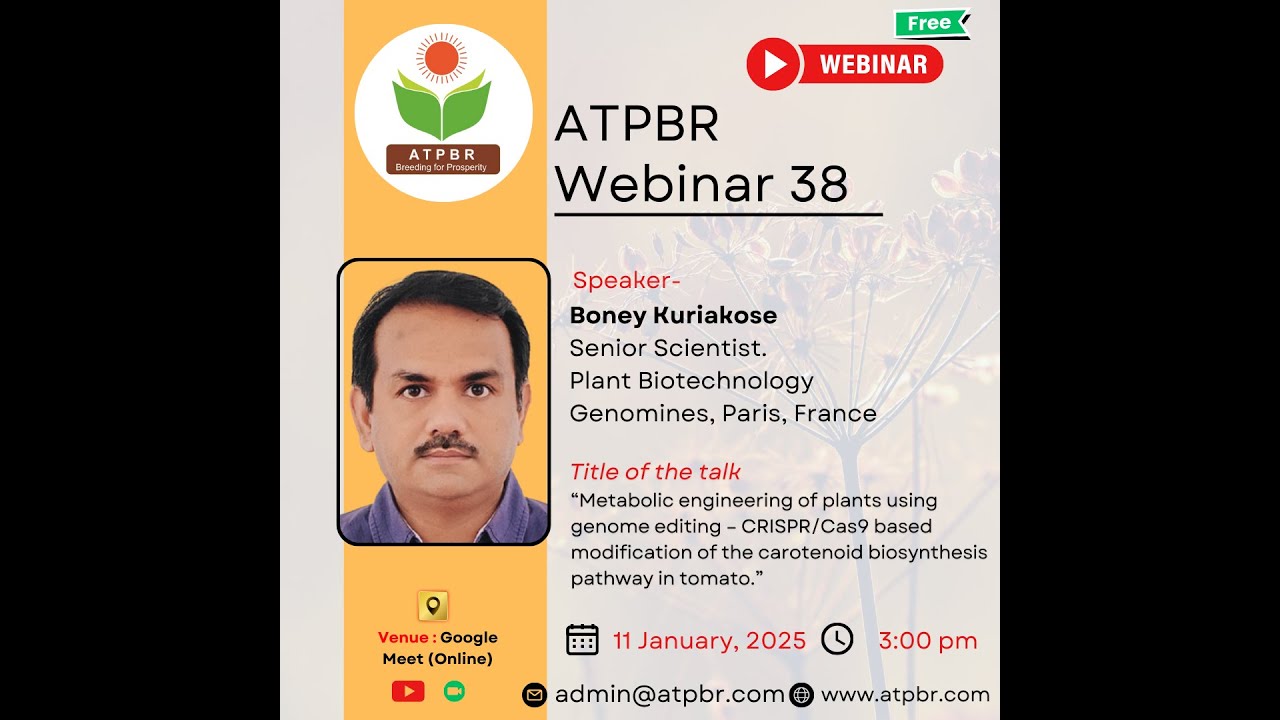
webinar 38
122
This webinar presents CRISPR/Cas9 genome editing technology applied to metabolic engineering of tomato, demonstrating successful knockout and knockdown of the carotenoid isomerase gene to alter fruit coloration from red to tangerine, with the edited trait showing Mendelian inheritance across generations. The study illustrates how CRISPR/Cas9, derived from bacterial immune systems, enables precise gene modifications through double-strand break repair mechanisms, with regulatory classification varying by the type of genetic change (SDN1, SDN2, or SDN3).
Click to watch →
Deep Dive
Downstream processing methods in biotechnology, specifically cell disruption and supercritical fluid extraction of lipophilic compounds.

Lecture 11 Downstream Processing
118
Cell disruption is essential for releasing intracellular products while preserving component integrity. Methods are categorized as mechanical (solid shear and liquid shear) or non-mechanical (physical, chemical, and enzymatic). Physical methods include freezing, high osmotic pressure, and shock. Chemical methods use surface activators, solvents, and antibiotics. Enzymatic methods employ lysosomes. Liquid-liquid extraction exploits differential solubilities in immiscible solvents, requiring non-toxic, selective, inexpensive solvents with high distribution coefficients. Concentration methods include evaporation, membrane filtration, chromatography, and absorption.
Click to watch →

Downstream Processing in Bioprocess Engineering,Cell Disruption & Purification Explained | MooTechie
219
Downstream processing is the critical phase in bioprocessing where valuable products are extracted, purified, and recovered after fermentation, involving cell disruption methods (mechanical: ultrasonication, milling, homogenization; non-mechanical: chemicals, enzymes, osmotic shock) and purification techniques (liquid-liquid extraction, precipitation, adsorption, membrane separation, chromatography, electrophoresis) followed by crystallization and drying, with process selection based on product location, concentration, properties, and purity requirements.
Click to watch →

What is downstream processing used for the purification of fermentation product?
68.3K
Downstream processing is the critical phase in biotechnology that recovers and purifies products from fermentation broth through sequential steps including cell separation (filtration, centrifugation, ultrafiltration), cell disruption (mechanical, chemical, enzymatic), product extraction (liquid-liquid extraction, solvent extraction), concentration, purification (chromatography, crystallization), and final drying to obtain high-purity products suitable for commercial applications.
Click to watch →

Downstream Processing S4 | Concentration Methods - Dr. Deepika Malik - - Learn Microbiology With Me
2.6K
Concentration methods in downstream processing remove water (80-98% in filtrate) to concentrate biological products, with key techniques including liquid-liquid extraction (using immiscible solvents for selective solute transfer), aqueous two-phase extraction (using polymer-salt systems for biocompatible separation of proteins and biopolymers), precipitation (using pH, temperature, or chemical agents to form insoluble complexes), evaporation/distillation (separating components by boiling point differences), and supercritical fluid extraction (using CO2 at critical conditions for mild, environmentally friendly extraction of organic compounds).
Click to watch →

Cell Disruption Methods (physical, chemical, mechanical, enzymatic) ||Notes 😎#downstream processing
22.4K
Cell disruption methods are essential techniques in downstream processing for recovering intracellular products after fermentation, categorized into physical methods (freezing-thawing, osmotic shock, homogenization, ultrasonication, bead milling, and motor-pestle), chemical methods (using detergents and solvents to solubilize membrane components), and enzymatic methods (using specific enzymes like lysozyme, cellulase, and pectinase to break down cell walls), each with distinct advantages and limitations depending on the cell type and product characteristics.
Click to watch →
Deep Dive
The clinical pharmacology, antioxidant mechanisms, and formulation of astaxanthin for nutraceutical and pharmaceutical applications.

Gurucheck Academy EP.16 Astaxanthin อาหารเสริมลดริ้วรอย-ต้านอนุมูลอิสระ-ดูแลสุขภาพ เลือกยี่ห้อไหนดี?
79.1K
Astaxanthin is a powerful antioxidant 6,000 times more effective than Vitamin C at neutralizing free radicals from pollution and UV radiation. It works through four mechanisms: antioxidant activity stimulating endogenous enzymes like SOD, anti-inflammatory effects reducing skin inflammation, UV protection increasing skin tolerance, and MMP inhibition preserving collagen and elastin. Effective supplementation requires 6mg or higher doses, with 12mg providing enhanced benefits. Astaxanthin requires dietary fat for absorption, so products with edible oils are preferred. Products are categorized into single-ingredient, combined whitening formulas, and anti-aging formulations. Selection criteria include dosage, absorption enhancers, and additional ingredients. Anti-aging formulas combine astaxanthin with coenzyme Q10, Vitamin E, and other anti-aging ingredients. Sun protection formulations, even at 2mg doses, can outperform higher doses at reducing UV-induced inflammation.
Click to watch →
Astaxantina e le sue proprietà benefiche
16.8K
Astaxanthin is a carotenoid xanthophyll with 500 times greater antioxidant potency than vitamin E. It provides red-orange color to fish and crustaceans. The molecule has 40 carbons, 11 conjugated double bonds, and exists in three isomers, with the natural trans3s form being most important. It accumulates in Haematococcus pluvialis microalgae during stress, reaching 4% of dry biomass. Natural astaxanthin is preferred over synthetic versions due to superior pharmacological activity. It absorbs passively in the intestine with high-fat foods and is transported via lipoproteins. Mechanisms include NF-kB reduction, STAT3 interference, and Nrf2 pathway modulation. Preclinical studies show benefits in cancer, neurodegenerative diseases, cardiovascular health, and skin protection.
Click to watch →
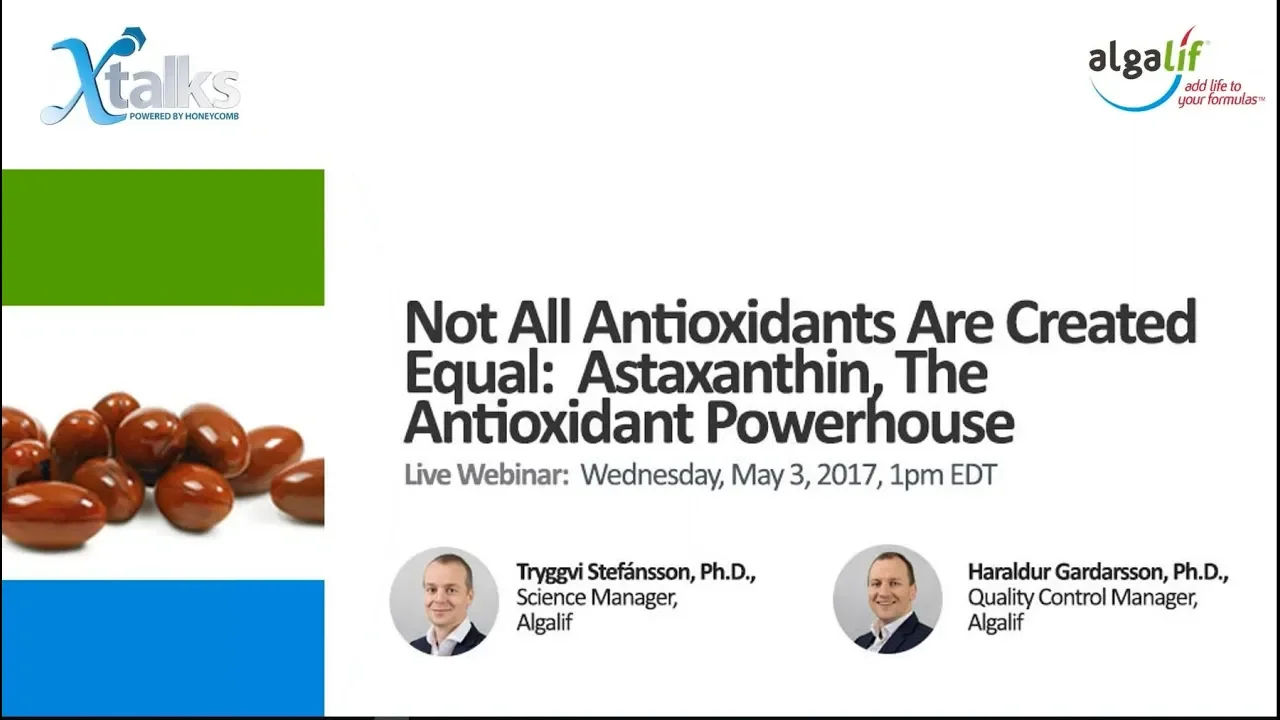
Webinar: Not all Antioxidants are Created Equal: Astaxanthin, the Antioxidant Powerhouse
3.6K
Over 50 human clinical studies support astaxanthin's health benefits, with 93% using natural astaxanthin from Haematococcus pluvialis. Key applications include: reducing oxidative stress and enhancing immunity in healthy individuals; improving cardiovascular health by preventing lipid oxidation and supporting lipid profiles; enhancing skin health through improved elasticity, moisture, and reduced wrinkles; supporting cognitive function in seniors; and accelerating exercise recovery by reducing muscle damage markers. Astaxanthin is versatile for formulation in soft gels, hard gels, tablets, topical cosmetics, and functional beverages.
Click to watch →

Dr Lange & Dr Karen Hecht discuss how astaxanthin supports eyes, brain, muscles, skin & much more
631
Astaxanthin represents the most potent antioxidant and anti-inflammatory nutrient available, uniquely crossing both the blood-retinal and blood-brain barriers. Unlike other carotenoids found in common foods, it is not present in any fruits or vegetables humans consume—it is found only in red-colored seafood like wild Alaskan salmon. To obtain 6mg daily through diet would require 12 fillets of salmon daily, making supplementation necessary. The supplement form comes from naturally occurring algae grown in Washington state. Laboratory studies demonstrate neuroprotective effects, with 90% neuronal survival compared to 64% without treatment. Clinical trials show 7% improvement in working memory and faster reaction times. It supports mitochondrial health and promotes fat utilization over carbohydrates, producing six times more ATP per gram. Free radicals serve critical physiological functions including immune defense, and astaxanthin improves macrophage function rather than inhibiting it. Pre-clinical studies demonstrate synergistic effects on neurogenesis, with exercise alone increasing new neurons by 60%, astaxanthin alone also by 60%, but together producing 130% increase. Most cardiovascular and cognitive benefits appear at 12mg daily, taken with meals for optimal absorption.
Click to watch →

Астаксантин- самый мощный антиоксидант: кожа, нервы, глаза, сосуды и иммунитет. Самый полный обзор.
318.7K
Astaxanthin is a carotenoid with antioxidant activity 10 times greater than vitamins C, E, and other carotenoids. Its unique amphiphilic structure allows it to act across cell membranes. Natural sources include Haematococcus pluvialis microalgae (the only approved supplement source) and salmon/krill. The molecule exists as stereoisomers (3R, 3'R, 3R,3'R), with 3R,3'R being most biologically active. Bioavailability ranges from 10-50%, enhanced by fat consumption.
Click to watch →
Classification
Morphology
Application
Classification
0:14- 1
Details taxonomic hierarchy from phylum to species.
- 2
Uses genome skimming to show genetic relationships.
- 3
Distinguishes species from other green algae.
The Heterotrophic Production Challenge to Haematococcus pluvialis Dominance
While Haematococcus pluvialis is widely recognized as the premier natural source of astaxanthin, its commercial exploitation faces severe biological and economic bottlenecks. Critics in the biotechnology sector highlight that H. pluvialis has a very slow growth rate, a complex and fragile two-stage life cycle, high susceptibility to contamination, and energy-intensive light requirements. These factors make large-scale outdoor or photobioreactor cultivation costly and inconsistent. Consequently, an alternative perspective advocates for the use of genetically engineered heterotrophic platforms—such as the yeasts Yarrowia lipolytica and Saccharomyces cerevisiae, or the bacterium Escherichia coli—as well as more robust alternative microalgae like Chromochloris zofingiensis. These engineered hosts can be grown rapidly on cheap organic carbon sources in closed fermenters without light, achieving higher cell densities and highly consistent yields. This bio-engineering approach directly challenges the paradigm that H. pluvialis is the most viable or sustainable future source of astaxanthin for industrial and nutraceutical applications.
Basic eukaryotic cell biology and the distinguishing characteristics of green algae (Chlorophyta).
The concept of biological life cycles, specifically cellular encystment and stress-induced morphological changes in microalgae.
Fundamentals of biological taxonomy, cladistics, and how phylogenetic trees are constructed and interpreted.
An introduction to organic biochemistry, focusing on photosynthetic pigments and the general structure and function of carotenoids.
Industrial scale-up of microalgae cultivation, including photobioreactor design and two-stage cultivation strategies for pigment induction.
Metabolic engineering techniques used to optimize and upregulate carotenoid biosynthesis pathways in microbial hosts.
Downstream processing methods in biotechnology, specifically cell disruption and supercritical fluid extraction of lipophilic compounds.
The clinical pharmacology, antioxidant mechanisms, and formulation of astaxanthin for nutraceutical and pharmaceutical applications.
1.4K views12likes4:28@patrickpenalesOriginal Release: 2022-06-03
good day everyone for this presentation i will be reporting about the green algae in mata cocos pluviales for the outline for today's presentation i will start off by discussing the hierarchical classification and phylogeny beside species followed by its illustration or morphology and lastly are the things that are quite interesting about hematococcus pluvialis of course before we proceed to the description of the algae it is first important to know its hierarchical classification hematococialis belongs to the phytochlorophyta the class chloroficia the order the genus hematococcus and species pluvialis in a paper by lynn at al in 2017 a genome skimming method was used to deduce the complete specific rrna repeated sequences as a nuclear marker which is used as a molecular tool to reveal the relationships between green algae highlighted in black the results showed that gorilla ellipsoida is closely related to myoclinium racery while hematococcus prudialis is closely related to chlamydomonas sp in contrast the freshwater macroalgae agricopila linnae was shown to be phylogenetically distinct from chlorella ellipsoidal hematococialis and other green algal species tested in the study for the prescription and morphology hematococialis is a freshwater unicellular green algae that is microscopic and can produce their own food through photosynthesis it is ubiquitous as it is widely distributed in many habitats worldwide it is also able to form cysts which allows the species to well suited for survival under extreme conditions such as radiation temperature and salt concentrations compared to other algal species each pluvialis has a rather complex life cycle which consists of four distinguishable cellular morphologies the macrozoids microzoids palmella and hematosis or aplanospores macrozoids predominate under favorable culture conditions in the early vegetative growth stage they are spherical ellipsoidal or pure-shaped by flagellate cells presenting a characteristic gelatinous extracellular matrix under unfavorable conditions cells start to lose their flagella and expand their size developing into non-motile palmella however when stretch conditions prevail palmela transform to a sexual appliance force and become resistant to extremely harsh environments as seen in the figures mature appliance pores are red in color because they accumulate large amounts of secondary carotenoids which will be discussed in the next slide each fluvialis is an interesting species as it is a promising microorganism that now showed potential to be a nutraceutical for human health because of the ability to produce astaxanthin which is used as a coloring agent for aquaculture as a protection for the skin against uv-induced damage for tumor therapies and for prevention of neural damage associated with age-related degeneration age pluvialis has developed into an organism that can be cultivated on an industrial scale in addition h pluvialis can also generate chlorophylls a and b and primary carotenoids compounds namely neosensine violextin zeaxanthin letharian and beta-keratin which suggest their great development and commercialization and that ends my report about himatocos luviales thank you for listening
Up Next
6:30
How to Count Cells Using a Hemocytometer | Protocol & Calculations
@NCBioNetwork
1.5M views•2012-07-31

50:12
Bacterial Communication: Quorum Sensing and Biofilm Formation Explained
@JHUAAP
12.6K views•2011-06-28

5:35
Enteric Nervous System Explained: The Gut's Brain | Neurobiology Lecture
@alumniu6029
438 views•2018-09-12
7:08
Bacteriophages: Earth's Deadliest Killers and Future Antibiotics
@kurzgesagt
34.6M views•2018-05-13
Related Study Plans & Knowledge Roadmaps
Structured learning paths in Biology
biology
RNAi: Biogenesis, RISC & Gene Silencing
01Molecular Biology Foundations: DNA to Protein
02Introduction to RNA Interference (RNAi)
03Molecular Biogenesis of miRNA and siRNA
+ 2 more learning modules
10h5 modules
Explore Roadmap
biology
Mycorrhizae: Signaling, Biophysics & Ecology
01Foundations of Mycorrhizal Symbiosis
02Molecular Signaling and Root Colonization
03Biophysics and Bioenergetics of Nutrient Exchange
+ 1 more learning modules
11h4 modules
Explore Roadmap
biology
Circadian Clocks: TTFL, SCN & Periphery
01Foundations of Molecular Biology & Gene Expression
02Introduction to Chronobiology and Actograms
03The Core TTFL: Molecular Architecture of the Clock
+ 3 more learning modules
14h6 modules
Explore Roadmap
biology
Population Genetics: Math, Drift & Selection
01Genetic & Probability Foundations
02The Hardy-Weinberg Principle and Baseline Models
03Mathematical Modeling of Natural Selection
+ 3 more learning modules
18h6 modules
Explore Roadmap