







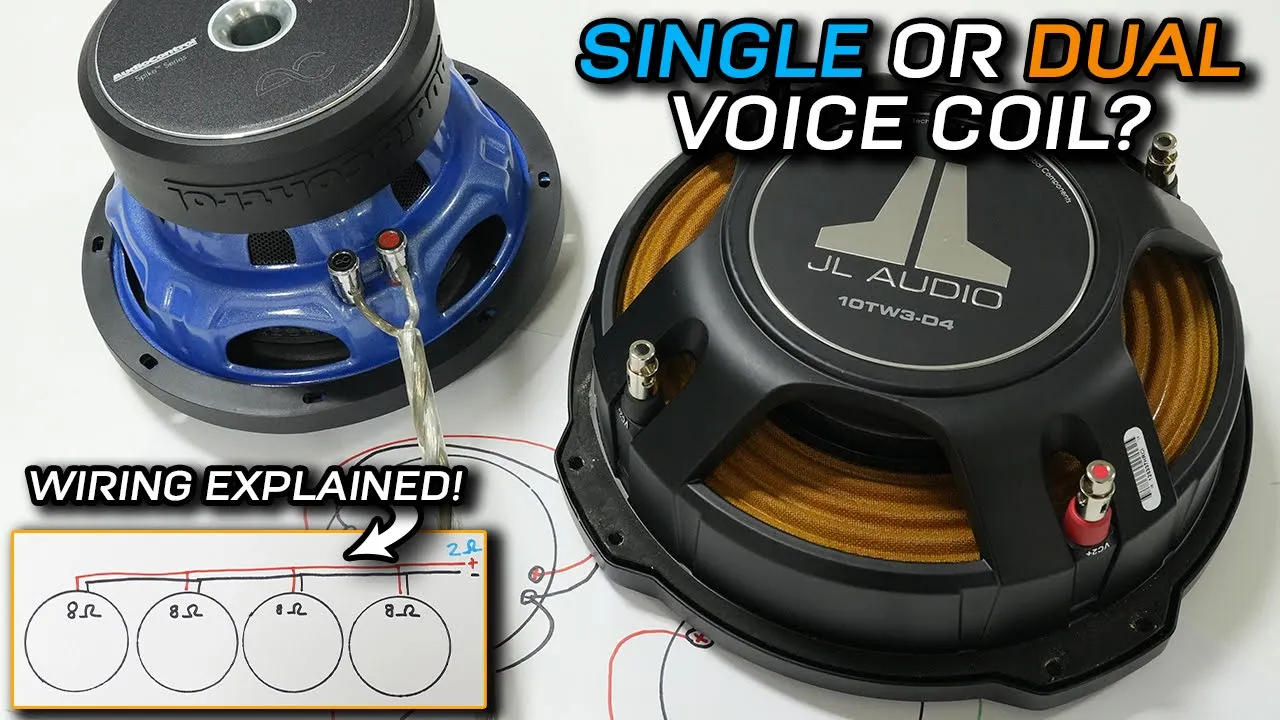








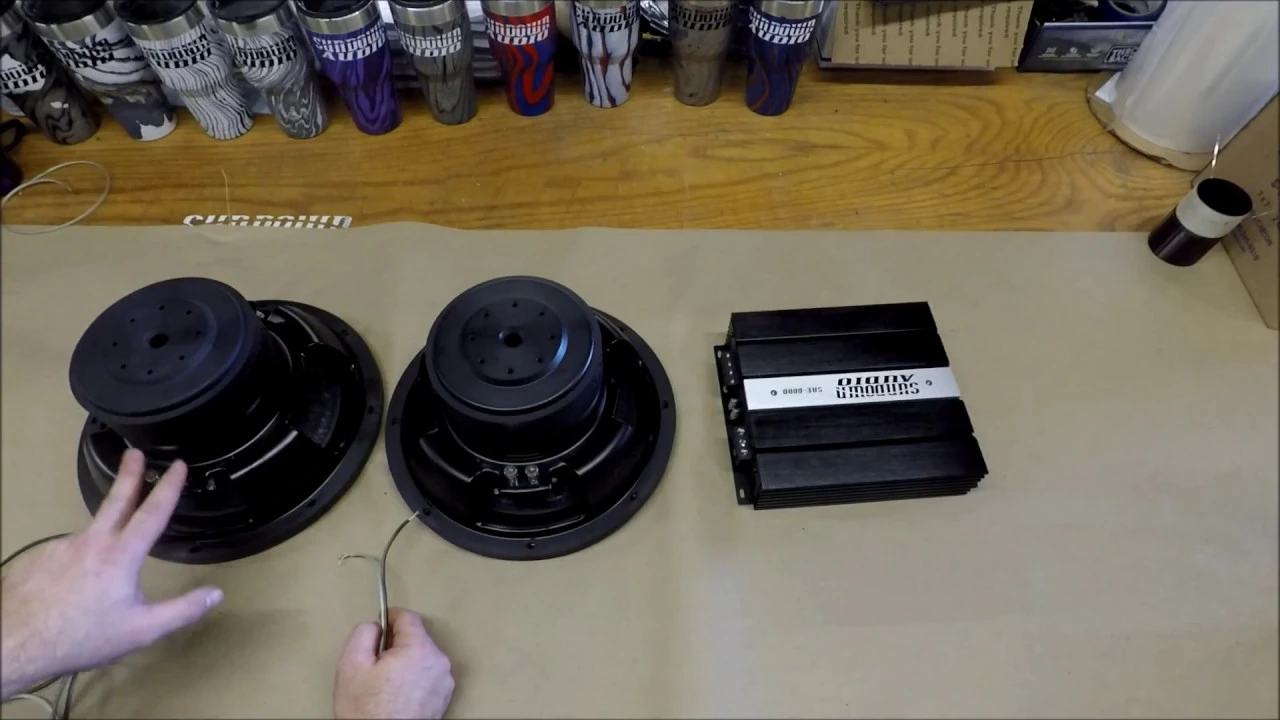


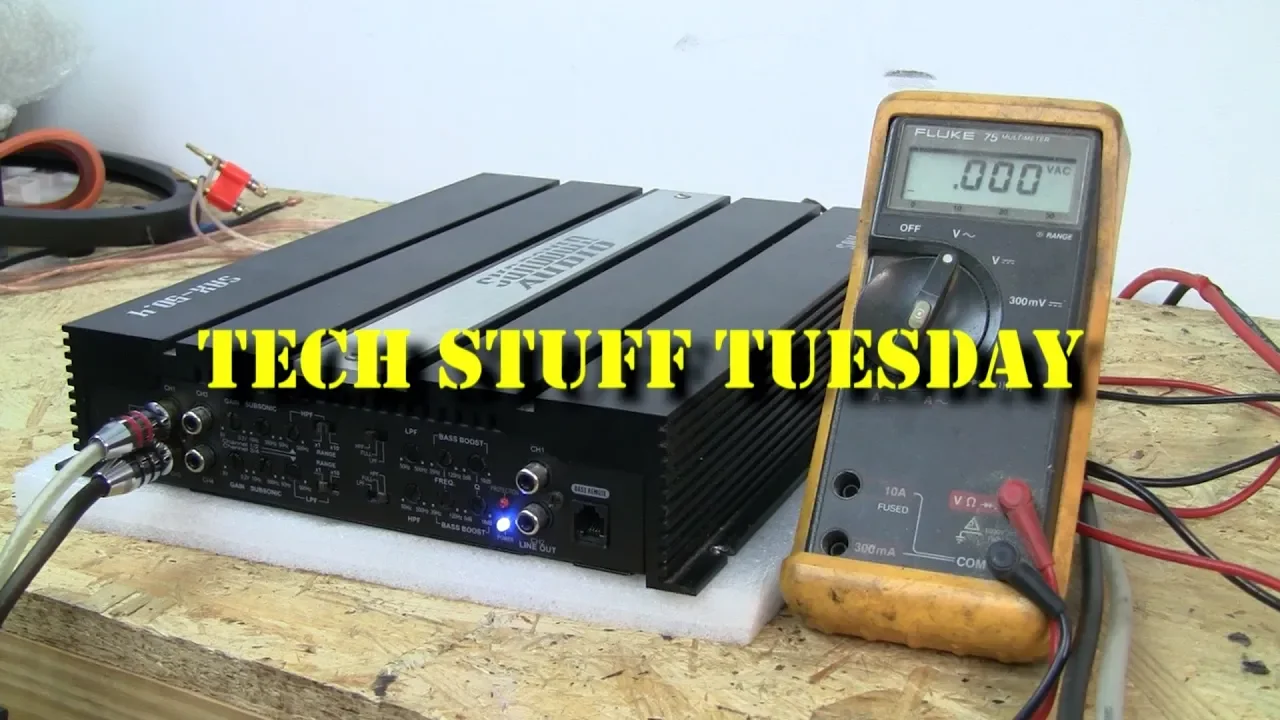




To wire two single 4 ohm subwoofers in parallel for a 2 ohm final impedance, connect all positive terminals together and all negative terminals together, then verify the final impedance using a multimeter set to the ohms setting; ensure the subwoofer is placed on a flat surface facing upward during measurement to avoid false readings caused by physical contact or breath affecting the impedance.
Wiring Two 4-Ohm Subwoofers to 2-Ohm Load: Parallel Method
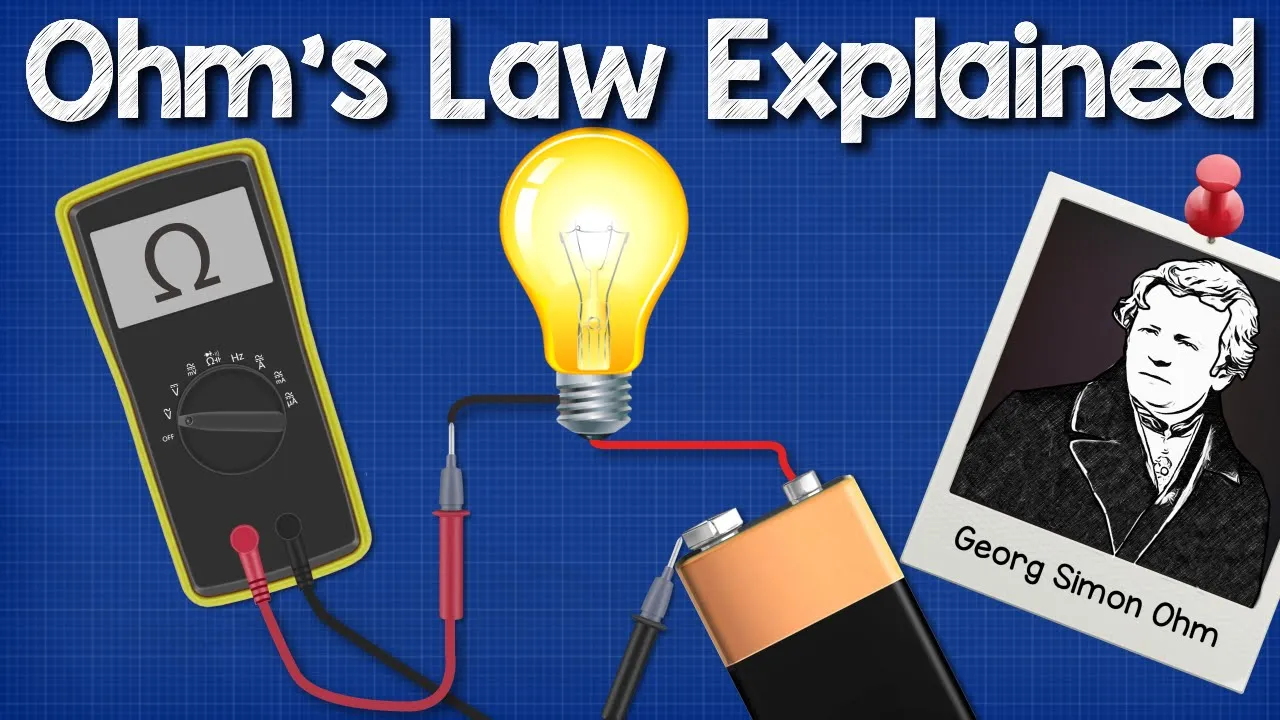
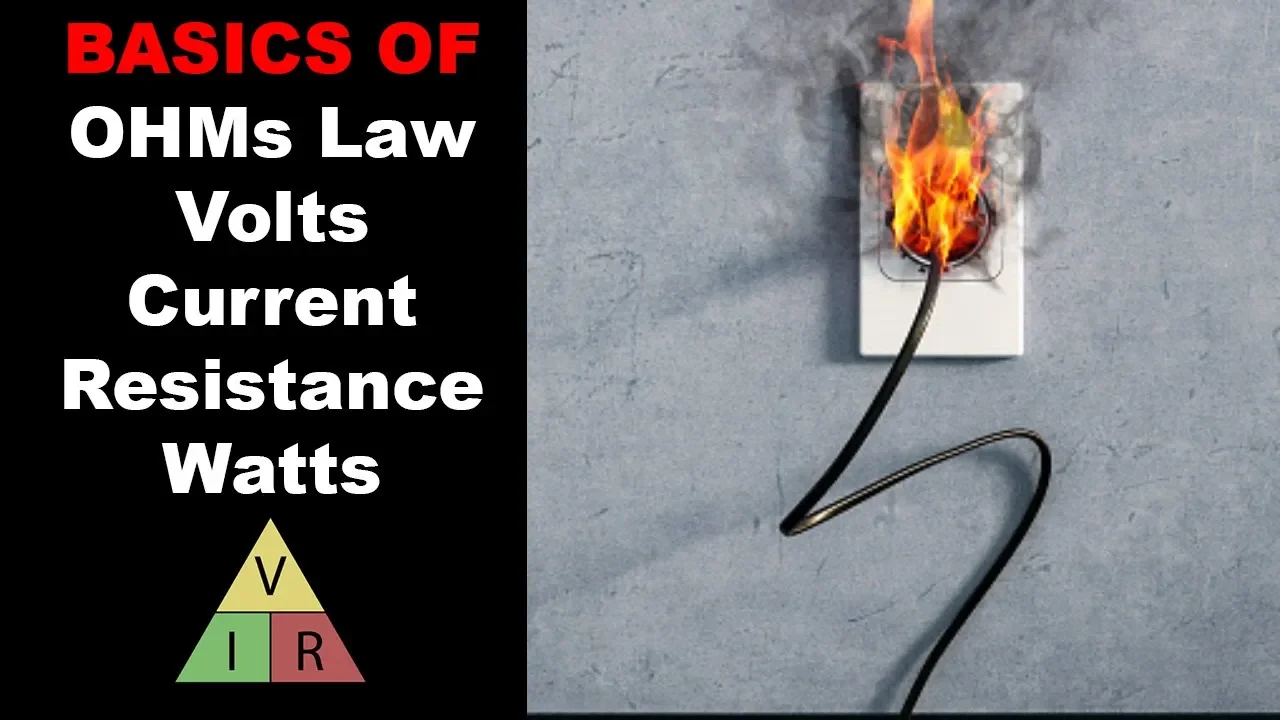
Added:Understanding basic electrical concepts, specifically Ohm's Law and how voltage, current, and resistance interact.
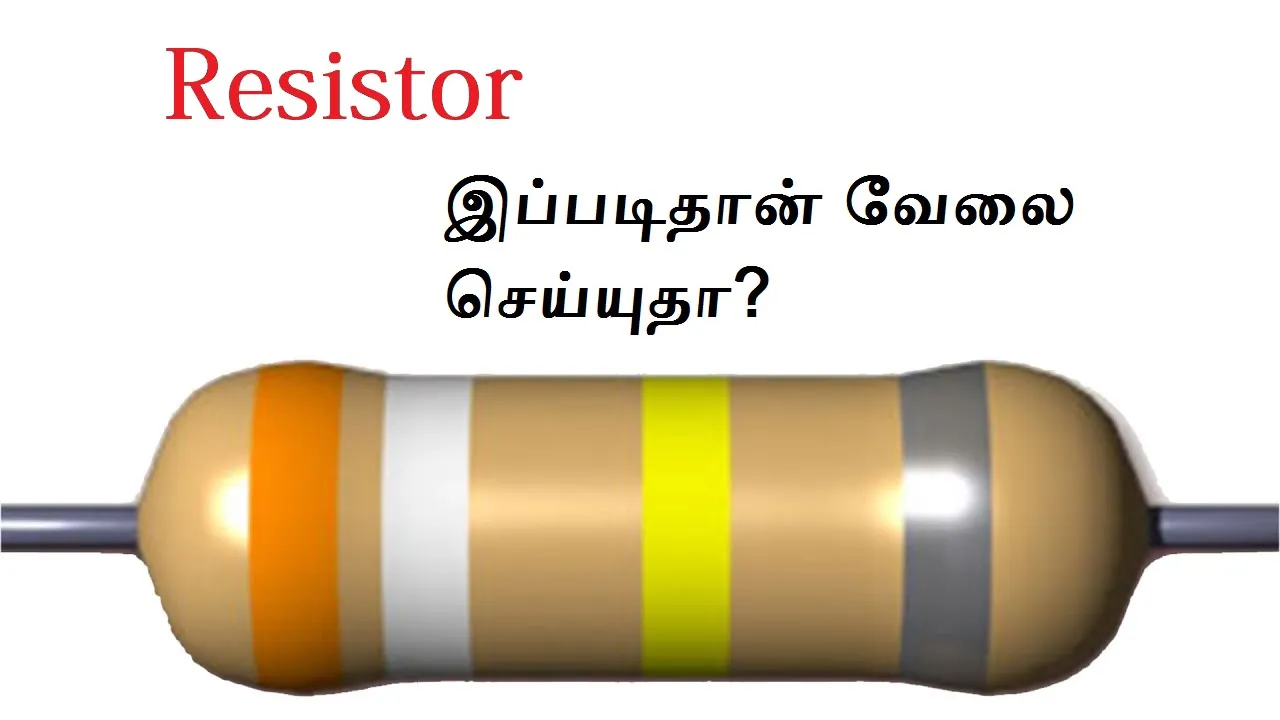
Concept of speaker impedance (measured in Ohms) and how it represents electrical resistance to an audio signal.
The mathematical difference between series and parallel circuits, particularly how total resistance is calculated in parallel.
Basic identification of subwoofer terminal polarity (positive/negative) and the distinction between Single Voice Coil (SVC) and Dual Voice Coil (DVC) speakers.
Matching final speaker load impedance to amplifier specifications (RMS power ratings at 2-Ohms) to ensure system stability and prevent overheating.
Exploring alternative wiring configurations, such as series wiring, and understanding how it results in an 8-Ohm load.
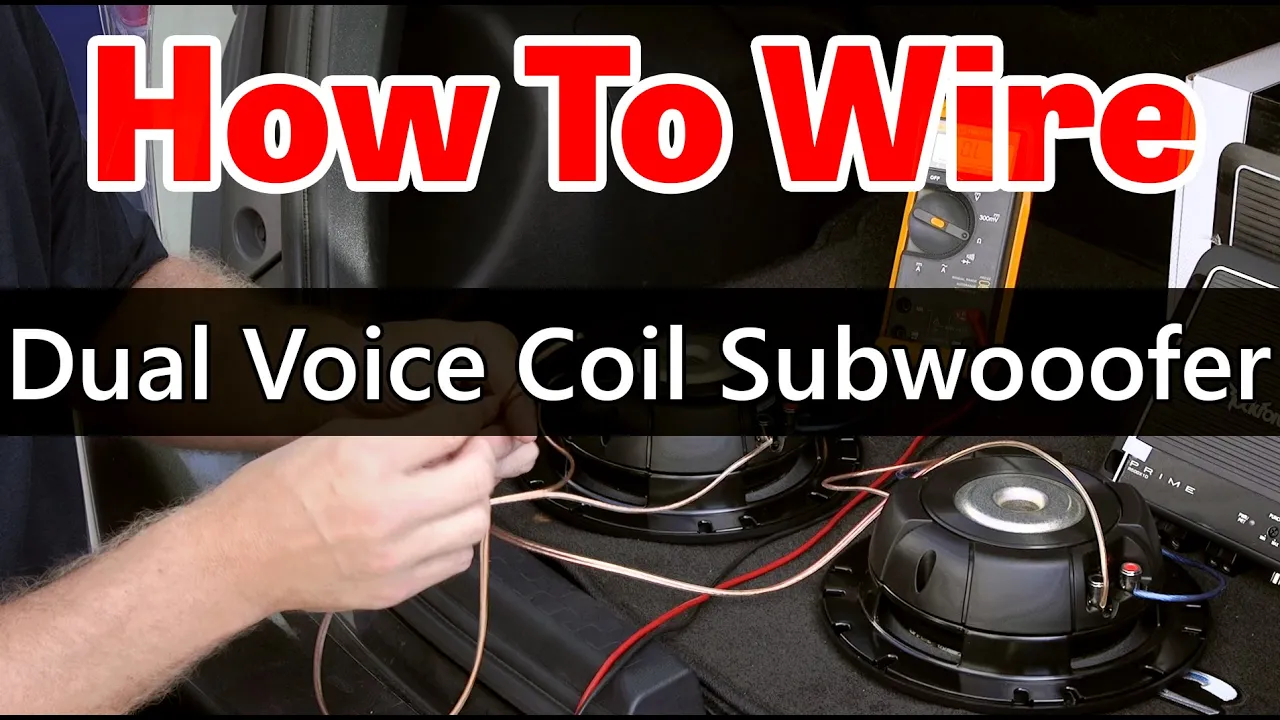
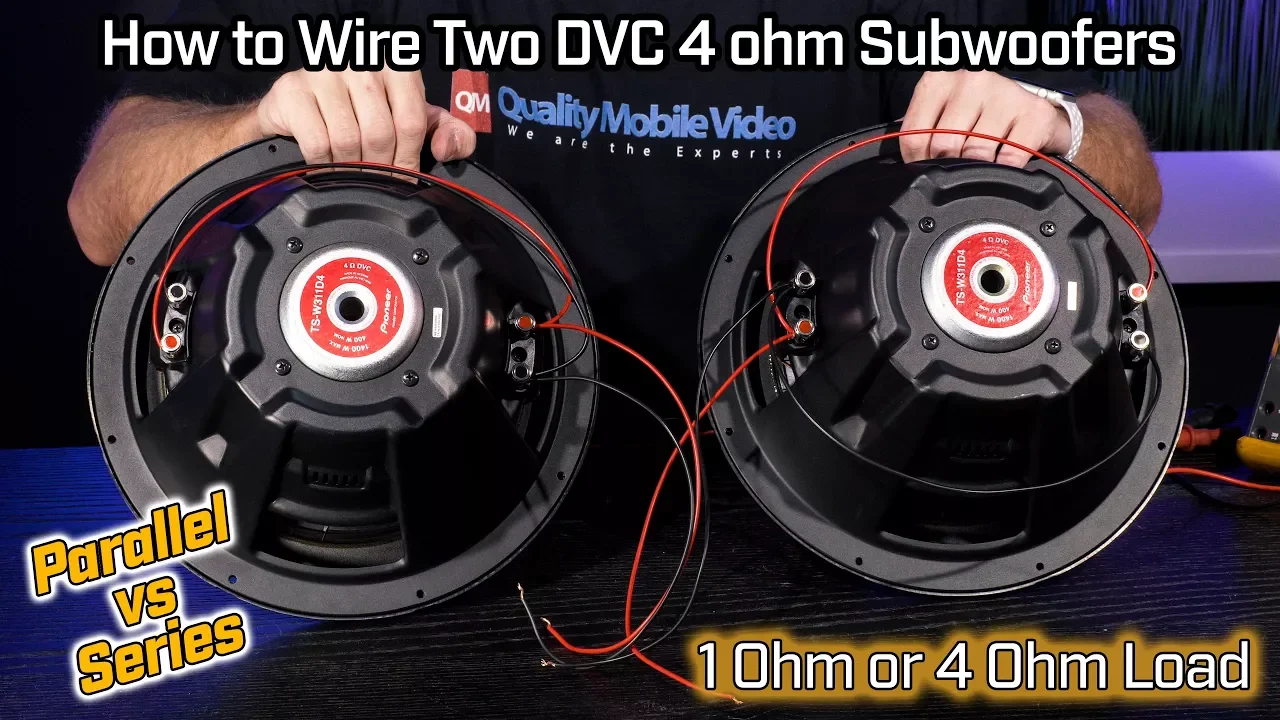
Advanced wiring configurations involving multiple Dual Voice Coil (DVC) subwoofers to achieve different target impedances (e.g., 1-Ohm or 4-Ohm).
Setting amplifier gain and crossover frequencies using a digital multimeter or oscilloscope to prevent audio clipping and protect the subwoofers.
529.4K views3.2Klikes2:43Original Release: 2013-06-17
- Hey, guys, this is Brent with Sonic Electronix and today we're gonna be showing you how to wire these two single four-ohm subs in parallel to a two-ohm final impedance.
All right, guys, so here we have the JL W3 single four-ohm subwoofer.
Now one way to determine that it is a single voice coil is by taking a look at the basket.
And we'll notice that we only have one set of terminals, a positive and a negative.
Look at the other side of the basket, it's not a dual coil so there's not gonna be another set of terminals.
So prior to wiring your woofers, you want to double check the impedance just to verify you did get the correct one out of the box.
In order to do so, we want to go ahead and set our meter to the ohm setting, take our two test leads and attach it to the terminals of the subwoofer.
Now it does not matter if you mix up positive or negative, it's just reading the resistance value of the woofer.
So we're gonna go ahead and attach our test leads here.
Now, once you're testing the woofer's impedance with the multimeter, you want to make sure that the woofer is facing up towards the sky because if we touch it, or even breathe on it, it's gonna fluctuate the impedance on the meter and it's gonna give you a false reading.
So we want to make sure it's on a flat surface and we notice here we've got three point seven ohms and that may fluctuate above or below the four-ohm reading.
As long as it's right in that area, we're golden.
All right, so in order to wire two single four-ohm subs in parallel to equal a two-ohm final load, what we need to do to start off, which is basically jumping all positives together and all negatives together, in parallel.
So I'm gonna go ahead and take some of our speaker wire here and today I'm using blue as positive and gray as negative.
So I'm gonna go ahead and attack blue to our first positive terminal, gray to our second negative terminal, we're gonna go ahead and bring this around to our secondary woofer, and I have another jumper here.
Now this wire's gonna be going to your box terminal on the inside of the enclosure, from the box terminal to the outputs of your model block amplifier.
So when parallel we're just gonna go ahead and join both positives together and both negatives together, and attach that to the last set of terminals that we have left over.
All right, guys, so once we've successfully wired our two single four-ohm subs in parallel to equal a two-ohm final impedance, we want to verify that with our digital multimeter.
So we're gonna go ahead and set that to the ohms setting, take our two test leads here with our wire that's gonna be going to the box terminal on the inside of your enclosure.
We're gonna go ahead and measure the impedance.
Now it should equal two ohms.
It may fluctuate above the two-ohm reading or right below the two-ohm reading, as long as it stays constant we know we got a final impedance of two ohms.
So once again, this is how we wire two single four-ohm subs in parallel to equal a two-ohm final load.
And once again this is Brent with Sonic Electronix, your source for everything car audio.
Up Next

91:37
Optimizing Home Theater Acoustics: Subwoofer Setup & Room Treatment
@Avrant
1K views•2021-01-22

12:54
Triumph of Orthodoxy Icon: Byzantine Art & History Explained
@BenCallan
2.1K views•2024-08-06

9:49
FastAPI vs Flask vs Django: Choosing the Right Python Web Framework
@TechWithTim
302.5K views•2024-05-26

1:42
Game of Thrones Opening Credits: A Cinematic Analysis
@gameofthrones
46.3M views•2011-04-18
Related Study Plans & Knowledge Roadmaps
Structured learning paths in General & Interdisciplinary Studies
general-studies
Elevator Engineering: History, Physics & Cities
01From Hoists to Safety Brakes: The Dawn of Vertical Lift
02Hydraulic vs. Traction: The Engineering Physics of Elevators
03Modern Speed, Safety, and Algorithms
+ 2 more learning modules
12h5 modules
Explore Roadmap
general-studies
Rubber: Material Science, History & Geopolitics
01Origins of Natural Rubber & Mesoamerican History
02The Chemistry of Natural Rubber & Vulcanization
03The Geopolitics of the Rubber Boom & Colonization
+ 2 more learning modules
12h5 modules
Explore Roadmap
general-studies
Containerization: Evolution, Logistics & Trade
01Ancient Trade & Bulk Cargo: Amphorae to Barrels
02The Industrial Revolution & Cardboard Packaging
03The Containerization Revolution: Malcom McLean
+ 2 more learning modules
12h5 modules
Explore Roadmap
general-studies
Textile Tech: Evolution, Labor & Global Impact
01Pre-Industrial Textiles: Handloom & Cottage Industry
02Mechanization: The Spinning Jenny to the Power Loom
03The Factory System & Global Labor Transformation
+ 2 more learning modules
10h5 modules
Explore Roadmap