







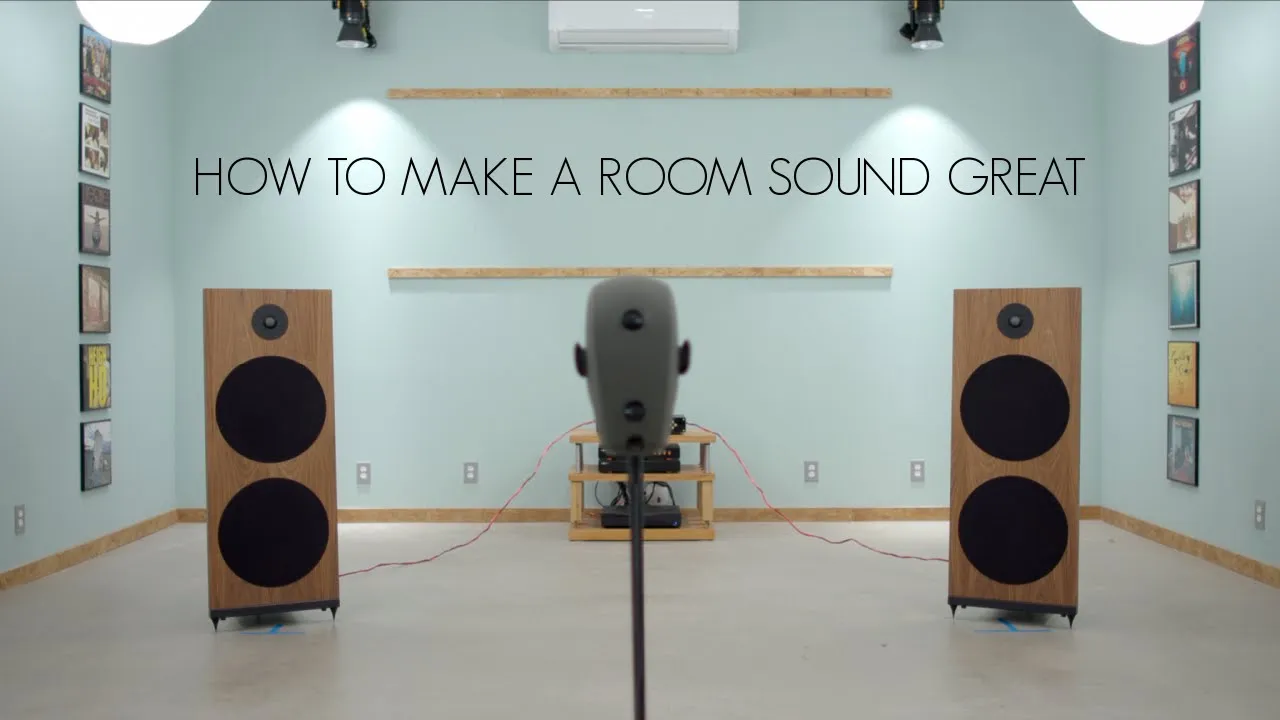







Effective room acoustic treatment prioritizes the back wall behind the listening position as the highest priority, requiring thick absorption panels (4 inches of insulation with 1.5-inch air gap), followed by treating first reflection points on side walls using mirror techniques to identify where sound reflects off walls toward the listener. For speaker placement, surrounds and Atmos speakers should be pointed directly at each other rather than at the listener, with the tweeter positioned 1-1.5 feet higher than seated ear height to ensure clear line of sight across all listeners.
Optimizing Home Theater Acoustics: Subwoofer Setup & Room Treatment
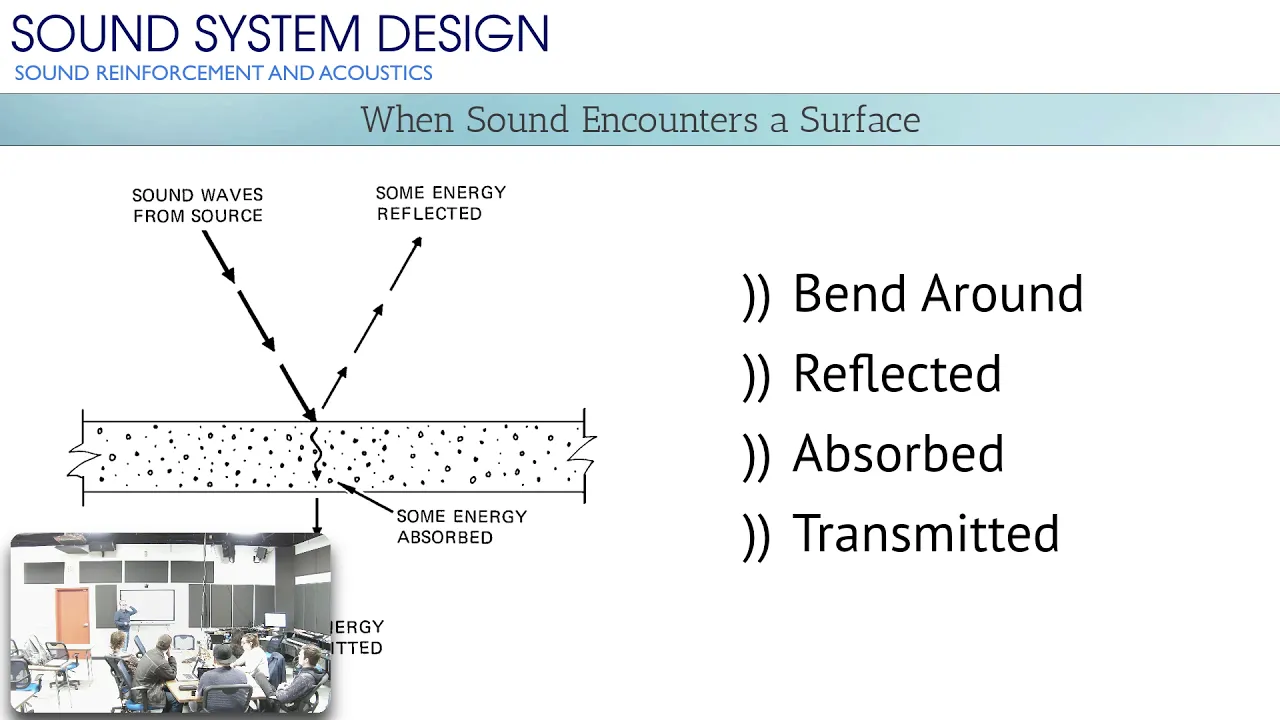
Added:Fundamental wave acoustics, including concepts of frequency, wavelength, phase, and how sound waves reflect, absorb, and diffuse in a space.
Understanding the audio frequency spectrum, specifically the distinction between low-frequency bass (LFE channel) and mid-to-high frequencies.
Basic knowledge of home theater components, specifically the roles of an AV Receiver (AVR), passive/active speakers, and active subwoofers.
The concept of crossover frequency and how low-frequency management redirects bass from main speakers to the subwoofer.
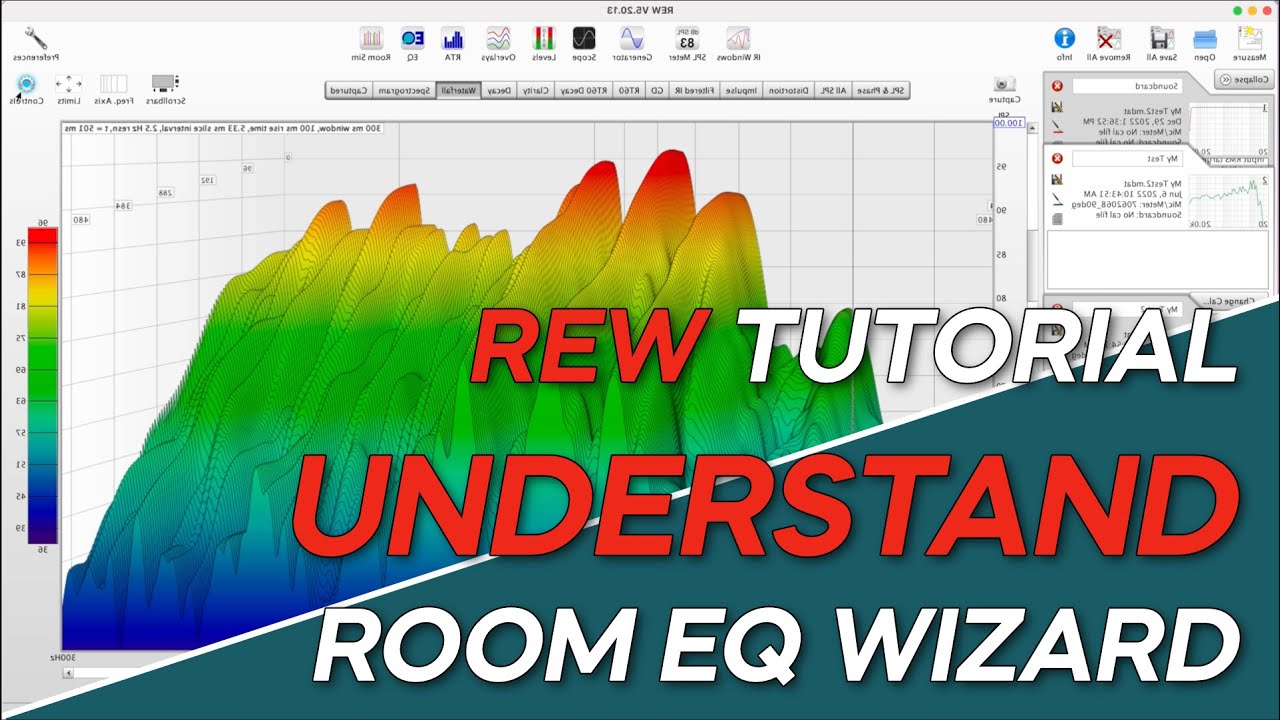
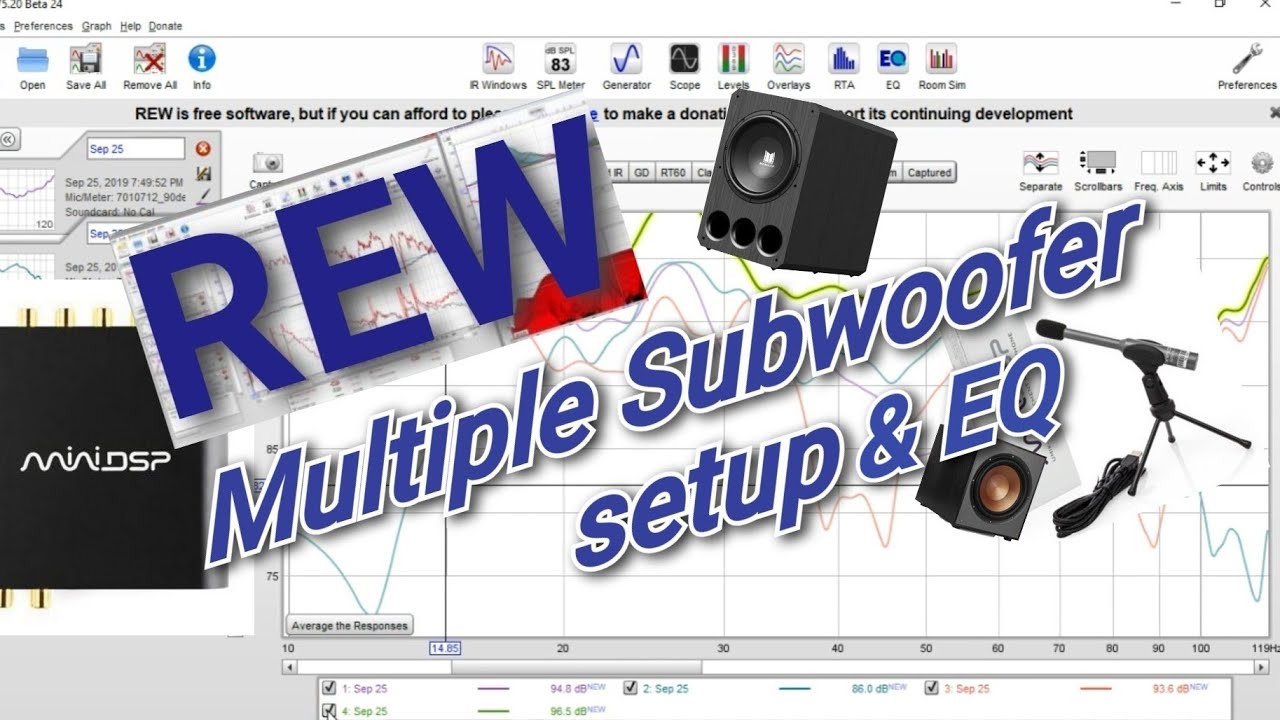
Using acoustic measurement software (such as Room EQ Wizard - REW) and calibrated microphones to analyze room frequency response and decay times.
Implementing multi-subwoofer integration strategies and DSP (Digital Signal Processing) tools, like miniDSP, to eliminate localized bass nulls.
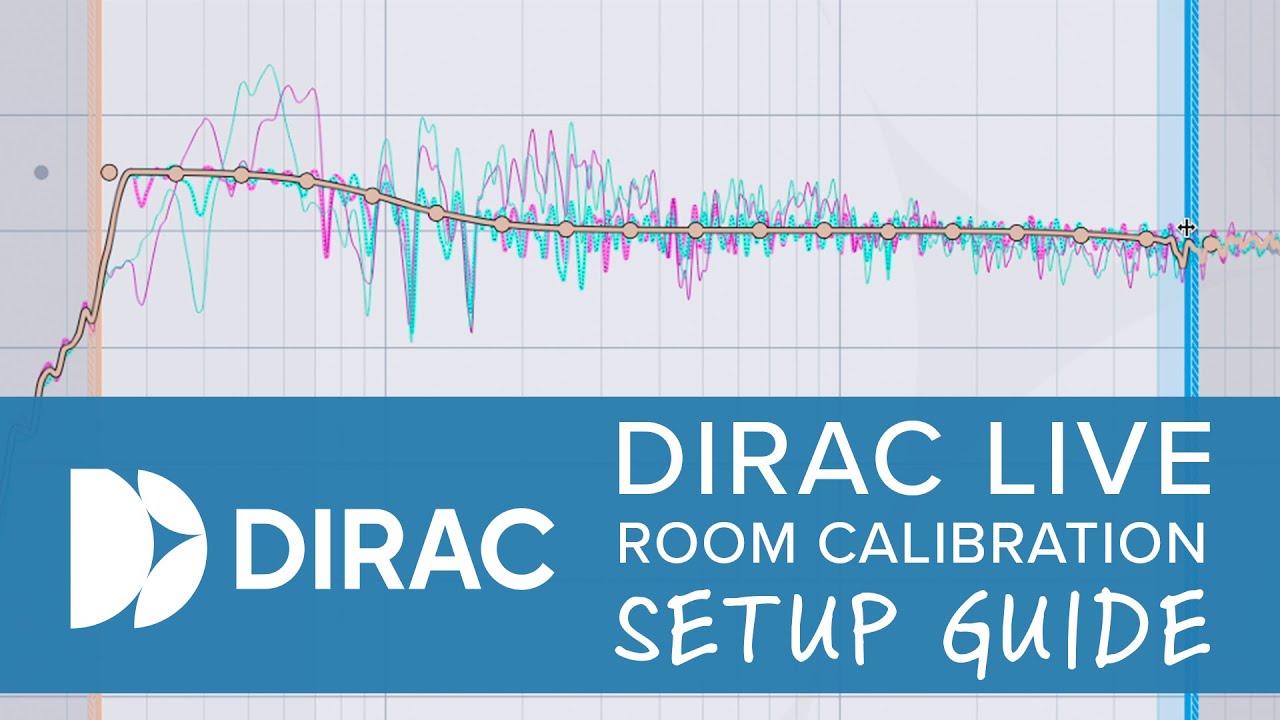
Advanced calibration protocols using high-end room correction suites like Dirac Live, Audyssey MultEQ XT32, or Trinnov Optimizer.
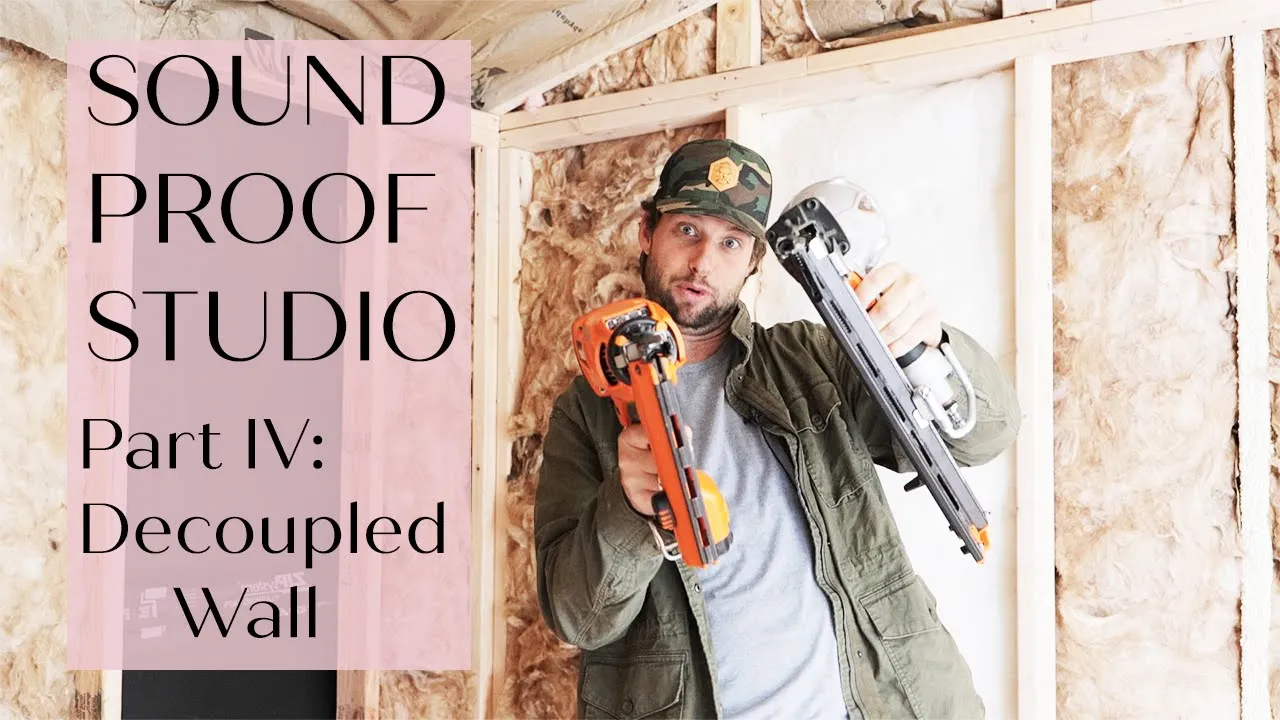
Architectural acoustics and soundproofing techniques, such as decoupling walls, installing resilient channels, and mass-loaded vinyl for sound isolation.
1K views28likes1:31:37Original Release: 2021-01-22
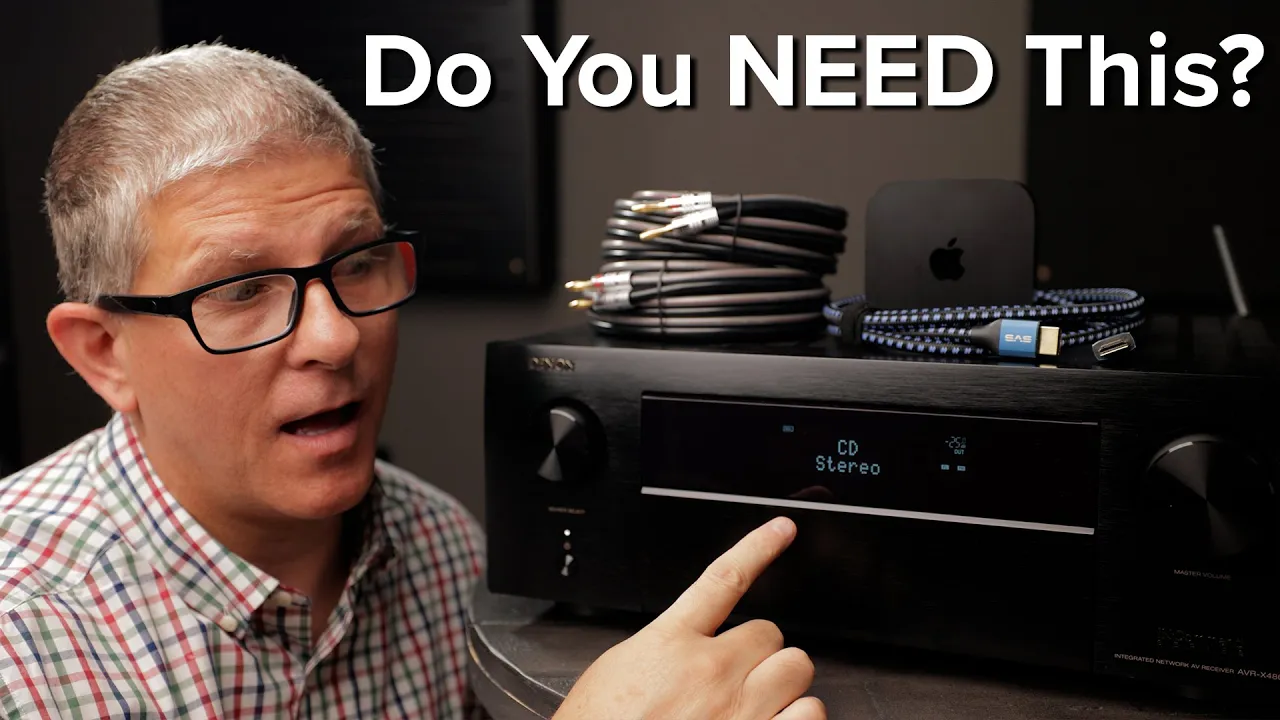
we are your home theater and av questions answered this is av rant once your home theater or av question answered by tom and rob send it to question at avrant.com welcome to an edition of av rant i'm tom andrey and i'm here with rob h this is av rant it's your home theater and av questions answered i'm not even going to try to do an intro this week it's two weeks in a row it's it's just gone horribly wrong where you know in between recording and posting uh things changed so uh there was no second episode last week people obviously would have figured that out uh put yes put that in the text description and um who knows uh fingers crossed maybe this week but uh maybe not so i don't know i'm not gonna say anything no promises and things will probably change by the time we post this because that that seems to be the way things are going in 2021 this is this is that doesn't either the new trend the new normal yeah yes yes uh so i obligatory i'm tired but uh you know so it's four day weekend with my kids this weekend which is just so so much fun people people have often said they're like you don't seem like your kids very much i love my children uh it's just they're a job right now i'm gonna really love my grandkids because they're not gonna be a job but they're a job right now and they're they're all you know even without the covid homeschooling mess that's going on right now it's always still a struggle to keep them you know pointed in the right direction and you know letting them be their own person while not letting them kill themselves or commit heinous crimes against humanity so so well i i am having a good time with the kids they uh they they are a constant source of stress and worry in my life but i think my eldest is trying to get good enough at beatsaber to uh like do a gdq run for those who don't know gdq's games done quick it's a it's a twice yearly i think maybe even more than that uh event where they uh they do speed runs of games and get donations to help and it's usually cancer i think yeah anyways charity anyway charity of some sort so he's he's working on that uh and he's been playing beat saber to the point where the little strip that goes on the top of your head to keep the thing from the the oculus quest from falling down it has made like his hair my parts that way okay i mean i'm not sure that beat saber is a game that actually can be done as a speed run because you're kind of tied to the timing of the songs they did they did it at the most recent uh gdq oh really okay yeah it was it wasn't really a speed run but it was uh the the the runner was doing the expert plus sure right yeah uh all that stuff for like two hours i mean there are people who do the whole mixed reality setup they get themselves a like not just a green screen but like a green room and then they like capture the footage that the game is showing plus themselves and then they have that all over they put that up in youtube and like that's their full-time job now so yeah uh it exists it exists anyways he's he's getting pretty good at it so and the other two were also playing quite a bit so it's turned out to be a very good christmas present that santa brought us very nice for those of you that still believe in such things all right this is a rent the podcast that answers your home theater and av questions get your questions answered all you do is ask us by emailing us at questionabrant.com you go to avryant.com leave us a comment there facebook.com avrampodcast youtube.com av rant uh contact rob directly rob av rant.com is twitter is that first reflect i'm thomas.com my twitter is at av rant underscore tom let's talk about our listeners of the week come to listen to the week you have to support this podcast in some way one of the ways you can do that is going to av rant.com click on the buys a cup of coffee link and leave us a paypal donation paypal will take your money and give most of it to us keep a little bit for themselves this week we had jeffrey or jeff i don't know what you go by or jay big j lil jay i don't know you could be junior i don't know anyways jeff jeff did that so thank you very much jeff indeed uh jeff jeffrey however the name is said uh thank you very much for that paypal donation it's very much appreciated whatever anybody you could go by ray like the last three letters if you want to do a star wars thing that'd be cool we also have uh 124 patrons over at patreon.com patreon is a contributing i mean an ongoing subscription that you do for your content creators of choice if you choose us they'll take as little as a dollar a month from you and give most of it to us and you can increase that amount to whatever you think is appropriate so twelve dollars a year to keep uh us in the black which is what they ask for and if uh you decide to do that we would thank you right here on this podcast so we right now have 124 patrons and we thank you very much yeah patreon.com av rant podcast for anybody who'd like to sign up for a voluntary subscription automatic monthly donation thanks very much to our 124 patrons over there the number's been ticking down ever so slightly we're past the holiday season we're like ah no more giving money it's okay if you can't support us financially we completely understand if you do something that supports us or you think supports us let us know what you did so we can mention you here so cameron i guess cameron that is a very strange way to spell that name cameron lets uh svs know that his a pb 2000 pro purchase was thanks to us george ordered a pair of uh sb 2000 pro subs from svs and let them know it was because of us and uh nick brown over at svs sent rob a pair of the 13 ultra to 4000 series upgrade kits which was the amp upgrade that's right that you can get from them on a super extended review unit loan so in theory they could ask for it that is true and i would oblige if they ever ask for them back i will send him back but uh he hasn't insulted him i haven't that's at least no i haven't haven't haven't installed them yet but yes uh cameron george thank you very much for talking us up to svs that has helped very much in things such as nick brown over at svs being willing to send me a couple of uh the pb uh or completely unneeded completely pc13 ultra 2 4000 series uh amplifier upgrades he did warn that specifically on the pc because it's the cylinder form factor and it's got the long tubes for the ports inside three of them uh that apparently there's like uh some people depending on exactly how the ports were aligned a part of the amplifier might like bump into one of the ports inside um so he's like if that happens get in touch with ed over at uh svs he's like there's a workaround i'm like i'm pretty sure i know what the workaround is i'm pretty sure the workaround is turning the amplifier upside down because all the scrolls will still line up and that puts the part that sticks out a little bit more to the other side and i mean there's no controls on the amp anyways once you plug the thing in you're done never see them again so i'm i'm i'm fairly confident that's what it but i never know i'll see what happens uh hopefully i'll i'll be able to update everyone on that next week this uh will answer the age-old question of what the exact volume is on rob that's right svs subs because people have asked because he said so close to pc13 ultras it's close enough that you can basically reach out and lean over to one side and touch one and lean over the other side and touch the other since they flank his couch or chair i don't know what you have in there uh couch and uh so this will be digital he controls it all from the app and he'll be able to tell you the exact number that he sets it up i guess it's probably out of a hundred yeah it usually goes from zero to 100 on their scale so uh oh i scrolled past some stuff uh curt and chris we want to thank you guys because you sent in some photos for me to use on av gadgets.com with uh permission so thank you very much uh and we got some notes of gratitude from listeners we've got steve and kurt kurtz a member of the two hour plus club and says we're his favorite podcast and he's sent some photos in which we already mentioned he's happy with the he's got curtains covering most of his walls makes it easy to hide the cables and have to paint uh so if you if you're on youtube he's got purple dark purple this is one of those things i think when you look at the pictures you're like that's a really purple room but i think when you get in the room you're like it just looks dark probably closer to looking black well there's one image where we're seeing what the front of his look room looks like when the lights at the front of the room are off and there's only one little lamp at the back and i'm like yeah it looks pretty black back there that's yeah i think i i think this looks really really dark it probably looks really good in there uh the photos are are probably doesn't it doesn't do it just right uh nathan uh sends a nose of gratitude and asks does my bike accident means that i've earned the spandex now for those of you that don't remember i have often made the claim that you buy the bike but you earn the spandex and i do in fact own some spandex now yes i do it wasn't because of that bike accident i bought them just before christmas but i had been riding for enough months and it seemed like i was going to keep going that i felt like i had yeah i'd earned it and honestly those funky shirts that you buy uh they have pockets in the back and i thought those are ridiculous i'll never use them they are so handy right when you're biking they're like the best there's a reason they put them back there there's a reason and uh we also got a note of uh gratitude from steve from australia so that's let me go back through them a different steve yeah i guess that's right steve kurt nathan and steve all sent notes to graduates so thank you guys indeed i'll go back and thank kurt and uh chris for sending in those photos with written permissions saying that tom can use them in perpetuity over at av gadgets.com very handy for tom and then uh steve kurt nathan and different steve uh thank you so much for the notes of gratitude and encouragement for keeping us uh going here keeping the podcast going while everything is going on in the world and uh yeah we're happy to do it and very thankful that everybody continues to listen and send in your questions all right some news here and i accidentally clicked on something and now your face is covering it okay got it kaff announced a new dual opposed bass driver design called unicore uh it's it's it is new ish but it's not all that exciting for me anyways it's all about saving space in order to do so the dual opposed drivers share one set of magnets and then use two different voice coil sizes one sliding over the other to get the two drivers closer together than the traditional back to back design so that's actually you know a smaller voice coil inside of the larger voice coil and one controls one woofer and the other one controls the other woofer but the magnets are all the same yeah so very interesting it's very different uh it's you know essentially just gets them closer together so we will see i would imagine smaller subwoofers that's the from cats we'll see uh you remember what we said about subs you can get uh loud small or cheap pick two so so either it's gonna play loud and low and have these small drivers the small driver design but guess what you're not gonna get it would be my guess here so uh all right netflix and atlanta's plans to spend 19 billion which is twice as much as disney on new content in 2021 they've promised 70 movies with at least one new movie every single week plus new tv series and documentaries and canceling everything that you loved on netflix up until this point because it's more important that they get the buzz about the new thing than it is that people get excited about the second season of the thing that they like it's just crazy though i mean that amount of money in a single year just on did i don't think netflix has ever made money happening yeah i think we have not they just keep racking up debt i mean it's insane i don't i don't know how you keep going like this there are also some rumors out there about apple potentially buying a studio this year uh a lot of the rumors swirling is that it's going to be mgm and they're like yeah that'll give them all the bond movies that'd be something they can put in their catalog for all your misogynistic viewing pleasure i love me a bond movie let me let me just let me just say when i was a kid that was like a staple we would uh back when vcrs we didn't own one because they were too new we would rent vcrs for like birthdays and holidays and stuff and we'd rent them and then we'd rent a bunch of bond movies and we'd watch the bond movies because my dad liked them my mom liked them and they were you know they were pg enough for the kids in the house so i grew up on bond movies so i have a special place especially sean connery once roger moore got a little well but uh the especially the sean connery one so i do love me some bond movies but uh i won't uh i'm getting i'm sorry my assistant is delivering me a notebook okay let me see here ah distraction from tom live read there we go i'll be done by i'll be done by then how far away is it okay i'll i'll be done by then i'll make sure i'm done by 1 30.
okay my son has an appointment i have to i forgot about 1 30.
that's not very long from now yeah i know it's okay okay going to be a very short podcast it's going to be a short podcast very uh oh i did want to make one announcement too uh we always talk about this podcast about printed panels right you know we often recommend people get printed panels do you only print the panels i do not no i do not either so we had a user sent a listener send in some images we talked about him on the podcast that his wife painted right yeah of boba fett and the stormtrooper and the imperial guard so he sent us high-res versions of these so that we could if we wanted to use them for printed panels so i was going to do the whole spoon flower whatever the heck that name that website is anyways i gave up and just went to gik and ordered a couple i ordered three panels so those should be coming in soon i don't know i ordered them last week so we will have direct reporting on how these things look from geck on this podcast coming up very soon all right let's get to some comments from listeners jr took our suggestion to put his surround back speakers on some height adjustable video video secu stands i just hate that name video suck you it just it sounds porny to me i don't know why it's just it's not good he says phenomenal he's greatly enjoying at most music tracks via title so thanks for the advice so that worked out his uh he's got uh like little race way tracks on the carpet the same cup colors carpet they run to underneath the couch and from the walls to underneath the rug in front of him which is on top of his carpet so uh i didn't even notice it at first so that's pretty good it's pretty good so this looks like a nice little setup grinder wanted to share some pics of the seating riser he made out of pallets a single four by eight piece of three quarter inch plywood serves at the top platform with some leftover carpet uh covering just the top the open front of the riser is hidden by his front seats and also gives him a handy place to run wires he wishes it were a foot deeper uh for a little bit of a walkway and he had to do it over he just built from scratch since it ended up taking a day to get it level and squeak free anyway so yeah sometimes cutting corners causes as many problems as not cutting cheap on materials though that is true chris got the revel m8 on wall speakers for sale for on sale for his sister as we recommended they sound great and she loves them for surrounds he sent the pokes back and went with even cheaper acoustic audio super flat speakers never heard of them they're fine the pokes weren't any better so they're whatever cheaper so that's good yeah these rebels are nice and small and white and they kind of blend in so yeah works yep let's get to some questions here dale dale is getting a denon x 4500h receiver the one thing he would like to be able to do is have his video going from his directv satellite box or some other video source but have audio from a different source playing instead sports on in the background while listening to podcasts for example the audio source will typically be his sonos connect how can he get the 4500h to do this um there is a way i'm sure there is i'm thinking there's probably more than one not that i'm aware of well i don't know what you're aware of one way okay yeah so um in the denon manual they do describe this you have to sort of dig through and know where to look so i don't blame anybody for not knowing about it it only works with a handful of specific inputs uh namely the phono input the cd input and uh basically like the built-in radio tuner and uh you know internet radio things that are built into the av receiver and that's it you you can't do this separate audio source and video source with any of the other inputs so in your case you're going to want to use that cd input and importantly uh out of the box i'm pretty sure one of the hdmi inputs is actually assigned to the cd input and you have to manually change that you have to make sure that there is no hdmi input assigned to the cd input the cd input has to be audio only for this to work uh now it can be stereo analog which of course your sonos connect could output or it could be an optical or digital coax input it just has to be audio only uh that has to be the input assigned to the cd uh source and then you would start by going to the cd source uh that's where you would start and you'll basically have to use the front panel of the denon to do this because now that you don't have hdmi or any video assigned to the cd input you'll only be able to see this on the front panel of the denon so you start by getting your cd audio source going your sonos connect is plugged into the cd uh input on the denon and then you press the option button on the remote and go to where there's a thing called video select under options so it'll be on the front panel you'll press options go to video select and turn video select on and then you can choose any of your hdmi inputs to be your video only source and that'll start working without pulling in that hdmi source's audio along with it be video only while continuing to play what is plugged into the cd input on the back of the denon so that's the way they say to do it in the manual okay that that makes sense but surely there's the i mean i know this would be i don't know how much less complicated this would be but surely you can go into the audio settings and assign to the hdmi source that you're using a different audio input right i seem to remember being able to do that uh yeah like you can like you can assign a digital audio input to that particular hdmi but then if you wanted to switch which hdmi source you're watching you would select your uh your video whatever the video you were going to watch and then you would have to go into the the menus and manually change right the audio assigned to that hdmi input right to the to the sonos right yeah and then you get the audio from the sonos and the video there but if you change channels or went to a different video source yeah you would immediately lose you'd have to re and then you'd have to do it undo it afterwards yeah because when you want to go back to the hdmi video using that hdmi source's audio as well you'd have to change it back so yeah that's why they recommended doing it this way if you have one particular audio source and it sounds like it does this is sonos connect uh where that's the one where you typically want to be listening to that audio only and then be able to switch around video sources without hearing the audio that's a source associated with that video source this is how they say to do it so you go to that cd input first make sure no video input is assigned to the cd source on the denon and then options video select and choose which hdmi video you want to watch mean well manuel has a optima uhd 65 projector i don't know why i had stumbled over that with 135 inch alr screen ambient light rejecting screen his projector has unfortunately developed some dead pixels and has some sort of flicking flickering issue so he's looking to buy a replacement as we might have guessed he doesn't have full light controls that led him to consider an ultra short throw model the optima cinema xp2 in particular these two concerns low input lag for gaming and he wants to keep his 135 inch screen and the p2 says it only goes up to 120.
i mean it can go up to 135 but you're just compromising it might start to look blurry a little out of focus yeah so coup the p2 would still be a good choice or is there another ultra short throw model that we would recommend that would be better for him i don't think anybody's doing 135 in ultra short throws yet i think 120 seems to be kind of the de facto standard with that like technically that vava that we've mentioned they say it can go up but it's kind of blurry all the time so because it just doesn't have that great a lens to begin with so they probably more or less didn't care that once you blow it up it looks a little blurry because it never looks pin sharp especially not edge to edge um i've got to be honest with you though manuel i don't think you really want to switch to an ultra short throw unless you also want to buy a new screen because if what you have is an ambient light rejecting screen that was appropriate for a normal throw projector which is what your uhd 65 was that's not an appropriate choice for an ultra short throw uh in fact it'll really really hurt the image it'll be very very bad if you think about it then well what yours your screen is designed to do is to reject light coming in from the sides and above and below basically it's so it's reflecting the light that's coming directly at it which is the light that is coming from your projector at the back of the room if you put an ultra short throw underneath it it's shooting it up yeah and that screen does not know that that's the correct light it's supposed to be it has no way of knowing that all it knows is it's got some light coming in from the sides and it's designed to reject that light so you will get an image of some sort it won't be great that won't be what you were hoping for i mean it's similar to how if you get a screen that is specifically for ultra short throw projectors where it only reflects light that's coming up from the bottom at a very steep angle and rejects light from everywhere else and then try to pair that with a projector that you hung on your ceiling and shot normally now it's just rejecting that light if it's an ultra short throw screen so this would be a combination of you'd have to buy a new screen and you'd be getting an ultra short throw none of which are really fantastic for gaming like the i know that the uh optima cinema xp2 uh has a gaming mode on it now it gets the lag down into the 50 to 60 millisecond range which is better it's better than the 100 140 that the p1 had um but it's still not like fantastic it's not down into the 20s or you know single digits like some things can do so uh yeah i i don't know if if this is the way you're going to want to come at i i would maybe encourage you to consider like if you were coming from a uhd65 then something like an epson 3800 which is brighter it's brighter than your uhd65 uh and has very low input lag and actually does hdr quite nicely doesn't have the bestest black levels ever but you're never gonna get that from any projector in a non light controlled room so i would probably point you to that instead because uh that means you don't have to buy a new screen along with it okay dean dean has a marantz sr 7009 receiver and an external emotiva socks amp plus dual uh svspb 2000 subs and i like how people don't even bother mentioning their speakers anymore there's like here's here's our receiver and he and i just want to let you guys know we got two subs because i know you're going to say something that's right so he ran 12 volt triggers from his marantz to the amps and subs but the marantz actually takes longer to fully power on than than the amps and subs do the result is that when the marantz makes its second and final relay click there's a very loud pop from all of the speakers and subs so for the time being he's manually turning everything on like some kind of animal that's right is there a way to get the triggers working so this loud pop won't happen you know so my denon is connected to my my subs um and i do have a twelve i don't think i do i don't think i did maybe do your little i just my date and amp i think and the subs i just haven't you just leave them on all the time yeah and i've never heard i've never heard any popping from anything so that's i guess i'm lucky i don't know uh i wonder if just leaving the subs on and not um not even trying to deal with that once one solution is is one way of doing it because i i don't get a pop so you know there you go uh there is another way to come at this though which is that um if you go into the settings and you go to the general section under the general section there is a trigger out one and two uh part within the general settings of your uh marantz sr7009 and there you can change what it is that triggers the triggers so by default it's just set to main zone so when you turn on your marantz it sends out its 12-volt trigger signal and of course that's what most people want most of the time but you're in the situation where you actually want to delay before that 12-volt trigger gets sent out well you can set the parameter of what sends out the 12 volt signal to a specific input so one option would be instead of just pressing the power button because if it happens that you were already on that input then it would send the trigger and you want to have manual control so you could with something like a harmony you could change it so that um like on the marantz receivers if you just if the marantz is in standby and you just push any of the input buttons that will turn on the marantz and set it to that input so instead of having it press the power button the power toggle button you use one of the input buttons a different one than the trigger because what i'm getting at is you wait a little while you put in a delay in your harmony command or if you're just turning things on manually you just wait a little bit and then you switch to the correct input the one that you have assigned uh that when i go to this input send out the 12 12 volt signal uh then the marantz is going to wait until you choose that input before it sends out the 12 volt signal the other way is that uh you can assign it so that it doesn't send out the 12 volt signal until you turn on zone 2 instead of main zone uh now you could just leave it so that nothing is actually attached to zone two uh you would have to leave zone two powered on because when you turn zone two off it'll send out the 12 volt trigger to turn off your subs and amplifiers uh but if you have nothing attached to zone two um then you could just you know turn on zone two when you wanna send out the 12 volt trigger and turn zone two off when you wanna send out the 12 volt signal to turn off the sub amps so one of those two ways is a way that you can add this delay because instead of that 12 volt signal being tied to whenever the main zone turns on send out the 12 volt signal now it'll be tied to zone 2 or a specific input you can choose there you go nick nick asked what what is the exact angle for the face of the svs prime elevation speakers nick had i had planned to leave his living room set up with its angled ceilings and inconvenient attic space above it as just a 5.1 configuration but since he is a his dedicated theater uh but since he has his dedicated theater for watching movies but he's attempted to expand to atmos anyways and if the angle is just right he might be able to flush mount the prime elevation so his angle to his ankle ceiling so that they're actually ended up firing straight down so what's that angle everywhere only lists the largest dimension of that angled size so it's about like that it's uh i'm looking at them they're like like that so it's uh when i measured them it came out with like with a protractor literally it came out to uh 20.3 degrees now it's a little bit tough to know exactly because the the corners are slightly rounded so there was some eyeballing going on there so it's between 20 and 20.5 degrees uh for the the smaller angle of course the other other side will be the the 70 degree angle uh since we're dealing with a 90 on one side so yeah uh it's approximately 20 degrees between 20 and 20.5 and i measured it at 20.3 there you go last year when sony announced its new crop of home theater projectors they include the gtz 380 model which is an 80 000 triple laser 10 000 lumen projector and one of the write-ups about it the author describes how installers of the predecessor model the gz gtz270 requested that the increased light output because they're using it for things like golf and flight simulators or for private screening rooms with 250 inch or larger screens but the author also pointed out how ten thousand lumens could also allow for one thousand hdr on a hundred to 120 inch screen and they seem excited about this idea so nick wants to know should anyone anybody even want that much light output from the projector on a normal home theater size screen in a pitch black room you can't do local dimming projector right so if you're hitting a thousand nitpicks aren't the black levels limited to the native contrast of the panels in the projector what are our thoughts i mean eighty thousand dollars for a hundred inch screen seems seems a bit that one seems a bit wasteful not what sony had in mind yeah it really it was not this is this is akin to saying you know i've got these you know massive pa speakers that are designed for you know auditoriums but i found them at a cheap price you know can i put them you know can i put them in my my my living room you're like yeah you can but should you that's the question i mean at the price of this thing because at 80 000 is without a lens as well and the lens isn't cheap for this thing uh plus the screen that you're going to have for it if you're up at that price you can actually afford like one of the 98-inch flat panels that are out there oh yeah um yeah you know if what you were going for was 100 inches and 1000 knit peaks uh this absolutely was not what so what sony had in mind was the screen sizes this is for installers who are putting it in well-heeled homes or in commercial applications um you know and like they say it was mainly for simulators flight simulators golf simulators and for people who are looking at 250 to 300 inch screens and that's what this is targeting and it totally makes sense for that um i mean the laser light engine that they put in this thing is really impressive it's it's two blue lasers one is producing blue the other one is producing yellow which then gets split into uh green and red and then they have a deep red laser because the yellow phosphor that gets split doesn't give you super deep red so it's it's not an rgb laser but uh it's it's a interesting uh format that they have there for the triple laser but it's really impressive it's uh you know full dc ip3 color with like really close to the claim 10 000 lumens on the predecessor model that claimed 5 000 lumens once you calibrated it it was you know more like 3500 so this is like three times brighter genuinely so um but yeah it's it's not meant for a 100 to 120 inch screen um so yeah the question specifically about you know are you limited to the panel's native contrast when it's lit up yes i mean one of the other things about this laser light engine is that it basically has global dimming if you're looking at an overall dim image it can dim all the lasers um right as it's showing and when it go to a full black screen it'll turn the lasers off completely and give you a truly black screen so dynamic contrast as they might call it or full-on full-off contrast is uh nearly infinite but um yeah it doesn't have local dimming it'll light up but i mean the thing is if you if you have something on screen that's a thousand nits and then the darkest black that you have on screen at that point because it has sixteen thousand to one genuine contrast is like uh 0.07 i think of a knit um like to your eye when you have that one thousand thing on there that 0.07 knit thing is gonna look pretty dark um and then when the whole image as a whole dims down it can dim the lasers and give you a very contrasty looking image so it would look great i i don't have doubts that it would look great on a 100 to 120 inch screen but i mean it's just not meant to replicate a flat panel and go get yourself a 98 inch flat panel if that's what you want infinite gary says not too often but every once in a while gary can spot when the streaming video lowers its resolution will upgrading his wireless router fix that with a different streaming device than his roku ultra fix it um well we don't know where the so the only time i really notice it is when you you go like like between 1080 or whatever hd and like 720 right i don't notice that i notice that when you flip down to it you know uh you know 480 or whatever the standard it gets blurry that's when you notice it um if you're getting that and i'll be honest with you gary that happens so rarely in my theater with any device and i really don't think that i would worry about the device as much as i would worry about either your router or your service so that's where you would look for the problems there if you don't have a hard wire to your theater you should definitely consider doing that uh there's no reason why you can't because you spend money on a bunch of other stuff so this is not this is not even that expensive and you do have a roku ultra because i mean not all streaming devices even have the option of hard wiring but roku ultra does so right yeah yeah i would run a wire uh from your router uh to the theater and that should solve it if it doesn't solve it then it's your isp in which case right you've got bigger problems yeah um like he says it's not often it's every every once in a while i mean that kind of makes me it's probably not your wi-fi router like like within your own house it's probably just that you have a dip in your isp like if it's at prime time when lots of other people in your neighborhood are also watching and you're on cable uh isp then having a dip in the bandwidth that's being fed to your house at that particular moment because he's not saying like it lasts forever you know there's a little dip here and there and i'm like yeah that happens every once in a while and it's not that my isp is incapable of the bandwidth or that something happened to my wi-fi it's usually just that it's at peak time and everybody else in the neighborhood is watching streaming services too right steve steve has used our device in the past to put together a system using a 90 inch silver ticket screen uh epson 3700 projector hsu vtf3 mark 5 subs which will eventually get paired uh i guess sub he's only got one and focal little bird surrounds he's stuck with his 15 year old towers up front from there from the brand triangle and he's been using a phantom center i feel like i've seen triangle speakers before i feel like i feel like i've heard of that brand i've never heard any but i've heard i don't know either uh but he wanted to free up floor space we decided to try some on-wall speakers for his fronts he went with golden ear super sat 50s he likes them they sound okay but he's wondering if we think he should exchange them for something else he's sitting about 12 feet away and aesthetics are important so is there something that would impress him more and maybe match better with his little birds he wants on ball speaking on wall speakers aesthetically pleasing 12 feet away so we're not really concerned about output from any of them pretty much and we'll be able to handle that distance but glad that you mentioned it because if you needed particularly efficient and loud speakers that how much are there super sat 50s how much oh gosh i didn't i i didn't look up the price on that i i'm i'm only i'm only thinking you know budget because uh rbh would be my first go-to first of all the ultra ones yeah they'll be perfect with your little birds uh they'll they'll work just fine the little birds are uh a pretty flat speaker and the rbhs make exceedingly flat speakers so i'd be uh good with rbh um i mean looks are important uh and does he want flat then they have to yes i don't know whether he would rather have them flat but the like the face of them is is a little bit wider because that would describe the the rbh ultras like front to back they're skinny as as possible uh but they're you know the face of them is a little bit wider or if you would rather have them you know sort of more stick shaped where the face of them is narrow but maybe there's a little bit more depth to them uh not not exactly sure but i mean there are uh i've got a few different at different price points uh suggestions that could work here uh first one up that i would mention are revels m10s now these are on clearance because this is like a discontinued model the version two is coming out so it's not going away entirely but while they're on clearance uh the m10 is uh you know larger there's the m8 as well but the m10s are on sale over at crutchfield right now for 200 each which for these speakers that is sort of a reasonable price their normal price i think is way too high um but this is sort of a normal price for uh a reasonable price for them so 400 for a pair of those uh but only while they're still available on clearance uh then of course i could talk about ascends htm 200ses uh now these are great sound they're only 300 a pair but i'm not sure i would call them super aesthetically pleasing i mean they're they're black boxes they are they are little black bricks i mean i don't think they're ugly they're unobtrusive you know when you turn the lights out they completely disappear because they're just a flat black but uh yup that's that could be an option sound quality wise and value-wise for money i i definitely put them way up there um now sticking with ascend if you want to spend much more money you know like uh 11.50 for a pair they're they're sierra lunas uh look nicer they're available in a bunch of different finishes uh and that's going to get you up to the rail ribbon tweeters but that's a completely different price class more expensive than anything we've talked about they also if you just want more output have the duo lcr the sierra duo lcr which is similar to the luna but just uh two woofers instead of one but yeah some really nice finishes on those uh those are getting up to like close to sixteen hundred dollars a pair though for the duo lcrs uh and then a purion uh they've got on walls now too in their novus series uh so single woofer design there you're like what is it 550 a pair i think i wrote down there and then uh 900 a pair if you're going for the dual woofer design for the novus on walls available in both a black finish and a white finish so yeah that covers a whole bunch of different price ranges all of those have quite nice sound quality uh the rebels that i mentioned first they have the least bass out of all of them they really are like a 120 hertz and nothing below that uh speaker but if if what you want is the skinniest look uh those fit the bill for that and since they're on clearance they're a reasonable price that's they're 100 really they only go that low how many woofers are these things have in there they have like four woofers in there but they're tiny woofers okay they must be smaller than they look the uh rbhs uh i looked them up they're 461 well 462 each okay so they're they're so not expensive as the sierra lunas but more expensive than any of the other ones but they are very very very very thin front to back in front of the back very front to back then they are they are crazy the thinnest yes all right i gotta go back to them all right lee this is not overstreet differently lee's parents have been using an io gear wireless hdmi kit to send the signal from their cable box across the room to their tv the transmitter recently died so lee is looking for a replacement for them no they do not want to move the cable box or run a long hdmi cable the kit they had was spotty at times so if the replacement can also be an upgrade that would be nice what do we suggest uh i haven't even looked at hdmi wireless hdmi yeah i i the last time i saw a wireless hdmi kit it was like at ces right many many years ago so ago uh yeah so i mean i i hit up the wire cutter because i i don't know the latest on this uh now their top recommendation and please keep in mind wirecutter always heavily uh weights value so they they bring price into it very much uh so they're still recommending an io gear unit i don't know if it's exactly the same as the one that you already have but we'll have the link to the wire cutter article where they talk about it so their top recommendation is still an i o gear unit if you were just like when i owe gear it wasn't always the best they have an upgraded pick which is 230 dollars i don't know if you want to spend that much but it's the one they say that performed the absolute best and that is the i don't know how to pronounce this nairas nerius something n-y-r-i-u-s that's the brand name and then the model is the aries home plus uh so yeah that that is a wireless hdmi with two hdmi inputs and it's it's one of the very few that they say actually works through walls which it doesn't sound like your parents really need because it sounds like it's one side of the room to another uh but but that's the one that the wire cutter said you know performed the best but you're paying the most for it at 230 dollars for the transmitter receiver kit all right and secondly he asked if he follows my tactile transducer guide over at av gadgets how exactly do you wire four tactile transducers in series parallel okay the diagram's a bit confusing to him so the way this works if if you remember uh when you wire them in series you take one wire from your red and it goes out to one of the the the transducers and then to the other and then and the wire goes from that to the other transducer and that second transducer goes back into your av right what we'll say is uh take transducer number one go red out from your amplifier to red in of transducer number one then go black out from the amplifier to black in of transducer number two and now you have black from transducer number one and red from transducer number two are free those two things get wired together that gives you a series circuit so imagine that the signal is going out of the red of your amplifier into the red of transducer number one out of the black of transducer number one into the red of transducer number two and then out of the black of transducer number two back to the black of the amplifier that's the series circuit now if you ever wanted justification or uh with a confirmation that this stuff is confusing rob said it different the first time from the second time but he's right the second time the second thing you said was right yeah the first time you see this i said red red from red from amplifier to red of transducer one and black from amplifier to black of transducer two and that's you so you're on the the opposite ends you're on the end to end and then the transducer one connects to transducer two so that's the series so and then that's your series and in order to do so that you've done that right do that and now you do the exact same thing again except for to the same amplifier uh outputs so you have two things in series basically and then two more things in the series but they're both being powered by the same black and red yeah so imagine you have two red wires coming out of the amplifier and two black wires coming out of the amplifier you take one of those two loops red and blue red and black pairs and those go to transducers one and two in a series circuit and then you take the second pair of black and red wires coming out of the amplifier and those guru transducers three and four in another series circuit so that gives you yeah each transducer is four ohms which these ones are there the series circuit created by transducers one and two together that now gives you an eight ohm load you get another eight ohm load from transducers three and four being wired in series but then you have two red wires from the amplifier two black wires from the amplifier so you got two of these eight ohm loads both being sent the same signal in parallel that now divides it by two you get a four ohm load again so you're backwards of a single transducer and honestly if i was any good at making graphics right i would have done a done a different one i because that that graphic is not great for me but i i'm not the person to start making things like this so i had to deal with what i was given and that was it so yes it is a little confusing but if you think about it of two series loops that's right all attached together to the same amplifier output that's all you yeah if you can figure out how to make one series loop then just do it again do it again that's right mark other than obviously multi-q versus multi-q xt is there any significant difference between the denon s9600h and the x2700h is it worth paying more for the 2700h i don't know uh so there's a few little differences uh the x2700h has a pair of zone two pre-outs which the s-960h does not uh the s960h can reassign its surround back speaker binding posts to power a zone two while continuing to power 5.5 speakers in the main zone because 7 speakers total but it doesn't have any zone 2 pre-outs and the x-70 uh 2700h does so if you need zone 2 pre-outs there's that uh the x-2700h will convert analog video signals to hdmi so if you still got a component source or a composite source and you want to convert that to hdmi output inside the receiver the x2700h will do it the s960h will not so it doesn't do any video conversion and then the power supply in the x2700h is a little bit bigger it's heavier it's got more wattage that's probably the most valuable thing of all although the watts per channel is only rated at five watts more per channel than the s960 but it it just does have a better power supply in it but the main reason you would get it is for that upgrade from odyssey multi queue to xt to multi cue xt um that's kind of the main reason you would do it why and then to me to me i think it's i i when i was worried about getting odyssey i would i literally looked i would not look at a receiver that had lower right than you know the most the the xc32 one oh then xd i mean this doesn't have xt-32 but xt to me is very acceptable regular multi-q all by itself and like uh sometimes doesn't it's good when it came out come on now sometimes it was the best when it hit the market and now we're like oh when you have just regular multi-cue that's where i'm like maybe you get the app and you do curtain the response and don't try to do anything in the treble with regular multi q i'm like yeah i can make that argument there whereas xt i'm like yeah just run it i'm not even gonna bother with the app really um but yeah that would be the main reason and then yeah if for some reason you needed zone two pre-outs or uh analog video to hdmi conversion those would be the features there you go i keep want to say carmen cameron cameron found our podcast thanks to a thanks to a magnolia rep at a best buy who recommended us that is literally the first time we've ever heard something that is why i put it in there i was stunned stunned by that i can't believe that in the i that they even listen to us much less recommend us recommended listening to us and then gave advice that doesn't line up with what we would say so you know when some lose some so he's happy to have found us and he wants to increase his home theater knowledge but he's also coming to us somewhat after the fact since construction and pre-wiring on his room has already been completed and he's already purchased a whole bunch of gear so he first started to appreciate better audio when he got a vizio sound bar about six years ago he upgraded that to a sonos beam and added a sonos sub and a pair of play one wireless surrounds then got excited about atmos and got the sonos arc but he's never really heard the atmos effect he blames the vaulted ceiling in his living room i do not blame him i wouldn't blame that yeah i don't know you can blame that if you like uh he and his wife had the basement finished in december and that includes the new theater room it's about 250 square feet with this uh with a small closet and a vertical bulkhead in the in the rear left corner and seven foot four inch ceilings so no no basketball players down there the stairway is open at the far right corner at the front right corner it isn't clear from cameron's email whether there is a door at the top or not he had the contractors put in rockwool safe and sound insulation in the ceiling in the front wall which is uh a party wall to his parents uh basement bedroom so his parents are living down there the room is fully carpeted with the thickest padding that was available and he hired an av guy who pre-wired the room for uh his wall mounted 75-inch tcl 6-series tv and a 5.2.4 speaker configuration with the planned seating being a sectional pushed right up against the back wall and nestled into the narrows narrower section of the back of the room created by the closet and the vertical bulkhead in the rear left corner cameron relied a fair bit on the device from the av guy who said he should go with the rebel m10 and m8 on wall speakers and nothing less than the eight inch in ceiling speakers for atmos all right i agree with that right cameron had also started by looking at the wire cutters picked for speakers which included polk and rsl speed woofer but then partially because of the av guy and partially because cameron's own research he went with clips reference premier towers and center up front uh rebel m8 surrounds that are pre-wired on the back wall rsl in ceiling speakers for atmos and one svs pb2000 pro to start uh with this planet and a second later all powered by a denon x 3700h receiver davey guy wasn't a fan of polk and clip subs suck at least that's what he said yeah it's not fast we don't agree with that at all klipsch is like one of the few store brand ones where i'm like if you gotta if you got you know like a 12 or 15 inch clip sub from best buy uh i mean preferably higher than the i mean it's weird that their entry level is called the reference series so preferably one series from that the 12 or 15 inch bottle i'm like ah pretty good sub at a pretty good price so yeah we don't the clip subwoofers definitely do not across the board just suck but whatever that was you got an svs we're definitely not going to say that you made a bad choice there so yeah perfectly yeah so it seems to have made it into cameron's mind that all speakers uh surrounds and overheads included need to be aimed at the main seat as mentioned the seats are supposed to be pushed right up against the back wall to maximize floor space in the small room and the pre-wiring was done with rebel on walls in mind so the front left and right speaker wire terminals are up high next to his tv and both subs are pre-wired on the front wall uh so he's got he's got yeah so there's some things uh cameron's only real remaining question is what he should do in way of acoustic treatments and where exactly he should put them but throughout his email he was sort of questioning all of his purchases i mainly just wanted to hear that he did good and get confirmation so we have to say about the whole thing and acoustic treatments in particular okay so let's look at this room here he's it's all drywalled in there's uh the speaker terminals are very high um oh did he pull him back down though this was a sub the sub outputs are down at the bottom of the front wall and then the speaker uh wire has been pre-wired you know to go beside the tv because initially the av guy was suggesting to go with the uh revel m10s which is a model that i mentioned previously on this podcast uh but that's not what uh he ended up buying cameron ended up buying uh klipsch towers and center big ones he's got those up front right now big ones yes um so what's in the back right corner oh he's got a little closet back there yeah so i mean we can just comment like you know on the speakers that you've purchased already um yes like you know i don't have any problem with the clips reference premiere speakers that you bought out of the clips lineup i think those are nice ones to get um like if i had been giving advice i would have recommended auditioning because klipsch has a little bit of a characteristic sound to it if you like it i've got no beef for it uh the reference premiere series i like them so i i've got no beef with that choice whatsoever and if you like them then great well that's wonderful i'm certainly got no problem with that i wouldn't probably have paired them with uh revel m8 surrounds however you're going to be sitting so cl so much closer to your surrounds than you are your front speakers that in your particular setup it's not going to be a problem so again i don't have a problem with it like what i would have done is if you like the clips fronts klipsch has very slim on wall speakers and i would have pointed you to those because let's keep clips with clips and now the the timbre is going to match perfectly all around if you're within the window to return the rebels and you'd rather get the clip shawn walls that's something i might suggest to you just because it'll keep the timbre of the sound all clear the one thing that concerns me the most and this is actually very changeable is having your seat right against the back wall um you know that that's not something i would recommend doing and i'm talking about like if you can get one and a half two feet between the back wall and the back of your seat which i think is doable i mean even with a sectional i think it's doable i just don't want it pushed right against that back wall that can lead to dialogue intelligibility issues and it doesn't give you any clearance from where your surround speakers are going to go to the back of your head you know it'd be nice to have some distance back there and this is talking about moving your seat not changing anything you've done to the construction of your room so i'm hoping that's a possibility plus 75 inch tv is a nice size tv but looks like you're going to be sitting like i don't know 13 14 feet away from it if you're right against the back wall and i'd rather be closer than that to a 75 inch tv so those are some thoughts on that right uh i agree the the see the couch against the back wall will cause issue not will but will probably cause issues as far as slap echoes and stuff like that so like rob said these speakers are perfectly fine they got no problems with the speakers if you had asked me beforehand would i have said to get tower speakers in this room probably not i probably would have told you to get bookshelves uh and something a little bit smaller uh subwoofer placement having them both up front is probably what your av guy said to do and your av guy is super wrong so uh let's just start with that surprisingly so this is no surprise to us whatsoever but it's you know now that you've started listening to our podcast if you are making your way back through previous episodes you're going to hear us all the time talking about how ideally you would have the subwoofers positioned across the room from one another which might be yet another reason to pull the seat away from the back wall if you want to keep one sub at the front of the room you could have another sub behind your seat on the back wall now a great option there if you don't want to see it and you want something that takes up as little floor space as possible is you got a pb2000 pro uh svs has the pc 2000 pro cylinder and the cylinder can lie flat on its side it doesn't have to stand up it can be a cylinder that's lying flat on its side nestled behind your couch in between the back wall and your couch you won't see it but that'll be better positioning and if you need to you can use a wireless transmitter to get the subwoofer signal to the subwoofer that's right back of your room since it wasn't pre-wired so that's something i might suggest i'd put the the cylinder or whatever sub you'd want either on the back right corner and then the the the box sub in the front left corner would be the way to go which it has been pre-wired for that uh for that side as well so that can be done so that that should be fine then um uh if you can't do that then you know run the wire along the carpet for the the the left sub and bring that into the wall uh into the room as far as you can so maybe midway in that that left wall and then do the same thing on the right wall but you'll have to use a wireless transmitter like rob said to for the right wall um room treatments so again like i said at the beginning of the podcast i am getting some printed panels from gik i'll report and show you guys how they look when they come in uh you know that's always going to be an option here uh you definitely are going to want something behind your head yes back no matter back wall in your case is going gonna be number one priority because even if you take our advice and i hope that you do to pull the seat somewhat away from the back while i don't imagine you're gonna pull it you know one-third of the room's length into the room i don't foresee that i foresee it being maybe two feet of space behind your uh sectional couch so the back wall right behind you you you definitely need absorption as thick and as much as you can and reasonably speaking um you know like get four inch panels which are actually thicker than four inches it's four inches of insulation in the panel and then a one one and a half inch air gap on top of that uh i think if you can have that going right across that back wall all you know yeah cover the back wall that's that's number one priority and then you know we always talk about first reflection points you have your your speakers it looks like pushed up right against the wall yeah i'm gonna sneeze hold on uh the surround speakers pushed right up against the wall on the back wall yeah the front the front speakers oh the front speakers as well yeah are pushed right up against the back wall you might think consider pulling them out a little bit i don't know this is not final he's he's just put it into the room he hasn't even connected everything yet so that's not final placement of his fronts so you wherever you end up putting them you're going to want to put the you know treat your first reflection points which if you don't remember how to do that sit in your seat in the middle of the couch or right in front of the center channel or smack dab in the middle of the tv and have a uh have your wife or kid or whatever take a mirror and go down the wall until when from where you're sitting on your left or right wall you can see the speaker in the mirror once you can see the speaker in the mirror that's your first reflection point you want to put the panel right there imagine a billiard ball was shot out of the speaker to your side wall wherever it would hit the sidewall and bank off the sidewall and come to you that's your first reflection point yeah so uh do that and then if you are pulling the speakers off the wall a little bit you can put some behind there and then just about anywhere else you want i i would depending on where you end up with your subs because it doesn't look like you maybe have one corner in the of this room that you could put a base trapping in and that would be the corner if everything works out the way we're kind of asking you to do it would be the corner that the uh where your surround left speaker would be and you'd be then having to deal with covering the um where that you know covering the the where the speaker would actually go so i don't really see many options for not space trapping super concerned about that particularly if you do get the dual subs that's going to help you there yeah i mean the one other thing we alluded to this when when talking about your setup is i don't know if you got a door at the top of those stairs um yes that that would be kind of a big deal if you don't have a door at the top of your stairs then your subwoofers are attempting to move air throughout your entire house uh wherever the air can move it will move and the subwoofers will attempt to displace the air wherever there is not a barrier preventing them from doing so so i don't know i mean he's got you know the stairs kind of go up and then go around a corner very often there is a door that's up there but if not uh see if there's a way to get a door either at the bottom of the stairs at the top of the stairs uh that'll make a huge difference to the the base that you feel inside of this theater um yeah so main thing number one priority as far as acoustic treatments is get that back wall done that's that's absolutely number one if you just want a place to start yeah uh and then the thing you said about having your speakers pointed kind of towards you at all the times uh i just published an article today on av gadgets about off-axis speaker response and what it means so you know having a speaker pointed directly at you can actually in some cases be a bad thing even if they're the front left and right speakers because not all speakers are designed for direct on axes which means that they're pointed directly at you on access listening there are a lot of times they are meant not to be listened to slightly or sometimes very much off axis meaning they are pointed over your shoulders so there's i walk you through on that article how to test the off access speaker response of your speakers what to listen for that sort of thing uh but when it comes to surrounds and surround uh and atmos speakers atmos speakers are meant to be pointed directly straight down they are not meant to be pointed at you i know there's the prime elevation speakers and everything but those those are angled because they you can't get them where they're supposed to they're basically meant to go in the not optimal position and then the angle is there to compensate for them not being exactly where dolby would like you to have them you already have in ceiling positions which look perfectly fine by the way uh actually particularly if your seat comes forward a little bit then they look even better um that's right because then you can actually call them top fronts and top rears instead of front heights and top middles because uh yeah if you're able to pull your seat forward again i'm talking like two feet i think it's doable um yeah so then your surrounds which are behind you uh you're not gonna like it but you want to point them directly at each other and each other would be would be the ideal i mean you actually do have side walls right that right that'll be again if you're able to pull a seat forward a little bit you have side walls that'll be a little bit you know it's the corner it'll be behind your seat if you can actually mount the speakers on the side walls instead of the back wall i know it's going to have a little bit of a you know speaker wire hanging from the the uh wall plate there going over the speaker but oh well maybe maybe you cover that up with acoustic panels and fabric or something like that um yeah if you could have them actually on those side walls close to the back corners and firing straight across at each other and again this because i mean one of the reasons he was thinking of hanging on to the revel m8s is because the bracket that they come with lets you aim them uh and now you wouldn't need to you could maybe go for the clip flat on walls and it'll go on those side walls firing straight across at each other all right okay lastly he asks i think it's lastly maybe not exactly how high should he mount the rebel m8 surrounds on his back wall or side walls as we were saying he's marked with tape the height of the back of his sectional and his seated ear height he was thinking he'd have the bottoms of the speakers at ear height and he would use the included mounts which can swivel to aim them at the main seat he also figured that he used uh the built-in angle of the rsl in ceiling speakers to aim them right at the main seat what are our thoughts again the speaker the surround the overhead speaker should be pointed straight down and these speakers should be pointed at each other uh if you're wondering where you should place them as far as height sit on your couch or get when your couch is in there and you're figuring out the height the tweeter should have a direct line of sight as far as you know how high it goes so that it clears the back of the couch and can see everybody's ears so the left speaker should be able to see the ear of the person on the on sitting on the right of the couch and the right speaker should be able to see the ear of the the person who's sitting on the left of the camera that's right so that's that's sort of your rule of thumb there so without being able to see your actual couch i mean i know you say this is the back of the couch and that's your ear height but yeah i don't know if that's actually true so i mean honestly with what you proposed of having the bottom of the speaker approximately at ear height so it's ever so slightly elevated uh like that'll probably be fine normally we would we would recommend that the tweeter of the speaker is one to one and a half feet higher than your head if you do that then you'll probably be able to clear you know the person who's sitting on the right next to the surround right speaker they won't have a speaker literally blasting straight into their ear for one thing uh it'll be higher than that and now that the speaker is you know just above their head it'll be able to have a clear line of sight from its tweeter to the person sitting over on the left side of the couch and that's all we're going for uh it doesn't need to be higher than that particularly we're going to have atmos speakers now the rsl speakers they do have the angle built into them so there's not really much you can do about that um i mean you're basically just going to have the ones at the back so that the angles are coming forward and the ones at the front so that the angles are coming backwards that's that's pretty much all you can do there they don't need to literally be like all angled toed in to aim at the middle seat the ones at the front are shooting back the ones at the back are shooting front all right joe joe has an epson 2150 projector a denon x 3500h receiver and the panasonic qb2 420 ultra hd blu-ray player all the various types of discs play perfectly fine in the menus from both the panasonic player and the den receiver show up just fine but when he goes to watch netflix using the panasonic he gets an error message saying this content cannot be displayed because your tv is not hdcp 2.2 compliant he called the apps in and they said it is and they tried both the standard and the enhanced hdmi setting in the denim but no difference any ideas could it possibly be his in-wall hdmi cable and hdmi wall plates they're from multiple price uh my first guess was going to be a cable but the fact that it's it's uh you know it's it should if it somehow not making the handshake and i don't know why yeah one problem is that epsom was wrong the 2150 is a 1080p projector it's a 1080p projector that doesn't do any wobble k or except a 4k signal at all uh it does not have hdcp 2.2 it has hdcp 1.4 uh because it is a 1080p projector so unfortunately epson gave you the wrong wrong information on that for your specific uh model number the 2150 so uh i would believe that in all likelihood inside your panasonic you have the resolution set to auto uh and if you have it set to auto then it's gonna try to send out a 4k signal and what's going to happen is it first sees your den x 3500 h in the signal chain and the x 3500 uh h says yeah i can take a 4k signal but then it tries to pass it to your 1080p epson projector and that's when hdmi goes up there's a problem here you know the first device said you can take 4k so my auto setting is going to try and send out 4k but then the device at the end of the chain says it can't do it so the solution that should fingers crossed should work is to manually set the resolution output of your panasonic ub420 to 1080p because that's what your projector can handle and when you do that it should fingers crossed set itself so that it you know like it only puts out 1080p that should work the the auto setting could give you this error um so i mean that's that's all you can do really is is make sure that the manual resolution output is set to 1080p of that it should work it's supposed to dennis dennis has some brand's star 60 uh 14 receiver and a 7.2.4 speaker configuration he's using an older yamaha rx v665 receiver just as an old this is the amplifier the power is for overhead speakers he's noticed that when he's using atmos or dts access surround back speakers are fully disabled and he ends up with only 5.2.4 how does he get a surround back speaker's functioning um are you using a xbox [Laughter] well there's one that's although if it's an actual atmos or dtsx signal it should work right and i mean he's saying it's his receiver is reporting that the surround back speakers are are deactivated so it's not just that it shows them as lit up but he put his ear there and there's no sound coming out of them that might be a source issue this is like no it's showing they're not lit up anymore it's only lighting up 5.2.4 so i i'm guessing at this dennis i'm making an educated guess on this i i think that in your marantz your sr 6014 uh you must have the amplifier assign set to the default out of the box the default is 9.1 in the main zone uh plus the ability to send a signal optionally to zone two that's the default out of the box and if you didn't change that default amplifier assign to specifically say i have an 11.1 channel amplifier assign then this is what will happen um because it will prioritize the four overheads over the surround backs if you leave it at its default the way it came out of the box so i certainly can't blame anybody for that but i i like to me that's the most likely scenario because it is the default and this is what happens if you leave it that way uh but have 11 speakers connected so what i would actually recommend to you uh most highly is use the setup wizard right if you go into the settings of the marantz sr 6014 and go right down to the last option uh that'll let you start the setup wizard and and actually follow the wizard is actually good on the dead on the marantz's the setup wizard is actually good uh which i don't blame anybody for not following it because anytime you used one of those setup things in the past they were terrible but for the past several years the den and marantz once have actually been solid and do it right so that's what i would recommend because that'll get you to the right place but if you just want to switch one setting or just quickly check a setting if you go into the settings and the speakers and the manual setup for the speakers uh check your amplifier assign and it has to say 11.1 in there all right steve from brisbane australia my australian accent is just atrocious that was that did not sound australian at all no it's real bad after living there for a long time it's still real bad steve has an irregularly shaped irregularly shaped room it's sort of trapezoidal uh overall with a partial wall at the front that hides the main entrance an open hallway that goes along the other side of the right wall is a slightly elevated dining area behind the seats an open doorway at the back it's fully carpeted but not otherwise treated and the ceiling is sloped lower on the left higher on on the right this is a very cool room it's cool looking it is not an enclosed rectangle it is not an enclosed rectangle in any way shape or form he's got a speakers this is the front three speakers it looks like it's got two two amp two subwoofers up front and then two bookshelf speakers on these industrial looking stands flanking his couch sorta and facing angle in so uh his couch pushed up against the right wall and uh the couch is the traditional australian european very very low low slow slung couch which is why when i reviewed some australian speakers i was like the tweeters are way too loud all right they're like firing in my knees and this is why so it was a very strange house but uh it's i mean room shape but it's also very cool it's very cool space so at the moment here's a 5.1 setup with all monitor audio rx speakers one svs sb 2000 sub and all powered by nad uh t758 version 3 receiver with dirac room correction he got a thousand dollars he has a thousand dollar australian budget he's trying to figure out the best way to spend it he took measurements with room eq wizard he he likes to apply a 6 db bass boost as compared to the default target curve and his measurements reflect uh that so these are withdrak applied and the manual 6db bass boost so got a relatively uh flatish looking area this is only uh 1 24th octave smoothing so we're seeing most of the ripples there without the complete overblown ripples if you have no smoothing whatsoever so just just for that piece of info and we've just got the front uh left center right and then the subwoofer yeah yeah so here's the sub frequency response uh that we're looking at first if you're following along on youtube so yeah relatively flat response because the the scale on these is you know it's only going from 50 to 85 or 50 to 90 i guess is what we've got on here um you know about uh seventy so we're around 250 between 200 and 300 he's got a couple of big suck outs right yeah between two 300 i mean overall it's be in the 100 to 400 hertz range that we're seeing the most variance i mean uh you know below that there's a boost because he manually put that in there and above that it's really good response i mean it doesn't look bad at all really within you know plus minus three db so it's it's all between 100 and 400 hertz that we're seeing anything uh that could be a little further improved uh and then the subwoofer guys is is rather boosted and it maybe got a little bit of ripple you know between 60 and 80 hertz there but but really nothing um that looks worrisome in the subwoofer as far as frequency response um did some waterfall graphs in here too now i mean one of the things is his speakers seem to have a uh an intentional high frequency roll-off like above yeah i don't see that pretty clearly 13 kilohertz that all of them just fall off a cliff above 13 kilohertz um so we're seeing that in the waterfall graphs too but here looking at the take times these are coming out to 400 milliseconds i mean really not seeing any troublesome trend there whatsoever again it's only between the 100 and 400 hertz range that there's any sort of unevenness i mean getting into the deep bass of course there is as we would expect with a single subwoofer not surprising whatsoever with an added manual bass boost uh but yeah that's that's what we're seeing in the uh in the measurements that he has provided so based on those measurements how do they look overall and what do we think would provide the biggest benefit in the way of acoustic treatments if he does a clap test he does hear a bit of ringing uh with nothing on your walls whatsoever it's not surprising that you're hearing a little bit of rain and it's an angled ceiling that isn't treated either yeah right uh so his left wall is almost all uh it looks like glass doors is what i would guess they're probably those accordion maybe not maybe they're sliding glass doors or it could be the accordion type that opens up to the the porch is very common in australia um i would highly highly recommend you just put room treatments just literally anywhere anywhere you can i mean as we pointed out so i mean as we alluded to when talking about your measurements in an overall sense not seeing too much that's troubling us at all in there it's pretty much all in that 100 to 400 hertz range which is definitely where normal absorption panels uh a little bit thicker would be nicer if you could do four inch absorption that that would be butter that's that that would do it and if you did four inch absorption panels kind of anywhere you can put it including maybe you can actually put it in the slats of your ceiling i don't know if that's an option but if you did it would get rid of any of that clap you know when you do the clap test and you've got a little bit of ringing it would get rid of any of that one other thing is that you might actually just want to put like two inch panels maybe printed panels so they look nice in the hallway in that because you're almost certainly getting some actual reverberation in the bare hallway and that because that part isn't carpeted it's not it doesn't have a rug on it it's the hard surface in the hallway you've got these flat hard parallel walls just running uh against each other and that's all open to your theater so you're gonna hear some of that reverberation in your theater too so treating inside your hallway even though obviously it's not going to be like a direct reflection point of any of your speakers not a bad idea in here um but yeah you have four inch panels anywhere that you can within the theater area and then some two inch panels in the hallway that's that's what i would suggest to you i uh yeah the ceiling is is basically all the walls except for the front one i believe are white uh the front one's like a dark dark gray where the tv is mounted to that i see he's had two subwoofers up front but i guess he doesn't know there's one in the front left corner front left corner and that other thing must be a cabinet it's just hard to see yeah um so but the walls and the ceilings are all white there's in the ceiling has got uh joists like exposed joists in it and there's no reason you couldn't just you know get panels and put them up in those between those joists you know just the whole way because i mean you can match the color you can have that exact same white color uh i mean it'll mean that the depth of the bays visually looks less because you're gonna decrease them by four or five inches uh but visually it wouldn't really affect the look of this room at all it doesn't affect your floor space or anything like that when it's on your ceiling and it would help so yeah that's a prime place to maybe put them so he asks uh if he gets a second sub where should he put it and would he keep his existing sub in the front left corner as it is now since your room is on a rectangle there's no way to really predict where or how it was you know where you should put it so you should put it wherever you want and then use rob's 12-step measurement paying plan if it were me i would keep your sub exactly where it is it's totally fine and i will put the second sub directly behind my couch that's what i would do okay just because i think that it would be easiest to do and visually would be the least intrusive thing to do because the couch is pushed against the wall anyways so you just shove it right there next to your uh in front of your surround i mean your your right surround speaker which by the way you could angle those a little bit more towards each other unless firing into the room as we talked about with our last yeah they're kind of shooting at the front wall right now more than anything else um i mean the only room mode that we can predict in this oddly shaped room is the one that goes directly between your left wall and right wall because those are actually flat parallel walls and there will be a room mode going between your left wall and your right wall uh so i mean if you had a sub on your left wall in the sub on your right wall that could address that one predictable mode that we have i was actually thinking that it wouldn't be terrible to i mean essentially use the subwoofers as the stands for your surround speakers if they were tall enough like where your surround speakers are on that elevated part that goes to your dining room uh having the two subwoofers right there which would be right behind your couch and one on the left wall one on the right wall right below your surround speakers that wouldn't be the worst placement uh that'd be okay but if you simply don't want to do that uh then leaving the sub where you have it right now and i mean you know as i say in my 12-step guide you try to get it as across the room from the first one as you can so where your christmas tree in the photos is right now you could maybe put a subwoofer back there uh you're not going to be able to predict mathematically what's going to happen with that but you can use my 12-step guide to sort that out yeah yeah i have to scroll past all these measurements uh so should he get one pair of svs prime elevation speakers in white and mount them high on his side walls as top middles for atmos his net receiver can process four overheads but will require an additional external amp since it has seven amps built in would be worth it along with another pair of prime elevations to get 5.2.4 so he's currently got a 5.1 setup uh so yeah if you got two prime elevation uh speakers he he could power those you just got the top middles but if he wanted to go to the 5.2.4 he would need two additional uh amps which is exactly what happened to me right uh i would not do top middles if i were you i mean i would get this full stop not do atmos in this room like not that way you can do the virtual at most but i i just i wouldn't have atmos speakers in this room i gotta say it i don't i don't know that i totally agree with that uh that's i mean the ceiling is so high on the right side which i guess if i if you're gonna do atmos speakers i would do top fronts top rears and you can make them all elevation speakers but uh the left ones would be on the you know right near the joists there or somewhere you know above that window and the right ones would be across from it so it would be down the wall it would not be way up at the end the speakers themselves would be at the same height so you're limited by the height on the left-hand side of your room because that's the lower side and i'm willing to believe that he is uninterested in doing that so i think he wants to have them both as high as they can be i think that that's probably that would probably be the case if not then you know if you're okay with that that's the way i would do it i would do him as top fronts top rearers put him in front of the couch and behind the couch yeah i mean i would agree with him but i mean you actually think he's really gonna get like a worthwhile enhancement to his overall sound by doing atmos in this room i don't think he's gonna get an overall i i you know i think about atmos in general i'm saying this if you really want to do that this is how i would do it right like i would okay number one i would take your thousand dollar budget get a second subwoofer and some acoustic treatments and and not worry about atmos for a while because would be a a a distant yes a distant distant distance decision i mean i would do i would fill this place up with insulation before i would ever think about doing it yeah but uh yeah that if you're going to do atmos that's how i would do it if agreed if but it but you're not going to do atmos before you get the second because yeah with your thousand dollar budget i would not do acoustic treatments then sub right i would not do it in the uh options okay i would look at the sub first yeah i mean with the budget that you have on hand right now you're not going to do all three of those things there's no in australian dollars there's no way you're affording all three of those things on the budget you have right now so yeah priority treatments second sub and distant distance to distant third wait and save up you but once you got money burning a hole in your pocket at some point in the future feel free to add some four overhead speakers but uh yeah right now i wouldn't even worry about it okay there's no way we're doing bertrand right now it's not happening right it's too late well i mean here's the thing you gotta go like basically now right so no no i'm okay i don't have to leave right the second let's do one more let's do nathan okay i mean i was thinking i'll i'll carry on for a bit afterward and oh we're almost at the bottom of this thing no but it was going to be such a short podcast so what it's okay okay all right no one's going to die with a short podcast we're hopefully putting the second one this week that's true it's not true it's true okay okay we're trying again to do a second podcast this week so i don't want to hear it from you all right nathan it seems like nathan's friend is coming around to the idea of not using the built-in speakers of his fava ust projector why on god's screen earth would anybody use a built-in because they exist but these still has constraints the speakers have to be white that's fine those m8s are white the rebels and they have to go below the screen which means they'll be lower than ideal tilted upward to aim at the seats uh the m8s have the mount that tilts right am i solving this already uh he already bought the yamaha tsr-700 from costco which is a relabeled rx v6a and the clearance prices and white finish on the kef ls50s have caught his eye any concerns about driving the ls50s with the yamaha receiver any speakers in a white finish we think you should consider they'll be paired with a white svs sb 2000 pro sub uh i mean i have no problems matching the calf ls 50s with this up this i mean i don't know how far away he's sitting but uh the rebel m8s work the caps would be fine i'm sure there's other white models out there i can come up with doesn't svs speakers come in white as well i feel like they do the prime series is available in white uh svs prime series and that that was a consideration he mentioned uh one that he didn't mention is aperion uh aperion's novus speakers are available in a white finish and they have a built-in upward rake to them so he was talking about they're gonna need to be tilted upward a little bit uh that's already built into the nova speaker so that might check a lot of boxes white finish already built-in rake um yeah so let's see i mean if he likes the ls50s and can afford them because i mean this this went from like doing some crazy like so that you could get the center speaker to feed into the vava so and use the vava as a center channel like that's how this whole thingy sort of began i mean to go from that to like a pair of ls50s number one they would sound way way better but like the price is considerably different from where we began uh even when they're on clearance the the original ls50s now that the metas are out um but if you can afford the ls50s they would be a fantastic choice uh because they have that very very even dispersion in all directions with that concentric woofer tweeter design of theirs so that would be a really good choice uh as long as the price is good if the price has to be lower yeah i'd consider the uh aperion novus if it needs to be even smaller than that then yeah the revel m8s uh and if you want something that's akin to the nova speakers but just looks a bit different then sps prime speakers are available in white too there you go all right who we have left i know we have okay so we mentioned bertrand because uh yeah he skipped over his uh so we got brian zee who's back with his uh triangle room and the circular uh windows that you were wondering about he answers how old are you about uh bob in the philippines is back with another question about his oled oh no uh ralph ralph m who's got a uh an lg question as well so there you go that is that's not that many you see what i'm talking about you see people that i gotta deal with here it's because it's because two of them are multi-multi-multi-part questions well that's their own fault that's not my fault all right i want to thank our listeners of the week we want to thank jeffrey for going to av rent.com and clicking the buy us a cup of coffee link as well as our 124 patrons over at patreon.com thank you jeff and thank you to our patrons yes indeed jeffrey thank you so much for that paypal donation and uh thanks so much to our 124 patrons over at patreon.comrantpodcast for anyone who would like to sign up for an automatic monthly donation i think cameron uh and george for uh talking us up to svs want to thank svs for sending rob some amps and we want to thank uh kurt and chris for sending me photos and steve kurt nathan in a different steve for uh the notes of gratitude so thank you to all of you indeed uh cameron and george thanks for talking us up to svs it helps all the people who have talked us up over there has resulted in me being sent some amplifiers which was very nice so huge thank you to svs for doing that uh kurt and chris thanks for giving tom permission to post your photos on av gadgets if he wants to and then steve kurt nathan and different steve thank you very much for the notes of gratitude for keeping the podcast going we very much appreciate that encouragement and thank you so much for everyone for continuing to listen and sending in your questions and if you want your question answered on this podcast all you have to do is email us at question avrant.com for every rant i'm tom andrey and i'm rob h now stay in and listen to something [Music] once your question answered send it to question avrant.com [Music] this is av rant now go out and listen to something
Up Next
32:57
Analog Oscilloscope Basics: Voltage Controls & Probe Calibration
@UncleDoug
230.7K views•2018-06-13

12:54
Triumph of Orthodoxy Icon: Byzantine Art & History Explained
@BenCallan
2.1K views•2024-08-06

9:49
FastAPI vs Flask vs Django: Choosing the Right Python Web Framework
@TechWithTim
302.5K views•2024-05-26

1:42
Game of Thrones Opening Credits: A Cinematic Analysis
@gameofthrones
46.3M views•2011-04-18
Related Study Plans & Knowledge Roadmaps
Structured learning paths in General & Interdisciplinary Studies
general-studies
Elevator Engineering: History, Physics & Cities
01From Hoists to Safety Brakes: The Dawn of Vertical Lift
02Hydraulic vs. Traction: The Engineering Physics of Elevators
03Modern Speed, Safety, and Algorithms
+ 2 more learning modules
12h5 modules
Explore Roadmap
general-studies
Rubber: Material Science, History & Geopolitics
01Origins of Natural Rubber & Mesoamerican History
02The Chemistry of Natural Rubber & Vulcanization
03The Geopolitics of the Rubber Boom & Colonization
+ 2 more learning modules
12h5 modules
Explore Roadmap
general-studies
Containerization: Evolution, Logistics & Trade
01Ancient Trade & Bulk Cargo: Amphorae to Barrels
02The Industrial Revolution & Cardboard Packaging
03The Containerization Revolution: Malcom McLean
+ 2 more learning modules
12h5 modules
Explore Roadmap
general-studies
Textile Tech: Evolution, Labor & Global Impact
01Pre-Industrial Textiles: Handloom & Cottage Industry
02Mechanization: The Spinning Jenny to the Power Loom
03The Factory System & Global Labor Transformation
+ 2 more learning modules
10h5 modules
Explore Roadmap