






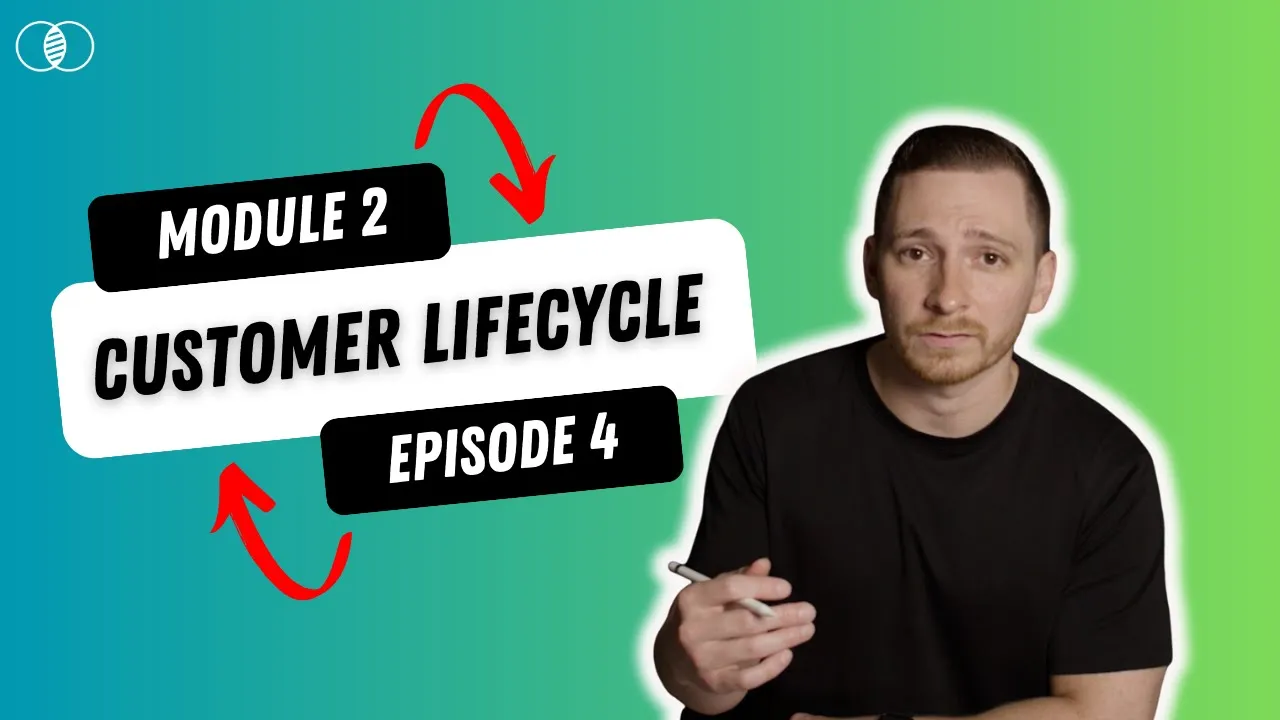













Effective customer renewal management requires starting the process immediately upon contract signing rather than waiting until 90-120 days before renewal, integrating renewal considerations throughout all four stages of the customer lifecycle (Align, Execute, Realize, Advocate), and following a structured 10-step process that includes researching customer contracts, communicating auto-renewal terms, asking direct questions about renewal intention, gathering MEDPICK information (Metrics, Economic Buyer, Decision Criteria, Decision Process, Paper Process, Identify Pain, Champion, Competition), managing objections, proposing terms, executing paperwork, and conducting post-renewal realignment meetings to ensure long-term customer success.
Customer Success Renewal Management: A Comprehensive Guide
Added:Fundamental understanding of the SaaS (Software as a Service) business model and recurring revenue streams (ARR/MRR).
Key customer success metrics, specifically Churn Rate, Customer Retention Rate (CRR), and Net Retention Rate (NRR).
The stages of the standard Customer Lifecycle, with emphasis on the transition from adoption to renewal.
The concept of Customer Health Scoring and how to assess customer satisfaction and product adoption levels.
Advanced negotiation strategies and objection handling tailored for commercial contract renewals and price increases.
Techniques for leveraging the renewal phase to drive expansion revenue through upselling and cross-selling.
Designing and implementing automated renewal playbooks within Customer Success platforms (e.g., Gainsight, ChurnZero) for scale.
Predictive churn modeling and cohort analysis to build highly accurate, long-term revenue and retention forecasts.
10K views165likes54:06Original Release: 2022-04-26
today like i said today is all about managing the renewal process i don't have dave to like give me some fun intro and ask how i am it is cold here in new york i would expect it to be a little bit warmer given where we are in the in the season um but that said on the kickoff sorry dave's missing this we're talking about managing the renewal process so so many customer success teams um have really taken on the responsibilities of owning the renewals and i feel like it is not uncommon that we've not been trained properly on how to manage that so what we're going to talk about today is the entire process from start to finish and everything in between to just manage that as efficiently and thoroughly as possible i'm going to introduce to you guys our 10 step yes it's 10 steps which seems laborious but i promise you it's there for a reason our 10-step process here at client success and how we manage our renewals and we'll talk about all the different like great frameworks that you can use to just make sure that your team is getting access to the right information at the right time to forecast and manage effectively so without further ado we're going to jump right in so this might not come as a shock to all of you but some of you may be the renewal starts the day the contract is signed right like i mean this is something we need to be thinking about so many people i talk to you know they they really kind of put in the back of their mind they're not thinking about the renewal until 90 days maybe 120 days out from that renewal date and that's just completely wrong right your customers are assessing the value the engagement of the partnership that experience from that first day right and so if you're not cognizant of that and everything that happens from that first day on you're not really taking control of that renewal you're not you're leaving you're leaving it to fate and that's something we want to be very cognizant of everything that you do and everything you design in your cust in your customers life cycle is going to impact their their desire to move forward and continue with partnerships so these are things that you have to consider so if you're looking at your customer life cycle and saying hey well we talk to our customers three times a year and then we reach out for the renewal and they're fine and it's great it's probably not it's probably a good opportunity for you to double click into that and just reassess and just make sure is this the right life cycle for our customers right have we designed the right engagement model have we designed the best infrastructure to help ensure that they're getting value from this because if you're not addressing that from day one you're going to miss a lot of time that you could have controlled that outcome now sadly i see people do this all the time right they implement swat teams and save teams and risk risk teams competitive overlays right they do all this work where they throw all these resources at the customer in that renewal window because they fail to actually just manage everything right from day one so if we can get better about managing the entire life cycle and be stronger about how we're managing our customers ability to drive value from the partnership we're going to be a much better place this renewal will be a non-event it will literally just be signing the dotted line executing and moving on and that's what we want it to be so a few other things right perceived value and positive experience these are going to be the two things that will drive and determine your customers decision right to move forward if your customers are not receiving value from the platform from your product from your services from the partnership they're not going to continue it's as simple as that now there's varying degrees of value right this is why we have renewal conversations and some of those are harder than others because maybe they're not getting all the value that they wanted maybe they're getting a little we've got to work on making that better and realigning and doing some more work with them maybe the product's not doing what they need to do right there's a whole multitude of reasons that could be unpacked in that value outcome and then we're also they're assessing the experience now what i will say is that a customer can have a good consistent experience not a great experience a good consistent experience and as long as they are still receiving value they'll continue i've even seen some instances where customers maybe had a mediocre experience or an inconsistent experience but you know the perceived value was there and they continued it's unlikely that if the perceived value isn't there that they're going to continue so you really have to be mindful of this the value is everything this is also why i put a lot of emphasis in talking about this and i think we did a session last boot camp series on goals and i'm really i'm telling you goals are your new health score if you are not tracking and paying attention to and achieving your customers goals with them paying attention to your internal metrics around a health score is wrong right you're wasting your time so focus on what it is that your customers need to see from the partnership and make sure that that is the outcome that you're driving towards that will help ensure that long-term success so let's get into a couple fun things here so i talked about this the renewal in the customer life cycle it it doesn't just start in that 90 or 120 day window and again i've seen so many people have varying degrees of timelines of when they start this if you are selling to smb and it's very transactional or it's a plg motion for the most part maybe you only need 30 days right maybe you can execute paperwork really quickly maybe the the price point is low enough it just kind of flies into the radar i don't know but for most companies i will say it's minimally 90 to 90 days to to run that process but thinking about the renewal and managing it in that window exclusively is the wrong way to go about it so some of you may have seen um my customer lifecycle this is our version of it we've got four stages a line execute realize and advocate those are the four stages in the client success life cycle we did a whole series on customer journey mapping and how to build that how i built this one here um but i want to map out where the renewal sits in all these stages because i will tell you we are focused on the renewal from day one so the first stage right a line where this is all about that partnership alignment it's where we do our partnership kickoff we start here setting expectations so we set expectations not only with our customers around what it is that they want to achieve and what success looks like to them and we ask these very pointed questions right how are you defining success with a partnership what will you need to see a year from now or two years from now to determine your you know to continue the partnership so we're aligning with them on their aspect of it but we're also setting expectations with them around what our process looks like so in that alignment we talk about this right we introduce our customer life cycle we're not shy we say you know our goal is to get to this last stage of advocacy and we want it to be mutually beneficial we want you to have realized the value right you you've got what you needed from our solution but also that you're continuing with us right that is the benefit to us the company and so if we're doing all these things right that is our you know that's that's what we would expect right you've got everything you need you're going to continue with us so we talked to them about where we start that process how we manage it we're going to start at 120 days out at that point we'll reach out to understand your intention to continue the partnership we'll then walk through our process of collecting all the important information about what that will look like to move forward and we're going to get through all the details there but we align on all that up front so we're not shy about it we we think that it's really important to just set expectations so this way when we are reaching out at 120 days out it's not a surprise to anybody right everyone is anticipating or has expected that this will be the process we'll follow so set expectations early on around what that will look like the next thing that we do is we make sure that in our second stage of execute which is heavily focused on product configuration adoption end-user training and enablement as well as that onboarding we make sure that everything we've done there has set up our customers to succeed in achieving the goals that they set out to now when we get to our session our bootcamp session next week the cool thing about that one is this like flexible onboarding program we built allows our customers to actually design their own onboarding experience with us right so we we tell them great here's your goals here's how we believe that you should be onboarded based on what it is that you're trying to achieve and we let them lean into that so we make sure that in that second stage we've set them up so they can independently use our solution to achieve those goals moving forward so this this part is key right because this will help ensure our success when we do get to that last stage of advocacy in that third stage uh that real life stage we're always making sure we're double clicking into that so we'll ask the question and some of you might be familiar with this practice but asking them if your renewal was up today um would you continue the partnership with in this case client success and we have no problem asking very clear direct questions to understand where our customers heads are at right how are they feeling if it's not a resounding yes if you ask me anything other than a resounding yes or no um and so we want to unpack that and figure out what's going on we don't want to avoid the question because we're scared of the answer and then get to the renewal process hear that they're unhappy and then swarm them and that's the standard practice for so many companies and i can't i still can't really wrap my head around why we would rather do that than just manage this more effectively from the beginning so that third stage we make sure that we're getting a handle on how our customers are feeling about the partnership early and often it's part of our ongoing conversation so it's not one time it's not one question it's not a survey that we send out it's part of our ongoing dialogue about how our customers are feeling about us about the solution about our team's ability to support them and their ability to realize their goals now that last stage advocacy this is where we run the process now i mentioned right we're going to run this 120 days out that means four months before that renewal date we're starting the outreach we're starting our 10-step process which will help us make sure that we're getting access to all the information all the insights to effectively drive the outcome that we both hope for so this is something you have to be cognizant of right making sure that your renewal has a place throughout all your entire life cycle please do not leave it to your final stage do not have a stage that's called renewal where that's all you're focusing on at the very very end this should be part of your understanding of the partnership in perpetuity right again this infinity symbol never ends right because hopefully your customer does renew you're going back to how do we align for the next year right and then execute realize and advocate again so this should just keep going on and on and it should be because you've made this a part of that and a core focus for your team who's supporting your customers so let's talk through a few things to consider the first thing is the timeline um now i i've mentioned this now a couple times right we at client success i have my team running this at 120 days out that is simply because i want to have enough time that if there is any concern or objections that we have to manage or navigate we've got ample time to do that i also want us to be able to forecast risk so we can manage and really kind of manage the revenue right and be able to forecast that out and as part of every you know all the work that we should be doing our ability to forecast effectively has an impact on the business so that timeline is critical for us now if you're working with large enterprise customers so i i used to work with ge um i've worked with other really large entities and i will tell you we started those renewal process like six eight months out sometimes depending now these were multi-year contracts but we had to start them so far in advance because of what their internal processes looked like whether that was their decision-making process procurement legal um we just we had to go through a lot in order to get these deals executed so you also need to consider your customers and who they are and what their processes look like um if you're if you're selling exclusively to large enterprise organizations you might want to consider starting that process a little bit earlier than if you're selling to smd right if you're selling to smd it's possible that you might be dealing with a ceo and he's just going to sign and you get on paperwork and it literally could be done in a day um that's not the case right so you really have to assess who are your customers and what does a typical process look like for those and listen it might be um it might be different right you might have different segments of customers you might have some of your customers where they are enterprise customers you might have some mid-market you might have some smb jessica your smb is a small mid small midsize business so you're small businesses so depending on who your customer cohorts are you might want to have a different timeline for each of those right you don't need to have a one size fits all model for all your customers around this either so really think about what that looks like um and design it specifically for your customer base the next thing is to figure out who the owner is now we're talking about this as if the csm is owning it because that's where the csm's on our company we own the renewal process but that's not always the case for some of you you might be working with an account management team depending on the complexity of this it could be that you have new new business or new sales running it it really does depend and there's no one-size-fits-all model there's not one way that looks or feels better for your customers it's just really important to figure out who is the best person to own the renewal process and clearly define that and scope the roles and responsibilities along with how they're going to work with the rest of the team around that process um i will tell you in some organizations i've been out we had an account management team we kind of worked in that pod um pod model so each of our csms you had like a csm you're an account manager you had a tam uh you had a leader over the pod right so we had this really cool structure that worked well for the customers that were in that pod and everyone had a very clear role right and what they did and how they managed it clarity was so important not only clarity internally on how we were going to run that with roles and responsibilities but also for our customers to understand who was playing what role right how should they engage with each of these individuals so it's really it's really important for you to clearly identify who the owner is and make sure that it's the best person to manage that process given your business the next thing is you've got to map out your process there has to be a defined process your process doesn't need to be ten steps it could be two steps it doesn't matter but it's gotta be your process to execute all the different steps that you'll need to in order to get this across the finish line now your process should take into consideration your customers and their process as well as your internal processes so these are things you're going to have to navigate and kind of map together because both will be critical so you've got to design it make sure that you've got all those necessary steps mapped out clearly and then make sure that you're also communicating training enabling right so you need to make sure that your team also understands this process and how to manage to it the last thing i'd add here is under things to consider is automation now i'm not saying go ahead and automate the entire renewal process although i'm not against that either but what i am saying is that there's probably some elements of this that can be automated right whether it's maybe the initial email maybe there's a survey maybe there's some some other you know information gathering or some push of data or insights that you're sharing out whatever the case may be if there are things you can introduce automation around i'd i'd highly recommend it if you can do it and you can do it well if you've got the right tech stack to do that and manage it just because it's going to drive more efficiency in your process um and hopefully save people a little bit more time so i always like to think about it um i try to i always have my like automation hat on and try to figure out okay if this is this step i i can can i can i do i have to have a person on it can i automate it right do i have the right tools and technology to do so so just something to consider because i always want to be as efficient as possible so as you're building out your process these are four things i would consider your timeline who owns it defining what your process looks like and then figuring out can we automate any part of that all right so i want to introduce you to the process that we run here at client success i know 10 steps you're probably thinking like this lady is crazy why she got so many steps here but hopefully when i when i introduce this against the timeline that we're working from it'll make a little sense so we basically like i said we start this four months out 120 days um so i would say 121 days if we encourage maybe it's like 21 22 days we encourage our team to start their research and so what this means is make sure that you've gone in you're looking at all the data for your customers you've reviewed their contract you understand any any custom terms there right do they have any out clauses they have an auto renewal do they have you know any uh do they have a lock on pricing do they have an increase in pricing that's built in um you know do they have anything else specified in there that is unique to them also go research your customer right any exciting news good better otherwise uh any acquisitions new funding um new leadership anyone change how is the data right are they using the product they're making good use of it are they have they've been engaged with you now if you've got a high engagement model your team probably just knows this stuff off the top of their head if you've got kind of a mid or lower engagement model it's stuff you might have to invest the time to go and just research either way you want to go into this process with all the information information about the commercials information about your customer so make sure that you're investing that time because you want to have an appropriate conversation with your customer not knowing these details will impact that so we start everything with like no no know the information so go do your research the second thing we do is we do by default have an auto renews cl an auto renewal clause in our contract that is not uncommon in sas i'm sure many of you who are here have an auto renew how how we use it we'll talk about that um but we want to make sure that if we do we are communicating our to our customers about that early and often right so we want to make sure our first communication to our customers is you know mr mrs customer you've got a renewal coming up with client success here's what that looks like please note you also do have an auto renew clause in your contract which stipulates that you have to let us know 30 days in advance um your intention to not continue that's got to be communicated in writing here's the dates right so we make sure that we specify everything we give them all their dates all their pricing um auto renew dates uh when they need to let us know by all this in writing right what mechanism we don't want to track our customers we want them to make an informed decision now the auto renew is great if our customers are like oh yeah just let it auto renew it wouldn't have to go through the process it allows us to just book the deal and we're done that's that's great but that's how it should be used it should not be used as a mechanism to trap your customers um into a contract because oops they missed the date right they weren't paying that close attention to it they have you know a vendor management team who's paying attention to all these details it's really poor form and we'll get into why but if they do have an auto renew our team we make sure we manage all the communication around that we don't want anyone surprised those are not good surprises um the third thing is we want to make sure that we're having a meeting with our customer while a lot of this can be started via email to introduce the details of this and get this going we want to make sure that we're having a conversation with our customer we want to talk through the details about this and we're going to get into stage four and why but number three is lock down that meeting now the number one question we ask when we engage with our customer around the renewal the the number one question is is it your intention to renew your subscription with client success now i just say are you going to or that isn't your intention to do so and if it's not a yes it's a no right when we start to hear things like oh well you know we've got this new leader and we gotta go figure out our budget and uh yeah i just wanna we're gonna double check and make sure that our team is getting everything that they need that's fine but now we've gotta go navigate all these objections which brings us step five but we need to know your intention are you planning to move forward or not um this helps us just have a very direct understanding a very clear and direct understanding of what our customer is planning to do here and then we can adjust accordingly we want to make sure that we're managing effectively and we can't if we don't know how they feel um now i mean there's certain there's other questions or other ways that you might want to ask that and that's fine um i've found that other questions or when i try to say things too nice or too politely um sometimes it avoid it it allows them to avoid having a difficult conversation so i always just like to be direct about it like do you intend to renew and then once they tell me yes or no we navigate a whole nother series of questions in conversation and so that that leads us to step four here which is medpec now there are tons of sales methodologies and processes that you may have been introduced to i think an old one and very easy one was like bant right so um we're kind of doing budget authority um i forget what adam stood for and then like timeline or whatever it was so there's different ones um med pick for us and i'll introduce you what that is need thank you michelle um we're gonna get into medpick and we'll talk through what this acronym means but this is the process that we work with with our customers to make sure that we're managing it effectively um and then we go into step five right so our customers again if it's not a resounding yes we absolutely are thrilled we're moving forward there's some objection whether or not it's going to impact the renewal or not we don't care we want to make sure that our customers are feeling heard and that we're addressing any concerns they have so any objections that they have or reservations even about moving forward these are things we want to make sure that we're clear on we understand we understand the impact to our customers we want to know you know is it prohibitive is this going to impact their retention the partnership long term and so we want to make sure that we're having conversations about that we're mapping it out and have a plan so our first five stages steps get us to this point and then we move on to our last five which is hopefully we've navigated those objections and any reservations they have we have a good understanding of those we can then move to our proposal which is us sharing with our customer based off of what you need what you've communicated to us here's what this will look like allow them to have an internal conversation where they're processing this or making sure they're getting financial sign off right everyone's okay with the cost everyone's okay with the terms they can go and review this as they need to and then come back to us once they've confirmed it looks good maybe there's some iteration here we go a little bit back and forth that's fine they want to negotiate pricing that that's very common um so we use that proposal step to kind of have that back and forth just to get everyone into a place where they feel good about what they're moving forward with making sure it also addresses all their needs the next thing we have here is next steps um i will tell you we make sure that the team always has clear next steps we think it's super important to make sure that we understand what our team is doing and how they're doing it um and this means like if we had a conversation with our customer we're booking that next meeting or there's a next ask or there's an activity that we're working on but we want to make sure that we are working on uh specific next steps to them always so anytime we're doing anything there should be a very clear next step that helps advance the process for us now assuming we've gotten through all that they've got their paperwork everything's been executed and closed out we then move to closing out the op which we manage this and are uh in client success some people might be using their crm so it could be you know um booking it out in salesforce it could be maybe you're using hubspot or another crm like i said for us it's client success we make sure that we're closing out that renewal booking it so we can process that we can invoice them and then we move on to obviously we have a thank you process and then a realignment stage so a lot of people will get that paper signed and then move on to the next thing whether it's with that customer or another customer right they're on to the next thing i will tell you that's a really poor experience for your customers where they feel like okay well for weeks and weeks and weeks you were all over me now that you got what you wanted which was that signed paperwork now you're gone that's exactly what that experience feels like for folks so we make sure we've extended our process to have this realignment meeting which is basically an opportunity for us to obviously express our gratitude again in a formal meeting but then to also say now that you you've decided to continue with us we're moving forward what does the success plan look like for our next term right what do you need to see from us how do you intend to use the software what are your plans what you know honestly from there from their perspective what is their journey looking like in their organization and then what role do they see or in addition us playing so it's a much it's a it's a it's a very strategic conversation that sense but also make sure that our customers feel that they've made the right decision to move forward and that we are partnering with them on this continued journey this isn't a matter of us getting that signed paperwork and we're on to the next thing now the cool thing about this entire 10-step process is that we do automate the process the playbook in client success as well so we use um our success cycles to power this so my team doesn't need to look at this slide they don't need to set up or just remember all of these steps basically what will happen is that the 123 day where we want to kick off that research stage um it triggers a playbook for the team via our success cycles and walks them through all this now it's 10 stages in our process and then there's a ton of like little things tasks and activities that they do that kind of power each of these stages so it's very detailed it's probably one of our most comprehensive playbooks just because there are so many things that you need to do and need to be accountable for when you're managing a renewal cycle all right now i do i know that i talked about medpick and how we use this so i do want to just make sure that i'm introducing this at least at a high level i won't spend too too much time here because i will watch the clock but there are um there's eight pieces to med pick um and there's different versions of medpick i've seen it with like 1d 2 ps 1c uh there's medic medpick and so again find an acronym that works for you that ensures your team is getting the information that they need doesn't need to be one of the ones that's that's pre-described it could be something that's very unique and specific to your um your organization and the needs of your customers but we use medpick this is something that i've used at several organizations now it works for the process that i orchestrate here um and so this is what we've stuck with so the m stands for metrics it's making sure that you have a clear understanding of the metrics that your customers are measuring to determine their success now i will tell you it's probably the hardest thing for most people to get to and this is why we tackled goals in our in our boot camp season last season uh so in january we talked about goals and goal tracking and getting to that understanding those metrics um your customers are not going to have this readily available it's not always going to be super easy for them to articulate but you've got to have an understanding of how they're measuring success right because this is going to be critical in helping you articulate the value that you brought to the partnership to ultimately ensure that that that commercial motion so in this case metrics is key for us the next one here is economic buyer we need to know who ultimately is the decision maker who is funding this project who is funding this partnership um and what role they play so we need to know who they are what their role is in the organization um what role they're going to play in the process so any information that we can gather about who they are and how we should be working with them is part of that step now that's critical for us the next one is around decision criteria so what is the criteria that they're using internally to determine whether or not they're going to continue the partnership now this also works a lot of new new business new sales teams use this as well it's definitely applicable in fact probably more applicable for new sales we definitely finesse it a little bit to make it work for renewals but it does so we make sure that we understand their decision criteria so ultimately if you've got a group of people that are working collaboratively internally to decide whether or not they're going to continue or not what is the criteria that they're measuring what are they assessing you against the next i want to know is what does that decision process look like right what are the conversations they're having what is the evaluation they're doing what period of time is that happening over who's involved in that so i want to understand that entire decision making process and what that looks like now those are the first four steps then you get into a paper process that is different than the decision process right your decision process is ultimately going to lead you to yes we're going to move forward or no we're not going to move forward if they are going to move forward we have to understand what is the what is the paper path in that organization right who are we going to send it to how many hands touch it right who's going to look at it he's like i have to go to legal does it have to go to procurement does somebody need to redline it does it need to come back to us um who are the signers who who are the cc's do we need multiple signers what is the timeline of signature so basically that entire life cycle of the contract in their organization ultimately until we get to that executed paper so what does that paper process look like is important right i can't tell you how many times i've managed a team where i've got a csm where i'm like they're like oh yeah we we sent them the contract three weeks ago oh okay but where is that contract what's happening to it who's looking at it when can we expect it right and any question i ask from that point on it's like deer in headlights because they didn't go as far as to understand what that paper process looked like in that organization it's critical right it's the difference of you know what you've got one person with another set of eyeballs looking at this thing all of a sudden they veto it you may have gotten across all of the the details here we understood the decision criteria we got a big yes on the process and then all of a sudden something happened in the paper process that vetoed this you have to understand it ask for a timeline lock it down right my favorite thing here great paper process who who's gonna be looking at it are those people taking any time off are they gonna be on vacation do they have backup is this to be on someone's desk and they're they're like on maternity leave um all those things have happened so you really have to ask a lot of questions about it don't just allow them to tell you lean in and ask for for clarity identify the pain obviously we want to make sure that we're solving problems for our customers with our technology with our services and so identifying the pain here really makes it easy for us as we're honing in on the value that we bring to the partnership just to emphasize why they would want to continue the relationship right um being able to say here's what we have helped solved for you previously and now here's what we're going to continue to do that or here's what the evolution will look like but really being able to lock in on that understanding your champion um i will tell you again something that misconstrued often um your champion is not your poc but your poc can be your champion allow me to explain um i always like the visual of if you have a champion this is the person who is selling the partnership and your product behind closed doors when you're not in the room they're the ones saying i cannot live i cannot operate my team cannot run without this solution in place that is your champion it's the person who is fighting and advocating for you on your behalf whether you are there or not just because your main just because you work with somebody every day doesn't mean that they are your champion they could be a supporter but they may not be your champion having a champion is key because there are a ton of meetings that you will not be privy to you will not be invited to you won't even know that they're happening and if you don't have somebody who's there saying i need this solution it makes my life better it makes my team better it drives impact for our business you guys are at risk and the last thing i'll say here is competition this is big for me i i can only tell you i've only worked in very competitive markets um and so understanding if our teams uh if our customers teams are evaluating any other solutions if there is competitive risk or threat um you know obviously there's a lot of things to consider when it comes to competitors in that process i always say like listen i want everyone to feel like they're getting the best solution for them um i i think it's smart for everybody to always constantly go back and make sure that they've got best in class for them and their needs so i think evaluations are healthy we need to make sure that we understand if those are being conducted because we need to make sure that we have fair play right like we want to make sure that we're getting a fair attempt to continue to earn the right to partner with our customers so making sure that you understand that competitive landscape um i did work in a market for a period of time where our competitors they were they were a little sneaky um they would have our customers sign ndas and give them like 50 off the deal to not tell us that they were evaluating them i mean like crazy things happen um so you just gotta you gotta ask good questions you gotta pay attention to to cues i'll tell you like every solution has specific nomenclatures their language they use their product here your customers using those words maybe pay attention to that it could be that they've been looking at another solution so ask if they are evaluating anything else it's okay to ask it's okay if they are right it's it's this is okay these are all part of the process but the more you know about that the better you can handle and navigate it so we make sure that we are dialed into all this stuff because it helps ensure that we're managing the process effectively again for not all of your customers are going to have a wealth of information around this um some of them your academic buyer is also your champion um the paper process could be one person gets it and signs it but you need to understand it right so regardless if these have a lot of detail or not to get to that end goal regardless you need to be clear on what this looks like so big or small company doesn't matter ask the questions and understand so you can manage effectively all right few things to navigate um these are things that i think are important to discuss as part of how your internal teams navigate the relationship around the renewal who's managing it who's running it the first thing is an early renewal um i've seen teams run early like early renewals early bookings very different um for us if we get an early renewal the dates stay the same we're just processing the paperwork early when their renewal date comes they will have renewed and they move on but we love early renewals just to get them done and dusted right if you've got a customer who's super happy and and ready to just execute signature or sign off on something let them um we always make that um an option for our customers if they want to execute their renewal early um sometimes we might incentivize that if it makes sense so if we see you know based on what they're they're buying maybe we want to give them an extra license in exchange for that or maybe there's some other pricing in session or something cool you can do um think about the value to just having that done because it allows you to book that revenue whether you're recognizing the revenue now or not regardless it allows your team to focus on some of the renewals that might be a little bit more challenging so it kind of takes us off their plate um but tons to think about there depending on how you organize your organization thinks about renewals and early renewals but i think that they're they're worth something tackling and taking down if possible the next is ar growth now this i don't necessarily mean upsell i don't necessarily mean expansions this might be that you guys have um percentage increases built into your contracts right where every year we increase automatically three percent five percent that's standard a lot of contracts have that built in some customers negotiate that they either negotiate the rate or they negotiate it out um whatever you guys have built in but it's important that if your customers price is changing you allow time to navigate that conversation um for some people they'll remember oh yeah when i signed that i do remember there's a three percent increase clause on that for other folks maybe if your customer's not seeing they're not seeing the value that they would have anticipated within the period of time that they did asking them to pay more doesn't feel right right so how you navigate that i think is important so again just for you to think about right things to think about things to navigate if there is growth there is now the best time to enforce that is this a negotiable thing for you um does this help present prevent down sell so in this case if you've got three percent built in your customer is not super thrilled maybe you negotiate against yourself and say you know what instead of three percent well we'll lock you in for one percent this year we'll go back to three percent next year when we make sure that we're doing one two three four so again it depends um and every company is a little different so make sure that you understand what flexibility you have to work with those things but again if there is an increase there you make sure that you are having clear conversations with your customers helping them understand why the value that they're getting right we most of us are working in sas environments where we're constantly innovating and building out new new products um new updates things that make their their lives better make their use of product a little bit better um that's where this is going to do right it's that constant innovation so the price doesn't stay the same because they're actually getting something completely different right imagine if your customer was paying the same thing 10 years from now what your product would look like in 10 years right it seems crazy so this is to help support all the updates all the new features all the new innovations so make sure that you're having the appropriate conversation but you're navigating it well the next thing here downsell um nobody likes to talk about this but it does happen if your customers aren't thrilled i think anyone would rather take some contraction to the contract as opposed to churning a customer in its entirety so something to consider is understanding what what flexibility what room you have what are your floors and ceilings there on your down sell but if you can keep a customer at what cost right what does that look like in your business and making sure that you understand how to navigate that your internal processes around approvals right again what are those floors and ceilings um what flexibility do you have without approval what do you need to get sign off on when does it no longer make sense the business to keep a customer if the contraction is kind of moving in a direction that doesn't make sense so again something for you guys to think about and the last thing here is the value of a multi-year contract um i i don't know anybody who doesn't have a multi-year i love multi-year contracts i wish i had many many many um i used to work for a company where all of our contracts were three years long um it kind of took all the renewals fun out of my my job because i actually do enjoy this stuff um but the multi-years were really interesting it does really help secure that revenue for the business they're great for a multitude of reasons so i like to introduce these as a value add to our customers maybe we're making some uh partnership agreement there in exchange for multi-years so making sure that it's a perceived value for them obviously it's perceived value for us as well so i think it's really key um if you can introduce this to have those conversations as well so again this is where the timeline comes into play of how long you're giving yourself to run all this because all these things are on the table for discussion right it's it's very rare that you'll have a renewal conversation that's oh do your renewal's up great let me sign and it's done in one day that that's that's an anomaly so all these things should be part of your dialogue right um early renewals growth contraction if you need to go that route multi-year contracts right so just just navigating this effectively is really important now you know me i love to end in a slide that gives you some key takeaways so i'm gonna give you like my my mistakes don't don't don't do these things when it comes to your renewals um first thing i'm gonna say is don't lock your customers into a renewal an auto renewal without proper communication this is this is my least favorite thing um i've worked in companies being full transparency where like that was their that was their go-to um in fact like we would all of our contracts had auto renewals we didn't talk to customers like the week that their auto renew was kicking in i mean it was like that that there was like a big focus on that i was like oh yeah then friendly reminder after your auto renew has passed it was like hey by the way your your contract auto renewed let's make sure that you have everything that you need to move forward with that just felt really icky right now imagine you're a customer i'm sure you guys have had customers maybe you've navigated this situation it just doesn't feel good it's not how you want to keep the business and i'm telling you ultimately that will do a huge disservice to you and your company and your brand anyway if that is your motion so please try not to lock your customers in just manage the communications around it again if you're doing your job you wouldn't even need that as your strategy your customers should just be wanting to continue the partnership um the second don't start the renewal too early or too late find out the timeline that is just right for you and your customers um i've worked some places where like they weren't even thinking about the renewals until probably like 45 days out i'm like how are you about a renewal process in 45 days like i'm like full panic sweat other companies again wanting to start it too early because most of their customers were enterprised and then you had a whole tranche of customers that weren't where that motion of like six or eight months out didn't make sense right so be cognizant of it it's not a one-size-fits-all model you can have multiple renewal models uh or processes for different customer segments so um not one size fits all make sure the timing is right not having the right conversation with the right people um again i'm sure a lot of you have been part of a conversation where like you've spoken with your champion and you're like yeah we're absolutely renewing we love you we couldn't live without you and then all of a sudden you find out they're not renewing and it's because some executive that you didn't have a conversation with who you didn't even know was part of the the partnership they vetoed it because they have a relationship with one of your competitors um it's this is why going back to med pick and that that second bullet there was your economic buyer is so key right all the parts of medpick ensure that you avoid a lot of this um and that's why we followed that process but not having the right conversation with the right people literally will get will burn you every time so you've got to make sure that you're getting buy-in from everybody that's part of this process and you've got to know who those people are so make sure that that's happening the fourth one is ignoring red flags um again even myself over the years i've had happy ears right you want to believe that your customers love you that they're seeing value and there's no issues and you don't pay attention to the signs um pay attention to to any red flags right if your customer is not engaging with you if they're being evasive if they're not giving you any direct responses um if they're they're they're mentioning keywords from another competitive solution right like these are red flags these are all red flags pay attention to them do not ignore them dig deeper seek clarity ask questions um it'll just help to make sure that you're avoiding stepping into a landline or ultimately losing your customer and the fifth thing is forecasting without having access to all the necessary info please do not tell your your leadership team that you're securing a billion dollars in revenue this quarter and that you're confident it's all coming in the meantime you haven't even started that process um having navigate having to have having had to not navigate the conversations with leadership team about revenue um the worst thing my team can do to me is set me up with a with a miss set forecast right i'd rather be not not necessarily conservative but i want to be realistic right so when we talk about what's our best case versus most likely or what's in committed these are all different stages of how we think about forecasting i want to make sure that it's accurate it reflects reality and that if a customer you know one of my csm's they win the lotto and they're not here tomorrow the deals that they said are definitely coming in are definitely coming in right and we'll work the rest so make sure that you're forecasting with all the appropriate information so you can manage that effectively um so listen we can probably i'm sure if i pooled you all you'd probably give me 100 more mistakes that we've all made as we've navigated um renewal conversations or processes with our customers but that said we've got 10 minutes remaining i'm going to stop sharing my screen i'm going to hop over to the q a and i'll also check out the chat and see if there's any questions i've missed there so i'm going to stop sharing for a moment i don't have dave here to give me an organic pause so i'm going to just take a sip of iced tea quickly so give me a second okay usually that's where dave buys me some time i can get some error and drink something all right so i'm going to pull up our q a here to see what questions we've got and see how many we can get too so first one that we've got here is how do you suggest resetting the renewal process for existing customers where you've not set a detailed expectation in advance i mean i think that's a great question right processes change all the time i don't think that there's anything wrong with going back to your customers and saying hey we've we've defined a new process for x and here's what that process looks like we want to walk you through it and make sure that you're comfortable with it allow you to ask any questions i think it's just all part of you know we're all evolving our processes and how we manage everything so if you've not had the conversation already with your customer on what that will look like it's fine to just introduce at this point and say great we've created a process here's what this looks like here's the team you'll be working with um here's how we'll run that and if you've got any questions you know let us know so i think that that's fine i don't think that you need to worry about that i think once you're ready to communicate a plan communicate your plan just make sure that you're doing that um but resetting on any of these changes is fine i think your customers will anticipate that over time things are going to change and it's how you manage that change with them that i think makes the difference in this case just make sure you're communicating it all right um next question here what's the time frame for the realignment meeting after the renewal within two weeks or 30 days of the renewal that's great question andy so this is a newer part of our process that we built in because i did get the feeling that like just having done this for as many years as i have is that it just always felt wrong right like you you work this customer you're so uninvested then all of a sudden it's like they signed the contract it's like okay go swarm the next customer and like they get less so what we've tried to do is we actually try to get this on the books within five days of that renewal date five business days right so if we're planning it in advance this also the cool thing about this realignment meeting post renewal is that because we book it in advance usually during the renewal process if our customers are reluctant to get on the calendar that's a red flag for us right like we pay attention to that if our customers are like oh absolutely let's book it we usually take that as like a good indication that they're going to continue the partnership because why would they be booking this meeting in advance after the renewal date um if they weren't intending to continue so we're not saying that this is what dictates our forecasting by any means but it's a helpful indicator for us uh good or bad so we're booking it we try to get it five business days after the renewal because we don't wanna lose time or traction uh that's the other part of it right is we want them to feel like you know their renewal started today let's say as soon as possible we're talking about what that success looks like if we waited 30 days you know that's was one twelfth of their contract on 12 12 months so we want it to happen as soon as possible just to make sure that they also feel the sense of urgency for us to continue to partner with them in that way another question that we have here is do you have any suggestions on how to add an increase of price in the renewal if it doesn't state it in the contract um yes i mean honestly it's not as fun or easy as if it is stated in the contract but we're negotiating this all the time i mean honestly our customers for the most part most people do a great job negotiating when it's a new new contract um and then what happens over time is that people forget to go back to it and renegotiate and raise prices especially you know over different years and teams and new leadership so for example here at client success we navigate this often a lot of our customers are paying under list right which is not uncommon but in order for us to step them back up we just have these conversations with them where we are again it's it's a it's a commercial conversation it's a negotiation we've got to bring up our contracts we have to right-size them the rate that they were given when they came on board was a courtesy um as a new customer and it didn't state this in their contract but this is the price that we're moving forward with so again this is where have the conversation early you have got to navigate that so i i don't know that i've got like tips or tricks on how to navigate it outside of having very direct conversations once your customers express their intention to continue or not to continue um if they're telling you right off the bat right that we're not planning to continue introducing increases is probably not your best strategy if your customer tells you yes we're planning to renew great this is where when you have that customer meeting with them and you're having those that dialogue with them you can say i do want to let you know that our prices have increased here's what that looks like want to make sure that i'm here to answer questions right so you can start to broker an open dialogue with that and get a sense of how they're feeling um be careful right like don't try to 10x someone's contract because you want to get more money um so be thoughtful about it um take a look at all the details about the the customer the contract the value adoption so just assess everything and make sure that it's going to feel mutually beneficial for everybody um let's see oh my gosh we got such great questions okay um do you include the discount given within the contract um so this is to say do we specify the the discount if it's in the contract if you're just asking about how we talk about this when we're having the conversation with the customer um we do include discounts uh written on the contract so it's very clear what they're paying versus list um we make sure that again if we can specify what future increases will look like we do want to include that so that way it's already built in um and we make sure that again if we're having those conversations with the customer they understand that this discount was maybe specific to them coming on board as a new customer um and so we want to make sure that again we're just very open with everything when it comes down to pricing right here's our list here's what you were here's what you came on board with here's what our price is now here's how we're going to step you closer to that right so just again it's it's being flexible but having an open conversation with them i don't know if i answered that question specifically hopefully i did um but we do try to make sure that all discounts are specified everywhere we also want our customers to understand like total cost of savings um all that right so if they're paying if they've got discounts on a bunch of different elements that make up the total contract making sure that we're just making sure we're we're all clear on that everyone feels good about it um all right more questions here alright we talked about that one andy um let's see how do you suggest okay we did this one sorry um okay curious how do you get to the decision criteria um this is one that we we ask just with our customers right so we ask them like what is the what's the decision-making criteria so what are you assessing to determine whether or not you're going to continue the partnership right or select us to move forward with um for a lot of our customers they're gonna you know talk about the they might talk about support it's gonna be product maybe product has a matrix of its own where it's they're looking at all the does it have all the features that we need does it align with our processes does it fulfill the the things that we're trying to do so usually um customers will be thoughtful about that i won't say always and not every customer is going to map it out very detailed um but they'll they'll have something that they're basing it off of right it's not just like how do i feel today i like them i'm going to continue or i'm not um usually they're assessing something so you've got to just ask them um and you kind of push them on that aaron so just ask the question of how are you determining uh you know whether or not you're going to move forward or not what is that process like what are you what's the decision criteria and usually they'll give you something um and here's the things that we're looking at here's what we're assessing internally okay um let's see we could probably get to one more one more question here so do you ever change the question from do you intend to renew given that the terms of the agreement are set to auto renew unless xda's notice are given um yeah because we don't we don't like i said we're working in this conversation well in advance of the auto renewal so we let them know that the auto renew is there but they can execute it out 30 days prior to if we're starting the process at 120 and my question is do you intend to renew my goal is not to lock them into an auto renew clause so we want to make sure that if they intend to renew that's great and we also let them know if you do change your mind or if anything changes throughout this process this is the day you will need to provide written confirmation to us by so that way you can execute that auto renew if you don't if you say you intend to to renew and you do not send us written confirmation 30 days in advance you will the auto renew will be enforced so we do just make sure again this is where communication about all the details not only verbally but also in writing is key because you don't want to surprise your customers so making sure that that's that's given to them but we're always very specific we don't change that question i think their intentions are really important for us to understand um let's see we could probably do one more so what are your suggestions for renewal timeline for very short project life cycles um i.e 120 days um you know again it depends on like i said i always say it depends right um it does depend because if your customer's process takes a long time you've got it you've got to include an account for that even if the timeline on a project might be shorter so for us like i said we run it 120 because we feel like that gives our customers enough time to have the conversations they need to internally it gives us enough time to manage any risk if there is any we just don't want to be surprised we want to be able to give enough time to manage things in its entirety and also feel like it's a good experience for everybody and not rushed i will tell you um not uncommon but if you look at your your contracts in totality across your entire year if you're a leader um we've got a lot of our renewals happen in q3 q4 a lot in q4 a lot around december um and so for us starting the process early also helps us avoid things like holidays and time off so like everything we do is very intentional to allow for life because life happens um people are out people have babies people go get married they go on honeymoon to go on vacation doesn't matter you're out for multitude of reasons and we want to make sure that we've given us ourselves enough time to manage all that effectively so i know that we did not get to all the questions there are a lot of great questions in here happy to entertain anything if you want to shoot it to me via linkedin and i'll have to have a attempt and answer or have a chat about it but want to just thank you all very much for your time today and for joining me um we do have one more uh episode in this series so next tuesday will be our last one we'll talk about onboarding so hopefully you'll all be able to join us back again next tuesday at two o'clock eastern
Up Next

9:46
Strategic Approaches to Handling Price Objections in Sales
@SteveRichardsredzonestudents
26.1K views•2013-07-19
46:36
Retention Habits of Top DTC Ecommerce Brands Revealed
@SendItPodcast
44K views•2026-03-03

15:23
Decoy Effect: How Pricing Psychology Influences Consumer Spending
@bobinvestsUS
90K views•2026-01-05

17:30
The Planned Obsolescence of Light Bulbs and Tech
@veritasium
25.3M views•2021-03-26
Related Study Plans & Knowledge Roadmaps
Structured learning paths in Business
business
Pop-Up Retail: Strategy, Design & Execution
01Introduction to Pop-Up Retail & Strategic Goal Setting
02Budgeting, Site Selection, and Legal Essentials
03Experiential Retail Design & Visual Merchandising
+ 2 more learning modules
15h5 modules
Explore Roadmap
business
Reg CF: Startup Funding, Marketing & Launch
01Introduction to Equity Crowdfunding & Reg CF
02Platform Selection & Legal Preparation
03Crafting High-Converting Campaign Assets
+ 2 more learning modules
14h5 modules
Explore Roadmap
business
Productized Services: Scaling Solo Freelance
01Foundations of Productized Services
02Packaging and Scope Definition
03Pricing and Subscription Models
+ 2 more learning modules
15h5 modules
Explore Roadmap
business
Gov Procurement: Find, Bid & Win Contracts
01Introduction to Government Procurement & Business Setup
02Small Business Certifications & Set-Asides
03Finding and Analyzing Contract Opportunities
+ 2 more learning modules
14h5 modules
Explore Roadmap