





![Unit 3 Chapter 13 Sound Waves [Pearson Edxecel IGCSE (9 - 1) Physics]](https://i.ytimg.com/vi/jxLDjuCp8rA/maxresdefault.jpg)






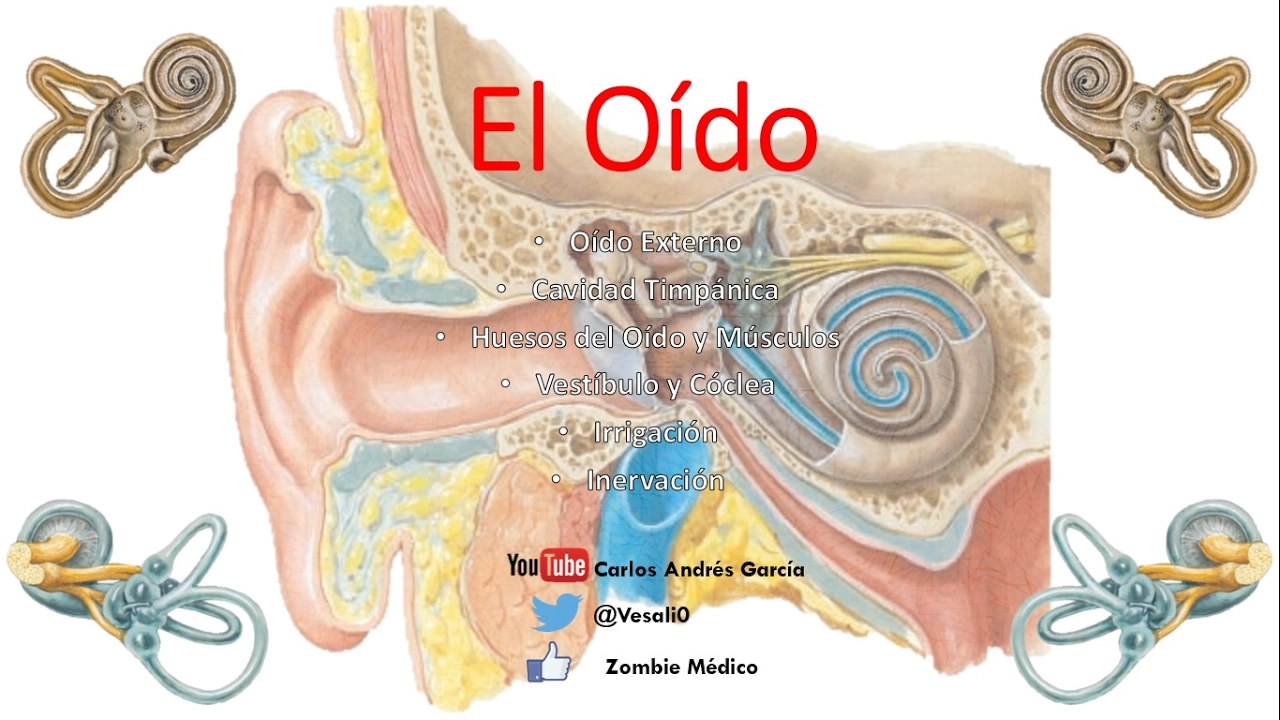




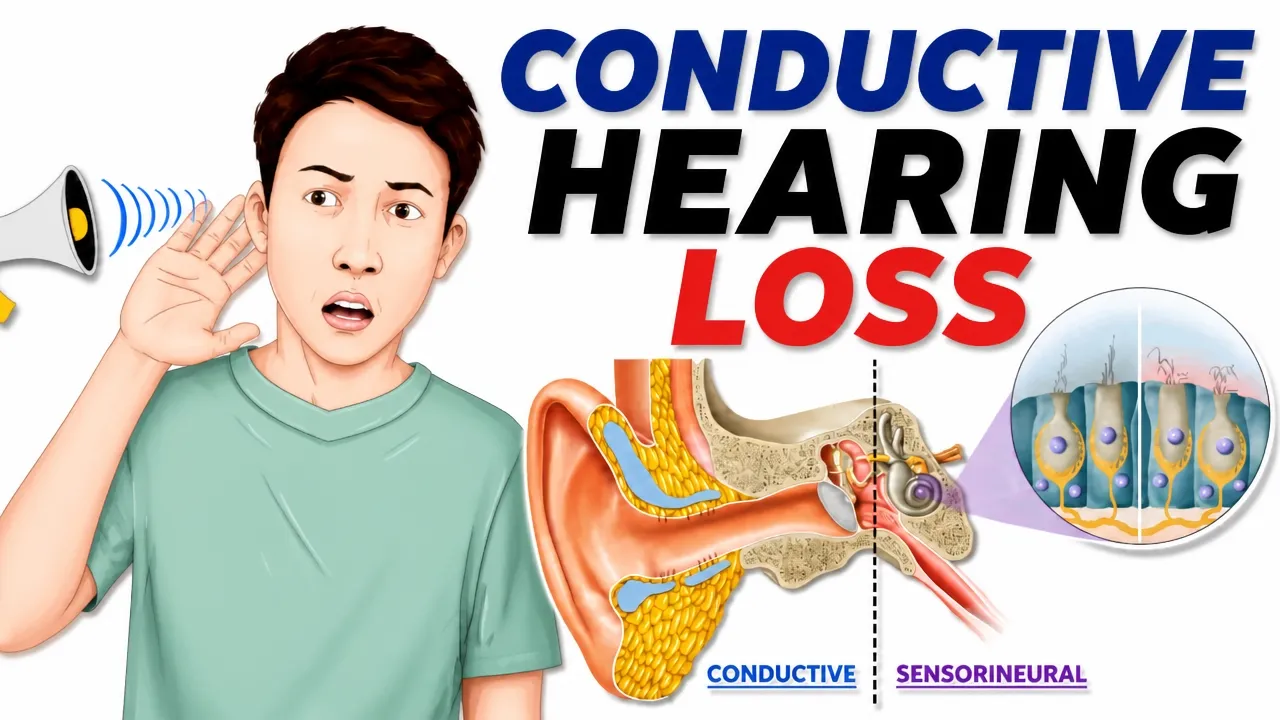


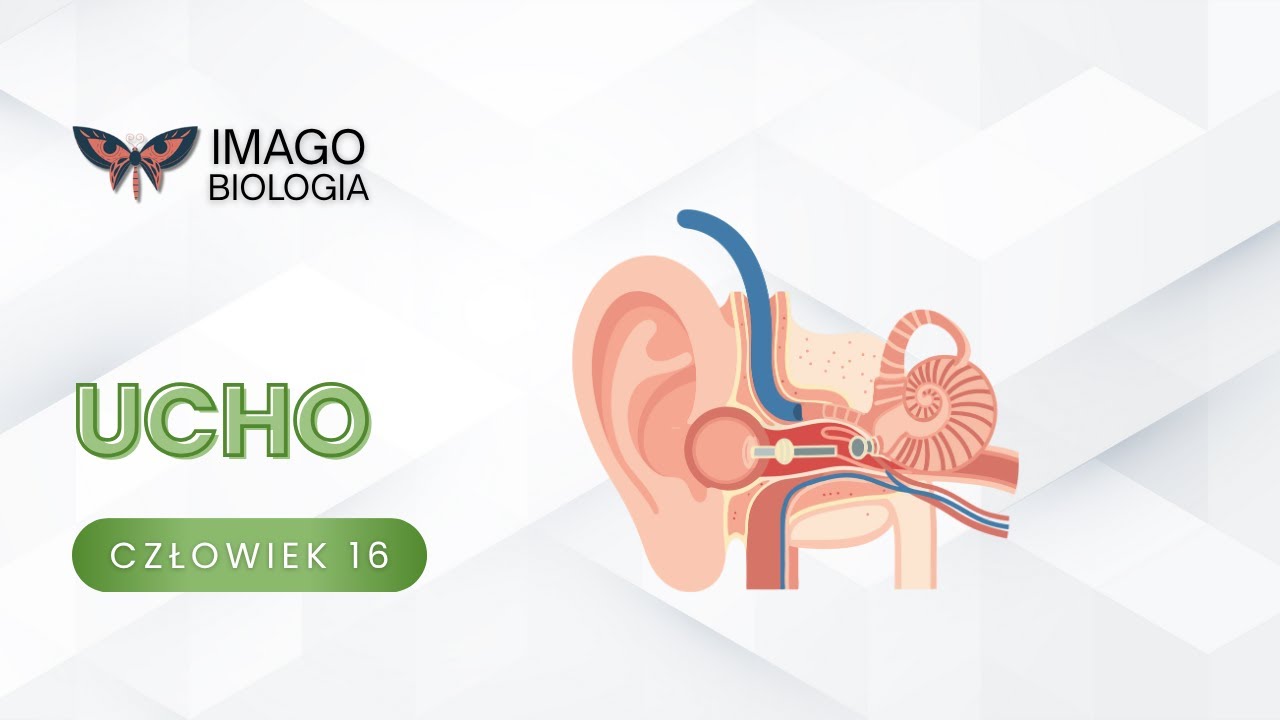

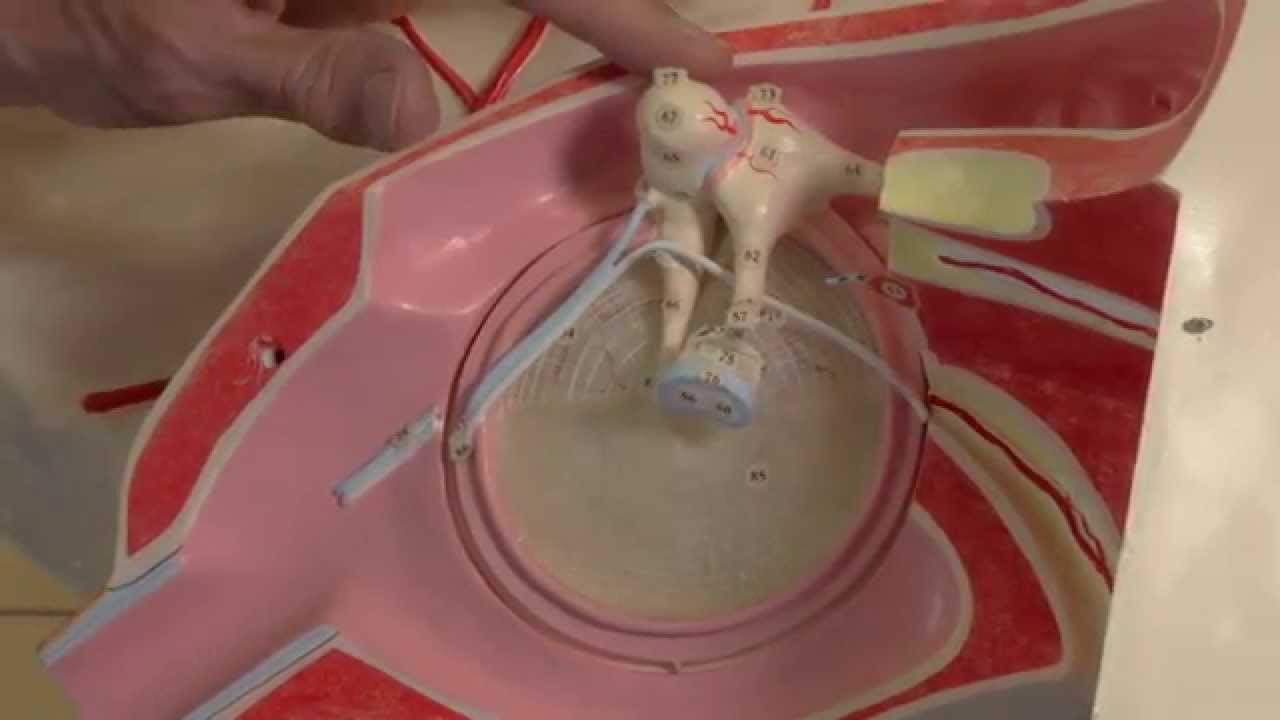
The external ear consists of the auricle (elastic cartilage covered with stratified squamous epithelium) and the external acoustic meatus containing ceruminous glands that produce earwax to deter insects; the middle ear contains the tympanic membrane (composed of pars tensa and pars flaccida) and three auditory ossicles (malleus, incus, stapes) that transmit sound vibrations from the tympanic membrane to the oval window of the inner ear, with the tensor tympani (innervated by CN V3) and stapedius (innervated by CN VII) muscles modulating ossicle movement to dampen sound intensity, while the eustachian tube equalizes pressure between the middle ear and nasopharynx.
External and Middle Ear Anatomy: Special Senses | Ninja Nerd Lectures
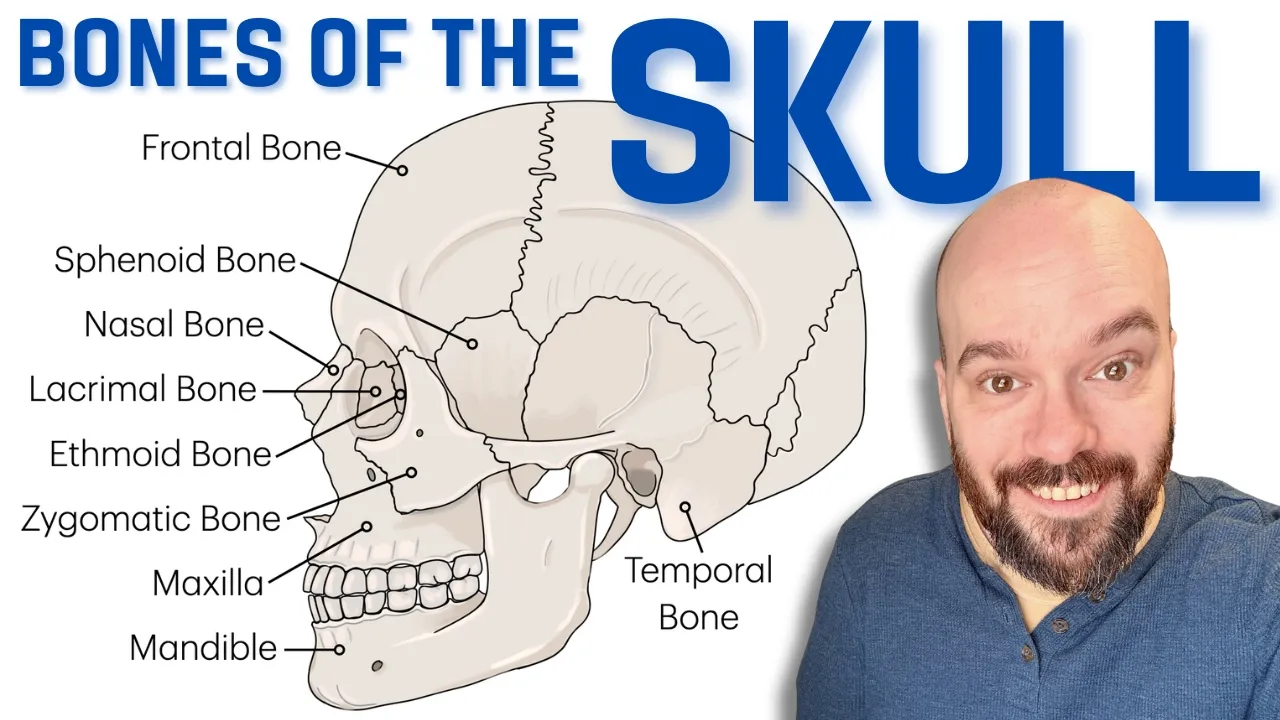
Added:Basic skull anatomy, specifically the structure and landmarks of the temporal bone, which houses the auditory structures.
Fundamental principles of wave physics, including how sound waves travel through different mediums (air vs. solid/fluid).
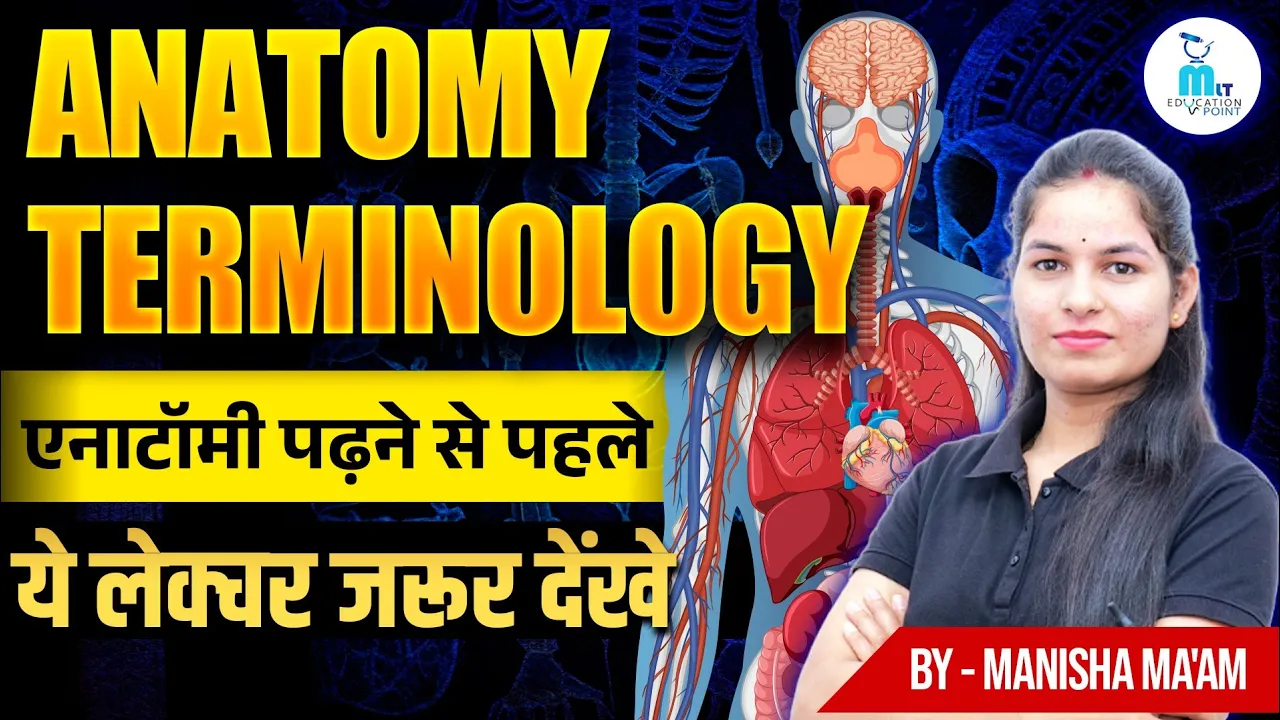
General anatomical terminology, including directional terms (medial, lateral, superficial, deep) and tissue types (epithelial, cartilaginous, and mucous membranes).
An overview of the nervous system and the concept of special senses versus general senses.
The anatomy and physiology of the inner ear, focusing on the cochlea, organ of Corti, and semicircular canals.
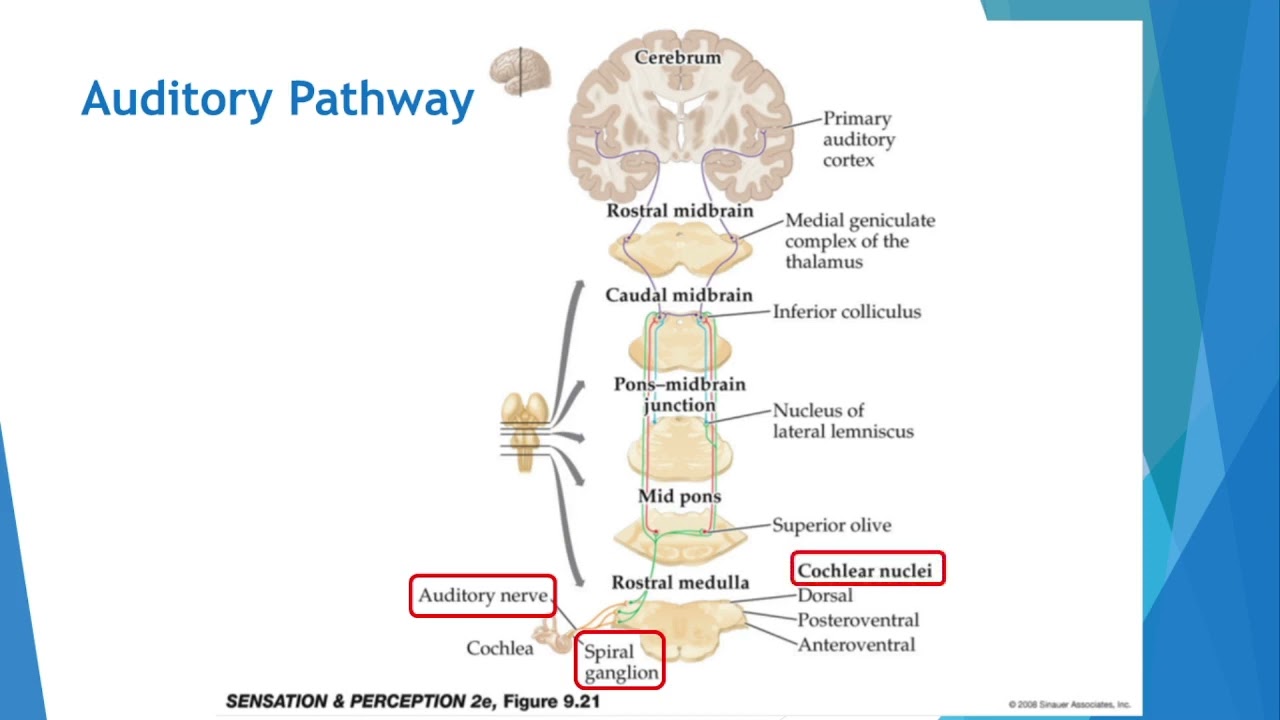
The auditory pathway of the central nervous system, tracing signals from cranial nerve VIII (vestibulocochlear) to the primary auditory cortex.
Pathophysiology of conductive hearing loss, including conditions like otitis media, tympanic membrane perforation, and otosclerosis.
The vestibular system and its role in equilibrium, balance, and spatial orientation.
1.2M views16Klikes46:48Original Release: 2017-08-12
I'm engineers in this video we're going to talk about the external ear in the middle ear the reason why we want to talk about this is before we start going into all the inner ear stuff talking about the cochlea and the vestibule and the semicircular canals and how airwaves or some sorry sound waves can actually get converted into certain electrical potentials and then be perceived in certain ways I want to make sure that we really have a good understanding of the external ear and the middle ear because they're going to play a crucial role into understanding how these auditory pathways and these distribute the pathways occur all right so let's go ahead and dive into the anatomy of the external in middle ear so first things first how are we going to look at lobby structures so if you real quickly I'm going to draw here a quick little crude diagram here imagine here's the skull okay imagine here I put like the sella turcica of the sphenoid bone and I can separate this into an anterior cranial fossa I'll separate into a middle cranial fossa and then I have a posterior cranial fossa so with the framing magum they're right and if you want you have your crista galli right here with the cribriform plate of the ethmoid bone all that stuff right there right then if we come over here you'll have the external acoustic meatus with the ear right and over here you'll have a external acoustic meatus with the ear what I'm going to take a look at is we're going to look at some of the structures here off the external ear and we're going to take a look at this end external acoustic meatus and then what we're going to do is there's going to be this separating structure here that we're going to take a look at a lot pretty much most of the videos going to be about this and it's going to be on this middle ear we're going to take a look at it in a box diagram because it's the easiest way to see the middle ear so what we're going to start off with is we're going to start first off talking about what the external ear not too much to talk about what we'll discuss some things but then we're going to spend most of our time looking at the middle ear and again we're going to look at it and what's called a box diagram form because it's going to make it the easiest to see okay and easiest for me to draw here alright so let's go ahead and start that so first off let's come over here I know we have a lot of diagrams here pre John but don't worry we'll go over everything because just click on the video don't worry didn't miss anything okay so starting off here we're going to talk about the external ear okay so external your biggest thing here you see how you see this big old flap here coming out this sucker right here that I'm flicking on right now I'm holding and moving around you notice how I'm able to move it around a lot right it's able to be stretched and go back to its normal shape right I'm able to move it around bend it what's the reason for that well first off what do we call this part here not only we call it you know two things you can call it the Oracle or you can call it the pin up now what's really interesting about the Oracle or the pin up is obviously the outer part of it is the skin is supplied with what's called it's actually covered with stratified squamous epithelia tissue to resist against friction and abrasion but underneath that it's primarily made up of a special cartilage called elastic cartilage and the reason why I'm mentioning this because there isn't too many places in the body that are actually consisting of elastic cartilage one is going to be the ear the external part of the ear the ORAC or the pinna and the other one is that the glottis and again the purpose of is lots for it to be able to be very very able to stretch but recoil back to its normal position okay so that's one of the really really cool things about that all right sweet nothing much other than that about the external ear this outer part here now the next thing is as we go in to the actual external so we come from the work or the pinna and we move into this hole right outside of it right there's going to be a hole right side let's go on outside at solo skull and this is going to be called the external acoustic meatus so this is called the external acoustic meatus this little canal right here that I'm kind of putting the outlines here in green the external acoustic meatus is a little bony canal and inside of this canal you're going to have some first off the inner part of it Discoverer would like some stratified squamous epithelia tissue right but another thing that's really important about this is that we have these things called sera - Glantz okay we have these things here called cerumen it's clean and serene - glands are basically like mat modified apocrine glands basically they're like modified apocrine glands and they can produce a substance called serum on which all of you probably commonly know as earwax okay so these guys are producing earwax serum in which is kind of coating the inner part of the ear now what is important about this the importance of this serum aunt is to be able to deter insects believe it or not so again what do these glands here called they're called sera - clams okay and these cerumen exclaims are producing serum n or we know it as earwax and the purpose of this earwax is to deter certain insects now some of you might know is you stick a q-tip in there you pull out some of that earwax right but you have to be careful why because you've probably been told by your mother or some other person don't ever stick that q-tip really far down because at the end of the external acoustic meatus there's a really really important structure it's called the tympanic membrane the tympanic membrane is a very very important membrane it's a connective tissue membrane we'll talk about a little bit more here in just a second we have the diagram up there to show it but this pink structure that I'm here is separating the external ear from the middle ear this is the tympanic membrane so that's kind of nice separating structures so what is this pink thing they're called it's called the tympanic membrane and like I said it's actually made up of two components one component is called the pars tensa which is a very very very heavily dense fibrous irregular connective tissue we'll talk about that one okay so this is the dense connective tissue and particularly it's irregular because it's in different bundles or arrangements okay the other one is called the pars flacid ah don't be thinking about flaccid other things okay just think about parse platta what it means is it's loose okay it's loose and in this case it's actually made up of a loose connective tissue particularly areolar connective tissue the reason why I'm telling you this that it's actually made up of two different types is that if you go and stick the ear q-tip into the ear and you actually hit the PAR slice of it too hard you can puncture the tympanic and that would affect the actual middle ear pressure as well as a lot of other structures open up for certain types of microbes to come in okay all right so cool so what do we have so far for the external ear we have the Oracle of the pinna which is made above elastic cartilage okay last word to be able to kind of be stretchable and to be able to be stretched but always loans to reclone go back to its normal position right external ear is also going to consist of some anise glands which are producing serum in earwax that are basically lining encoding the external acoustic meatus to provide it with a substance that can deter the insects remember the sarunas glands are modified African glance then this bony canal the external acoustic meatus it gets to this end point here which separates the external ear from the middle ear and that pink membrane is called the tympanic membrane and the tympanic membrane is a connective tissue membrane two parts of it once called the pars tenza which is made up of a dense irregular connective tissue that's the inferior part of it usually if I were to kind of make a little cut off here usually the actual part right here that I separate anything below from this point here to this point is the pars tensa usually up here in the top from this point to this point is the parse flaccid ax and it's a looser type of tissue and what kind areolar connective tissue so now let's imagine that I'm going to look down the ear okay I'm going to take on it I want to take it I'm going to look down this extra acoustic meatus so I'm going to I'm going to take and shine a light down this area so let's pretend I try to draw a light don't you dare laugh at me I'm going to take here I'm going to have a light here and I'm going to shine some light into this person's eye I'm sorry none to their eye their ear okay and I'm going to look down the external acoustic meatus to the mechanic membrane when I look at that this is what I see might not be beautifully as as as you would normally see it but this is what you're going to kind of see here with the tympanic membrane now what we see here is I see a couple different things you can actually kind of see an outline here you see this kind of the structure here in blue am an outline right here is actually an obstacle it's one of the little bones and you can kind of see a little outlining of it there what is this bone here call that bone is called malleus it's actually called malleus it's one of the ossicles okay it's one of the three obstacles within the actual middle ear cavity so you can kind of see like a little bit of an outlining of the malleus then you can kind of see these little folds these little cold here coming inwards like this and then another full coming inward like this okay so this is actually called since as fold as close to the malleus it's an anterior mal your fold and this is the posterior fold we're not going to actually write these down they're not significantly important but again just kind of giving you an idea here this is the anterior mal your fold which is come on this side so this would be the anterior side here there should be the posterior side of the tympanic cavity okay and again it's the answer now your full posterior malleable and kind of outlining of the malleus then at the bottom part this is important here connecting to the bottom part of the malleus is a muscle and this muscle is called the tensor 10 PI tensor tympani right the tents are campaña we talked about this muscle if you guys watch the video on the trigeminal nerve remember the trigeminal nerve actually gives off a branch of supplies the tensor tympani which tenses up to tympanic membrane we didn't really talk about the mechanism we will in this video but we'll say that what happens is this tensor tympani is innervated by the trigeminal nerve specifically the mandibular division okay of the trigeminal nerve v3 okay and that's connected to that part then remember we said we had the parcel acidy and the pars tensor this right here that's all in this really really dark shade of green it's pretty much very very dark it looked heavily connective tissue lives right this right here is going to be the pars tensa okay that's the pars tense up which is this really really dark connective tissue and this is the only reason we mentioned the malar folds the anterior malar folds and the posterior folds are kind of separating the pars tensa and the parse Placido so all this loose connective tissues I'm kind of just drawing like scattered this is the pars philosopher okay alright so what have we covered so far then we've covered external year with Oracle in the pinna we covered the external acoustic meatus the cerumen is glands we covered the tympanic membrane which is consisting of the pars flat set up and the pars tenza are tense as dense connective tissue irregular parcel acid is areolar we also said that you can kind of see whenever you're looking down the ear canal you can actually see that it's nice of separation here by the post hearing and tear mal your folds which are separating the power sensor from the parcel acid up and then we also said that you kind of see like an outline here of the malleus and you'll see a muscle here connecting called the tensor campaña which is innervated by what cranial nerve the fifth cranial nerve particularly mandibular division so v3 of cranial nerve five okay sweet thank and deal so we covered the external here now let's go ahead and take a look even deeper now okay so now we're going to take a look even deeper and we're going to start getting into this cavity here we're going to start looking into the actual tympanic cavity or the middle ear okay so I just want to take a little pause here because I wanted to write down what we're going to talk about cause we're gonna talk about a lot of stuff so I want to make sure that we cover every single piece of it so just kind of wrote down a list of what I want to talk about alright so the first thing we're going to talk about is ossicles okay so obstacles there's three little obstacles located within the actual middle ear or the tympanic cavity okay what are those obstacles and what are the Nausicaa ossicles just tiny little bones so what we're doing here is we're taking a look at the middle ear and this is actually going to be kind of looking at it I'm removed I removed out the anterior wall of the middle ear okay so you can't see the anterior wall of the middle ear I removed it out and what we're looking at here is we're looking at a couple different bones all right this first one here that I'm kind of like highlighting already said that remember if I'm looking here I'm shining a light remember here was the light I'm shining a light here okay I'm looking I see the tympanic membrane what bone that I kind of see the outline of the malleus so what would this bone here be this would be malleus and then for the sake of it what is that muscle that is connecting right here to the malleus right here and it's actually kind of moving upwards like this it actually is a really long kind of muscle here it actually moves all the way up over here okay this is that muscle right there this is what muscle is this call this is called the tensor tympani right because whenever the crane on our five the mandibular division innovates this nerve this muscle contracts and it pulls the malleus medially okay away from the tympanic membrane okay and basically what that does is it tenses up the tympanic membrane to prevent that excessive compression and decompression okay to dampen some of the sound waves all right sweet so now the malleus is connected to this next little obstacle through the next double joint here what is this muscle I'm sorry what is this bone here called this obstacle that I'm highlighting right here so malleus kind of means like a mallet so imagine here I'm taking like a mallet and I'm smacking into like a nice little like anvil okay they actually disrupt the thought of look like an anvil so they just called this incus okay so you have malleus then you have incus then incus is connected through a nice little joint down here to this next bone and this bone looks like the stirrups like if you ever get onto a horse it kind of looks like this imagine here is the actual state piece this is the stay piece and they said it kind of look like a stirrup okay that you can kind of stick your feet in this right like a nice little stir up they call this bone here state these okay this is called state Peas so what does this bone right here called this one is called stay peas why am i mentioning all of these bones the reason why is it's going to lead right into when we talk about how sound waves can actually produce action potentials within the inner ear and then we can actually consciously perceive those sounds so it's amazing we can take sound waves turn them into action potentials electrical stimuli and send that information up to the brain to perceive so what happens is I'm not going to go into the whole detail here because we'll talk about it again later but what happens is let's say that these are the sound waves and sound waves are basically sine waves okay so they're sine waves they have ups and downs and ups and downs clefts and troughs right and what happens is these sine waves are sound waves are hitting the tympanic membrane and when that hits the tympanic membrane it vibrates these little ossicles and which ones it will valu vibrate in order it will vibrate malleus then that will actually hit on the incus and vibrate incus and then incus will actually push on stay peas and scabies is actually anchored on one end actually it's actually anchored on a posterior end and the only thing that's hitting it at the anterior end but just imagine it tapping on this window right there it's tapping on the window saying hey I got some sound waves for you and again past this point here would be the inner ear okay like the cochlea alright so what is this structure right here called this structure here is called the oval window okay so from medial side here this is the medial side and this is the lateral side I'm sorry I lied this is the lateral side because it's toward the external ear and this is the medial side okay guys this is toward the inner ear alright now what happens is sound waves are coming from the external acoustic meatus they hit on the panick membrane vibrate the obstacles in order malleus incus stapes and stabies taps on the oval window whence tapie's taps on the oval window he'll take this mechanical stimuli and it will create fluid filled vibrations within the actual structure called the cochlea which will eventually get converted into action potentials and sent by the cochlear nerve of the cochlear branch of the vestibular cochlear nerve to the brain stem we'll talk about that when we get to the inner ear okay so that covers that again obstacles we got malleus incus state these the purpose of them is when they vibrate from the sound waves they tap on the oval window to create fluid-filled vibrations within the inner ear structures okay done with that part let's move on to the next part next part here is going to be called the facial canal so tiny little bony canal within the middle ear if you guys already watched our video which we put up for the actual facial nerve you guys you guys will know what we're talking about here okay a lot of these are going to connect with some of the cranial nerves that we talked about so if you remember what was the facial nerve actually coming from you guys remember here let's actually kind of show it like this remember it was actually kind of located here in this area this was a facial nerve but had a special nucleus as remember that nucleus it was called the superior Salvatori nucleus and if you remember the superior Salvatori nucleus comes out through a hole and the school over here and this hole in the skull is actually called the internal acoustic meatus okay it's actually called the internal acoustic muse what happens is it actually runs through the internal acoustic meatus and from here it actually moves down from the soup the upper part of the actual what upper and medial part of the middle ear and then it works its way backwards to the posterior wall and then it goes downwards and comes out through the stylo mastoid foramen we talked about that in the facial in our video same thing is happening here we're just looking at like this so one nerve will be coming down through this area this is cranial nerve what seven facial nerve right so some of the fibers here are going to come through this bony canal and they're going to move through this bony canal and as they're moving through this bony canal something really really important happens right so these are actually going to be the parasympathetic fibers but you know the facial nerve also has motor fibers so it also has motor fibres let's actually draw these motor fibres and this nice little blue color here so here this is our motor fibers these motor fibers also move with the facial nerve and they move down through this canal also so imagine this guy here is moving through this canal as it's moving through this canal it gives off a branch here and this branch comes in through this tiny little hole within the posterior part of the actual middle ear and it supplies this muscle right here why is this important and first off what is this muscle this muscle here is called the stapedius so if you guys remember this was our scabies this bone right here was one of the obstacles it was called stabies and what was state B is doing was tapping on the oval window we have a little control of that what happens is the facial nerve will innervate the stapedius which will tense up on that actual state B's what's the purpose of that if it contracts on the state DS the state piece isn't going to tap the oval window as much okay so it's dampening these actual act the mechanical events of the state piece is trying to exert on the inner ear because again the state piece is tapping on the oval window to create fluid build libraries within the cochlea if the actual stapedius contracts it prevents the state piece from doing that excessively okay so it dampens that activity that's the function of this part here so again what nerve is actually running in here this whole thing right here that we've talked about so far there's actually one more that we'll talk about this whole thing that we've talked about so far is the facial nerve cranial nerve seven these green fibers are the parasympathetic fibers and these baby blue fibers here are going to be the motor fibers and the motor fibers are getting supply to the stapedius and if you remember it'll continue down through the bony canal and it will come out through this hole here called the stylo mastoid foramen and then if you really wanted to know the style masked out of the style master frame it gives two branches one goes to the stylohyoid and the digastric posterior belly and the other one branches out into the temporal it branches onto the zygomatic the marginal mandibular and the cervical branches right if you guys remember that it was the temporal zygomatic blue cool marginal mandibular and cervical branch and then back here gives the taiga digastric poster belly and it gives it to the stylohyoid okay but we don't need to know about that just going to giving you what's moving through that area okay now what else is happening remember from the facial nerve we had some other fibers here let's do these ones in this do to brown color here these were actually sensory fibers these were sensory fibers and these sensory fibers are important because they move in the actual facial canal here too and what happens is they move down with these green fibers these parasympathetic fibers but what happens is they jump out these sensory fibers they jump out with these actual green fibers here look at this these guys jump out of that facial canal and they move through a hole within the back of the actual middle ear so again what's going to happen here these parasympathetic fibers these green fibers are going to jump out and these brown fibers these sensory fibers are also going to jump out and then what happens is they're going to move this is so frickin cool they move from the posterior all the way out from the anterior okay so they move from the posterior part of the middle ear all the way to the anterior part of the middle ear so again what will happen here these fibers here will come from the posterior part of the middle ear and they'll come out through the anterior part of middle ear these tiny little suckers here this is just called the posterior it's a posterior canal Occulus okay this is just a little post here canaliculus and this is where these fibers come out here and they move over in like a cord and the tympanic cavity which is called the core doesn't pan on well like that down in just a second but then they come out through this tiny little hole in the anterior side of the middle ear this is called the anterior canaliculus okay and again what did we say this whole thing is called hear this whole thing imagine this whole thing here that I'm about to wrap around like this moving from the posterior wall of the middle ear to the anterior wall this whole structure here is called the chorda tympani and if you guys remember from that video we said that it eventually would go out and it will combine with the lingual nerve and what happens these fibers actually these do to brown fibers they move with what nerve they're going to move with cranial nerve five specifically the lingual nerve right and they'll go to the tongue okay the lingual nerve will actually supply what the lingual nerve the trigeminal component here will supply touch pain temperature to the anterior two-thirds of the tongue and these brown fibers here provide taste to the anterior two-thirds of the tongue and if you remember this comes out to a ganglion what was that ganglion called mandibular ganglia and this goes to glands sublingual salivary gland and the submandibular salivary gland okay we already talked about this within that video right of the facial nerve okay sweet so so far what we talked about we talked about the bony canal the facial canal and then what fibers are moving through it we're not going to cover every single fiber because we already did on the facial nerve but I just want you to understand that through this facial canal the facial nerve is moving through and then out of that certain fibers are coming out into the middle ear which ones this blue fiber is the motor fiber going to the stapedius which controls the movement of the state piece we talked about that then we said these green fibers are parasympathetic fibers these do to brown fibers are the sensory fibers are taste fibers right and GVA fibers if you remember and the green ones are GBE fibers if you remember they move down through the facial canal and then they come out through the posterior canal lick ulis and move anterior and a cord called the courtesan pan on and they come out through the anterior canaliculus and then again the green fibers go to the submandibular ganglion which lots for salivation and then the brown ones move with the trigeminal nerve specifically lingual nerve okay and they go to the anterior 2/3 of the tongue sweet stinking deal all right so what have we covered so far we did the facial canal what else did we cover we also covered in the process we covered stapedius alright now let's talk about the next thing which is actually going to be called the promontory okay so the promontory what is this promontory so if you look here we're looking at the middle ear so looking at the middle ear here you're going to see here this is the medial wall this is the medial wall of the inner ear okay this is the posterior wall of the middle ear I took a slice here you can't see the whole thing so imagine I come this is the whole anterior wall I cut it okay so this is the anterior wall but you're only seeing a small portion of it if I were to bring this thing all the way up and all the way up here to the top at me the whole anterior wall okay and again down here is just going to be the more of the middle ear and I removed the me uh the lateral wall so over here if I were to imagine coming from this to here this would be the lateral wall and I would have the tympanic membrane on I removed that so that we could see the court isn't paying on some of these other structures okay so post to your wall medial wall and to your wall and then again I remove the lateral wall and you can see the floor of the tympanic cavity sweet on the medial wall there's a structure that we're going to talk about eventually it's called the cochlea right and what happens is imagine I'm going to kind of like do it like this here the cochlea kind of looks like a snail shell right and what happens it actually kind of presses okay so the cochlea would actually be behind this it actually behind this hole over here so if Majan here for a second I'll show you what I'm talking about I'll say here I have external ear all right external acoustic meatus let's say here's the tympanic membrane let's say this is that wall I'm shading it in here this is actually going to be the medial wall what will be right here next to it right here would be the cochlea okay and then again we'll talk about eventually good you get to the vestibule and then the semicircular canals okay so right here is actually gonna be the cochlea and the cochlea is pressing in to this actual medial wall in causing this little a bump and that bump is called the promontory why is that bump important because there's nerves that run across that it has a probably going to hate me but if you guys remember let's do this one in pink we had a nerve and that was called the glossopharyngeal nerve right and it came out from over here remember I'm going to kind of write it like this glossopharyngeal nerve it actually moves out through a hole we're not going to show here but the jugular foramen and then if you remember I'm going to bring it down here I'm going to come from the bottom okay it's going to come from the bottom here and it's going to move up through this hole on the floor you see that tiny little cavity right there that tiny little hole that's what's going to move up through it's going to move up through that okay so this inner of here glossopharyngeal nerve is going to come down down down down come from the floor and come up through the tiny little hole within the floor that's a panic Avenue what is that hole there called that hole is called the tympanic canaliculus okay so what does it call it's called the tympanic canaliculus and what happens is the glossopharyngeal nerve comes up through that then as it moves up it gives off kind of like these little branches over here okay it gives off these little branches okay so again if you remember this was coming down these are actually gve fibers so they're coming from specific area you guys remember it's coming from the inferior if you want hair all right it's coming from the inferior Salvatori nucleus these fibers are coming up here through the tympanic canaliculus and they're giving off these branches here to the promontory what else is happening okay they're really going to hate me now because if you guys remember we have another structure moving there too remember we had over here we had the sympathetic nervous system right and we had this structure over here this was called the intermediate lateral gray horn or the lateral gray horns they come out here and they go to what's called a superior cervical ganglion and they give off these postganglionic fibers that wrap around the internal carotid artery remember this was the internal carotid artery and it forms like a carotid plexus here and a sympathetic plexus these fibers come upwards and they give off branches that move through these two little holes like this is a superior hole and that's an inferior hole right so just a tiny little superior framing and an inferior framing and what happens is these actual sympathetic nerves move through here move through these tiny little holes and they come out okay so let's imagine this was coming from the superior hole and this one over here is coming from the in fear hole they come over here and they give off branches here also why am i mentioning this what did these fibers here called these are actually called the karate coup tympanic nerves their sympathetic nerves okay this is our sympathetic nerves that are coming from the lateral Horn of the spinal cord coming to the superior cervical ganglion wrapping around the internal carotid artery and giving off a branch that moves to the anterior wall to the superior and inferior foraminal right they come off and they give off a branch there interacts with the parasympathetic fibers from the glossopharyngeal nerve what is this form now it forms a nice little plexus they call this structure that's on the promontory they call it the tympanic plexus and basically all it is is just a connection from the glossopharyngeal nerve the parasympathetic fibers and the karateka tympanic nerves that are coming from the sympathetic nervous system and giving off branches that move into the middle ear okay and if you guys remember we talked about this one already that it gives off these parasympathetic fibers they give off these branches that moves upwards and as a specific nerve it actually will come off as the lesser petrosal nerve and then we said from here that the lesser petrosal nerve will move through a hole called the hiatus for the lesser petrosal nerve and then it will run through nice little hole in the skull called the foramen ovale and then it'll come out to a specific ganglia on here called the otic ganglion and this remember goes to a gland specifically what gland it goes to the parotid gland right so it goes to a gland here called the parotid gland which basically produces the saliva that goes into the oral cavity all right and there's so many destinations from the sympathetic fibers we're not going to go into all that okay so again that's the lesser petrosal nerve and that moves that way and then if you guys do remember just to be you know it's always good to have consistency there's another one that comes off here off the seventh thing on earth if you guys remember this was actually called the greater petrosal nerve and the greater petrosal nerve actually runs through this area here so this is called the greater petrosal nerve it actually runs up through the hiatus of the great petrosal nerve and it moves through another hole here called the foramen lacerum and then it goes into what's called the pterygoid canal and it's a terrible Palantine gangly on and then eventually goes to the lacrimal glands and then it goes to the actual Palatine glands okay so again that was the greater patrol so nerve okay and again it moves up through the hiatus and it goes through the foramen lacerum and then it goes down through the pterygoid canal into the tear go Palatine ganglia into lacrimal and the Palatine and the Palatine and nasal glands all right holy crap we did that okay so what have we covered so far we covered the promontory we talked about the Domanick plexus so we talked a lot about the nerve supply so we did that so did the nerve supply with the glossopharyngeal nerve oh you know we did not do with the external year we got to cover one more thing here let's do this in student purple students purple here there's actually nerves that supply if you guys remember we talked about this in those videos remember we had the fifth cranial nerve Creon under five it gave off what's called an auricular tempora branch so it's a gifts supply sensory supply to the skin of the external here and a little bit here to the external acoustic meatus right that was the cleaning or five what else did this to remember cranial nerve 10 and crater of nine glossopharyngeal nerve so here I put here cranial nerve nine and cranial nerve 10 these also supply this member cranial nerve 10 so gives us uh supply to the actual tympanic membrane cranial nerve nine specifically actually gives supplied like the inner product in panic membrane and then there was another one too which is cranial nerve seven and cranial nerve seven also gives fibers out here too so we can even put here one more cranial nerve seven and cranial nerve seven also gives supply to the external acoustic meatus and a little bit of the tympanic membrane so just reminding you guys that there is a lot of sensory fibers that are located within the external acoustic meatus and on the tympanic membrane external part of it and internal part of it so just in general once you guys remember what nerves are going to be supplying the external ear and a little bit of tympanic membrane it will be the ninth cranial nerve glossopharyngeal tenth cranial nerve vagus seventh cranial nerve facial and fifth cranial nerve trigeminal okay now we cover all the nerve supply so sweet goodness we did the nerve supply we did this to PDS we did the promontory we talked about the facial canal and we talked about the obstacles let's now do the tensor tympani and what is its purpose and what is basically serving it okay well we talked a little bit about the tensor tympani over here right what do we say that the tensor tempeh and I was doing it was connecting to the malleus and it was pulling the malleus medially okay so towards the medial wall which tensed up the tympanic membrane because you know that the mountings is actually connected to the tympanic membrane here all right so now let's see how this is actually effecting so let's come over here if you guys remember we had another nerve when we talked about him plenty of thought we have a huge video on him cranial nerve 5 right the trigeminal nerve we have the mandibular division of it so today gives off member has the three branches one is the v1 opthalmic v2 maxillary and v3 is going to be mandibular well from the v3 division it gives off a branch that supplies this muscle right here okay what is this muscle again here called this muscle is called the tensor tympani and what does the tensor 10 pay and i do when the tensor tympani contracts it pulls so imagine here it's connected to that bone obviously the bone with you all the way over here but I'm just doing it for the sake of it okay what does this bone here call this is called malleus it pulls malleus medially so it pulls the malleus medially when it pulls on the malleus it tenses that compan ik membrane when you tense the tympanic membrane whenever the compression and decompression of the titanic' membrane is trying to create those vibration of the obstacles that'll be dampened a little bit okay and the purpose of this is you guys know when you're chewing food ok muscles of mastication you know when you're chewing food right so you have the temporalis you have the masseter you even have all the muscles like the medial and lateral pterygoid a whole bunch of different muscles that are involved in mastication right but when you're chewing you can produce a lot of sounds a lot of a lot of sounds what happens is the trigeminal nerve is so kind us and it gives off a branch of the tensor tip an eye which tense is the tympanic membrane if it does that whenever we're chewing food during the mastication process it dampens that so whether we don't produce so much loud sounds during the eating process or the mastication process when you're chewing your food okay so you better Thank You trigeminal nerve next time you're eating and it's not super super loud okay and also thank your facial nerve who gets apply to this the PDS too because that's also another one who's really important because if he gets damaged from Bell's palsy you could actually cause hyperacusis where remember it can actually continue to keep tapping on the oval window continuously and you can very very sensitive to sound remember I told you have to hold the phone out here for some people because it hurts so much if people are talking to their ear I cool covered that now one other thing I wanted to talk about I didn't write it up there I'm sorry about that well I want to talk about this tube right here this is a very very important tube this is called the fringe ou can panic tube there are so many names for they can call the auditory tube the eustachian tube or we can call the printer tympanic - I'm just going to call the fringe into panic tube you can pick from whatever three again for injured tympanic tube eustachian tube or auditory - whichever one what is the purpose of this soccer here okay this guy is connecting with the specific part within our throat let me actually show you over here because it's way better because it's perfect it's perfectly connected over here let's say again what wall would this one be this would be the medial wall you can tell that because it's right next to me promontory this would be the posterior wall this would be the anterior wall okay now what happens is on the anterior wall there's actually going to be a nice little tube here a nice little tube and this tube connects into the pharynx it connects into the pharynx here and what happens is what this can do is it can equalize the pressure between the atmosphere in the middle ear because what's normally the pressure outside the atmosphere atmospheric pressure is normally 760 millimeters of mercury well this one you want to equalize these pressure so that doesn't cause any problems here developing within the middle ear because obviously that could lead to a lot of different situations that there's pressure accumulation in here right it might cause abnormal certain sensations like tinnitus if it's if it's occurring we don't want that so what happens here any air and I'll explain where the air can come from be moved from the middle ear out into the external environment or from the external environment we can bring something air in here it's the whole purpose of the fringe of tympanic tube is to equalize pressures with atmosphere and middle ear that's the whole purpose of okay so at the end of the day just remember that purpose of the furniture tympanic tube is to equalize the pressure within the atmosphere Andy French of tympanic - if for some reason you need to get the air that is actually maybe you want to actually have some more air come into the actual on middle ear cavity you have this beautiful structure in the posterior wall a nice beautiful little structure here this is called the mastoid sinus so in the posterior wall you have a little hole here that connects to the mastoid sinus so you're going to have a nice little hole Becker that can actually mastoid sinus and in certain people not everyone these people might have mastoid air cells not every single person is having mastoid air cells okay but you do have this mastoid sign is here and the mastoid sign this is going to have a lot of mucus right what can happen is some of the air from this mastoid sinus can actually be pushed over here into the middle ear cavity depending upon the needs okay why am I mention this mastoid science because in certain situations when someone might have what's called mastoid itis or certain types of infection or inflammation of the mastoid sinus it doesn't drain into the nasal cavity so what happens is in certain people they have really bad infection a nasty infection of the mastoid sinus they have to put in little shunts okay so I have to put in like tiny little shunts here that can drain the actual middle ear cavity okay so you actually have to put shunts in that drains the middle ear I'm sorry not the middle ear cavity the mastoid signs that you actually don't have well you know why this is important because you don't want an infection to develop within the mastoid sinus because then they can extend work and it actually extent come here I'll show you the maxillary sinus can be right over here right so pretend I actually draw right here I'm going to raise this out of the way here match this back here and here's your master late sinus what can happen is it can extend upwards into this area and it can actually affect the glossopharyngeal nerve it could affect the tenth cranial nerve the vagus and it could even affect the accessory nerve so because of that if a mastoid sinus infection extends upwards it can affect a lot of the cranial nerves moving out through that area okay so that's one of the damaging things about mastoid sinus infections is that you want to take care of that and make sure that you put a shunt in there to drain out any types of substances that might be in there if it's actually accumulating a lot of fluid okay believe me remember another topic here oh here was in the I didn't talk about the roof we're talking about the floor of the middle ear cavity and talk about the roof and it's probably the most important thing is a battlekey actual tympanic cavity so imagine here again if you remember this was actually I'm going to shade it in an order this is actually to be the what wall this is the medial wall this is going to be the lateral wall this over here if you imagine I'll show it like this in green this wall here is the anterior wall and in the back here would be the posterior wall I'm back here would be the maxillary sinus right with the air cells on the roof it's actually made up with a little bone okay and this bony part here is called the tag min Tim pan I the reason why I'm telling you this because it's a very very thin bone and if someone develops what's called otitis media middle ear infection it can actually spread upwards very easily through the tegmentum pan on what is separating the middle ear cavity from the actual cranial cavity not very much not very much at all if you imagine here let's say that here's the actual roof right here okay that's the tegmentum pan on the only thing that's really separating it from this point here is just some dura mater that's all it is building us really separating the actual middle ear cavity from the actual cranial cavity is the tegmentum pan my instant dura mater that's it so if you have an infection it can actually easily spread up through the techniques and paneling into the actual meninges and cause severe meningitis okay so very very dangerous can actually cause infections within the brain too that maybe might cause some type of like a abscess or something okay okay so we did that part there sweets what have we covered so far we covered the mastoid sinus okay and we covered a little piece in there the roof of the middle ear cavity called the tegmentum panel and its significance that's another thing you know certain things is actually we'll talk about later is whenever you have infections when you give certain types of antibiotics you have to be careful about what type of antibiotic you give because aminoglycosides can actually cause odor toxicity and actually cause more damage earlier we'll talk about that when we get to do that video though okay next thing that we're going to talk about is the tensor of Eli Palestine okay so if you guys remember we said that we have what's called E some of them we have the trigeminal nerve okay the trigeminal nerve or cranial nerve five you have some muscles here they're actually a part of the soft palate let's say that one muscle is going to be like this so I have one muscle like this you have a couple different you have will tell the laboratory light palette and I you might even have another one here which is called the saw Pingo for NGS and you might even have another one over here which is called the tensor villi pal tonight okay so here I'll just write these here for a second let's say that this is the Leavitt or villi Palestine let's say that this is the tensor V live Powell tonight and let's say that this was called the South Pingo ferengi Asst what happens is is if you remember the trigeminal nerve the fifth cranial nerve the fifth cranial nerve cranial nerve 5 has the mandibular division that gives fibers to the tensor villi Palatine and the tensor reveal I palettes and I what is it going to do it's actually going to tense the actual soft palate another thing is it's not going to be supplied by the fifth cranial nerve but if you guys remember we have the tenth cranial nerves so cranial nerve 10 it came through the fringe of plexus and it supplies the saw Pingo Ferengi's and a supply beat leavitt or villi Powell tonight the whenever is decree Mueller ten supplies to South Pingo for in jeus that actually elevates the soft palate in the laboratory light palette of my elevation of soft palate but the cell Pingo fringes does something else it's actually connected to the fringe of tympanic tube a little cartilaginous lamina and it can pull on that cartilaginous lamina of the fringe of tympanic tube to help to equalize the pressures between what between the middle ear cavity and the atmospheric pressure alright so what have we covered then we've covered also the tensor villi palate and I and the other connection which was the South Pingo Ferengi Asst all right so that covered that part all right so we cost a lot about the external here we talked a lot about the middle ear cavity the de pano cavity went over a lot of different things in future videos we'll talk about something else a little bit later called a cholesteatoma which can accumulate within the middle ear and it can become very very very dangerous okay that will be a discussion that we will talk about later when we get to the inner ear structure and how that can affect the actual auditory impulses okay so we will talk about cholesteatoma but we talked a lot about a lot of different things about the middle ear and the external layer I really hope it made sense I really hope that you guys enjoyed it and you learned a lot if you guys did please hit the like button comment down in the comment section and please subscribe as always engineers until next time
Up Next

9:26
Middle Ear Ossicles (Malleus, Incus, Stapes) Anatomy
@SamWebster
66.5K views•2018-10-30
50:12
Bacterial Communication: Quorum Sensing and Biofilm Formation Explained
@JHUAAP
12.6K views•2011-06-28

64:37
Bacteria Structure and Function | Microbiology Lecture
@NinjaNerdOfficial
930.5K views•2021-10-04

7:08
Bacteriophages: Earth's Deadliest Killers and Future Antibiotics
@kurzgesagt
34.6M views•2018-05-13
Related Study Plans & Knowledge Roadmaps
Structured learning paths in Biology
biology
RNAi: Biogenesis, RISC & Gene Silencing
01Molecular Biology Foundations: DNA to Protein
02Introduction to RNA Interference (RNAi)
03Molecular Biogenesis of miRNA and siRNA
+ 2 more learning modules
10h5 modules
Explore Roadmap
biology
Mycorrhizae: Signaling, Biophysics & Ecology
01Foundations of Mycorrhizal Symbiosis
02Molecular Signaling and Root Colonization
03Biophysics and Bioenergetics of Nutrient Exchange
+ 1 more learning modules
11h4 modules
Explore Roadmap
biology
Circadian Clocks: TTFL, SCN & Periphery
01Foundations of Molecular Biology & Gene Expression
02Introduction to Chronobiology and Actograms
03The Core TTFL: Molecular Architecture of the Clock
+ 3 more learning modules
14h6 modules
Explore Roadmap
biology
Population Genetics: Math, Drift & Selection
01Genetic & Probability Foundations
02The Hardy-Weinberg Principle and Baseline Models
03Mathematical Modeling of Natural Selection
+ 3 more learning modules
18h6 modules
Explore Roadmap